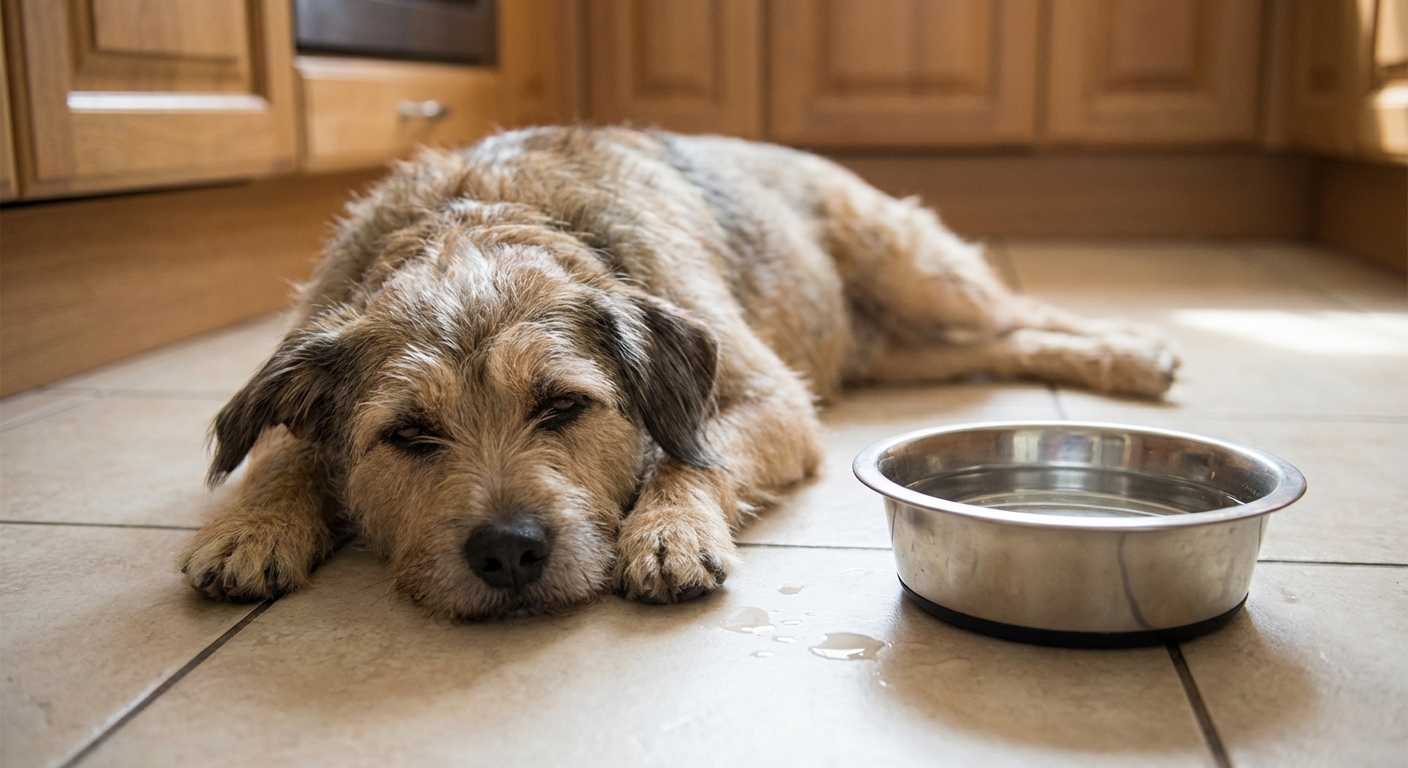
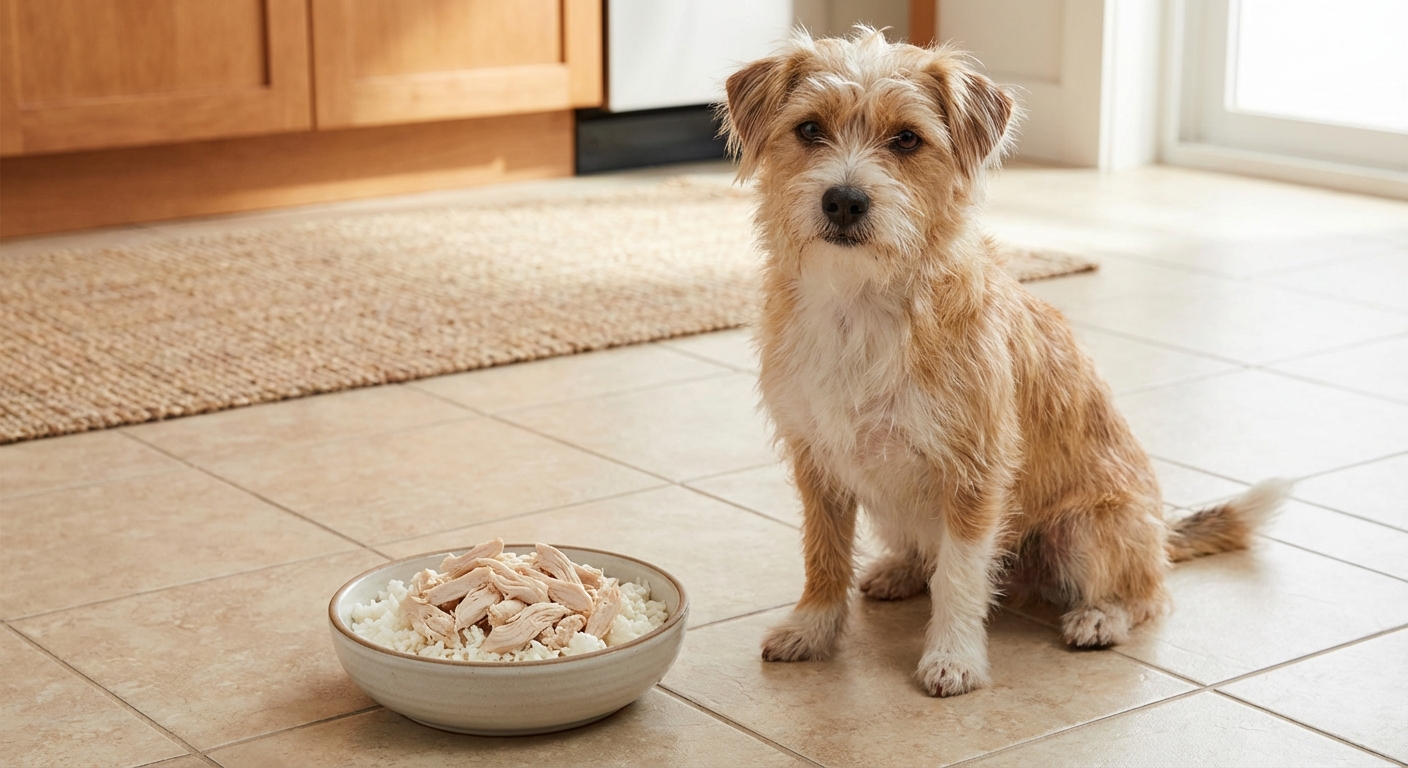
Step-by-step home care for mild dog diarrhea and vomiting: short food break, small sips of water, bland diet, pumpkin, probiotics, dehydration checks, and ur...
Article
•
Designer Mixes
Why Puppies Throw Up Food

Shari Shidate
Designer Mixes contributor
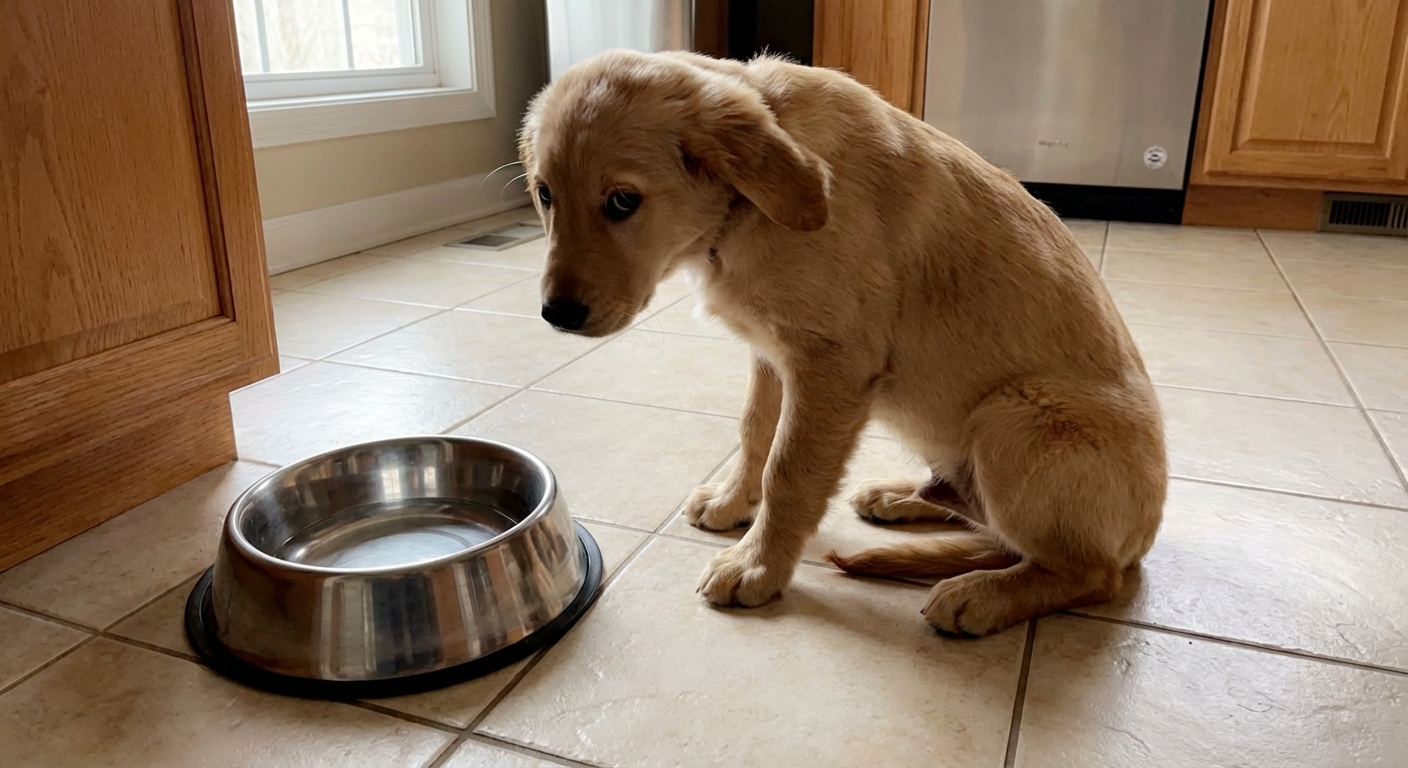
If your puppy just ate and then threw up their food, it can feel scary and confusing. As a veterinary assistant here in Frisco, Texas, I can tell you this is one of the most common puppy concerns I hear. The good news is that many causes are simple and fixable. The important part is knowing when it is normal puppy behavior and when it is a medical red flag.
Let’s walk through the most common reasons puppies vomit or regurgitate after meals, what you can do at home today, and when to call your veterinarian.
Vomiting vs. regurgitation
Pet parents often say “vomit,” but two different things can happen after meals, and they point to different causes.
- Regurgitation: food comes back up easily, often soon after eating, with little to no heaving. The food may look like it did going down, sometimes in a tube or pile. This often suggests an esophagus-related issue (like irritation or a congenital problem). Fast eating can contribute, but frequent regurgitation should be checked by your vet because true regurgitation is commonly tied to the esophagus (and in rare cases, megaesophagus).
- Vomiting: usually includes nausea signs (drooling, lip licking), belly contractions, and the material may be partially digested. This points more toward stomach or intestinal upset, infection, parasites, diet issues, inflammation, or toxins.
If you are unsure which one you saw, that is totally okay. A short video for your vet can be extremely helpful.
Common reasons puppies throw up
1) Eating too fast
Puppies are enthusiastic little vacuum cleaners. Fast eating can lead to gulping air and can trigger vomiting. It can also look like regurgitation, especially if food comes back up almost immediately.
Clues: happens right after meals, the food looks mostly undigested, your puppy acts normal afterward.
2) Overeating or meals that are too large
Puppies have small stomachs. One big meal can be harder to handle than several smaller ones.
Clues: throwing up shortly after eating, especially if you recently increased portion sizes or treats.
3) Sudden diet change or rich treats
A quick switch in kibble, new chews, people food, or high-fat treats can irritate the GI tract. Puppies have sensitive systems, and their gut microbiome is still developing.
Clues: vomiting plus gas, loose stool, or tummy gurgles after a new food or treat.
4) Parasites (very common in puppies)
Roundworms, hookworms, and Giardia are especially common in young dogs. Whipworms can happen too, but are less common in very young puppies than roundworms and hookworms.
Clues: intermittent vomiting, soft stool or diarrhea, poor weight gain, potbelly appearance, or you see worms in stool or vomit.
5) Motion sickness or excitement
Car rides, intense play right after eating, or stress can trigger vomiting.
Clues: vomiting after travel or after running and jumping soon after meals.
6) Eating non-food items
Puppies explore with their mouths. Socks, toys, rocks, mulch, and bones can irritate the stomach or create a dangerous obstruction.
Clues: repeated vomiting, decreased appetite, painful belly, lethargy, straining to poop, no poop, or your puppy seems hungry but keeps throwing up after trying to eat.
7) Infections and inflammation
Viruses (like parvo), bacteria, parasites, or general gastroenteritis can cause vomiting. Puppies are more vulnerable because their immune system is still maturing.
Clues: vomiting with diarrhea, fever, weakness, loss of appetite, or dehydration.
8) Food intolerance or sensitivity
Some puppies do not tolerate certain ingredients well. This is different from a one-time “got into something” episode. If vomiting keeps happening, your vet may want to look for patterns and discuss a diet trial or other testing.
Clues: recurring vomiting, frequent soft stool, lots of gas, or symptoms that flare after the same food or treats.
Timing clues
- Right after eating: often fast eating, overeating, immediate upset, or regurgitation.
- Hours after eating: more consistent with stomach upset, inflammation, infection, parasites, or something your puppy should not have eaten.
- Yellow bile (especially early morning): can happen with an empty stomach, but if it repeats or your puppy seems unwell, check in with your vet.
Simple fixes that help fast
1) Slow the meal down
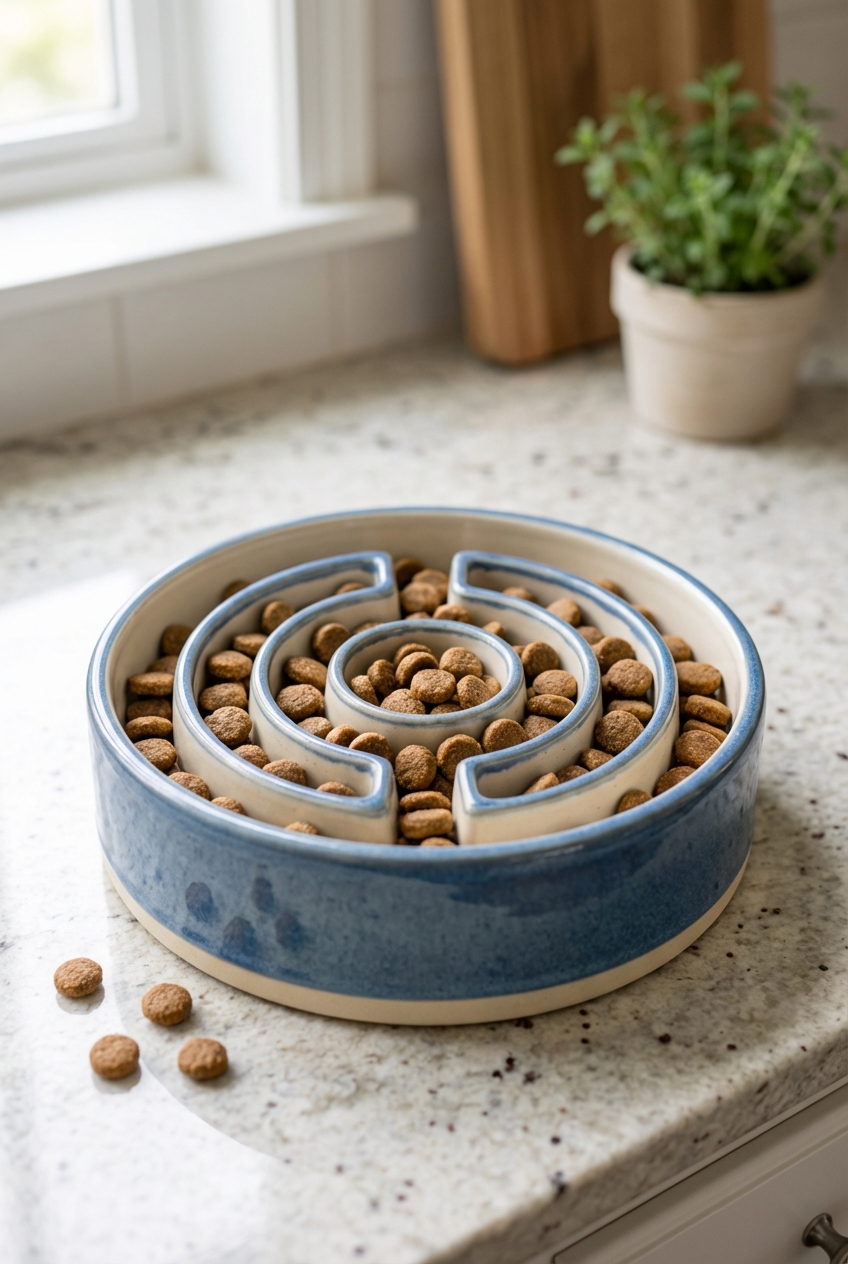
- Use a slow feeder bowl or a snuffle mat.
- Scatter kibble on a clean surface so your puppy has to hunt and pick.
- Feed in smaller portions, pausing between handfuls.
2) Switch from 2 big meals to 3 to 4 small meals
Smaller meals are gentler on puppy stomachs and can reduce throwing up after eating.
3) Keep a calm rest period after meals
For many puppies, hard play right after meals is the trigger. Aim for a 20 to 30 minute calm period after eating.
4) Change foods slowly
If you are changing foods, take 7 to 10 days when possible. Mix a little more of the new food in each day. Puppies do best with gradual transitions.
5) Cut down on treat overload
Keep treats simple and limited, especially during training-heavy phases. As a general rule, treats should stay under 10% of daily calories. Rich, fatty treats are a common trigger.
What to do at home
If your puppy threw up once, is bright-eyed, wants to play, and has no other symptoms, these are reasonable first steps.
- Pause food briefly (often 2 to 4 hours for many puppies). If your puppy is under about 12 weeks, very small, or a toy breed, call your vet before withholding food because young puppies can be at risk for low blood sugar.
- Offer small amounts of water frequently. If they gulp water and throw up again, offer ice chips or a tablespoon at a time.
- Restart with smaller, slower meals once settled.
- Write down details: time, what was eaten, how fast, what it looked like coming up, and any diarrhea.
Watch hydration: Puppies can dehydrate quickly. Call your vet if you notice dry or tacky gums, sunken-looking eyes, weakness, or your puppy is not peeing normally. (At-home dehydration checks are not perfect, so if you are worried, call.)
Important: Do not give human medications (including Pepto, anti-diarrheals, or anti-nausea meds) unless your veterinarian specifically instructs you to. Some human meds are dangerous for dogs, and some can mask symptoms or change stool color, making it harder to judge what is going on.
When it is urgent
Please contact your veterinarian or an emergency clinic right away if you notice any of the following.
- Repeated vomiting or cannot keep water down
- More than 1 to 2 vomiting episodes in 24 hours, or vomiting that continues beyond 12 to 24 hours (sooner for young or tiny puppies)
- Vomiting plus diarrhea, especially if there is blood
- Foul, watery diarrhea with rapid decline (a big parvo concern, especially in unvaccinated puppies)
- Extreme lethargy, weakness, or collapse
- Bloated or painful abdomen
- Known or suspected foreign body (toy, sock, bone, corn cob)
- Pale gums, difficulty breathing, or signs of shock
- Very young puppy or unvaccinated puppy with vomiting (parvo risk)
- Black, tarry stool or vomit that looks like coffee grounds
Trust your instincts. If your puppy looks “off,” it is always appropriate to call. Puppies can dehydrate quickly.
What your vet may recommend
Depending on your puppy’s age, vaccine status, symptoms, and exam findings, your veterinarian may suggest:
- Fecal testing to check for worms and Giardia (very common in puppies)
- Parvo testing if risk factors and symptoms fit
- X-rays or ultrasound if obstruction is a concern
- Anti-nausea medication to stop vomiting and protect hydration
- Fluids if dehydration is present
- A prescription GI diet temporarily, then a gradual transition back to their regular food
- Esophagus workup if regurgitation is frequent or persistent
Prevention checklist
- Feed measured meals, not free-fed piles
- Use a slow feeder or snuffle mat for fast eaters
- Keep playtime calm right after meals
- Transition foods slowly over 7 to 10 days
- Stay current on deworming and fecal checks
- Puppy-proof the house to prevent swallowing hazards
- Keep a simple log of vomiting episodes to spot patterns
Your puppy’s stomach can absolutely improve with a few smart changes. If you want, share your puppy’s age, breed mix, and what they eat right now, and I can help you think through the most likely trigger and the safest next step to discuss with your vet.