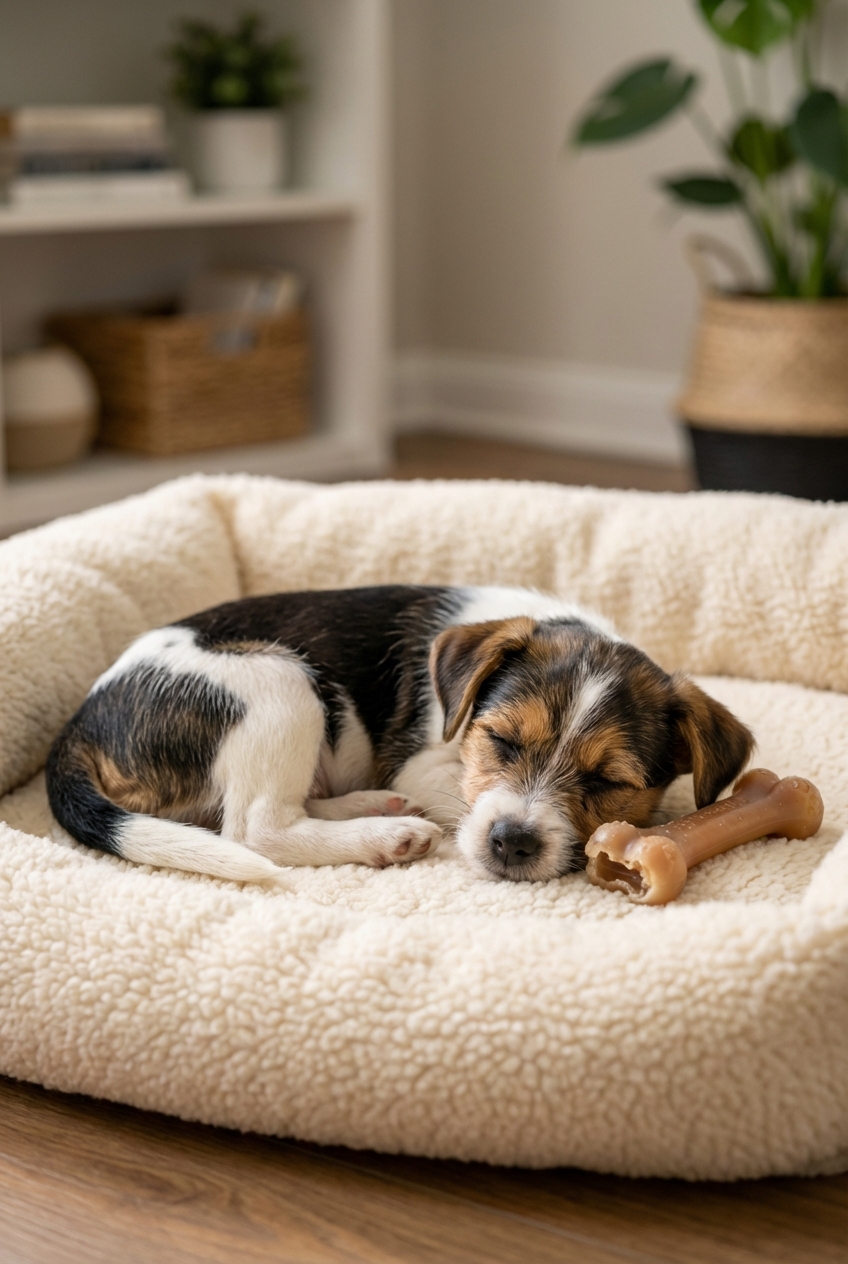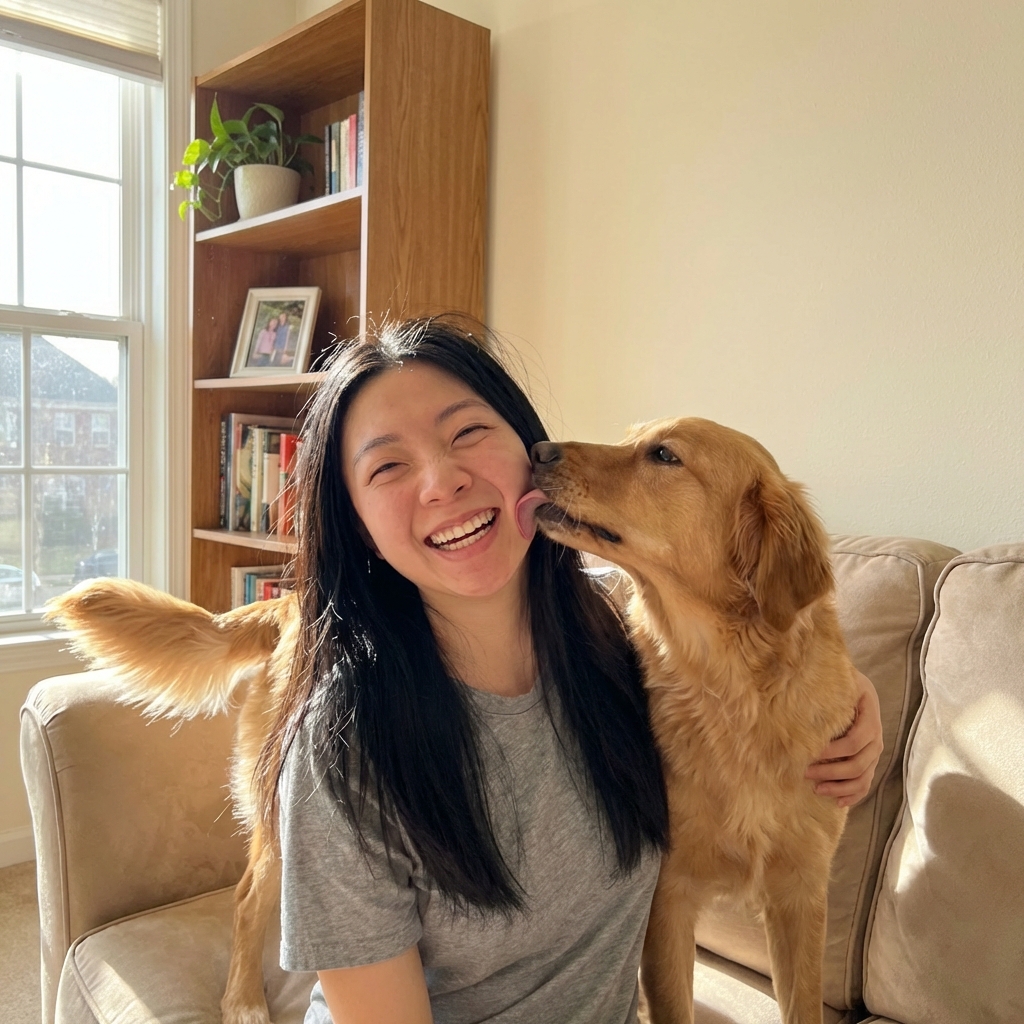
Dogs lick faces for bonding, communication, taste, attention, and stress relief. Learn when it’s normal, when to be cautious, and how to set kind “no kis...
Article
•
Designer Mixes
Why Puppies Lick So Much

Shari Shidate
Designer Mixes contributor
Puppies are basically tiny explorers with tongues. Licking is one of the first ways they learn about the world, communicate with you, and sometimes calm themselves down. Most of the time it is completely normal, but there are situations where licking can be a clue that something is bothering them.
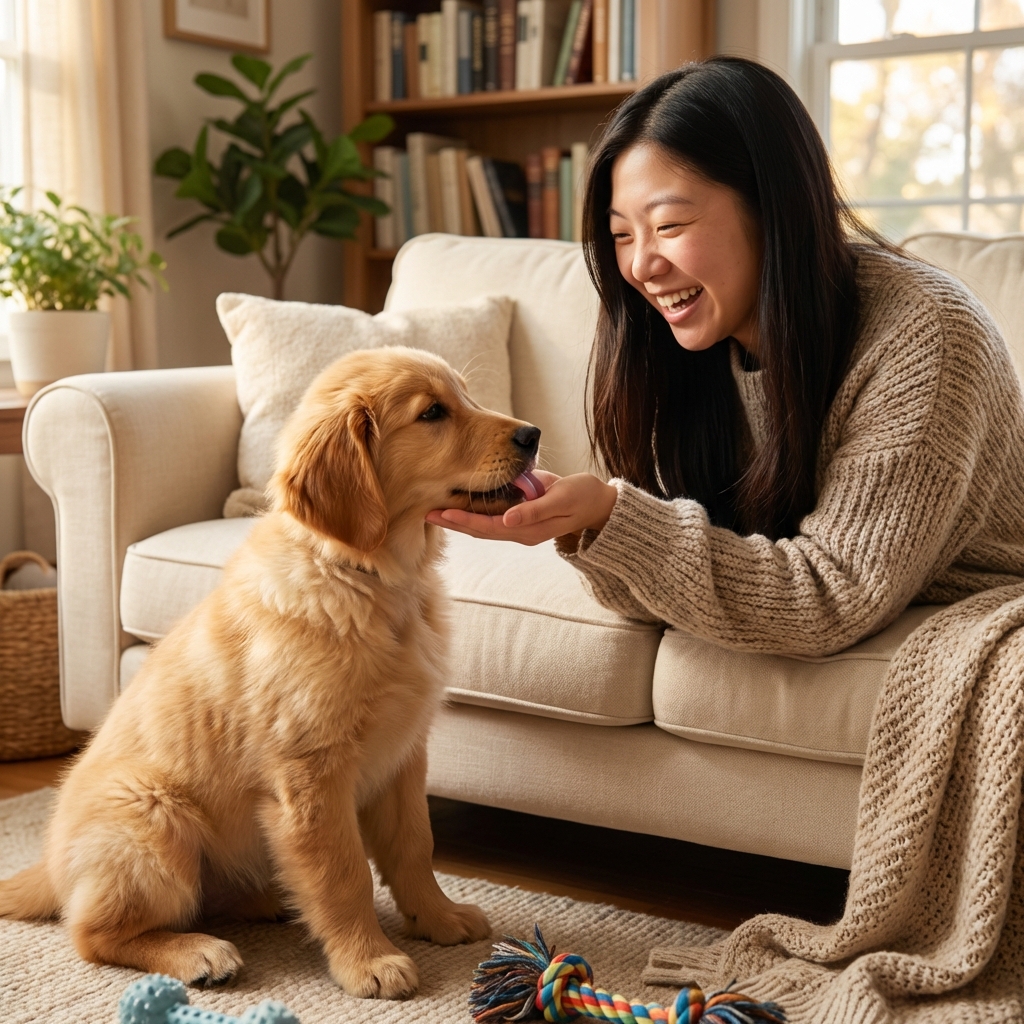
As a veterinary assistant in Frisco, Texas, I see licking questions all the time. Below is a warm, evidence-based breakdown of why it happens, what is normal, what is not, and how to respond in a way that supports your puppy’s health and your sanity.
Quick note: This article is for general education and is not a substitute for veterinary diagnosis or treatment.
Quick answer
Licking can be:
- Social (bonding, greeting, attention-seeking)
- Comforting (may have a self-soothing effect when tired or overwhelmed)
- Exploratory (learning tastes and textures)
- Medical (nausea, itch, pain, allergies, dental issues)
- Behavioral (anxiety, compulsive habits, under-stimulation)
The key is the pattern: where they lick, how often, and what else is happening (scratching, vomiting, restlessness, appetite changes, skin redness).
Normal reasons
1) Communication and bonding
In puppyhood, licking is a polite social behavior. In a litter, puppies lick mom’s mouth and face as part of bonding and food-related behaviors. With people, licking often becomes a “hello,” “I like you,” or “pay attention to me” signal.
2) Your skin tastes interesting
Salt from sweat, lotion, the smell of food on your hands, even soap residue can make you irresistible. Puppies also lick when you have been cooking, exercising, or applying scented products.
3) Teething and oral exploration
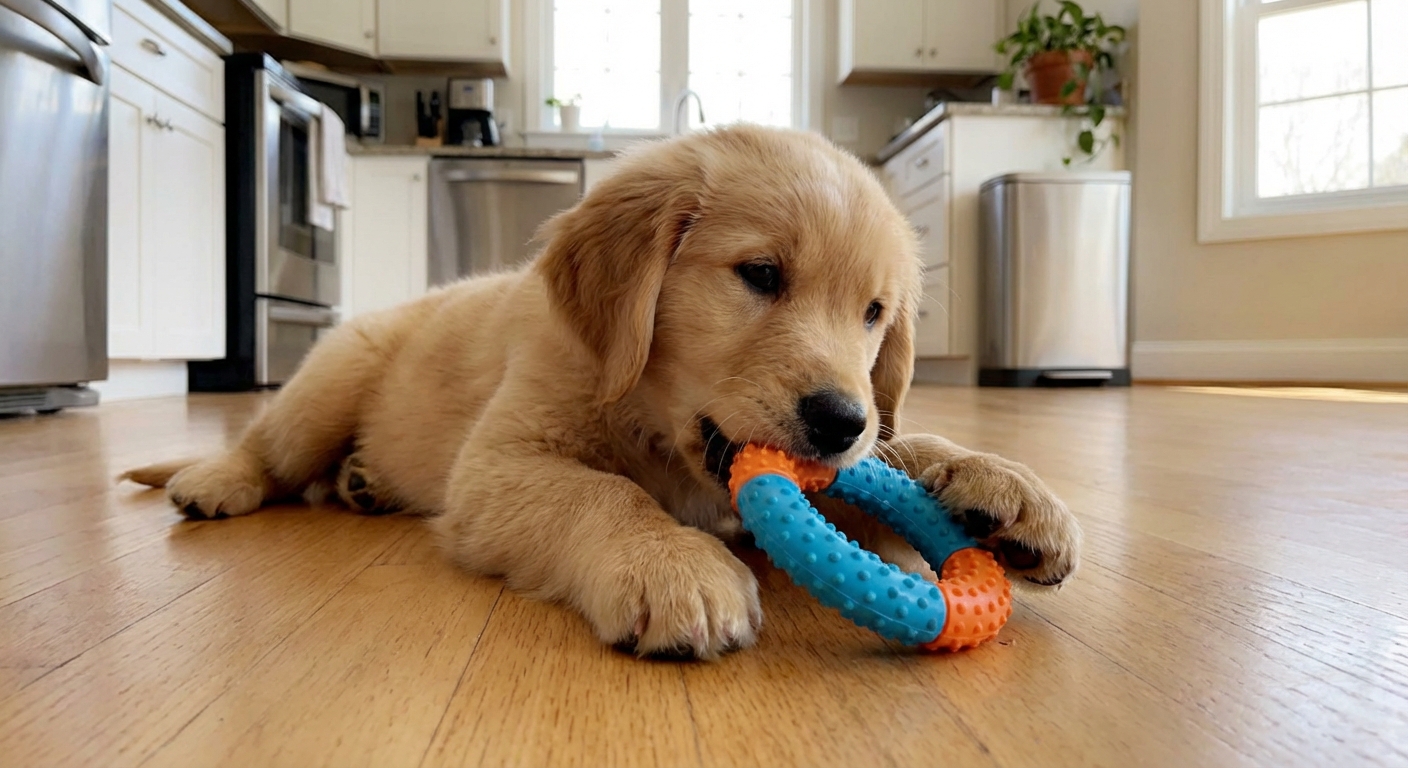
Between roughly 3 to 6 months, teething ramps up as adult teeth come in. The exact timing varies by breed and individual. Some puppies lick more because their mouth feels strange, sore, or itchy. They often pair licking with mouthing, chewing, and gnawing.
4) Wind-down behavior
Many dogs lick more when they are overtired, overstimulated, or settling for sleep. You might notice it after a busy day, visitors, a trip to the vet, or right before a nap.
When it is a health clue
Here are common medical reasons we see in clinics. If you notice these patterns, it is worth a call to your veterinarian.
Nausea or GI upset
Excessive lip licking, licking floors or carpets, gulping, or swallowing repeatedly can be signs of nausea. Puppies are famous for eating things they should not, so this can be an early hint of dietary indiscretion or GI irritation. It can also be associated with GI upset (including nausea or reflux) or stress, especially if it is repetitive.
- Common clues: drooling, reduced appetite, grass eating, vomiting, diarrhea, restlessness
Itchy skin, allergies, or parasites
Repeated licking of paws, belly, or rear can be itch-related. Puppies can have environmental allergies, food sensitivities, or parasites like fleas and mites. Secondary yeast or bacterial infections can also make skin feel intensely itchy.
- Common clues: paw chewing, redness between toes, ear scratching, recurrent ear issues, a noticeable musty or corn chip-like odor (not diagnostic, but sometimes seen with yeast or bacterial overgrowth)
Pain or irritation in one spot
If your puppy focuses on a single paw, joint, or area of skin, think splinter, foxtail, cut, insect sting, or even a sore nail bed. Persistent licking can create a hot spot surprisingly fast.
- Common clues: limping, tenderness, swelling, flinching when touched
Dental discomfort
Bad breath, gum irritation, retained baby teeth, or a sore mouth can trigger lip licking and face rubbing. Puppies do not always show obvious mouth pain, so behavior changes matter.
Rear-end irritation
Licking the rear end can be normal after potty, but frequent attention to that area can mean soft stool, irritation, worms, or anal gland discomfort.
- Common clues: scooting, a fishy odor, sudden interest in the rear, licking after bowel movements that seems excessive
Cute vs too much
Ask yourself these simple questions:
- Is it new or escalating? A sudden increase matters.
- Is it interrupting sleep, play, or eating? Constant licking is not normal.
- Is there skin change? Redness, hair loss, dark staining, odor, bumps, or open sores need attention.
- Is it location-specific? One paw only, one spot only, or intense rear licking is a bigger red flag.
- Are there other symptoms? Vomiting, diarrhea, coughing, lethargy, or appetite shifts should raise your concern level.
If your puppy’s licking is intense enough to cause irritation or they cannot snap out of it, treat it like a symptom, not a quirky habit.
What you can do
Step 1: Check simple triggers
- Wash off salty sweat or food residue from your hands and see if licking decreases.
- Check paws for debris, tiny cuts, sticker burrs, or redness between toes.
- Look for fleas and flea dirt, especially at the tail base and belly.
- Track licking in a notes app: time of day, location, food, treats, new products.
Step 2: Teach an alternative
If the licking is attention-seeking, your response is powerful. Try this:
- Freeze your hands and calmly stop interaction for 3 to 5 seconds.
- When your puppy pauses, mark and reward with a treat or a calm “yes.”
- Redirect to a toy or chew and praise them for using it.
This avoids punishment and shows your puppy what does work.
Step 3: Add healthy outlets
Many puppies lick more when they are under-stimulated or over-aroused. Aim for:
- Short training sessions (2 to 5 minutes) a few times daily
- Food puzzles and sniff games
- Appropriate chews for teething (ask your vet for safe options for your puppy’s age)
- Scheduled nap breaks, because overtired puppies get mouthy and lickier
Step 4: Protect irritated skin
If your puppy is licking one area enough to make it red, you may need to prevent access until your vet can evaluate. An e-collar or recovery cone can be a kindness, not a punishment, when skin is at risk.
Step 5: Avoid unsafe licking
Be careful about what your puppy can lick off skin, floors, or furniture. Some everyday products can upset a puppy’s stomach or be toxic.
- Sunscreen (some formulas contain ingredients that are unsafe if ingested)
- Medicated creams (including pain-relief gels, steroid creams, and acne treatments)
- Xylitol-containing products (some toothpastes, gum, and “sugar-free” items)
- Essential oils (even small amounts can be irritating or harmful)
If you think your puppy licked something potentially toxic, call your veterinarian or a pet poison helpline right away.
When to call the vet
Reach out to your veterinarian promptly if you notice any of the following:
- Licking that is sudden, intense, or nonstop
- Vomiting, diarrhea, bloating, or repeated gulping and swallowing with lip licking
- Red, moist, smelly skin or hair loss where they lick
- Licking focused on one paw with limping or swelling
- Signs of pain (crying, hiding, guarding, sensitivity to touch)
- Any concern for eating a foreign object or toxin
Please do not give human anti-nausea meds, pain relievers, or allergy pills without veterinary guidance. Some common household medications are dangerous for dogs.
Compulsive licking
Occasional licking is normal. If licking becomes a stuck behavior, it can slide into anxiety-driven or compulsive territory, especially after a medical cause has been ruled out.
- Clues: repetitive licking that is hard to interrupt, licking that happens daily even after exercise and enrichment, or licking that worsens with stress
- What helps: a vet visit first (to rule out pain, itch, GI issues), then a plan that may include a certified trainer or veterinary behavior professional
As a practical threshold, if you have tried enrichment and training and the licking persists for 2 to 3 weeks, or it is causing skin damage at any time, it is time to get help.
FAQs
Is it bad if my puppy licks my face?
It is usually a social behavior. The bigger concern is hygiene and training, not toxicity. If you are immunocompromised or have open sores, it is smart to redirect face licking. Teach “off” and offer a toy, then reward.
Why does my puppy lick the floor or carpet?
Sometimes it is crumbs, smells, or a habit. But repetitive floor licking can be associated with GI upset (including nausea or reflux) or stress. If it is frequent, escalating, or paired with gulping, drooling, reduced appetite, vomiting, or diarrhea, call your vet.
Why does my puppy lick their paws at night?
Nighttime can amplify itch and anxiety. Common causes include allergies, yeast or bacteria between toes, mild pain, or pent-up energy. If the paws look red, smell noticeably musty, or are stained brown, it is time for a vet check.
Take-home message
Most puppy licking is normal and even sweet, but patterns matter. If licking is mild, occasional, and easy to redirect, it is usually just puppy communication and exploration. If it is intense, focused, or paired with other symptoms, it is your puppy asking for help in the only way they can.
You are not alone, and you do not have to guess. When in doubt, a quick vet call can save you a lot of worry and help your puppy feel better fast.