A complete guide to cat sneezing: common causes (URIs, irritants, dental issues), safe home care steps, what not to do, and clear red flags for urgent vet care.
Article
•
Designer Mixes
Why My Cat Is Sneezing

Shari Shidate
Designer Mixes contributor
Cat sneezes can be totally harmless, or they can be your cat’s way of asking for help. As a veterinary assistant, I like to think of sneezing as a symptom, not a diagnosis. The goal is to notice the pattern, look for other clues, and know when it’s time to call your veterinarian.
This guide walks you through the most common causes of sneezing in kittens, adult cats, and seniors, plus what you can do at home and what your vet may recommend.
Educational note: This article is for general information and is not a substitute for veterinary care.
Quick triage: when sneezing is urgent
Most mild sneezing is not an emergency, but some situations should move you from “watch and wait” to “call today” or “go now.”
Go to an emergency clinic now if you notice
- Open-mouth breathing or struggling to breathe
- Blue or gray gums, collapse, extreme weakness
- Facial swelling around the nose or eyes
- Uncontrolled nosebleed or heavy bleeding
- Suspected toxin exposure (cleaners, essential oils, chemical fumes, heavy smoke exposure)
Call your veterinarian within 24 hours if
- Sneezing is frequent and persists for more than 48 hours
- There is eye discharge, squinting, redness, or pawing at the face
- You see thick, yellow, green, or cloudy nasal discharge
- Your cat is not eating or seems less interested in food
- Your cat is a kitten, senior, or immunocompromised
Appetite rule of thumb: if an adult cat has not eaten in 24 hours, or a kitten has not eaten in 12 to 24 hours, call your vet. Cats can go downhill quickly when they stop eating, and overweight cats are at higher risk for hepatic lipidosis (fatty liver).
Trust your instincts. If your cat “just isn’t acting right,” it is always appropriate to call.
What sneezing usually means
Sneezing is a protective reflex. The nose is trying to clear out something irritating, inflamed, or infected. In cats, common causes fall into a few big buckets:
- Upper respiratory infections (viral and sometimes bacterial)
- Environmental irritants (dust, perfume, litter, smoke)
- Allergies (less common than in people, but possible)
- Dental disease that involves the roots near the nasal passages
- Foreign material stuck in the nose (grass seed, dust clump)
- Nasal polyps or masses, especially in certain age groups
- Fungal disease (region-dependent, more likely with chronic symptoms)
- Other uncommon causes like nasal mites (rare and region-dependent)
Common causes by age
Kittens
Kittens sneeze a lot for one big reason: their immune systems are still learning. The most common culprit is a viral upper respiratory infection, often involving feline herpesvirus (FHV-1) or calicivirus (FCV). These can spread easily in shelters, multi-cat homes, and even during stressful life changes.
Kittens can also get congested quickly, and congestion can make it harder to smell food. That is one reason a sneezing kitten who slows down on eating should be taken seriously.
Adult cats
Adults often sneeze from:
- Viral flare-ups (herpes can “hide” and recur during stress)
- Irritants like dusty litter, candles, cooking smoke, cleaning sprays
- Dental disease starting to affect nasal tissues
Senior cats
In older cats, we still see infections and dental disease, but we also become more cautious about:
- Chronic rhinitis (long-term nasal inflammation)
- Nasal growths such as polyps or tumors
- Systemic illness affecting immunity
- High blood pressure or clotting problems when nosebleeds are involved
Any senior cat with new, persistent sneezing should get a veterinary exam sooner rather than later.
How to read the “sneeze clues”
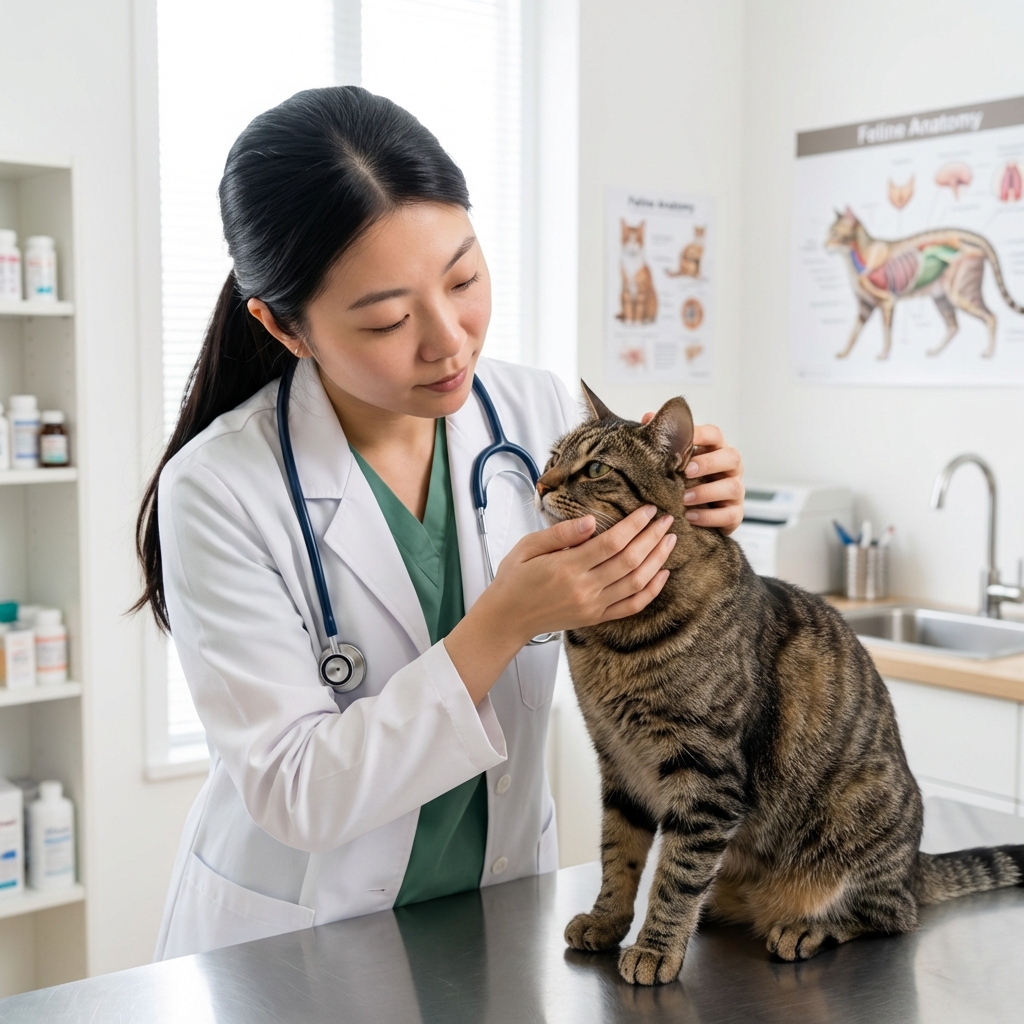
These details help narrow down the possibilities. If you end up calling your veterinarian, having these observations written down is incredibly helpful.
1) Is there discharge? What color?
- None or clear: often irritants, early viral infection, mild inflammation
- Thick white, yellow, green, or cloudy: may indicate infection or significant inflammation and warrants an exam
- Bloody: nose trauma, foreign material, severe inflammation, dental disease, clotting issues, high blood pressure, or growths
2) One nostril or both?
- Both sides: more typical for viral upper respiratory infections or irritants
- One side: raises concern for foreign material, dental root issues, or a polyp or mass
3) Any eye symptoms?
Sneezing plus watery eyes, squinting, or eye discharge often points toward a feline upper respiratory infection. Herpesvirus, in particular, can cause eye inflammation.
4) Is your cat still eating?
Cats rely heavily on smell. If the nose is plugged, appetite can drop. If your cat is not eating, especially a kitten or a senior cat, do not wait it out.
5) Any recent changes at home?
- New litter or a dusty bag of the same litter
- New air fresheners, diffusers, candles, perfume
- Construction dust, vacuuming, carpet powder
- New cat in the home, boarding, or stress
A simple timeline
- 0 to 2 days: mild sneezing with normal energy, normal breathing, and a good appetite can often be monitored while you reduce irritants and provide supportive care.
- More than 48 hours: if sneezing is frequent or getting worse, call your vet.
- More than 2 weeks, recurring episodes, or one-sided signs: schedule an exam and discuss diagnostics.
- Any time: emergency red flags (breathing trouble, collapse, facial swelling, heavy bleeding) mean go now.
Upper respiratory infections
When people ask me, “Why is my cat sneezing?” the most frequent answer is an upper respiratory infection. Most are viral, and antibiotics do not treat viruses. That said, cats can develop secondary bacterial infections, and that is where your vet may recommend medication.
Common signs
- Sneezing fits
- Runny nose
- Watery eyes or eye discharge
- Congestion, noisy breathing through the nose
- Lethargy
- Reduced appetite
Why herpesvirus keeps coming up
Feline herpesvirus can become lifelong. Many cats do well day to day, but stress can trigger flare-ups. The encouraging news is that with supportive care and good prevention, many cats live comfortably even if they have occasional sniffly days.
Keeping other cats safer
If you have a multi-cat home and one cat is sneezing with discharge, treat it as contagious until your vet says otherwise.
- Separate food and water bowls and litter boxes if you can
- Wash hands after handling the sick cat
- Launder bedding and wipe down hard surfaces regularly
Environmental irritants
A cat’s nose is sensitive. Sneezing that starts right after a change in your home often points to irritation rather than infection.
Common irritants
- Dusty clay litter or litter tracking dust
- Cigarette smoke, vaping aerosols, fireplace smoke
- Strong fragrances, essential oils, incense, candles
- Aerosol cleaners and sprays
- Construction dust or new carpet smell
What you can do
- Switch to a low-dust, unscented litter
- Use cleaners when your cat is in another room, then ventilate well
- Avoid diffusers and essential oils around cats
- Run a HEPA air purifier in the main living area
Allergies
Cats can have allergies, but repeated sneezing is more commonly infection or irritation. If allergies are suspected, your vet may ask about seasonality, household triggers, and whether there are skin or ear symptoms too.
Important note: do not give human allergy medications unless your veterinarian specifically instructs you to. Cats are not small people, and dosing can be risky.
Dental disease that mimics a “cold”
This one surprises many cat parents. The roots of upper teeth sit close to the nasal passages. Dental infections or tooth root abscesses can cause sneezing, nasal discharge (sometimes one-sided), and even bad breath.
Clues that point toward teeth
- Bad breath
- Drooling or pawing at the mouth
- Preference for soft food
- One-sided nasal discharge
If you suspect dental disease, a veterinary exam and dental imaging are often key to getting a real answer.
Foreign material in the nose
Occasionally, a blade of grass, seed, or small piece of debris can get lodged in the nasal passage. This often causes sudden sneezing fits and sometimes one-sided discharge.
Do not try to flush your cat’s nose at home. Flushing can be unsafe and can lead to aspiration, injury, or more irritation, especially if your cat fights you. This is a “call your vet” situation.
Polyps, masses, and chronic sneezing
If sneezing continues for weeks, keeps coming back, or is accompanied by noisy breathing, snoring, nosebleeds, or facial changes, your veterinarian may discuss deeper causes like polyps, fungal disease, or tumors.
That can sound scary, but the takeaway is empowering: chronic symptoms deserve diagnostics so you are not guessing.
Tests your veterinarian may recommend
- Physical exam and temperature
- Oral exam and dental evaluation
- Eye exam if there is discharge or squinting
- Nasal swabs or PCR testing for common viruses
- X-rays or CT scan for chronic or one-sided issues
- Rhinoscopy (camera exam) and biopsy if needed
Possible treatments your vet may discuss
- Supportive care and hydration strategies
- Antibiotics if a bacterial infection is suspected
- Eye medications if conjunctivitis or corneal issues are present
- Antiviral medication in select cases
- Appetite support if your cat is not eating
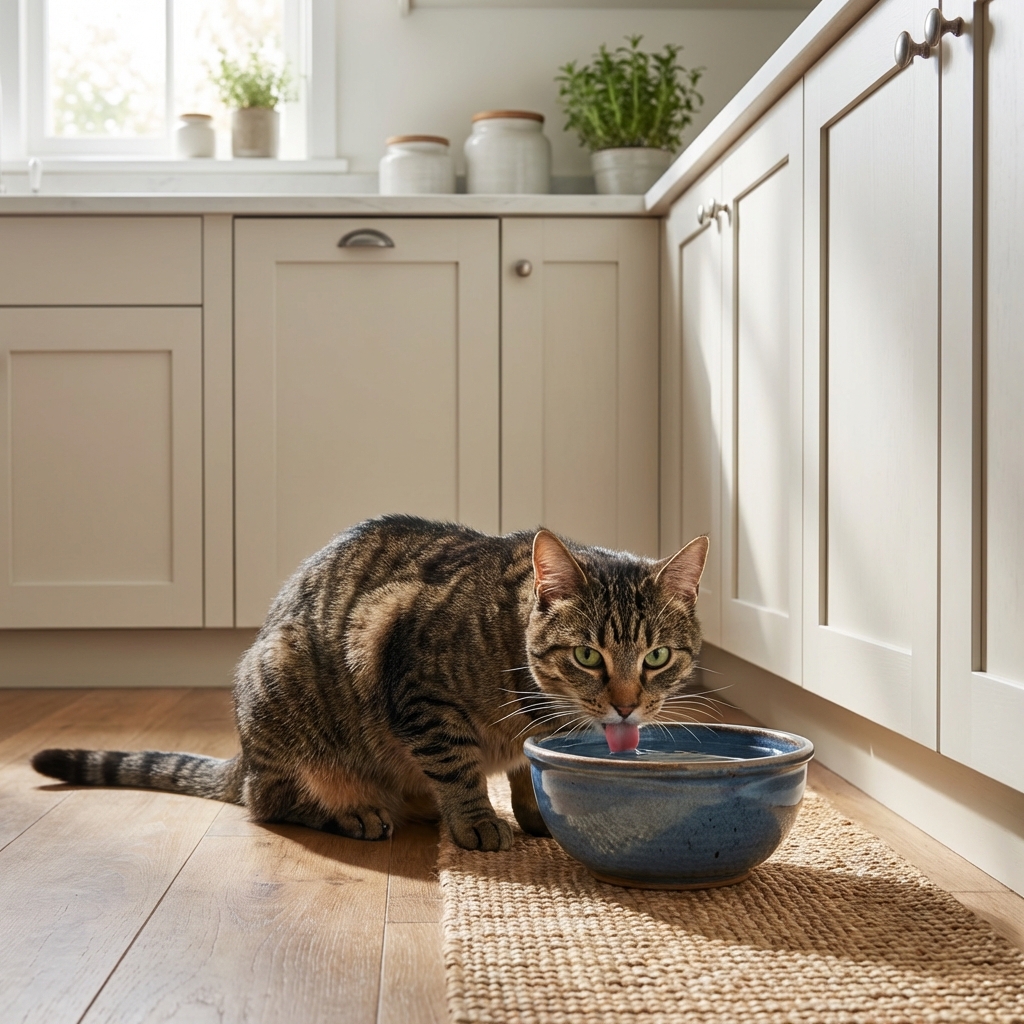
Safe, helpful home care
For mild sneezing when your cat is otherwise bright, eating, and breathing comfortably, supportive care can make a big difference.
1) Boost hydration and appetite
- Offer wet food to increase moisture intake
- Warm food slightly so it smells stronger
- Offer a strong-smelling option like a veterinary-approved recovery diet if your vet recommends it
2) Add humidity
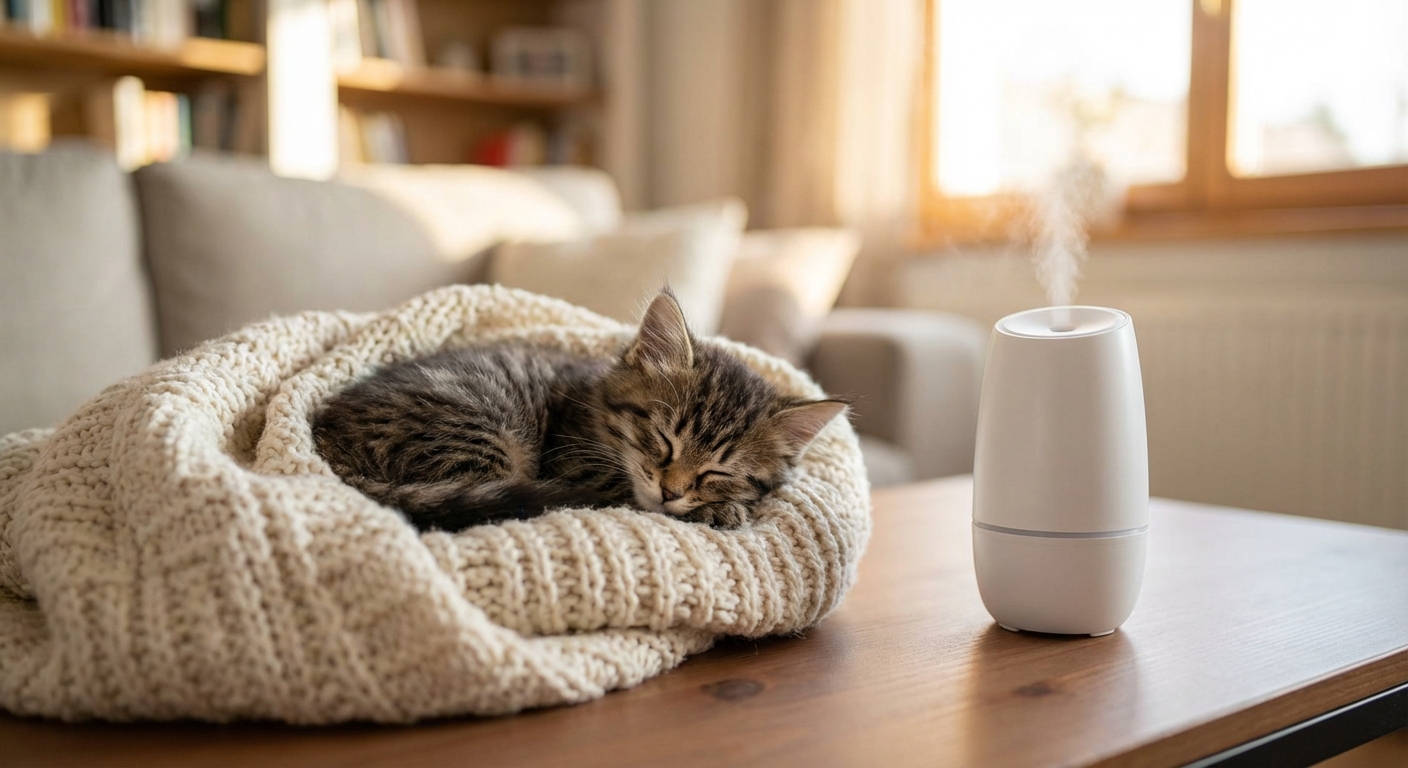
- Run a cool-mist humidifier in the room where your cat rests
- Let your cat sit in a steamy bathroom for 10 to 15 minutes while you run a hot shower, if your cat tolerates it
3) Gentle nose and eye cleanup
- Use a warm, damp cloth to soften crusts
- Wipe from the inner corner outward and use a clean area of cloth each pass
4) Reduce stress
Stress can worsen viral flare-ups. Stick to routine, provide a cozy hiding spot, and keep loud activity away from your recovering cat.
If your cat is sneezing but also not eating, hiding more than usual, or breathing with effort, home care is not enough. That is your sign to call your veterinarian.
What not to do
- Do not give over-the-counter cold medicines, decongestants, or cough syrups.
- Do not use essential oils or vapor rub products around your cat.
- Do not use leftover antibiotics from a previous pet or a previous illness.
- Do not force-feed without veterinary guidance if your cat is resisting, especially if breathing is compromised.
Prevention
You cannot prevent every sneeze, but you can reduce the odds of prolonged illness and recurring flare-ups.
Practical prevention steps
- Keep your cat current on vaccines as recommended by your veterinarian. Core vaccines commonly include protection against FHV-1 and FCV, which are frequent causes of upper respiratory infections.
- Quarantine new cats and schedule a wellness exam before introductions
- Use unscented, low-dust litter
- Maintain good ventilation and avoid smoke exposure
- Schedule regular dental checkups, especially as your cat ages
- Support overall health with good nutrition, hydration, and enrichment
Questions to ask your veterinarian
If you are headed to the clinic, these questions keep the visit focused and help you leave with a clear plan.
- Do you suspect viral infection, bacterial infection, or irritation?
- Are my cat’s eyes affected, and do we need eye medication?
- Should we test for common respiratory viruses?
- At what point should we recheck if symptoms do not improve?
- Is dental disease contributing to these symptoms?
- What are the red flags I should watch for at home?