A practical home-care plan for mild puppy diarrhea: safety check, hydration tips, bland diet portions, probiotics and pumpkin, plus red flags that mean call ...
Article
•
Designer Mixes
Why Is My Puppy’s Poop Runny?

Shari Shidate
Designer Mixes contributor
If you are staring at a soft, puddly or watery poop and wondering what changed overnight, you are not alone. Runny stool is one of the most common puppy issues I see as a veterinary assistant in Frisco, Texas. The good news is that many causes are mild and temporary. The not-so-fun truth is that puppies can go downhill faster than adult dogs if diarrhea is severe, frequent, or paired with vomiting or lethargy.
This guide walks you through the most likely reasons your puppy’s poop is runny, what you can safely do at home, and when it is time to call your veterinarian. This is general information and not a substitute for an exam.
What counts as runny?
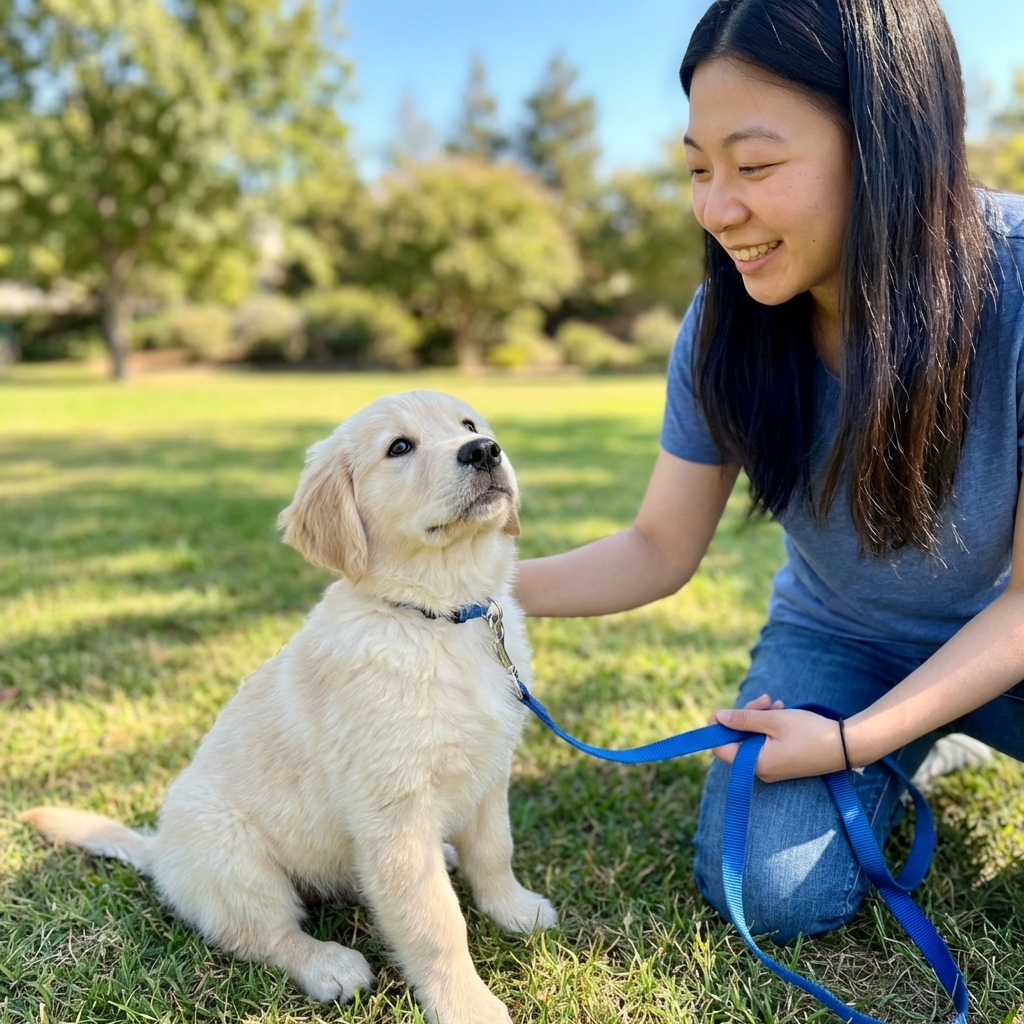
Puppy stool can vary more than adult stool, especially during growth spurts and food transitions. In general:
- Normal: formed log that holds shape when picked up, slightly moist, easy to scoop.
- Soft: formed but squishy, may leave residue on grass.
- Runny diarrhea: puddle, watery, hard to pick up, often urgent.
If your puppy has watery diarrhea multiple times in a day, monitor closely and consider calling your vet for guidance, especially if your puppy is very young, small, not fully vaccinated, or anything else seems off. Urgency depends on hydration, volume, and other symptoms, not just the number of poops.
Most common reasons
1) Diet changes or new treats
A puppy’s GI tract is sensitive. Switching foods too fast, introducing rich treats, new chews, bully sticks, or sharing “just a bite” of people food can trigger diarrhea.
What it can look like: runny poop but puppy is still playful and eating. Often starts within 12 to 48 hours of the change.
Prevention tip: transition food over 7 to 10 days. Start with 75% old food and 25% new for a few days, then gradually increase the new food.
2) Stress diarrhea
Big life changes can loosen stools. Think adoption, a new home, crate training, boarding, a grooming visit, or even a loud storm. Stress affects gut motility and the microbiome.
What it can look like: loose stool that improves as your puppy settles. Some puppies also have a little mucus in the stool.
3) Parasites (very common)
Puppies are parasite magnets. Even with great care, they can pick up intestinal parasites from mom, the environment, or other dogs.
- Giardia: can cause soft to watery stool that may be foul-smelling, greasy-looking, or intermittent.
- Roundworms and hookworms: can cause diarrhea, poor weight gain, pot-bellied look, and sometimes vomiting.
- Coccidia: can cause watery diarrhea, sometimes with mucus, more common in young puppies and shelters.
Key point: a negative basic fecal test does not always rule out Giardia. Giardia can shed intermittently, and some in-clinic tests (like a standard flotation) may miss it. Your vet may recommend a Giardia antigen test, a send-out test, or PCR if diarrhea persists or keeps coming back.
More serious causes
4) Viral disease (Parvo is the big one)
Parvovirus is a life-threatening emergency, especially in unvaccinated or partially vaccinated puppies. Risk can remain until the puppy vaccine series is complete, often around 16 weeks or later depending on your vet’s schedule and local outbreaks. Parvo attacks the intestinal lining and can cause severe dehydration quickly.
Red flags: frequent watery diarrhea, blood in stool, vomiting, refusal to eat, lethargy, fever, or collapse.
If you suspect parvo, do not wait. Call your vet or go to an emergency clinic.
5) Bacterial imbalance or infection
Sometimes puppies get diarrhea after getting into contaminated water or feces, or from a general gut imbalance. True bacterial enteritis is not as common as parasites and diet-related diarrhea in many puppies, and antibiotics are not automatically the right answer. Most vets are cautious with antibiotics and base treatment on the exam and testing.
6) Food intolerance or allergy
Some puppies do not tolerate certain proteins, high-fat diets, dairy, or specific ingredients. True food allergies often include itching, ear infections, paw licking, and chronic GI signs, but intolerance can show up as recurring loose stools.
7) Eating something they should not
Puppies explore with their mouths. Socks, toys, mulch, sticks, and garbage can irritate the gut or cause a dangerous blockage.
Call your vet urgently if diarrhea is paired with repeated vomiting, painful belly, hunched posture, or your puppy cannot keep water down.
8) Other infections
Other viruses and contagious GI bugs can also cause diarrhea in puppies. The symptoms can overlap, so your vet may recommend testing based on your puppy’s age, vaccines, and exposure risk.
What to do at home
Home care is only appropriate if your puppy is otherwise bright, hydrated, and not vomiting, and you are not seeing blood. If your puppy is very young (under 12 weeks), tiny, not fully vaccinated, or has other medical issues, be more cautious and call your vet sooner.
Step 1: Check hydration
- Gums: should be moist, not tacky or dry.
- Skin tent: gently lift skin over shoulders. It should snap back quickly. This is a general clue and can be less reliable in puppies, very lean pets, and some breeds.
- Energy: lethargy can be a dehydration clue.
If you are unsure, it is safer to call your vet.
Step 2: Pause rich treats and extras
Stop new treats, chews, table scraps, and flavored dental products for a few days.
Step 3: Offer a gentle bland diet (short-term)
Many veterinarians recommend one of these for mild, short-term diarrhea:
- Boiled skinless chicken breast and white rice
- Lean ground turkey and rice
- Veterinary gastrointestinal diet (often the easiest on the gut)
Offer small meals, 3 to 4 times daily. Avoid high-fat foods. Use bland diets short-term (often 24 to 48 hours) unless your vet tells you otherwise. Chicken and rice is not a fit for every puppy, especially if your puppy has a known or suspected food sensitivity. Fresh water should always be available. If your puppy will not drink, call your vet.
Step 4: Consider a puppy-safe probiotic
Evidence supports certain probiotics for acute diarrhea in dogs, especially when stress or antibiotics are involved. Choose a product formulated for pets and follow label directions. If you are unsure, ask your clinic which brands they trust.
Step 5: Avoid OTC human anti-diarrheals unless your vet says to
Do not give medications like loperamide (Imodium) or bismuth subsalicylate (Pepto-Bismol) unless your veterinarian specifically instructs you. These can be risky for some dogs, can hide worsening disease, and dosing mistakes are common.
Step 6: Track stool details
Write down:
- Frequency
- Consistency (soft vs watery)
- Color changes
- Mucus
- Any blood (bright red or black and tarry)
- Vomiting, appetite, and energy level
This helps your vet make faster, better decisions.
Timeline tip: if your puppy is bright and hydrated and it is mild, you can often try a bland diet and probiotic for about 24 hours. If it worsens at any point, or does not improve by the next day, call your vet.
When to call the vet
Please call your veterinarian (or emergency clinic) ASAP if you notice any of the following:
- Blood in the stool or black, tarry stool
- Vomiting along with diarrhea
- Watery diarrhea that keeps happening, especially very frequent episodes or large volume
- Lethargy, weakness, trembling, or collapse
- Refusing food or not drinking
- Signs of dehydration (tacky gums, sunken eyes, skin not snapping back)
- Puppy is under 12 weeks, very small breed, or not fully vaccinated
- Suspected toxin or foreign object (string, socks, bones, toys)
- Diarrhea lasting more than 24 hours even if mild
With puppies, earlier care is almost always cheaper and safer than waiting.
What your vet may do
Depending on your puppy’s age, vaccines, symptoms, and exam, your veterinarian might recommend:
- Fecal testing for parasites (and specific Giardia testing if needed)
- Parvo test for at-risk puppies
- De-worming medication (many puppies need repeated de-worming even with routine prevention)
- Fluids (subcutaneous or IV) for dehydration
- Anti-nausea medication if vomiting is present
- Prescription GI diet and targeted probiotics
- Additional testing if diarrhea is chronic (bloodwork, ultrasound, diet trials)
Prevention tips
- Keep vaccines on schedule, especially the core puppy series.
- Use vet-recommended parasite prevention year-round.
- Transition foods slowly and introduce new treats one at a time.
- Limit high-risk exposure until fully vaccinated: shared water bowls, heavily trafficked dog parks, and areas with lots of feces.
- Puppy-proof your home to reduce trash eating and toy ingestion.
- Keep a stomach plan: ask your clinic what bland diet and probiotic they prefer so you are ready.
If your puppy has runny poop, you do not need to panic. You do need to pay attention. The combination of diarrhea plus young age is what makes quick action so important.
Quick FAQ
Is a one-time soft stool normal?
It can be, especially after a new treat or a stressful day. If your puppy is acting normal and the next poop firms up, monitor and keep the diet consistent.
Can I use pumpkin?
Plain canned pumpkin (not pie filling) is often used for mild stool issues because it adds soluble fiber. It is not a cure for parasites or parvo, and too much can worsen diarrhea. Ask your vet for a dose based on your puppy’s size.
Should I fast my puppy?
Fasting is not always appropriate for puppies due to their energy needs and risk of low blood sugar, especially in toy breeds. Many vets prefer small, frequent bland meals instead. If you are considering fasting, call your clinic first.
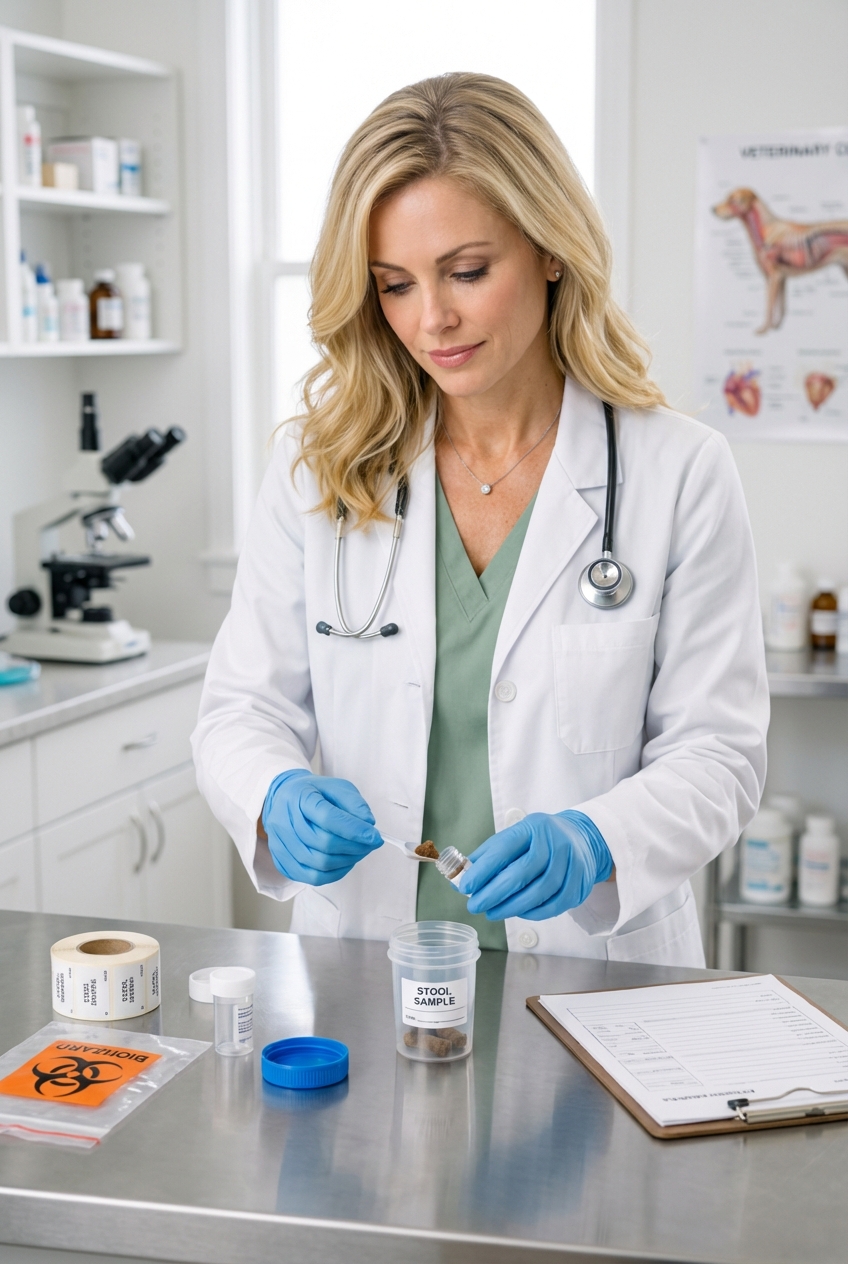
How do I bring a stool sample?
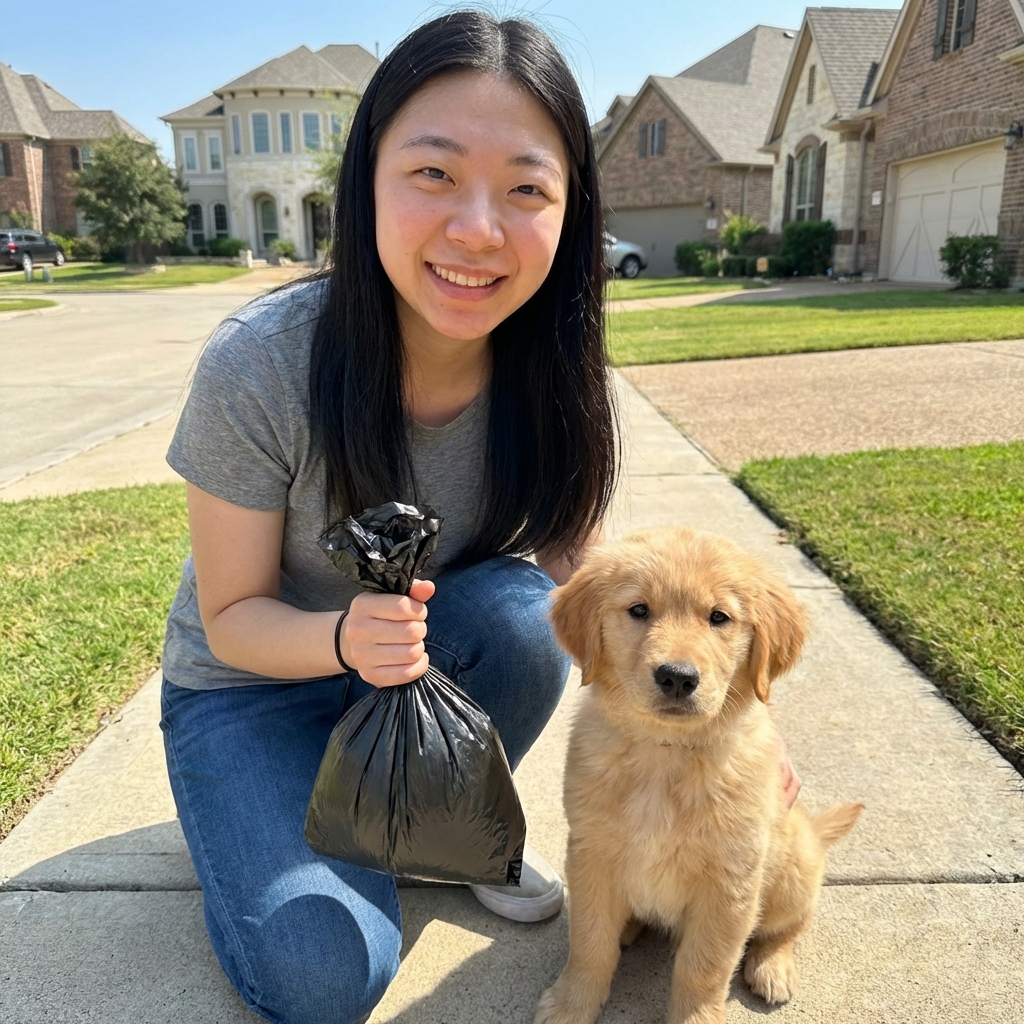
If your vet requests one, bring a fresh sample in a clean container or poop bag. Ideally collect it the same day. If you cannot get in right away, refrigerate it and bring it within about 24 hours (do not freeze it). Your clinic may have specific instructions.