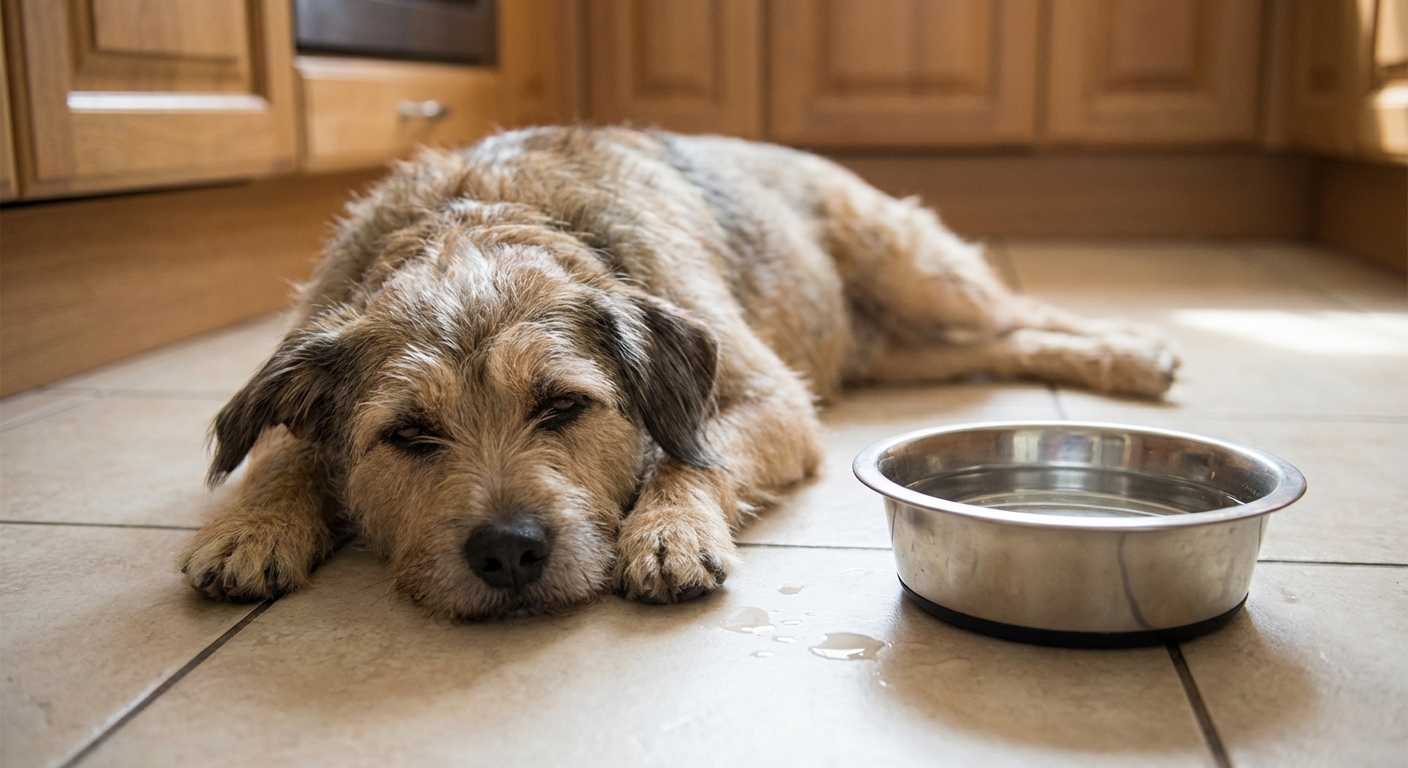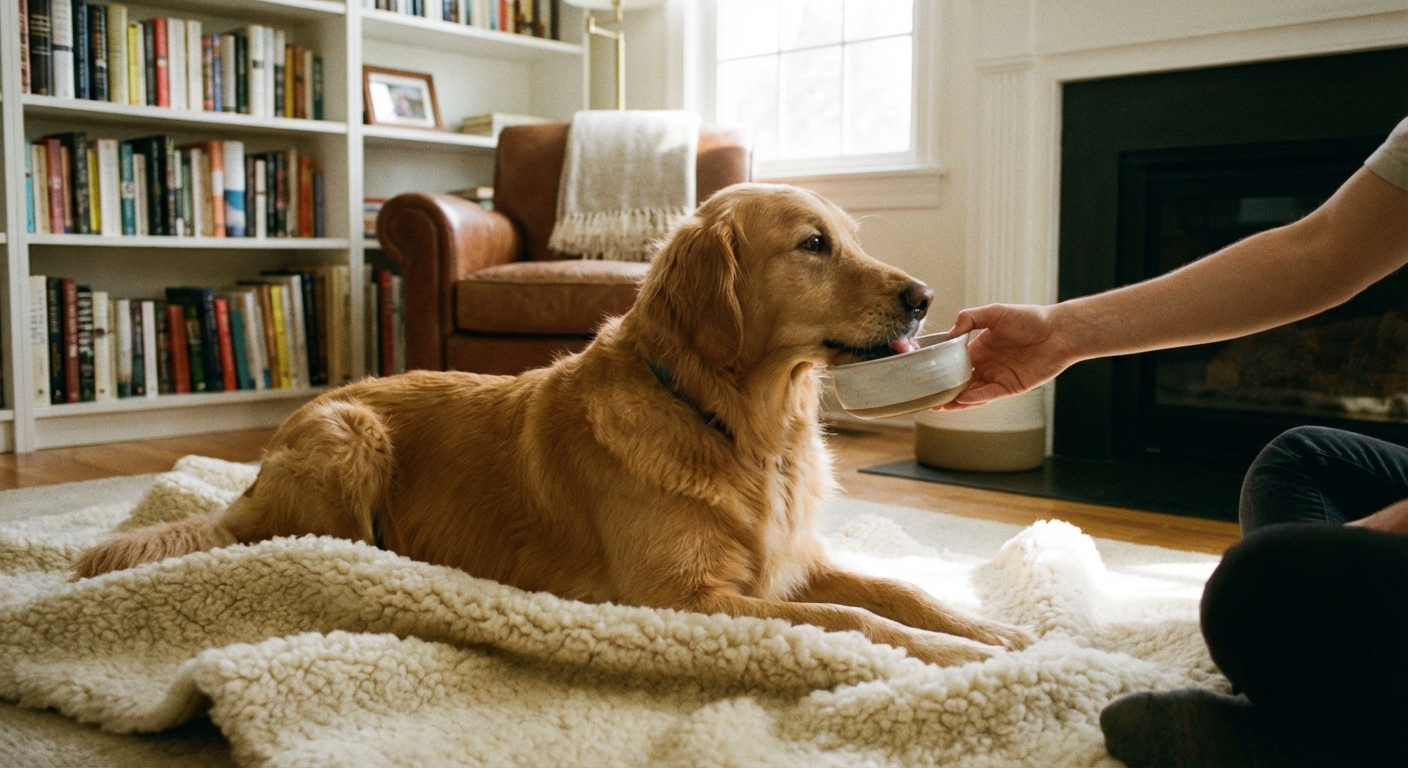
Learn how to safely feed a vomiting dog: start with hydration, wait to reintroduce food, use bland options like chicken and rice, and spot urgent red flags t...
Article
•
Designer Mixes
Why Is My Dog Vomiting?

Shari Shidate
Designer Mixes contributor
Seeing your dog vomit can be upsetting, especially when it happens out of the blue. The good news is that many causes are mild and short-lived. The hard part is knowing when it is a simple tummy upset and when it is an emergency.
As a veterinary assistant in Frisco, Texas, I always tell pet parents to focus on three things first: what the vomit looks like, how your dog is acting, and how often it is happening. Those clues help you decide what to do next.
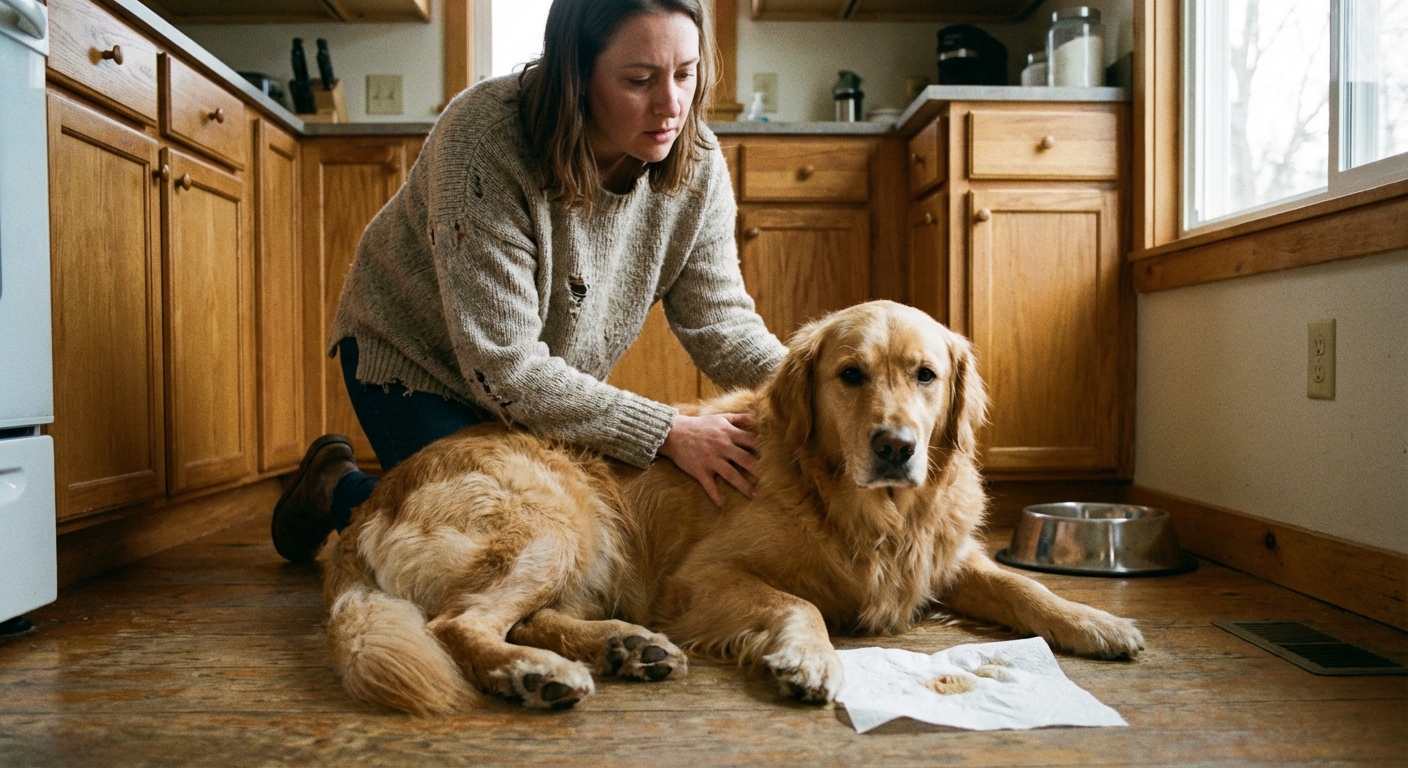
Vomiting vs. regurgitation
These two can look similar but mean different things, and they can point to different problems.
- Vomiting usually involves nausea, drooling, retching, and abdominal effort. You might see partially digested food or fluid.
- Regurgitation is more passive. Food or water comes back up without heaving, often shortly after eating, and it may look tubular or undigested.
If you are seeing repeated regurgitation, mention that specifically to your veterinarian. It can suggest esophagus-related issues rather than stomach or intestinal upset.
Common reasons dogs vomit
1) They ate something that did not agree with them
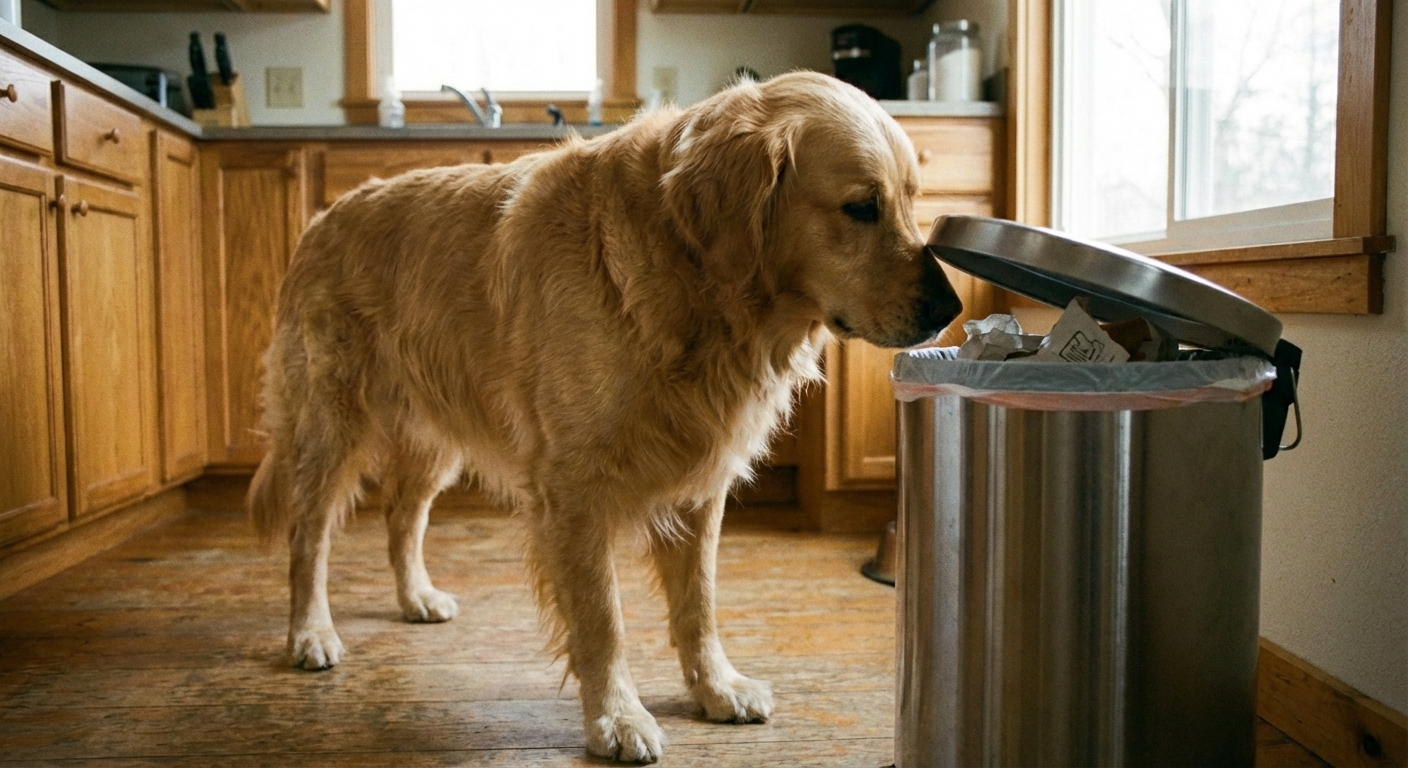
This is one of the most common causes. Dogs get into trash, eat greasy leftovers, chew toys, or swallow things they should not.
2) Diet change or rich treats
Switching foods too quickly can trigger vomiting, diarrhea, or both. Table scraps, fatty treats, and sudden new chews can do it too.
3) Eating too fast
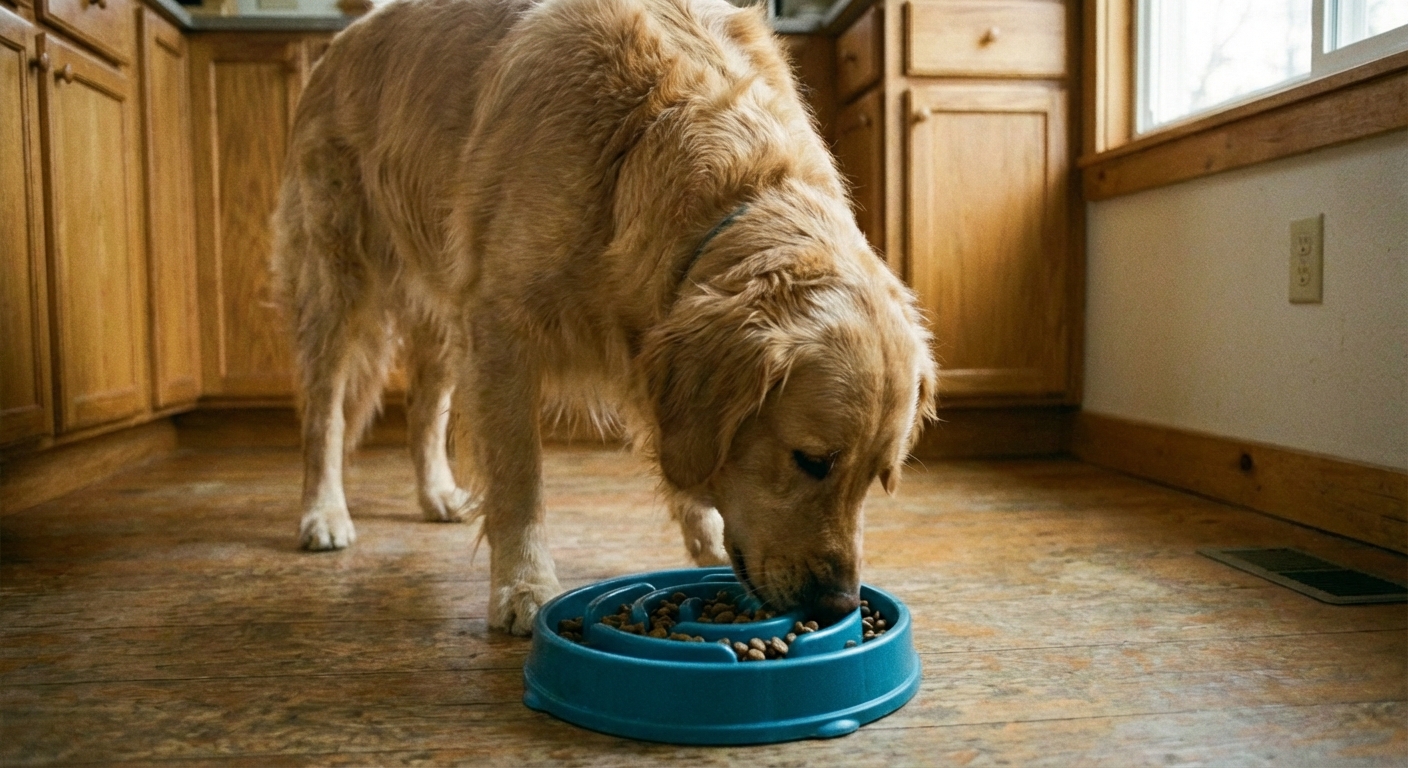
Some dogs gulp their meals and food comes right back up. This is often technically regurgitation, especially if it happens right after eating and looks undigested. Slow feeders, smaller meals, and puzzle bowls can help.
4) Motion sickness or stress
Car rides, boarding, fireworks, and changes in routine can upset the stomach in sensitive dogs.
5) Parasites or infection
Intestinal parasites, viruses, and bacterial overgrowth or infection can cause vomiting, often along with soft stool, diarrhea, or poor appetite. Vomiting plus diarrhea can dehydrate small dogs quickly, so keep a close eye on hydration.
6) Pancreatitis
This is inflammation of the pancreas and can be serious. It is often linked to fatty foods and may cause repeated vomiting, belly pain, and lethargy.
7) A blockage (foreign body)
Swallowed socks, squeakers, corn cobs, bones, and parts of toys can lodge in the stomach or intestines. This is an emergency.
8) Chronic conditions
Kidney disease , liver disease, diabetes, Addison’s disease, and some cancers can all involve vomiting. If vomiting is recurring, do not assume it is just a sensitive stomach.
What the vomit can tell you
Vomit clues are not a diagnosis, but they can help your vet narrow things down. Also, appearance alone is not reliable. If vomiting is persistent, frequent, or your dog seems unwell, contact your veterinarian even if the vomit looks “mild.”
- Foamy white vomit: can be associated with stomach irritation, reflux, or vomiting on an empty stomach. If it keeps happening, treat it as a bigger clue and call your vet.
- Yellow or green fluid: can be bile, which is commonly seen when a dog has an empty stomach or mild gastritis. Green can also be related to bile reflux or swallowed plant material.
- Undigested food: can happen with eating too fast, regurgitation, or vomiting soon after a meal.
- Mucus: can be seen with irritation or inflammation in the stomach or upper GI tract, but it is nonspecific.
- Blood: red streaks or coffee-ground looking material can indicate bleeding. This needs prompt veterinary guidance.
- Fecal smell or brown material: can be seen with severe intestinal disease, ileus, or an obstruction. It is not “common,” but it is urgent when it occurs.
Tip: Take a quick photo for your veterinarian and note the time, what your dog ate, and whether your dog could have gotten into anything.
When it is an emergency
Please seek urgent veterinary care if you notice any of the following:
- Repeated vomiting, or vomiting that continues for more than 24 hours
- More than 2 to 3 vomiting episodes in 24 hours (or any repeated vomiting in a puppy, senior, or medically fragile dog)
- Inability to keep water down, even after small sips, or vomiting right after drinking
- Blood in vomit or black, tarry stool
- Bloated abdomen, unproductive retching, or obvious abdominal pain (possible bloat or GDV, especially in deep-chested breeds)
- Extreme lethargy, collapse, pale gums, or weakness
- Signs of dehydration: tacky or dry gums, sunken eyes, reduced urination, pronounced lethargy, or a skin tent that does not snap back quickly
- Possible toxin exposure (xylitol, chocolate, grapes or raisins, medications like ibuprofen or naproxen, rodent bait, marijuana, antifreeze)
- Suspected foreign body: missing toy pieces, string, socks, bones
Quick safety note: If you think your dog ate something toxic, do not wait for symptoms. Call your veterinarian or a pet poison hotline right away.
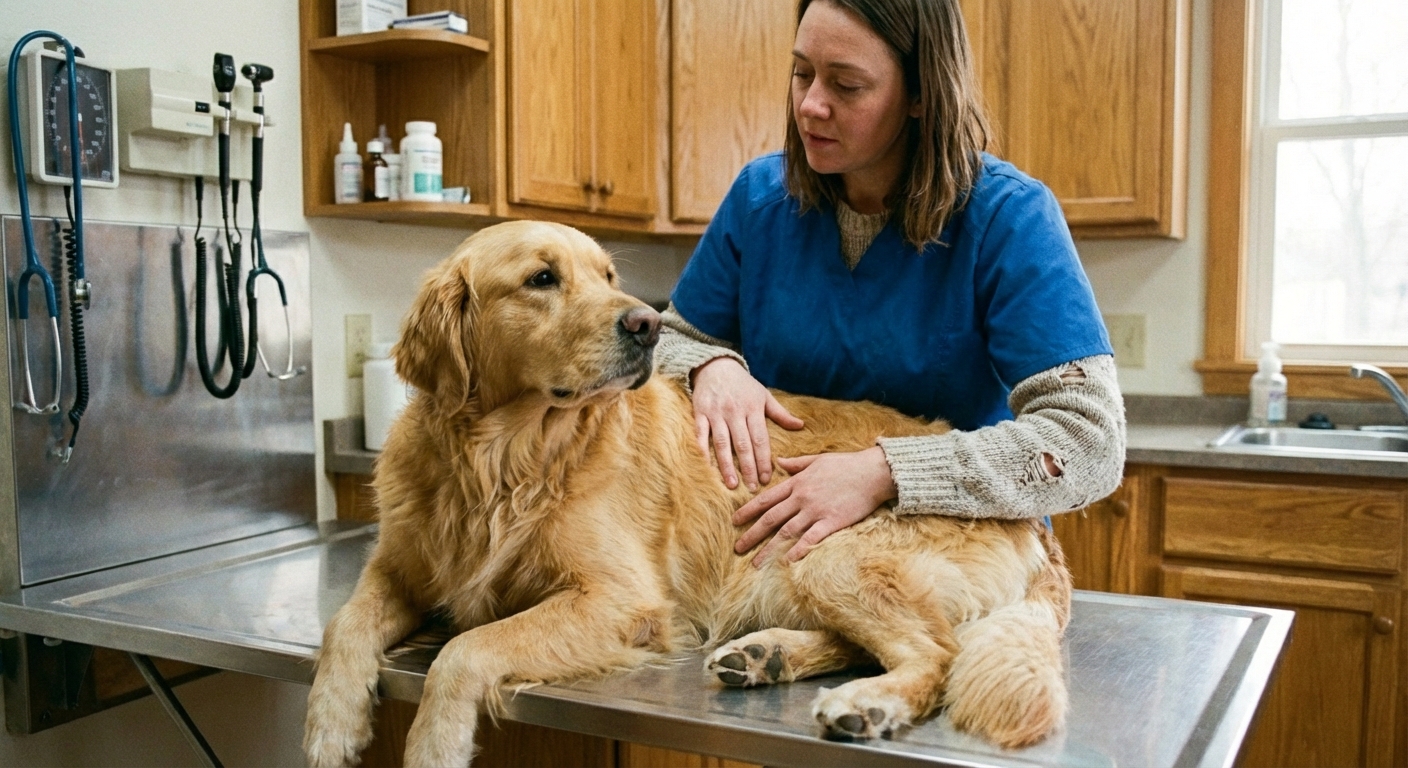
Home care for mild, one-time vomiting
If your dog vomited once, is acting mostly normal, and has no red-flag symptoms, you can often start with gentle support. When in doubt, call your veterinarian first, especially if your dog is very small, very young, has diabetes, takes regular medications, or has other health issues.
Step 1: Pause food briefly
For a healthy adult dog, many vets recommend skipping one meal or waiting about 6 to 12 hours after a mild vomiting episode before offering food again. Do not fast puppies, toy breeds, or dogs with medical conditions like diabetes without veterinary guidance.
Step 2: Offer water carefully
Provide small amounts of water frequently. If your dog gulps water and vomits again, try offering a few ice cubes or a tablespoon at a time. If your dog cannot keep even small sips down, contact your veterinarian promptly.
Step 3: Restart with a bland, low-fat diet
Common options include boiled, skinless chicken (well-drained) and plain white rice, or lean turkey with rice. Feed small portions every few hours for a day, then gradually transition back to your normal food over several days. Some dogs do best with a veterinary GI diet, so ask your vet if you are not sure what to use.
Step 4: Watch the whole dog
Track energy level, appetite, stool quality, and hydration. If vomiting returns, lasts more than a day, or your dog seems “off,” it is time to call your veterinarian.
Please avoid: giving human nausea or pain medications unless your veterinarian tells you exactly what to use and how much. Common human NSAIDs like ibuprofen and naproxen can be dangerous for dogs.
How to prevent vomiting
- Transition foods slowly: mix the new food in gradually over 7 to 10 days.
- Limit rich treats: especially fatty meats, bacon, and greasy leftovers.
- Use a slow feeder: for dogs that gulp meals.
- Pet-proof your home: secure trash cans, laundry, strings, and small chewable items.
- Choose safe chews: avoid items that splinter or can be swallowed in chunks.
- Keep up with parasite prevention: and bring stool samples as recommended.
- Consider diet quality: some dogs do better with fewer additives and simpler ingredient lists. If you are exploring fresh or homemade options, do it in a balanced way with veterinary guidance.
What your vet may ask
Having these details ready can save time and help your veterinarian decide what diagnostics are most appropriate.
- How many times has your dog vomited and over what time period?
- What did it look like (foam, bile, food, blood)?
- Is your dog eating, drinking, urinating, and pooping normally?
- Any diarrhea, coughing, sneezing, or fever?
- Any diet change, new treats, new chews, or access to trash?
- Could your dog have eaten a toy, string, sock, bone, or plant?
- Is your dog on any medications or supplements?
Bottom line
One isolated vomiting episode in a bright, alert dog is often manageable with rest, careful hydration, and a gentle diet. But repeated vomiting, vomiting that lasts more than a day, blood, belly pain, weakness, or any suspicion of toxins or a blockage should be treated as urgent.
If you are not sure, trust your instincts and call your veterinarian. You know your dog best, and early help can prevent a small problem from becoming a big one.