Worried about a vomiting dog? Learn when vomiting is an emergency, how to offer small sips safely, and the best bland foods (chicken/rice, turkey, pumpkin, e...
Article
•
Designer Mixes
Why Is My Dog Throwing Up Yellow Liquid?

Shari Shidate
Designer Mixes contributor
If your dog is throwing up yellow liquid, you are often seeing bile or stomach fluid mixed with a small amount of bile. Bile is a yellow to greenish digestive fluid made by the liver and (mostly) stored in the gallbladder. It helps break down fats, and it can show up in vomit when the stomach is empty, there is reflux from the small intestine, or the stomach or intestines are irritated.
The good news is that many cases are mild and short-lived. The important part is knowing when it is just an empty stomach issue and when it is a red flag that needs a veterinarian right away.
What that yellow liquid usually is
Most of the time, yellow vomit is bile. You might also see foam or mucus mixed in. Yellow vomit can also be partially digested food plus gastric fluid, or (less commonly) refluxed intestinal contents.
Bile tends to appear when:
- The stomach is empty, so there is nothing to buffer stomach acid and bile reflux.
- The stomach or intestines are inflamed, which can happen with diet changes, parasites, infections, stress, or food sensitivities.
- Your dog ate something irritating, like grass, greasy scraps, cooked bones, or a new treat that did not agree with them.
Color matters. Yellow can be normal for bile. Bright red blood, coffee-ground material, or dark tar-like stool can indicate bleeding. Tar-like stool (melena) suggests digested blood and warrants urgent veterinary evaluation.
Vomiting vs regurgitation
It is easy to mix these up, but they can mean different things.
- Vomiting usually involves nausea signs (drooling, lip smacking), belly heaving, and then material comes up from the stomach or upper intestine.
- Regurgitation is more passive. Food or liquid comes up without much warning or abdominal effort, often soon after eating or drinking. This can point to an esophageal issue and is a good reason to call your vet for guidance.
Step-by-step: what to do at home first
If your dog is otherwise acting normal and the vomiting is mild, you can take a calm, structured approach.
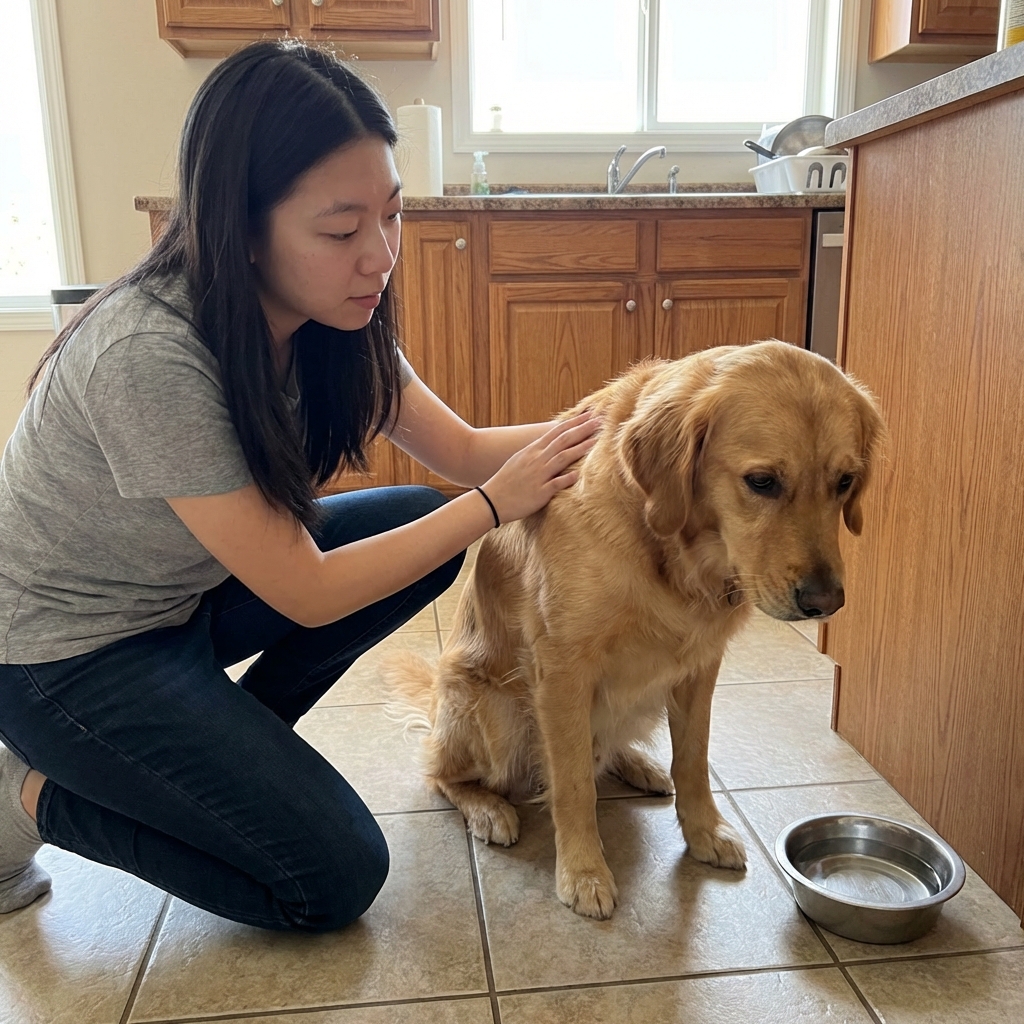
Step 1: Pause and assess
- How many times have they vomited in the last 24 hours?
- Are they still interested in water?
- Are they alert, walking normally, and responsive?
- Is there diarrhea, blood, weakness, or a painful belly?
Step 2: Check for obvious triggers
- Empty stomach: Vomiting happens early morning or late night, especially before breakfast.
- Diet changes: New food, rich treats, table scraps, new chew, or sudden switch.
- Grass or plant nibbling: Common, but it can also be a sign of nausea.
- Possible toxin exposure: Xylitol, grapes or raisins, chocolate, rat bait, certain medications, essential oils.
Step 3: Protect hydration
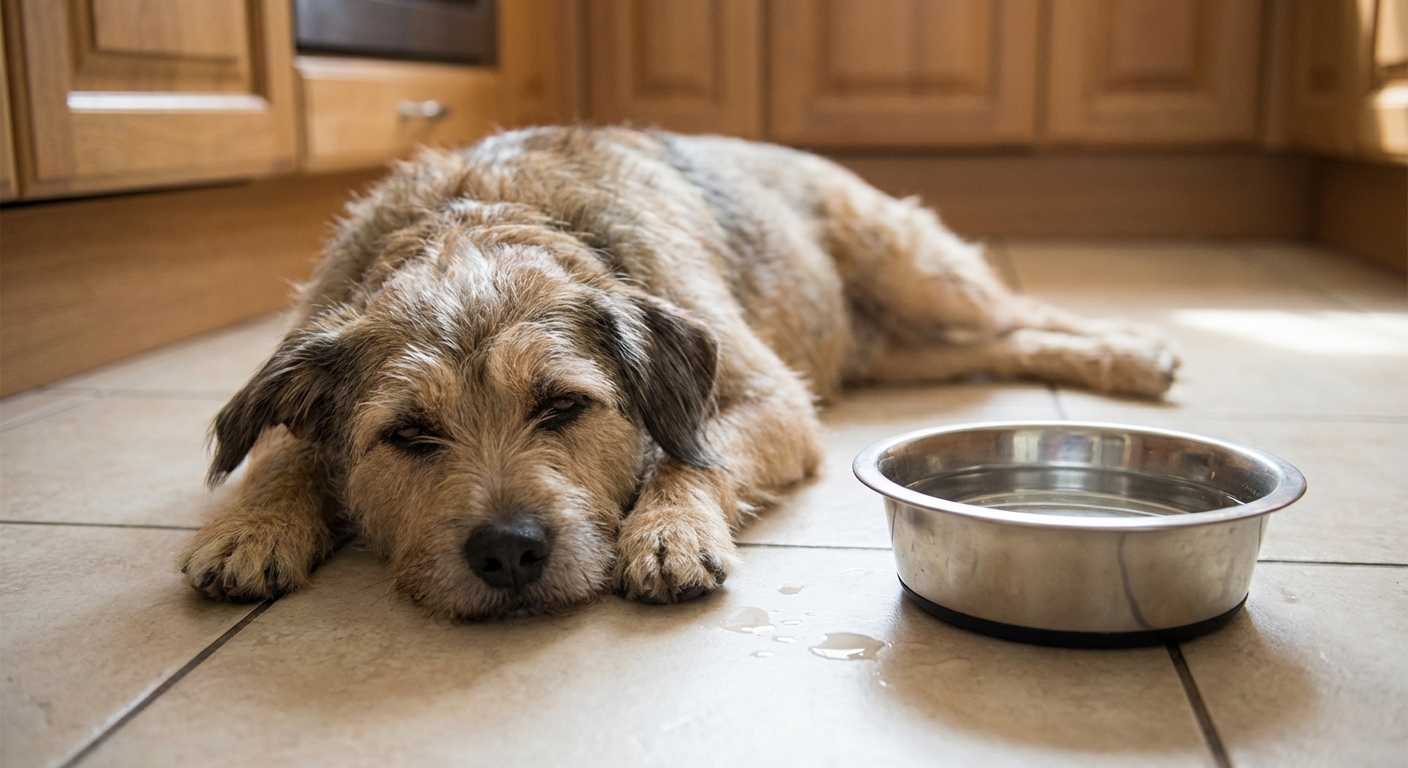
Offer small amounts of fresh water frequently. If your dog gulps water and then vomits, give smaller sips more often. Water should generally remain available, unless your dog cannot keep even tiny sips down and your veterinarian advises otherwise.
- Watch for dehydration: sticky gums, sunken eyes, lethargy, or delayed gum “refill” when you press and release. A refill time over about 2 seconds is concerning.
Step 4: Consider a short food break only if your vet agrees
For some adult dogs with mild vomiting, veterinarians may recommend a short rest for the stomach. However, do not fast puppies, toy breeds, diabetic dogs, or dogs with other medical conditions unless your veterinarian tells you to.
Step 5: Reintroduce a gentle, bland meal
If vomiting stops and your vet says it is appropriate, restart with small, bland meals. Common vet-approved options include:
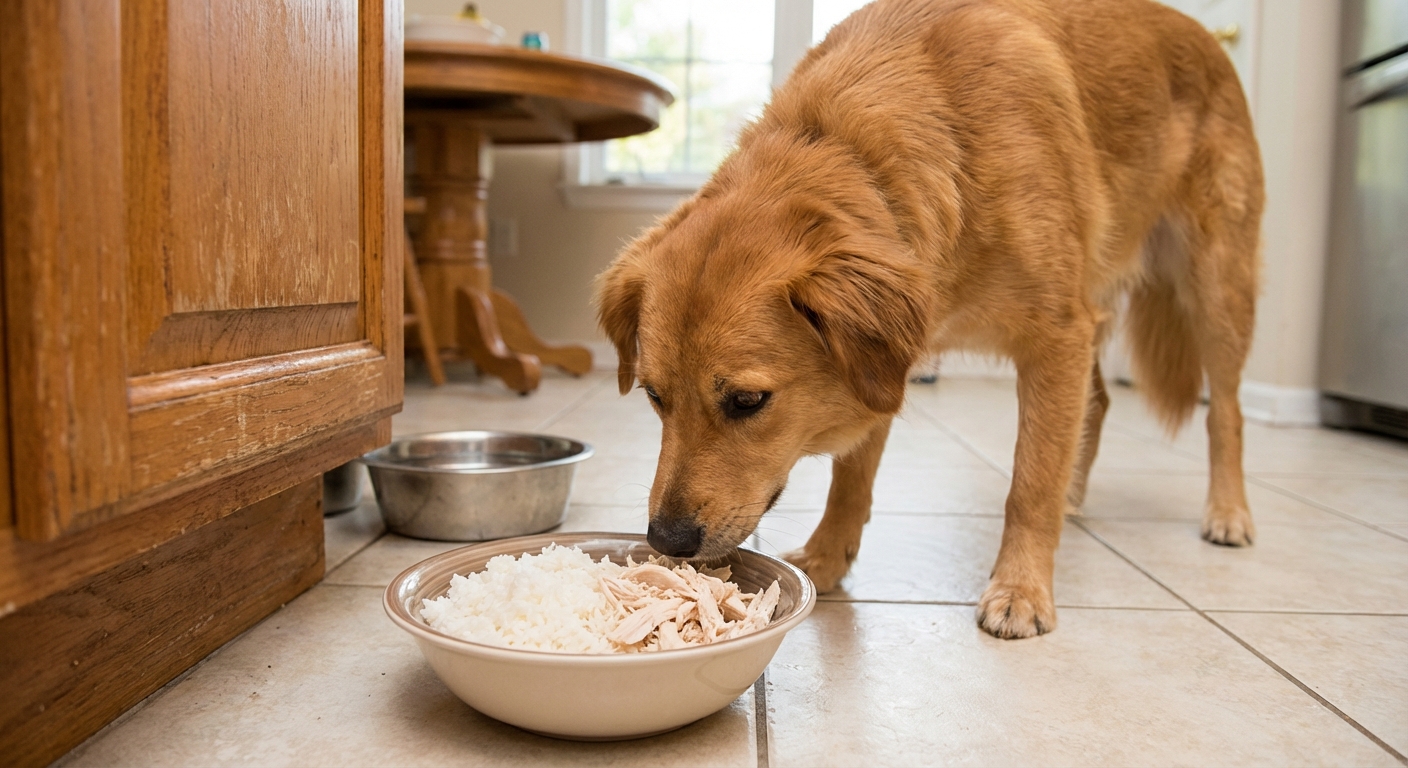
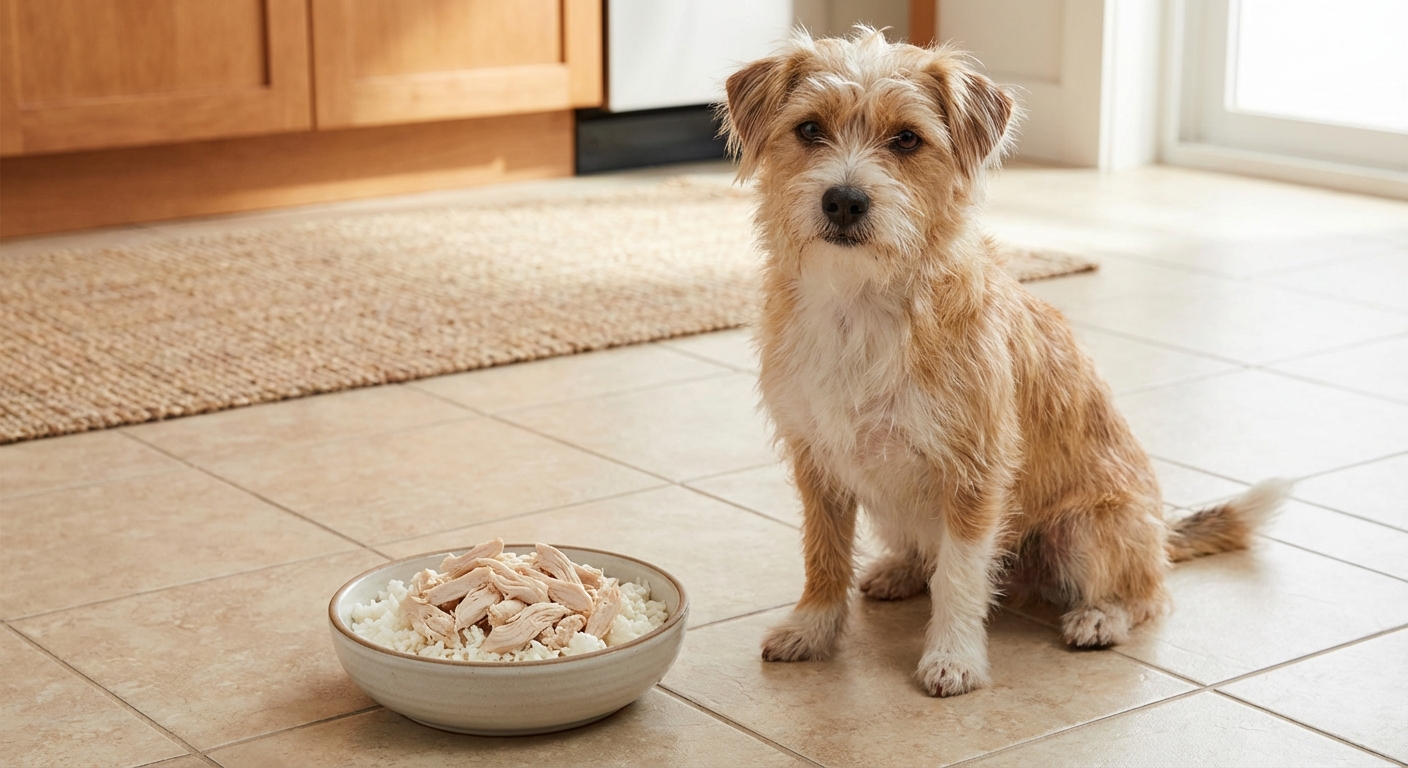
- Boiled skinless chicken breast with plain white rice
- Plain scrambled egg (no butter, no seasoning) with rice
- Prescription gastrointestinal diet if your dog has a sensitive stomach
Serve small portions and increase slowly over 24 to 48 hours. Avoid high-fat foods during recovery. Bland home cooking is usually a short-term bridge, not a complete long-term diet unless it is properly formulated.
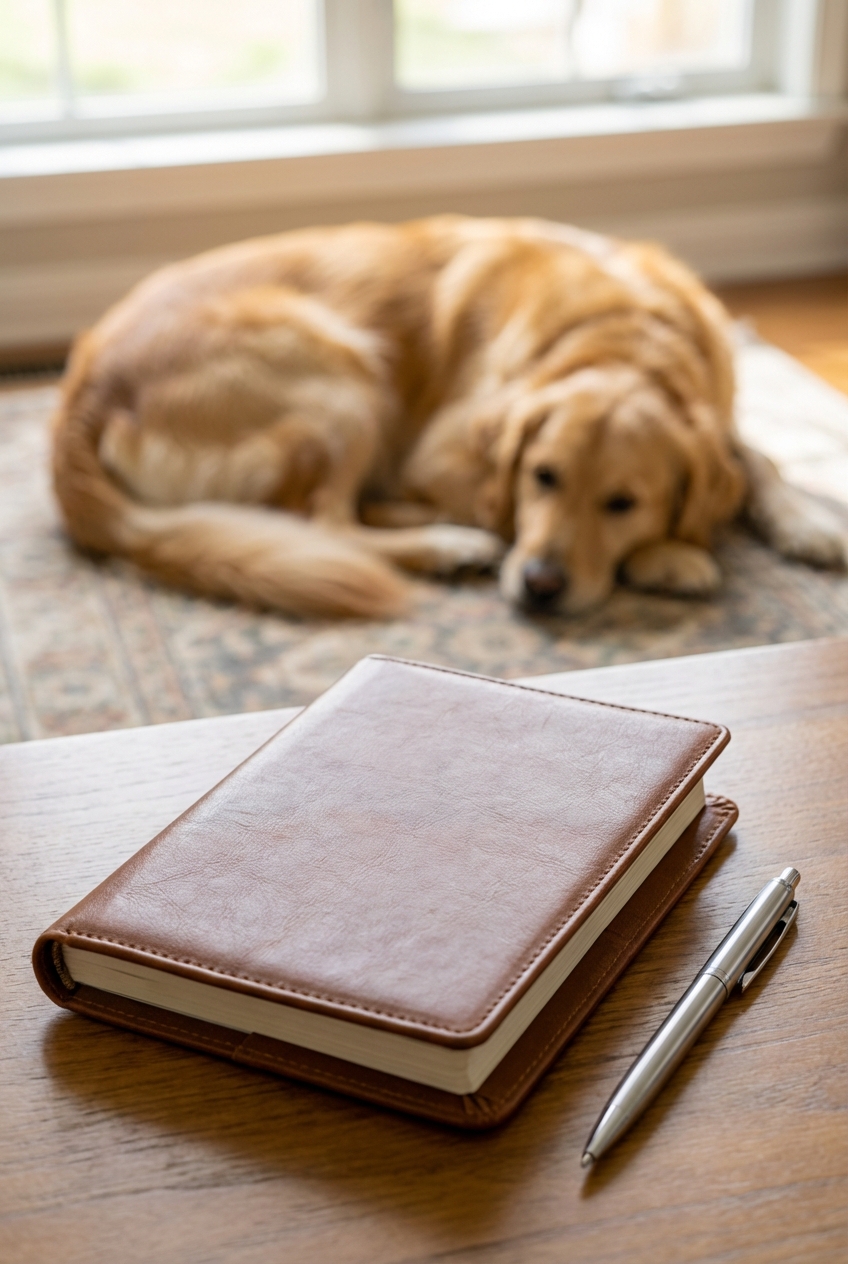
Step 6: Document what you see
This helps your vet tremendously. Note time of vomiting, what it looked like, any possible trigger foods, appetite, water intake, stool quality, and energy level.
Step 7: Avoid human meds unless your vet says so
Do not give human medications like ibuprofen, naproxen, aspirin, or bismuth products unless your veterinarian specifically recommends them. Some are toxic to dogs, and others can mask symptoms or complicate diagnosis.
How much vomiting is too much?
- Call your vet today if there are more than 2 to 3 vomiting episodes in a day, vomiting lasts longer than 12 to 24 hours, or your dog seems worse instead of better.
- Go in urgently if your dog cannot keep water down at all, looks weak, has a painful or swollen belly, or you suspect a toxin or foreign body.
The most common causes of yellow vomit
Bilious vomiting (empty stomach)
This is one of the most common reasons for yellow vomit, especially if it happens early in the morning. When the stomach is empty, some dogs experience reflux of bile from the small intestine into the stomach (duodenogastric reflux), which can irritate the stomach lining and trigger vomiting.
Helpful tip: Ask your vet if a small bedtime snack is appropriate for your dog. For many dogs, this simple change reduces morning bile vomiting.
Dietary indiscretion
Dogs are talented scavengers. Greasy food, sudden new treats, garbage, or fatty scraps can irritate the stomach and pancreas.
Gastroenteritis
This can be caused by viruses, bacteria, stress, or food intolerance. Vomiting may be paired with diarrhea.
Parasites
Roundworms, hookworms, giardia, and other parasites can irritate the gut. Puppies are especially at risk. A fecal test is one of the quickest first checks, but some parasites (especially Giardia) may require an antigen test or repeat samples if signs continue.
Pancreatitis
Pancreatitis often causes vomiting, abdominal pain, reduced appetite, and lethargy. It can become serious quickly and commonly follows a fatty meal.
Foreign body or obstruction
Socks, toys, cooked bones, corn cobs, and pieces of chews can get stuck. Repeated vomiting, inability to keep water down, pain, or bloating are big warning signs.
Reflux, ulcers, or chronic GI disease
Some dogs have ongoing nausea, lip smacking, grass eating, gulping, and intermittent bile vomiting. If it is frequent, your vet may recommend diagnostics and medication.
When to call a vet right away
Please do not wait if any of the following are true:
- Puppy, senior dog, or dog with a chronic condition (kidney disease, diabetes, Addison’s disease, etc.)
- Repeated vomiting or cannot keep water down
- Vomiting plus lethargy, collapse, pale gums, or weakness
- Blood in vomit or stool, or vomit that looks like coffee grounds
- Swollen belly, unproductive retching, or signs of severe pain (concern for bloat)
- Suspected toxin exposure (xylitol, grapes or raisins, chocolate, rat bait, medications)
- Possible foreign body ingestion (toy pieces, socks, bones)
- Vomiting continues beyond 24 hours or keeps coming back regularly
- Higher-risk situations: very small dogs (risk of low blood sugar), brachycephalic breeds (higher aspiration risk), or any dog with repeated episodes that keep returning
Trust your instincts. If your dog looks “off,” you do not need to justify getting them checked.
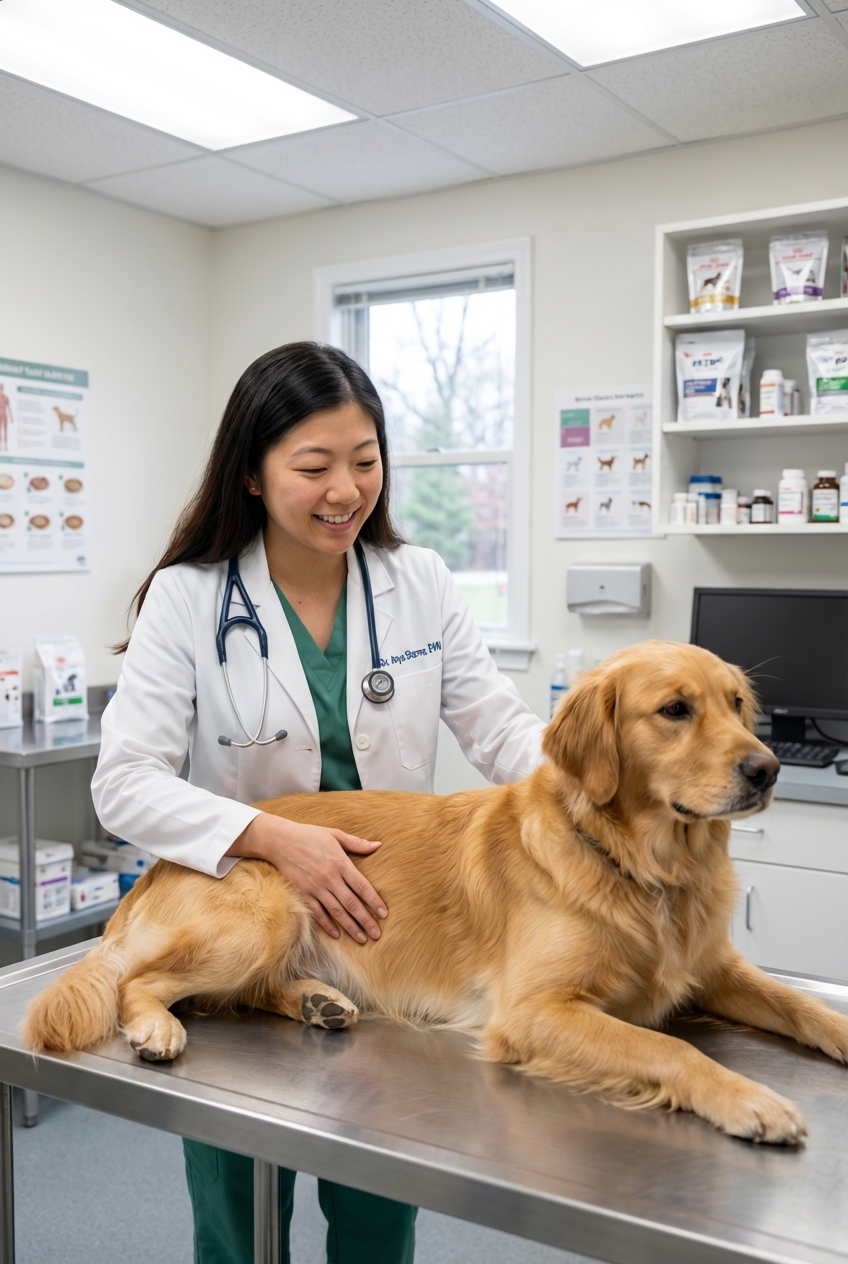
What your vet may do
Veterinary teams typically start with the safest, most informative steps first:
- History and exam: belly palpation, hydration check, temperature, gum color.
- Fecal testing: looks for parasites like giardia or worms. Some cases need antigen testing or repeat samples.
- Bloodwork: checks organ function, inflammation, electrolytes, and hydration status.
- Pancreatitis testing: many clinics use a canine pancreatic lipase test (often called cPLI) to help assess for pancreatitis.
- X-rays or ultrasound: evaluates for foreign bodies or obstruction. Ultrasound can also help assess pancreatitis and gallbladder issues, but imaging findings can be subtle and depend on timing and technique.
- Supportive care: anti-nausea medication, fluids, GI protectants, and a diet plan.
How to help prevent yellow vomit
Feed smaller meals
For dogs who vomit bile from an empty stomach, splitting food into 2 to 4 smaller meals can help. Many dogs benefit from a small bedtime snack, but always check with your veterinarian, especially if your pup needs weight control.
Avoid fatty extras
Fatty foods are a common trigger for stomach upset and pancreatitis. Keep table scraps and greasy treats off the menu.
Transition foods slowly
When switching foods, go gradually over 7 to 10 days. Sudden changes can cause vomiting, diarrhea, or both.
Stay consistent with parasite prevention
Keep your dog on the parasite prevention plan recommended by your vet, and bring in a stool sample when issues pop up.
Choose gentle ingredients
Whether you feed commercial or homemade, aim for foods that are easy to digest, appropriately balanced, and consistent. If you want to explore homemade meals, do it thoughtfully and make sure your dog’s diet is complete and balanced for long-term health.
Quick checklist: bile or something more?
- More likely mild bile or empty stomach: single episode, yellow foam early morning, dog feels fine afterward, normal stool, normal appetite later.
- More concerning: repeated vomiting, painful belly, diarrhea, blood, lethargy, dehydration, or any suspicion of toxins or foreign body.
If you are unsure, call your veterinarian. A quick phone triage can save you worry and help your dog feel better faster.