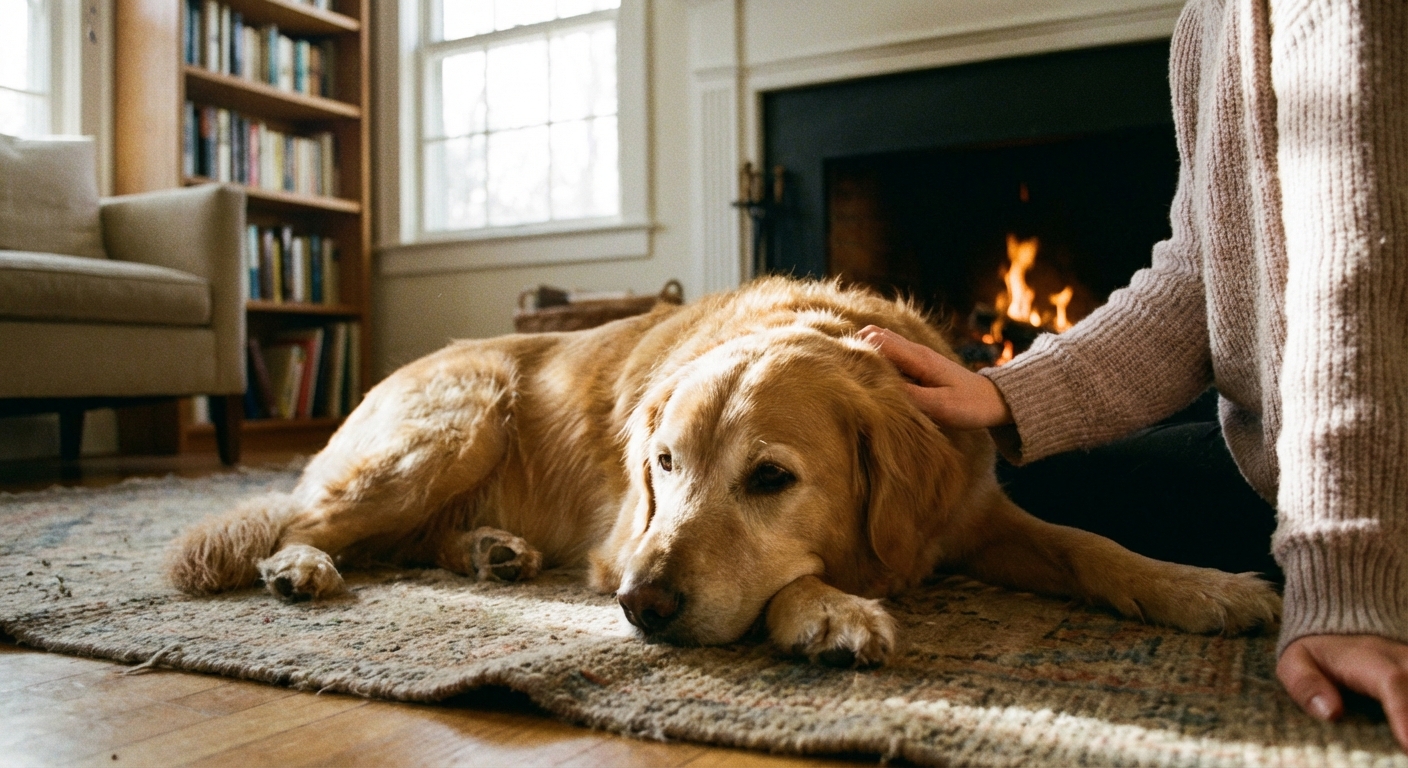
I have met plenty of dogs in clinics and foster homes who suddenly start snapping at the air, like they are trying to catch invisible flies. It can be funny for about two seconds and then it quickly turns into a worried feeling, because you know something is off.
This behavior is often called fly-biting or fly-catching. It is a description, not a diagnosis. The tricky part is that several very different problems can look almost identical at home. The most common buckets are: focal seizure activity, compulsive behavior, or irritation coming from the eyes, skin, mouth, or even the gut.

What episodes look like
Owners describe it in a few different ways:
- Chattering teeth or rapid little bites at the air
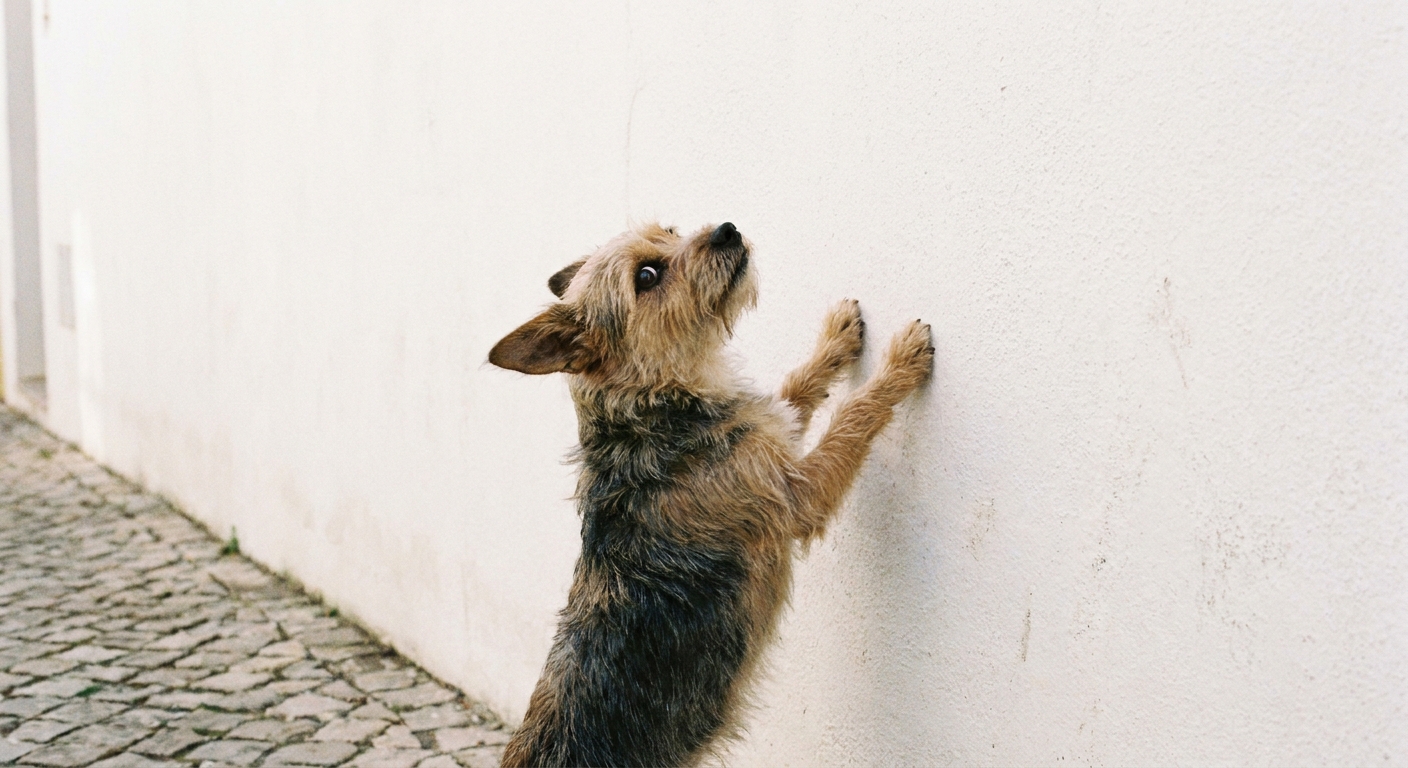
- Snapping at empty space near the nose or above the head
- Licking the lips, swallowing repeatedly, or making odd mouth movements
- Staring at a spot on the wall or ceiling, then snapping
- Episodes that last seconds to a few minutes and then stop
The details matter more than most people realize. The pattern and the “extras” around the snapping can help your veterinarian sort out whether this is more likely neurologic, behavioral, or medical irritation.
Cause #1: Focal seizures
Fly-biting can be a form of focal seizure activity in some dogs. With focal seizures, you may not see full-body shaking. Instead, you might see small, repetitive movements or odd behaviors that come on suddenly and look the same each time.
Clues that make me think “possible focal seizure”
- Sudden start and sudden stop, almost like a switch flips
- Same exact episode every time with a predictable pattern
- Staring or “checking out”, seeming less responsive to your voice
- Facial twitching, repeated lip smacking, or jaw movements
- Disorientation afterward, pacing, clinginess, or acting “off” for minutes to hours
- Episodes during rest or that wake the dog from sleep
Some dogs will still walk around during a focal episode, which is why it is easy to assume it is “just a habit” or “just being weird.” If you suspect seizure activity, do not scold or physically restrain your dog. Instead, focus on safety and information gathering for your veterinarian.
What to do in the moment
- Keep your dog away from stairs, pools, and sharp furniture edges
- Keep the environment calm and quiet and move other pets back
- Time the episode with your phone
- Record video if you can do it safely
New onset in older dogs
If this behavior is brand new in a senior dog, I take it more seriously. New neurologic signs later in life deserve a faster veterinary workup to rule out things like structural brain disease or other medical problems that can affect the nervous system.
Cause #2: Compulsive behavior
Some dogs get into a repetitive loop that looks like fly-catching, especially if they are anxious, under-stimulated, or the behavior was accidentally reinforced. I have seen dogs who start by reacting to a real bug once or twice, and then it can become a learned, self-reinforcing pattern.
Clues that suggest compulsive behavior
- It happens most when the dog is excited, stressed, bored, or anticipating something (guests arriving, meal prep, bedtime)
- Your dog is fully aware and responsive if you call their name
- The behavior can increase with attention, even negative attention
- It may come with other repetitive behaviors like pacing, light chasing, tail chasing, or flank sucking
Even when it is “behavioral,” it is still medical in the sense that anxiety, pain, and neurologic issues can all feed compulsive patterns. Your vet will still want to rule out irritation and seizures before labeling it purely compulsive.
Cause #3: Eye, skin, or mouth issues
One reason fly-biting is so confusing is that itchy, painful, or distorted sensations around the face can make a dog snap at the air. They are not imagining things. They are reacting to what their body is telling them.
Eye and vision triggers
- Dry eye or eye irritation
- Allergies affecting the eyes
- Corneal scratches or ulcers
- Floaters, reduced vision, or changes inside the eye
If your dog is squinting, pawing at the face, has redness or discharge, or suddenly bumps into things, an eye exam should move up your priority list.
Skin and allergy triggers
- Seasonal allergies causing facial itchiness
- Flea allergy dermatitis or other parasite irritation
- Contact irritation (new carpet powder, cleaners, yard chemicals)
Dogs with itch tend to rub their face, lick paws, scratch ears, and may also do quick snaps toward their nose or sides of the face.
Mouth and dental triggers
- Broken tooth, gum inflammation, oral foreign material
- Mouth ulcers or oral pain
- Nausea-related lip licking that looks like “biting at flies”
A good oral exam matters, and some dogs need sedation for a thorough look if they are painful.
Other medical issues
Fly-biting episodes have been reported alongside other underlying problems in some dogs. This does not mean your dog has any of these, but it is why a vet visit is worth it if episodes repeat.
- Gastrointestinal discomfort: reflux, nausea, or abdominal pain can cause lip smacking, swallowing, and mouth movements that can be mistaken for fly-biting. GI disease is not diagnostic on its own, but it is on the list.
- Head, neck, or nerve pain: ear infections (otitis), dental disease, cervical pain, and painful eye conditions (including glaucoma) can create abnormal sensations that change how a dog holds their head and reacts around the face.
- Toxin exposure: certain toxins can cause abnormal neurologic behavior, trembling, and agitation.
If your dog started this suddenly and you recently used pest control products, essential oil diffusers, lawn treatments, or you suspect ingestion of something strange, mention it to your veterinarian right away.
Bring your vet a clear video
In the clinic, many dogs will not perform the behavior on cue. A clear video often makes the difference between guessing and making a smart plan.
How to film it
- Record at least 30 to 60 seconds before you think an episode is happening, if possible
- Capture the whole body, not just the mouth
- Get the face and eyes in view when you can
- Include sound (odd vocalizations, teeth chattering, breathing changes matter)
- Say out loud: time of day, what your dog was doing right before, and whether they respond to their name
- If safe, show a simple test: calmly call their name once and see if they orient to you
What your vet may look for
- Does the dog seem aware and interactive, or mentally “absent”?
- Are there repeated, rhythmic movements that look neurologic?
- Is there scratching, squinting, head shaking, or other irritation signs?
- Is the episode distractible with a cue, toy, or treat?
When to call urgently
Snapping at invisible flies is not automatically an emergency, but some situations should be treated like one.
- Episodes are increasing rapidly in frequency or intensity
- Your dog seems disoriented, wobbly, or weak
- You notice collapse, severe trembling, or repeated episodes close together
- There is eye pain (sudden squinting, eye held shut, blue or cloudy cornea)
- You suspect toxin ingestion
- Your dog cannot settle or seems in significant distress
- This is new onset in an older dog, especially if it is escalating
If you are ever on the fence, call your veterinary clinic or an emergency hospital and describe what you are seeing. It is always okay to ask, “Does this sound like something that needs to be seen today?”
What your vet may check
The workup depends on your dog’s age, overall health, and what the episodes look like on video, but common next steps include:
- Physical and neurologic exam to look for focal deficits, pain, or abnormal responses
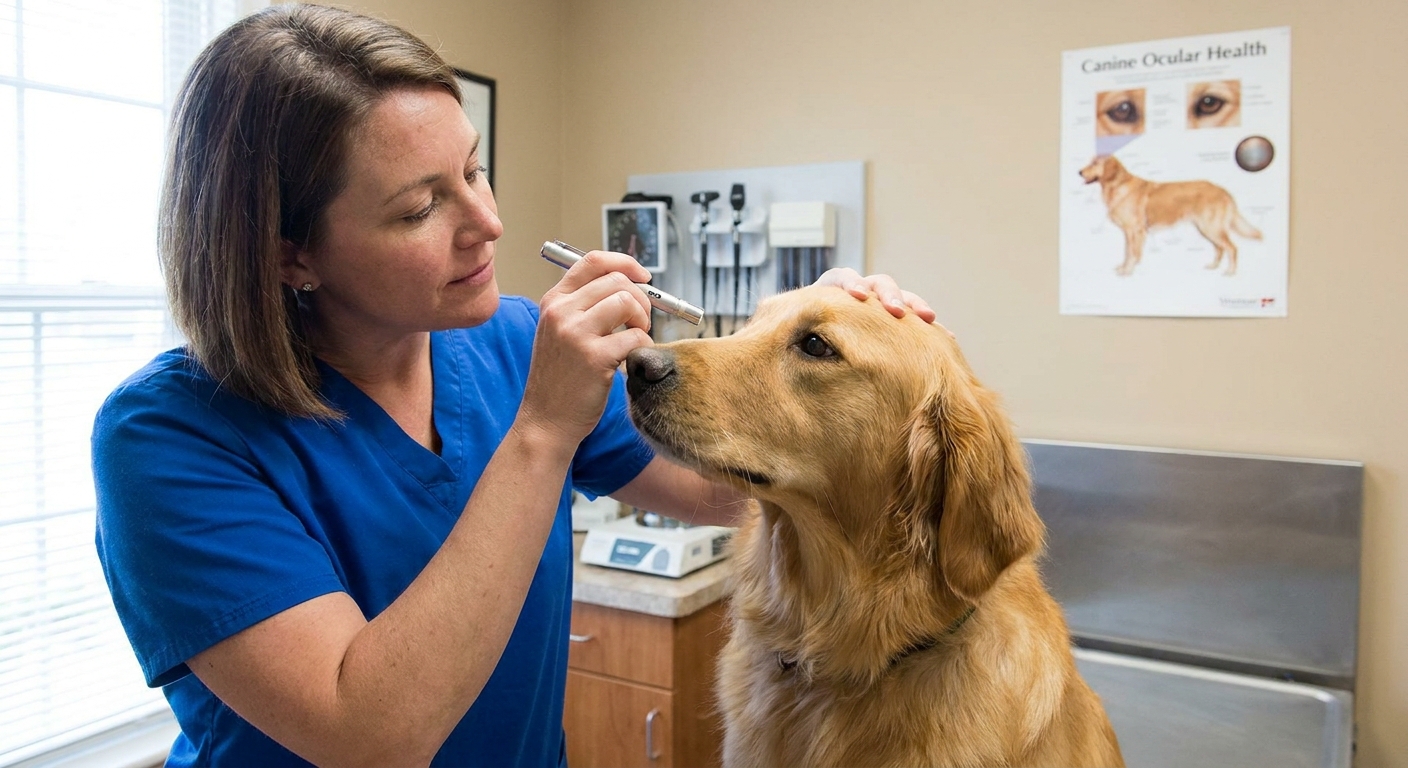
- Eye exam including a fluorescein stain if an ulcer is suspected
- Ear exam for infection or irritation that can cause head and facial discomfort
- Oral exam for dental pain, foreign material, or lesions
- Basic bloodwork to screen for metabolic issues that can affect the nervous system
- Parasite and allergy discussion if itch is a major feature
- Referral to a veterinary neurologist or ophthalmologist if needed
If the pattern, age, or exam findings raise concern, your veterinarian may also talk to you about more advanced steps such as brain imaging (MRI or CT), a GI workup or diet trial, or medication trials that are both treatment and part of the diagnostic process. EEG is not commonly used in general practice, but a neurologist may discuss it in select cases.
Bring a list of current medications and supplements, plus flea and tick products used recently. Those details genuinely matter.
What to do at home
You do not have to just sit and worry. A few practical steps can help you gather useful information and reduce triggers.
Start a simple episode log
- Date and time
- What was happening right before it started (resting, playing, eating)
- How long it lasted
- Whether your dog responded to their name
- Any after-effects (clingy, hungry, tired, pacing)
Check for common triggers
- Look for redness around the eyes, squinting, discharge, or pawing at the face
- Check skin and ears for redness, odor, debris, or intense itch
- Do a quick environment sweep: real flies, gnats near windows, new scents or cleaners, yard treatments
What not to do
- Do not punish or “correct” the behavior. Stress can make episodes more frequent.
- Do not put your fingers in your dog’s mouth during an episode.
- Do not give over-the-counter human medications unless your veterinarian tells you to.
- Do not wait on obvious eye pain. Eye issues can worsen quickly.

FAQ
Is fly-biting syndrome real?
Yes. Fly-biting is a real, recognized pattern of behavior in dogs. The important thing to know is that it can have multiple underlying causes. That is why video and a veterinary exam are so valuable.
Can allergies cause snapping at the air?
They can. Facial itch from allergies, parasites, or contact irritation can make a dog snap near their nose and mouth, especially if you also see paw licking, ear scratching, or red skin.
My dog only does it at night. Does that mean seizures?
Not necessarily. Some dogs are itchier at night, some have reflux or nausea that shows up when they lie down, and some focal seizure patterns do cluster during rest. A video with time stamps and a vet visit are the best next steps.
What if my vet says everything looks normal?
That can happen, especially if episodes are brief. Share your videos, keep logging, and ask what the next step should be if it continues. Depending on the full picture, that might be an eye recheck, a behavior plan, a diet or allergy approach, GI support, a medication trial, or a neurology referral.
The bottom line
If your dog is snapping at invisible flies, you are not overreacting by wanting answers. It might be something as simple as irritation or stress, or it might be a focal seizure pattern or pain issue that needs treatment. The best thing you can do today is capture a clear video, keep a short log, and schedule a veterinary visit so you can get a real diagnosis instead of guessing.
With the right detective work, most families can get to the root cause and help their dog feel normal again.