
Worried about a shaking dog? Learn common and serious causes, emergency red flags, what to do at home, and when to call your vet—plus tips to prevent futur...
Article
•
Designer Mixes
Why Is My Dog Shaking? Causes and When to Worry

Shari Shidate
Designer Mixes contributor
Seeing your dog shake can be unsettling, especially if it seems to come out of nowhere. In many cases, shaking is harmless and short-lived, like after a bath or during a burst of excitement. But sometimes it is your dog’s way of signaling discomfort, pain, illness, or fear.
In this guide, I will walk you through the most common reasons dogs shake , how to tell what is normal versus concerning, and when it is time to call your veterinarian.

What does shaking look like?
People use “shaking” to describe a few different behaviors. Noticing which one you are seeing can help narrow the cause.
- Shivering or trembling: small, rapid muscle movements, often like feeling cold.
- Full-body shaking: a quick, vigorous shake, often after getting wet.
- Leg shaking: one hind leg or front leg quivers, sometimes due to strain, fatigue, or pain.
- Head tremor: rhythmic head bobbing or shaking that may come and go.
- Whole-body tremors with unsteadiness: may suggest toxin exposure, neurologic problems, or systemic illness.
Common, usually harmless causes
Cold or being wet
Just like us, dogs shiver when they are cold. Small dogs, short-haired breeds, seniors, and dogs with low body fat are more prone to chilly tremors. After a bath or swim, a big shake is often just your dog shedding water and fluffing their coat as it dries.
Excitement or anticipation
Some dogs tremble when they are happy, overstimulated, or expecting something, like a walk, a treat, or seeing a favorite person. If your dog is otherwise acting normally, this is often benign.
Stress, fear, or anxiety
Thunderstorms, fireworks, car rides, vet visits, and unfamiliar visitors are classic triggers. Anxiety-related shaking often comes with other signals like panting, pacing, tucked tail, whale eye (showing the whites of the eyes), hiding, or clinging.
Dream twitches during sleep
Twitching or mild shaking while sleeping is common and often linked to dreaming. If your dog is asleep, breathing normally, and easily rouses, it is usually nothing to worry about.

Health causes to take seriously
If shaking is new, frequent, prolonged, or paired with other symptoms, it deserves a closer look. Below are common medical causes veterinarians consider.
Pain or injury
Dogs may tremble when they hurt, even if they do not cry out. Pain-related shaking can be subtle and may worsen with movement.
- Clues: limping, reluctance to jump or climb stairs, yelping when touched, restlessness, guarding a body part, changes in appetite.
- Common sources: muscle strain, arthritis , dental pain, back pain, or abdominal pain.
Ear problems
Ear infections and ear mites can cause head shaking, ear scratching, and sensitivity around the ears.
- Clues: odor, redness, discharge, head tilt, rubbing ears on furniture, pain when you touch the ear.
Stomach upset
Nausea, stomach pain, or bloating can sometimes trigger trembling. This is especially important because some gastrointestinal conditions can become emergencies.
- Clues: drooling, lip licking, vomiting , diarrhea, decreased appetite, a “praying” posture (front end down, rear up), swollen abdomen.
Toxin exposure
Tremors can be a sign of poisoning, and this is one of the most time-sensitive causes.
- Possible culprits: chocolate, xylitol (in sugar-free gum and some peanut butters), some human medications, certain pesticides, marijuana products, toxic plants, rodenticides.
- Clues: sudden onset shaking, vomiting, drooling, agitation, unsteadiness, seizures, abnormal heart rate.
Low blood sugar (hypoglycemia)
Small breeds and puppies are especially at risk. Hypoglycemia can cause shaking and weakness and can become dangerous quickly. It can also happen in toy-breed adults who miss meals, and in diabetic dogs who receive too much insulin.
- Clues: lethargy, wobbliness, weakness, pale gums, confusion, collapse.
Fever or infection
Shivering can occur with fever , systemic infections, or inflammation. Dogs may feel unusually warm to the touch, but ear warmth alone is not a reliable way to confirm fever. A veterinarian (or a rectal thermometer used correctly) is needed to measure a true temperature.
- Clues: lethargy, decreased appetite, coughing, discharge, vomiting, diarrhea, or general “not themselves” behavior.
Neurologic conditions
Some dogs experience tremors due to neurologic issues. Older dogs can develop tremor disorders, and some conditions may present suddenly.
- Clues: head bobbing, loss of balance, abnormal eye movements, weakness, disorientation, seizures.
Idiopathic generalized tremor syndrome
Sometimes called “shaker syndrome” or “white shaker syndrome,” this is a condition where a dog develops whole-body tremors without another clear cause found on initial testing. It is often described in small white dogs, but it can occur in any color or breed. It may respond well to treatment, but it requires veterinary evaluation.
Age-related weakness or arthritis
Senior dogs may tremble in the hind legs due to muscle loss, joint pain, or fatigue. This is common but still worth addressing because pain relief and strength support can improve quality of life.
Head tremors and vestibular signs
Some dogs have intermittent head tremors that look dramatic but are not seizures and may be otherwise benign (often called idiopathic head tremors). However, head shaking combined with a persistent head tilt, stumbling, or abnormal eye movements can point to vestibular disease or other neurologic problems and should be checked promptly.
Tremors vs seizures
These can look similar, especially in the moment. This quick comparison can help you describe what you saw to your veterinarian.
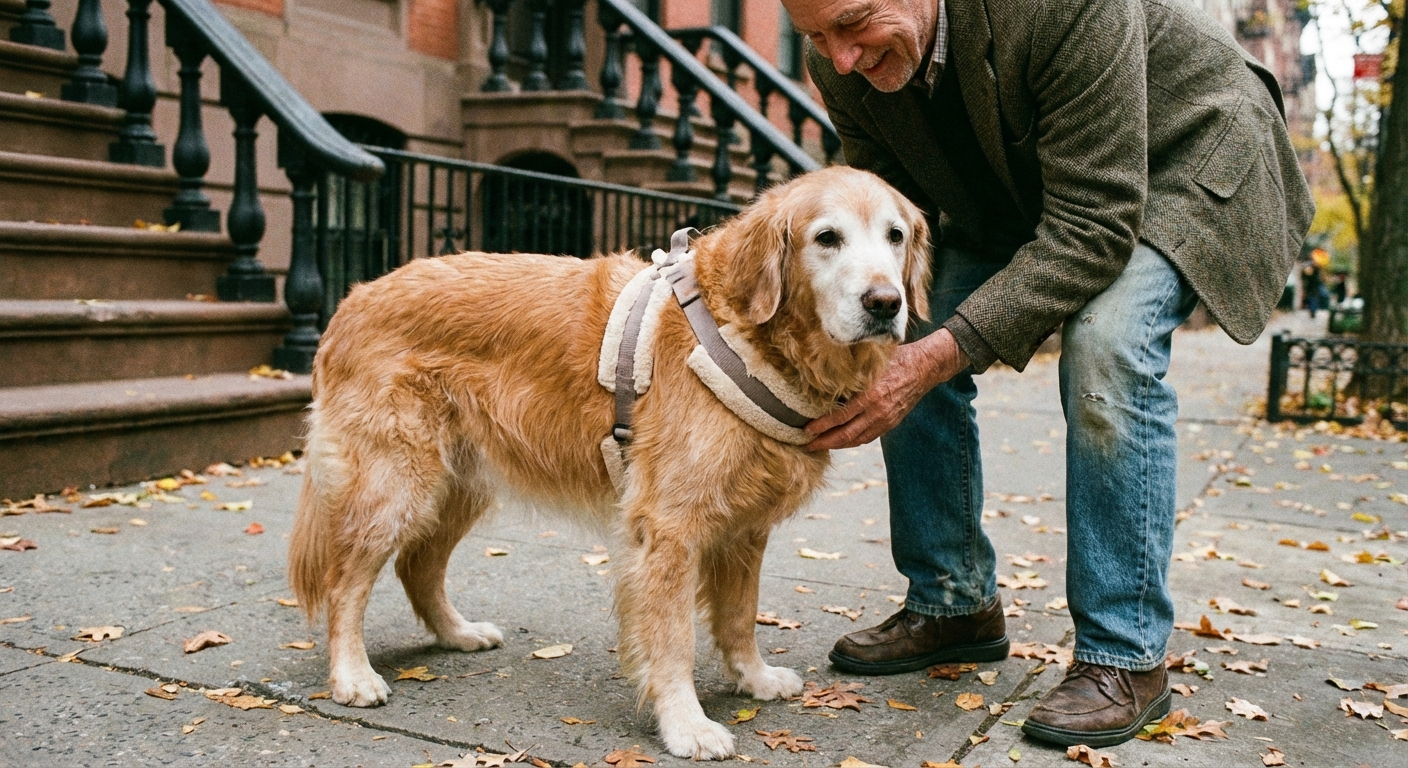
- Tremors: your dog is often aware and responsive, may track you with their eyes, and the shaking can sometimes lessen with distraction or rest. Tremors are muscle activity, not typically a full “episode” of altered consciousness.
- Seizures : may include loss of consciousness or awareness, stiffening, paddling, jaw chomping, drooling, urination or defecation, and a confused period afterward (often called post-ictal behavior).
If you are unsure, a short video is extremely helpful.
When to worry
Use this checklist as a practical guide. If you notice any of the following, contact a veterinarian promptly.
- Shaking that starts suddenly and does not improve quickly, lasts longer than expected, or keeps returning
- Vomiting, diarrhea, or repeated drooling along with shaking
- Weakness, wobbliness, collapse, or trouble standing
- Disorientation, abnormal eye movements, or a new head tilt
- Seizure activity (stiffening, paddling, loss of consciousness, loss of bladder control)
- Bloated or painful abdomen, or unproductive retching
- Possible toxin exposure or ingestion of a new medication or edible
- Pale gums, blue-tinged gums, or difficulty breathing
- Shaking paired with signs of significant pain (crying, guarding, refusing to move)
Safety note: If you suspect poisoning, do not wait for symptoms to worsen. Call your veterinarian or an emergency animal hospital right away. If you can safely do so, bring the packaging or name of the suspected toxin.
What to do at home
If your dog is shaking and you are not sure why, start with calm, simple steps.
1) Check the environment
- Is it cold? Offer a warm blanket and move your dog away from drafts.
- Did they just get wet? Towel dry thoroughly.
- Are there loud noises or stress triggers? Create a quiet space and reduce stimulation.
2) Do a gentle scan
Without forcing your dog, look for obvious issues.
- Check paws for thorns, cuts, ice, or something stuck between toes.
- Look at the ears for redness or discharge.
- Notice posture: a hunched back, tucked abdomen, or guarding can hint at pain.
3) Observe and document
Details help your veterinarian tremendously.
- How long does the shaking last?
- Is it full-body or localized (head, legs)?
- What happened right before it started (exercise, meal, stress, medication)?
- Any vomiting, diarrhea, coughing, limping, or appetite changes?
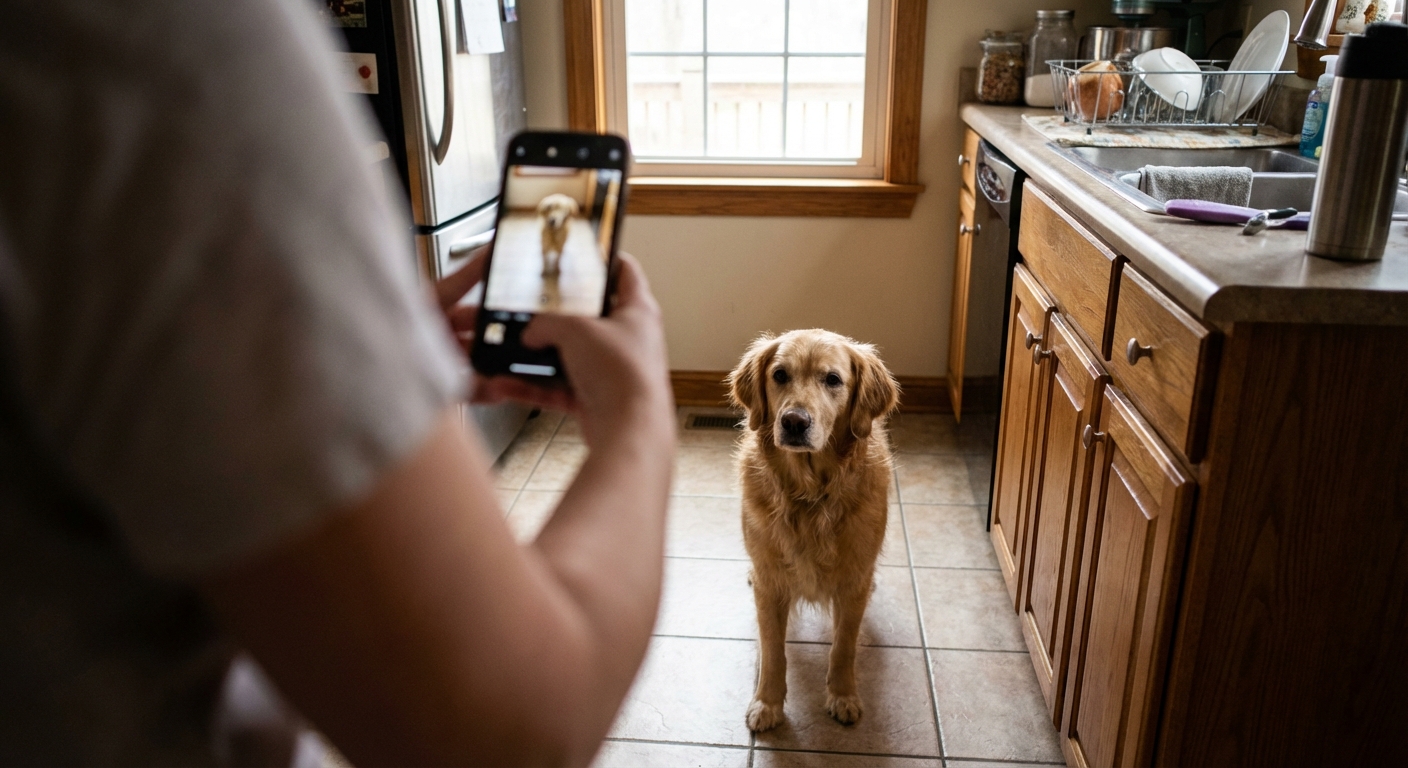
If it is safe, take a short video of the shaking episode. Many tremor patterns are easiest to assess on video.
4) What not to do
- Do not give human medications unless your veterinarian specifically instructs you. Many common pain relievers are toxic to dogs.
- Do not force exercise to “work it out,” especially if your dog seems painful, weak, or unsteady.
- Do not induce vomiting unless your veterinarian or a poison hotline tells you to. For some toxins, this can make things worse.
- Be cautious with supplements and essential oils, especially if your dog is actively symptomatic. When in doubt, ask your veterinarian first.
Puppies, small dogs, and seniors
Puppies
Puppies can shake from excitement, cold, or stress, but they are also more vulnerable to low blood sugar and infections. If a puppy is shaking and acting weak, not eating, or vomiting, seek veterinary care quickly.
Small dogs
Tiny dogs can tremble more noticeably from cold, anxiety, or low blood sugar. Consistent meals, warmth, and gentle routines help, but sudden or severe tremors still need evaluation.
Senior dogs
Older dogs may shake due to arthritis, cognitive changes, or chronic illness. A vet check is especially important if shaking is new, worsening, or paired with decreased mobility or appetite.
How vets find the cause
Depending on your dog’s symptoms, your veterinarian may recommend:
- Physical exam, including pain and neurologic assessment
- Ear exam and ear cytology if infection is suspected
- Bloodwork to assess blood sugar, organ function, infection, and inflammation
- Urinalysis
- X-rays or ultrasound for abdominal pain, bloat concerns, or injuries
- Targeted testing based on suspected exposures, plus consultation with a poison control service when indicated
The goal is to identify treatable issues early and rule out emergencies.
Prevention tips
- Warmth: consider a well-fitting sweater for small or short-haired dogs in cold weather.
- Stress support: create a quiet safe zone, practice gradual desensitization to noises, and ask your vet about calming tools if needed.
- Routine care: regular dental care, joint support plans for seniors, and prompt ear checks if your dog is prone to infections.
- Toxin-proofing: store chocolate, gum, medications, and cannabis products securely, and confirm any peanut butter is xylitol-free.
Takeaway
Most of the time, shaking is your dog’s normal response to cold, excitement, or stress. But persistent tremors, sudden onset shaking, or shaking with symptoms like vomiting, weakness, unsteadiness, pain, a head tilt, abnormal eye movements, or possible toxin exposure should be treated as a medical concern.
If you are unsure, trust your instincts. You know your dog best, and a quick check-in with your veterinarian can provide clarity and peace of mind.