Reverse sneezing can look alarming but is often harmless. Learn common triggers, how to stop an episode safely, prevention tips, and warning signs that need ...
Article
•
Designer Mixes
Why Is My Dog Reverse Sneezing So Much?

Shari Shidate
Designer Mixes contributor
Reverse sneezing can sound scary the first time you hear it. Many dogs look like they are struggling to breathe. They make a loud snorting sound, and the episode can feel like it lasts forever. The good news is that most reverse sneezing is benign and common, especially in small dogs and dogs with shorter noses. Still, if your dog is doing it “so much,” it is smart to look at patterns, triggers, and a few red flags that deserve a veterinarian visit.
What reverse sneezing is
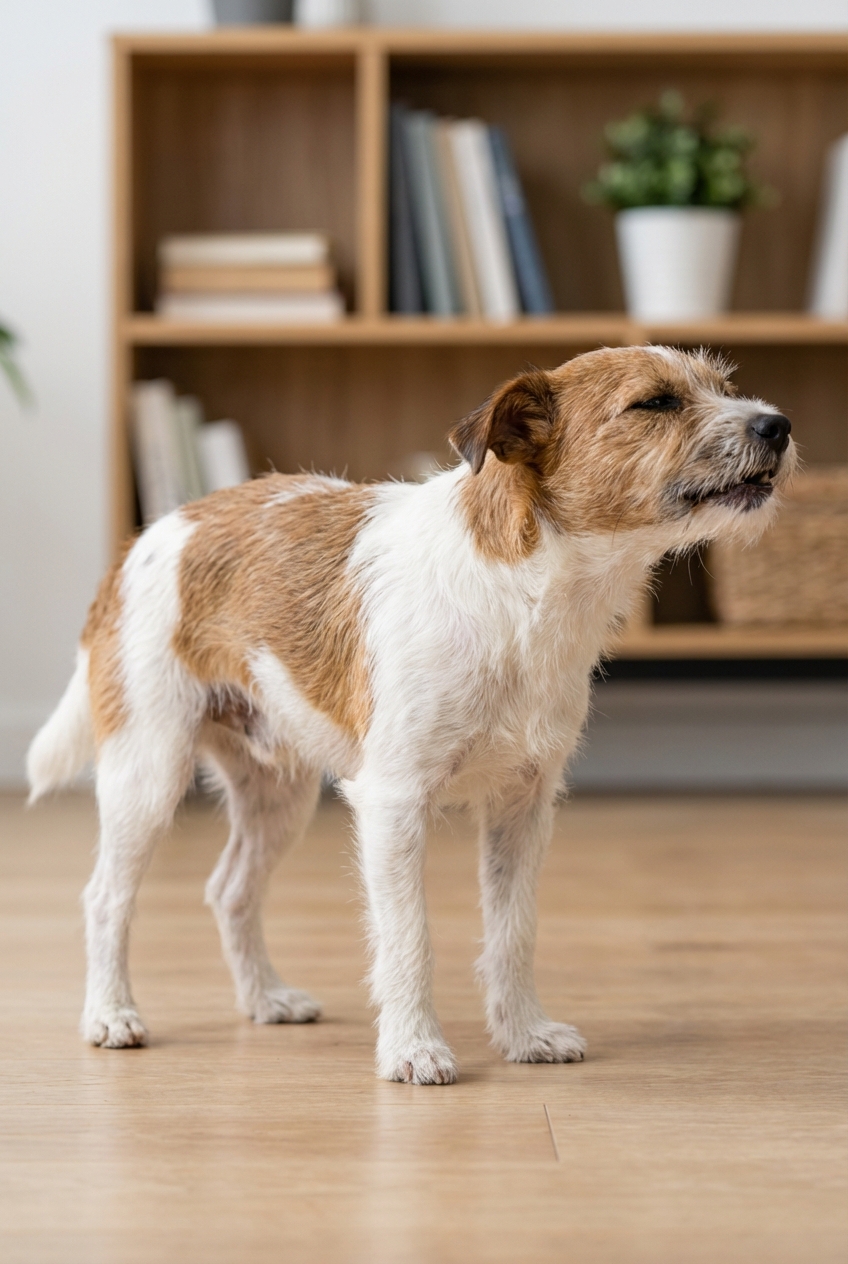
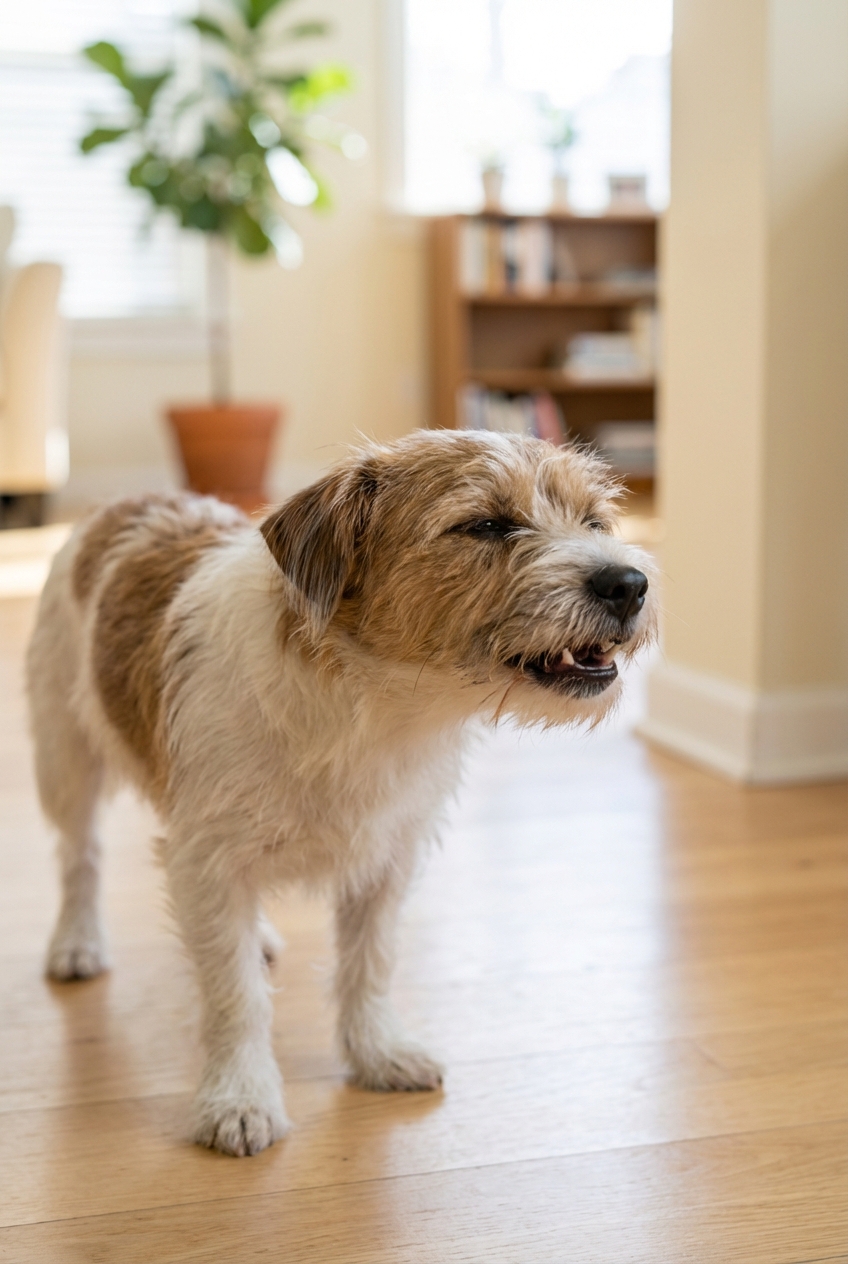
Reverse sneezing is also called paroxysmal inspiratory respiration (or paroxysmal respiration). Instead of a typical sneeze where air is forcefully pushed out through the nose, a reverse sneeze is a rapid, forceful inhalation. During an episode, your dog may:
- Stand still with elbows slightly out and neck extended
- Make repeated snorting, honking, or “gasping” sounds
- Act a little startled, then return to normal immediately after
What is happening: the back of the throat (soft palate and nearby tissues) gets irritated or “tickled,” and the dog reflexively tries to clear it by pulling air in quickly.
Common reasons it happens a lot
Reverse sneezing is often tied to irritation or inflammation in the nose, sinuses, or back of the throat. Here are common causes veterinarians often cite in practice.
1) Allergies and irritants
Seasonal allergens and household irritants are top triggers. Think pollen, dust, fragrance plug-ins, smoke, strong cleaning products, and even a dusty air vent. Dogs can also react after sniffing grass, mulch, or flowers on walks.
2) Excitement, leash pulling, or neck pressure
Many dogs reverse sneeze when they get worked up, greet visitors, or pull hard on a collar. Pressure on the throat can irritate the airway. If your dog reverse sneezes most on walks, this is a big clue.
3) Post-nasal drip
Just like people, dogs can get drip from mild respiratory irritation. That drainage can tickle the back of the throat and trigger repeated episodes.
4) Airway anatomy (short-nosed and small breeds)
Pugs, French Bulldogs, Shih Tzus, and many popular mixes can have extra soft tissue in the airway and narrower nasal passages. Even if your dog is not a flat-faced breed, some mixes inherit airway structure that makes reverse sneezing more likely. If episodes are frequent, ask your veterinarian whether a brachycephalic airway (BOAS) evaluation makes sense.
5) Infectious respiratory disease
Some infections cause inflammation that can look like reverse sneezing. A key clue is that illness often comes with coughing, lethargy, reduced appetite, fever, or nasal discharge. Some dogs can have both coughing and reverse sneezing, so think in terms of the full picture, not just one sound.
6) Foreign material, nasal mites, or other nasal issues
Occasionally, a blade of grass, foxtail, or other debris can lodge in the nasal passage. Nasal mites are uncommon but possible. Tumors or polyps are less common but become more of a concern with persistent symptoms, especially in older dogs. One-sided sneezing, one-sided discharge (especially bloody), or sudden frequent episodes after sniffing in tall grass are reasons to get checked sooner.
Reverse sneezing vs coughing vs choking
These can sound similar, and it matters because the response is different.
- Reverse sneeze: snorting and rapid in-breaths, often with neck extended, usually ends on its own.
- Cough: a forceful out-breath, often deeper in the chest, may have a “hack” sound.
- Choking: distress, pawing at mouth, gagging, trouble inhaling, may drool. This is an emergency if your dog cannot breathe normally.
If you are unsure, record a short video. It is one of the most helpful tools you can bring to your veterinarian.
When it is an emergency
Most episodes are not urgent, but you should treat it as urgent if you notice any of the following:
- Gums or tongue look pale, gray, or blue
- Your dog collapses, seems weak, or cannot recover quickly
- Open-mouth breathing at rest or obvious breathing struggle
- Swollen face, hives, sudden vomiting, or diarrhea (possible allergic reaction)
- Episodes occur back-to-back and your dog cannot settle
If any of these happen, contact an emergency clinic right away.
What to do during an episode
First, stay calm. Dogs often pick up on our stress, and excitement can prolong the episode.
- Pause activity and gently encourage your dog to stand still.
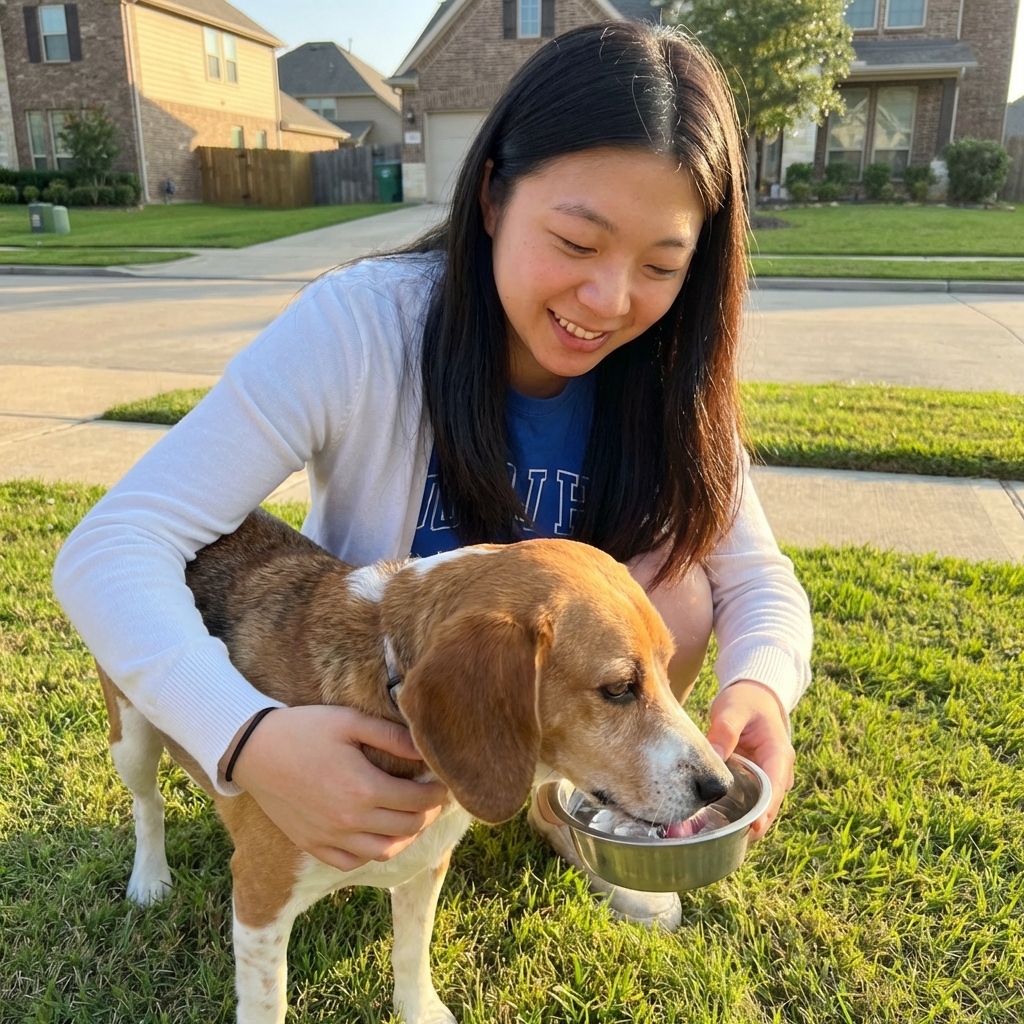
- Encourage a swallow by speaking softly and letting your dog lick your hand or take a small sip of water, if they are willing.
- Some veterinarians suggest briefly covering one nostril for a second or two to encourage a swallow. Stop immediately if it upsets your dog.
- Gently massage the throat to help relax the area.
Avoid forcing the mouth open or trying to “pull the tongue out.” If you suspect a true choking event, that is different and needs immediate emergency guidance.
Tips to reduce frequent episodes
Switch from collar to harness
If your dog pulls or reverse sneezes mainly on walks, a well-fitted front-clip harness can reduce throat pressure. This single change helps many dogs quickly.
Cut down irritants at home
- Skip heavy fragrance sprays, candles, and plug-ins
- Vacuum and dust regularly, especially near vents
- Consider a HEPA air purifier if allergies are suspected
- Avoid smoking indoors
Support nasal comfort
Some owners find that a steamy bathroom for 10 to 15 minutes can help with mild irritation. Think of it as a comfort measure, not a cure. Do not place your dog directly in hot steam or near boiling water. Keep it comfortable, supervised, and short.
Track triggers
Make a quick note on your phone after episodes. Patterns matter. Track:
- Time of day and location
- Activity (walking, playing, eating, drinking)
- Season and weather
- Cleaning products or yard treatments used recently
Training tips that help
Reverse sneezing is not “bad behavior,” but training can reduce common triggers like leash pulling and overexcitement.
Leash skills
Practice short sessions where your dog earns treats for walking with a loose leash. If your dog surges ahead, stop, reset, and reward when the leash loosens again. Consistency matters more than long sessions.
Teach a calm settle
Many dogs reverse sneeze more when they are overstimulated. Teach “settle” on a mat or bed using small treats and calm praise. Over time, this gives your dog a predictable way to downshift when visitors arrive or excitement spikes.
Redirect intense sniffing
Sniffing is healthy enrichment, but repeated deep nasal inhaling in dusty grass can trigger episodes. If your dog reverse sneezes after intense sniffing, gently redirect with a cheerful “let’s go” and keep moving.
When to see your veterinarian
Schedule an appointment if:
- Episodes are increasing in frequency or intensity
- Your dog has nasal discharge, especially yellow, green, bloody, or one-sided
- You notice coughing, gagging, wheezing, or exercise intolerance
- There is snoring that is new or worsening
- Your dog seems uncomfortable, anxious, or sleep is disrupted
- Your dog is older and this is a new symptom
What your veterinarian may do: a physical exam (including mouth and throat), listening to the heart and lungs, and checking for allergy or infection clues. Depending on the story, they may recommend tests like x-rays, a respiratory panel, or referral for an airway or nasal exam (especially if BOAS, a foreign body, dental disease, polyps, or other nasal problems are suspected).
Also, avoid giving over-the-counter human cold or allergy medications unless your veterinarian specifically recommends a product and dose for your dog.
A gentle reality check
Reverse sneezing is usually more alarming to humans than it is harmful to dogs. But “so much” is a meaningful phrase. If it is happening daily, interrupting walks, or paired with coughing or discharge, it is worth getting a professional look. You deserve peace of mind, and your dog deserves comfortable breathing.
If you can safely do it, take a video of a typical episode. In clinic, that 15-second clip often answers half the questions right away.