Itchy skin or a dull coat? Add fish safely with this vet-assistant guide: best low-mercury choices, cooked-only safety, calcium balancing, and two easy toppers.
Article
•
Designer Mixes
Why Is My Dog Licking His Paws So Much?

Shari Shidate
Designer Mixes contributor
Paw licking can look harmless at first, but when it becomes frequent licking, chewing, or you notice stained fur between the toes, it is usually your dog trying to tell you something. As a veterinary assistant in Frisco, Texas, I have seen paw licking caused by everything from seasonal allergies to a tiny foxtail stuck between the toes.
The good news is that most causes are treatable. The key is figuring out whether this is an occasional grooming habit or a true medical issue that needs attention.
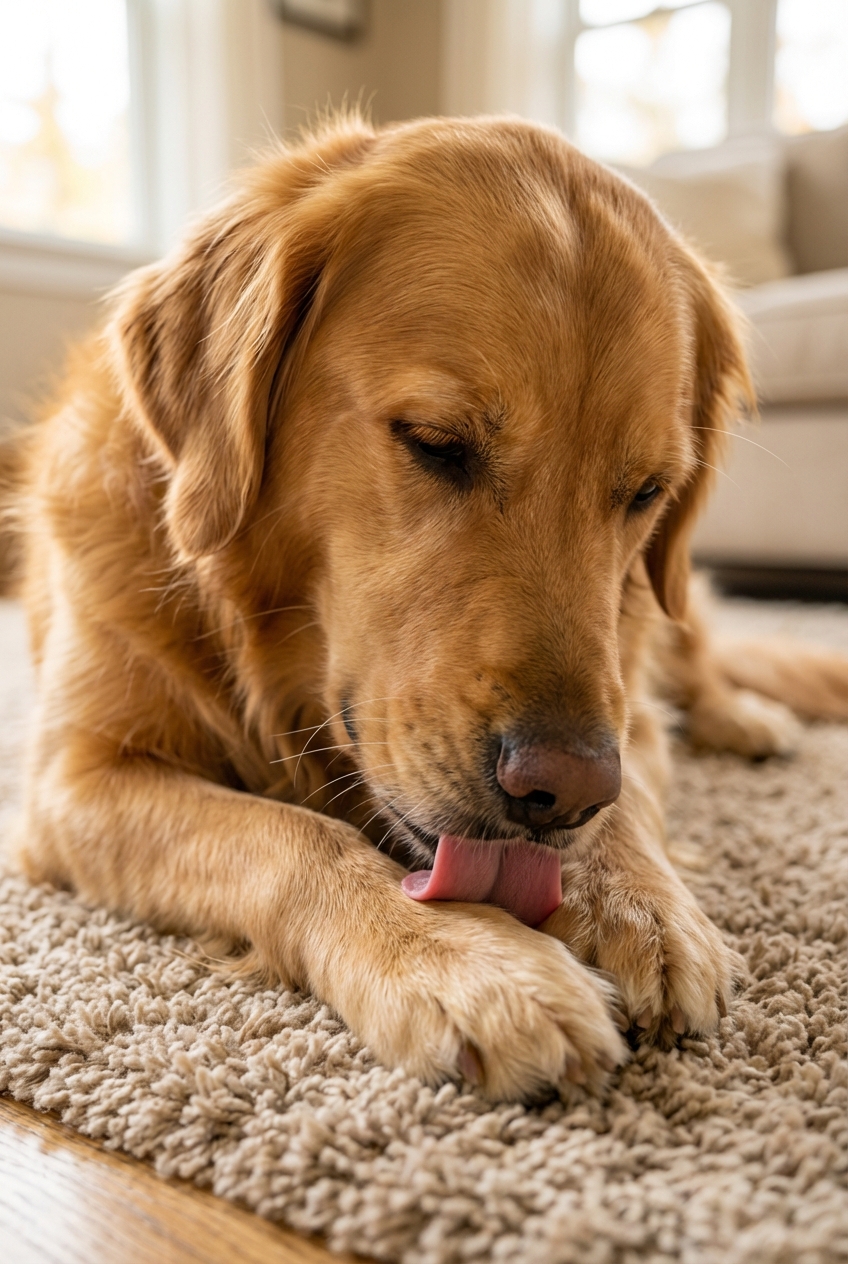
Normal vs concerning paw licking
Normal licking
- Quick grooming after coming inside
- Occasional licking after a walk on rough ground
- Brief licking after eating (some dogs clean their paws like we wipe our mouths)
Concerning licking
- Licking that happens daily or for long stretches
- Chewing, nibbling, or pulling fur from the feet
- Redness, swelling, odor, or brown saliva staining
- Limping or sensitivity when you touch the paw
- New cracks, scabs, or sores between the toes or on paw pads
If your dog cannot settle without licking, or is waking up at night to lick, that is a strong clue that itch, pain, or infection is driving the behavior.
Common reasons dogs lick paws
Here are the most common culprits we see in clinic.
1) Environmental allergies (atopy)
This is one of the most common causes. Many dogs do not show allergies as sneezing and watery eyes the way people do. Instead, allergies often show up as itchy skin, especially paws, ears, armpits, and belly. Some dogs can still have mild eye or nasal symptoms, so do not rule allergies out if you notice those too.
Clues: seasonal flare-ups, recurring ear infections, paw redness between the toes, rubbing face on carpet, and frequent licking after going outside.
2) Food-related reactions
Food-related itch can look a lot like environmental allergies. Some dogs itch year-round, and paws are a frequent target. True food allergy is less common than owners think, but adverse food reactions do happen and can be allergic or non-allergic. Diagnosis typically requires a veterinarian-guided elimination diet trial, not a quick food switch.
Clues: itching without a clear seasonal pattern, recurring skin infections, soft stool, gas, or chronic ear issues.
3) Yeast or bacterial infection
Once a dog starts licking, moisture and inflammation create the perfect environment for yeast and bacteria. This can quickly turn into a cycle: itch leads to licking, licking leads to infection, infection leads to more itch.
Clues: a strong odor (some owners describe a musty smell or even a "corn chip" smell), greasy fur between the toes, redness, and dark discharge around nails or paw pads. Odor alone is not diagnostic, but it is a good reason to get checked.
4) Irritants and contact reactions
Think lawn chemicals, cleaning products on floors, road salt, hot pavement, or rough grass. Some dogs are simply more sensitive.
Clues: licking that starts right after walks, right after floor cleaning, or improves when exposure stops.
5) Foreign body (foxtails, thorns, splinters)
A tiny plant awn can wedge between the toes and cause sudden, intense licking. Foxtails are especially concerning because they can migrate under the skin and cause painful infections.
Clues: sudden one-paw obsession, limping, swelling between the toes, or a draining spot.
6) Dry or cracked paws
Dry, cracked paw pads can sting and lead to licking, especially in winter, during very hot summers, or after lots of time on rough surfaces. Licking can make cracks worse, so this one can snowball fast.
Clues: flaky pads, visible cracks, tenderness on hard floors, licking that worsens after long walks or extreme weather.
7) Pain (orthopedic or nail issues)
Arthritis, a strained toe, a torn nail, or even a small fracture can lead to licking as a self-soothing behavior.
Clues: limping, reluctance to jump, licking one foot only, or sensitivity when you spread the toes.
8) Parasites
Fleas can trigger significant itch, even if you never see a flea. Mites can also affect skin and cause discomfort.
Clues: itch in other places too, scabs, hair loss, or other pets in the home itching.
9) Interdigital cysts (furunculosis)
Some dogs develop deep, painful inflammation between the toes that can look like a lump, blister, or recurring "cyst." These often need veterinary treatment and can keep coming back if the underlying cause is not addressed.
Clues: recurring swelling or a firm bump between the toes, tenderness, bleeding, or a draining tract.
10) Anxiety, boredom, or compulsive behavior
Some dogs lick as a coping mechanism. This is more common when there is a change in routine, less exercise, or separation stress. Often there is still an underlying physical trigger somewhere, but behavior can keep the habit going.
Clues: licking mostly when alone, during storms, after stressful events, or when under-stimulated.
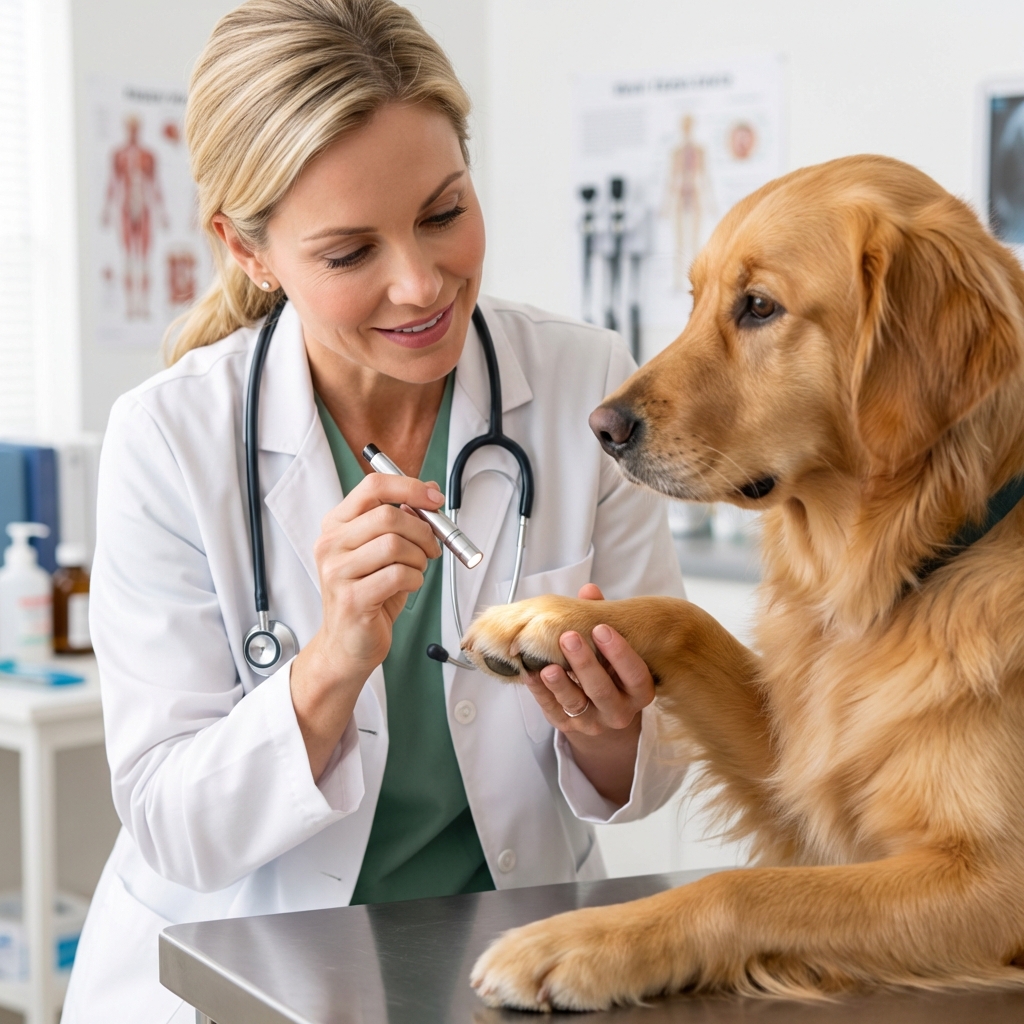
What you can check at home
You do not need fancy tools to do a helpful paw check. Pick a calm moment and use good lighting.
Step-by-step paw check
- Look between the toes: redness, swelling, discharge, a seed head, or a small cut.
- Check nails: cracks, broken nails, or a nail that is longer than the others and pressing into the ground.
- Smell the paw: a strong odor can suggest yeast or bacterial overgrowth.
- Press gently: if your dog pulls away, there may be pain.
- Inspect paw pads: burns from hot pavement, dryness, or cracks.
If you see a deeply embedded object, active bleeding that will not stop, significant swelling, pus, or a draining tract, skip home care and call your veterinarian.
Ways to reduce paw licking
1) Rinse and dry after outdoor time
For dogs with allergies or irritant exposure, a simple rinse can be powerful. Use lukewarm water, then dry well between the toes. Moisture left behind can feed yeast.
2) Consider paw protection
Booties can help when pollen is high, lawns are chemically treated, or sidewalks are hot. Not every dog loves them, so start with short sessions and lots of positive reinforcement.
3) Avoid harsh or risky home treatments
Hydrogen peroxide and alcohol can often irritate tissues and delay healing, especially on already inflamed paws. Essential oils can be toxic if ingested. Also avoid giving human pain medications or antihistamines unless your veterinarian tells you what to use and how much, since some common human medications are dangerous for dogs.
If you suspect a foxtail or other foreign body is deeply embedded, do not dig for it at home. Call your veterinarian.
4) Break the lick cycle
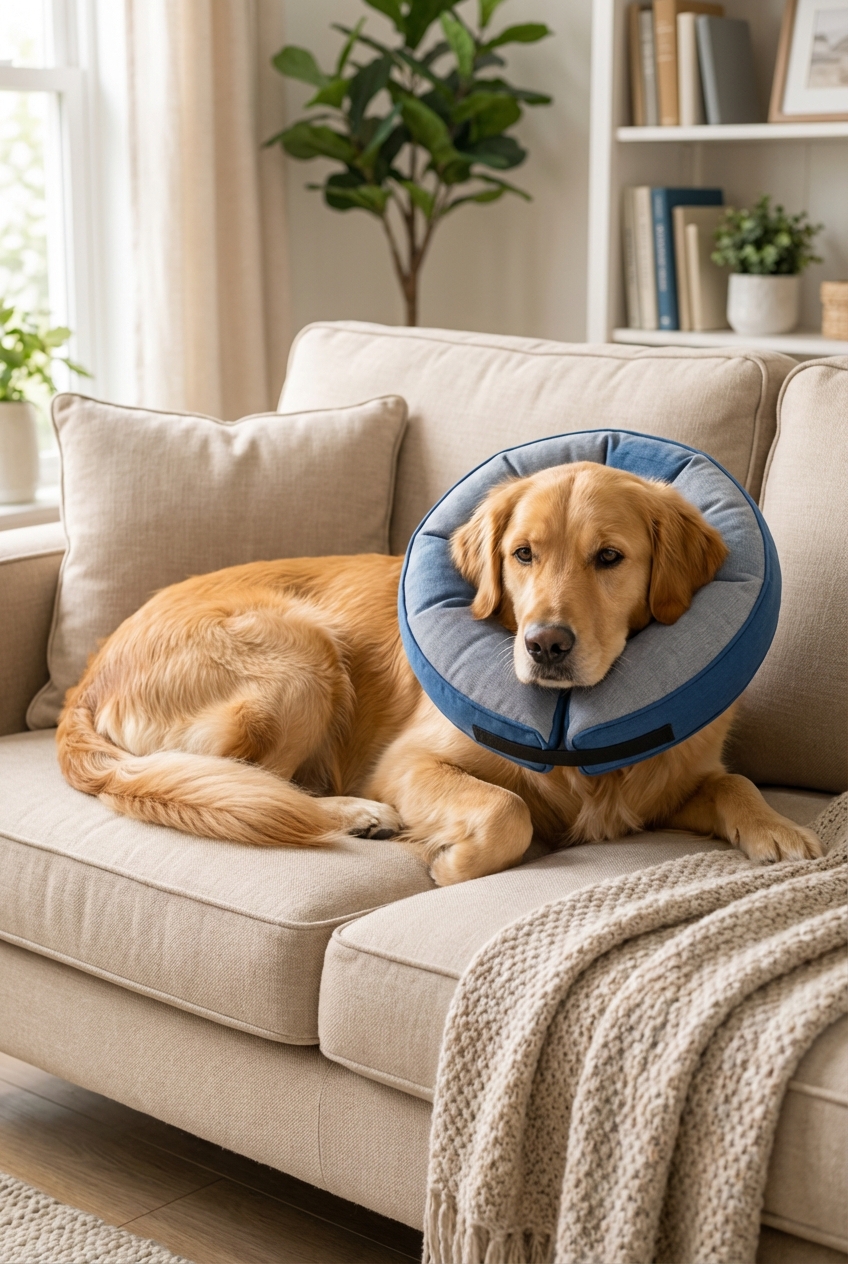
If licking is creating sores, an e-collar (cone) or a soft recovery collar can protect the paw while you address the underlying cause. It is not punishment. It is prevention.
5) Ask your veterinarian about targeted treatment
Depending on the cause, your vet may recommend:
- Prescription allergy medications or immunotherapy
- Medicated shampoos or wipes for yeast and bacteria
- Antibiotics or antifungals when infection is confirmed
- Pain relief for injuries or arthritis
- A supervised elimination diet trial if a food-related reaction is suspected
One important note: itching and infection often overlap. Treating only the itch without treating infection (or vice versa) can lead to repeated flare-ups.
What diagnosis may look like
In many cases, your vet can learn a lot quickly with a skin cytology (to look for yeast or bacteria), a skin scraping if mites are a concern, and a careful exam for foreign bodies. Allergy testing may be helpful for some dogs, while food-related reactions are best evaluated with a guided elimination diet trial.
When to see the vet
Please call your veterinarian promptly if you notice any of the following:
- Swelling between the toes or a new lump
- Open sores, bleeding, or raw skin
- Foul odor or discharge
- Limping or clear pain
- Licking that persists more than a few days despite rinsing and keeping paws dry
- Recurring paw licking that keeps coming back
Paw problems tend to worsen when they are ignored, especially if infection or a foreign body is involved. Early treatment is usually simpler, less expensive, and much more comfortable for your dog.
Prevention tips
- Keep up with parasite prevention: flea control matters even for indoor dogs.
- Trim nails and paw fur: long fur between the toes traps moisture and allergens.
- Wipe paws during allergy season: especially after grass time.
- Support skin health with nutrition: ask your vet whether omega-3 fatty acids could be helpful for your dog.
- Enrich the day: exercise, training games, and puzzle feeders can reduce stress-licking habits.
If your dog is licking paws constantly, think of it like a smoke alarm. The licking is the noise, but the cause is the smoke. Once we find the trigger, we can calm the whole system down.