Dog gagging can be harmless or urgent. Learn key signs of choking vs gagging, common causes like reverse sneezing and cough, and when to call your vet or go ...
Article
•
Designer Mixes
Why Is My Dog Gagging?

Shari Shidate
Designer Mixes contributor
Hearing your dog gag can be scary, especially when it comes out of nowhere. As a veterinary assistant, I like to start with a simple truth: gagging is a symptom, not a diagnosis. Sometimes it is a quick, harmless irritation. Other times it is your dog’s way of telling you something needs attention right now.
This guide walks you through common causes, what you can safely do at home, and the red flags that mean it is time for urgent veterinary care.
Note: This article is for general education and is not a substitute for a veterinary exam.
Gagging vs coughing vs retching
Owners often describe a few different sounds as “gagging,” and the details can help narrow down the cause.
- Gagging: a throat-clearing motion, sometimes with swallowing or tongue-stretching.
- Coughing: a forceful push of air, often from the chest, sometimes followed by a gag.
- Retching: repeated heaving motions like vomiting is coming, but nothing (or only foam) comes out.
- Reverse sneezing: rapid snorting or honking inhalations, usually from throat irritation; it looks dramatic but many dogs recover quickly.
- Regurgitation: food or liquid comes back up with little effort (no heaving). This is different from vomiting and can point to esophageal issues.
If you can, take a short video on your phone. It is one of the most helpful tools you can bring to your vet.
Common causes
1) Something stuck in the mouth or throat
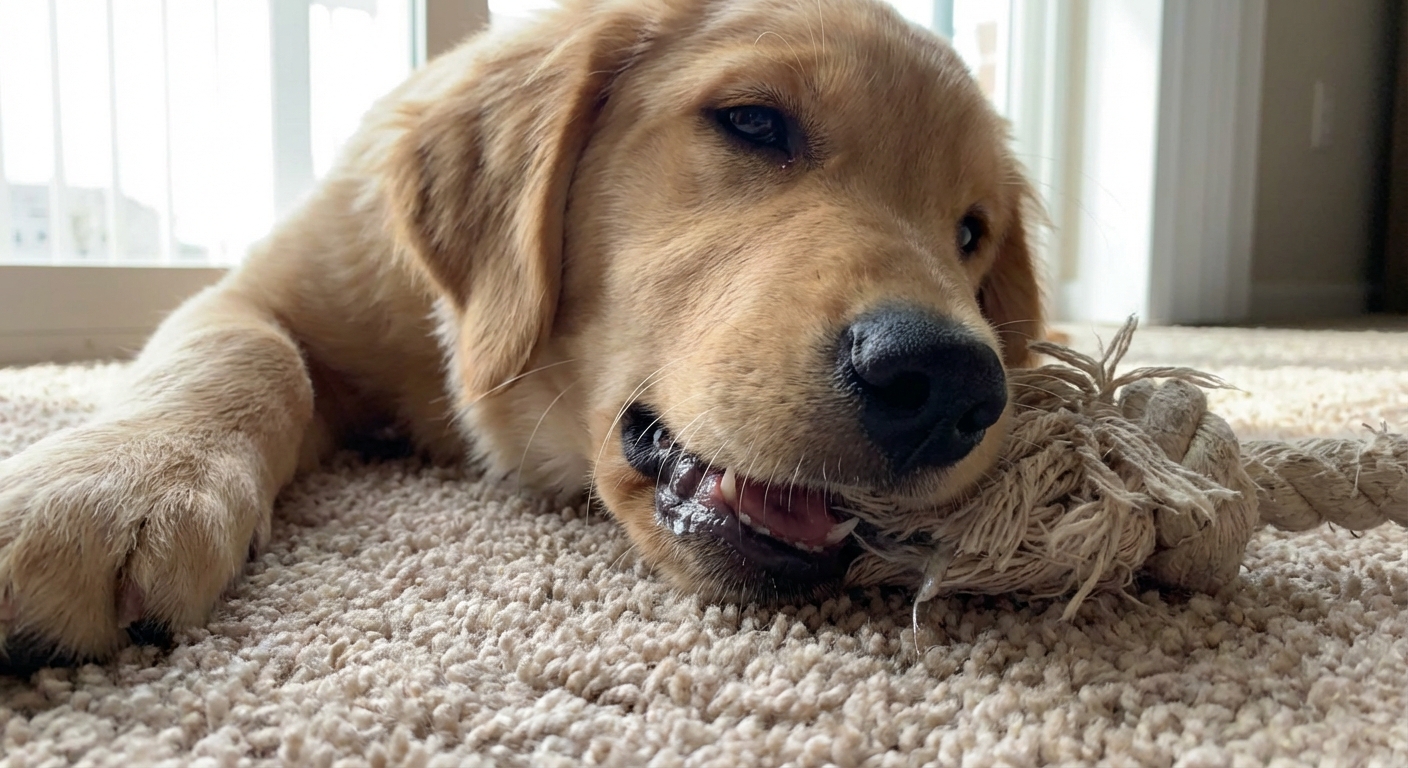
Small toys, bones, rawhide pieces, sticks, plant material, and even a strand of hair can trigger gagging. Dogs may paw at their mouth, drool, or act panicked.
Important: if your dog is struggling to breathe, has blue or gray gums, or cannot settle, treat it like an emergency.
2) Eating too fast or drinking too quickly
Fast eaters often gag right after meals, especially if they swallow air. This can happen more with dry kibble, large treats, or when multiple pets are competing for food.
- Gagging often resolves within a few minutes.
- You may see burping, lip-licking, or a single cough-gag.
3) Nausea or an upset stomach
Gagging can be an early sign of nausea. Some dogs swallow repeatedly, lick lips, drool, or eat grass. You might also see decreased appetite or mild vomiting later.
4) Respiratory infections (including kennel cough)
Infectious tracheobronchitis, often called kennel cough, can cause a dry, honking cough that ends in a gag. Dogs may otherwise seem okay, or they may have mild lethargy and nasal discharge.
Respiratory viruses are common anywhere dogs gather, like grooming salons, dog parks, daycare, and boarding facilities.
5) Collapsing trachea (small breeds)
Toy and small breeds (like Yorkies, Pomeranians, Chihuahuas, and mixes) can be prone to collapsing trachea. The cough often sounds like a “goose honk” and can trigger gagging, especially with excitement, pulling on a collar, or after drinking.
6) Allergies, post-nasal drip, or throat irritation
Just like people, dogs can gag from mucus dripping down the throat. Seasonal allergies, smoke, perfumes, dusty homes, and even strong cleaning products can irritate airways.
7) Acid reflux or esophageal irritation
Reflux can lead to gagging, swallowing, lip-licking, and discomfort. It can be worse at night or early morning, but it varies. Some dogs have a history of regurgitation (food coming back up without heaving) rather than true vomiting.
Why it matters: repeated regurgitation deserves prompt veterinary attention. Some esophageal conditions (like megaesophagus) increase the risk of aspiration (inhaling food or fluid into the lungs).
8) Dental or throat problems
Severe dental disease, an oral wound, a foreign body under the tongue, tonsillitis, or an oral mass can all cause gagging or retching-like behavior. Bad breath, mouth pain, drooling, or pawing at the face are common clues.
9) Heart disease or fluid in or around the lungs
Some heart conditions can cause coughing that owners describe as gagging. This is more common in older dogs. If you notice exercise intolerance, fainting, a swollen belly, or rapid breathing at rest, schedule a veterinary exam promptly.
10) Parasites (heartworm or lungworm in some areas)
Depending on location and lifestyle, parasites can contribute to coughing and gagging. Heartworm disease, for example, may cause cough and exercise intolerance, but it can be silent early on. Keeping your dog on veterinarian-recommended prevention is one of the simplest ways to reduce risk.
11) Airway conditions in certain breeds
Brachycephalic airway syndrome (short-nosed breeds like Bulldogs, Pugs, and Frenchies) can cause gagging, snorting, and noisy breathing, often worse with heat, exercise, or excitement.
Laryngeal paralysis (more common in older, large-breed dogs) can cause noisy breathing, gagging, coughing, and trouble with exercise. This can become urgent if breathing worsens.
12) Bloat risk: unproductive retching (deep-chested breeds)
If your dog is repeatedly retching but cannot vomit anything up, looks uncomfortable, has a distended abdomen, or is pacing, this can be a sign of GDV (bloat), a true emergency that requires immediate care.
What you can do at home
If your dog is breathing comfortably, gums are pink, and the gagging is mild, these steps can help while you monitor. If any red flags are present, skip home care and call a veterinarian right away.
1) Pause food and treats briefly
Give the throat a break. Remove chews, toys, and food for 1 to 2 hours. Offer small sips of water.
2) Check the mouth only if it is safe
If your dog allows it and is not panicking, gently look for obvious objects stuck between teeth or across the roof of the mouth (like a stick). Do not put your fingers deep into the throat. If you cannot easily remove an object, stop and seek veterinary help.
3) Calm the environment
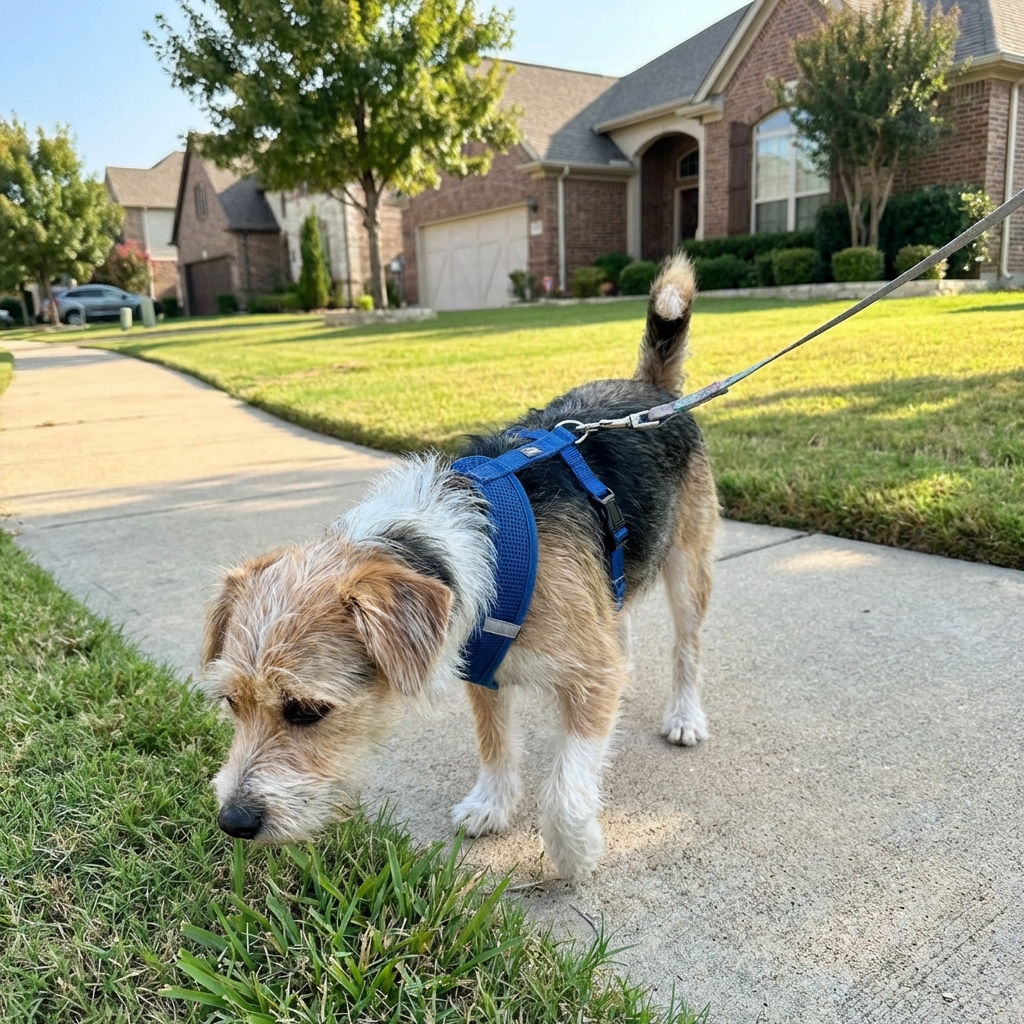
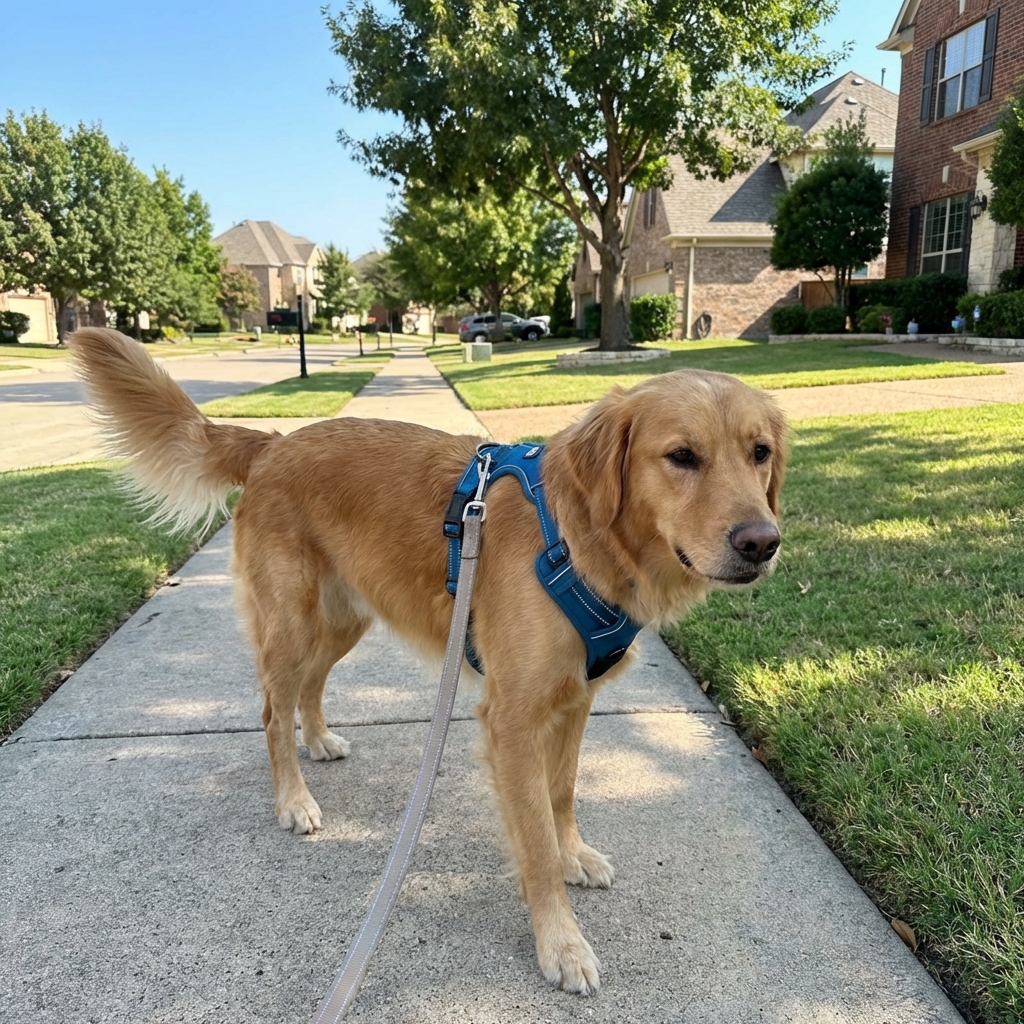
Excitement makes gagging and coughing worse for many dogs. Keep them in a quiet room, avoid vigorous play, and use a harness instead of a collar if you need to walk them.
4) If it looks like reverse sneezing
Many dogs stop on their own within 30 to 60 seconds. Some vets recommend gentle, low-risk techniques such as:
- Gently massaging the throat.
- Encouraging a swallow by offering a small sip of water after the episode.
- Briefly and lightly touching one nostril to prompt swallowing.
Safety note: do not fully block both nostrils or hold the nose shut. Stop if your dog struggles or seems distressed. If your dog is short-nosed or has known airway disease, call your vet for guidance.
If episodes are frequent, new, or worsening, talk with your vet.
5) Slow down fast eaters
- Use a slow feeder bowl or puzzle feeder.
- Feed smaller meals more often.
- Add a little warm water to kibble to soften it if your vet approves.
- Separate pets during meals to reduce competition.
6) Track patterns for 24 hours
Write down when it happens (after eating, at night, during exercise), what the sound is like (dry cough vs gag), and any additional signs (vomiting, regurgitation, diarrhea, lethargy). That timeline helps your vet tremendously.
Home help is about comfort and observation, not guessing medications. Many human cough or cold products are dangerous for dogs. When in doubt, call your veterinarian before giving anything.
When to get urgent care
Please seek urgent veterinary care (ER if needed) if you notice any of the following:
- Difficulty breathing, open-mouth breathing at rest, or noisy breathing that is worsening.
- Blue, gray, or very pale gums.
- Repeated unproductive retching (trying to vomit but nothing comes up), a tight belly, restlessness, or signs of pain.
- Possible choking, especially with drooling, panic, pawing at the mouth, or collapse.
- Gagging with weakness, fainting, or severe lethargy.
- Coughing up blood or pink foam.
- Fever, new lethargy, or rapid breathing after vomiting or regurgitation (possible aspiration pneumonia).
- Puppies, seniors, or dogs with heart or airway disease who start gagging suddenly.
When it can wait
Schedule a veterinary appointment in the next day or two if:
- Episodes continue for more than 24 to 48 hours.
- There is a new cough that sounds harsh, honking, or frequent.
- Your dog gags after meals regularly, especially with weight loss or poor appetite.
- Your dog seems fine but the gagging is happening multiple times daily.
- Regurgitation is happening more than once, or is becoming more frequent.
Your vet may recommend an exam, oral check, chest X-rays, a heartworm test (if not current), fecal testing, or a discussion about reflux and diet changes.
Prevention tips
- Choose safer chews: avoid brittle bones and supervise all chew time.
- Use a harness if your dog pulls or coughs on a collar.
- Keep vaccines current based on your dog’s lifestyle (including canine cough protection when appropriate).
- Reduce irritants: minimize smoke, strong fragrances, and dusty bedding.
- Support a healthy weight: extra weight can worsen airway issues.
- Feed smart: smaller, slower meals can reduce gagging tied to fast eating or reflux.
What to tell your vet
If you call your clinic, these details speed up the triage process:
- Is it gagging, coughing, reverse sneezing, retching, or regurgitation?
- How long has it been happening and how often?
- Any choking risk (bones, sticks, toys, rawhide, strings)?
- Energy level, appetite, drinking, vomiting, regurgitation, or diarrhea?
- Any nasal discharge, fever, or exposure to other dogs recently?
- Breed and age (small breeds, short-nosed breeds, and seniors often have different risk profiles).
Most of all, trust your instincts. If your dog seems distressed or “not right,” it is always okay to call for help.