Bone broth can support hydration, appetite, and comfort for picky, senior, or recovering dogs. Get a plain, dog-safe recipe, serving amounts, storage tips, a...
Article
•
Designer Mixes
Why Is My Dog Drinking More Water?

Shari Shidate
Designer Mixes contributor
If you have caught yourself thinking, “Why is my dog drinking more water all of a sudden?”, you are paying attention in exactly the right way. Increased thirst can be something simple, like hot weather or a salty treat. But it can also be an early sign of a health problem that deserves a closer look.
As a veterinary assistant, I like to start with two goals: (1) figure out whether this is a normal, temporary change, and (2) make sure we do not miss a condition that needs treatment. This guide will help you do both, with clear next steps.
What counts as “too much” water?
Some dogs naturally drink more than others, and water intake changes with activity, temperature, and diet. Still, it helps to have a rough benchmark.
Many vets use a guideline of around 50 to 60 mL of water per kilogram of body weight per day as typical maintenance intake.
When should you worry? Cutoffs vary by source and by patient, but many clinicians consider consistently more than about 90 to 100 mL/kg/day to be clearly excessive (polydipsia), especially if it is new for your dog or paired with other symptoms.
- 10 lb dog (4.5 kg): roughly 225 to 270 mL/day (about 1 cup)
- 30 lb dog (13.6 kg): roughly 680 to 820 mL/day (about 2.8 to 3.4 cups)
- 60 lb dog (27 kg): roughly 1.35 to 1.62 L/day (about 5.6 to 6.8 cups)
Important: This is not a “diagnosis tool.” It is just a way to notice trends. If your dog’s intake is suddenly much higher, steadily climbing, or you are seeing other changes too, it is worth investigating.
Normal reasons dogs may drink more
Before we assume the worst, check for common, harmless explanations. These can create a noticeable jump in water intake.
- Hot weather or dry air: Summer heat, indoor heating, and low humidity can all increase thirst.
- More exercise: A new walking routine, dog park visits, or zoomies in the yard can do it.
- Diet change: Kibble-fed dogs often drink more than dogs eating canned or fresh food because kibble has less moisture.
- Salty snacks: Jerky treats, cheese, deli meats, and some dental chews can make dogs thirstier.
- Pregnancy or nursing: Nursing moms especially need extra water.
- Mild stomach upset: If your dog has had loose stools or a bit of vomiting, they may drink more to make up for fluid loss. (If vomiting or diarrhea is ongoing or your dog seems unwell, that is a same-day vet call.)
If one of these clearly explains the change and your dog otherwise seems normal, monitor for a few days while keeping water available.
When increased thirst can mean a medical issue
Increased water intake is a symptom, not a diagnosis. The key is looking at the full picture: drinking more plus other changes.
Common medical causes
- Kidney disease: Can cause increased thirst and urination, decreased appetite, weight loss, nausea, or bad breath.
- Diabetes mellitus: Classic signs include drinking more, peeing more, increased appetite, and weight loss.
- Cushing’s disease (hyperadrenocorticism): Often causes increased thirst and urination, pot-bellied appearance, panting, skin changes, and recurrent infections.
- Liver disease: May show vomiting, diarrhea, low appetite, yellowing of gums or eyes, or behavior changes.
- Pyometra (uterine infection) in unspayed females: This is an emergency. Signs can include increased thirst, lethargy, poor appetite, vomiting, and sometimes vaginal discharge.
- Medications: Steroids like prednisone and some seizure medications can increase thirst dramatically.
- Addison’s disease (hypoadrenocorticism): Less common, but important. Signs can wax and wane and may include vomiting, diarrhea, low energy, poor appetite, and sometimes increased drinking and urination.
- Electrolyte or hormone disorders: Less common, but possible. One classic example is high calcium (hypercalcemia), which can be linked to certain cancers, parathyroid disease, or other conditions and can cause increased drinking and urination.
A quick note on UTIs
Bladder infections (UTIs) and bladder inflammation usually cause frequent urination, urgency, straining, accidents, or blood in the urine. A simple lower UTI does not typically cause true excessive thirst or large urine volumes. If the infection involves the kidneys (pyelonephritis) or your dog is feeling systemically ill, you may see increased drinking too.
If you are seeing increased thirst plus any other symptom, it is time to call your veterinarian.
Red flags that mean “call the vet today”
Some combinations of symptoms should not wait, because dehydration, infection, obstruction, or metabolic issues can worsen quickly.
- Vomiting or diarrhea with increased drinking
- Lethargy, weakness, or collapse
- Not eating or sudden weight loss
- Accidents in the house or straining to urinate
- Blood in urine or very dark urine
- Unspayed female with increased thirst and any illness signs
- Sweet or “fruity” breath (can happen with diabetes or ketones, but not always noticeable and not diagnostic)
- Swollen belly, heavy panting, or restlessness
- Very pale gums or yellow-tinged gums or whites of eyes
- Drinking more but peeing very little or not at all: treat this as an emergency (possible urinary blockage or severe dehydration)
If your dog cannot keep water down or seems painful when urinating, treat it as urgent.
How to track water intake at home
When you can tell your vet, “Here is exactly what I am seeing,” you save time and often get to answers faster.
A simple 3-day water log
- Pick one unit and stick with it: mL, ounces, or cups.
- Measure the water you pour into the bowl each morning.
- At night, measure what is left and subtract.
- Write down treats, exercise level, weather, and any new foods.
- Note urination: more frequent, larger puddles, accidents, or straining.
Tip: If multiple pets share bowls, offer your dog a separate bowl in a separate area for a few days, or supervise water breaks.
Measuring caveat: Spilled water, tipped bowls, and outdoor bowls can throw off your numbers. If you suspect spills, consider a heavier bowl, a non-slip mat, and measuring indoors for a few days.
Also note: Some dogs quietly increase intake by drinking from toilets, puddles, or dripping faucets. That can inflate total water intake and also raises the risk of stomach upset, infections, or toxin exposure.
What your veterinarian may recommend
In clinic, the goal is to confirm whether your dog is truly drinking excessively and then identify the “why.” Most workups are straightforward.
- Physical exam: Weight, hydration, abdominal palpation, gum color, and overall condition.
- Urinalysis: Checks concentration, infection, crystals, glucose, and other clues.
- Bloodwork: Looks at kidney values, liver enzymes, glucose, electrolytes, and more.
- Urine culture: If infection is suspected or UTIs keep coming back.
- Imaging: X-rays or ultrasound if stones, kidney changes, or uterine infection are concerns.
- Endocrine testing: If diabetes, Cushing’s disease, or Addison’s disease is suspected.
Bring your water log and, if possible, a fresh urine sample (your clinic can tell you how they prefer it collected and how quickly it should be dropped off).
Safe care tips while you wait for the appointment
If your dog is drinking more, it can be tempting to limit water. Please do not. Restricting water can be dangerous, especially if your dog has diabetes, kidney disease, or is overheating.
Do this instead
- Keep water available at all times and refill with fresh water.
- Offer extra potty breaks to prevent accidents and discomfort.
- Avoid salty foods and treats until you have answers.
- Keep exercise moderate and avoid the hottest part of the day.
- Watch urine output: Is it more frequent, larger puddles, or is your dog trying and producing little?
- Check gums: Healthy gums are generally pink and moist, not tacky or pale.
Action step: If your dog is drinking more than usual for more than 24 to 48 hours and you cannot explain it by heat, exercise, or diet, schedule a vet visit and start a water log today.
Food and hydration tips
Nutrition is not a substitute for medical care, but it can support hydration and overall wellness, especially once your vet has ruled out urgent issues.
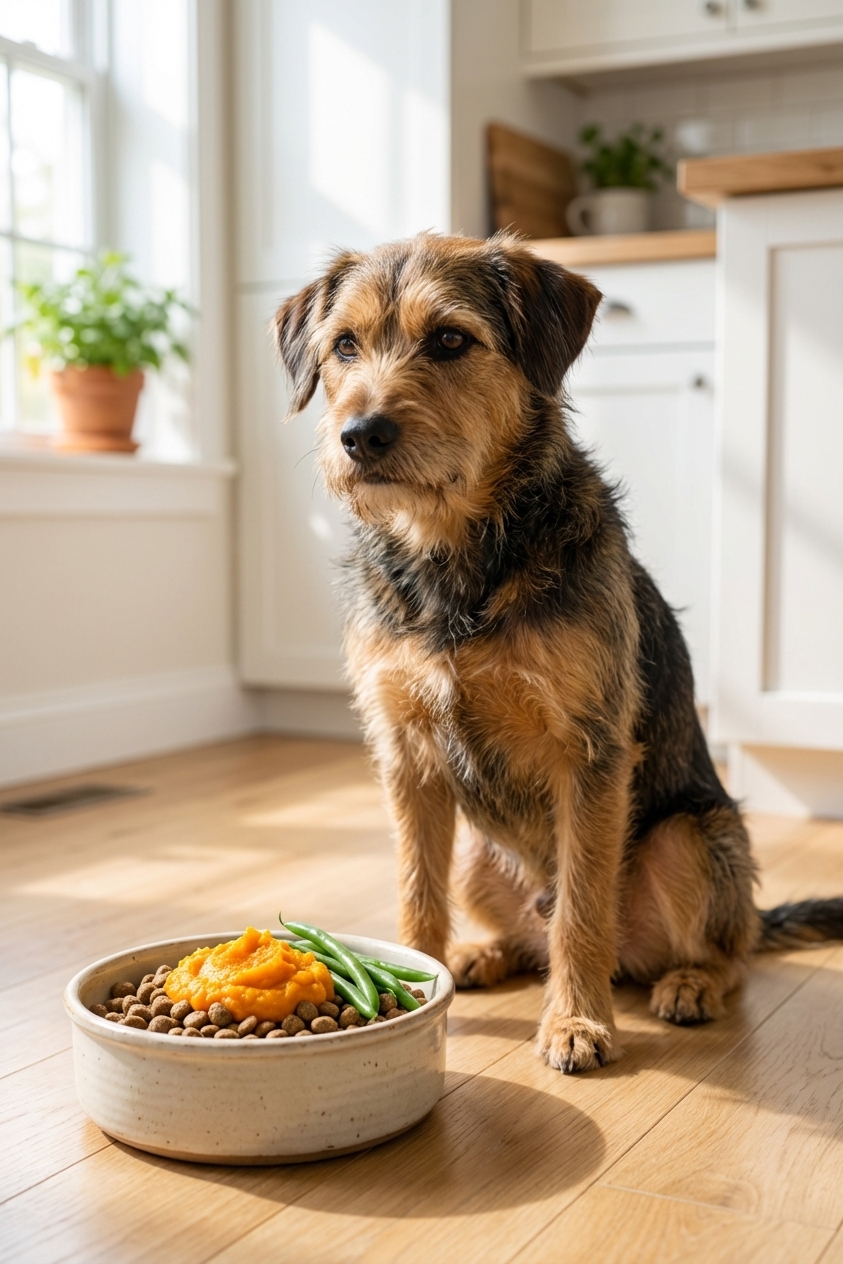
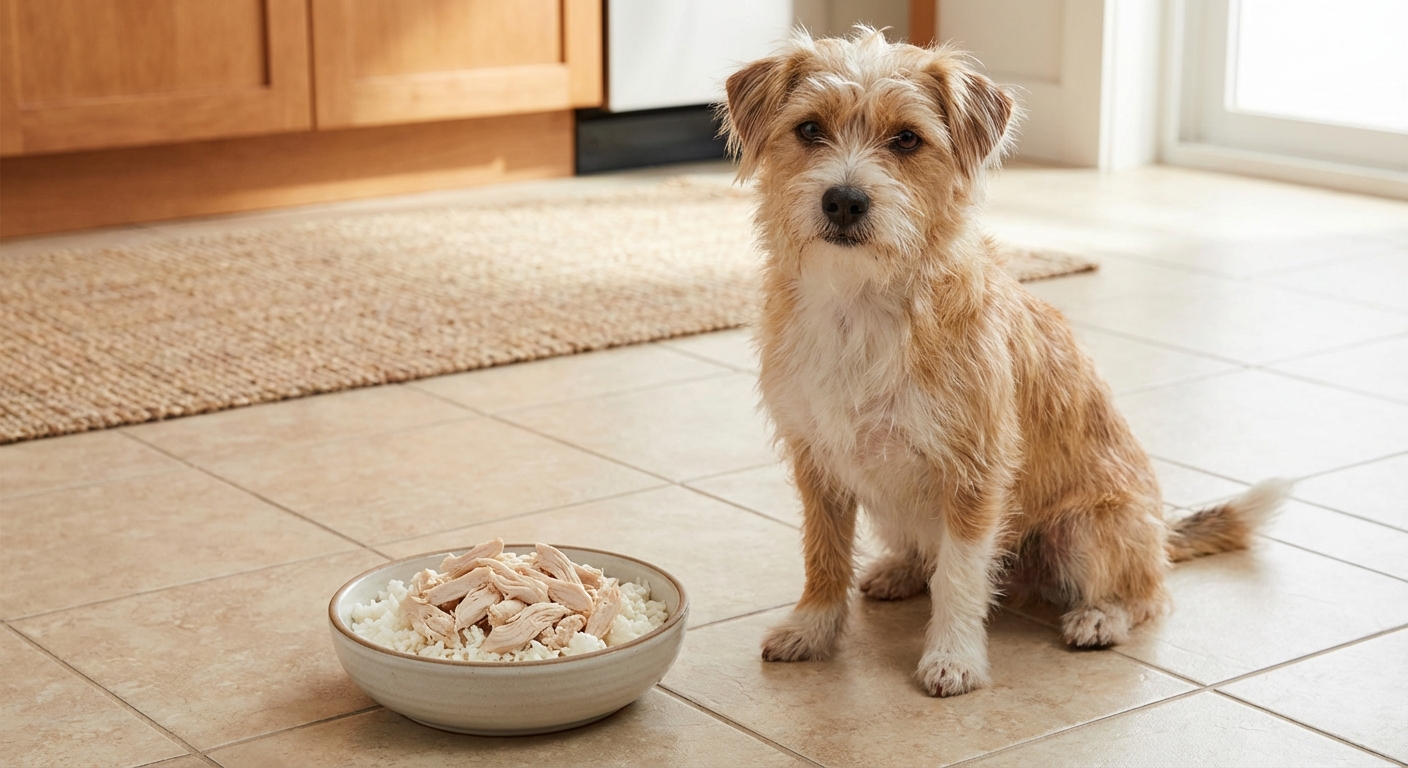
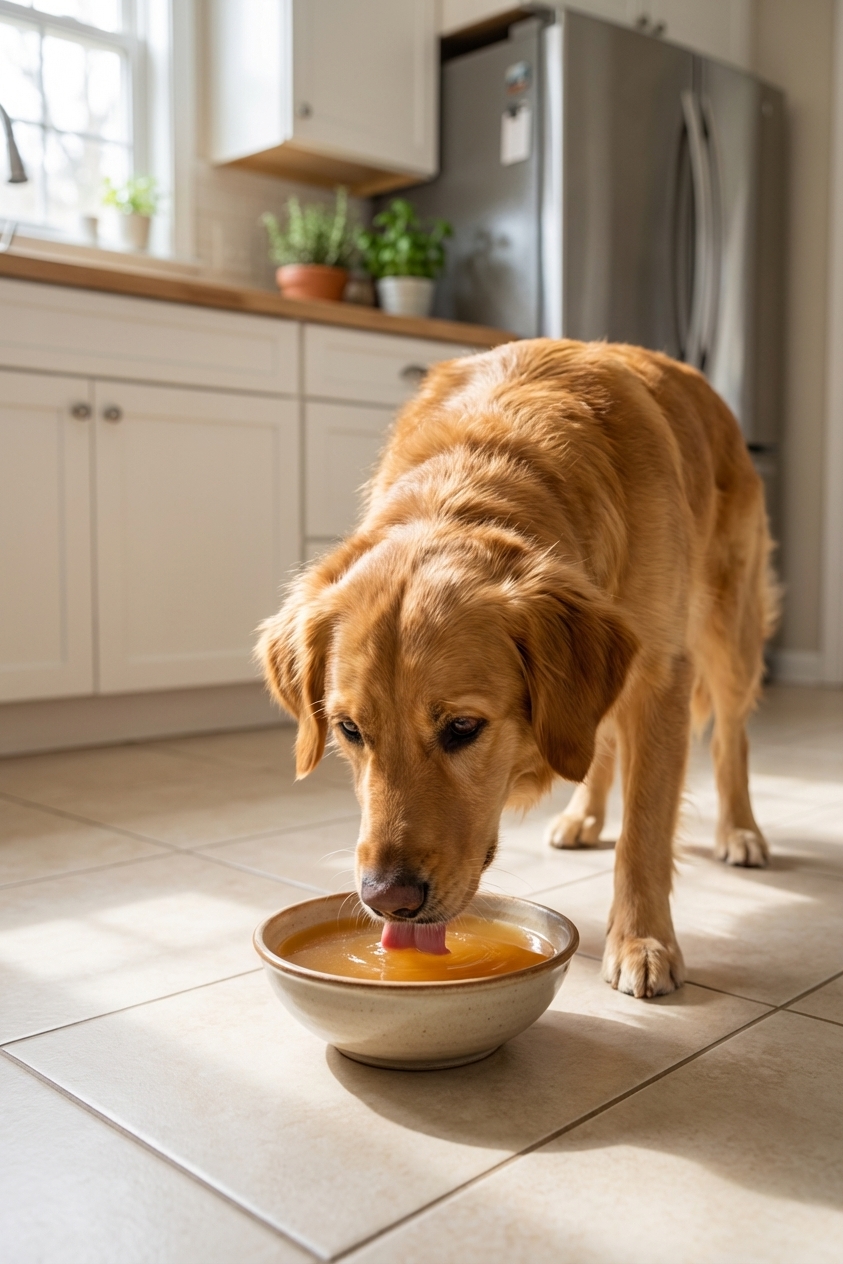
- Increase moisture in meals: Add warm water or low-sodium broth to food, or incorporate wet or fresh foods.
- Choose lower-sodium treats: Single-ingredient options can be a good start, but check the label since sodium varies and some products have added salt.
- Support gut health: If your vet approves, a quality probiotic can help some dogs, especially after antibiotics.
If your dog is on a prescription diet for kidneys, diabetes, or urinary issues, ask your vet before adding toppers or switching foods. Those diets are carefully formulated for a reason.
Quick FAQ
Should I take the water bowl away at night?
Usually no. If nighttime drinking is leading to accidents, talk with your vet. The solution is typically more potty breaks or treating the underlying cause, not restricting water.
My dog is drinking more and peeing more. Is that always serious?
Not always, but it is one of the most important patterns to investigate because it can be linked to diabetes, kidney disease, Cushing’s disease, Addison’s disease, and other conditions.
Could it be behavioral?
Sometimes, yes. Boredom, anxiety, and habit can increase drinking. But you should first rule out medical causes, especially if the change is sudden.