Recognize early overheating signs and heatstroke red flags in dogs. Learn quick checks, safe cooling steps, what to avoid, high-risk dogs, and when to see a ...
Article
•
Designer Mixes
Why Is My Dog Breathing Heavy?

Shari Shidate
Designer Mixes contributor
Heavy breathing can be totally normal, or it can be your dog’s way of saying, “I need help.” As a veterinary assistant, I’ve learned that the context matters most: what your dog was doing right before it started, how long it lasts, and whether anything else looks off.
In this guide, I’ll walk you through the most common reasons dogs breathe heavily, what you can safely do at home, and the red flags that mean it’s time to call your veterinarian right away.
What “heavy breathing” can look like
People describe heavy breathing in a few different ways, and the details can help narrow down the cause:
- Panting: fast breathing with an open mouth, often with the tongue out.
- Fast breathing: quicker breaths than normal, sometimes with a closed mouth (often called tachypnea).
- Increased effort: belly moving more than usual, flared nostrils, or a “heaving” chest (often called dyspnea).
- Noisy breathing: wheezing, honking, snorting, gagging, or raspy/harsh sounds.
If you notice increased effort or fast breathing at rest, take it more seriously than exercise panting.
Normal reasons your dog may breathe heavily
After exercise or excitement
Panting is a normal cooling mechanism. Many dogs will pant after play, a walk, or even a doorbell frenzy. It should gradually settle as your dog rests and cools down.
Heat and humidity
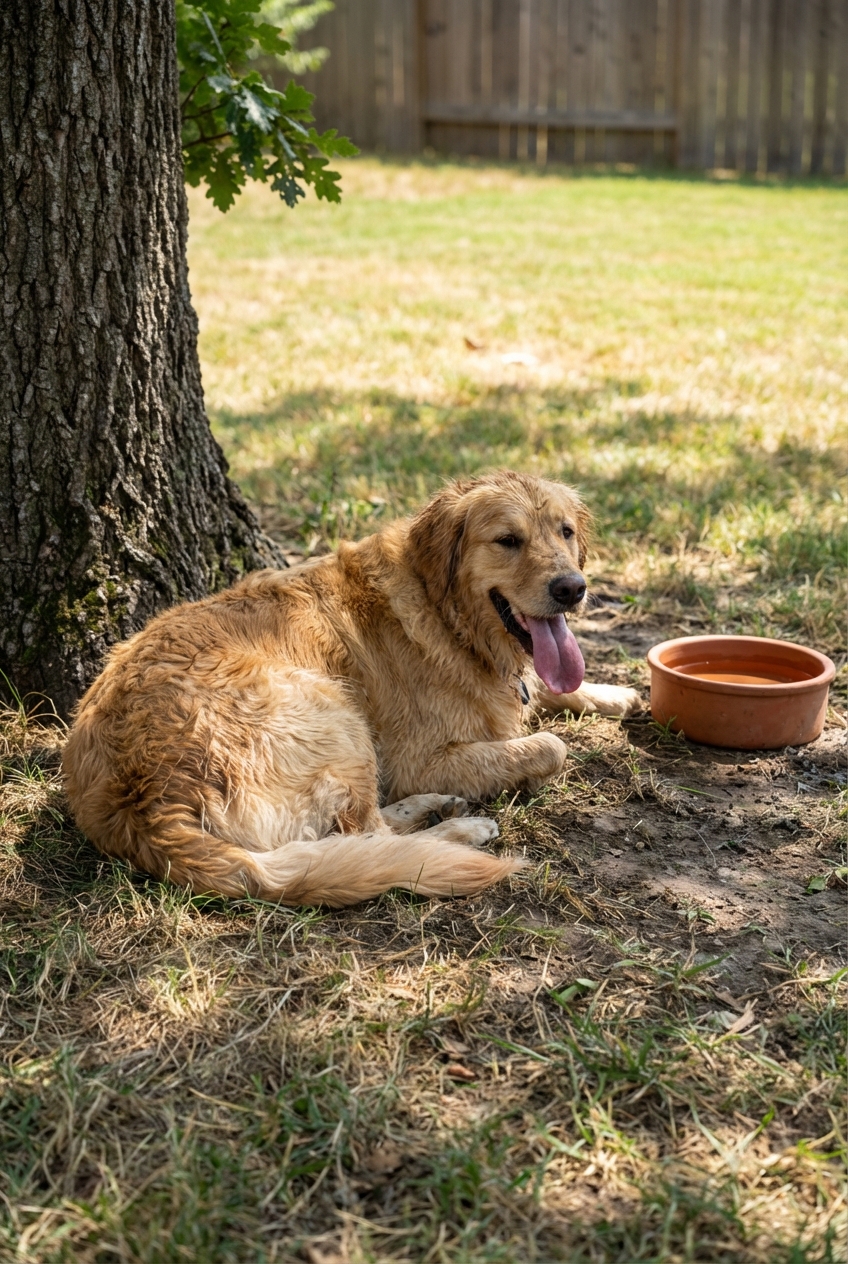
Dogs sweat very little (mostly through their paw pads). They mainly cool themselves by panting. In warm weather, panting can increase quickly, especially in humid conditions where cooling is less efficient.
Stress or anxiety
Car rides, thunderstorms, fireworks, new visitors, and separation can cause heavy panting. You may also see pacing, tucked tail, lip licking, yawning, or wide eyes.
Flat-faced anatomy (BOAS)
Breeds like Bulldogs, Pugs, and Boston Terriers can breathe noisier and heavier due to a shorter airway and soft tissue crowding. This is often part of brachycephalic obstructive airway syndrome (BOAS). Even “normal” panting can escalate quickly with heat, stress, or excitement.
Common medical reasons for heavy breathing
When heavy breathing shows up at rest, seems out of proportion to activity, or comes with other symptoms, these are some of the usual suspects seen in clinics.
Pain
Pain is a big one. Dogs often pant when they hurt, even if they do not cry. Look for limping, stiffness, reluctance to jump, hiding, restlessness, or guarding the belly.
Fever or infection
A fever can increase respiratory rate and cause panting. You might also notice low energy, reduced appetite, coughing, sneezing, nasal discharge, or vomiting and diarrhea.
Respiratory disease
- Upper airway issues: laryngeal paralysis, collapsing trachea (often a “goose honk” cough), airway swelling, BOAS-related obstruction.
- Lower airway or lung issues: pneumonia, chronic bronchitis (asthma-like airway inflammation), or fluid in or around the lungs.
Coughing, wheezing, blue or gray gums, or labored breathing are urgent signs.
Heart disease or heart failure
Heart problems can cause fluid buildup in the lungs, making breathing faster and harder, especially at night or while resting. A soft cough, tiring easily, fainting, or a swollen belly can also occur.
Heatstroke
Heatstroke is an emergency. Heavy, frantic panting may be the first sign, followed by drooling, bright red gums, vomiting, diarrhea, weakness, confusion, or collapse. In later stages, gums may turn pale, gray, or blue as shock sets in.
Anemia (low red blood cells)
When oxygen delivery is reduced, dogs may breathe faster to compensate. Pale gums, weakness, and exercise intolerance are common clues.
Hormonal and metabolic issues
Conditions like Cushing’s disease can cause increased panting. Some medications, especially steroids (prednisone), can also increase panting and thirst.
Poisoning or toxin exposure
Some toxins can cause panting, tremors, agitation, vomiting, drooling, or seizures. If you suspect toxin exposure, call your veterinarian or an animal poison hotline immediately.
How to check your dog at home
1) Count resting respiratory rate
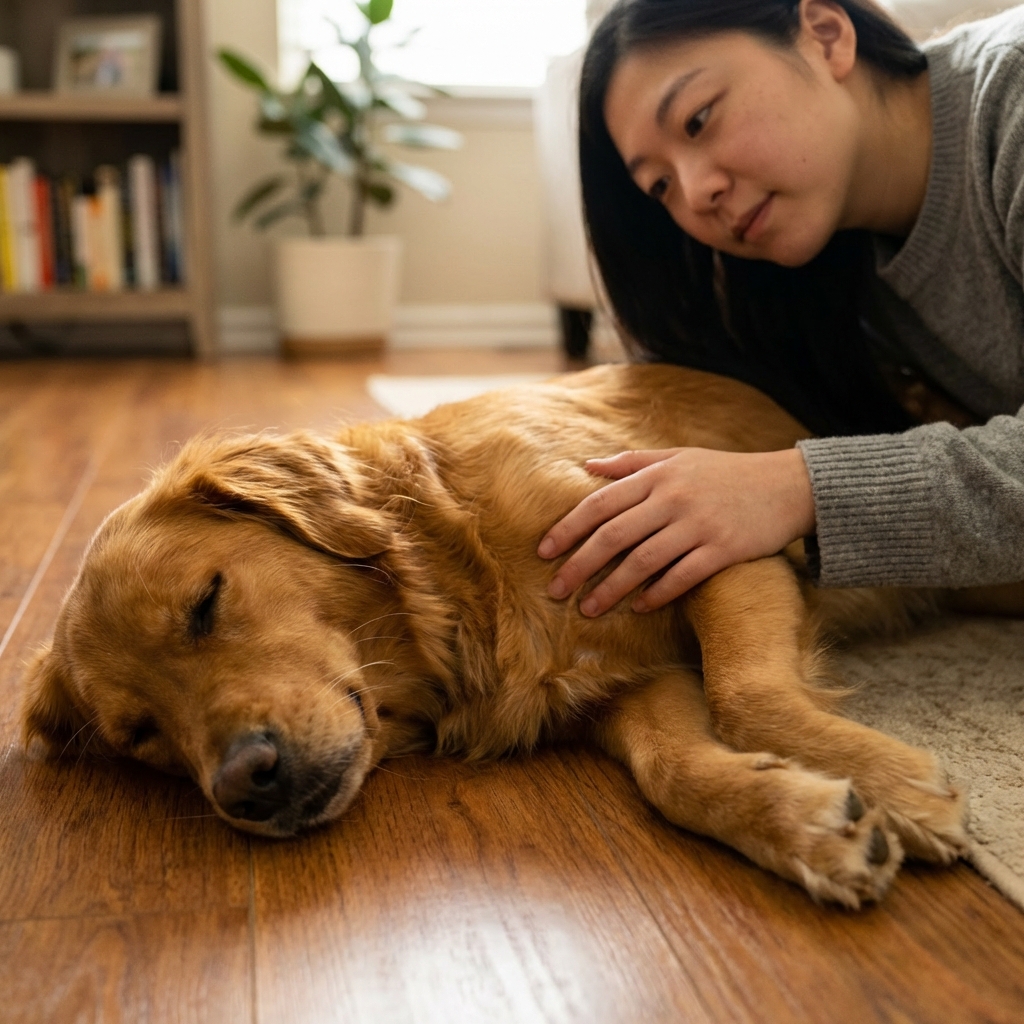
When your dog is asleep or deeply relaxed, watch the chest rise and fall. One rise and fall equals one breath.
- Count breaths for 30 seconds and multiply by 2.
- A typical resting range for many healthy dogs is about 10 to 30 breaths per minute.
- A consistent resting rate over 30 breaths per minute, a trend that is rising over days, or fast breathing paired with effort is worth a call to your vet.
Tip: If your vet is monitoring heart or lung disease, they may recommend tracking your dog’s sleeping respiratory rate over several nights to spot trends early.
2) Look at gum color
- Healthy: bubblegum pink.
- Concerning: very pale, blue, gray, or muddy or brick red.
3) Check for effort
Red flags include a tight, tucked-up belly movement with each breath, elbows held away from the body, head and neck stretched forward, loud harsh breathing (stridor), or unwillingness to lie down.
4) Think “what changed?”
Ask yourself: new medication, new food, new environment, recent surgery, intense exercise, heat exposure, or an injury?
What you can do right now
- Stop activity and move your dog to a cool, quiet area.
- Offer small amounts of water. Do not force drinking.
- Use a fan and cool (not ice-cold) surfaces to rest on.
- Reduce stress: dim lights, lower noise, and give space.
- Record a short video of the breathing to show your vet, especially if it comes and goes.
Avoid giving human pain medication. Many common human meds are toxic to dogs.
Also avoid: forcing exercise “to see if they work it out,” and putting a muzzle on a dog that is actively panting or struggling to breathe.
When heavy breathing is an emergency
Seek emergency veterinary care immediately if you notice any of the following:
- Blue, gray, or very pale gums
- Breathing with obvious effort, loud harsh breathing (stridor), gasping, or choking sounds
- Collapse, weakness, or inability to stand
- Distended belly with retching or unproductive vomiting (possible bloat)
- Heavy panting after heat exposure, especially with drooling, vomiting, diarrhea, or confusion
- Possible toxin exposure, seizure activity, or severe agitation
Trust your gut. If your dog’s breathing looks scary or “not like them,” call an emergency clinic and describe what you’re seeing. Some serious problems can look subtle at first, and it is always better to ask.
When to call your regular vet
Make an appointment promptly if:
- Heavy breathing happens repeatedly with no clear cause
- Your dog pants a lot at night or while resting
- There is coughing, decreased stamina, weight loss, or appetite changes
- You recently started a new medication and panting increased
- Your flat-faced dog has worsening snoring, frequent gagging, exercise intolerance, or episodes of breathing distress
Your veterinarian may recommend an exam, chest x-rays, bloodwork, parasite testing, or heart evaluation depending on the history and findings.
Prevention tips
Keep dogs cool and hydrated
- Walk early or later in the evening during hot months.
- Provide shade and fresh water.
- Use cooling mats for heat-sensitive dogs.
Support a healthy weight
Extra weight makes breathing harder and heat tolerance worse. Even small weight loss can improve comfort and stamina.
Know your dog’s baseline
Occasionally count your dog’s resting respiratory rate when they are healthy. Having a baseline makes it easier to spot trouble early.
Flat-faced dogs need extra caution
Keep exercise moderate, avoid heat, and talk with your veterinarian if you notice snoring that worsens, fainting, or frequent breathing distress.
Bottom line
Heavy breathing can be as simple as post-play panting, or it can signal pain, heart or lung disease, heatstroke, or another urgent problem. If your dog is breathing heavily at rest, looks uncomfortable, or shows any red flags, do not wait. Call your veterinarian or an emergency clinic for guidance.
Quick FAQ
Why is my dog breathing heavily while sleeping?
Dreaming can cause brief increases in breathing rate. But consistently fast breathing during sleep, coughing at night, or effortful breathing can point to pain, lung disease, or heart issues and deserves a vet call.
Why is my dog breathing heavily and shaking?
This can happen with anxiety, pain, fever, toxin exposure, or neurologic issues. If shaking is intense, persistent, or paired with vomiting, weakness, or odd behavior, seek urgent care.
Is panting normal in older dogs?
Some older dogs pant more due to reduced fitness, arthritis pain, or underlying disease. New or worsening panting in a senior dog is worth a medical check.