If your dog is breathing fast while resting, it may be stress, heat, pain, or something serious. Learn normal resting rates, red flags, and when to go to ER ...
Article
•
Designer Mixes
Why Is My Dog Breathing Fast? Causes and When to Call the Vet

Shari Shidate
Designer Mixes contributor
Noticing your dog breathing fast can be unsettling, especially if it seems to come out of nowhere. Sometimes it is completely normal, like after a zoomie session or on a warm day. Other times, rapid breathing can be an early clue that your dog needs medical attention.
This guide will help you understand what fast breathing can mean, how to check what is normal for your dog, and when it is time to call your veterinarian.
Panting vs fast vs labored
It helps to separate three common breathing patterns:
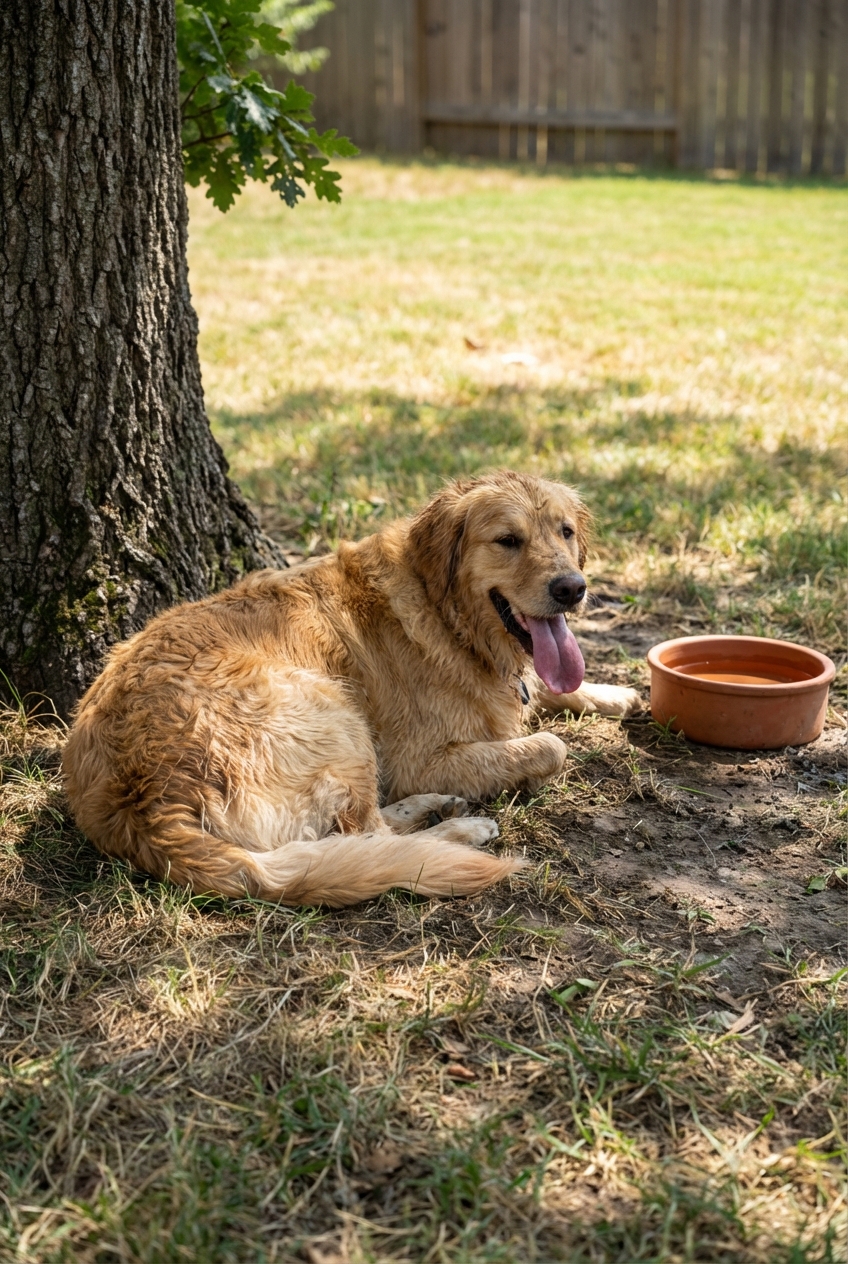
- Panting: open-mouth breathing, often with the tongue out. Common with heat, exercise, excitement, or some medications.
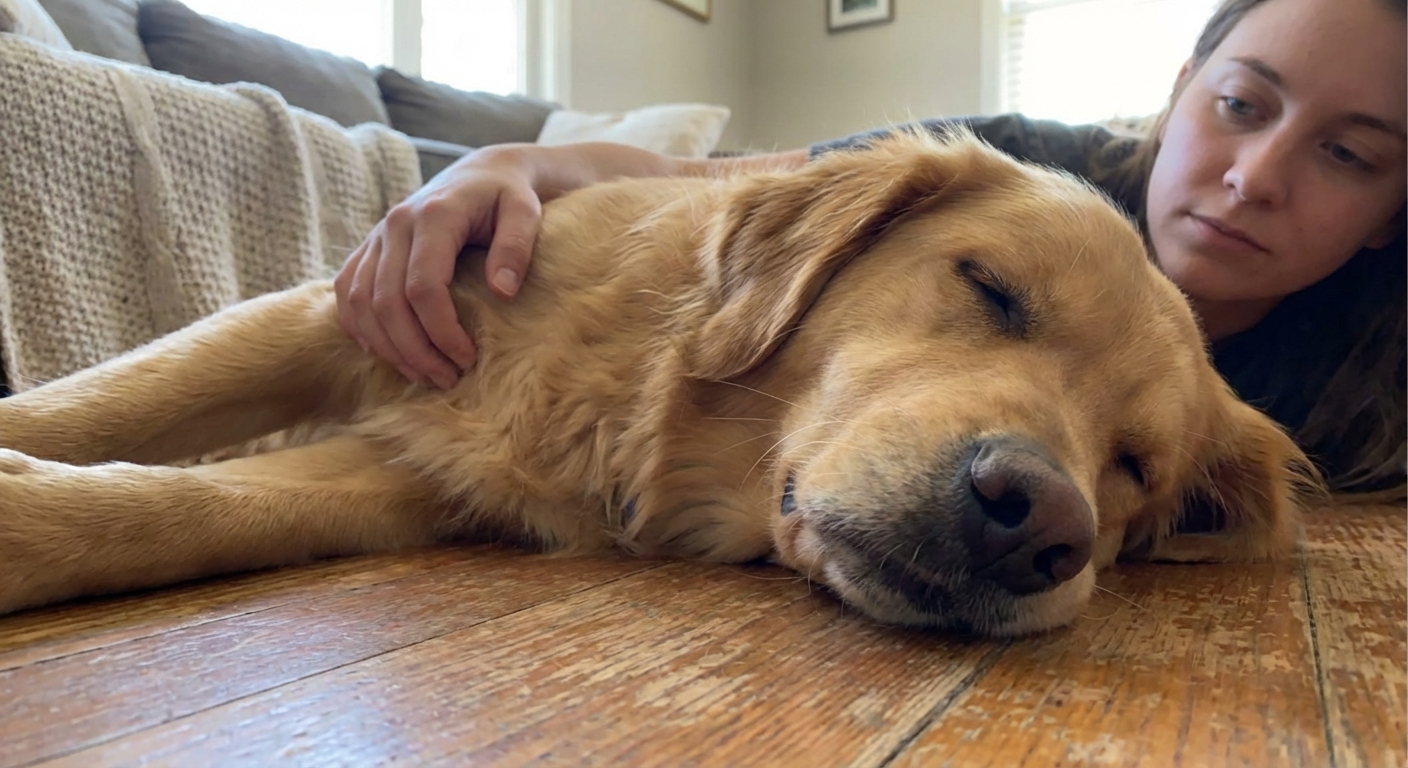
- Tachypnea (fast breathing): quicker breaths, usually with the mouth closed. If it happens at rest, it is worth measuring and monitoring.
- Dyspnea (labored breathing): breathing with obvious effort. This is urgent.
Key takeaway: Fast breathing is concerning when it is new for your dog, happens at rest, or comes with effort or other symptoms.
What counts as “fast” breathing in dogs?
The most useful number to know is your dog’s resting respiratory rate, meaning breaths per minute while your dog is asleep or deeply relaxed.
- Typical resting rate for many adult dogs: about 10 to 30 breaths per minute. Many healthy dogs fall around 15 to 30.
- Puppies and some small dogs: can run a bit higher, especially with light sleep or excitement.
- Worth checking and tracking: over 30 breaths per minute at rest, especially if it is persistent, trending upward over days, or paired with other signs.
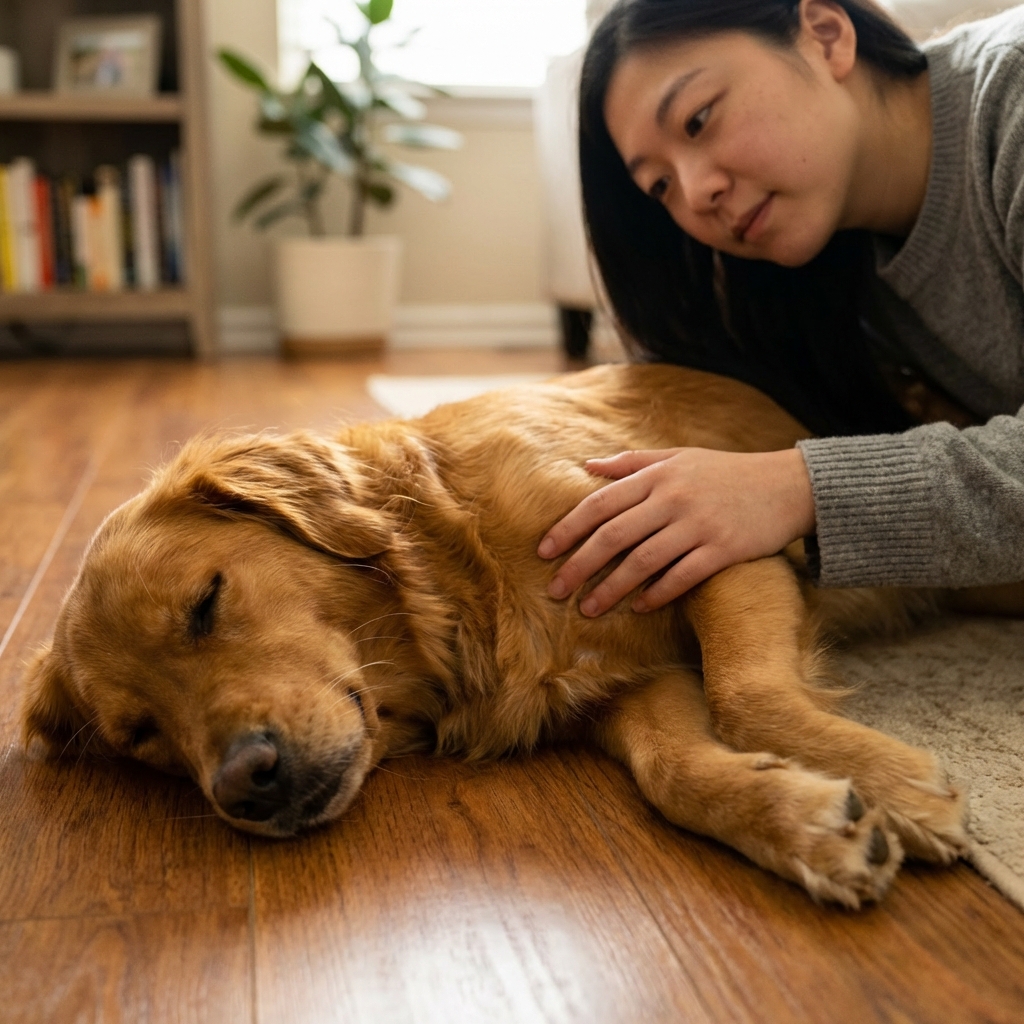
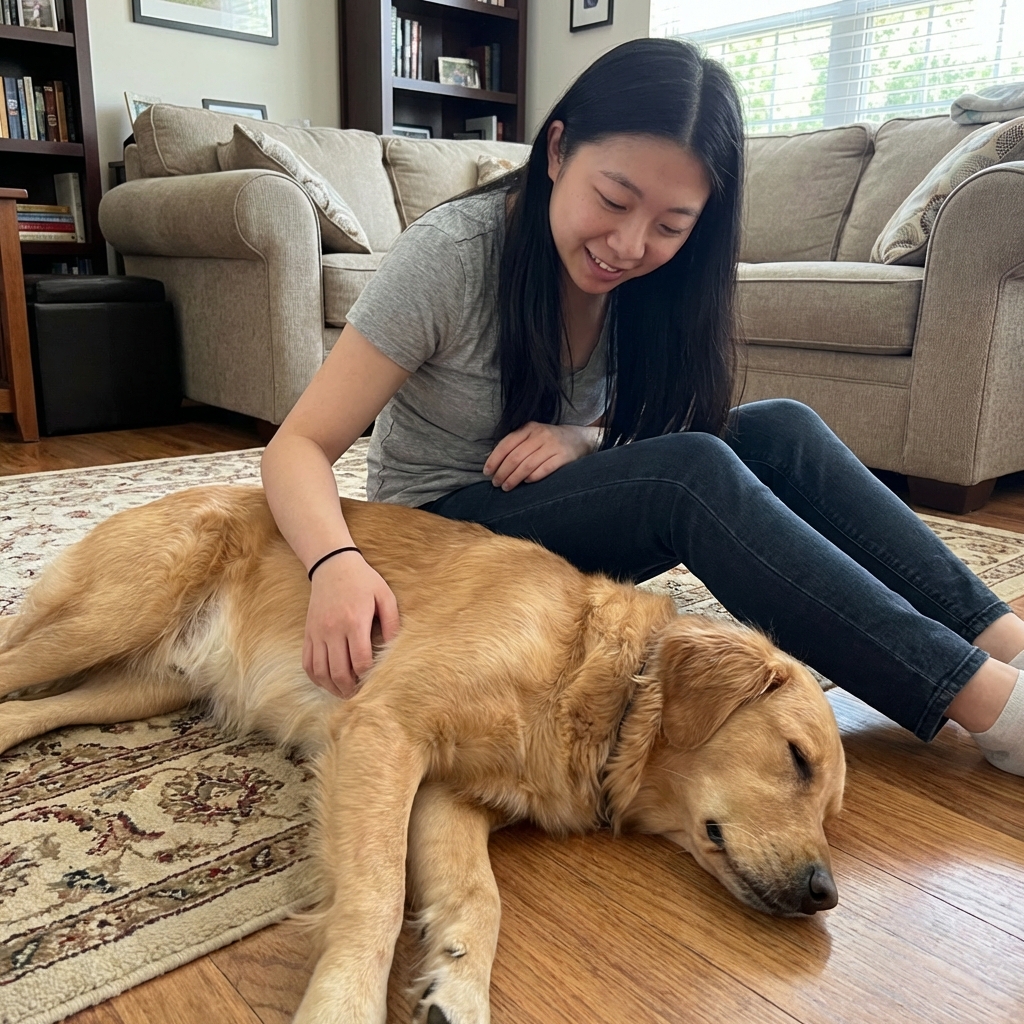
How to count breaths: Watch the chest rise and fall. One rise and one fall equals one breath. Count for 30 seconds and multiply by 2.
If your dog is panting: It can be hard to count accurately. If you can, wait until your dog is asleep or fully calm, then measure the resting respiratory rate.
Normal reasons your dog may breathe fast
Fast breathing is not always an emergency. These common situations can temporarily increase breathing rate.
Heat and humidity
Dogs sweat very little. They cool themselves primarily through panting. Warm rooms, sun exposure, poor airflow, or high humidity can all cause rapid breathing.
Exercise and play
After running, playing, or training, a faster breathing rate helps your dog recover. It should gradually settle as your dog rests.
Excitement or stress
Car rides, visitors, fireworks, grooming, or being at the vet can increase breathing. You may also notice pacing, whining, or wide eyes.
Dreaming during sleep
Many dogs breathe faster during REM sleep and may twitch or move their paws. If your dog seems otherwise comfortable, this is usually normal.
Brachycephalic breeds
Dogs with shorter noses, like Pugs, French Bulldogs, Boston Terriers, and some mixes, often breathe louder or faster and can struggle more in heat. This can become serious quickly, so be extra cautious with warm weather and exercise.
Medications that increase panting
Some medications can increase panting or breathing rate. Common examples include steroids (like prednisone) and some anxiety or pain medications. If the timing lines up with a new medication or dose change, let your vet know.
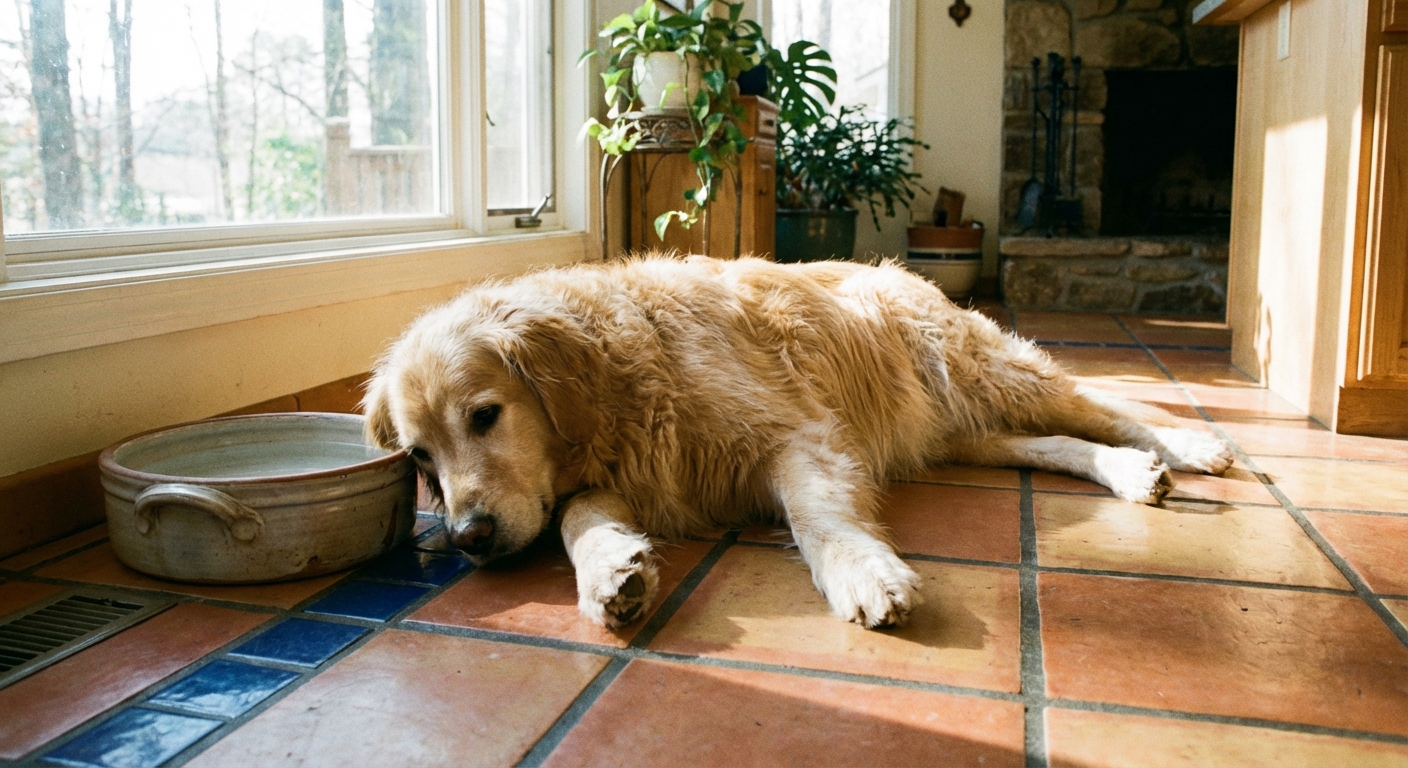
Medical causes of fast breathing
When rapid breathing happens at rest, lasts longer than expected, or comes with other symptoms, it may point to illness or pain. Here are some of the more common categories vets evaluate.
Pain or injury
Dogs in pain may breathe fast even if they are quiet. Look for limping, reluctance to jump, a tucked belly, restlessness, trembling, or sensitivity when touched.
Fever or infection
Fever can increase breathing and heart rate. Your dog may seem lethargic, eat less, or feel warmer than usual, especially around the ears and belly.
Respiratory disease
Conditions affecting the airways or lungs can lead to rapid breathing and effortful breaths. Watch for coughing, wheezing, nasal discharge, or noisy breathing.
Pneumonia or aspiration
Pneumonia can cause fast, sometimes shallow breathing, coughing, fever, and low energy. Aspiration pneumonia is a concern after vomiting, regurgitation, or choking episodes, especially in older dogs or dogs with swallowing issues.
Heart disease or fluid in the lungs
Heart conditions can make it harder for the body to oxygenate properly. One early clue is an elevated resting respiratory rate over time. Coughing, reduced stamina, fainting episodes, or a swollen belly can also occur.
Anemia
When red blood cells are low, oxygen delivery drops and breathing may speed up to compensate. Pale gums, weakness, and low energy can be clues.
Laryngeal paralysis
This is more common in older, larger breeds. It can cause noisy breathing, exercise intolerance, gagging, or distress in heat because the airway does not open properly.
Overheating and heatstroke
Heatstroke is a true emergency. It can occur even on mild days, especially in humid weather, in brachycephalic dogs, in overweight dogs, or if a dog is left in a warm car or enclosed space.
Allergic reactions
Facial swelling, hives, itching, vomiting, or sudden breathing changes may indicate an allergic reaction. Severe reactions can affect breathing rapidly.
Toxin exposure
Some toxins cause rapid breathing, agitation, drooling, vomiting, tremors, or weakness. Examples include certain human medications, some pest products, poisonous plants, and illicit substances.
Metabolic and endocrine problems
Problems like diabetic ketoacidosis, severe dehydration, or certain hormonal disorders can cause abnormal breathing patterns and require urgent care.
Pregnancy and lactation
Some pregnant or nursing dogs may pant more, but fast breathing should still be taken seriously if it is new, intense, or paired with weakness, discomfort, discharge, or poor appetite.
When fast breathing is an emergency
If you notice any of the signs below, contact an emergency veterinarian right away. Rapid breathing can sometimes be the first visible sign of a serious oxygen or circulation problem.
- Labored breathing (belly heaving, neck extended, elbows held out, obvious effort)
- Blue, gray, or very pale gums or tongue
- Collapsing, fainting, severe weakness, or inability to stand
- Continuous fast breathing at rest, especially over 40 breaths per minute when fully resting or asleep and not settling after several minutes
- Choking, gagging, or suspicion something is stuck
- Swollen face, hives, or sudden vomiting with breathing changes
- Overheating signs: frantic panting, drooling, bright red gums, vomiting, disorientation
- Recent trauma (hit by car, fall, dog fight)
If your dog is struggling to breathe, do not wait. Breathing issues can worsen quickly, and early treatment can be lifesaving.
When to call the vet today
Schedule a same-day call or visit if you notice:
- Fast breathing that lasts longer than expected after exercise or excitement
- Fast breathing at rest that is repeating or trending higher compared with your dog’s normal
- New or worsening cough
- Reduced appetite, lethargy, or hiding behavior
- Breathing changes that happen mostly at night or during sleep
- Any breathing change in a dog with known heart disease, collapsing trachea, or airway issues
What you can do at home right now
While you are deciding whether to call the vet, these steps can help you gather useful information and keep your dog safe.
1) Check the resting respiratory rate
Count breaths while your dog is sleeping or deeply relaxed. Write it down along with the time of day. If you can, track it twice daily for a few days.
Baseline tip: When your dog is healthy, measure the resting respiratory rate once daily for a week so you know what is normal for your dog.
2) Look for effort
Fast breathing with effort is more concerning than fast breathing alone. Note whether your dog is using belly muscles to breathe, flaring nostrils, making unusual noise, or cannot get comfortable.
3) Cool your dog safely if heat may be involved
- Move to a shaded, cool area with a fan or air conditioning.
- Offer cool water, but do not force drinking.
- Use cool (not icy) wet towels on the paws, belly, and neck, or rinse with cool water while using a fan.
- Do not delay transport if you suspect heatstroke. Start cooling, then head to the ER while continuing gentle cooling if possible.
4) Reduce stress and activity
Keep your dog calm and quiet. Avoid walks until breathing returns to normal and you understand the cause.
5) What not to do
- Do not give human medications unless a veterinarian specifically tells you to.
- Do not force exercise to “work it out.”
- Do not wait and see if your dog is struggling to breathe, has blue or pale gums, or collapses.
6) Share clear observations with your vet
Be ready to tell them:
- Resting breaths per minute
- How long it has been happening and whether it is getting worse
- Any cough, gag, vomit, diarrhea, or appetite changes
- Recent exercise, heat exposure, travel, new medications, or possible toxins
- Breed, age, weight, and medical history

What the vet may check
Veterinarians treat fast breathing as an important clue. Depending on your dog’s symptoms, they may recommend:
- A physical exam focusing on heart and lung sounds
- Temperature check
- Pulse oximetry to measure oxygen levels
- Chest X-rays to evaluate lungs and heart size
- Bloodwork to assess infection, anemia, or organ function
- Heart testing such as an echocardiogram or BNP test when indicated
These steps help pinpoint whether the issue is primarily airway, lung, heart, pain-related, metabolic, or environmental.
How to prevent breathing problems
Not all causes are preventable, but these habits lower risk and help you spot trouble early.
- Track a baseline: Know your dog’s usual resting breaths per minute when healthy.
- Use heat-smart rules: Walk early or late, bring water, and avoid hot pavement.
- Maintain a healthy weight: Extra weight makes breathing and cooling harder.
- Keep up with vet visits: Early heart or lung changes are easier to manage when caught sooner.
- Avoid smoke and strong fumes: These can irritate airways.
The bottom line
Fast breathing in dogs can be as simple as post-play panting, or it can signal pain, heat illness, lung disease, or heart trouble. When in doubt, trust what you are seeing. If your dog is breathing fast at rest, seems uncomfortable, or shows any signs of distress, it is worth a call to your veterinarian.
Medical note: This article is for informational purposes and is not a substitute for veterinary advice, diagnosis, or treatment. If you are worried about your dog’s breathing, contact a veterinarian promptly.