See the common signs of dog anxiety and what to do next: identify triggers, build calming routines, use desensitization and counterconditioning, and know whe...
Article
•
Designer Mixes
Why Is My Dog Afraid of Everything?

Shari Shidate
Designer Mixes contributor
If your dog seems afraid of everything, you are not alone. I see this a lot as a veterinary assistant in Frisco, Texas, and it can feel heartbreaking when your pup startles at everyday sights and sounds like a door closing, the blender, a stranger walking by, or even a ceiling fan.
The good news is that fear is treatable. Many dogs improve with a combination of smart training, a calmer environment, and when needed, medical support. This guide walks you through evidence-based reasons dogs become fearful and what you can do next.
Quick note: This article is general education, not a substitute for veterinary diagnosis or a behavior assessment for your specific dog.
What fear looks like in dogs
Fear is not always obvious. Some dogs run and hide, while others freeze or act “stubborn.” Many dogs show stress through subtle body language first.
Common signs of fear and anxiety
- Cowering, tucked tail, ears pinned back
- Shaking, panting when it is not hot, drooling
- Freezing, refusing to move, trying to escape the leash
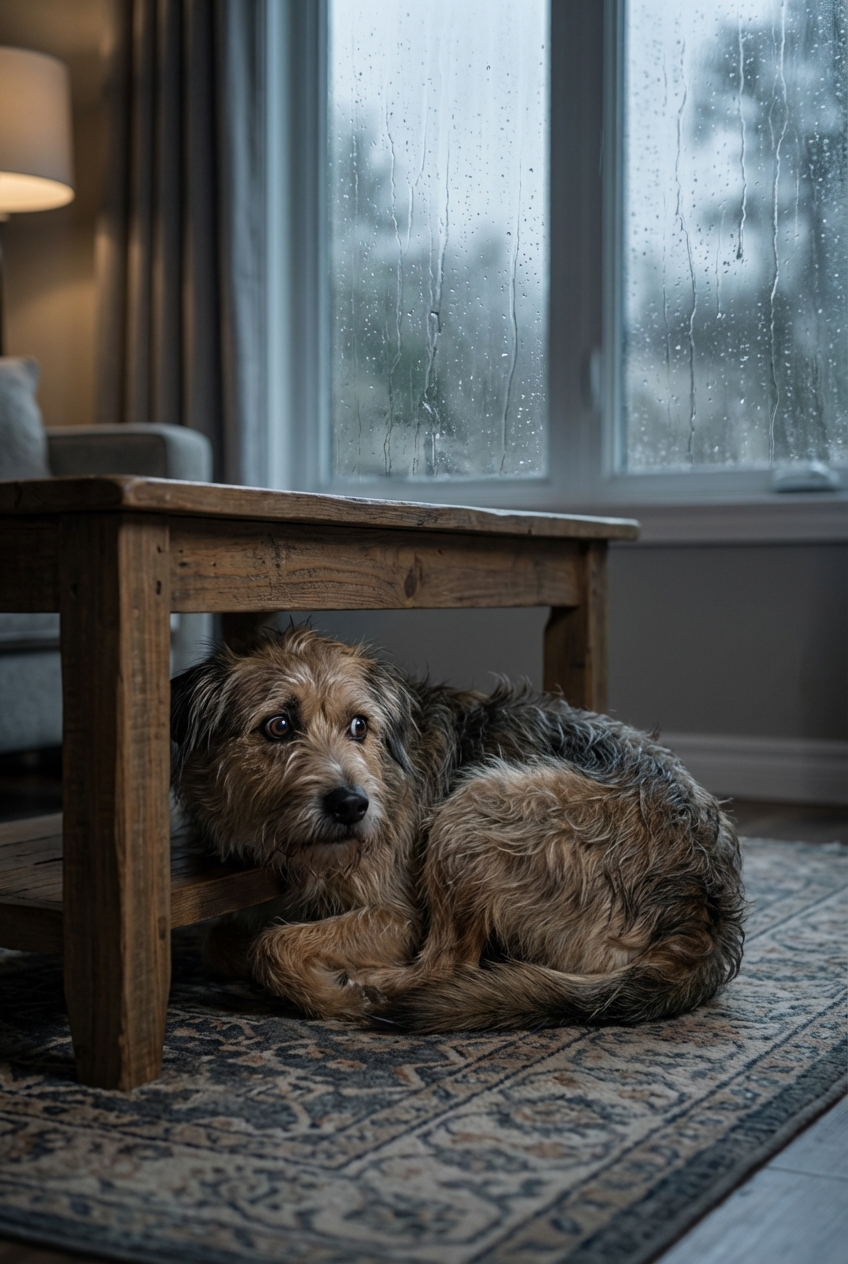
- Hiding behind you or under furniture
- Whale eye, lip licking, yawning when not sleepy
- Barking, growling, snapping when approached (defensive fear)
- Accidents indoors, diarrhea, vomiting during stressful events
If fear is frequent, intense, or getting worse, it is worth treating as a health and welfare issue, not a personality quirk.
Why your dog may be afraid
1) Genetics and temperament
Some dogs are born more sensitive. This can be breed-related, line-related, or simply individual temperament. A naturally cautious dog can still thrive, but they often need a slower, gentler approach to new experiences.
2) Limited early socialization
Many veterinary behavior sources describe a key socialization window starting around 3 weeks and closing somewhere between 12 and 16 weeks. During that time, puppies learn what is “normal.” If a puppy does not safely experience common sights, sounds, surfaces, and friendly people, the adult dog may interpret everyday life as threatening.
3) A scary event, even one you did not notice
Fear can start after a single event, such as a slip on a slick floor, a loud firework, a dog rushing them at the park, or a painful grooming experience. Dogs learn through association. A noise, place, or object can become a trigger even if the original incident seemed minor to us.
4) Chronic stress and trigger stacking
When stress hormones stay elevated, dogs react faster and recover slower. A dog might handle the garbage truck one day, then the next day panic because they already had a rough morning, like a vet visit plus guests plus construction noises. This is often called trigger stacking.
5) Pain or medical problems
This is common and often missed. Pain makes the world feel unsafe. A dog with sore hips, dental pain, ear infections, or itchy skin may startle more, avoid handling, or act “spooky” because they are guarding against anything that might hurt.
Other health contributors can include vision or hearing decline, cognitive changes in seniors, thyroid issues, and side effects from certain medications. If your dog’s fear is new, sudden, or escalating, a vet check is a smart first step.
6) Noise sensitivity and sound phobias
Some dogs are truly noise-sensitive. Thunder, fireworks, smoke alarms, and even high-pitched kitchen sounds can feel overwhelming. In many dogs, noise fear can worsen over time due to sensitization, so early support is helpful.
7) Under-enrichment or unpredictable routines
Dogs do best when their day has structure and their brain gets healthy outlets. A dog that is bored, under-exercised, or constantly surprised by chaotic routines can become more hypervigilant and reactive.
Start with safety: when to call your vet
Please do not blame yourself if your dog is fearful. Focus on getting the right support. Call your veterinarian soon if you notice:
- Sudden onset fear or panic that is new for your dog
- Any signs of pain: limping, licking a spot, flinching when touched, reluctance to jump, changes in appetite
- Ear symptoms: head shaking, scratching, odor
- GI upset tied to stress: vomiting, diarrhea, refusal to eat
- Aggression that seems fear-based: growling, snapping, biting
- Severe noise phobia with destructive behavior or self-injury
Ask for a full exam and discuss whether referral to a board-certified veterinary behaviorist or a qualified behavior-focused trainer is appropriate.
Safety around fear (bite prevention)
Fear raises bite risk, even in “sweet” dogs. Safety is not about blaming your dog. It is about preventing a scary moment from becoming an injury.
- Do not corner your dog: Give them an exit route and space to decompress.
- Hands off when they are panicking: Avoid reaching toward their face, hugging, or grabbing the collar during a fear episode.
- Use barriers: Baby gates, closed doors, and distance protect everyone.
- Supervise kids closely: Teach children not to approach a hiding dog or touch a dog on their bed or in a crate.
- Consider muzzle training: A properly fitted basket muzzle, trained with treats at a comfortable pace, can be a humane safety tool for vet visits or high-stress situations. Ask your vet or trainer to help you do this the right way.
What to do at home: a plan that helps many dogs
Step 1: Stop forcing the scary thing
Flooding a dog with what they fear can backfire. If your dog is terrified of the vacuum, do not pin them in the room “until they get used to it.” Instead, create distance and give them choice.
- Let your dog move away
- Provide a quiet escape space
- Use baby gates or close doors during loud tasks
Step 2: Set up a decompression zone
Every fearful dog needs a place where nothing bad happens. Think of it as their nervous system reset button.
- A crate or quiet room with soft bedding
- White noise or a fan for sound buffering
- Long-lasting chews or a stuffed food toy
- Covering part of the crate if your dog prefers den-like spaces
Step 3: Desensitization and counterconditioning
This is a well-supported, first-line approach for treating many fears. In plain language, you expose your dog to a tiny, tolerable version of the trigger and pair it with something wonderful, usually high-value food.
Example: dog afraid of the vacuum
- Vacuum is in another room, turned off. Treat.
- Vacuum is visible across the room, still off. Treat.
- Move vacuum slightly. Treat.
- Later, turn it on briefly far away. Treat.
Your dog should stay under threshold, meaning they can still eat and think. If they refuse treats, freeze, or try to escape, the trigger is too intense. Increase distance, lower the volume, or shorten the exposure.
Step 4: Comfort is okay, but be mindful of what you reward
It is absolutely okay to comfort your dog. Comfort does not make your dog “more fearful.” Fear is an emotion, not a behavior you can reinforce like a sit.
That said, you can accidentally strengthen specific behaviors that happen during fear if they consistently earn attention or access, like frantic barking to be picked up. Aim to support your dog while also rewarding choices you want to see again.
- Calm voice, calm body
- Reward choices like looking at a trigger then looking back at you
- Practice simple cues your dog enjoys: touch, find it, sit
Step 5: Enrichment that builds confidence
Confidence grows when dogs can predict outcomes and succeed at small challenges.
- Sniff walks with lots of time to smell
- Scatter feeding in the yard or on a snuffle mat
- Food puzzles and lick mats
- Basic training games for fun, not perfection
Step 6: Track triggers and progress
Keep a simple journal for 1 to 2 weeks. Patterns show you what your dog can handle right now.
- Trigger (what happened)
- Intensity (low, medium, high)
- Distance or volume (how close or loud)
- Recovery time (how long it took to settle)
- What helped (distance, food, leaving the area)
Nutrition and health support
Behavior is tied to the body. Diet will not “cure” fear on its own, but good nutrition supports the brain, gut, and immune system, which can influence stress resilience.
Foundational tips
- Consistent, balanced diet: Sudden diet changes can upset the gut and increase stress behaviors in some dogs.
- Omega-3 fatty acids: Fish oil is commonly recommended to support brain and inflammatory health. Ask your vet for a safe dose for your dog’s weight.
- Consider gut support: In some dogs, vet-approved probiotics may help stress-related GI upset, but results vary and evidence is mixed. Your vet can guide you.
- Limit high-sugar treats: Use small, high-value treats but keep the overall diet steady.
If you are interested in homemade food, do it thoughtfully. Homemade diets should be complete and balanced, ideally formulated with veterinary guidance. Even adding a small portion of fresh, dog-safe whole foods can be a gentle step, as long as the base diet remains balanced.
When training is not enough
Some dogs need more than training because their fear is intense or their brain stays stuck in survival mode. This is not a failure. It is medical care.
Options your vet may discuss
- Short-acting situational meds for fireworks, storms, or vet visits
- Daily anxiety medications for generalized anxiety or severe fearfulness
- Pheromones and calming supplements, which may help mild cases
- Behavior consult with a veterinary behaviorist for complex cases
Medication is often most effective when paired with a behavior plan like desensitization and counterconditioning.
Common mistakes
- Punishing fear responses: Yelling, leash pops, or “alpha” approaches can increase fear and bite risk.
- Moving too fast: If your dog is overwhelmed, learning shuts down.
- Too many exposures: Repeated panic episodes can sensitize the brain further.
- Skipping medical checks: Pain and illness frequently hide under behavior changes.
Quick help: a fear reset routine
If your dog is having a rough day, use this calming routine to lower stress without pushing them.
- Reduce input: Quiet room, dimmer lights, white noise.
- Offer a calming activity: Lick mat, stuffed toy, or scatter feeding.
- Do a sniff break: Short leash walk in a calm area, letting your dog choose the pace.
- Sleep: Encourage rest. Sleep is when the nervous system recovers.
Small wins matter. For fearful dogs, progress often looks like shorter recovery times, fewer startles, and more curiosity.
FAQ
Is my dog traumatized?
Sometimes, yes. But many dogs show fear from genetics, limited socialization, or chronic stress rather than a single traumatic event. The treatment approach is similar: safety, slow exposure, and positive associations.
Should I comfort my scared dog?
Yes. Comfort helps. Stay calm, offer a safe space, and avoid forcing interaction with the trigger. Just be mindful of what behaviors are being rewarded in the moment, especially if your dog is escalating into frantic habits.
How long does it take to improve fear?
It depends on the cause and severity. Mild fears can improve in weeks with consistent work. Generalized fear can take months and often benefits from professional support. The goal is steady progress, not perfection.
Is this separation anxiety?
Not always. Separation anxiety is distress specifically tied to being away from an attachment person. A dog who is afraid of “everything” may be dealing with generalized anxiety, noise sensitivity, limited socialization, pain, or trigger stacking. Your veterinarian or a behavior professional can help sort out what fits your dog.
Bottom line
A dog who is afraid of everything is not being difficult. They are telling you their nervous system is overwhelmed. With a vet check, a kind training plan, and an environment that prioritizes safety, many dogs become noticeably more confident over time.
Go slow, reward the brave moments, and celebrate tiny steps. Those tiny steps add up to a dog who feels safe in their own world.