Cat throwing up after meals? Learn the difference between vomiting and regurgitation, common causes (fast eating, hairballs, diet issues, illness), home step...
Article
•
Designer Mixes
Why Is My Cat Vomiting?

Shari Shidate
Designer Mixes contributor
Cat vomiting is one of the most common reasons pet parents reach out to a clinic, and I get it. It is messy, stressful, and it can be confusing because sometimes it is harmless, and sometimes it is an early warning sign.
As a veterinary assistant, I like to start with two grounding truths: vomiting is a symptom, not a diagnosis, and the details matter. What your cat threw up, how often, and how they act afterward gives your veterinarian valuable clues.
Vomiting vs. regurgitation (they are not the same)
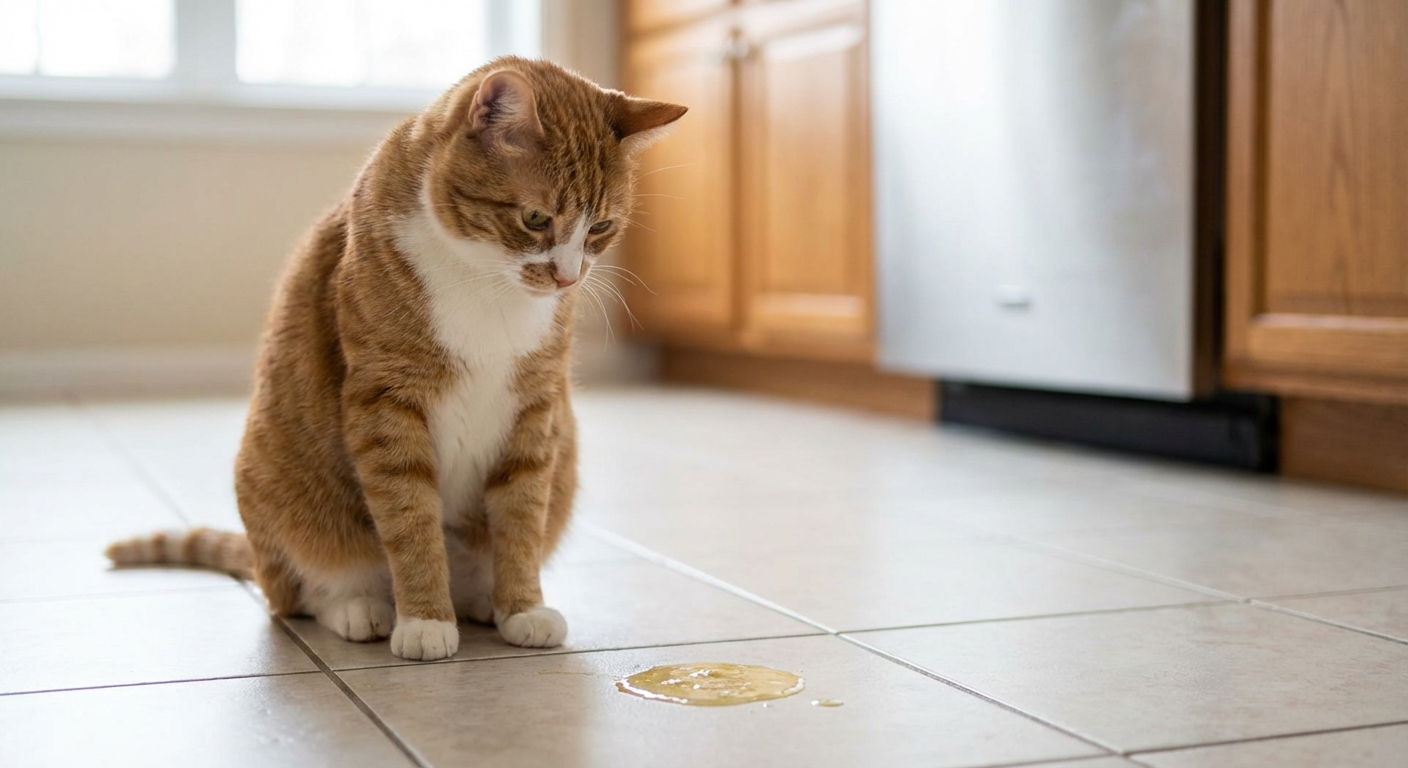
Pet parents often say “vomiting,” but some cats are actually regurgitating. The difference helps narrow down where the problem may be.
- Vomiting: usually involves nausea signs first (lip licking, drooling, gulping), abdominal effort (heaving), and the material may look digested or mixed with fluid.
- Regurgitation: is more passive, often happens soon after eating, and the food looks undigested or tube-shaped. This can point more toward an esophagus issue or eating too fast.
If you can safely observe, take a quick photo for your vet. It is surprisingly helpful.
When vomiting is an emergency
Some situations should be treated as urgent. If any of these are present, call your vet or an emergency clinic right away.
- Repeated vomiting (more than 2 to 3 times in 24 hours), or vomiting that will not stop
- Blood in vomit (bright red or coffee-ground appearance)
- Severe lethargy, collapse, weakness, or obvious pain
- Bloated or hard abdomen
- Straining without producing vomit (especially concerning for bloat-like distress or obstruction)
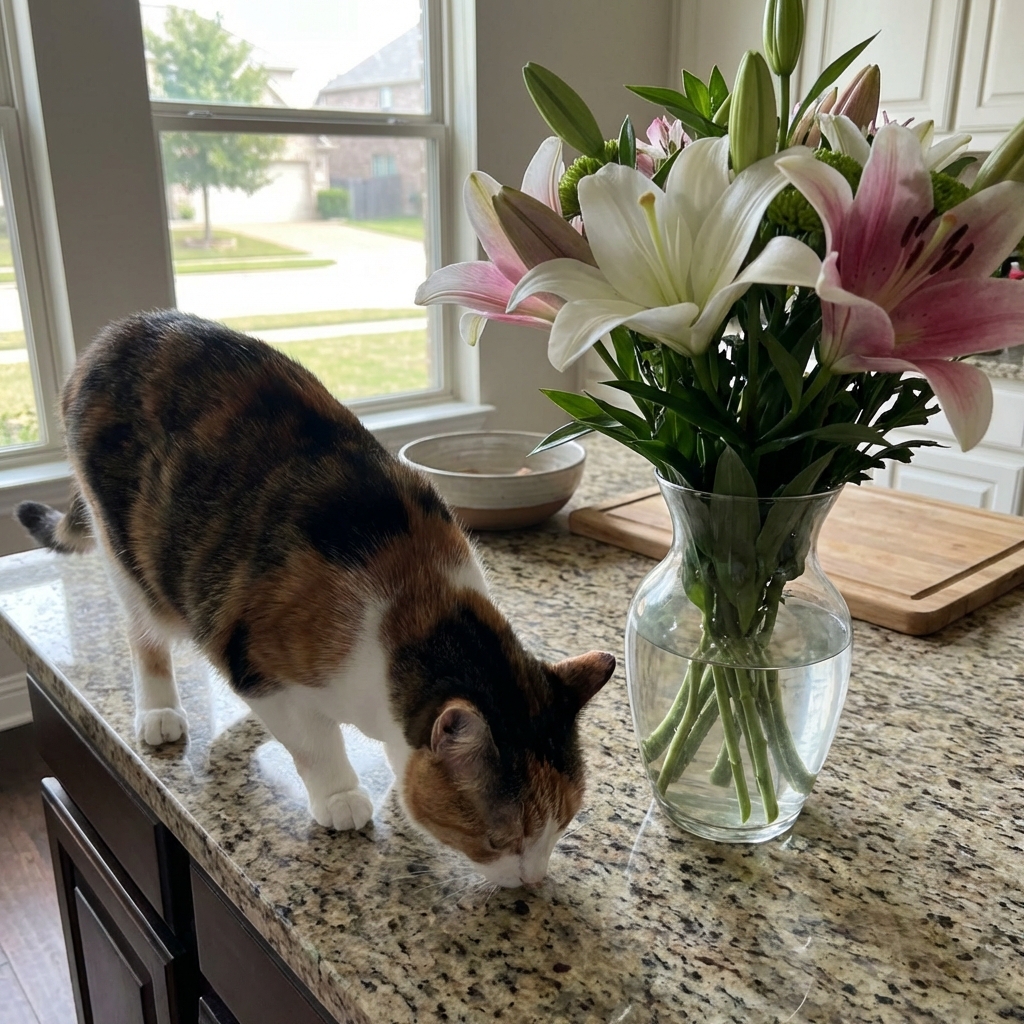
- Known or suspected toxin exposure (lilies, antifreeze, human medications, rodenticides)
- Possible foreign body ingestion (string, ribbon, hair ties, foam toys)
- Vomiting plus diarrhea with dehydration signs (sticky gums, sunken eyes, skin “tents”)
- Kittens, seniors, pregnant cats, or cats with chronic illness (kidney disease, diabetes, hyperthyroidism)
Trust your instincts. If your cat “just isn’t themselves” and vomiting is part of the picture, it is worth a same-day call.
What the vomit can tell you
Not glamorous, but truly useful. Here are common vomit “types” and what they may suggest.
Undigested food
Often seen with eating too fast, scarf-and-barf behavior, sudden diet changes, or regurgitation. If it happens frequently, it can also be linked to GI irritation, parasites, or systemic disease.
Clear or foamy fluid
Can happen with an empty stomach (especially early morning), mild gastritis, hairballs, or nausea from many causes. If frequent, it deserves a workup.
Yellow or green fluid (bile)
Often associated with an empty stomach or reflux. Sometimes improving meal timing helps, but persistent bile vomiting can also show up with inflammatory bowel disease, pancreatitis, liver or gallbladder issues, and obstruction.
Brown material or foul odor
Can indicate digested blood, severe GI disease, or in rare cases intestinal blockage with “backed up” contents. This should be treated as urgent.
Hairball or tube-shaped hair
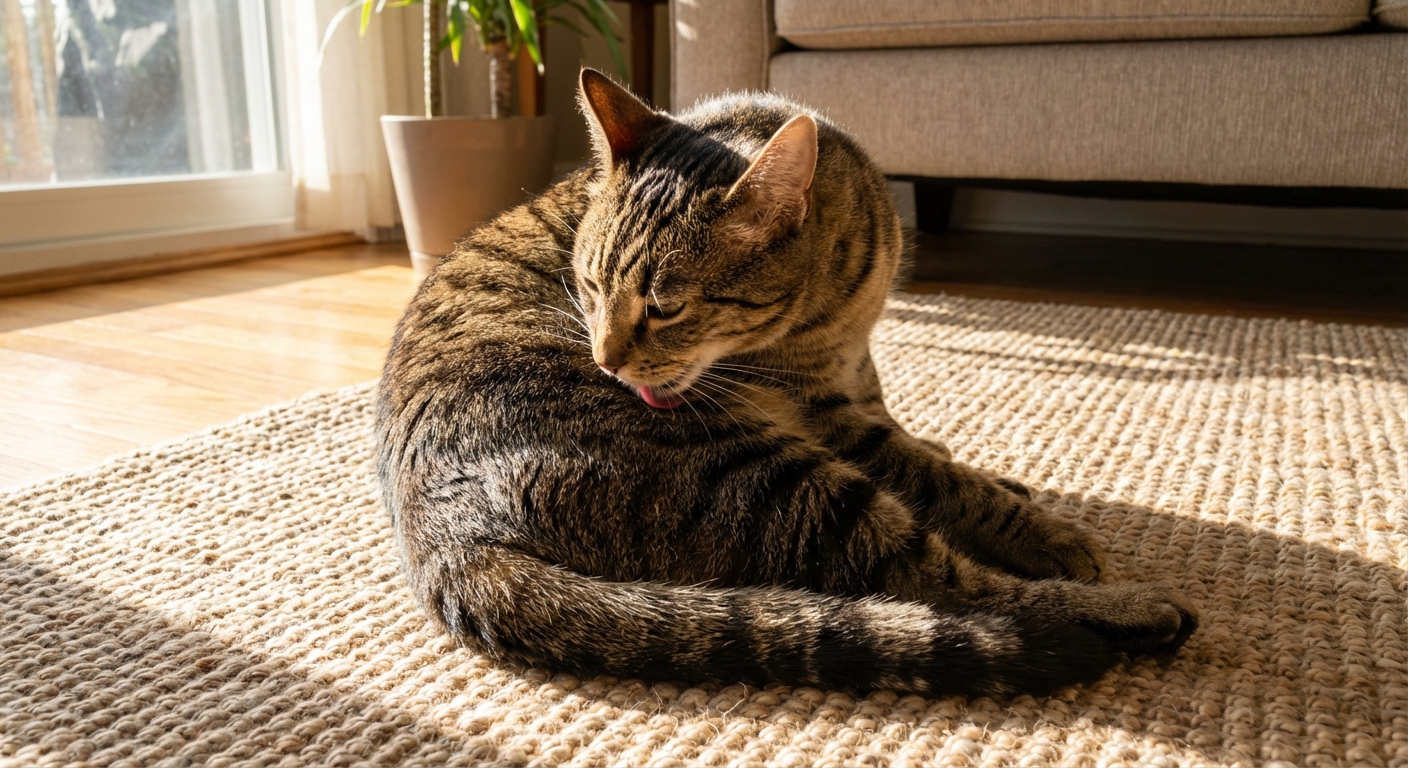
Hairballs are common, but frequent hairball vomiting is not “normal.” It can reflect excessive grooming (stress, pain, skin allergies) or reduced gut motility. If it is happening more than once a month, ask your vet about prevention.

Common reasons cats vomit
Here is a practical breakdown of the most common categories we see in clinics.
Hairballs and grooming-related issues
Cats ingest hair while grooming. Most passes through the GI tract, but some forms hairballs. Longhaired cats and heavy shedders are at higher risk.
Diet-related triggers
- Eating too fast or overeating
- Sudden food change
- Food intolerance or sensitivity
- Spoiled food or scavenging
- High-fat treats or table foods
Parasites
Roundworms and other parasites can cause vomiting, especially in kittens or outdoor cats. Routine fecal testing and vet-guided deworming matter, even for cats that “look fine.”
Inflammatory GI disease
Chronic vomiting (with or without diarrhea, weight loss, or appetite changes) often leads veterinarians to investigate chronic enteropathy, inflammatory bowel disease, food-responsive inflammation, and sometimes lymphoma. These conditions can look similar at first, which is why testing is so important.
Pancreatitis
Pancreatitis in cats can be subtle. You might see vomiting, decreased appetite, hiding, or lethargy. Diagnosis typically involves a vet exam plus targeted bloodwork and imaging.
Kidney disease, hyperthyroidism, diabetes
Systemic conditions can trigger nausea and vomiting. If your cat is drinking more, peeing more, losing weight, or acting “off,” ask for a senior bloodwork panel even if vomiting seems mild.
Foreign bodies and linear objects
String, yarn, ribbon, tinsel, dental floss, and hair ties are classic culprits. Linear foreign bodies can be especially dangerous. Do not pull a string you see from the mouth or rear end. Call a vet.
Toxins
Cats are sensitive to many common household hazards. Lily exposure is a true emergency because it can cause rapid kidney failure. Many human medications, essential oils, and cleaning products can also cause vomiting and worse.
Questions your veterinarian will ask
When you call, having these details ready can speed up care and make the visit more productive.
- How many times has your cat vomited, and over what time period?
- What did it look like (food, foam, bile, hairball, blood)?
- Any diarrhea, constipation, straining, or changes in litter box habits?
- Is your cat eating and drinking normally?
- Any weight loss, increased thirst, or behavior changes?
- Diet details: brand, flavor, wet vs. dry, recent changes, treats
- Could your cat have eaten string, plants, or human food?
- Indoor only or outdoor access? Any hunting?
- Current medications, supplements, flea prevention, and deworming history
What you can do at home (safe, vet-friendly steps)
For a single mild vomiting episode in an otherwise bright, comfortable adult cat, these steps are commonly recommended. If your cat seems unwell, skip home care and call your vet.
1) Pause and assess
- Check energy level and comfort. Is your cat alert? Moving normally? Interested in you?
- Check for dehydration: gums should be moist, not tacky. If your cat is dehydrated or not drinking, call your vet.
2) Water, yes. Food, maybe briefly.
Do not restrict water unless your veterinarian tells you to. For food, many vets advise a short break from eating, then a gentle reintroduction of a bland diet. Cats are not small dogs, though. Prolonged fasting can be risky, especially for overweight cats, because of the risk of hepatic lipidosis. If your cat will not keep food down, call your vet for guidance.
3) Try smaller, more frequent meals
If bile vomiting happens early in the morning, a small bedtime meal sometimes helps. Puzzle feeders or slow-feed bowls can also reduce scarf-and-barf episodes.
4) Reduce hairball triggers
- Brush more often, especially for longhaired cats
- Ask your vet about hairball diets or vet-approved lubricants
- Address overgrooming triggers like fleas, itch, stress, or pain
5) Avoid human medications
Never give Pepto-Bismol, ibuprofen, acetaminophen, or other human meds unless your vet specifically prescribes something. Many are dangerous for cats.
How vomiting is diagnosed
Testing is not about “doing everything.” It is about finding the safest, most direct path to answers.
- Physical exam: hydration, abdominal pain, fever, oral exam (string under the tongue can be missed at home)
- Fecal testing: parasites and protozoa
- Bloodwork: kidney and liver values, glucose, thyroid (especially in older cats)
- Urinalysis: pairs with bloodwork to assess kidney function and hydration
- X-rays: look for obstruction, constipation, foreign material patterns
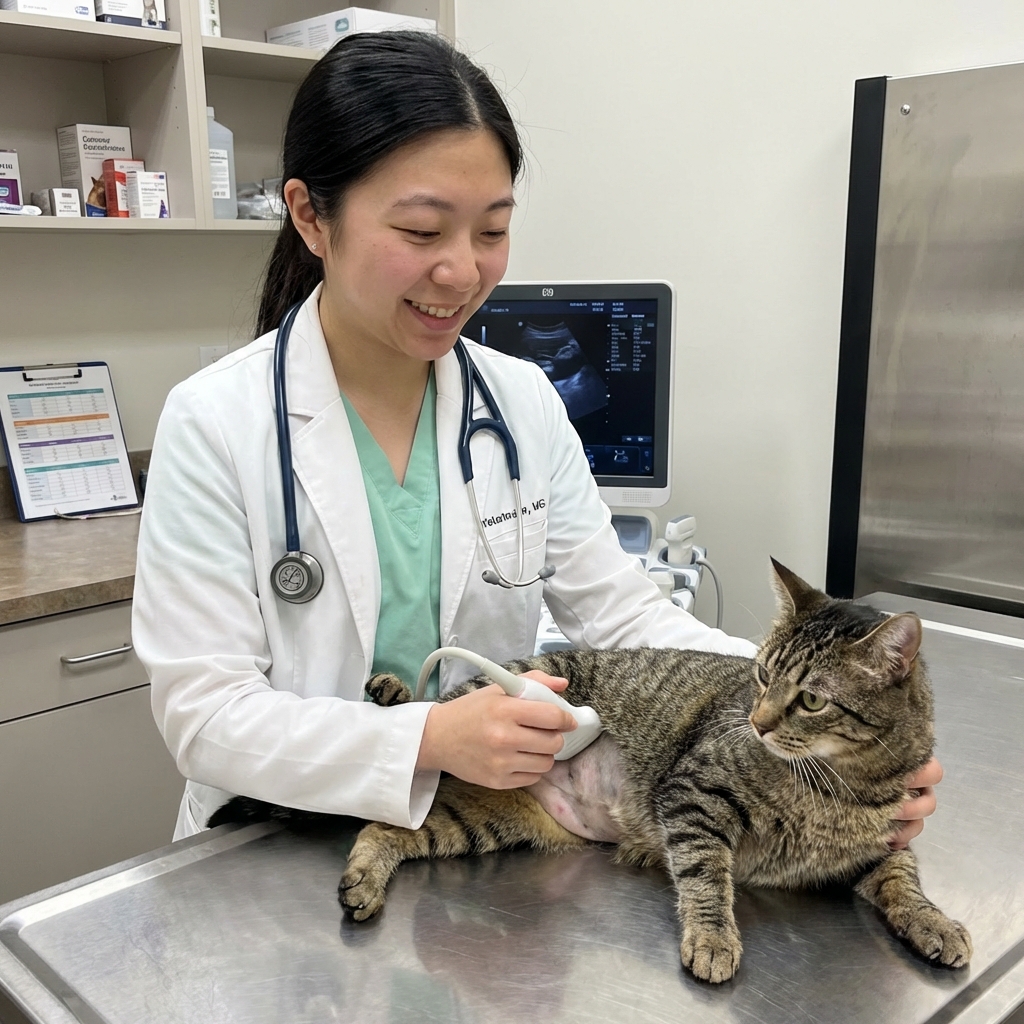
- Ultrasound: evaluates intestinal walls, pancreas, liver, gallbladder
- Special tests: feline pancreatic lipase, B12 and folate, biopsies when indicated
Treatment options (what “help” often looks like)
Vomiting treatment depends on the cause. In many cases, relief comes from a combination of supportive care plus targeted therapy.
- Fluids: under the skin or IV for dehydration and electrolyte balance
- Anti-nausea medication: commonly used to stop the vomiting cycle and help appetite return
- Stomach protectants: used in select cases
- Diet therapy: highly digestible diets, novel protein diets, hydrolyzed diets, or gradual transitions
- Deworming: if parasites are suspected or confirmed
- Antibiotics: only when there is a clear indication, not “just because”
- Surgery or endoscopy: if a foreign body or obstruction is found
Preventing future vomiting
Not all vomiting is preventable, but these habits reduce risk and help you catch issues early.
- Keep string, ribbon, hair ties, and tinsel put away, and supervise wand toys
- Use slow feeding strategies if your cat eats too fast
- Transition foods gradually over 7 to 10 days
- Prioritize hydration with wet food and fresh water access
- Brush routinely and manage flea control year-round
- Schedule routine wellness visits and senior screening labs
- Keep lilies and other toxic plants completely out of the home
A simple tracking note you can keep
If your cat has more than one episode, start a quick log. Bring it to your appointment.
Date/Time:
What came up (food/foam/bile/hair/blood):
How many times:
Appetite afterward:
Water intake:
Litter box changes:
Anything new (food/treat/plant/medication/toy):
Those few lines can turn a vague symptom into a clear pattern, and that helps your veterinarian help your cat faster.
The bottom line
An occasional hairball or upset stomach can happen. But frequent vomiting, vomiting with behavior changes, or anything that suggests dehydration, toxin exposure, or obstruction should be treated seriously.
If you are unsure, call your veterinary team. You are not overreacting. You are paying attention, and that is one of the best gifts you can give your cat.