From hairballs to toxins and foreign bodies, this guide explains what cat vomit can mean, when it’s an emergency, what to do at home, and what your vet wil...
Article
•
Designer Mixes
Why Is My Cat Throwing Up So Much?

Shari Shidate
Designer Mixes contributor
As a veterinary assistant, I hear this question all the time, and I get it. Seeing your cat throw up repeatedly can feel scary, frustrating, and confusing, especially when they seem “fine” five minutes later.
The truth is, some vomiting can be harmless (like the occasional hairball), but recurring or repeated vomiting is a clue that something deserves a closer look. Let’s walk through the most common causes, what you can do at home, and the red flags that mean it is time to call your vet.
How much vomiting is too much?
An occasional vomit episode can happen in healthy cats. These patterns are worth a vet conversation, especially in cats over 7 years old:
- Weekly or more often (or increasing over time)
- Multiple times in one day
- Repeated vomiting over 12 to 24 hours, or your cat cannot keep water down
- Ongoing vomiting plus weight loss, diarrhea, poor appetite, or low energy
If your cat is vomiting regularly, it helps to think of it less as “a stomach bug” and more as a symptom with an underlying cause.
Acute vs. chronic
This matters because it helps your vet narrow the list of causes:
- Acute vomiting is sudden and lasts less than about 2 to 3 days. It can be triggered by diet changes, hairballs, stress, toxins, infections, or foreign material.
- Chronic vomiting is recurring for 2 to 3 weeks or longer (or on and off over time). This more often points to conditions like food sensitivity, IBD, parasites, metabolic disease, or other GI disease.
Vomiting vs. regurgitation
This sounds picky, but it helps your veterinarian a lot. Also, timing alone is not enough. Food that comes up right after eating can still be vomiting.
Vomiting
- Usually involves retching or heaving
- Can happen right after eating or a little while later
- May contain partially digested food, foam, or bile
Regurgitation
- Food comes up effortlessly (often with little warning)
- Often happens soon after eating
- Food looks undigested and may be tubular
If you can safely take a quick video of the episode (without stressing your cat), it can be incredibly helpful at the appointment.
Common reasons cats throw up a lot
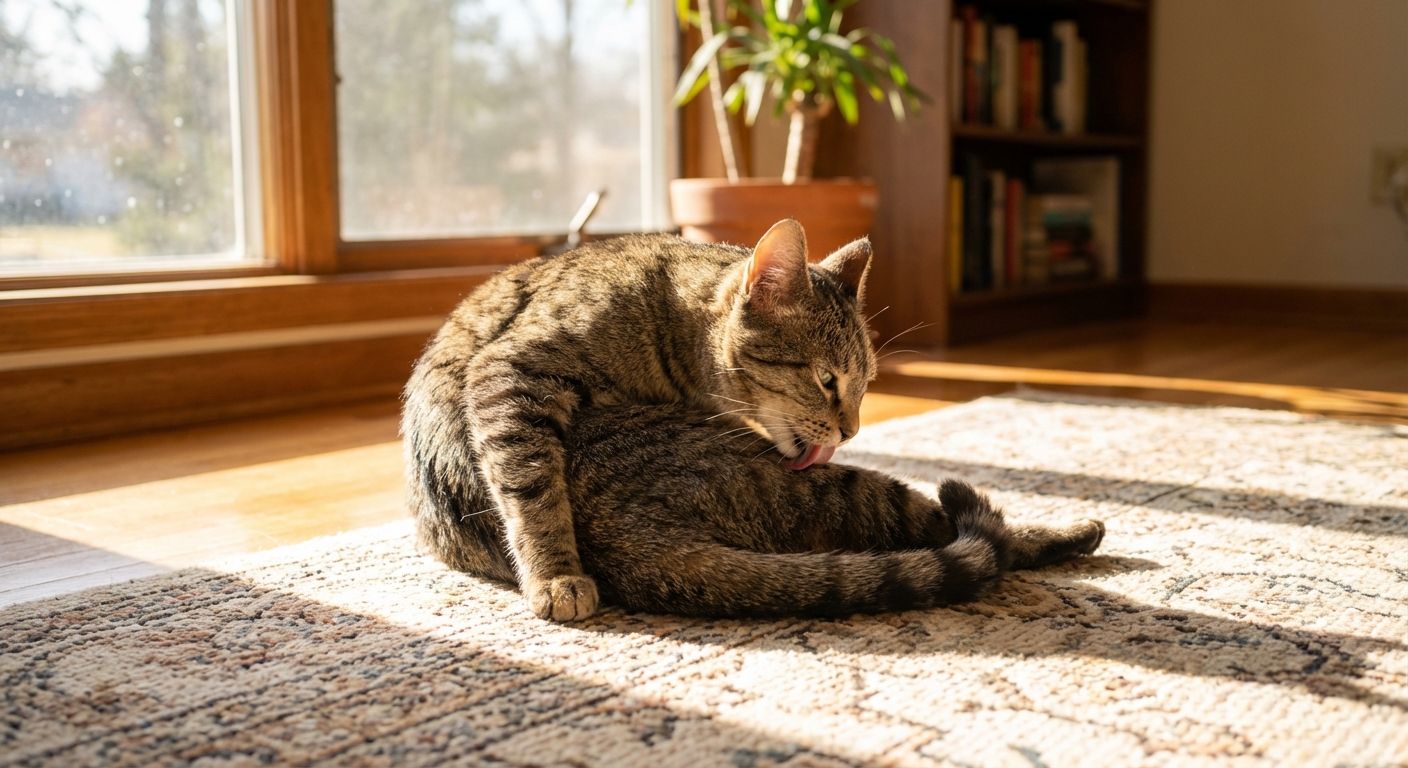
1) Hairballs and grooming issues
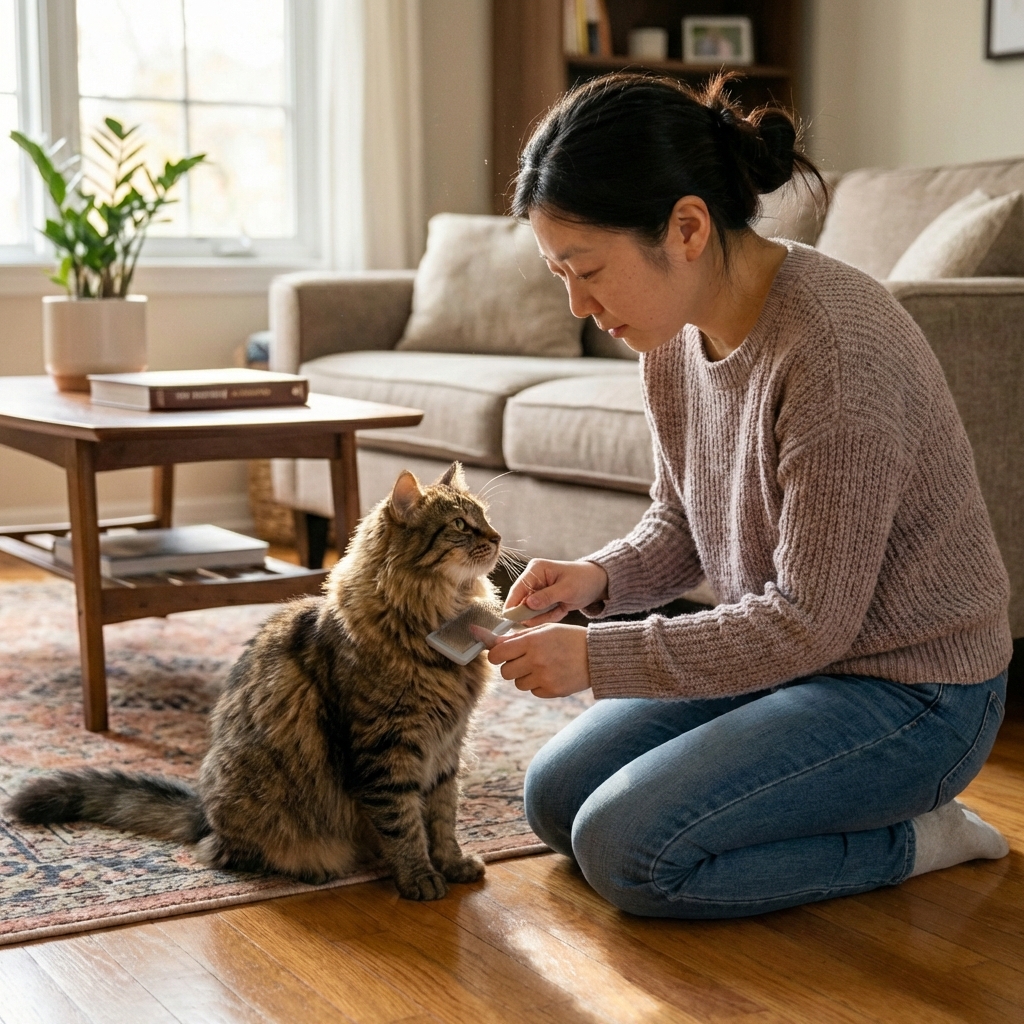
Hairballs are common, especially in long-haired cats or heavy groomers. You may notice more episodes during seasonal shedding. Some cats cough or gag before bringing up a tube-shaped hairball.
That said, frequent hairballs can be a sign of skin allergies, stress grooming, or digestive problems.
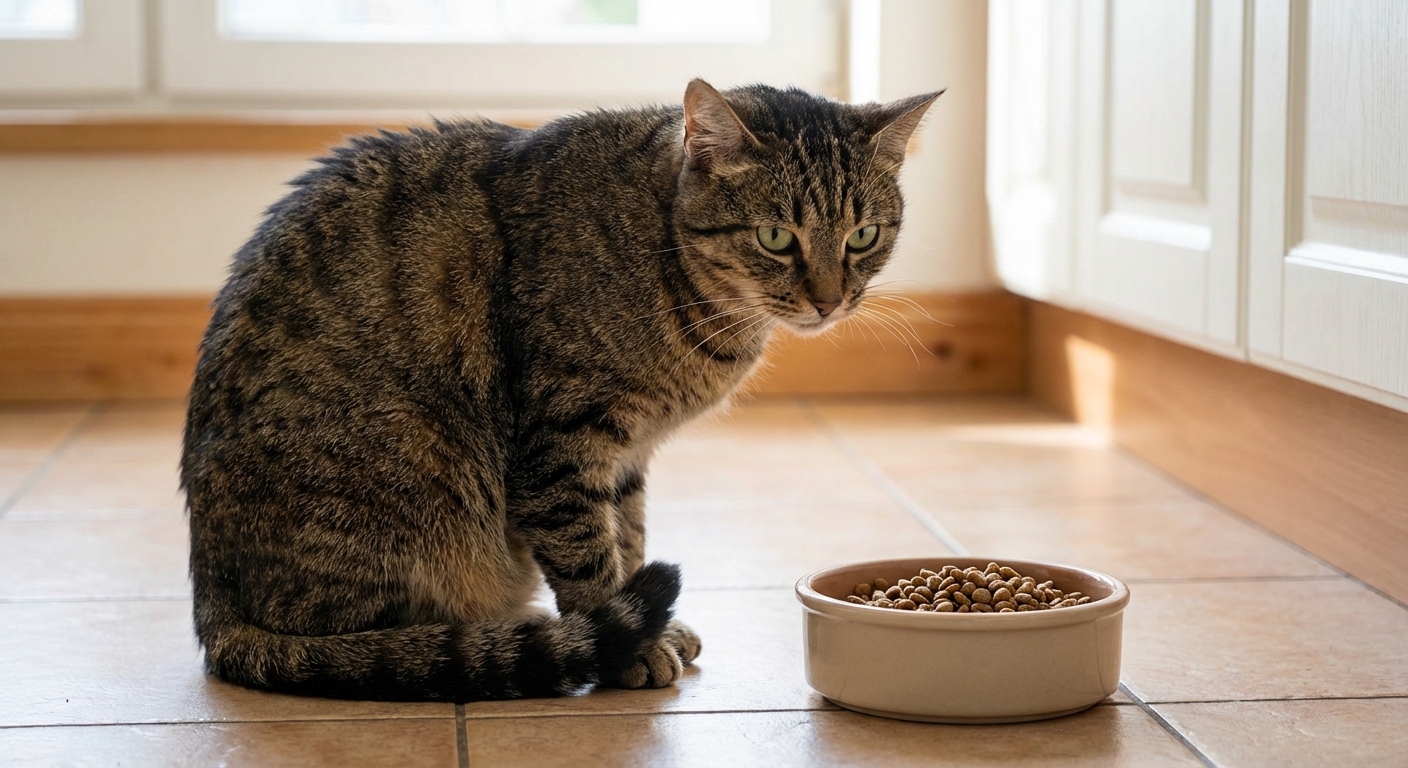
2) Eating too fast or overeating
Some cats “scarf and barf.” They inhale food, swallow air, and then bring it right back up. This can be common in multi-cat households where there is competition at the bowl.
3) Diet intolerance, food sensitivity, or sudden food changes
Switching foods too quickly, rich treats, table scraps, or a formula that does not agree with your cat can trigger vomiting. Cats can also develop food sensitivities over time, often to certain proteins.
4) Inflammatory bowel disease (IBD) and other GI disease
IBD is a common cause of chronic vomiting in cats. It can come with diarrhea, weight loss, or changes in appetite. Other GI conditions can look similar, so this is not something you can diagnose at home. The good news is that vets see these problems often and usually have a clear plan for testing and treatment.
5) Parasites
Intestinal parasites are more common in kittens and outdoor cats, but any cat can be exposed. Some parasites can cause vomiting, diarrhea, and a poor coat.
6) Constipation
Yes, constipation can cause vomiting. When the GI tract slows down, nausea can follow. Look for infrequent stools, straining, or very hard, dry stools in the box.
7) “Empty stomach” vomiting
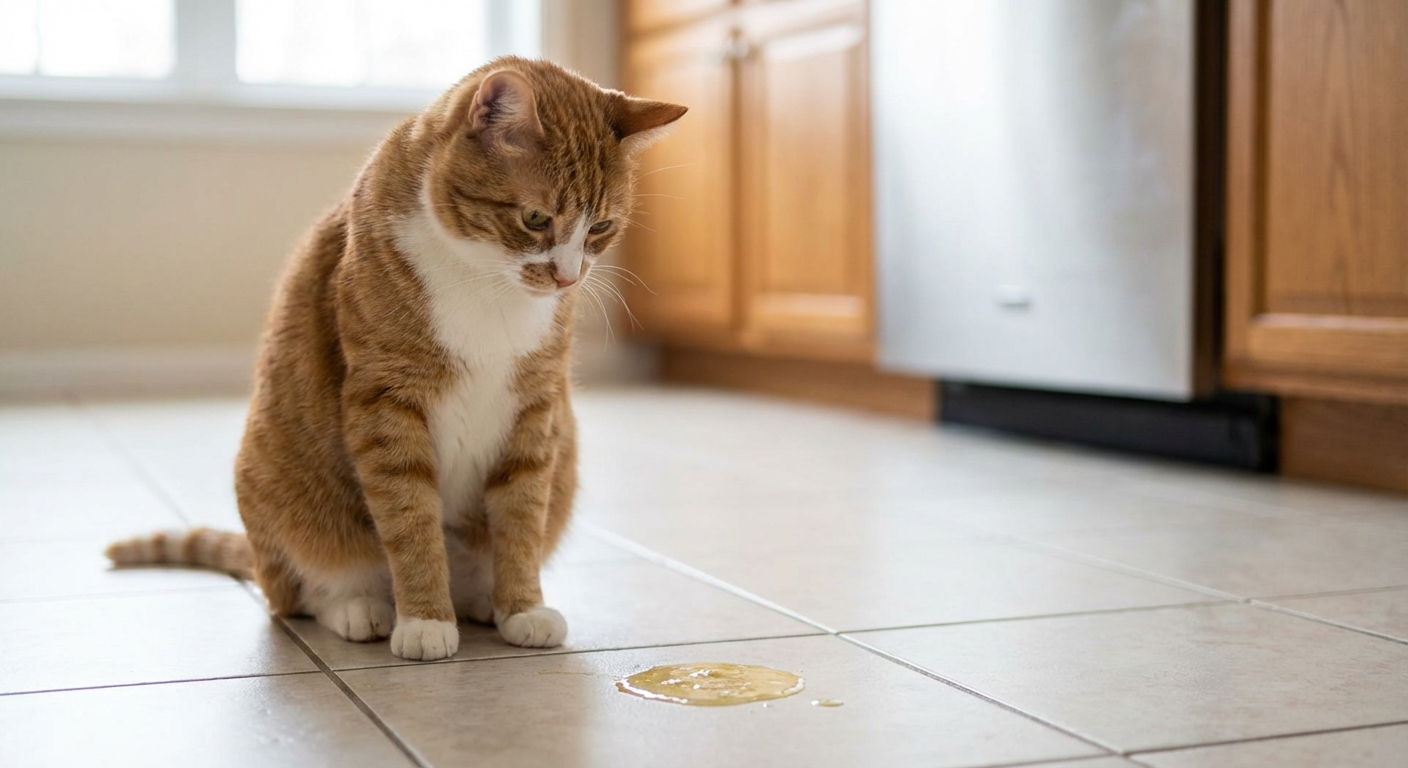
Some cats vomit foam or yellow bile early in the morning. This can happen when the stomach is empty for too long.
Important note: persistent bile or foam vomiting still deserves a workup, because it can overlap with many conditions.
8) Pancreatitis
Pancreatitis can cause vomiting, poor appetite, and lethargy. Some cats just seem “off” and stop eating. Because it can look like many other issues, a vet exam and testing are important.
9) Kidney disease, hyperthyroidism, and other systemic illness
In middle-aged and senior cats, frequent vomiting can be a sign of an underlying medical issue. Kidney disease and hyperthyroidism are classic examples. They often come with increased thirst, increased urination, and weight loss.
10) Dental disease or oral pain
Oral pain can lead to gulping, drooling, nausea, and vomiting in some cats. If you notice bad breath, pawing at the mouth, or dropping food, mention it to your vet.
11) Medication side effects
Some medications and supplements can upset the stomach. If vomiting started after a new medication, call your vet before stopping or changing doses.
12) Foreign body or toxin exposure
Cats can chew string, ribbon, hair ties, plants, or get into medications. A blockage or toxic exposure can become an emergency quickly.
What you can do at home
If your cat is bright, alert, and only had one mild episode, these steps may help while you monitor closely. If vomiting is repeated, or your cat seems unwell, skip home care and call your vet.
Step 1: Keep a simple vomit log
- Time of day
- What was eaten and when
- What it looked like (food, foam, bile, hairball)
- Any other symptoms (diarrhea, hiding, decreased appetite)
This is one of the most helpful things you can bring to your vet visit.
Step 2: Make feeding more stomach-friendly
- Smaller meals more often (instead of one or two big meals)
- Try a slow feeder bowl or puzzle feeder if your cat eats too fast
- In multi-cat homes, feed cats separately to reduce competition
Step 3: Avoid rapid diet changes
If you are switching foods, go slowly. A typical transition is 7 to 10 days, mixing increasing amounts of the new food with the old. If your cat is currently vomiting frequently, ask your vet before changing foods again.
Step 4: Support hairball control safely
- Brush regularly, especially during shedding seasons
- Ask your vet about hairball diets or fiber support
- Do not syringe-feed oils or home remedies. This can cause aspiration and GI upset.
Step 5: Hydration matters
Vomiting can dehydrate cats quickly. Encourage water intake with:
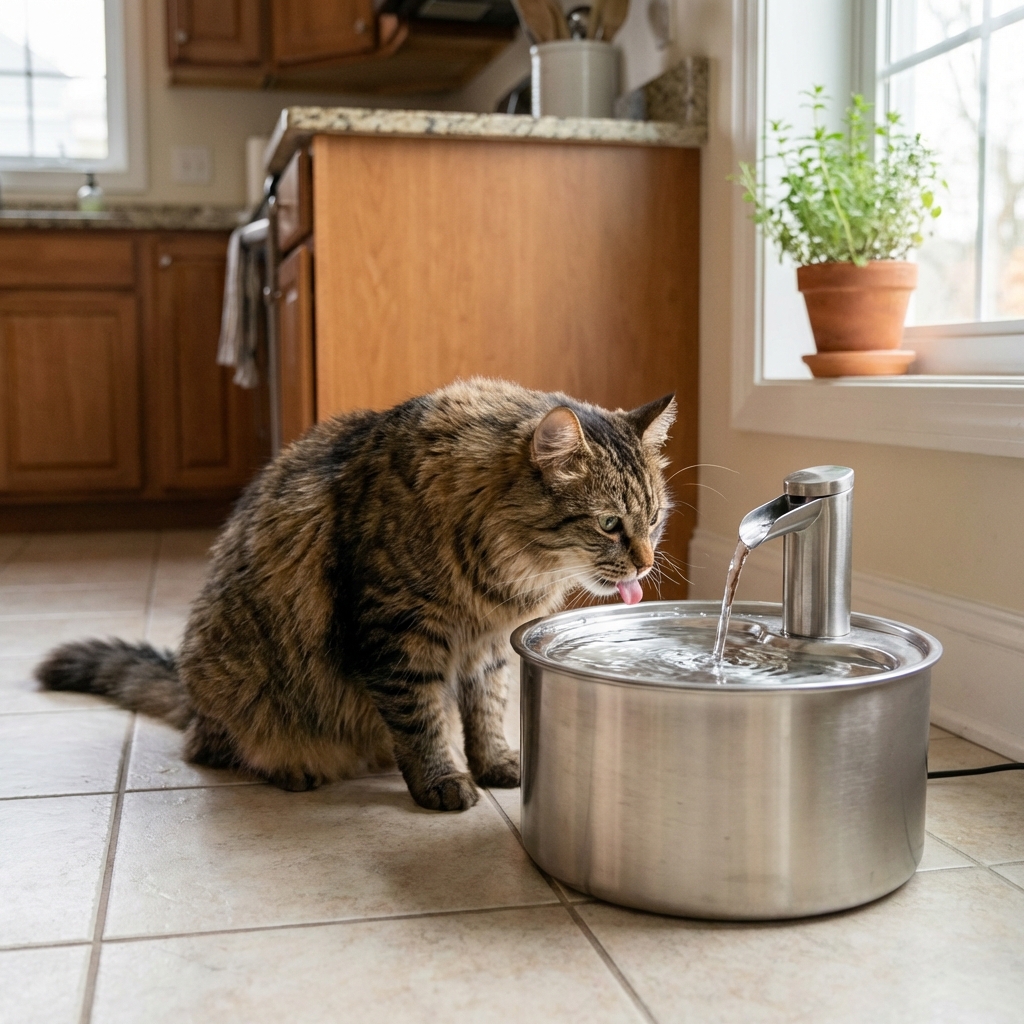
- A pet water fountain
- Multiple water bowls in quiet areas
- Adding a little water to wet food if your cat tolerates it
At home, focus on simple signs like dry or tacky gums, sleepiness, and not peeing as much. Skin tenting is often unreliable in cats. If you are unsure, call your vet.
Red flags: call your vet now
Please do not wait if you see any of these:
- Repeated vomiting (more than 2 to 3 times in a day, or ongoing over 12 to 24 hours)
- Cannot keep water down
- Blood in vomit (bright red or coffee-ground appearance)
- Severe lethargy, collapse, or hiding and acting painful
- Refusing food for more than 24 hours (especially in overweight cats, due to fatty liver risk)
- Signs of dehydration (dry gums, very sleepy, not urinating normally)
- Bloated belly or obvious abdominal pain
- Possible string ingestion (do not pull anything you see, go in immediately)
- Known toxin exposure (lilies, human meds, rodent bait, essential oils)
- Kittens or cats with chronic illness, since they can worsen faster
What not to do
- Do not give human medications like ibuprofen, acetaminophen, Pepto-Bismol, or human anti-nausea meds unless your vet specifically tells you to.
- Do not fast your cat for long periods without veterinary guidance. Cats can be vulnerable to complications when they stop eating, especially overweight cats.
- Do not pull string or ribbon if you see it. Head to the vet right away.
What your vet may recommend
Depending on your cat’s age, history, and exam findings, your veterinarian may suggest:
- Fecal testing for parasites
- Bloodwork to check kidneys, liver, thyroid, inflammation, and hydration status
- Urinalysis to support kidney and metabolic evaluation
- X-rays or ultrasound if a blockage, constipation, pancreatitis, or organ disease is suspected
- Diet trial (novel protein or hydrolyzed diet) for suspected food sensitivity or IBD
- Anti-nausea medication and gut-protectants when appropriate
- Fluids if dehydration is present
My gentle reminder: please do not give human anti-nausea medicines without veterinary guidance. Cats are very sensitive to many common medications.
Cleanup and prevention tips
Make cleanup easier
- Keep an enzyme cleaner on hand for carpets and upholstery
- Place washable mats near common vomit spots (many cats have a “favorite” area)
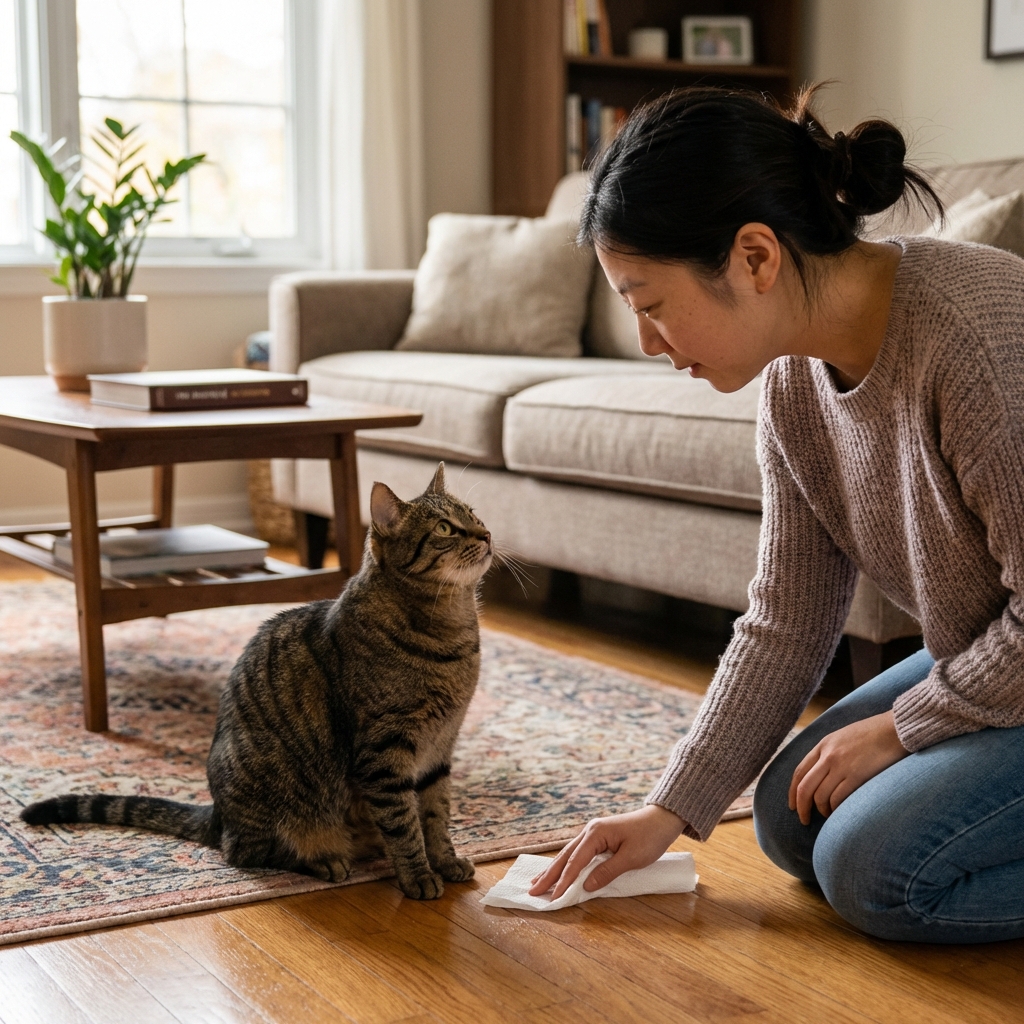
- Use paper towels first, then clean, then enzyme treat
Reduce stress
Stress can worsen GI upset in some cats. If vomiting started after a move, new pet, schedule change, or construction, talk to your vet about stress support, enrichment, and litter box setup.
Do a quick plant safety check
Some houseplants are very dangerous to cats. Lilies are a true emergency if ingested, even in small amounts. All parts are risky, including pollen and vase water. If you are unsure about a plant, treat it as suspicious and ask your vet.
A simple next step
If your cat is vomiting often, pick one small action today:
- Start a vomit log for 3 days, or
- Switch to smaller, more frequent meals, or
- Book a vet visit for recurring vomiting (especially for cats over 7 years old)
The bottom line is this: vomiting is common, but repeated vomiting is information. With the right detective work and a supportive plan, most cats can feel better and families can breathe easier.