Wondering why your cat stares at you? Learn the most common reasons—affection, requests, curiosity, play, stress, or illness—plus body language cues and ...
Article
•
Designer Mixes
Why Is My Cat Staring at Me?

Shari Shidate
Designer Mixes contributor
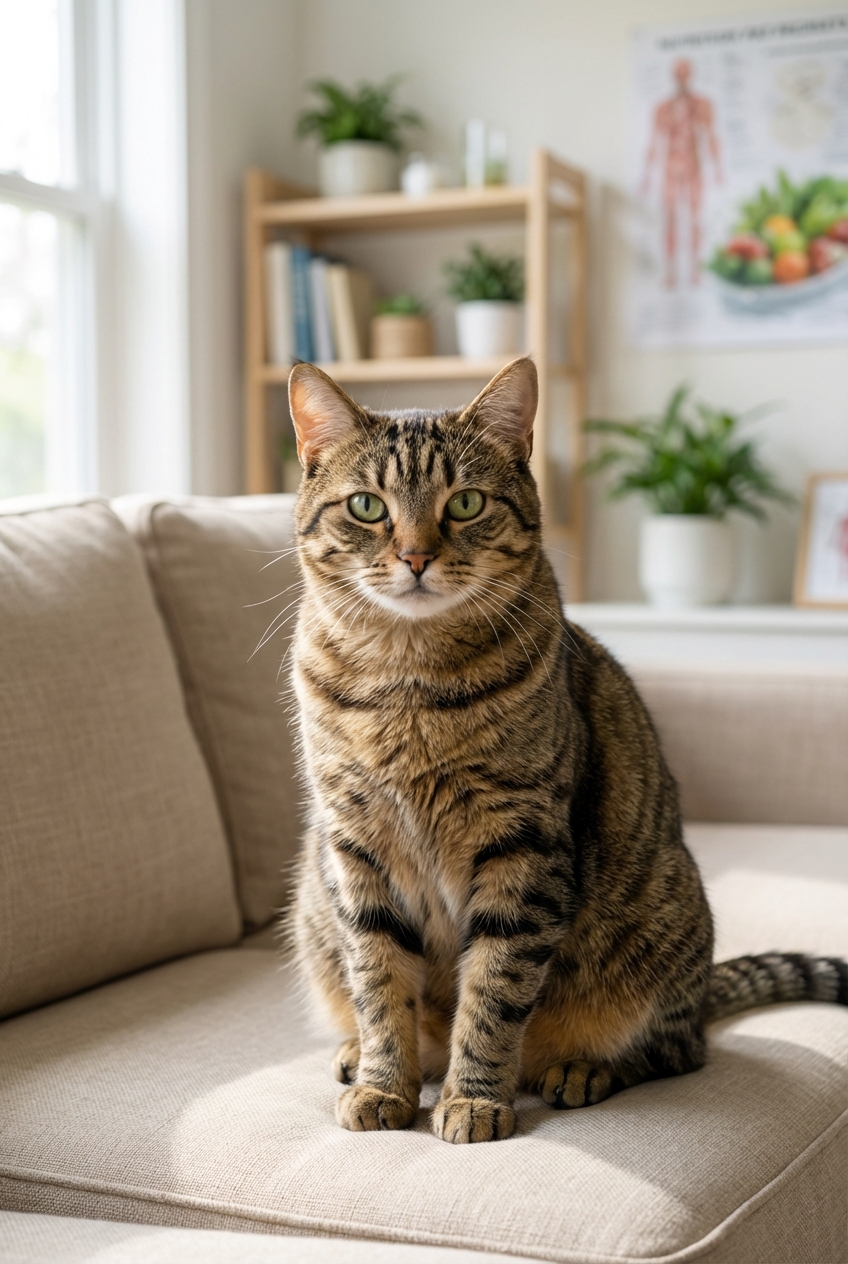
If you live with a cat, you have probably felt it: you look up from your phone or the TV and there they are, staring like they have a question, a complaint, or a secret. The truth is, a cat’s gaze can mean many different things, from affection to anxiety to a simple request for dinner. The key is to read the stare in context, not as a single behavior.
As a veterinary assistant, I like to remind people that staring is not automatically a sign of aggression or a so-called “dominance” display. Cats communicate with their whole body: eyes, ears, whiskers, posture, tail , and even their breathing (for example, rapid breathing with a tense body can suggest stress or discomfort) . Let’s decode what your cat may be saying.
What a cat stare can mean
1) Affection and trust
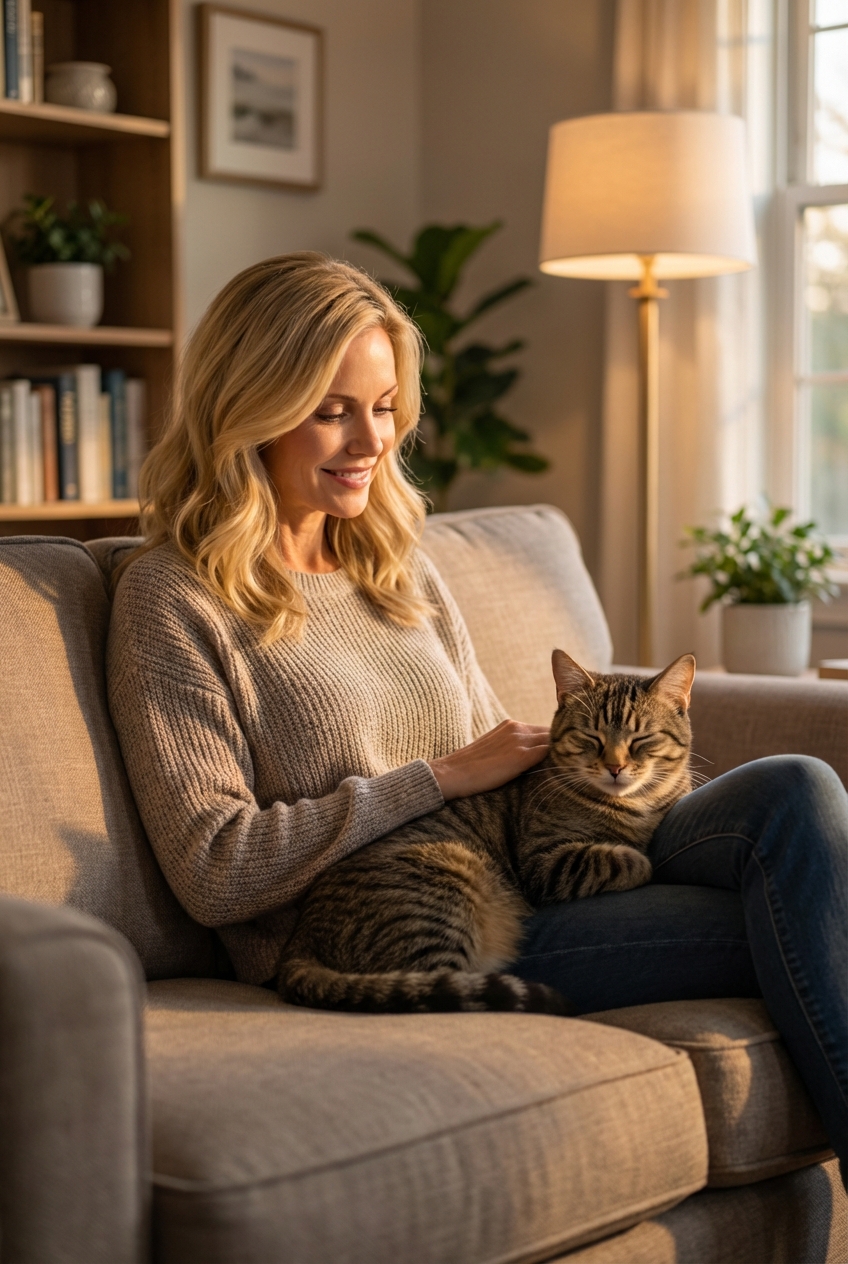
One of the sweetest reasons cats stare is that they feel safe with you. In cat language, relaxed eye contact, especially paired with a soft face and loose body posture, can be a social bonding behavior.
- Slow blinks often signal friendliness and comfort. If your cat blinks slowly while looking at you, it is often a friendly, affiliative signal. You can slow blink back to “answer” them.
- Relaxed posture matters. Look for a tail resting calmly, ears in a neutral forward position, and whiskers not strongly thrust forward.
2) They want something
Cats are excellent at training humans. If staring reliably results in food, play, treats, or a lap, your cat will likely keep doing it.
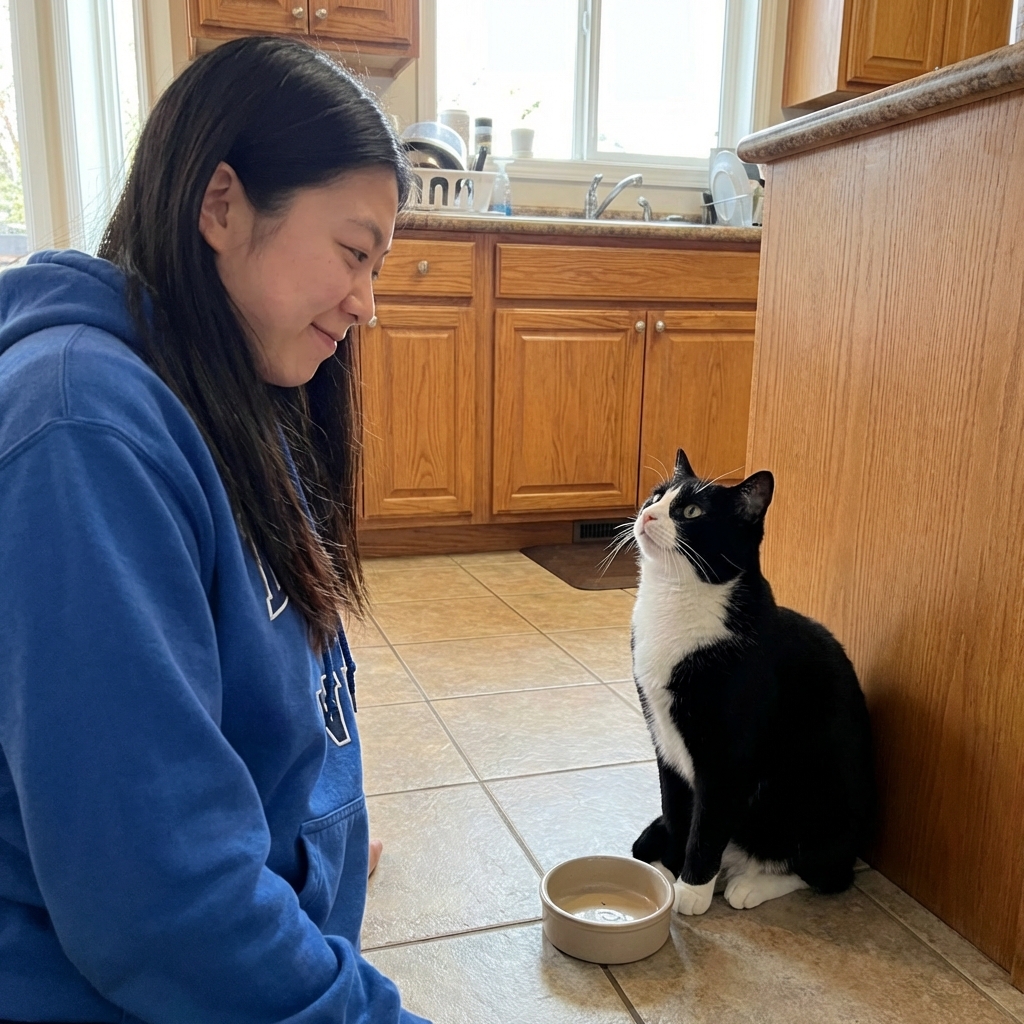
- Food cues: looking at you, then at the pantry, then back at you, often around routine feeding times
- Play cues: intense watching followed by a quick dash, chirp, or “hunt-ready” crouch
- Attention cues: staring plus a head-butt, kneading, or walking across your keyboard at the worst possible moment
Body language details
3) Curiosity and observation
Cats are natural watchers. They monitor their environment for changes and patterns, including what their favorite human is doing. If you are doing something new, like rearranging furniture, packing a suitcase, or bringing home a noisy bag, your cat may stare to assess whether it is safe.
4) Stress, uncertainty, or feeling threatened
Sometimes staring is not warm and fuzzy. A fixed, unblinking stare with a stiff body can be a sign of tension, especially if there are other stressors in the home, like a new pet, houseguests, construction noise, or a recent move.
Signs the stare may be stress-related:
- Ears turned sideways or flattened
- Body held low or very rigid
- Tail flicking sharply or thumping
- Dilated pupils that do not match the lighting
- Hissing , growling, swatting, or blocking your path
If this is happening, give your cat space and try to reduce triggers. In multi-cat homes, staring can also be part of a tension loop between cats. If one cat is staring at another, consider adding more vertical space, separate feeding areas, and additional litter boxes.
If you are seeing persistent inter-cat staring, resource blocking, chasing, or fights, it is worth talking with your veterinarian. They may recommend a qualified cat behavior professional to help you reset the household dynamics safely.
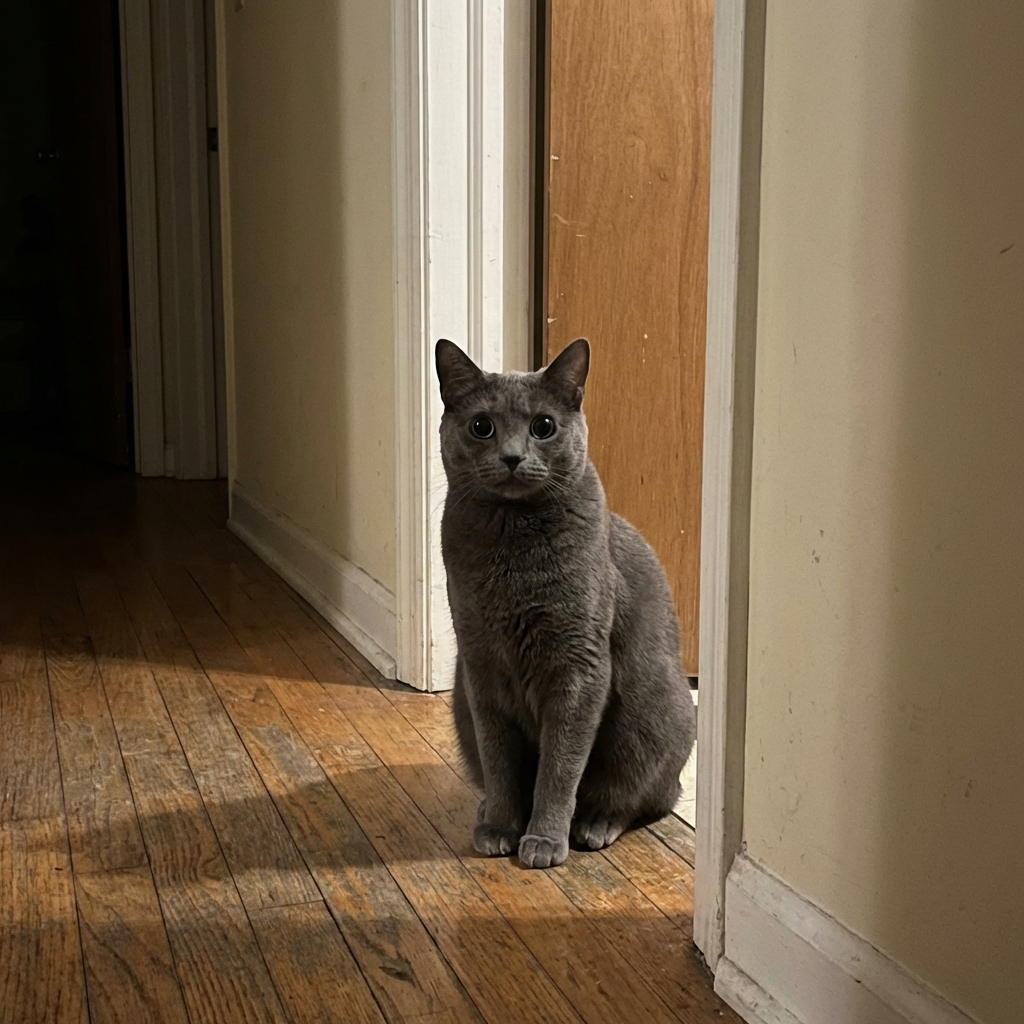
Could staring mean illness?
Most staring is normal. But there are times when a change in your cat’s gaze or behavior deserves a veterinary call. Cats often hide discomfort, so subtle changes can matter.
Health-related possibilities
- Vision changes: cats with declining vision may stare, hesitate, or seem unsure in familiar spaces
- Pain or discomfort: a cat in pain may look unusually still or intense, and you may also notice hiding, reduced grooming, a crouched posture, or sensitivity to touch
- Cognitive changes in senior cats: older cats can develop age-related cognitive dysfunction and may seem to stare into space
- Neurologic issues: disorientation, head pressing, abnormal pupil size, circling, or sudden behavior changes need prompt care
A quick nuance: staring at you is often communication. Staring into space, especially if it is repetitive or paired with odd behavior, is something I would flag for a vet check rather than guessing at home.
Call your vet promptly if you notice
- Staring episodes plus disorientation or stumbling
- One pupil larger than the other or pupils that stay very dilated in bright light
- Staring accompanied by yowling , restlessness, hiding, or a sudden change in appetite
- Seizure-like behavior or episodes where your cat seems “not present”
- Any sudden behavior change that persists, worsens, or concerns you, especially beyond a day or two
If you can, take a short video of the behavior. Videos are incredibly helpful for your veterinary team.
How to respond
Try the slow blink
If your cat looks relaxed, soften your face and slowly blink . Many cats respond with a slow blink back, a yawn, or they will come over for attention.
Meet the need without rewarding nuisance staring
If your cat is staring because they want something, decide what you want to reward. For example, if they stare and yell at 4:30 a.m. and you feed them, you may teach them that the routine works.
Instead, you can:
- Use an automatic feeder for early breakfast
- Schedule a short play session before bedtime to reduce nighttime energy
- Reward calm behavior, not demanding behavior
Do a quick body language check
- Soft eyes + relaxed body: usually safe to engage
- Stiff body + tail flicks: give space, reduce stimulation
- Vocalizing + pacing: check food, litter box, and household stressors, then consider a vet visit if it is unusual or escalating
Common scenarios
They stare while you sleep
Often it is routine: your cat is awake, bored, or waiting for you to get up. Some cats also stay close and watchful when you’re resting. If your cat is also waking you up, adjust the evening routine and consider an automatic feeder.
They stare from across the room
This is usually observation or a quiet request for attention. If they look relaxed, invite them over or initiate gentle play.
They stare and then swat
This may be overstimulation, play that escalated, or a boundary being crossed. Stop interaction, give space, and redirect to a toy rather than hands.
They stare at a wall or into space
Sometimes they hear tiny sounds we cannot, like insects in the wall. But if it is repetitive, new, or paired with odd behavior, it is worth discussing with your veterinarian.
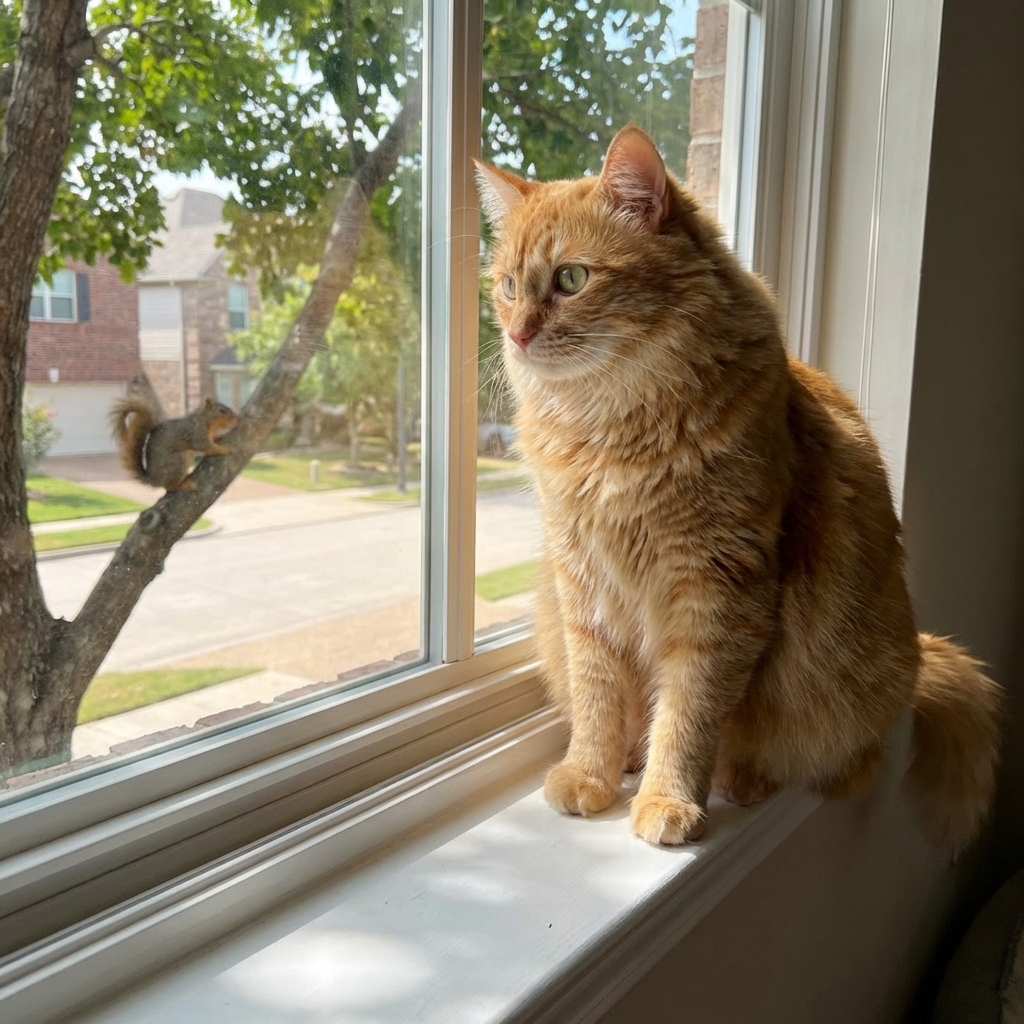
Bottom line
Your cat’s stare is communication, not a single fixed message. In many homes, it simply means trust, curiosity, or “I would like a snack.” Watch the whole body, notice patterns, and trust your instincts when something feels off.
If your cat’s staring comes with sudden behavior changes, signs of stress , or anything that looks neurologic or painful, calling your veterinary clinic for guidance is a smart move. You know your cat best, and early attention can make a big difference.