
Cats sneeze for many reasons—from dust and litter to viral URIs, allergies, dental disease, or growths. Learn what’s normal, red flags, home care, and wh...
Article
•
Designer Mixes
Why Is My Cat Sneezing? Common Causes and Treatments

Shari Shidate
Designer Mixes contributor
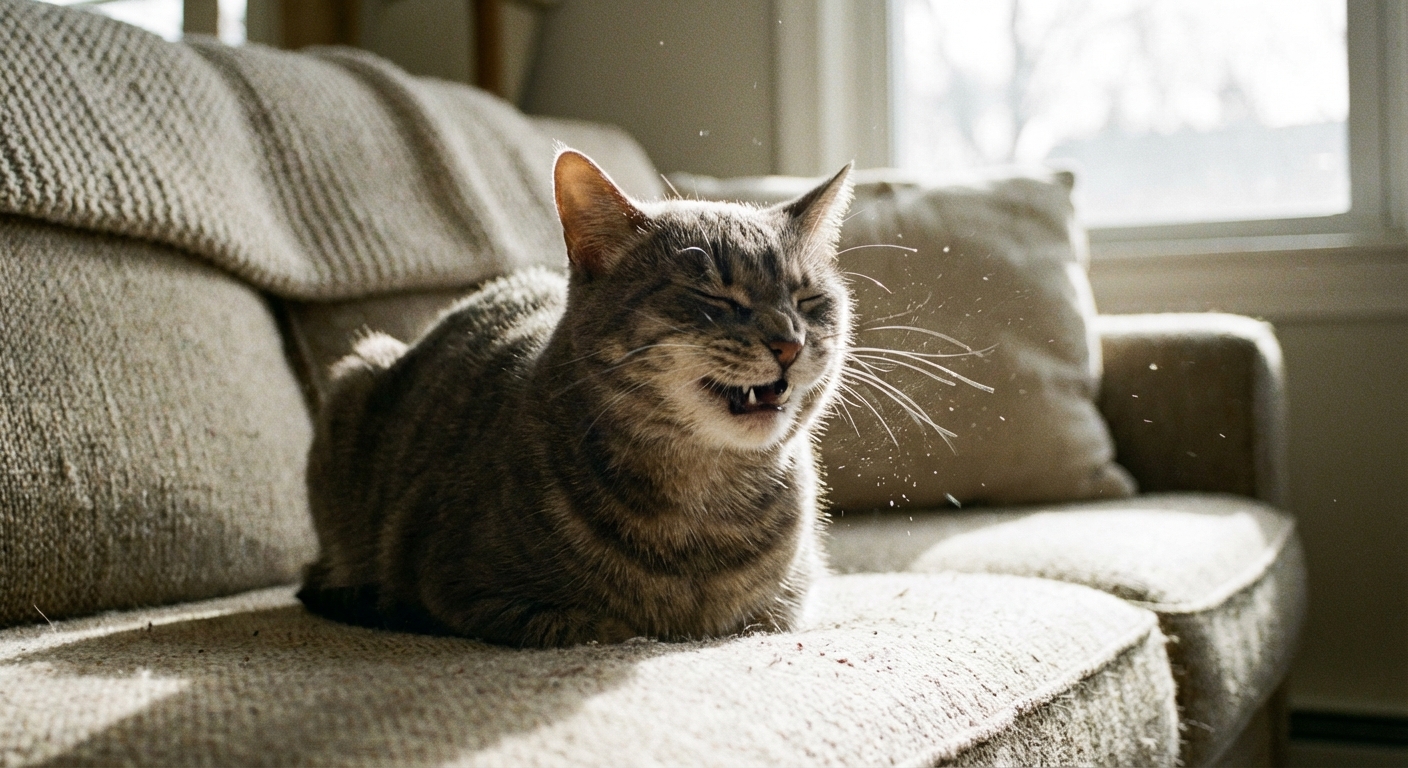
Sneezing in cats is common, and most of the time it is linked to simple irritation or a mild upper respiratory issue. Some cats also sneeze occasionally after grooming, sniffing dusty spots, or exploring a new scent, and it is not always a sign of illness. Still, frequent sneezing can also be a clue that something in your cat’s environment, mouth, or immune system needs attention. The goal is to notice patterns, check for red flags, and know when home care is enough and when it is time to call your veterinarian.
Quick checklist
If your cat sneezes once or twice, you can usually just monitor. If it becomes a pattern, take note of these details because they help narrow down the cause.
- How often: occasional versus repeated sneezing fits
- Discharge: none, clear and watery, thicker mucus, or bloody
- Other symptoms: watery eyes , coughing, noisy breathing, appetite changes , fever, lethargy
- Triggers: after cleaning products, dusty litter changes, seasonal pollen, new candles or diffusers
- Duration: less than 2 to 3 days versus more than a week
- Age and health status: kittens, seniors, and cats with chronic conditions need extra caution
Common causes
1) Mild nose irritation
Just like people, cats sneeze to clear irritants. Common triggers include dusty litter, smoke, aerosol sprays, strong perfumes, scented candles, household cleaners, and fragrance-heavy plug-ins.
What it often looks like: a few sneezes with no other symptoms and no ongoing discharge.
2) Upper respiratory infections
One of the top reasons for repeated sneezing is a feline upper respiratory infection. These are often viral, especially feline herpesvirus (FHV-1) or calicivirus. Bacterial infections can occur as well, sometimes as a secondary issue after a virus.
What it often looks like: sneezing plus watery eyes , congestion, runny nose, reduced appetite , and low energy. Kittens and shelter cats are especially prone.
Why appetite matters: a congested cat may not smell food well, and smell is a big driver of appetite in cats.
3) Allergies or sensitivities
Some cats develop seasonal or indoor sensitivities to pollen, dust mites, mold, or fragrances. True allergies are less common than infections, but they do happen.
What it often looks like: intermittent sneezing, clear discharge, sometimes itchy skin or overgrooming . Fever and thick mucus are less typical for simple allergies.
4) Dental disease
Tooth root infections and gum disease can affect the nasal passages because the roots of upper teeth sit close to the sinuses. This can trigger sneezing, especially when the problem is advanced.
What it often looks like: bad breath, drooling, pawing at the mouth, chewing on one side, plus chronic sneezing or one-sided nasal discharge.
5) Foreign material in the nose
A blade of grass, a seed, or other debris can get lodged in a nostril.
What it often looks like: sudden sneezing fits, pawing at the nose, and discharge from one nostril.
6) Polyps, chronic rhinitis, or other nasal disease
Nasal polyps can occur, especially in younger cats. Some cats develop chronic rhinitis (long-term inflammation in the nose) after infections, and symptoms can linger or flare.
What it often looks like: ongoing congestion, noisy breathing, and sometimes one-sided discharge that does not improve.
7) Fungal disease (less common)
Fungal infections can affect the nasal passages in some regions and situations (for example, cryptococcosis). These are less common than viral infections, but they are important to consider when signs are persistent or unusual.
What it often looks like: chronic sneezing, persistent nasal discharge (sometimes one-sided), nose swelling or facial changes, or poor response to typical treatment.
8) Growths or tumors (less common)
Other growths, including tumors, can cause persistent symptoms, especially in older cats.
What it often looks like: ongoing one-sided congestion, bloody discharge, facial swelling, or symptoms that steadily worsen.
9) Vaccine-related sneezing (short-term)
Some cats may sneeze mildly for a day or two after certain vaccines, especially intranasal ones.
What it often looks like: mild sneezing with otherwise normal energy and appetite.
Home care
For mild sneezing without red flags, supportive care and a cleaner air environment can make a big difference.
- Reduce irritants: switch to low-dust, unscented litter; avoid aerosols, incense, candles, and strong cleaners.
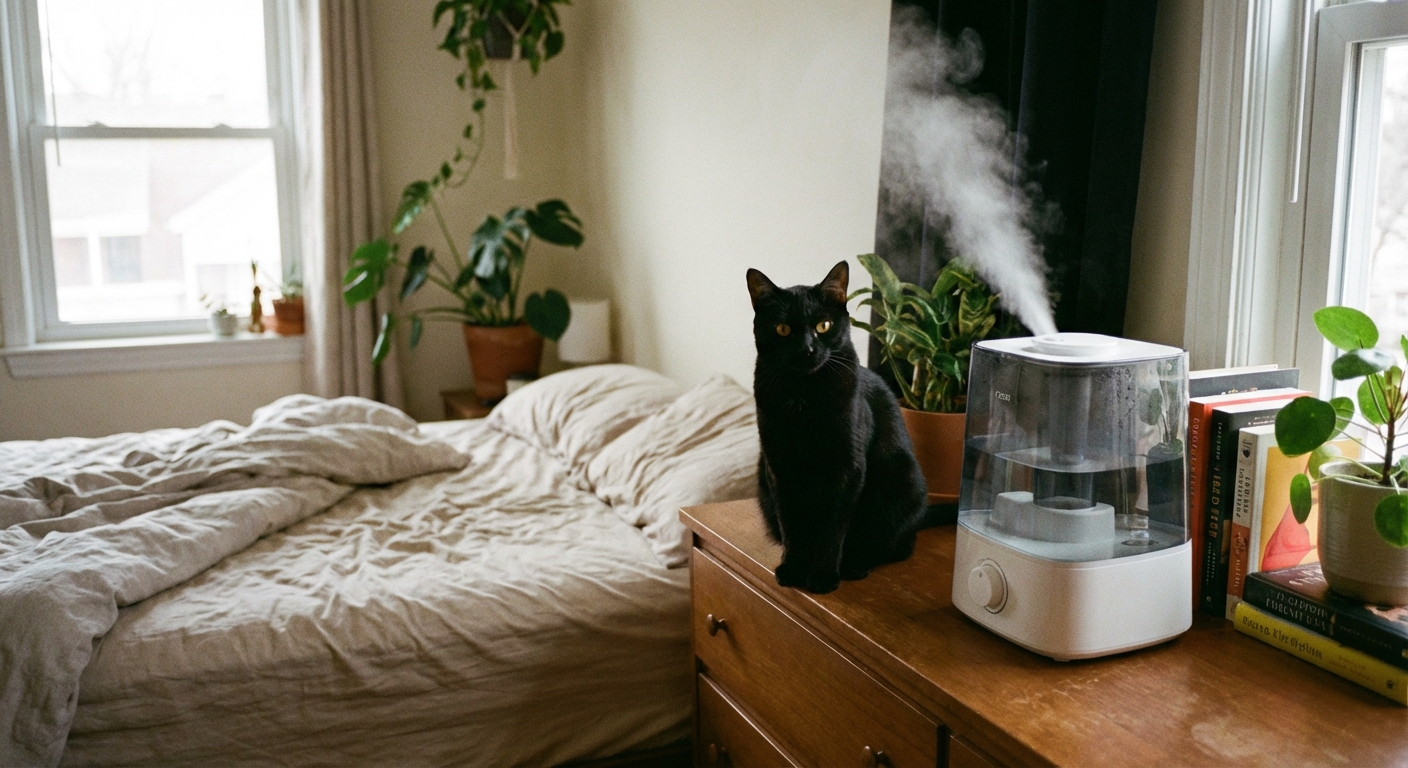
- Humidify: a cool-mist humidifier can ease dry air irritation and help loosen congestion. Clean it as directed to prevent mold and bacteria buildup.
- Gentle steam time: bring your cat into a steamy bathroom for 10 to 15 minutes (no direct hot water exposure). Supervise closely and stop if your cat seems stressed or overheated.
- Encourage hydration: offer fresh water, water fountains, or wet food.
- Make food more appealing: warm wet food slightly to increase aroma if congestion is reducing appetite.
- Wipe the nose: use a soft, damp cloth to gently clean crusting around the nostrils.
A quick safety note: Do not give human cold medications or decongestants. Also avoid diffusers or aerosolized essential oils. They can irritate airways and some oils are toxic to cats.
Vet treatments
Because sneezing has several possible causes, treatment depends on what your veterinarian finds on exam and, when needed, testing.
What your vet may check
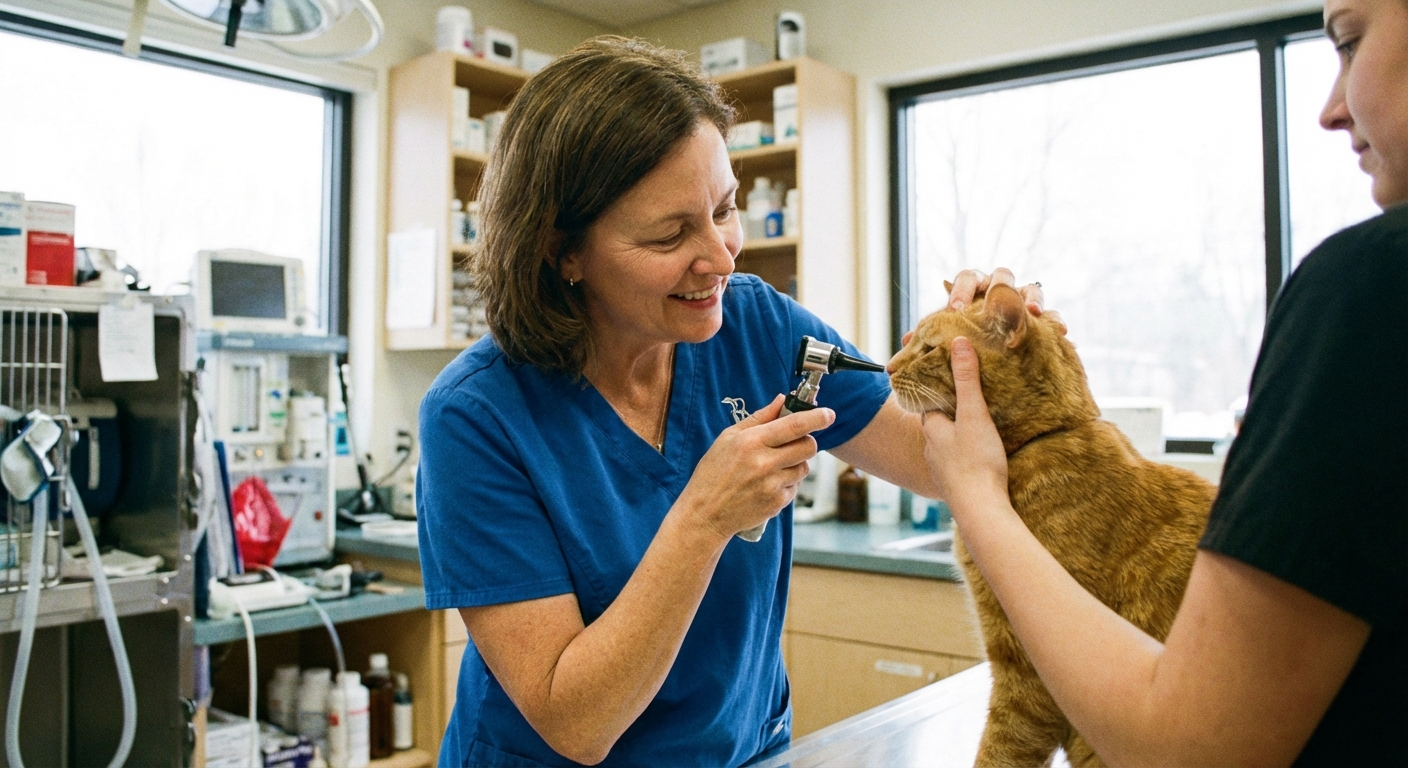
- Full physical exam, including eyes, nose, throat, and listening to the lungs
- Oral and dental exam, sometimes with dental X-rays
- Swabs or lab tests in some cases to help guide care
- FeLV/FIV testing when risk factors or recurrent infections make it relevant
- Imaging such as dental radiographs, skull X-rays, CT, or other studies when indicated
- Rhinoscopy (a camera exam of the nasal passages) or a sedated exam to look deeper and remove a foreign object when needed
For infections
- Supportive care: hydration, appetite support, and environmental humidity
- Antibiotics: when bacterial infection is suspected, confirmed, or there is concern for secondary infection
- Antiviral or immune support options: in some cases of chronic herpesvirus, your vet may discuss targeted strategies
- Eye medications: if conjunctivitis or eye discharge is present
For allergies or sensitivities
- Environmental changes: dust control, air filtration, fragrance removal
- Medication: your vet may prescribe cat-safe options if symptoms are persistent
For dental causes
- Dental cleaning and evaluation
- X-rays to evaluate tooth roots
- Extractions or treatment for infected teeth when needed
For foreign bodies, polyps, fungal disease, or chronic nasal issues
- Sedated exam to look deeper into nasal passages or the back of the throat
- Imaging such as dental radiographs or advanced imaging when indicated
- Removal of the foreign object or polyp if found
- Targeted therapy when fungal disease or other specific conditions are diagnosed
When to call the vet
Urgent today
- Labored breathing, open-mouth breathing, or significant wheezing
- Not eating for roughly 24 hours (or roughly 12 hours for kittens), or sooner if your cat is diabetic, prone to hepatic lipidosis, or already unwell
- Marked lethargy, fever, or dehydration
- Blood from the nose, especially repeated or heavy bleeding
- Facial swelling, pawing at the mouth, or obvious dental pain
Schedule soon
- Nasal discharge that is thick, worsening, or lingering. Color (yellow or green) can happen with inflammation and does not prove a bacterial infection, but it is a good reason to get checked.
- Sneezing that persists longer than 7 to 10 days
- One-sided discharge, especially if it keeps returning
- Very young, elderly, or immunocompromised cats with any respiratory symptoms
Prevention tips
Not every sneeze is preventable, but these steps can reduce the odds of repeat flare-ups.
- Keep vaccines current: vaccines do not always prevent infection entirely, but they often reduce severity and complications.
- Lower stress: stress can trigger herpesvirus flare-ups in some cats. Keep routines steady and provide hiding spots and vertical space.
- Improve air quality: use HEPA filtration when possible and keep smoke and strong fragrances out of the home.
- Choose unscented products: litter, laundry detergent, and cleaning products should be as mild as possible.
- Prioritize dental care: regular dental checkups can prevent tooth and gum problems that sometimes show up as sneezing.
The takeaway
Most feline sneezing is caused by mild irritation or upper respiratory infections, and many cases improve with supportive care and a calmer, cleaner environment. The most important skill as a cat parent is knowing what is normal for your cat and acting quickly when symptoms intensify or linger. If you are unsure, a quick call to your veterinary clinic can save a lot of worry and help your cat breathe easier.

