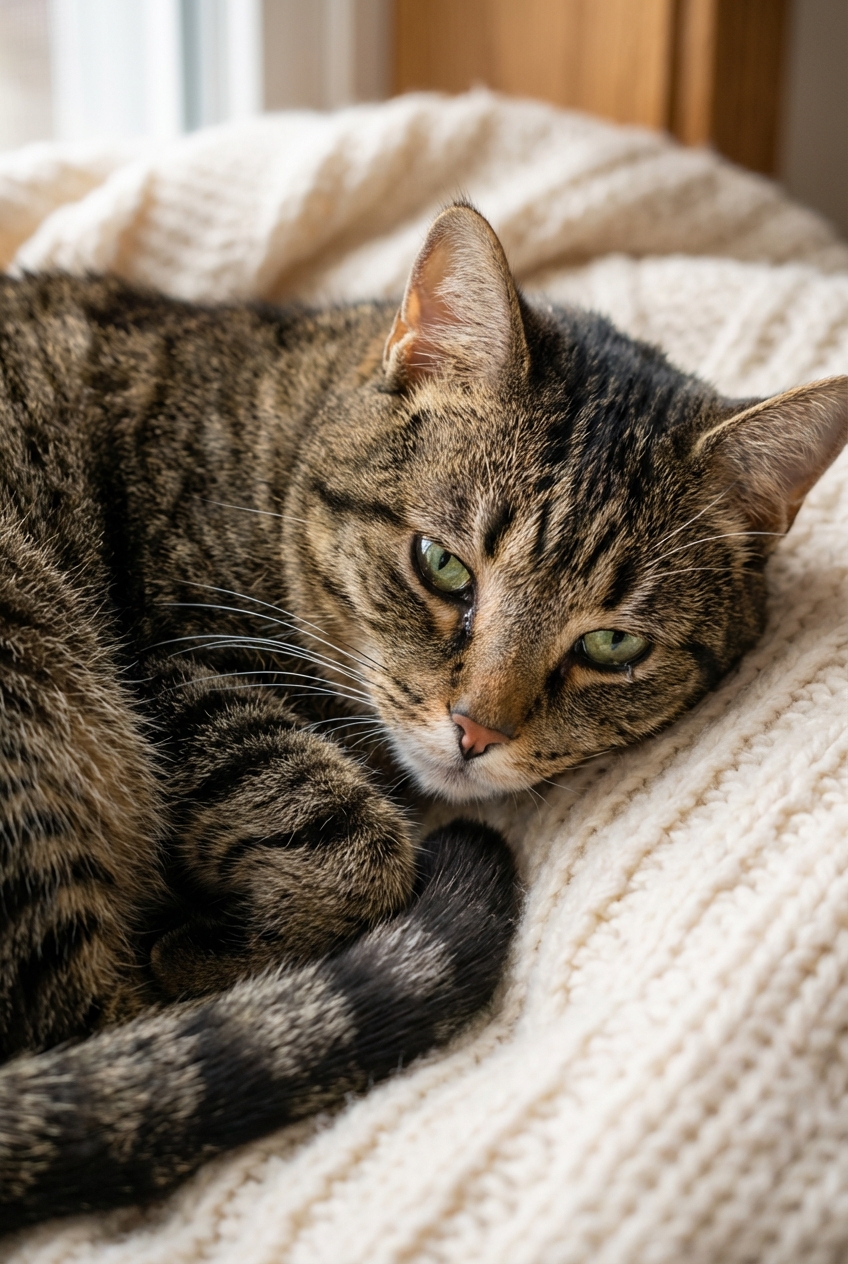
Cats sneeze for many reasons—from dust and litter to viral URIs, allergies, dental disease, or growths. Learn what’s normal, red flags, home care, and wh...
Article
•
Designer Mixes
Why Is My Cat Sneezing?

Shari Shidate
Designer Mixes contributor
If your cat sneezes once or twice and then goes right back to napping in a sunbeam, it is usually nothing to panic about. Cats sneeze for many of the same reasons we do, like dust, strong smells, or a mild irritation in the nose.
But sneezing that is frequent, keeps coming back, or persists beyond 24 to 48 hours (especially with other symptoms) can signal anything from allergies to an upper respiratory infection (URI), sometimes nicknamed “cat flu.” As a veterinary assistant, I always tell families to look at the whole picture: your cat’s energy, appetite, breathing, eyes, and nose.
Note: This article is educational and not a substitute for an exam or diagnosis from your veterinarian.
Quick check: is it urgent?
Use these simple guidelines to decide when to monitor at home versus when to call your veterinarian. When in doubt, call, and call sooner for kittens, seniors, and cats with chronic illness or a weaker immune system.
Often OK to monitor for 24 to 48 hours
- Occasional sneezing with no other symptoms
- Normal appetite and energy
- No nasal discharge or just a tiny bit of clear moisture
- Sneezing after cleaning, dusting, or using a scented product
Call your vet soon (same day if possible)
- Sneezing that is frequent, worsening, or recurring
- Discharge that is thick, sticky, or yellow or green (color alone does not confirm a bacterial infection, but it is more concerning)
- Watery or crusty eyes, squinting, or redness
- Reduced appetite, lethargy, or hiding more than usual
- Fever, drooling, or obvious mouth discomfort
- One-sided discharge or a bad smell from the nose
Emergency signs
- Open-mouth breathing, obvious breathing effort, or struggling to breathe
- Blue or pale gums
- Facial swelling, sudden severe lethargy, or collapse
- Continuous nosebleed or heavy bleeding
If you are ever unsure, it is completely appropriate to call your vet and describe what you are seeing. A quick phone triage can save a lot of worry.
Common causes of cat sneezing
Sneezing is a symptom, not a diagnosis. Here are the most common culprits we see in clinics and shelters.
1) Airborne irritants
Cats can be sensitive to airborne irritants. A sudden burst of sneezing often happens after exposure to:
- Dusty litter, especially heavily scented varieties
- Smoke, vaping aerosols, incense, candles
- Cleaning sprays, perfumes, essential oil diffusers
- Dry air from winter heating
With irritants, sneezing tends to come in short bouts and your cat otherwise acts normal.
2) Allergies (seasonal or indoor)
Some cats do have allergies, but it can look a little different than in people. Sneezing can be part of the picture, along with itchy skin, ear issues, or watery eyes. Triggers may include pollen, mold, dust mites, or certain household products.
One important note: if the sneezing is persistent, many “allergy-like” cases are actually mild infections or chronic inflammation. It is worth checking in with your vet before assuming it is just allergies.
3) Upper respiratory infection (URI, “cat flu”)
In cats, “cat flu” is a common nickname for upper respiratory infections. The two most common infectious causes are feline herpesvirus (FHV-1) and feline calicivirus (FCV). Other organisms can also play a role, including Chlamydia felis, Bordetella bronchiseptica, and Mycoplasma species, especially when eye symptoms (conjunctivitis) are prominent.
These infections spread easily between cats, especially in multi-cat homes, shelters, and boarding environments. Kittens, seniors, and cats with weaker immune systems can get hit harder. Indoor-only cats can still have URI symptoms, since herpesvirus can stay dormant and flare up later during stress.
What a URI can look like
Many cats start with sneezing and watery eyes, then develop congestion. You might notice:
- Frequent sneezing and nasal congestion
- Clear discharge that can become thicker over time
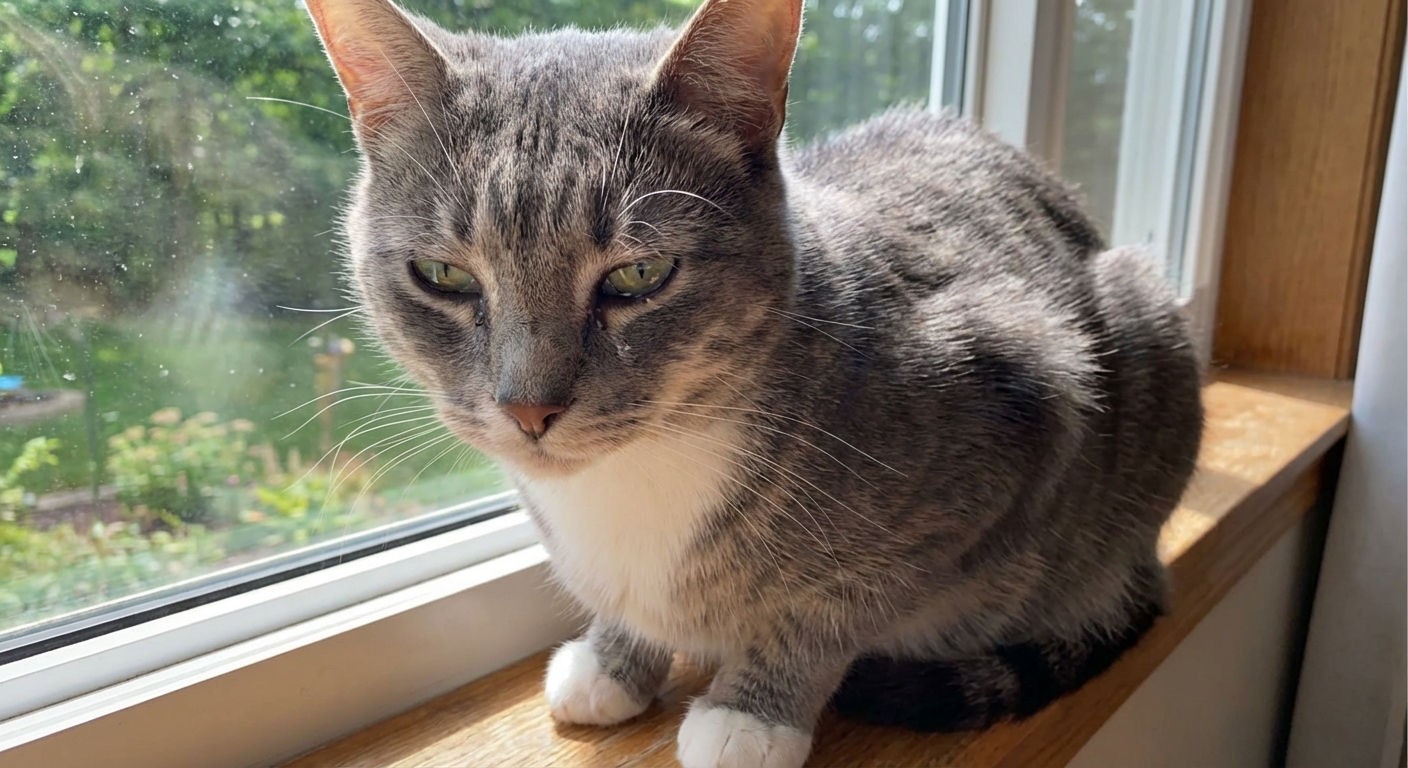
- Watery eyes or eye crusting
- Reduced appetite because smell is blocked
- Lethargy or “not themselves” behavior
Herpesvirus can also cause recurring flare-ups during stress. A move, a new pet, construction noise, or travel can be enough to trigger symptoms again.
If your cat is congested and not eating, do not wait. Markedly reduced food intake for 24 to 48 hours can become serious, especially in overweight cats.
Help prevent spread in multi-cat homes
- Separate the sick cat if possible (own room, litter box, food, and water)
- Wash hands between cats and avoid sharing blankets
- Clean bowls and litter scoops regularly
- Ask your vet about when it is safe to reintroduce, especially if you have kittens or unvaccinated cats at home
Other causes your vet may consider
Dental disease or oral pain
Infected teeth or inflammation in the mouth can sometimes lead to nasal symptoms, bad breath, drooling, or pawing at the face. A thorough oral exam may be needed, sometimes with dental X-rays.
Nasal foreign body
Grass blades, foxtails, or tiny bits of debris can get into the nose. This often causes sudden sneezing fits, pawing at the nose, and sometimes one-sided discharge.
Nasal polyps
Polyps are benign growths that can develop in the nasal passages or middle ear. They can cause chronic sneezing, noisy breathing, snoring, head shaking, or recurrent ear infections.
Chronic rhinitis
After a significant infection, some cats are left with ongoing nasal inflammation. These cats may sneeze frequently and have intermittent congestion, even when there is no active infection.
Less common: tumors or fungal disease
Especially in older cats, persistent sneezing with one-sided discharge, nosebleeds, facial changes, or weight loss can prompt your vet to look deeper with imaging and specialized testing.
What you can do at home
Home care is not a substitute for medical treatment when a cat is truly sick, but it can help mild cases and can support recovery alongside veterinary care.
Make breathing easier
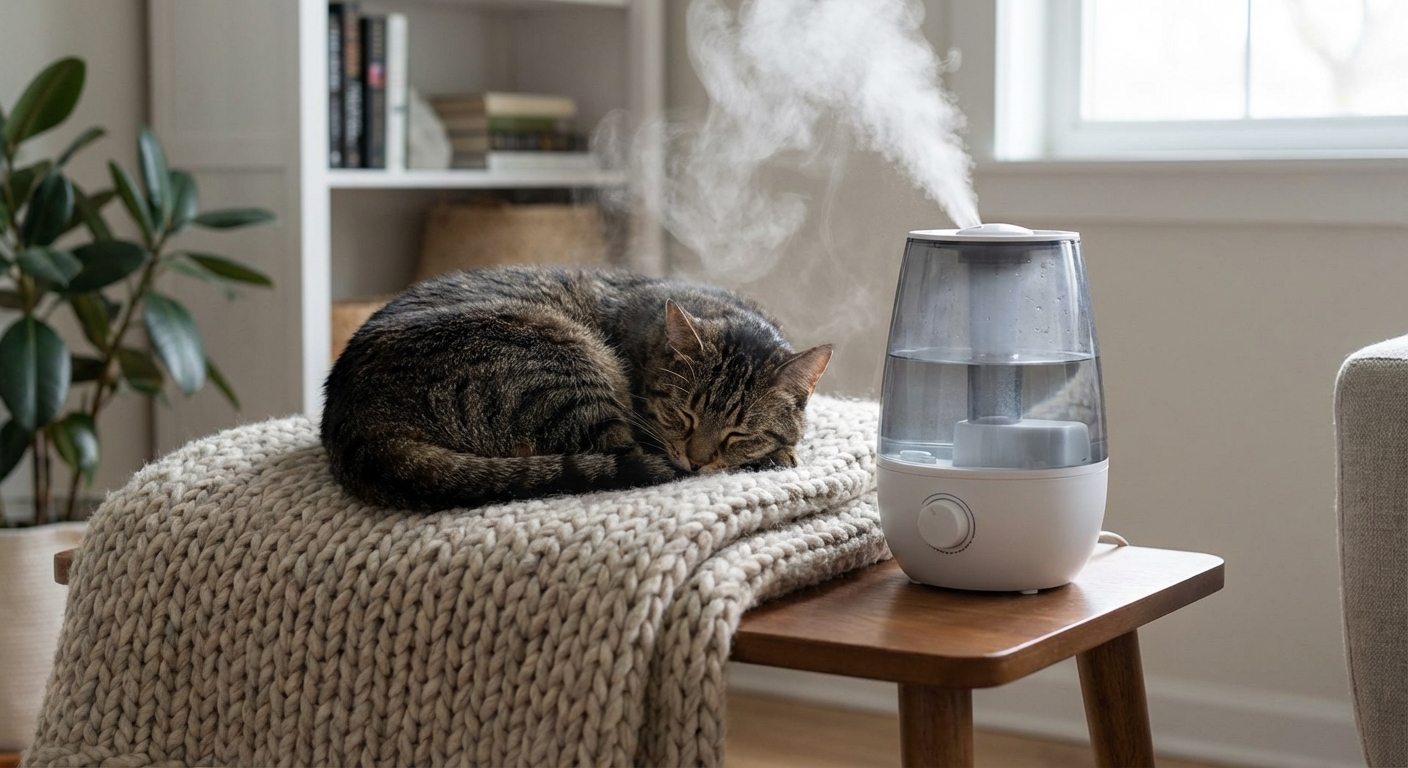
- Run a humidifier in your cat’s favorite room.
- Steam session: sit in the bathroom with a hot shower running for 10 to 15 minutes while your cat stays safely on the floor or in a carrier. Do not place your cat in the shower.
- Gently wipe the nose and eyes with a warm, damp cotton pad.
Encourage eating and drinking
- Offer warmed canned food to boost aroma.
- Try strong-smelling options like canned tuna in water (small amount) or a small amount of low-sodium broth that is onion-free and garlic-free.
- Provide multiple fresh water stations or a fountain.
Reduce triggers
- Switch to an unscented, low-dust litter if needed.
- Avoid aerosols, scented plug-ins, incense, and essential oil diffusers around cats.
- Vacuum and dust regularly, especially near sleeping areas.
Important: Do not give human cold medicines, antihistamines, or essential oils unless your veterinarian specifically prescribes them. Many are unsafe for cats.
How vets diagnose sneezing
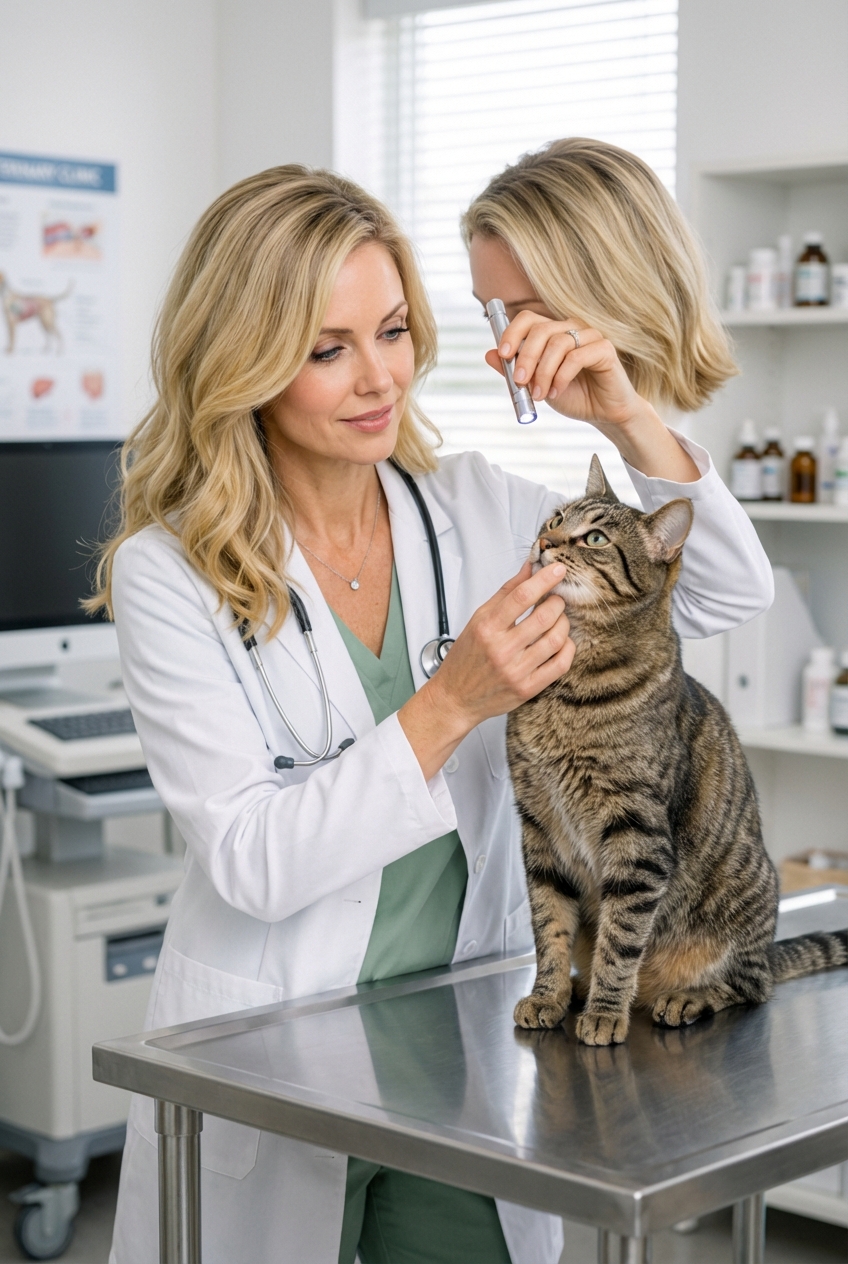
Your veterinarian will usually start with a history and physical exam, then decide what testing makes sense based on severity and duration. Common next steps include:
- Exam of the eyes, nose, mouth, and lymph nodes
- Temperature check and hydration assessment
- Sometimes a respiratory PCR panel (tests for common viruses and bacteria)
- Eye stain if there is squinting or suspected corneal ulcer
- Dental evaluation
- X-rays or advanced imaging for chronic or one-sided cases
Treatment might include supportive care, eye medications, antibiotics if a bacterial infection is suspected, pain control, or other targeted therapies depending on the cause.
Can sneezing be prevented?
You cannot prevent every sneeze, but you can reduce the big risk factors.
- Keep vaccines current. Core vaccines help reduce severity of common viral causes, but they do not always fully prevent infection or shedding.
- Limit exposure to unfamiliar cats when possible, and quarantine new cats before introducing them to a resident cat.
- Lower stress with predictable routines, quiet hiding spots, and gradual introductions.
- Improve air quality with unscented products and good ventilation.
Bottom line
An occasional sneeze is usually just your cat’s way of clearing their nose. But frequent sneezing, thick or colored discharge, eye involvement, one-sided symptoms, or changes in appetite, energy, or breathing are your cue to take it seriously. Trust your instincts. You know your cat’s normal, and when something feels off, it is worth getting guidance from your veterinarian.
If you want, keep a quick symptom log for a day: how often your cat sneezes, what the discharge looks like, appetite, water intake, and energy. That little bit of detail helps your vet make faster, better decisions.