Noticing a tired, withdrawn cat? Learn common causes of feline lethargy—from pain and dehydration to infection, kidney disease, toxins and GI issues—plus...
Article
•
Designer Mixes
Why Is My Cat Sleeping So Much?

Shari Shidate
Designer Mixes contributor
Cats sleep a lot. Sometimes that is totally normal. Other times, it is a clue that something is off. As a veterinary assistant, I like to break this question into two buckets: healthy cat sleep versus lethargy. They can look similar at first glance, but the meaning (and what you should do next) can be very different.
Quick note: This is not a diagnosis. It is a practical guide on what to watch for and when to call your vet.
How much sleep is normal?
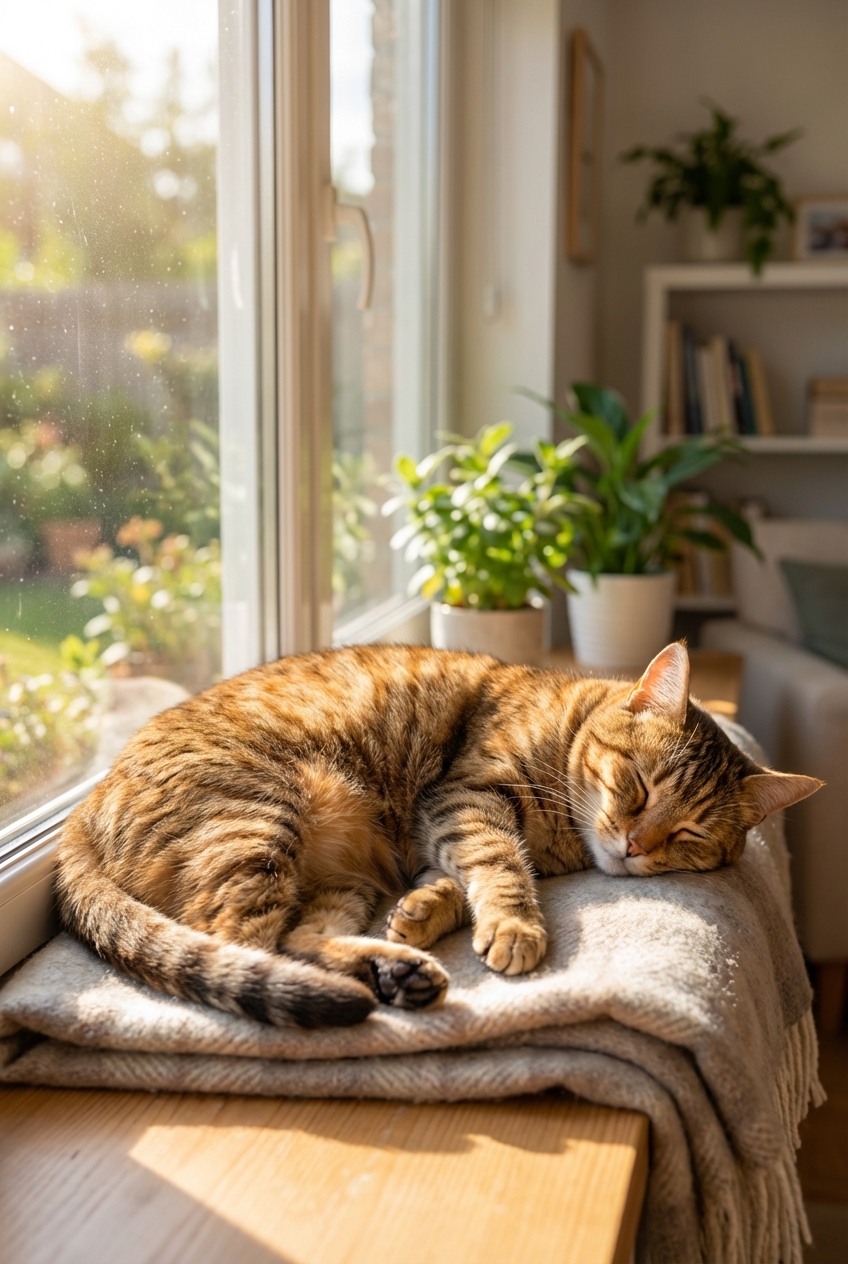
Most healthy adult cats sleep roughly 12 to 16 hours per day. Some cats regularly sleep up to 18 to 20 hours, especially if they are very young, older, highly active when awake, or simply living the comfortable indoor life.
- Kittens often sleep 16 to 20 hours a day because growth and brain development take a lot of energy.
- Senior cats may sleep more due to normal aging, but big increases can also signal pain or illness.
- Indoor cats may sleep more because their days are predictable and stimulation is limited.
What matters most is not the exact number of hours. It is whether your cat’s sleep pattern is consistent for them and whether they seem bright, responsive, and comfortable when awake.
Sleep vs. lethargy
Normal sleep is restorative. Your cat may nap deeply, then wake up to groom, eat, use the litter box, look out the window, and interact in their usual way.
Lethargy is different. It means your cat has low energy and reduced interest in normal activities, even when they are awake. A lethargic cat often seems “not quite themselves.”
Signs it is normal sleep
- Wakes up fairly easily and is alert within a minute or two
- Eating and drinking normally
- Normal litter box habits
- Grooming, stretching, and moving around comfortably
- Interested in favorite things (treats, toys, window time, attention)
Signs it may be lethargy
- Hard to wake, or wakes up but seems dull and “checked out”
- Hiding more than usual
- Not eating, or eating much less than usual
- Less drinking or suddenly drinking a lot more
- Weakness, wobbliness, or reluctance to jump
- Changes in breathing (rapid, open-mouth breathing, or effortful breathing)
- Vomiting, diarrhea, constipation, or straining along with low energy
- Behavior changes such as irritability, yowling, or unusual clinginess
A common worry: the third eyelid
Some cats show a little “third eyelid” (a pale membrane in the inner corner) when they are very relaxed or just waking up. That can be normal. If you are seeing it persistently, or it comes with lethargy, appetite changes, eye discharge, or your cat seems unwell, it is worth calling your vet.
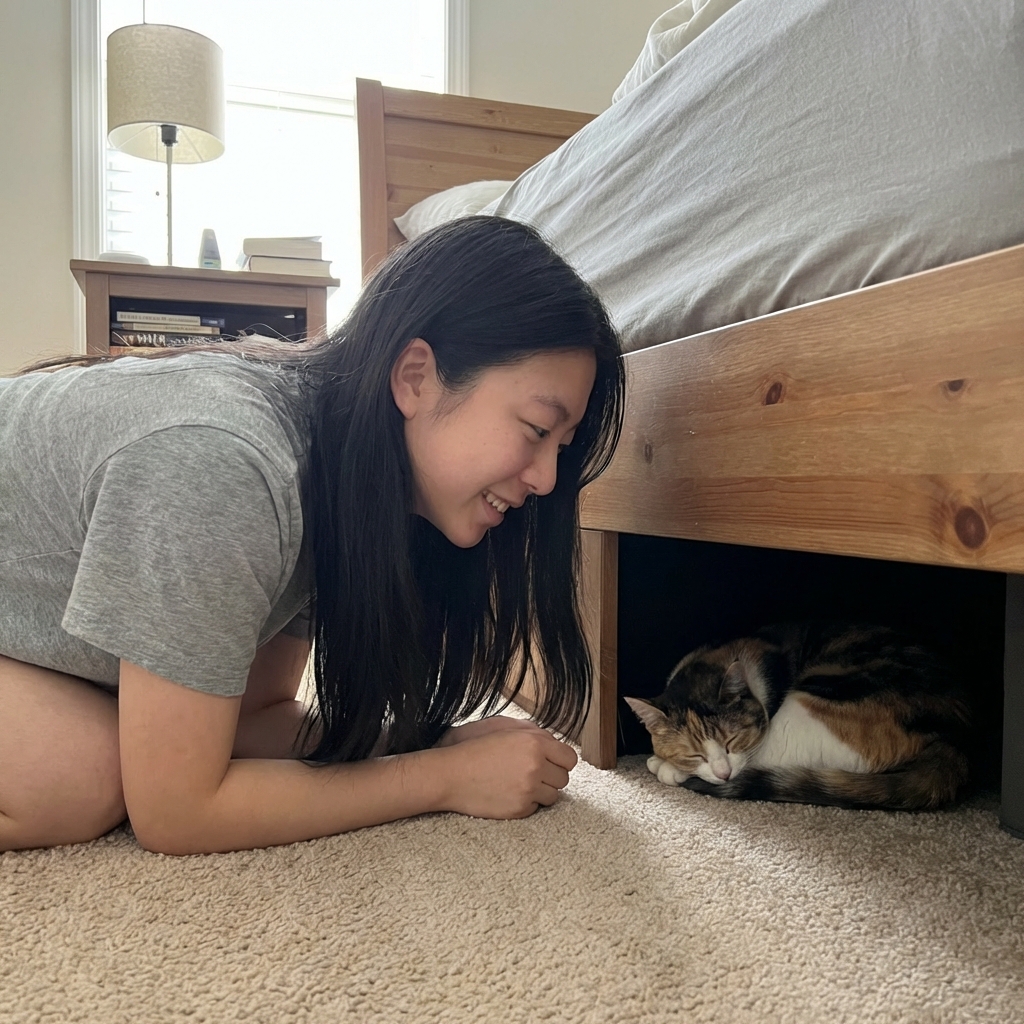
Normal reasons for more sleep
Sometimes extra sleep is simply your cat’s body doing what it is designed to do.
- Weather and seasons: Many cats nap more on cold or rainy days and during low-light months.
- Big days: A new toy, a lot of play, visitors, or a stressful event can lead to a “recovery day.”
- Age: Kittens and seniors have different sleep needs than young adult cats.
- Routine changes: If you changed work schedules, moved, or brought home a new pet, your cat may sleep more while adjusting.
- Boredom: Cats are efficient. If there is nothing to do, they will sleep.
Medical causes to consider
If your cat is sleeping more and acting different, it is worth thinking about health causes. Here are common categories we see in veterinary clinics.
Pain (often hidden)
Cats rarely limp dramatically or cry out. Instead, pain can show up as sleeping more, moving less, avoiding jumps, or grooming less. Arthritis is more common than many owners realize, even in middle-aged cats.
Other subtle pain clues include changes in posture, seeming stiff after rest, avoiding being picked up, or being more sensitive to touch.
Infection or fever
Upper respiratory infections, dental infections, bite wounds, abscesses, and viral illnesses can cause fatigue and extra sleep.
Digestive upset or dehydration
Vomiting, diarrhea, repeated hairball vomiting, frequent unproductive retching, constipation, or not drinking enough can make cats feel wiped out.
Anemia
With anemia, cats often have low energy and may breathe faster. Pale gums can be a clue. Anemia has many causes, and it needs veterinary evaluation.
Kidney disease or diabetes
These are common, especially in older cats. You might notice appetite changes, weight changes, increased thirst, or increased urination along with more sleeping.
Hyperthyroidism (usually the opposite)
Hyperthyroidism is a common thyroid disease in cats, and it typically causes restlessness, increased activity, and increased vocalizing, not extra sleep. In advanced cases, some cats can become weak or seem “crashed,” so it can still be part of the bigger picture. If you are seeing weight loss with a big appetite, a fast heart rate, or nighttime yowling, ask your vet about thyroid testing.
Heart or breathing problems
If your cat is sleeping more and you also notice fast breathing at rest, open-mouth breathing, or they are avoiding activity, that can be urgent.
Toxins and medication side effects
Some human medications and household products are dangerous to cats, and sedation or lethargy can be an early sign. Always keep medications secured and call a veterinarian or pet poison hotline if exposure is possible (for example, ASPCA Animal Poison Control or Pet Poison Helpline, if available in your area).
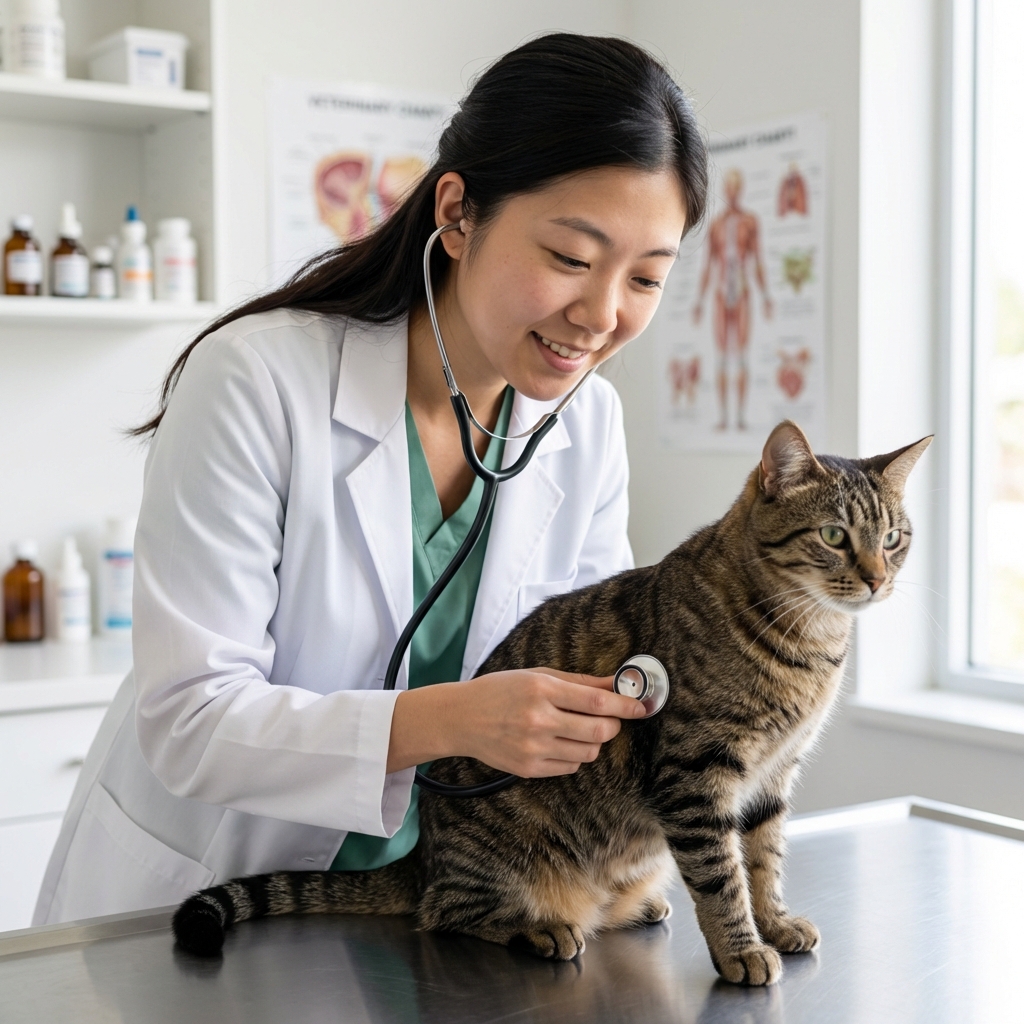
At-home checks
You do not need fancy equipment to gather useful information for your veterinarian. Here are a few calm, simple checks.
1) Appetite and water
- Are they eating notably less than usual (for example, under about 75% of normal) for more than 24 hours?
- Any sudden changes in food preferences, dropping food, or chewing on one side?
- Is the water bowl level dropping like usual, or suddenly much faster?
2) Litter box
- Any diarrhea, straining, or no poop for over 48 hours?
- Any changes in urine amount, frequent trips, or accidents outside the box?
3) Resting breaths
While your cat is asleep or resting quietly, count breaths for 15 seconds and multiply by 4. Many relaxed cats fall in the range of about 15 to 30 breaths per minute. What matters most is what is normal for your cat and whether the number is rising over time.
If your cat is consistently over 30, especially if it is sustained or accompanied by effort (belly pushing, flared nostrils, open-mouth breathing), call your vet.
4) Gums and posture
- Gums should usually look pink, not white or blue-tinged.
- A hunched “meatloaf” posture (tucked paws, tense body) can signal discomfort.
5) Baseline matters
The biggest clue is often this: Is this normal for my cat? If your normally social cat is hiding and sleeping all day, that is worth attention.
When to call the vet
If you are unsure, it is always okay to call your veterinary clinic. You are not bothering anyone. Getting guidance early can prevent bigger problems later.
Monitor for 24 hours if:
- Your cat is sleeping a bit more but is still eating, drinking, and using the litter box normally
- They wake easily, look comfortable, and act mostly like themselves when awake
- There are no breathing changes, vomiting, diarrhea, or urinary concerns
If anything worsens during that window, or your gut says your cat looks unwell, call sooner.
Call your vet within 24 to 48 hours if:
- Your cat is sleeping more plus eating less or acting off
- Lethargy lasts more than a day, even without other major symptoms
- There is vomiting or diarrhea more than once, or any blood
- You see limping, stiffness, or reluctance to jump
- Your cat is older and the change is new
Seek urgent care now if:
- Open-mouth breathing, struggling to breathe, or very fast breathing at rest
- Collapse, severe weakness, or cannot stand
- Repeated vomiting, especially if your cat cannot keep water down
- Not eating and acting unwell, or not eating for a full day even if other signs seem mild (call the same day)
- Possible toxin exposure, lily ingestion, or human medication ingestion
- Male cat straining to urinate, crying in the box, or producing little to no urine
Not eating is especially concerning in cats that are very young, very old, diabetic, or overweight. If that is your cat, do not wait.
Trust your instincts. If your cat looks unwell and “not themselves,” it is safer to get them checked than to wait it out.
Help a bored cat sleep less
If your cat is medically okay and just living the cozy nap life, you can gently shift their day with more enrichment. Think small, consistent changes.
- Two short play sessions daily: 5 to 10 minutes with a wand toy can make a big difference.
- Food puzzles: Use a puzzle feeder or scatter small portions to encourage foraging.
- Vertical space: A cat tree or window perch adds activity without needing more floor space.
- Hunt, catch, eat routine: Play before meals to mimic natural cycles.
- Rotate toys: Put half away and swap weekly to keep interest high.
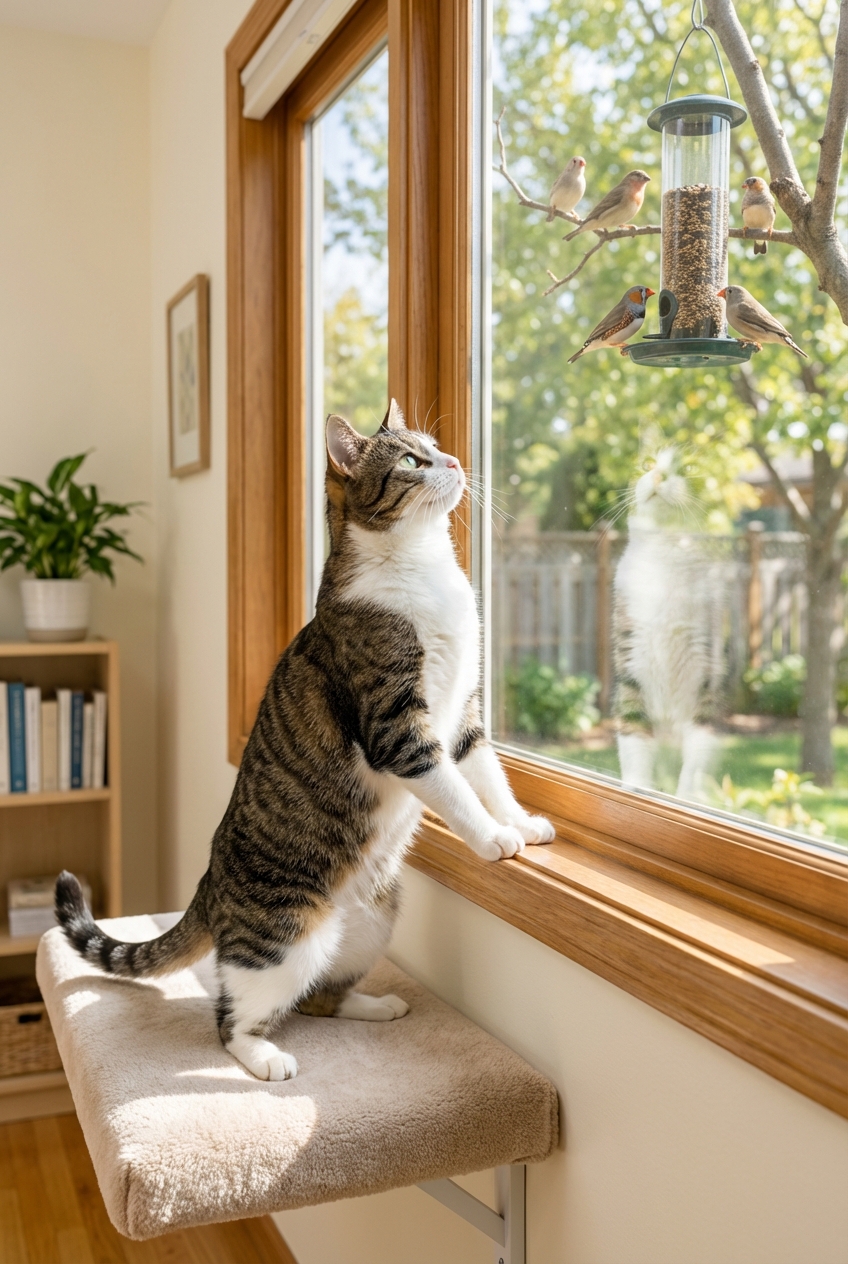
What your vet may do
If you bring your cat in for “sleeping too much,” your veterinarian will usually start with a full exam and targeted questions. Depending on what they find, they may recommend:
- Weight check and body condition scoring
- Oral exam for dental disease or pain
- Temperature and hydration assessment
- Bloodwork and urinalysis (common and very informative)
- Fecal test if parasites or GI issues are suspected
- X-rays or ultrasound if pain, constipation, or internal issues are possible
That sounds like a lot, but the goal is simple: figure out whether your cat is resting normally or conserving energy because something is wrong.
Bottom line
Many cats are champion sleepers, and that can be perfectly normal. The key is looking for changes from your cat’s usual routine and watching for other symptoms like appetite changes, hiding, breathing changes, vomiting, diarrhea, or litter box trouble.
If your gut says, “This isn’t my cat,” you are probably picking up on something real. Reach out to your veterinarian and bring your observations. You are your cat’s best advocate.