Cat overgrooming isn’t “bad behavior.” Learn the top causes—fleas, allergies, parasites, infection, pain or stress—plus quick triage questions, saf...
Article
•
Designer Mixes
Why Is My Cat Pulling Her Hair Out?

Shari Shidate
Designer Mixes contributor
What “hair pulling” usually means
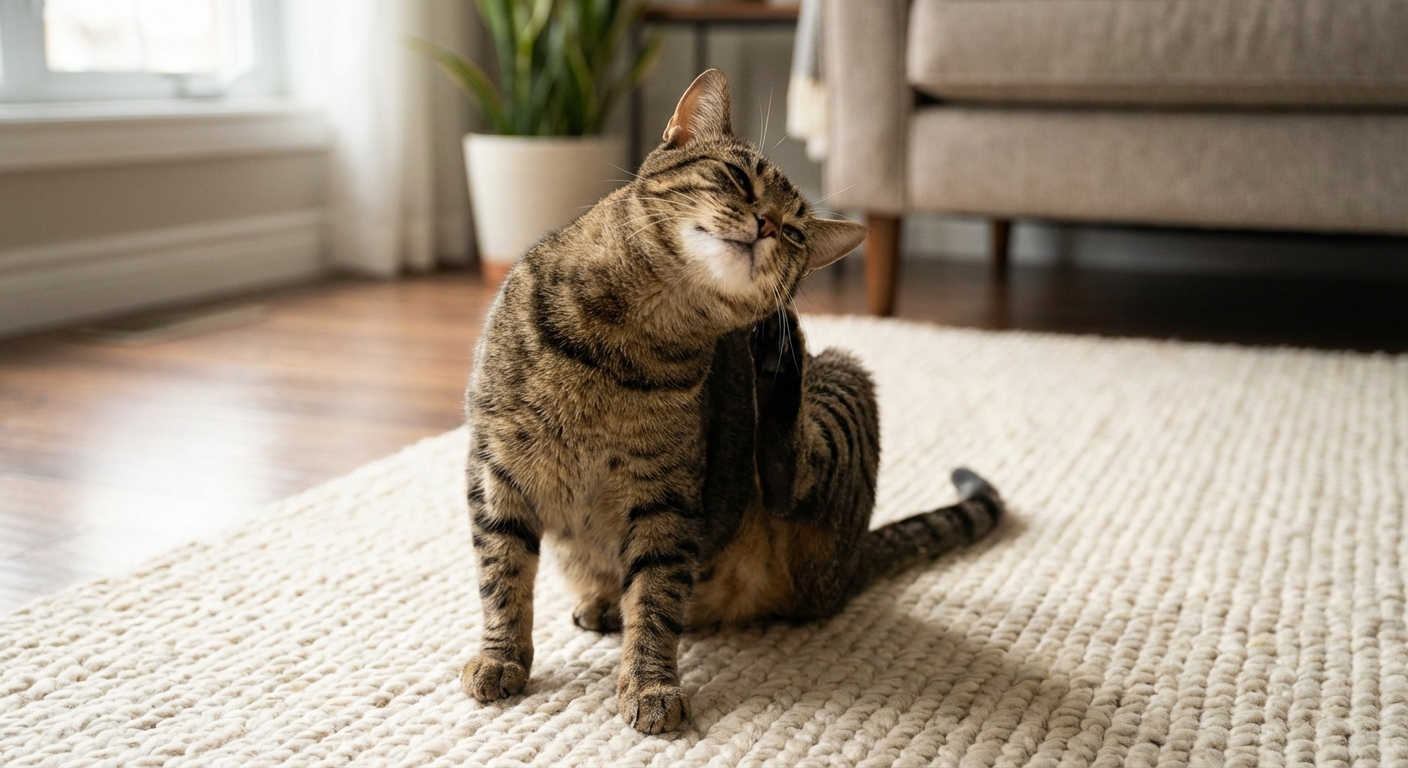
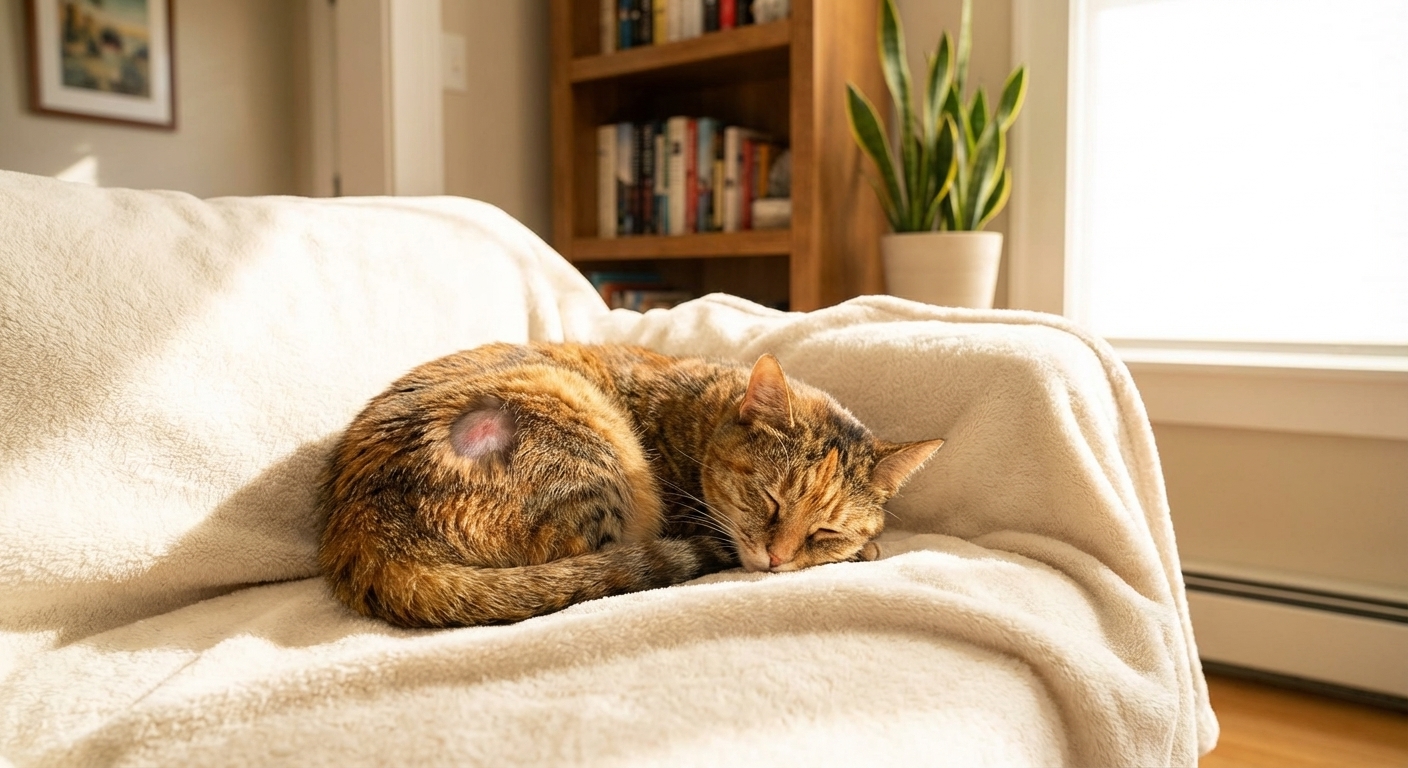
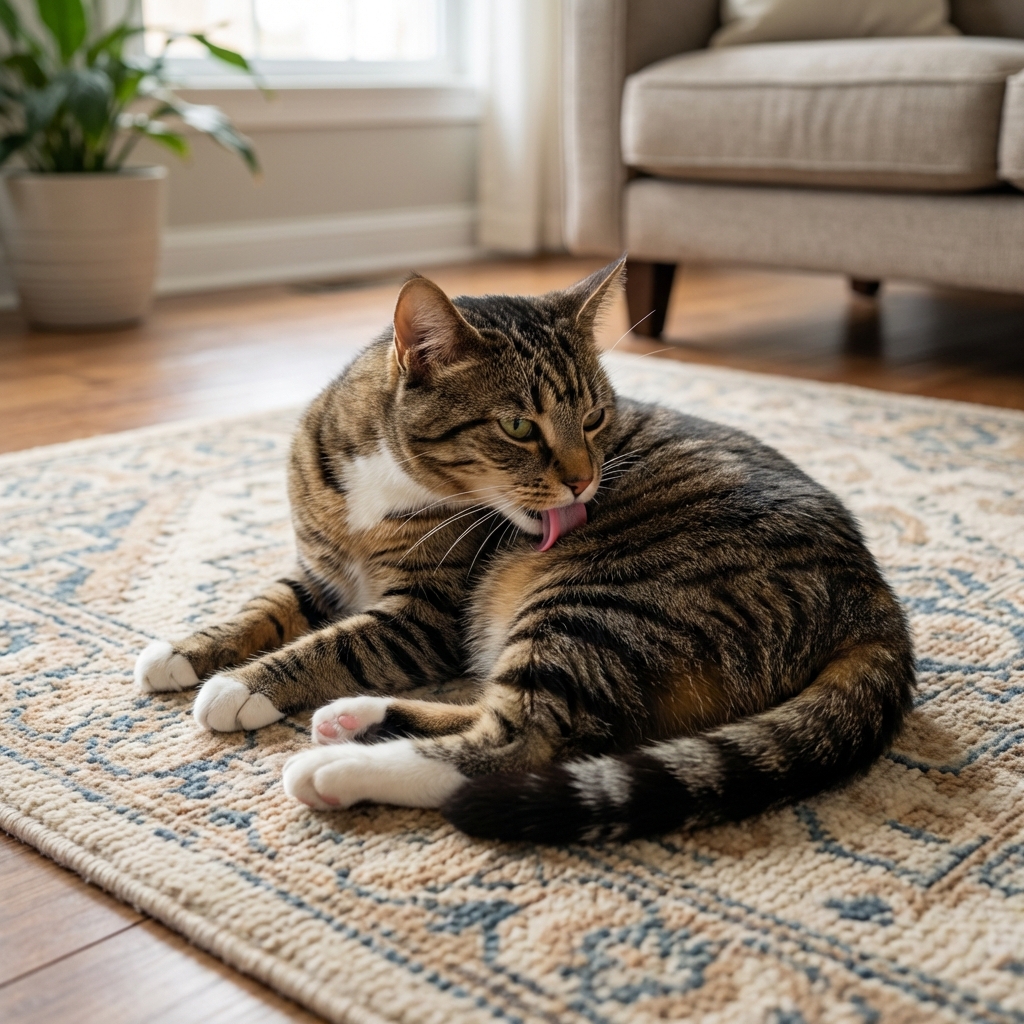
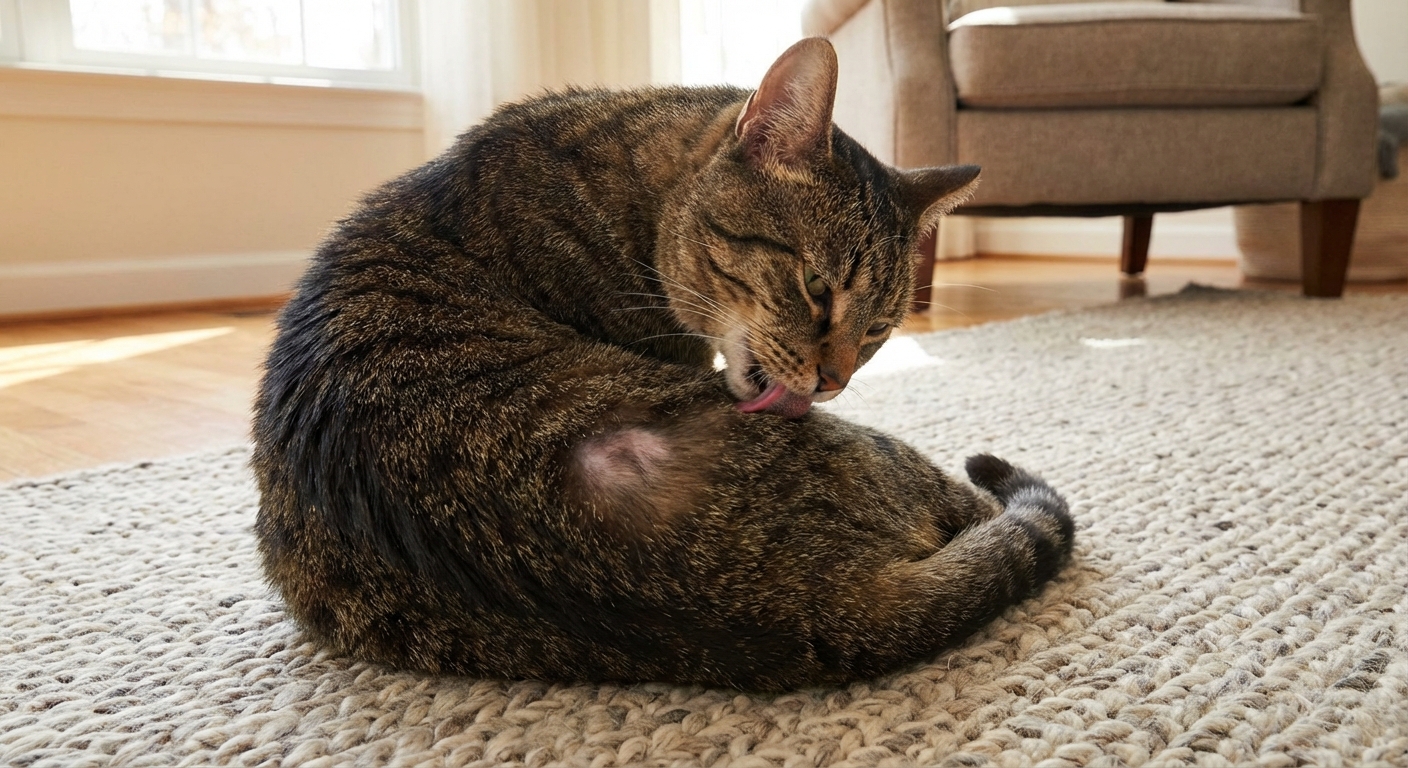
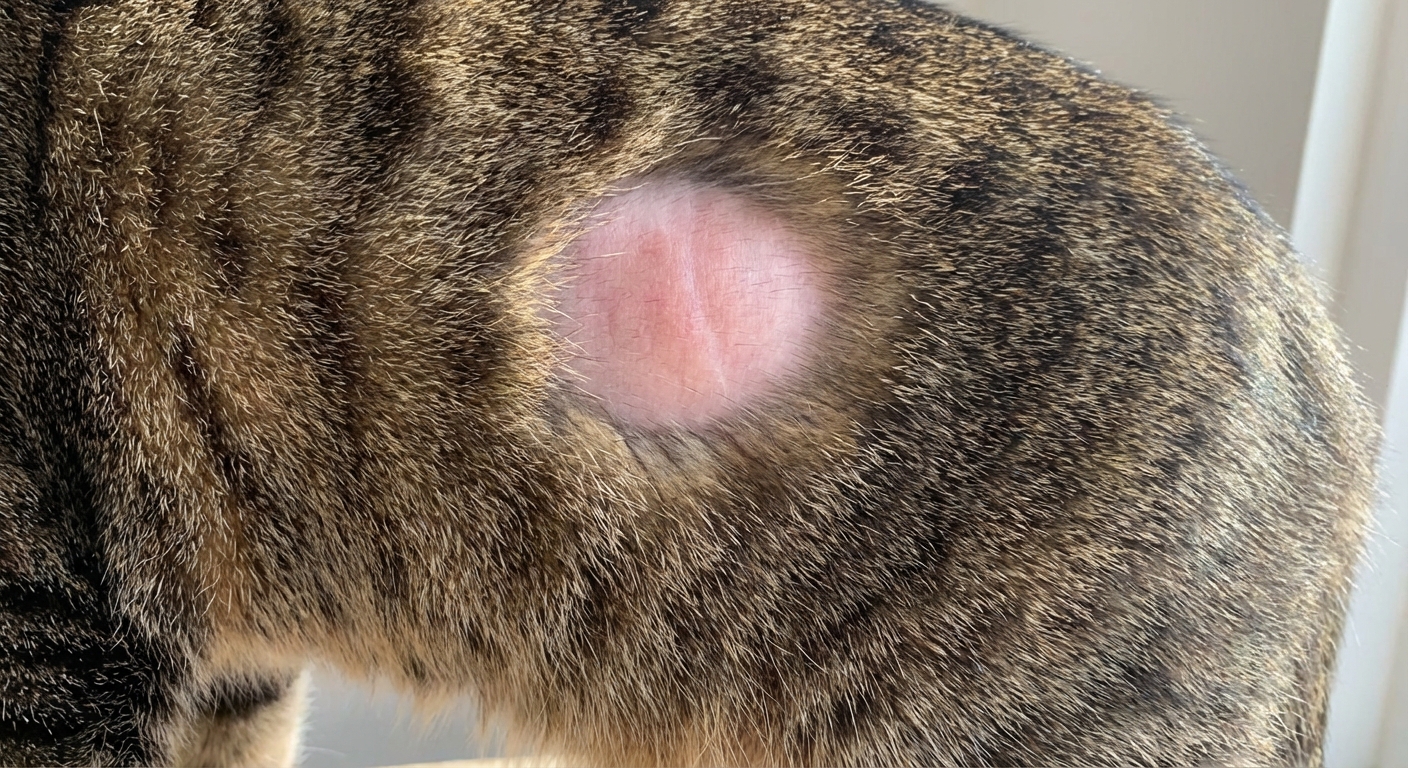
If it looks like your cat is pulling her hair out, what you are usually seeing is overgrooming. Cats have tiny barbs on their tongues that act like a brush, so repeated licking can break hairs and create bald patches surprisingly fast. Some cats also chew or pluck, especially around the belly, inner thighs, back legs, or along the tail.
One more helpful distinction: many cats can remove hair with minimal redness or scabbing, especially early on. The skin may look “normal,” even when the underlying trigger is itch or discomfort.
As a veterinary assistant, I want you to know two things can be true at the same time: this is common, and it can also be a sign that your cat needs help. The good news is that most causes are treatable once you identify the “why.”
Quick note: This article is for education and does not replace a veterinary exam and diagnosis.
When to call the vet today
Schedule a veterinary visit promptly if you notice any of the following. These can suggest infection, parasites, or significant inflammation that needs medical treatment.
- Open sores, scabs, bleeding, or oozing
- Sudden bald patches or rapid worsening over a few days
- Intense itching (scratching, twitching skin, rippling along the back)
- Fleas visible on the coat or “flea dirt” (black specks that turn reddish-brown when wet)
- Red, warm, painful skin or a strong odor from the area
- Ear debris, head shaking, or one ear that seems extra sensitive
- Overgrooming plus vomiting, diarrhea, weight loss, or appetite changes
- Any concern your cat may have gotten into chemicals (cleaners, essential oils, topical products meant for dogs)
- Rapidly expanding lesions or swelling
Common reasons cats overgroom
1) Fleas and other parasites
Fleas are a very common reason cats itch and overgroom. And here is the tricky part: many cats groom so efficiently you never see the fleas. In cats with flea allergy dermatitis, even a small number of bites can trigger big itching.
Other culprits include mites (like Cheyletiella or ear mites), lice (less common), and occasionally ticks depending on your area and lifestyle.
2) Allergies (food, environmental, or flea allergy)
Cats can develop allergic skin disease just like people. Triggers may include pollen, dust mites, molds, certain proteins in food, or flea saliva. Allergy-driven overgrooming often targets the belly, inner thighs, and lower back, but patterns can vary.
Important note: a “grain-free” label does not automatically mean “allergy-friendly.” When true food allergy occurs, it is most commonly related to proteins (such as chicken, beef, or fish) rather than grains. Also, in many cats, flea allergy and environmental allergies are more common than food allergy.
3) Skin infections and inflammation
When skin is irritated, infections can move in. This can happen secondary to allergies, fleas, or self-trauma from scratching and licking. Infected skin may look red, feel greasy, have a smell, or develop scabs.
4) Ringworm (fungal infection)
Ringworm can cause hair loss and broken hairs. Some cats are itchy, some are not. Because ringworm is contagious to other pets and people, it is worth testing rather than guessing.
5) Pain or discomfort
Sometimes licking is a soothing behavior directed at an area that hurts. Cats may overgroom the hips or lower back with arthritis, or focus on the belly/genital region with urinary discomfort. Less commonly, irritation around the rear end (including anal gland area discomfort) can play a role. If your cat is older, less jumpy, or seems sensitive when picked up, pain should be on the list.
6) Stress and anxiety (psychogenic alopecia)
Psychogenic alopecia means hair loss from compulsive overgrooming driven by stress or anxiety. Cats are very sensitive to changes in their environment. Overgrooming can be a stress response, especially after changes like a move, new baby, new pet, schedule changes, outdoor cats at the window, or conflict with another cat in the home. That said, “stress” should be considered after you rule out medical causes, because itching and pain are more common than purely behavioral causes.
7) Contact irritation
New laundry detergent, carpet powders, cleaning sprays, plug-in fragrances, and certain essential oils can irritate feline skin or airways. Cats also groom anything that gets on their coat, so topical exposure matters. Cats can be especially sensitive to certain oil compounds (including phenols and terpenes), and they can get sick from licking residues off their fur.
8) Less common causes
Some medical issues can affect the coat or skin and may be discussed if the more common causes have been ruled out. Endocrine disease is a less common reason for patchy hair loss in cats than in dogs, but conditions like hyperthyroidism can contribute to coat changes. Your veterinarian will guide you on what is worth testing based on your cat’s age, exam, and history.
What you can do at home now
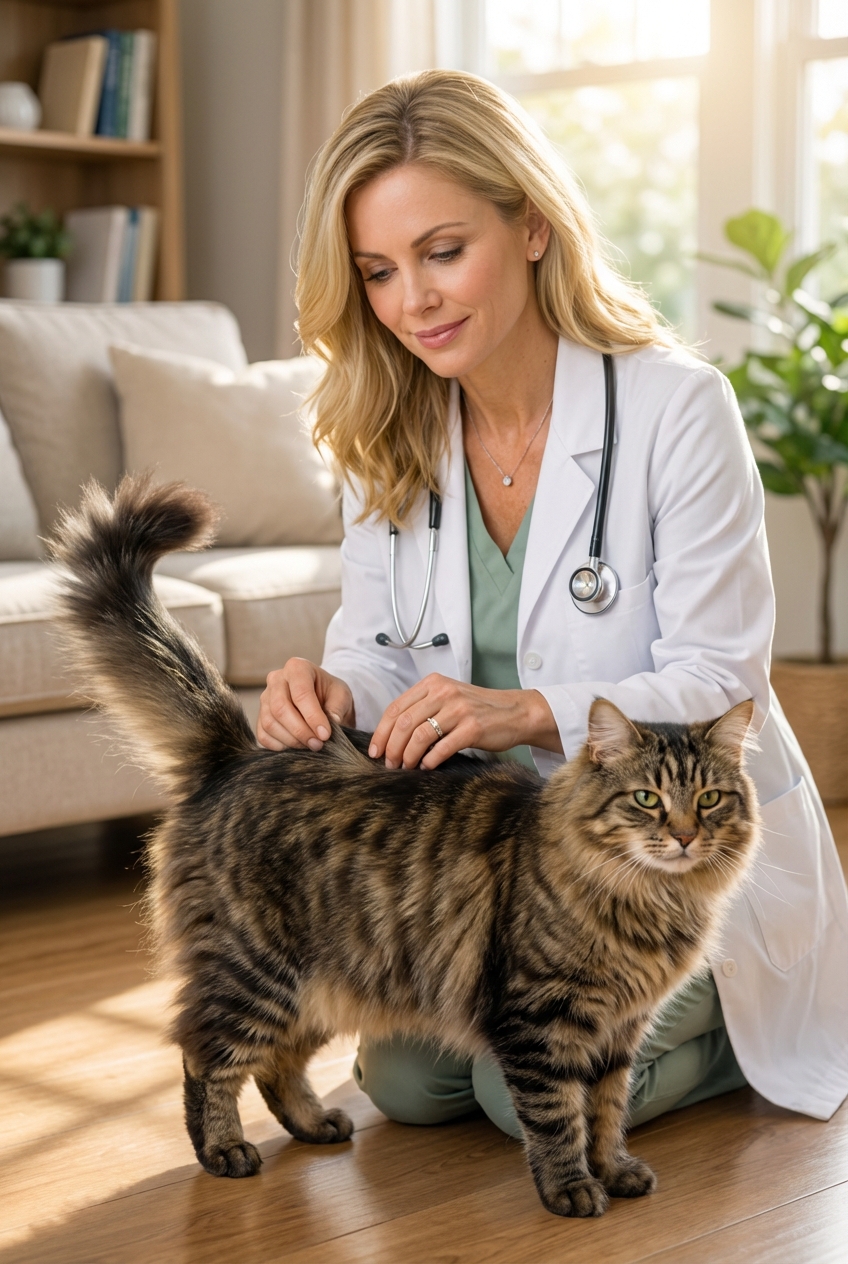
Step 1: Check the skin and map the pattern
- Take clear photos in good light.
- Note where the hair loss is (belly, legs, base of tail, sides, neck).
- Look for redness, scabs, dandruff, black specks, or tiny bumps.
- Write down when it started and anything that changed in the home in the last 4 to 8 weeks.
- Note whether you are seeing broken hairs (stubble) versus smooth hair loss. Both can happen with overgrooming.
Step 2: Skip random creams and oils
Many human products are unsafe if licked, and cats will lick them. Even “natural” products can be toxic to cats. If there are open sores, keep the area clean and prevent licking as best you can until your appointment.
Step 3: Start veterinarian-recommended flea control
If your vet has already recommended a safe, effective flea preventive for your cat, use it exactly as directed. In multi-pet households, all pets generally need coordinated flea control, otherwise the cycle continues.
Safety reminder: Never use dog flea products on cats unless your veterinarian specifically tells you it is cat-safe. Some dog products can be dangerous for cats.
Step 4: Reduce stress in practical ways
- Keep a predictable routine for feeding and play.
- Add a tall cat tree or window perch.
- Provide at least one litter box per cat, plus one extra.
- Create quiet zones so your cat can retreat.
- Use daily interactive play (5 to 10 minutes, 1 to 2 times per day) to help discharge nervous energy.
Step 5: Lick prevention only if safe
If your cat is creating sores, your veterinarian may recommend a recovery collar or e-collar. Use these only if your cat tolerates them and can eat, drink, and move safely. If a collar causes panic, refusal to eat, or unsafe behavior, contact your vet for alternatives.
What your vet may do
Overgrooming can look the same on the surface, even when the cause is completely different underneath. A veterinary exam helps you avoid the frustrating cycle of trying products that do not match the real problem.
Common diagnostics
- Flea combing and skin exam
- Skin cytology (checking for bacteria or yeast)
- Skin scraping (looking for mites)
- Fungal testing for ringworm
- Allergy plan including strict flea prevention, diet trial, or referral for advanced allergy testing
- Pain assessment and sometimes radiographs if arthritis is suspected
Possible treatments
- Prescription flea and parasite control
- Medications to calm inflammation and itch
- Antibiotics or antifungals when infection is confirmed
- Diet trial with a veterinary-guided novel protein or hydrolyzed diet
- Environmental adjustments and behavior support if anxiety is part of the picture
Nutrition and coat support
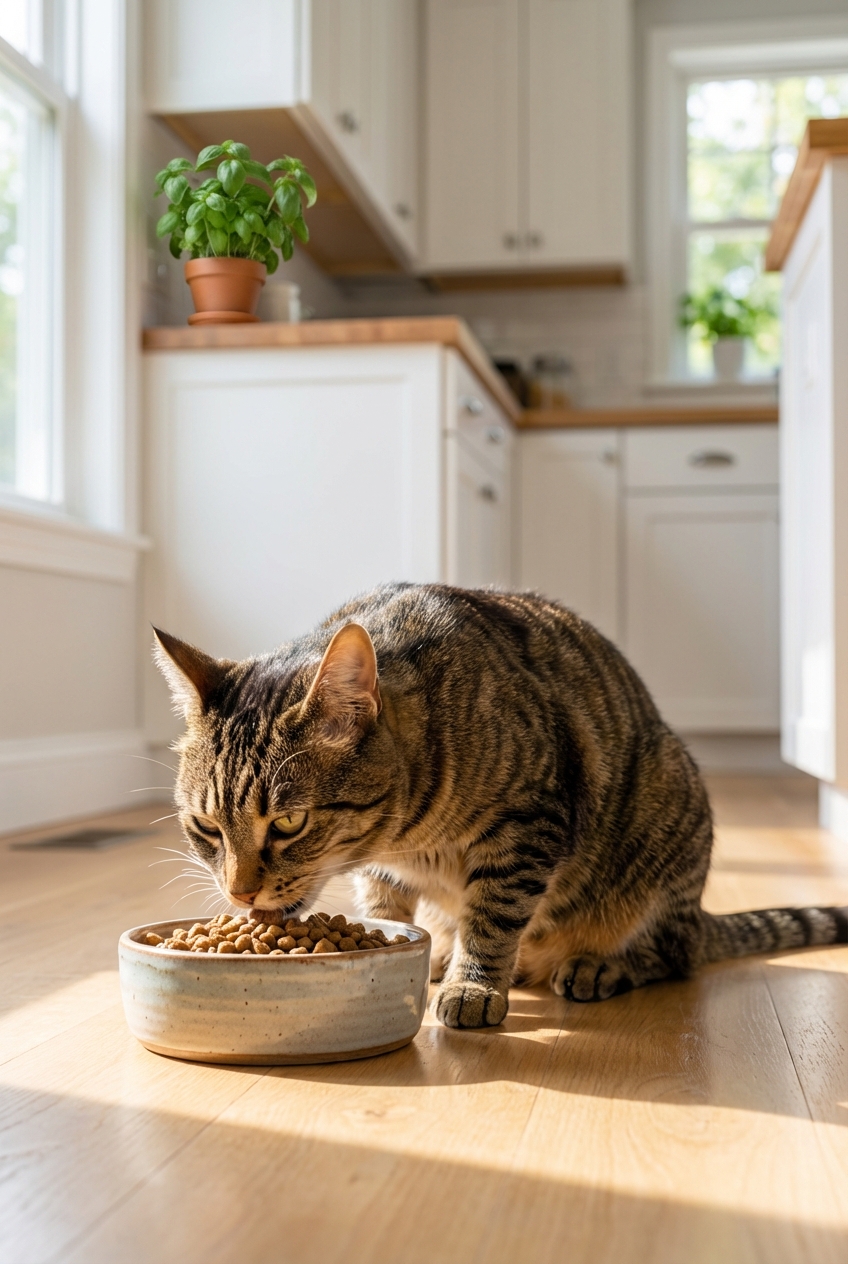
Food alone will not fix fleas, mites, or ringworm. But nutrition can support skin barrier health and reduce inflammation when paired with the right medical plan.
- Prioritize complete and balanced diets that meet AAFCO or equivalent standards for your cat’s life stage.
- Ask your vet about omega-3 fatty acids (EPA and DHA). These can support skin health, but dosing matters in cats.
- If a food allergy is suspected, commit to a strict diet trial. This means no flavored treats, no table scraps, no “just a bite,” for the full trial period your vet recommends, often 8 to 12 weeks.
- Support hydration with wet food or adding water to meals if appropriate for your cat.
Preventing flare-ups
- Keep flea prevention consistent, even if your cat is indoors. Fleas can ride in on people, dogs, or visiting pets.
- Groom gently with a soft brush to reduce loose hair and help you spot skin changes early.
- Reduce conflict in multi-cat homes with multiple resources: bowls, water, litter boxes, resting spots.
- Schedule checkups for chronic issues like allergies or arthritis so you can adjust the plan before your cat gets miserable.
If you are feeling worried, you are not alone. Hair loss looks dramatic, but with the right detective work, most cats can get comfortable again and regrow their coat.
FAQ
Is it normal for cats to overgroom?
Occasional grooming is normal. Bald patches, broken hair, frequent licking sessions, or skin irritation are signs something is off, most often itch, parasites, or allergies.
Why is my cat pulling hair out on her belly?
Belly overgrooming is commonly linked to allergies, fleas, or stress. It can also be associated with discomfort in the belly or urinary tract. A vet exam helps narrow this down.
Will the hair grow back?
In many cases, yes, once the underlying cause is treated and the licking stops. Regrowth can take several weeks, and longer if there has been ongoing inflammation or infection.
A gentle next step
If your cat is pulling her hair out, take a few photos today, start a simple log of symptoms, and schedule a veterinary visit. Bring any flea preventives you have used and note the dates. That little bit of prep can save you time, money, and a lot of guesswork.