If your cat is pooping outside the litter box, it may signal pain, GI upset, stress, or a box setup problem. Learn vet warning signs, likely causes, and prac...
Article
•
Designer Mixes
Why Is My Cat Pooping Outside the Litter Box?

Shari Shidate
Designer Mixes contributor
If you are finding poop outside the litter box, you are not dealing with a “bad cat.” In my experience as a veterinary assistant, this is very often a clue that something is off: health, stress, the litter setup, or all of the above. The good news is that most cases improve a lot once you identify the real trigger and make a few targeted changes.
Quick note: This article is about poop outside the box. If the problem is urination outside the box, especially in male cats, that can be a different issue with different urgency (for example, urinary blockage), so call your vet for guidance.
First: When to call the vet today
Pooping outside the box can be behavioral, but it can also be medical. Please call your veterinarian promptly if you notice any of the following:
- Blood in or on the stool
- Diarrhea that lasts more than 24 hours, or repeated accidents with loose stool (call sooner for kittens, seniors, or if there is blood, lethargy, dehydration, or frequent episodes)
- Straining, crying, or frequent trips that produce little to no stool
- Vomiting, lethargy, fever, hiding, or loss of appetite
- Weight loss or increased thirst
- A kitten, senior cat, or a cat with chronic disease (kidney disease, diabetes, IBD)
If your cat is trying to poop but cannot, that can be constipation or an obstruction, and it is an urgent situation.
Why cats poop outside the litter box
1) The litter box hurts to use
Cats are excellent at making associations. If using the box was painful once, they may avoid it the next time.
- Constipation or hard stool can make the box feel like the “pain place.”
- Arthritis can make climbing into a high-sided box uncomfortable.
- Rectal pain, inflamed bowels, or (less commonly) anal sac irritation can also change where a cat chooses to go.
Your vet may recommend an exam, a stool test for parasites, diet changes, probiotics, hydration strategies, or imaging depending on your cat’s history.
2) Diarrhea or urgency
If stool is loose or your cat cannot “hold it,” they may not make it to the box in time. In these cases, accidents often happen near the box or along the path to it.
Common causes include intestinal parasites, sudden diet changes, food intolerance, inflammatory bowel disease, stress colitis, and some medications. A fecal test is often a smart first step.
3) The box is not meeting your cat’s preferences
Even sweet, easygoing cats can be surprisingly specific about bathroom conditions.
- Too dirty: many cats will avoid a box that has noticeable odor or stool.
- Wrong litter texture or scent: heavily fragranced or harsh-feeling litter can be a dealbreaker.
- Box too small: your cat should be able to turn around comfortably without touching the sides (a helpful rule is about 1.5 times your cat’s body length, nose to base of tail).
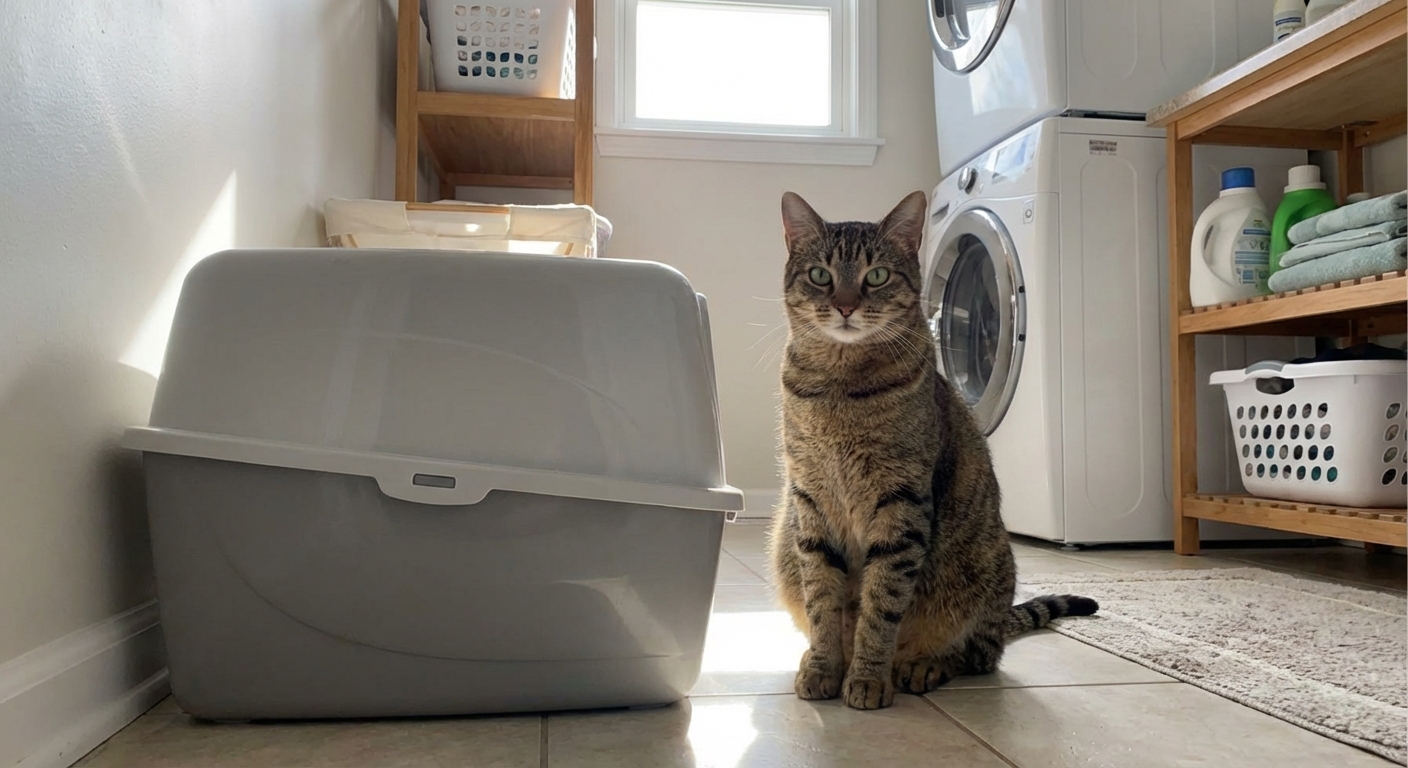
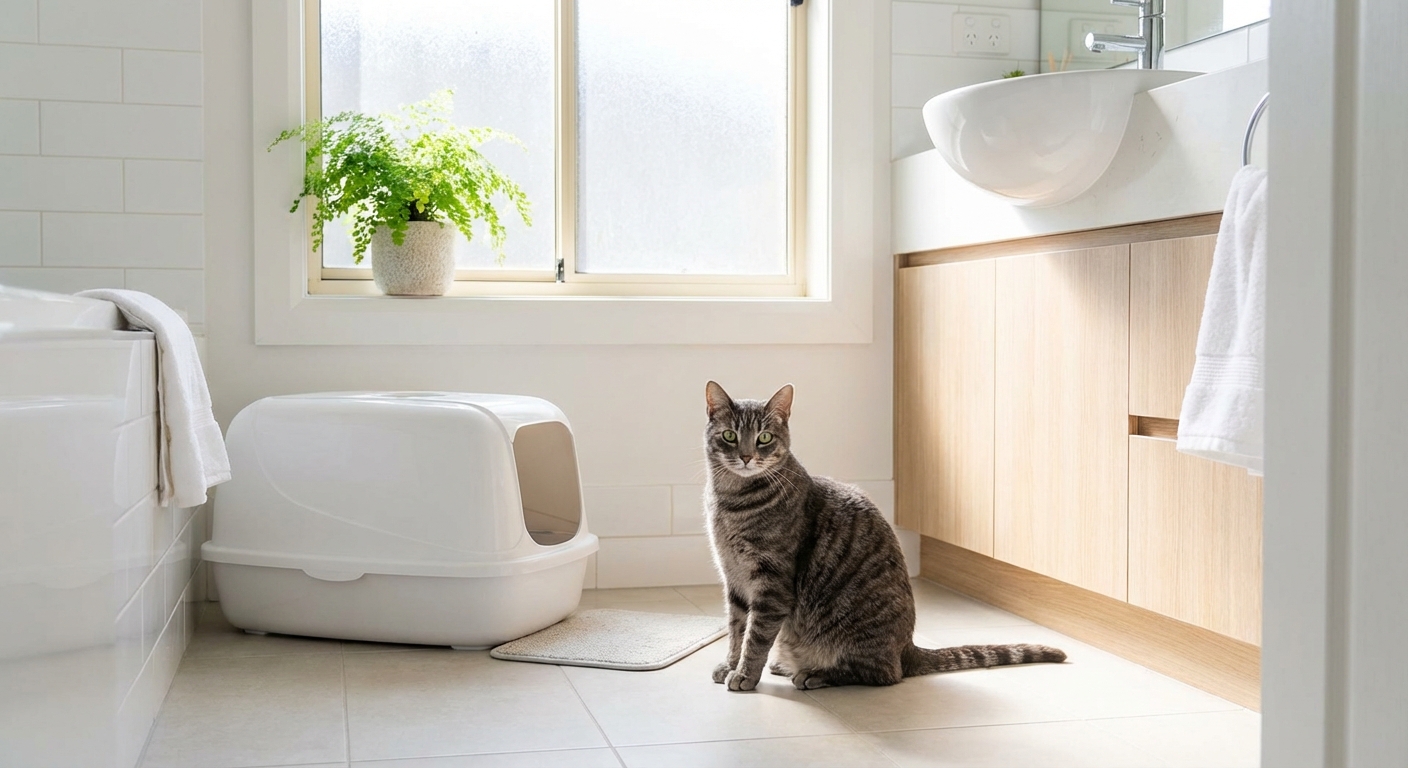
- Covered boxes: some cats hate them because odors build up and they feel trapped.
- Location problems: noisy laundry rooms, areas near barking dogs, or high-traffic hallways can create anxiety.
4) Stress, conflict, or changes at home
Stress is a very real medical and behavioral factor for cats. New pets, a new baby, moving, construction noise, schedule changes, or even tension between cats can lead to litter box issues.
In multi-cat homes, accidents may show up in more prominent areas like near a doorway, the couch, or a hallway. This is often tied to stress or conflict rather than “revenge” or intentional messaging.
5) Not enough boxes, or access is blocked
The standard guideline is one box per cat, plus one extra. If a cat is being guarded or chased away from the box, they may choose a safer location.
Step-by-step help you can start today
Step 1: Do a quick “poop detective” check
- Where is the poop happening: right next to the box, in another room, on carpet, or on hard floors?
- What does the stool look like: normal log, hard pebbles, soft-serve, watery, or mucus?
- When did it start: after a move, new litter, new food, new pet, new medication?
- Who is doing it in multi-cat homes: if unsure, separate cats temporarily or use a camera.
This information is incredibly helpful for your veterinarian and will also guide your home changes.
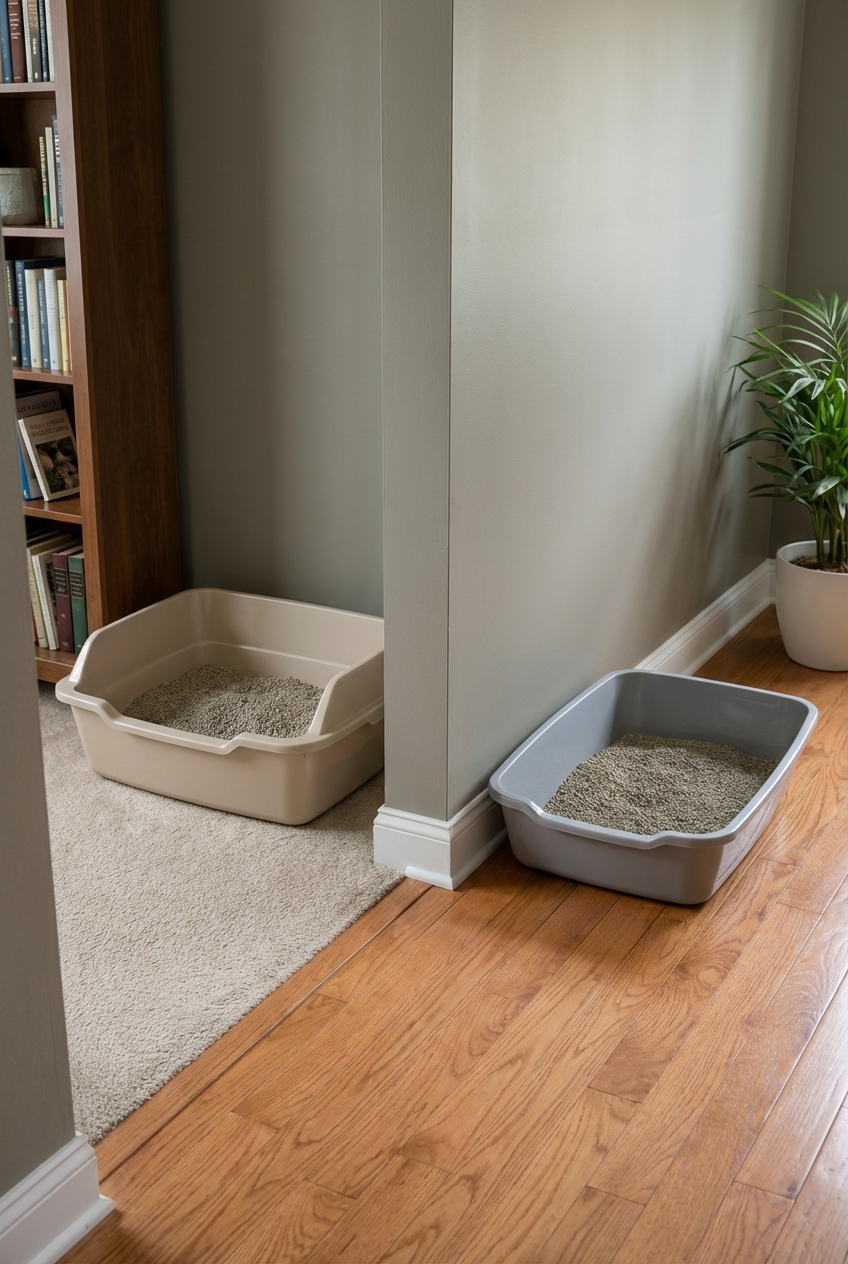
Step 2: Make the litter box setup irresistible
- Scoop 1 to 2 times daily.
- Deep clean as needed, often every 1 to 4 weeks depending on how many cats use the box and how well it clumps. Use mild soap and water, rinse well, and avoid strong-smelling cleaners.
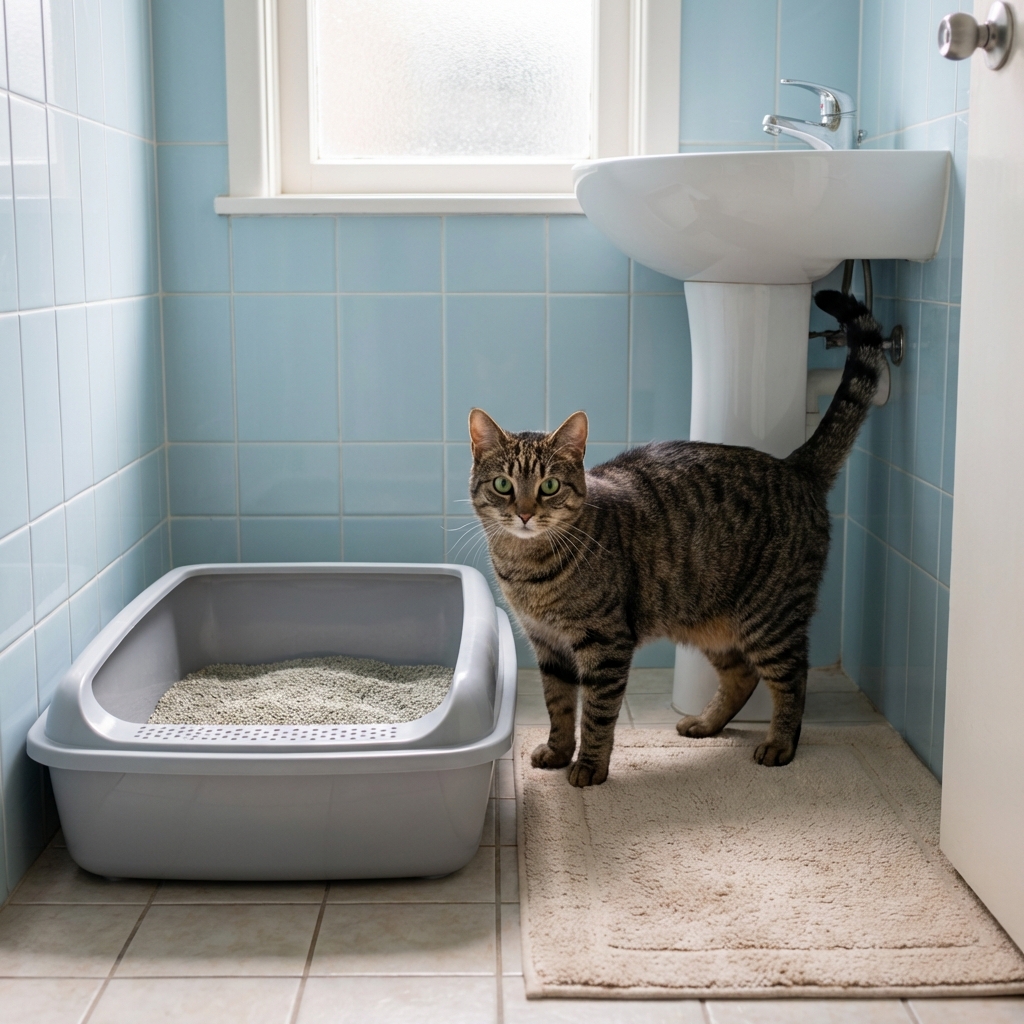
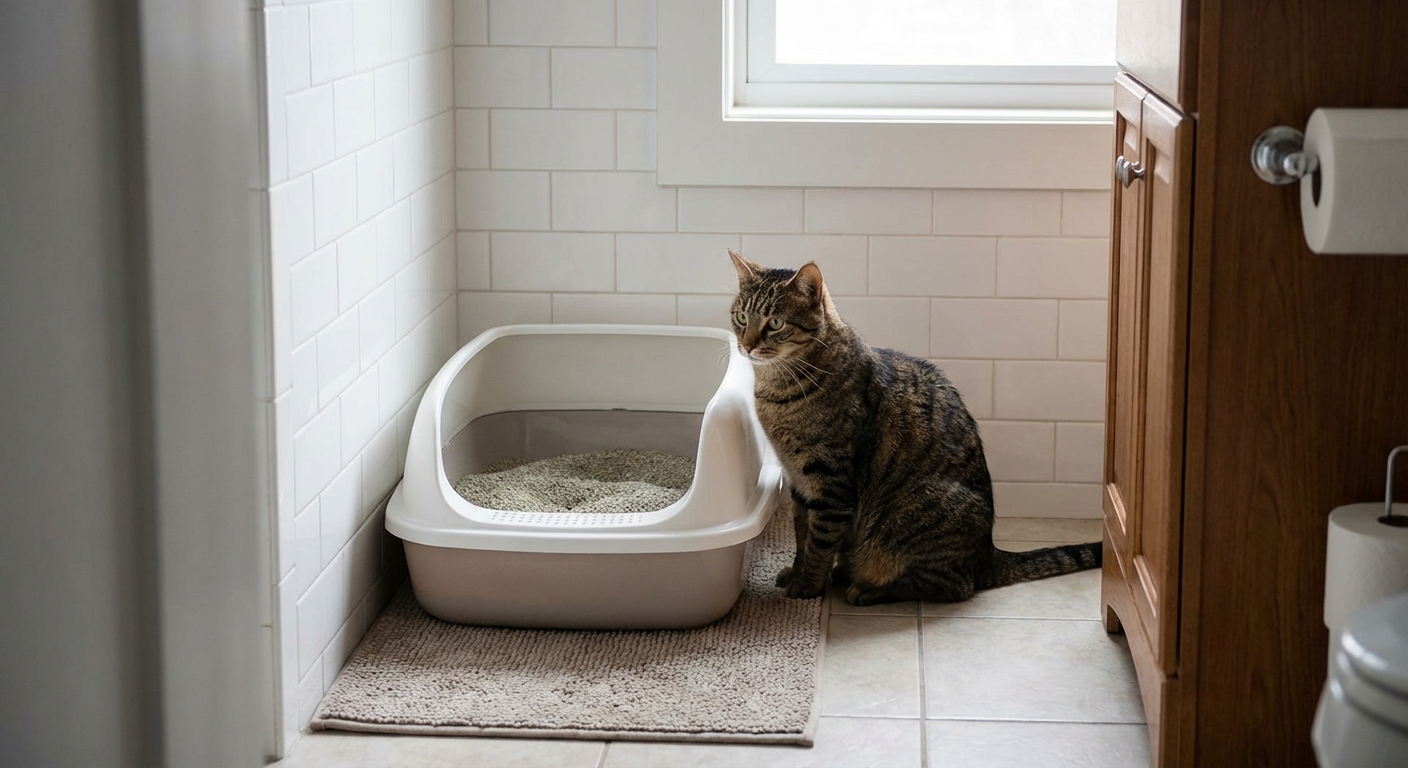
- Try an uncovered, large box with low entry for seniors or cats with joint pain.
- Use unscented clumping litter and avoid frequent brand switches.
- Litter depth: many cats do well with about 2 to 3 inches of litter, but if your cat has a clear preference, follow it.
- Add a second box in a different quiet location, especially in multi-story homes.
- Keep boxes away from food and water and away from loud appliances.
If you need to change litter, do it gradually by mixing the new litter in over 7 to 10 days.
Step 3: Reduce stress and improve “bathroom safety”
- Give each cat their own resources: separate feeding stations, water, beds, and scratching areas.
- Add enrichment: daily play, window perches, puzzle feeders, and predictable routines.
- Consider a feline pheromone diffuser in the main area and near the litter zone.
- Prevent ambush points: place boxes where a cat has more than one way to exit.
For some senior cats, sudden changes in bathroom habits can also be influenced by mobility changes and, occasionally, cognitive dysfunction. That is another good reason to loop in your veterinarian if the change is new.
Step 4: Clean the accident spots the right way
Use an enzymatic cleaner designed for pet waste and follow the label directions. Regular cleaners can leave scent traces that invite repeat accidents.
Avoid ammonia-based cleaners, which can smell similar to waste and make repeat accidents more likely.
If the poop is on carpet and your cat keeps returning, temporarily block access or place a litter box nearby as a retraining step.
Step 5: Reinforce success and skip punishment
Never punish a cat for accidents. Punishment increases fear and can make litter box avoidance worse. Instead:
- Quietly clean the area.
- Make the box easier and more appealing to use.
- Reward calm behavior near the box and keep routines steady.
Step 6: What not to do
- Do not rub your cat’s nose in it or force them into the box.
- Do not keep relocating boxes repeatedly. If you must move one, do it gradually when possible.
- Do not “fix” it by using strong scents or harsh disinfectants in or near the box.
Common health causes your vet may check
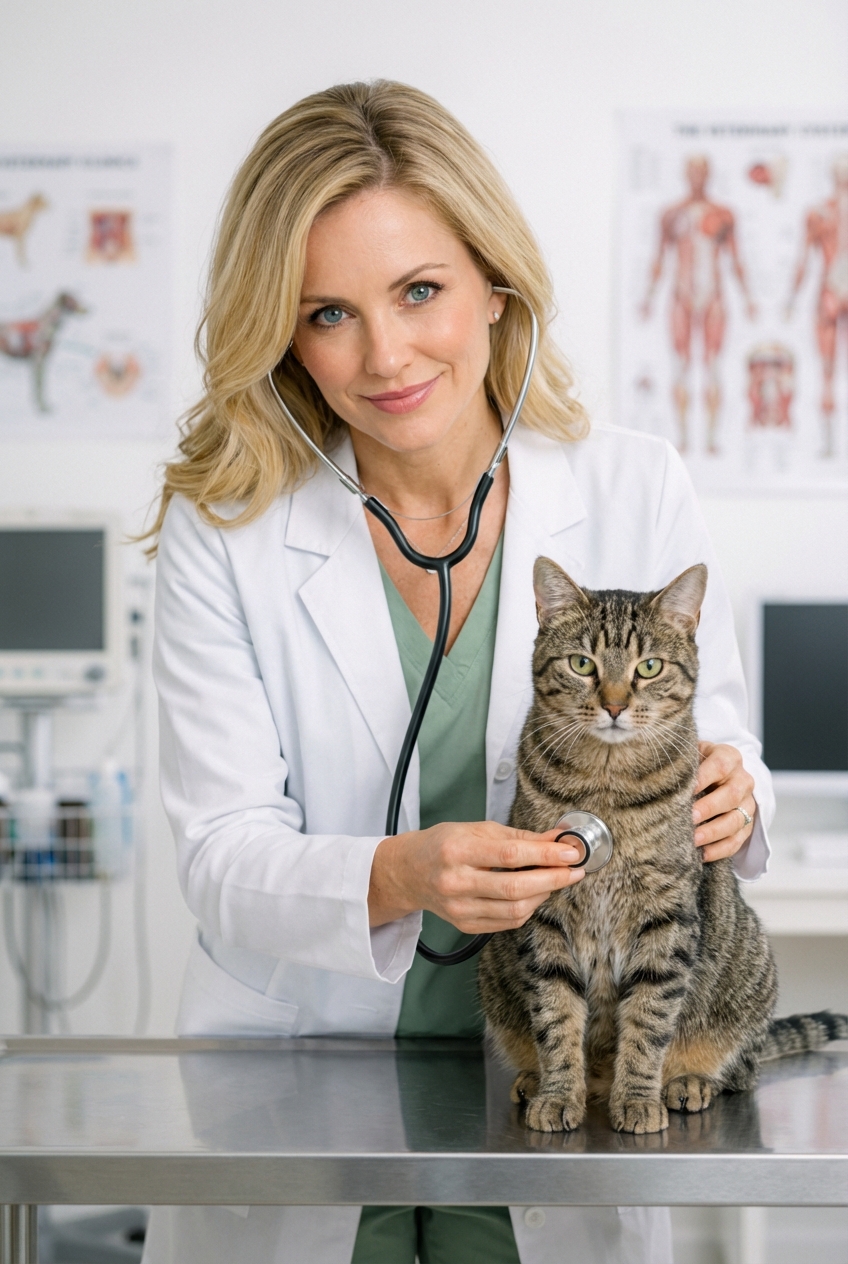
There is overlap with the causes above, but this is the short list many vets are thinking about. Your veterinarian will usually start with a history, physical exam, and often a stool sample. Depending on what they find, they may discuss:
- Parasites (especially in kittens or newly adopted cats)
- Diet intolerance or sudden diet change
- Inflammatory bowel disease or chronic colitis
- Constipation and dehydration
- Arthritis or mobility pain
- Anal sac issues (less common in cats than dogs, but possible)
- Stress-related GI upset
Stool sample tip: If your clinic requests a sample, collect a fresh one when possible. If you cannot bring it right away, place it in a clean container or bag and refrigerate it until your appointment (do not freeze unless your vet specifically tells you to).
If constipation is part of the picture, your vet may suggest practical strategies like increasing moisture (more wet food, a water fountain) and, in some cases, vet-recommended stool softeners or laxatives. Do not start human medications without instructions.
If you can, bring a photo of the stool and a timeline of when accidents occur. It saves time and helps your vet narrow down the cause faster.
Quick troubleshooting
Poop is right next to the box
- Often points to box aversion, a dirty box, painful elimination, or a box that is hard to enter.
- Try a larger uncovered box, scoop more, and schedule a vet visit if stool is hard, bloody, or your cat strains.
Poop is in hidden spots (closets, behind furniture)
- Often points to stress, fear, or being blocked from access by another pet.
- Add boxes in safe locations and reduce conflict with separate resources.
Poop is on soft surfaces (carpet, bath mat)
- Some cats seek soft surfaces if they have discomfort, or if litter texture is unpleasant.
- Switch to a softer, unscented litter and consider a vet check for constipation or GI pain.
New kitten or newly adopted cat
- Parasites, stress, and unfamiliar litter are common.
- Keep them in a smaller “safe room” with a simple box setup and schedule a fecal test.
A simple action plan
If you are overwhelmed, start here:
- Today: add one extra box, scoop, switch to unscented litter if needed, and clean with enzyme cleaner.
- This week: watch stool consistency, reduce stress, and prevent access issues.
- Within 1 to 3 days if not improving, or immediately if red flags: call your veterinarian and bring a stool sample if requested.
You do not have to figure this out alone. Litter box problems are a very common reason cats are seen by veterinarians, and there are evidence-based solutions that truly work.
Frequently asked questions
Should I add another litter box even if I only have one cat?
Yes, it can help a lot, especially in multi-level homes or if one location is occasionally noisy or busy.
Is it okay to move the litter box?
Yes, but do it gradually when possible. If you need to move it immediately, add a second box in the new spot first, then remove the old one after your cat is reliably using the new location.
Could this be spite?
Cats do not poop outside the box to punish you. They are communicating a problem: discomfort, fear, preference, access, or stress.