Poop outside the litter box is usually a clue—not a “bad cat.” Learn medical red flags, common causes (pain, diarrhea, stress, box setup), and practica...
Article
•
Designer Mixes
Why Is My Cat Pooping on the Floor?

Shari Shidate
Designer Mixes contributor
If you are finding poop on the floor, you are not dealing with a “bad cat.” In my experience as a veterinary assistant, this is most commonly a clue that something is off: a medical issue, a litter box setup problem, stress in the home, or a behavior pattern that accidentally got reinforced.
What I mean by “reinforced” is usually simple: the cat uses the same spot, it gets cleaned up, and nothing about the setup changes. Over time, that spot starts to feel like an accepted bathroom location.
The good news is that most cases improve a lot once you figure out the why and make a few targeted changes. Let’s walk through it in a clear, practical way.
What defecating outside the box can mean
Inappropriate defecation can show up in a few patterns, and the pattern matters:
- Poop is right next to the litter box: often a preference or aversion issue (box is dirty, painful to step into, bad location, litter texture, box is too small).
- Poop is in a consistent spot far away: often stress, avoidance, or choosing a location that feels safer. In some cases, it can be related to territorial tension, but true “marking with stool” is much less common than urine marking.
- Poop is loose or there is urgency: think medical or diet issue first.
- Poop is normal, but accidents continue: commonly setup, stress, mobility, or a learned habit.
Rule out medical causes first
If this behavior is new, sudden, or paired with any other change, I strongly recommend a vet visit before assuming it is behavioral. Cats are masters at hiding discomfort, and litter box avoidance can be their first obvious “symptom.”
Common medical reasons
- Constipation: Hard stools can make the litter box feel painful. Some cats start avoiding the box because they associate it with discomfort.
- Diarrhea or soft stool: When urgency hits, they may not make it in time, or they may avoid the box if they associate it with stomach upset.
- Arthritis or mobility pain: Older cats may struggle with high-sided boxes, stairs to the box, or slippery floors near the box.
- Parasites: Especially in kittens, newly adopted cats, cats with flea exposure, hunting access (rodents), raw diets, or any new exposure. Parasites can cause GI upset.
- Inflammatory bowel disease (IBD) or food sensitivity: Can cause chronic soft stool, straining, mucus, or frequent trips.
- Anal gland issues or rectal pain: Less common in cats than dogs, but discomfort around defecation can lead to avoidance.
- Cognitive changes in senior cats: Some older cats get confused, anxious, or less able to navigate to their usual box.
Red flags
- Blood in stool or black, tarry stool
- Repeated straining with little to no stool
- Vomiting, lethargy, not eating, hiding
- Sudden weight loss
- Diarrhea lasting more than 24 to 48 hours, or sooner if severe, very frequent, bloody, your cat seems unwell, or your cat is a kitten
Tip: If you can, bring a fresh stool sample to your appointment and take a quick photo of the stool and the “scene.” If parasites are a concern, your vet may recommend testing and may ask for more than one sample on different days. Deworming should be vet-directed so the right parasite is treated the right way.
Litter box checklist
Even when the stool looks normal, litter box setup is a top culprit. Cats are clean, particular, and sometimes surprisingly sensitive to small changes.
How many boxes?
A reliable rule is one box per cat, plus one extra. So, two cats should have three boxes. This reduces crowding, conflict, and “guarding” behaviors where one cat blocks another.
Size and style
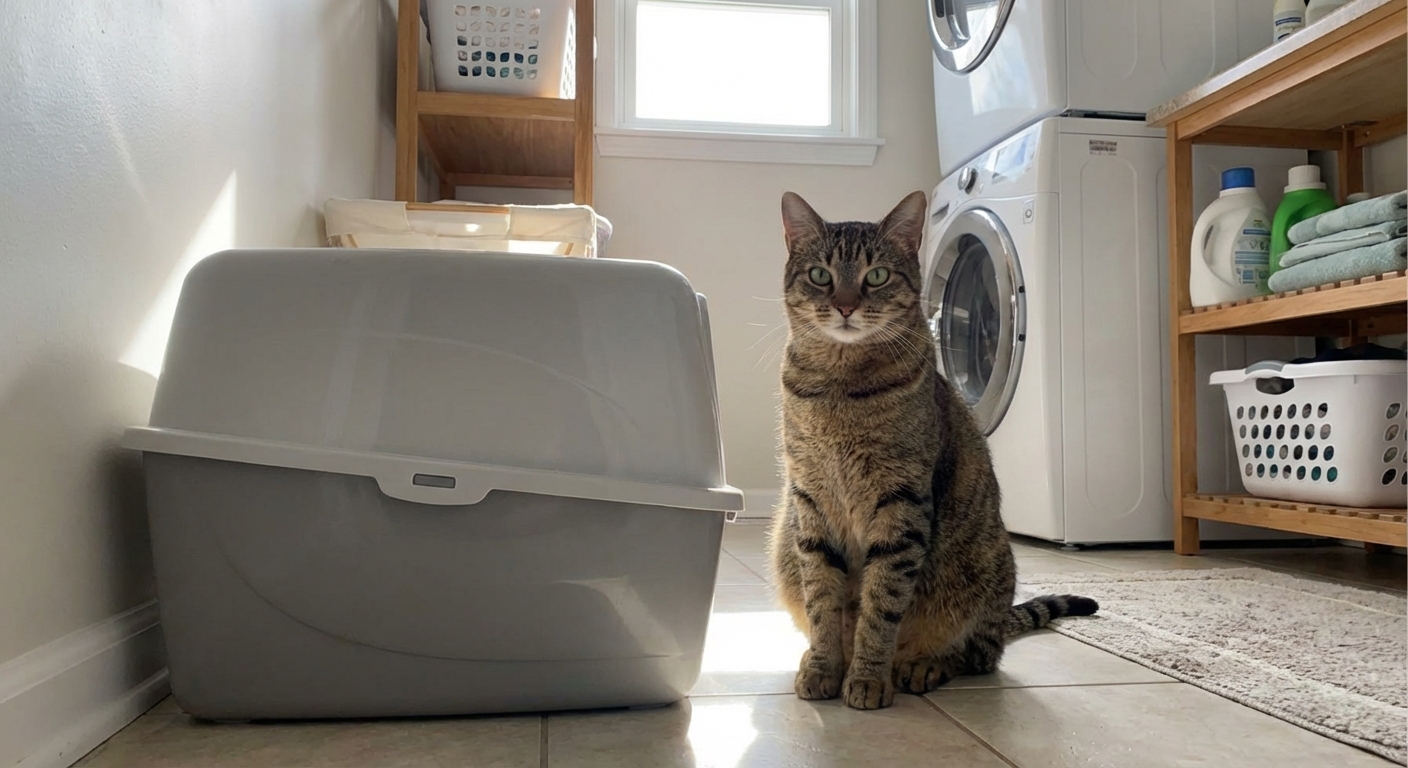
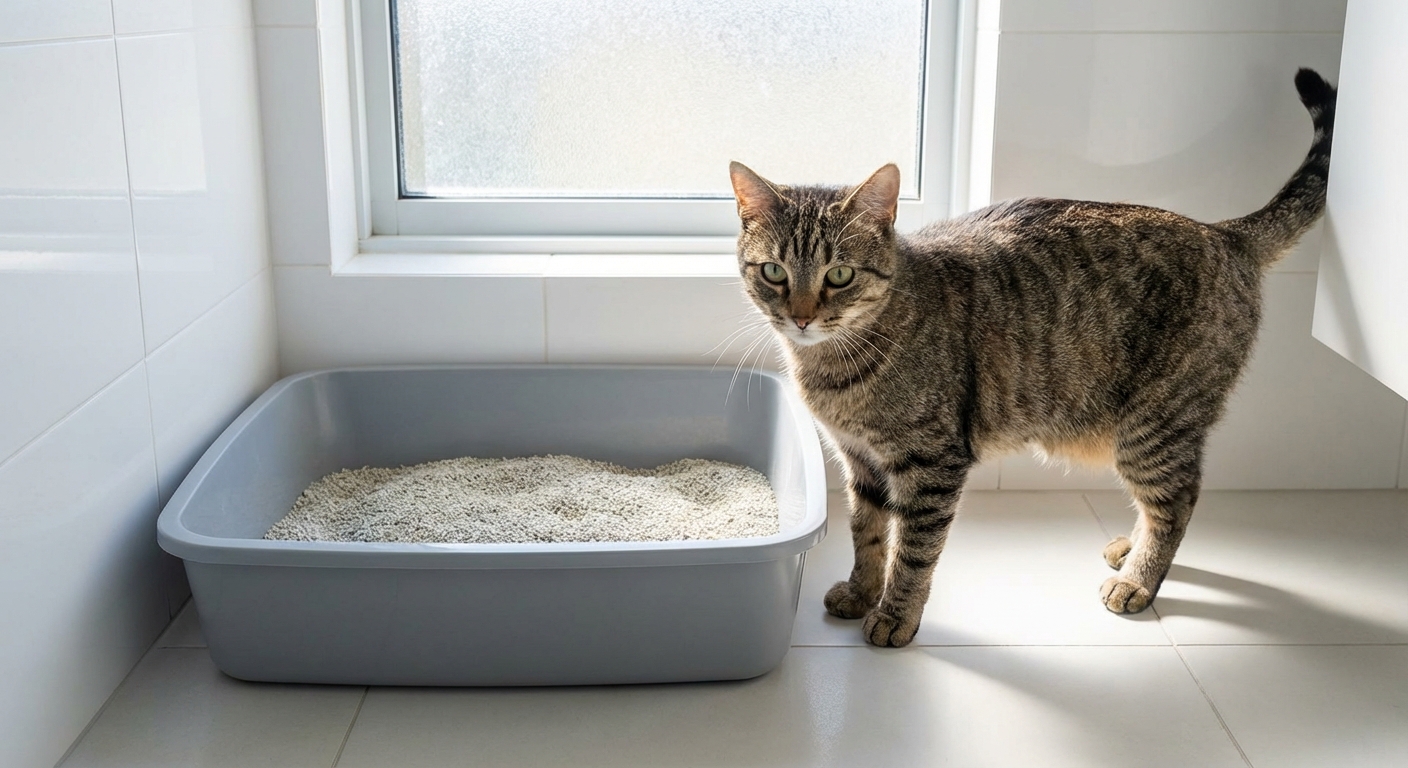
- Go bigger than you think: Many commercial boxes are too small. A good target is about 1.5 times your cat’s body length. This matters a lot for large cats, who often do better with extra-large boxes or storage-tote style boxes (with a safe cut-out entry).
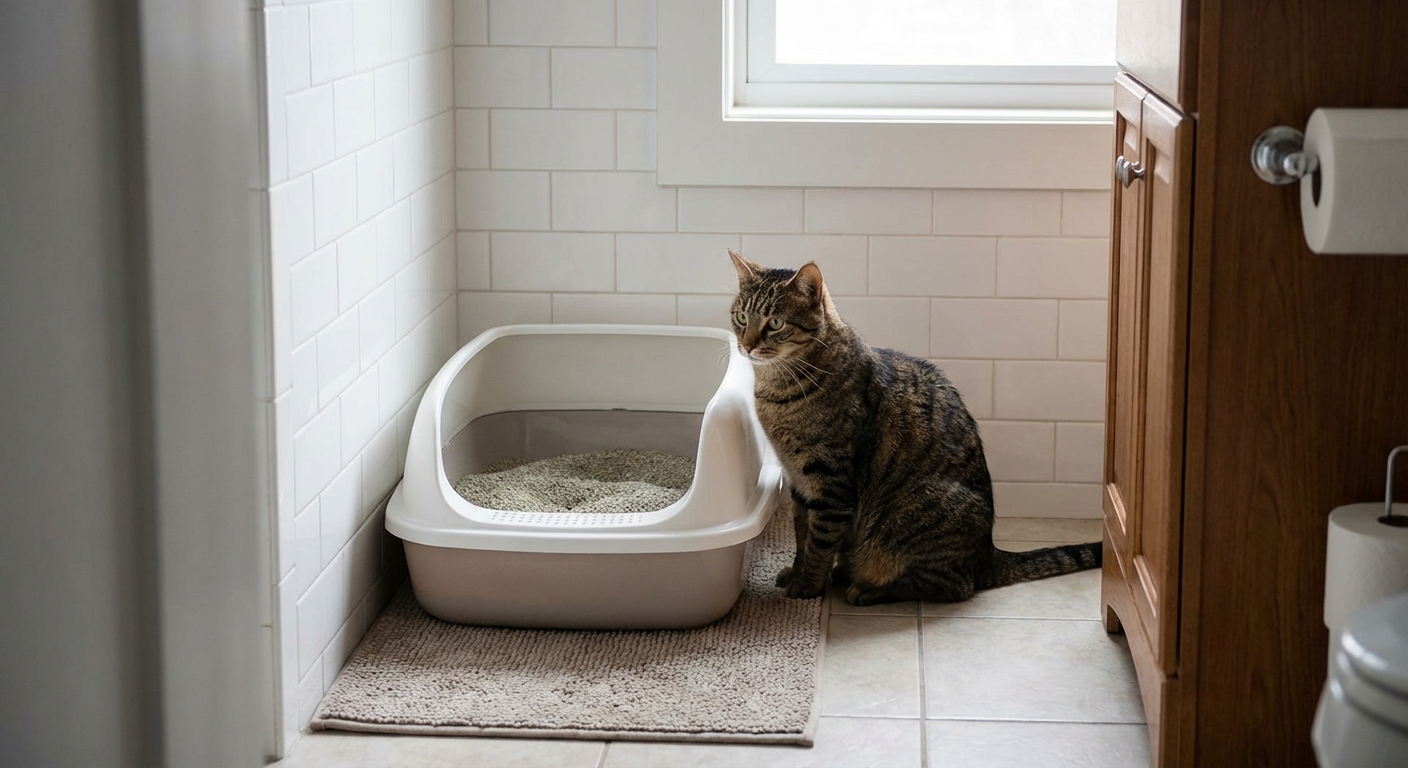
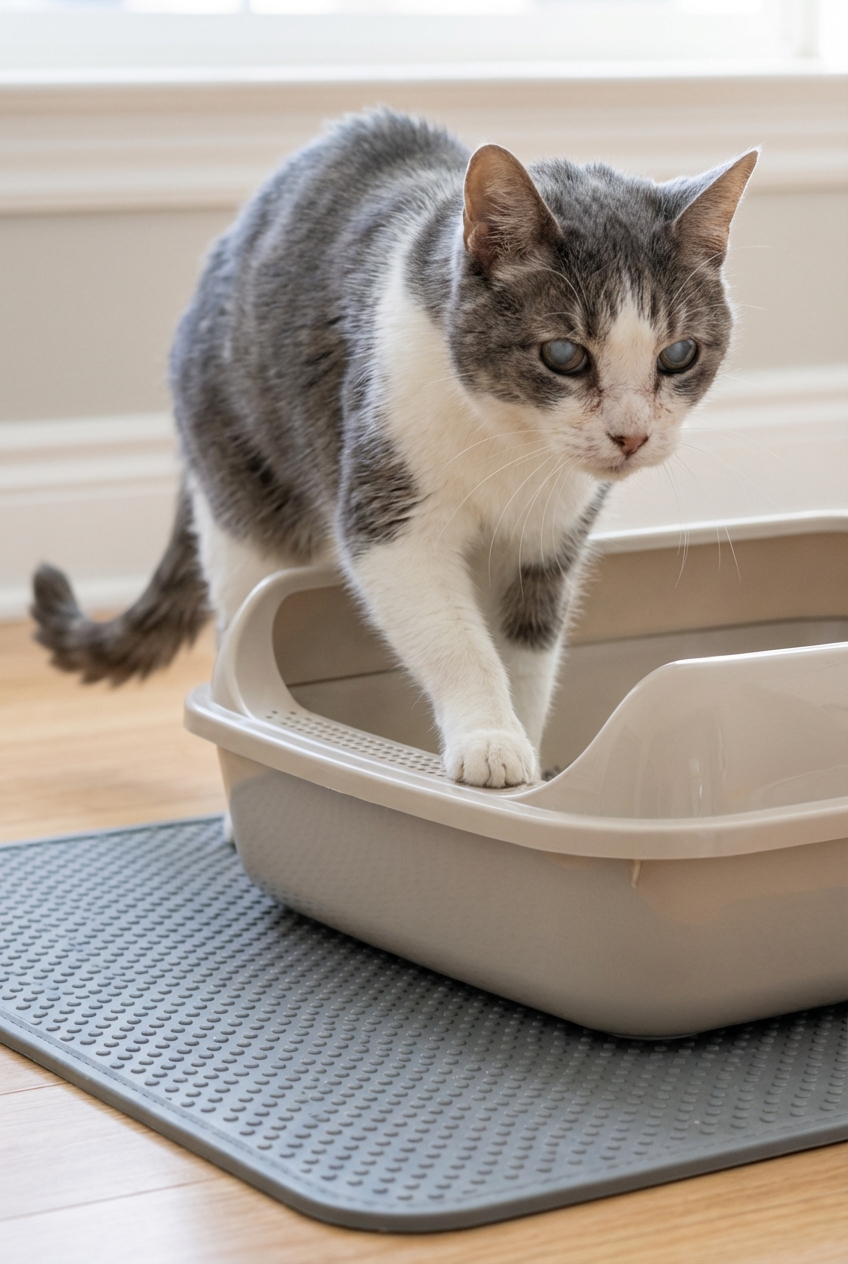
- High sides vs. easy entry: High sides can help with mess, but they can be a deal-breaker for seniors or cats with pain. Try a low-entry box for older cats.
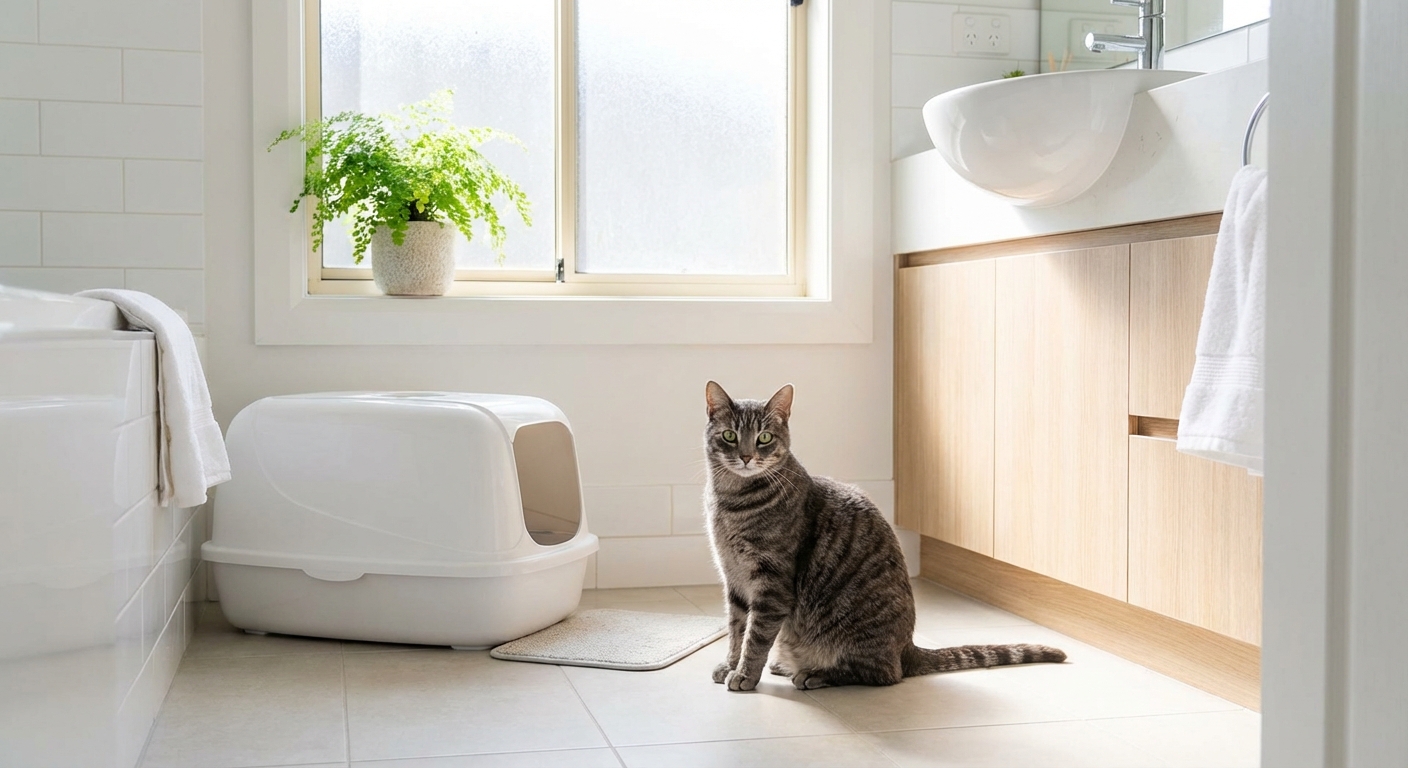
- Lids and liners: Covered boxes trap odor and can feel unsafe. Liners can snag claws and create fear. If accidents started after adding a lid or liner, remove it.
- Kittens: Make sure the box is easy to step into and close to where they spend time. A kitten may not make it across the house in time.
Litter type and depth
- Texture: Many cats prefer fine, sand-like, unscented clumping litter.
- Scent: Strong perfumes can repel cats. “Fresh scent” to us can feel intense to them.
- Depth: Aim for about 2 to 3 inches. Too deep can feel unstable underfoot, too shallow may not allow burying.
Cleanliness
- Scoop at least once daily, twice is even better.
- Wash the box regularly with mild soap and hot water. Avoid strong cleaners and ammonia-based products, since ammonia can smell like urine.
- Replace old boxes if they are scratched and holding odor.
Location
- Place boxes in quiet, low-traffic areas.
- Avoid putting the box right next to loud appliances (washer, dryer, HVAC).
- Do not trap the cat. Choose a spot with two exit routes when possible so they do not feel cornered by another pet.
- In multi-story homes, add a box on each level.
Stress and conflict
Cats can respond to stress by changing litter box habits, even if everything looks “fine” to us. Stress can be big or small: a move, construction noise, a new baby, new furniture, neighborhood cats outside the window, a schedule change, or tension between pets.
Signs of stress
- Hiding more than usual
- Overgrooming or barbering hair
- Sudden clinginess or irritability
- Changes in appetite
- Conflicts with other cats (staring, blocking, chasing)
What helps
- Increase resources: more boxes, more water stations, more resting spots.
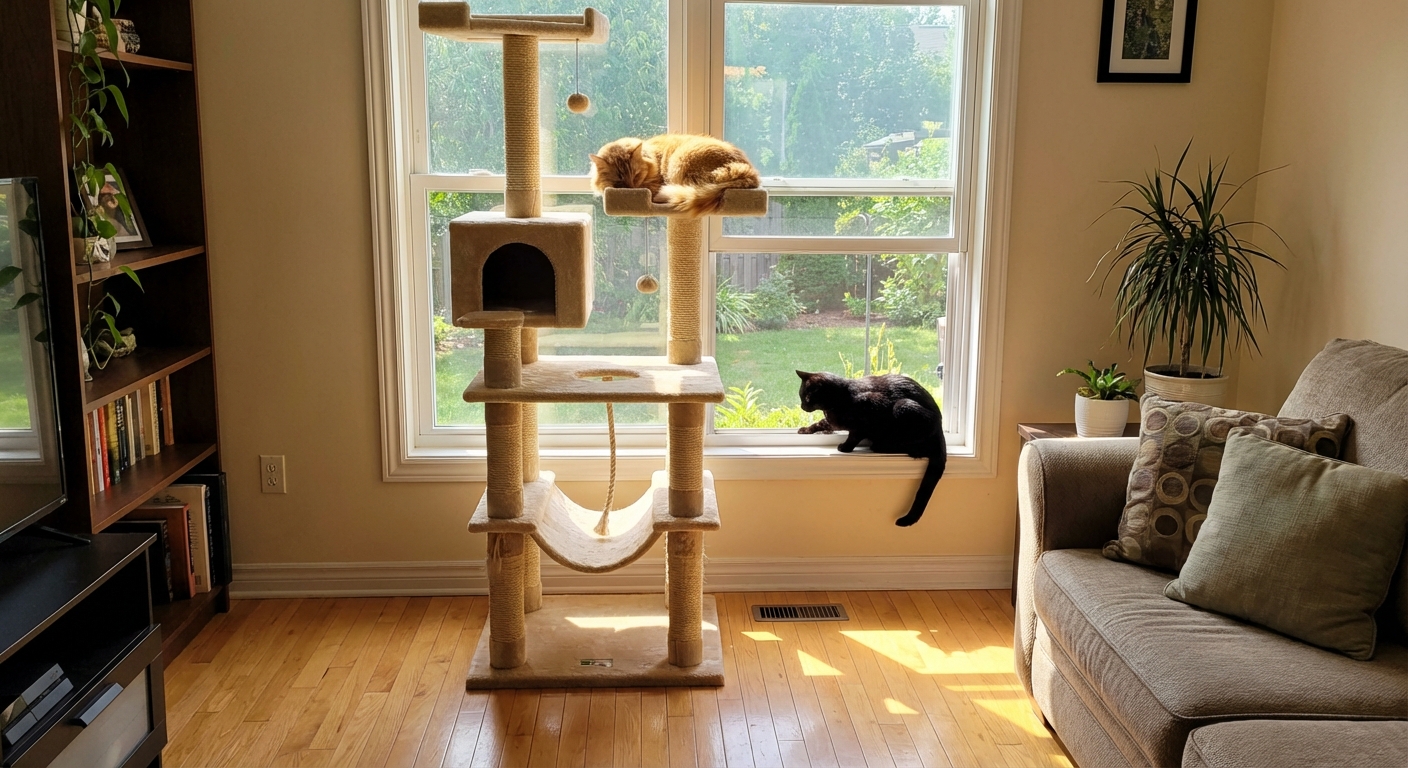
- Create vertical space: cat trees, shelves, window perches.
- Predictable routine: meals and play around the same time daily.
- Daily play: 10 to 15 minutes of interactive play can lower stress and improve confidence.
- Reduce outside triggers: close blinds if neighborhood cats are causing agitation.
If you suspect tension between cats, place litter boxes in separate areas so one cat cannot control access.
Box aversion after a bad experience
Sometimes the litter box becomes “the place where something scary or painful happened.” A bout of painful constipation, diarrhea with urgency, a loud noise near the box, or another pet ambushing them on the way in can be enough to create avoidance.
What helps is making the bathroom choice feel easy again: add an extra box in a calmer spot, improve privacy, and consider temporarily placing a box closer to the area your cat is choosing. Once your cat is reliably using it, you can move it a little each day toward your preferred location.
Poop right beside the box
This is a classic clue. Many cats are essentially saying, “I know where the bathroom is, but I do not like something about it.”
- Try a second box right next to the current one with a different litter type. This is an easy, respectful “vote” system.
- Change one variable at a time so you know what worked.
- Consider pain or posture: If your cat is older, ask your vet about arthritis. A low-entry box, a larger box, non-slip footing, and pain management can be life-changing.
Cleaning and preventing repeats
Cats are scent-driven. If any odor remains, your cat may return to the same spot.
Clean the right way
- Pick up stool and clean the area with an enzyme-based cleaner or pet odor neutralizer formulated for pet messes.
- Avoid ammonia-based cleaners and strong scents.
- If the spot is on carpet, treat the padding too if needed.
Make the old spot less appealing
- Place a food bowl, water bowl, or bed near the spot (cats prefer not to soil near resources).
- Use a temporary barrier (closed door, baby gate, or covered area) while you reset habits.
- Add a litter box closer to that location, then gradually move it to the preferred spot over several days.
Reset plan (7 to 14 days)
If your cat has been pooping on the floor for more than a couple of days, it can become a habit. Here is a simple, step-by-step plan that works well for many households.
Days 1 to 3
- Schedule a vet visit if this is new, sudden, or paired with stool changes.
- Add one new litter box in a quiet location.
- Switch to unscented litter if you are currently using scented.
- Scoop daily and keep the area calm.
Days 4 to 7
- If accidents continue, try a different box style (low-entry, larger, uncovered).
- Add non-slip mats if your floors are slick near the box.
- Start a short daily play routine and keep meals predictable.
Days 8 to 14
- Track patterns: time of day, location, stool consistency, household activity.
- If there are multiple cats, spread out boxes further and observe for blocking or chasing.
- Talk with your vet about next steps if you see ongoing diarrhea, straining, or anxiety signs.
Kind reminder: Never punish a cat for accidents, and never rub their nose in it. It increases stress and makes the problem harder to solve. Your goal is to make the litter box the easiest, safest, most comfortable choice.
Quick FAQ
Could my cat be doing this out of spite?
Cats do not typically eliminate out of spite. When it happens, it is usually discomfort, fear, preference, or a communication signal that something in their environment is not working for them.
Should I change my cat’s food?
If stool is consistently soft or your cat seems gassy, changing diet can help, but do it thoughtfully. Sudden switches can worsen GI upset. Work with your veterinarian, especially if symptoms are persistent.
What if my cat is pooping on the floor but peeing in the box?
This often points to a litter box comfort issue specific to defecation posture, constipation, or a box that is too small. It can also happen if the cat feels rushed or unsafe in the box.
When to get extra help
If your vet has ruled out medical causes and you have improved the litter box setup but the issue continues, consider a behavior consult. A veterinarian or a qualified cat behavior professional can help identify stressors, inter-cat conflict, and environmental adjustments that are easy to miss when you live with it every day.
You and your cat are on the same team. Once you find the root cause, most cats return to consistent litter box use.