Vomiting or diarrhea in cats can turn serious fast. Learn safe home care steps, hydration and bland diet tips, probiotics, red flags for the vet, and risky r...
Article
•
Designer Mixes
Why Is My Cat Not Eating? Common Causes and What to Do

Shari Shidate
Designer Mixes contributor
When a cat stops eating, it can feel alarming fast. I always remind pet parents that appetite changes are a message, not a mystery. Sometimes the reason is simple, like stress or a picky moment. Other times, it can signal pain or illness that deserves prompt attention.
It also helps to define what “not eating” means. Not eating at all (no real calories for a day) is more urgent than eating less, but both deserve attention if they persist.
Cats are prone to complications from prolonged poor intake, including dehydration, low blood sugar in kittens, and hepatic lipidosis (fatty liver disease), especially in overweight cats. This guide will walk you through the most common reasons a cat may not be eating, what you can safely try at home, and when to call your veterinarian.
First, how long has it been?
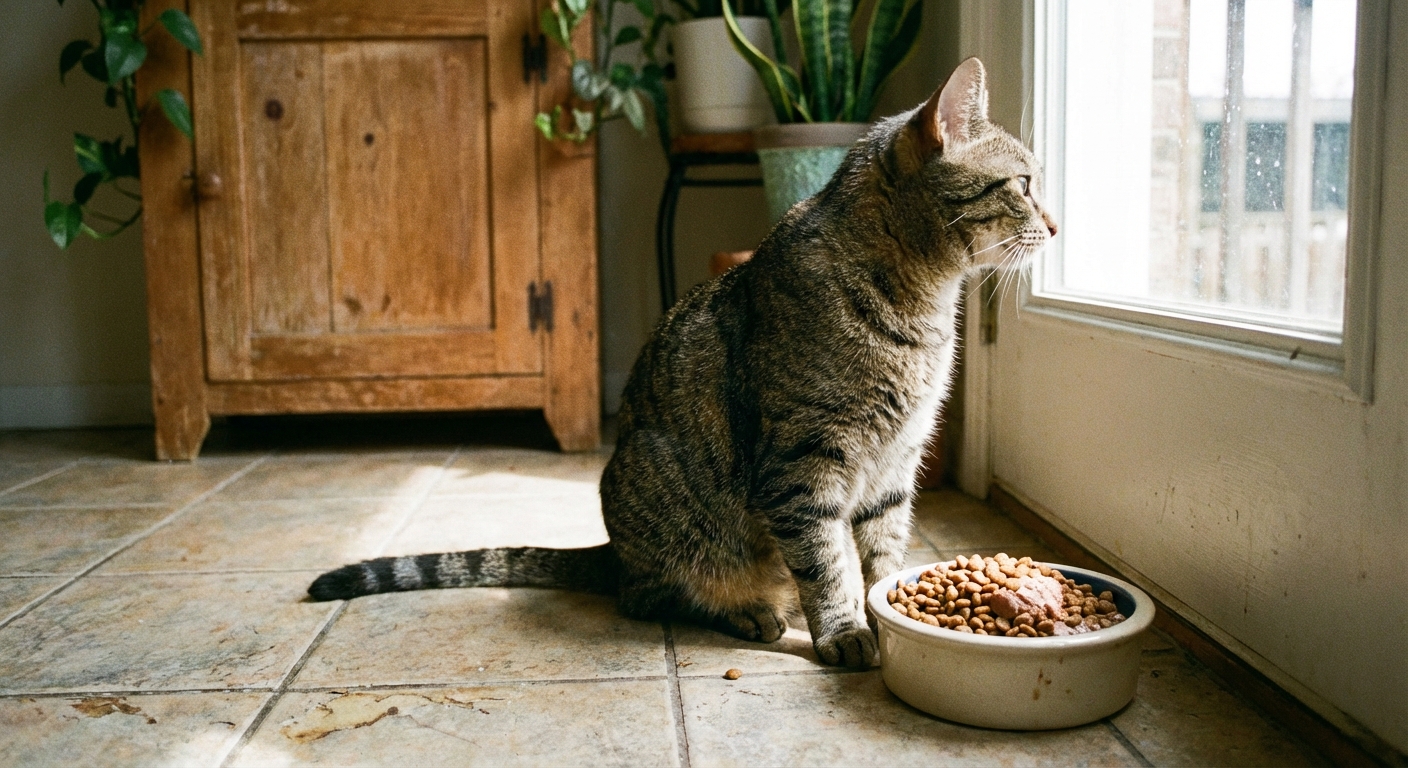
Duration matters, and so does whether your cat is completely refusing food or just eating less. Use the guidance below as a rule of thumb and trust your gut. If your cat seems unwell, call sooner.
- Skipped one meal: If otherwise normal, monitor closely and look for obvious triggers (stress, new food, mild nausea).
- Eating less for 24 hours or not eating at all for 24 hours: Contact your veterinarian for guidance, especially if your cat seems “off” or is in a higher-risk group.
- Not eating at all for 48 hours or more: This is urgent. The risk of serious complications rises quickly, and cats can develop hepatic lipidosis after several days of inadequate intake, particularly if they are overweight.
Extra caution: Kittens, seniors, and cats with diabetes, kidney disease, or hyperthyroidism should be evaluated sooner because they can deteriorate faster.
Common reasons cats stop eating
Stress, change, or anxiety
Cats are routine-driven. Small changes can reduce appetite, including moving, travel, visitors, new pets, construction noise, or even a new litter box location. Boarding, shelter stays, a recent vaccination visit, or recent surgery and anesthesia can also cause a short-term appetite dip.
- Hiding more than usual
- Changes in litter box habits
- Eating less but still drinking
Dental pain or mouth issues
Tooth resorption, gingivitis, broken teeth, and mouth ulcers can make chewing painful. Cats often try to eat and then stop.
- Drooling, bad breath, pawing at the mouth
- Chewing on one side, dropping kibble
- Preferring soft food suddenly
Also consider: A cat that suddenly won’t eat and is drooling or “chomping” may have something stuck in the mouth (string, plant material). That deserves a prompt exam.
Upper respiratory infection and loss of smell
If your cat cannot smell well, food becomes much less appealing. Congestion from a cold or viral infection is a classic cause.
- Sneezing, watery eyes, nasal discharge
- Sniffing food and walking away
Upset stomach, nausea, hairballs, constipation
Mild gastrointestinal upset can reduce appetite. Hairballs can also cause nausea or gagging. Constipation can make cats feel full, uncomfortable, or nauseated.
- Lip smacking, swallowing repeatedly
- Vomiting, gagging, or retching
- Loose stool, constipation, or straining
Food problems: freshness, bowl, preference
Cats can be surprisingly sensitive to food temperature, texture, and even bowl type. Some owners find that switching to a wide, shallow dish reduces “whisker fatigue” for certain cats, even though the evidence is mixed.
- Stale kibble, old wet food, or a new formula
- Strong odors nearby (cleaners, litter, perfumed candles)
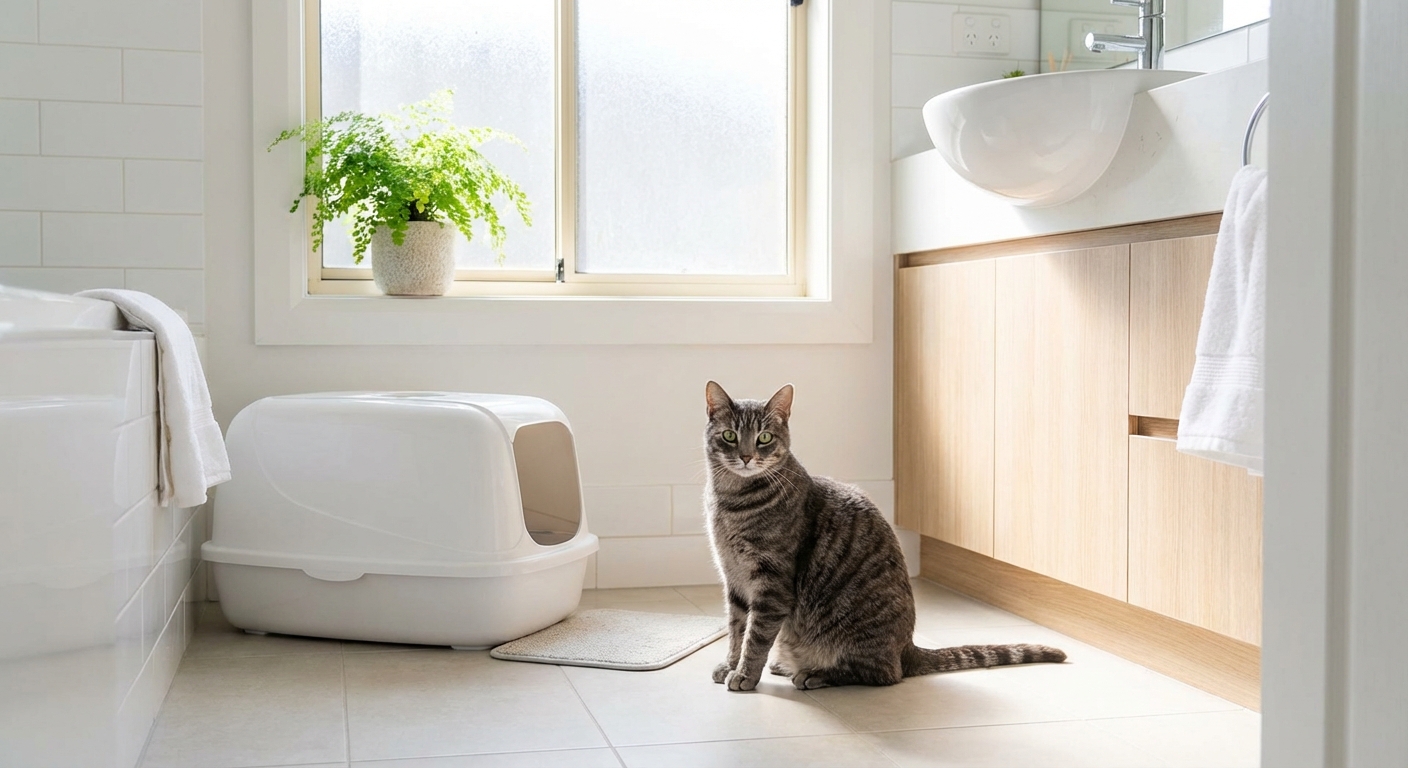
- Dirty bowl or bowl placed near the litter box
Medication side effects
Some medications can cause nausea or appetite changes. If appetite dropped after starting a new prescription, call your vet before stopping anything.
Pain or underlying illness
Many medical problems reduce appetite, including kidney disease, pancreatitis, intestinal disease, diabetes, hyperthyroidism, infections, or cancer. Cats are experts at hiding discomfort, so appetite loss is sometimes one of the first visible signs.
What you can do at home
If your cat seems otherwise stable and has only recently eaten less, these gentle strategies can help. The goal is to support appetite without forcing food or delaying needed care.
Make food more enticing
- Warm wet food slightly so it smells stronger (test with your finger so it is not hot).
- Offer strong-smelling options like a small amount of tuna in water or warmed canned cat food.
- Try a new texture (pate vs. shreds) or switch between wet and dry.
- Offer small portions more frequently to reduce overwhelm.
Optimize the feeding setup
- Use a wide, shallow bowl (this may help some cats).
- Wash bowls daily and keep them away from the litter box.
- Feed in a quiet spot, away from other pets if bullying is possible.
Encourage and check hydration
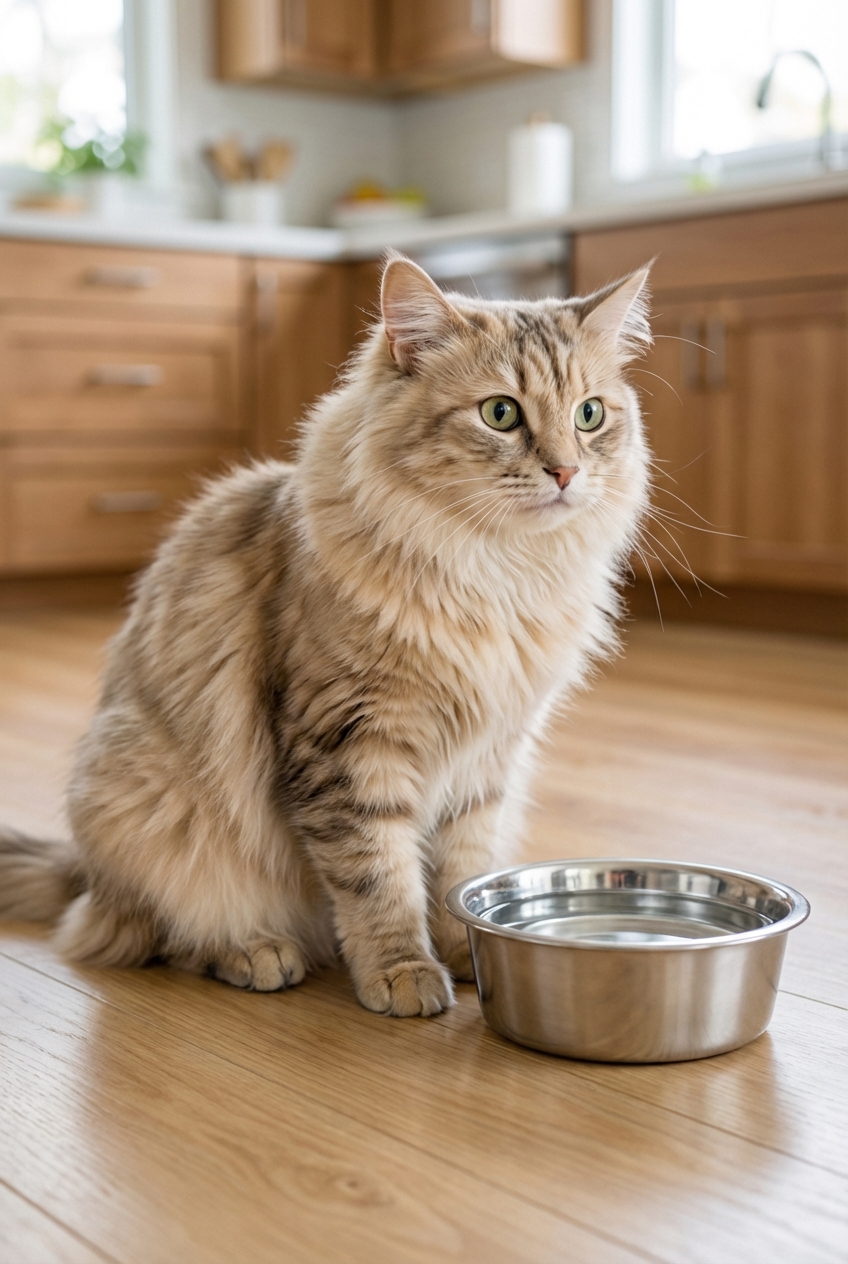
Dehydration can worsen nausea and appetite. Encourage drinking with fresh water, a fountain, or adding water to wet food.
To do a quick check at home, look for tacky or dry gums and gently lift the skin over the shoulders. If it stays “tented” instead of snapping back quickly, dehydration may be present. When in doubt, call your vet.
Do a quick whole-cat check
Without stressing your cat, look for clues:
- Any limping or reluctance to jump
- Mouth sensitivity, drooling, or bad breath
- Vomiting, diarrhea, constipation, or straining
- Changes in urination (more, less, or painful)
- A firm belly, obvious abdominal discomfort, or bloating
A gentle rule: If your cat is not eating and also seems lethargic, is vomiting repeatedly, is hiding unusually, has a painful belly, or looks painful anywhere, skip the home experiments and call your vet.
What not to do
- Do not force-feed unless your veterinarian specifically instructs you. Stress and aspiration risk are real.
- Do not give over-the-counter human medications unless your veterinarian tells you to. Some are dangerous for cats (for example, acetaminophen is highly toxic, and bismuth products can be risky).

When to call the vet
Some situations are time-sensitive. Contact your veterinarian or an emergency clinic promptly if you notice any of the following:
- Not eating at all for 24 hours (sooner for kittens, seniors, or cats with chronic disease)
- Not eating at all for 48 hours for any adult cat
- Repeated vomiting, especially with inability to keep water down
- Diarrhea with weakness or dehydration
- Labored breathing, open-mouth breathing, or pale gums
- Fever or your cat feels unusually hot to the touch with low energy
- Jaundice (yellow gums, skin, or the whites of the eyes)
- Suspected toxin exposure (plants like lilies, human meds, chemicals)
- Straining to urinate or frequent trips to the litter box with little output (an emergency, especially in male cats)
- Sudden weight loss, severe lethargy, collapse, or severe weakness
What your vet may do
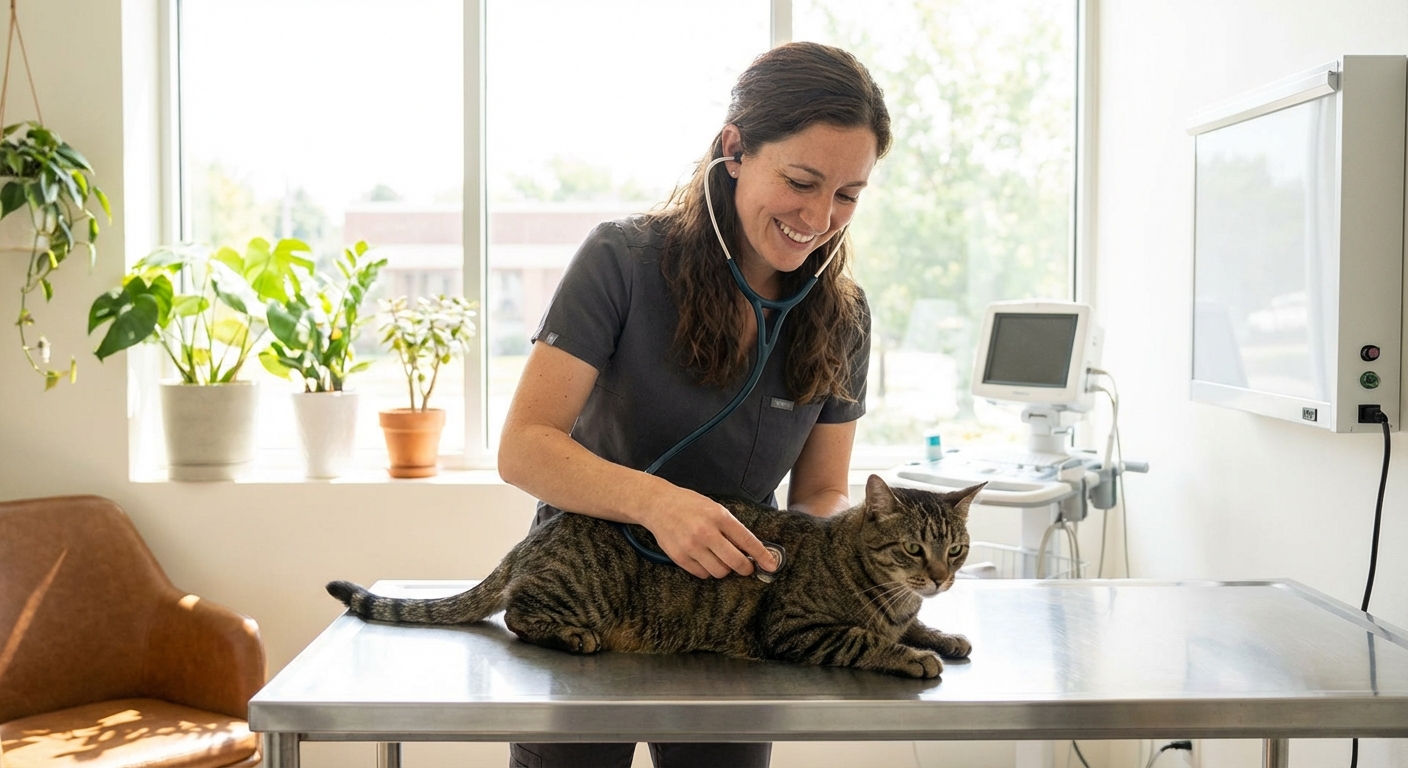
Depending on symptoms, your veterinarian may recommend an oral exam, bloodwork, urinalysis, imaging (x-ray or ultrasound), fluids, nausea control, pain management, treatment for constipation, or an appetite stimulant. The right plan depends on the cause, and early care often means faster recovery.
Human food or treats?
In the short term, the priority is getting calories in safely, but it is important to choose wisely.
- Okay short-term: Small amounts of plain cooked chicken, tuna in water, warmed canned cat food, or meat-only baby food (check the label and avoid any that contain onion or garlic powder).
- Avoid: Onions, garlic, grapes or raisins (best to avoid), chocolate, xylitol, alcohol, cooked bones, and heavily seasoned or fatty foods.
- Milk: Many adult cats are lactose intolerant, so it can cause diarrhea.
If your cat only eats treats and refuses balanced food for more than a day, that is still a reason to call your veterinarian.
Prevent it going forward
Not every appetite change is preventable, but you can reduce common triggers.
- Keep a consistent feeding routine and minimize sudden diet changes.
- Transition to new foods slowly over 7 to 10 days.
- Schedule regular dental checks and cleanings as advised.
- Use enrichment to reduce stress: play, hiding spots, vertical space, predictable quiet time.
- Track weight monthly and note subtle shifts early.
The bottom line
A cat not eating is never something to ignore. Sometimes the fix is simple, like reducing stress or improving food aroma. But because cats can get into trouble after prolonged poor intake, it is wise to take appetite changes seriously and loop in your veterinarian sooner rather than later.
If you tell me two things, how long your cat has not eaten and any other symptoms, you are already most of the way to making a smart next decision.