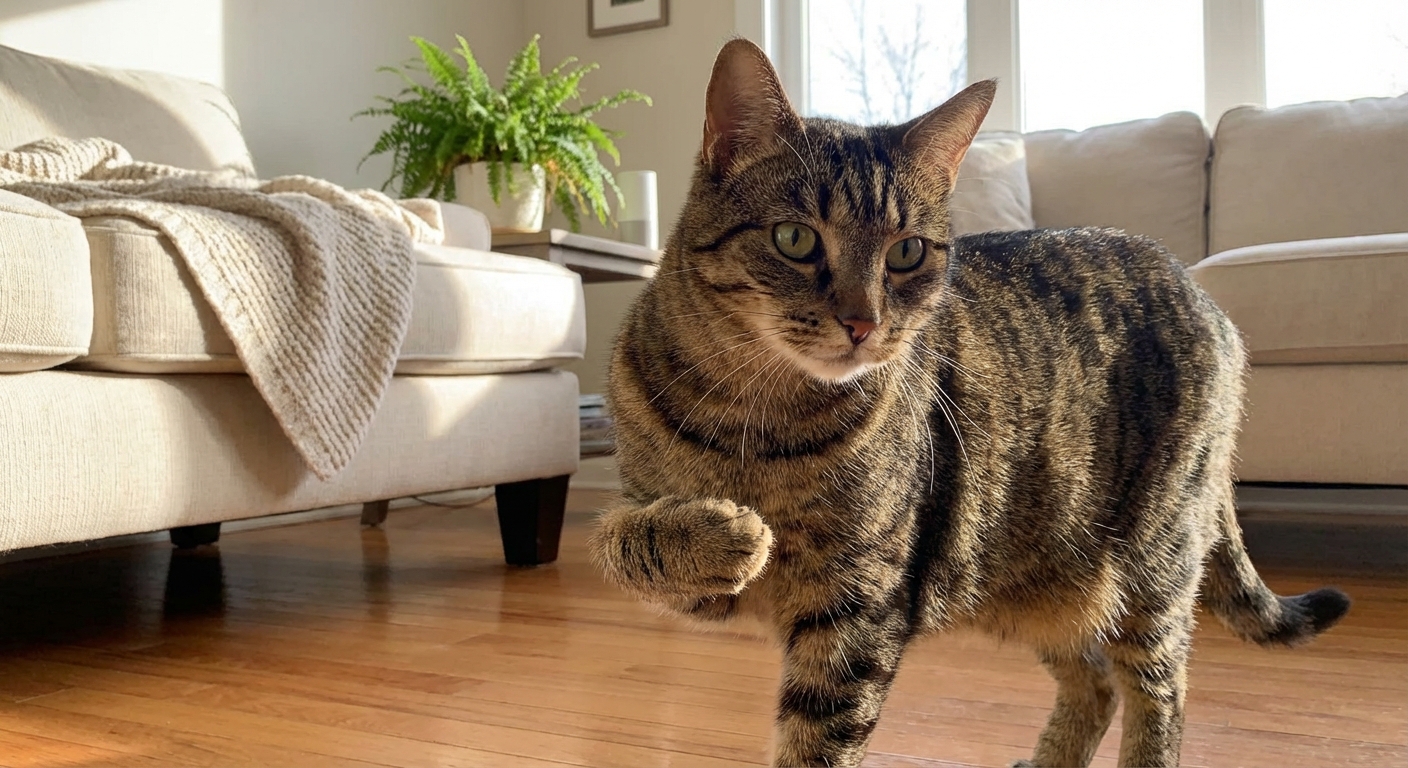
If your cat is limping, learn the urgent red flags, safe first steps at home, common causes like sprains, wounds, abscesses, and arthritis, and when to see a...
Article
•
Designer Mixes
Why Is My Cat Limping?

Shari Shidate
Designer Mixes contributor
If your cat is limping, it is your job to play detective and your veterinarian’s job to confirm the cause and treat it safely. Limping is a sign of pain or weakness, and cats are famously good at hiding both until they cannot anymore.
Some causes are minor (like a torn nail). Others are urgent (like a fracture, bite wound infection, or a blood clot). Below is a practical, evidence-based way to figure out what to do next and how to help your cat feel better without accidentally making things worse. This article is not a substitute for veterinary care, but it can help you triage safely.
First: is this an emergency?
I always tell pet parents to start here. If any of the signs below are present, treat this like an urgent problem and contact an emergency vet right away.
Go to the ER now if you notice
- Sudden, severe hind-leg weakness or dragging the back legs
- Open wound, uncontrolled bleeding, or bone visible
- Cat crying out; hiding and refusing to move; or unable to bear any weight
- Cold or pale limb (with or without swelling)
- Trouble breathing, rapid breathing, or blue/gray gums
- High-rise fall (cat fell from a balcony/window) or hit by car
- Severe lethargy, not eating, shaking/chills, or a painful swollen limb (fever is confirmed by temperature at the vet, and “warm ears” alone is not a reliable sign)
- Known toxin exposure or you suspect a sting or snakebite (in some areas) and swelling is spreading
If you see sudden hind-end paralysis or extreme pain with panting, this can be a life-threatening clot called aortic thromboembolism (saddle thrombus). A classic clue is very cold back paws and sudden severe pain. It needs immediate care.
If you are deciding between “wait and see” and “go now,” I would rather you err on the side of urgent care.
Common reasons cats limp
Limping is a symptom, not a diagnosis. Here are the causes I see most often in clinics and shelters, plus clues that can help you narrow it down.
1) Paw problems (very common)
- Broken or torn nail: bleeding at the nail, licking, reluctance to jump
- Ingrown nail or nail bed infection: tenderness at one toe, swelling/redness around the nail, limping that persists
- Foreign material (litter clump, thorn, splinter, foxtail depending on region): sudden limp, obsessive paw licking
- Pad injury or irritation: cracked pad, redness, limping after rough surfaces, hot surfaces, or chemical/cleaner exposure
Many cats limp from something as small as a thorn between toes. The challenge is that cats do not love having paws handled.
2) Soft tissue strains and sprains
Cats launch and land like tiny gymnasts. A misjudged jump can strain a shoulder, hip, or knee. These may improve with rest, but you still want to watch closely for swelling or worsening pain.
3) Bite wounds and abscesses
Outdoor cats and even indoor cats that occasionally escape can come home with a tiny puncture that seals over and traps infection underneath. Then, often within a few days (commonly 2 to 7 days), you see a limp, swelling, heat, and sometimes a sudden “grumpy” personality shift.
4) Arthritis and joint disease
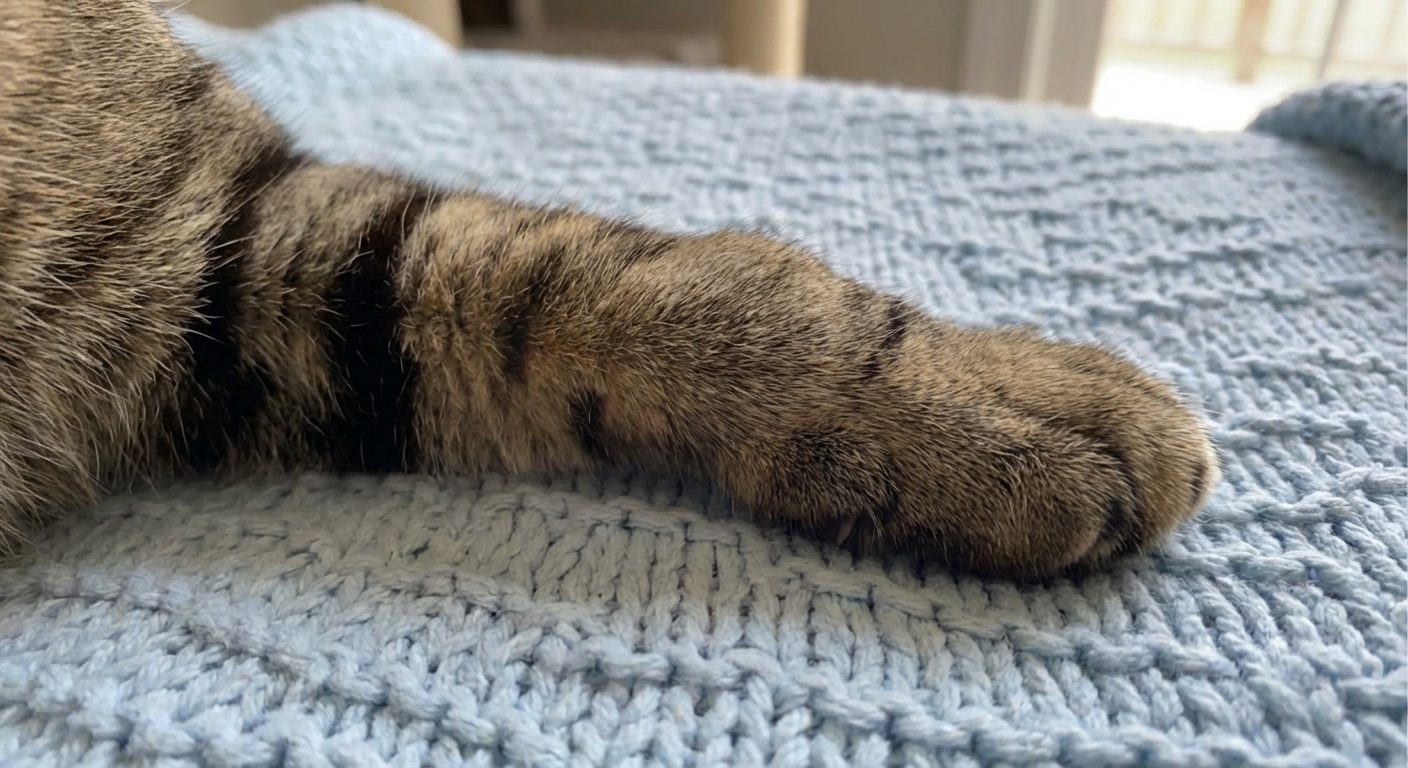
Arthritis is not just an “old dog” issue. Many adult and senior cats have osteoarthritis, and it often shows up as:
- Hesitating before jumping
- Using stairs slowly or avoiding them
- Stiffness after naps
- Occasional limping that comes and goes
Because cats are smaller and subtler, arthritis is commonly underdiagnosed. Your vet may recommend X-rays, weight management, targeted pain control, and home modifications.
5) Fractures or dislocations
These are more likely after trauma (fall, door injury, getting stepped on, car accident). Cats may hold the leg up completely, and you may see an unusual angle or swelling. Do not try to “set” anything at home.
6) Clotting events (aortic thromboembolism)
This is a big one to know about because it is so urgent. Cats with underlying heart disease can throw a clot that blocks blood flow to one or both hind legs. Signs can include sudden severe pain, crying, very cold back paws, and inability to walk.
7) Nerve, spine, or neurologic problems
Spinal trauma, neurologic disease, or intervertebral disc disease (less common in cats than dogs) can look like limping, knuckling over, wobbliness, or weakness rather than a classic “sore paw.” These cases need veterinary evaluation quickly.
8) Persistent or progressive causes
Less common, but important: a persistent, worsening limp can be caused by chronic joint disease, infections, or even cancer (such as bone tumors). If the limp is getting worse over days, not better with rest, or you notice a firm lump, schedule an exam promptly.
9) Limping in kittens
Kittens can injure growth plates and small bones more easily, and they can go downhill faster with pain or infection. If a kitten is limping, especially if they are not using the leg, I recommend a lower threshold for a same-day call.
What you can check at home safely
Think “look, do not force.” Your goal is to gather information and prevent further injury, not to perform a deep exam.
A calm, quick at-home check
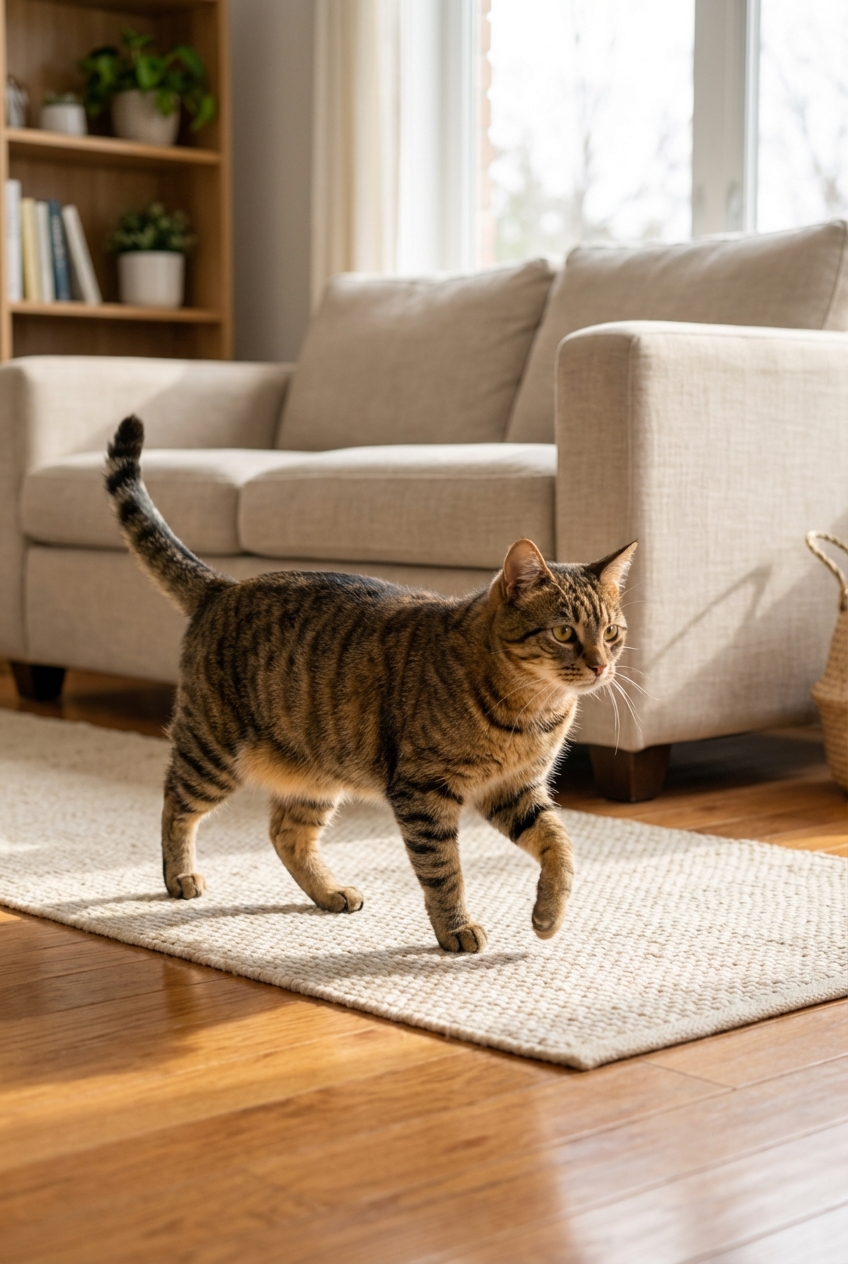
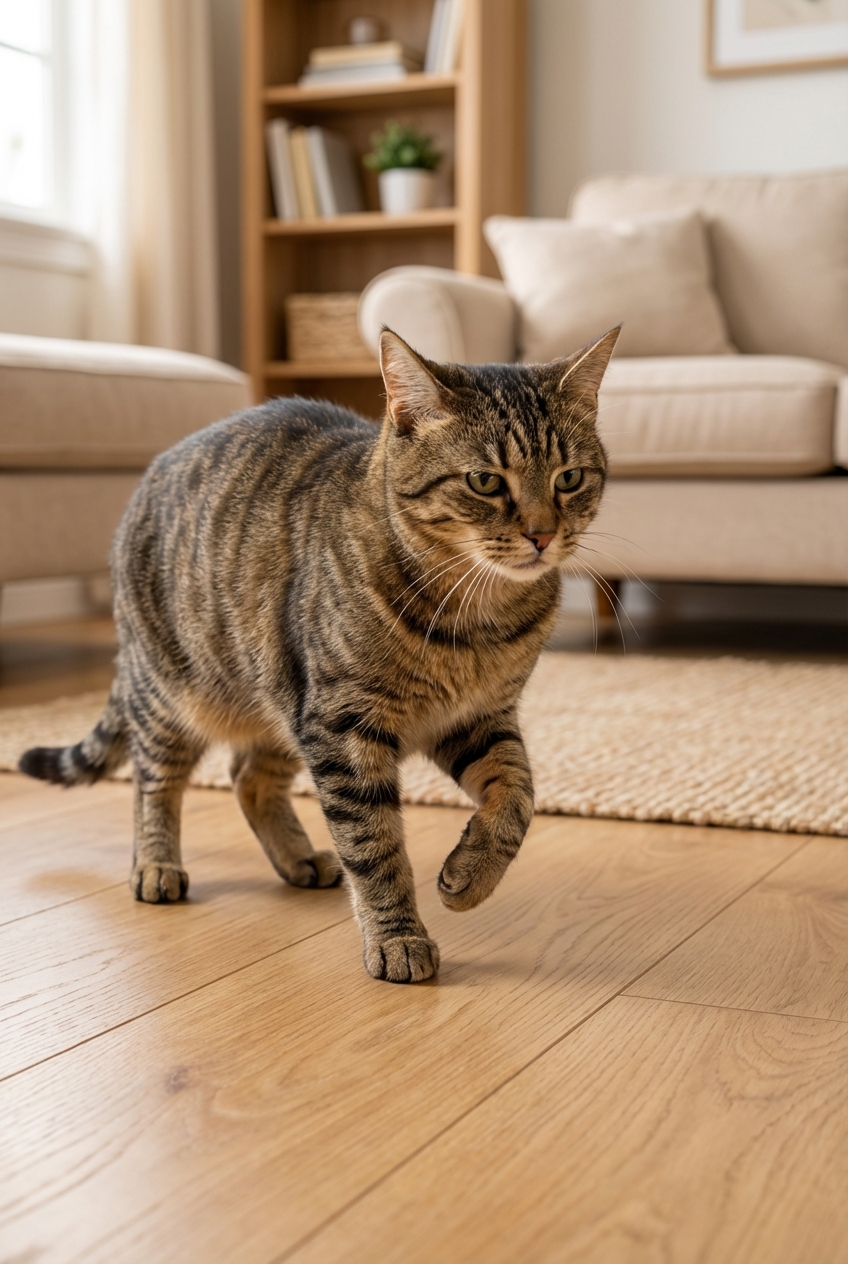
- Watch your cat walk on a non-slip surface. Which leg is affected? Front vs. back?
- Check the paw for a torn nail, stuck debris, a visible thorn, or a pad cut.
- Look for swelling up the leg. Compare left and right sides.
- Note warmth and tenderness. If your cat flinches, growls, or tries to bite, stop.
- Check gum color (healthy is typically pink). Pale or bluish gums are an emergency.
If your cat allows it, you can do a quick towel wrap to prevent scratching while you look. If your cat is very painful, panicked, or getting aggressive, do not push it. Painful cats can bite quickly, and bites can be serious. In that case, confine and call your vet.
If you see a small piece of debris sitting loosely on the surface (like a bit of litter), you can gently remove it. If something is embedded, bleeding, or your cat is painful, it is safer to let a vet handle it.
What not to do
These mistakes are common and can seriously harm cats.
- Do not give human pain meds. Acetaminophen (Tylenol) is highly toxic to cats. Ibuprofen and naproxen can cause life-threatening kidney and GI damage. Even aspirin can be risky without a veterinarian’s specific dosing plan.
- Do not force stretching or massage. If there is a fracture, dislocation, or clotting issue, manipulation can worsen pain and injury.
- Do not bandage tightly. Poorly placed wraps can cut off circulation and create sores quickly.
- Do not let your cat “walk it off” outdoors. If pain is present, rest is part of treatment and outdoor hazards can escalate the problem.
- Do not apply ice or heat unless your vet tells you to. It is easy to cause skin injury, especially if circulation is compromised.
When to call the vet (and how soon)
Use time and severity as your guide.
Call today (same-day appointment) if
- Limping lasts more than 24 hours (or sooner if it is worsening)
- Your cat is not bearing weight on the leg
- There is swelling, heat, or a suspected bite wound
- Your cat is hiding, not eating, or acting “not like themselves”
- Your cat is a kitten with any significant limp
Monitor briefly (but still call if not improving) if
- The limp is mild and your cat is otherwise bright, eating, and comfortable
- You found a minor issue (like a lightly snagged nail) and your cat improves with rest
Some clinics use a 24 to 48 hour window for very mild limps. In general, cats do not limp dramatically for no reason. If you are unsure, a quick call to your veterinary clinic is always appropriate.
Do not wait if the limp is lingering
- Limping longer than 1 week, even if mild
- Worsening over several days instead of improving
- Weight loss, low appetite, or a visible/firm lump
How vets diagnose limping
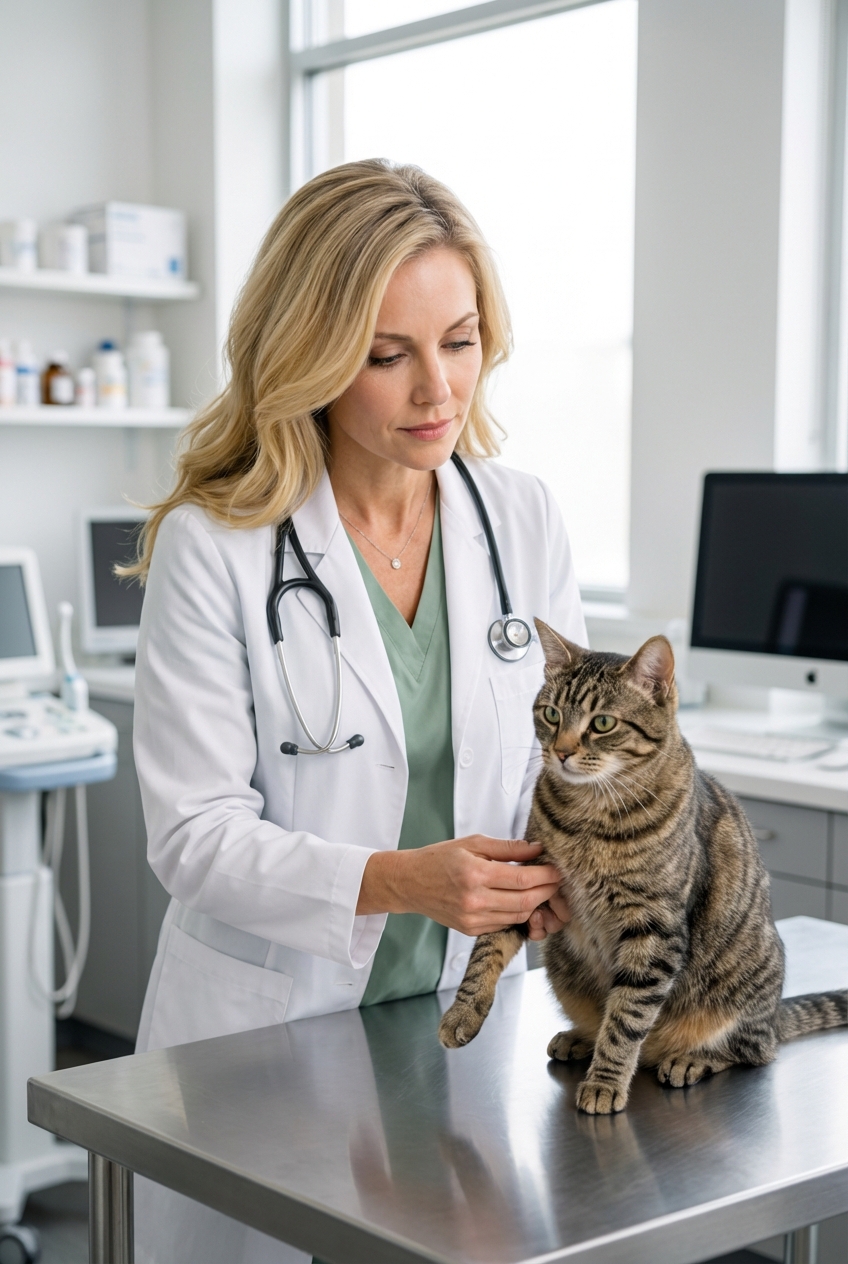
Knowing what may happen at the appointment can make things feel less stressful.
- History: indoor/outdoor status, recent falls, new pets, changes in jumping, onset timing
- Physical exam: gentle palpation of joints, paw inspection, checking for fever and pain
- X-rays: fractures, arthritis, dislocations
- Ultrasound or advanced imaging: sometimes needed for complex injuries
- Bloodwork: infection, inflammation, organ function prior to medications
- Wound care: shaving, flushing, and sometimes drain placement for abscesses
Comfort care at home while you wait
If your cat is stable and you are waiting for a scheduled appointment, keep things simple and safe.
- Strict rest: keep your cat in one room, limit jumping, block access to tall furniture
- Easy access: place food, water, and a low-sided litter box nearby
- Non-slip footing: rugs or yoga mats can help on slick floors
- Minimize handling: pain can make even sweet cats defensive
- Carrier ready: leave the carrier out with soft bedding so loading is less stressful if you need to go quickly
- Note symptoms: which leg, when it started, appetite, litter box changes, swelling progression
If your cat suddenly worsens, stops eating, or becomes very lethargic, do not wait. Escalate to urgent care.
Prevention tips
- Keep nails trimmed to reduce snag injuries
- Use cat-friendly litter and keep boxes clean to reduce paw irritation
- Create safe jumping zones with stable cat trees and step stools
- Maintain a healthy weight, since extra weight adds stress to joints
- Consider indoor-only living or supervised outdoor time to reduce fights and trauma
As a veterinary assistant, I have seen so many limps that could have been avoided with safer outdoor choices and earlier treatment of small wounds before they became painful infections.