
Why Is My Cat Drinking So Much Water?

If you have caught yourself thinking, “Why is my cat drinking so much water all of a sudden?” you are paying attention in exactly the right way. Increased thirst is called polydipsia. When it comes along with increased urination, we call it polyuria. Together, these signs can be an early clue that something is going on internally, even if your cat is still eating, purring, and acting mostly normal.
Some causes are straightforward, like a diet change to dry food or a stretch of hotter weather. Others are medical, and three big ones rise to the top in cats: diabetes mellitus, kidney disease, and hyperthyroidism. This article will help you know what to watch for, what your vet is testing for, and when same-day care matters.
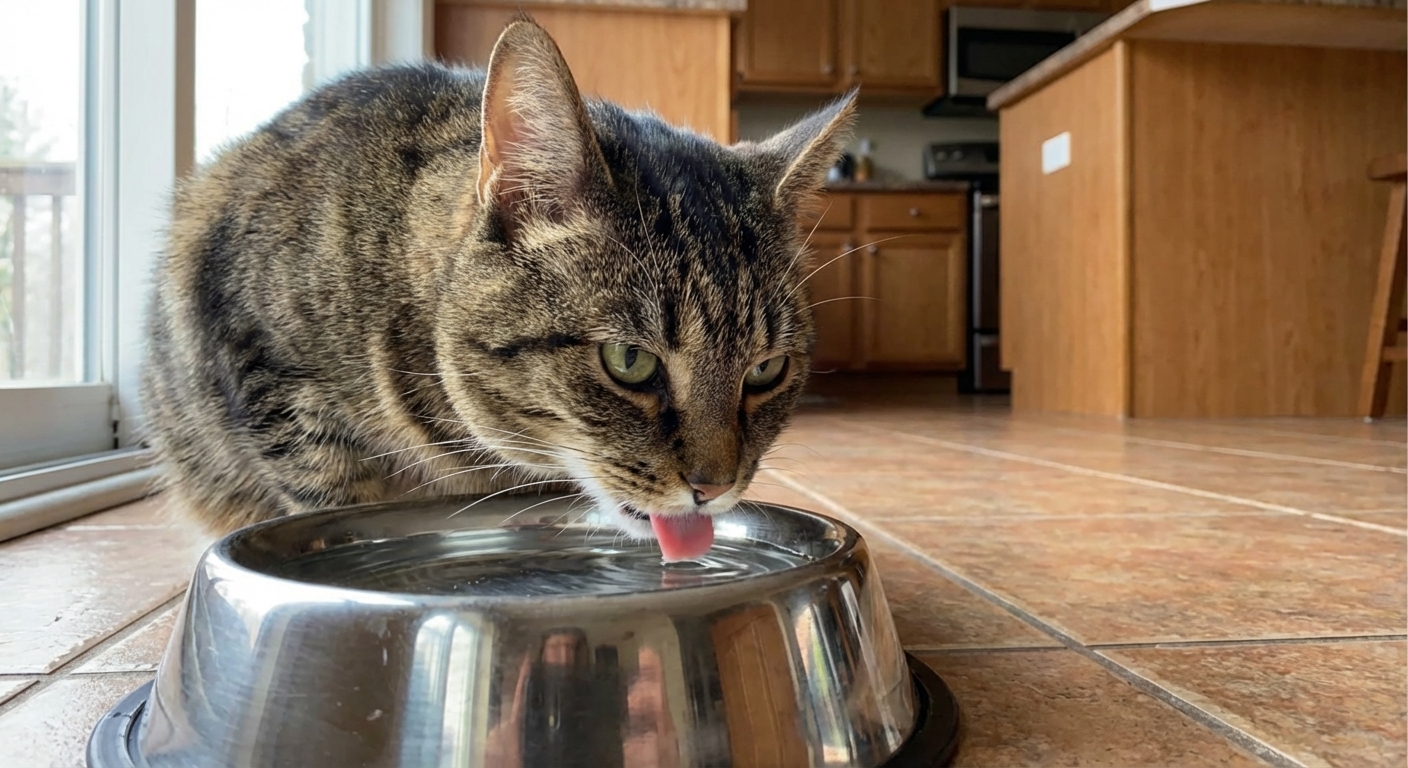
How much water is “too much” for a cat?
Most pet parents notice the pattern before they ever measure it. You may be:
- Refilling the water bowl more often
- Seeing your cat visit the water source repeatedly
- Noticing larger litter clumps or more frequent trips to the litter box
- Catching your cat drinking from unusual places like the sink, shower, or toilet
In veterinary medicine, we get concerned when water intake is consistently high for a cat’s size. A commonly cited reference point for polydipsia is over about 45 to 60 mL of water per kilogram of body weight per day, and many resources use around 50 mL/kg/day as a practical cutoff. Still, real life is messier than a formula. Wet food, multiple pets sharing bowls, fountains, and spilled water all make measuring tricky. Your veterinarian can help you interpret what is normal for your cat.
What matters most is a clear change from your cat’s normal. If you have a “my cat barely drank” cat and now you are refilling daily, that is worth a checkup.
Quick home observations that really help your vet
Before your appointment, you can gather a few clues that make the workup faster and more accurate.
1) Water refills and habits
- How often are you refilling bowls or a fountain?
- Any new water sources: dripping faucets, plant saucers, toilet drinking?
- Any recent diet change: more dry kibble, less canned food?
2) Litter box clues
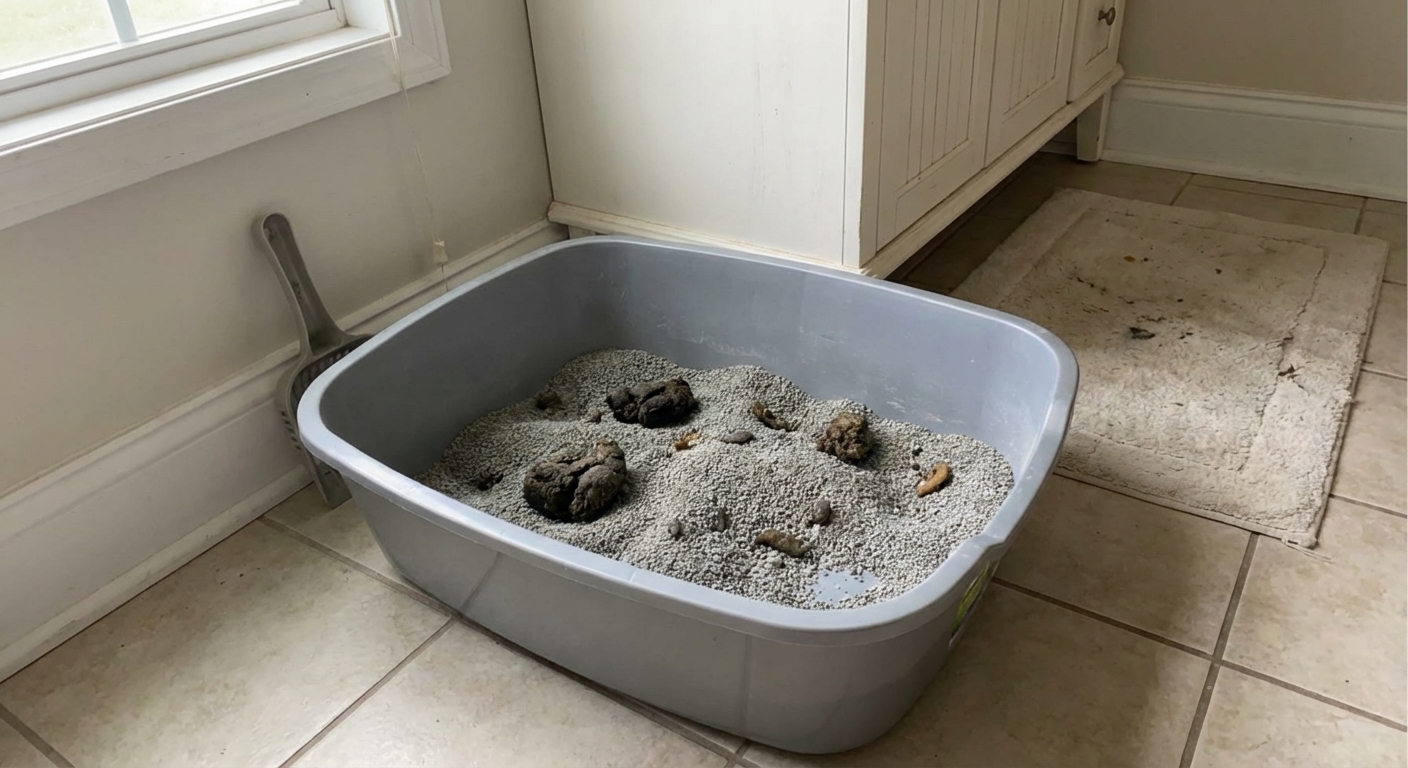
Bigger urine clumps can be one of the most useful at-home hints for increased urine volume. If you use clumping litter, note:
- Are clumps larger than usual?
- Are there more clumps per day?
- Any accidents outside the box?
If your cat seems to be urinating more often but the clumps are small, that can point more toward bladder irritation or discomfort rather than true “peeing more volume.” That distinction is helpful for your vet.
3) A practical way to estimate intake (even in multi-cat homes)
If your household setup allows it, you can get a rough estimate by:
- Using a measuring cup to add a known amount of water to one bowl
- Checking what is left 24 hours later (and subtracting any obvious spills)
- For multi-cat homes, separating cats and bowls for a day, if possible, to get a clearer read
You do not need perfect numbers for this to be useful. A consistent trend is what matters.
Common medical reasons: the big three
Diabetes mellitus (high blood sugar)
Diabetes in cats happens when the body cannot use glucose properly. When blood sugar is too high, glucose spills into the urine and pulls extra water with it. That leads to more urination and then more thirst.
Clues you might notice at home:
- Drinking more and larger urine clumps
- Increased appetite at first, then sometimes decreased appetite as the cat feels worse
- Weight loss despite eating
- Less energy, hiding more
- In more advanced cases, vomiting or dehydration
Why it matters: Untreated diabetes can progress to serious illness and a dangerous emergency called diabetic ketoacidosis (DKA).
Kidney disease (chronic kidney disease is common)
Cats’ kidneys are responsible for filtering waste and balancing water. When kidneys are not working well, they can have trouble concentrating urine. Your cat pees out more water than they should, and then they drink more to keep up.
Clues you might notice:
- Drinking more and larger urine clumps
- Weight loss and muscle loss over time
- Picky appetite, nausea, lip smacking
- Bad breath that can smell “chemical” or like ammonia
- Dehydration or a dull coat
Why it matters: Early kidney disease can often be managed. The sooner you catch it, the more options you usually have for slowing progression. Your vet may also talk about ongoing monitoring such as repeat kidney values, urine concentration, urine protein, and phosphorus.
Hyperthyroidism (overactive thyroid)
Hyperthyroidism is very common in older cats. An overactive thyroid speeds up the whole metabolism. Many cats become hungrier, lose weight, and may drink and urinate more.
Clues you might notice:
- Increased appetite with weight loss
- Restlessness, vocalizing more, acting “wired”
- Vomiting or diarrhea
- Drinking more and larger urine clumps
- Sometimes a fast heart rate
Why it matters: Hyperthyroidism is treatable, but it can strain the heart and other organs if left unmanaged. Also, hyperthyroidism can sometimes mask kidney disease, and kidney values may shift once thyroid levels are controlled. This is one reason your vet may recommend follow-up testing after treatment starts.
Other reasons your cat may drink more
Those “big three” are not the only possibilities. Your veterinarian will also consider:
- Bladder inflammation (FLUTD) or a urinary tract infection: these more commonly cause frequent, small urinations (pollakiuria), straining, or blood, rather than true high-volume urination. Still, they can happen alongside PU/PD, and many owners notice litter box changes first.
- Diarrhea or chronic gastrointestinal disease (fluid loss drives thirst)
- Medications like corticosteroids
- High-salt treats or sudden diet changes
- Heat, stress, or increased activity
- Liver disease or other hormonal disorders
- Other endocrine diseases (less common in cats) such as acromegaly, which can be linked with difficult-to-control diabetes, and hyperadrenocorticism (Cushing’s)
- Dental or oral pain: oral discomfort more often changes eating patterns, but it can also change drinking behavior in some cats. Some cats may sip more often, drool, or become picky about textures.
That is why the best next step is usually not guessing. It is a basic veterinary exam plus targeted lab work.
What your vet will typically test, and what the results usually mean
Most veterinarians start with a few foundational tests because they give a wide view of hydration, kidney function, blood sugar, and infection.
Physical exam
- Body weight and body condition score
- Hydration status
- Heart rate and listening for murmurs or gallops
- Thyroid palpation (some cats have a palpable thyroid nodule)
Urinalysis (UA)
This is a key test for “drinking and peeing more.” It can show:
- Urine specific gravity: how concentrated the urine is. Dilute urine can point toward kidney disease or other causes of poor urine concentration.
- Glucose in urine: strongly suggests diabetes when paired with high blood glucose.
- Ketones: can signal a more urgent diabetic situation such as DKA risk.
- Protein, blood, bacteria: may suggest infection, inflammation, or kidney involvement.
Bloodwork (CBC and chemistry panel)
- Glucose: elevated glucose supports diabetes, especially alongside glucose in the urine.
- BUN and creatinine: can rise with kidney dysfunction or dehydration.
- SDMA: may detect kidney changes earlier than creatinine in some cats.
- Electrolytes (sodium, potassium, chloride): imbalances can occur with kidney disease and other disorders.
- Liver values: can be affected by many conditions, including hyperthyroidism.
Total T4 (thyroid test)
A Total T4 is a common first-line screening test for hyperthyroidism, especially in senior cats. If results are borderline, your vet may recommend additional thyroid testing.
Blood pressure and imaging (sometimes)
Many cats with kidney disease or hyperthyroidism can develop high blood pressure. Your vet may also suggest X-rays or ultrasound if the picture is unclear or if there are concerns about other internal disease.
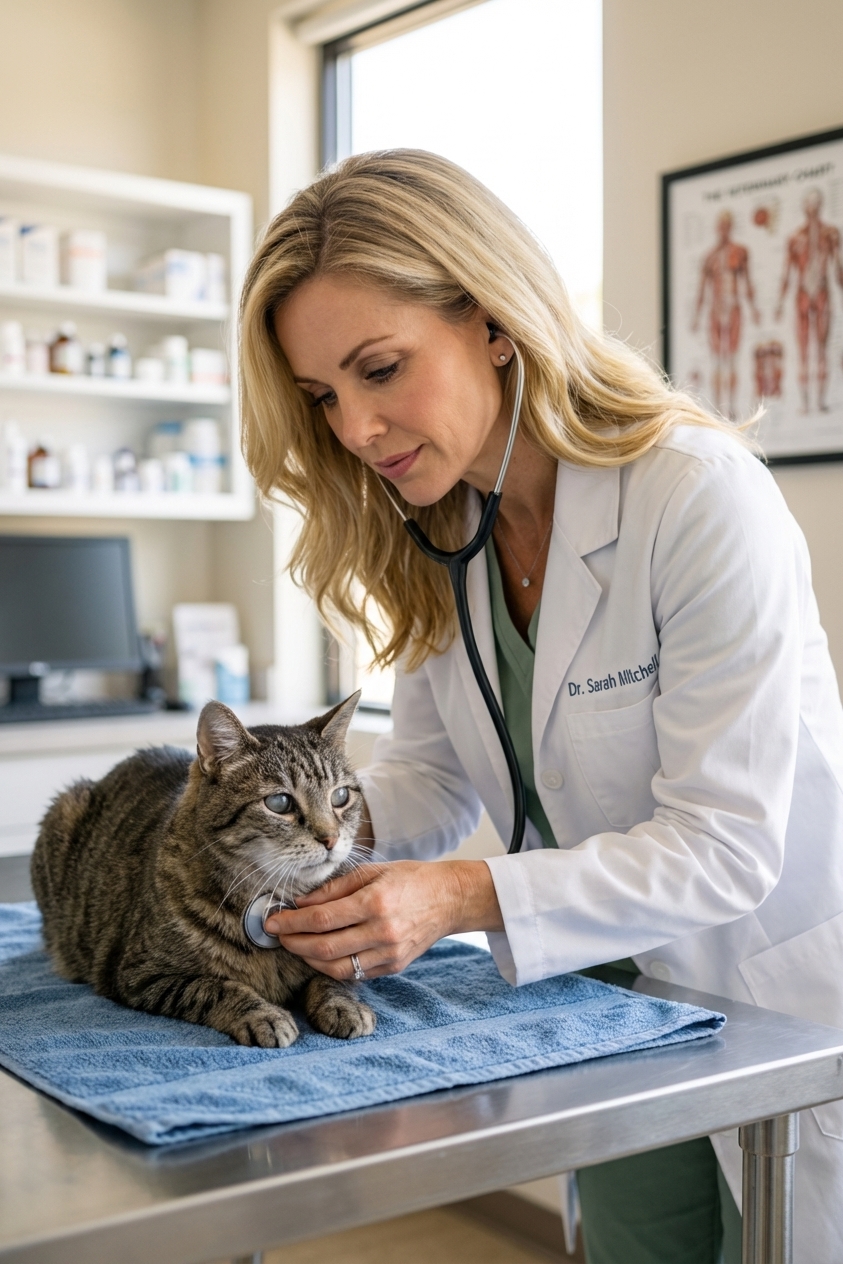
When you should seek same-day veterinary care
Increased drinking alone is often not an ER situation, but there are important exceptions. Please call your veterinarian the same day, or go to urgent care, if you notice any of the following:
- Not eating for 24 hours or more (or a dramatic drop in appetite)
- Vomiting repeatedly or unable to keep water down
- Marked lethargy, weakness, collapse, or acting disoriented
- Rapid breathing or open-mouth breathing
- Obvious weight loss over days to weeks
- Dehydration signs like sticky gums or sunken eyes
- Straining to urinate, crying in the litter box, or producing little to no urine (this is an emergency, especially in male cats)
- Sweet or “fruity” breath along with illness signs, especially vomiting or profound lethargy (this can be a red flag for ketones and possible DKA, not just uncomplicated diabetes)
If your cat is drinking more and also seems sick, do not wait for it to “pass.” Cats are masters at looking okay until they are not.
What you can do at home right now
Do not restrict water
If your cat is thirsty, they need access to water. Restricting water can worsen dehydration and stress the kidneys.
Make hydration easier
- Offer a second bowl in a quiet spot
- Consider a cat water fountain if your cat prefers moving water
- Add more wet food if your veterinarian agrees it is appropriate
Track the basics for 3 to 5 days
- Body weight (even once or twice is helpful)
- Appetite and energy level
- Litter clump size and number
- Any vomiting, diarrhea, or accidents
Bring a fresh urine sample if your clinic recommends it
Some clinics prefer collecting urine in-house, but others will accept a fresh sample. Call and ask what they prefer and how to collect it.
Bottom line
When a cat suddenly starts drinking a lot of water, it is often your first visible clue that something internal needs attention. Diabetes, kidney disease, and hyperthyroidism are common and important causes, and all three benefit from earlier detection.
If you are seeing bigger litter clumps, frequent bowl refills, weight loss, appetite changes, or any “my cat just seems off” behavior, schedule a veterinary visit. And if your cat is drinking more plus acting sick, aim for same-day care.
You are not overreacting. You are noticing the kind of subtle change that helps cats get treatment before a small problem becomes a crisis.