Seeing bigger clumps or frequent tiny pees? Learn the difference between polyuria and urinary irritation, top causes (diabetes, CKD, hyperthyroidism, FLUTD/F...
Article
•
Designer Mixes
Why Is My Cat Drinking So Much Water?

Shari Shidate
Designer Mixes contributor
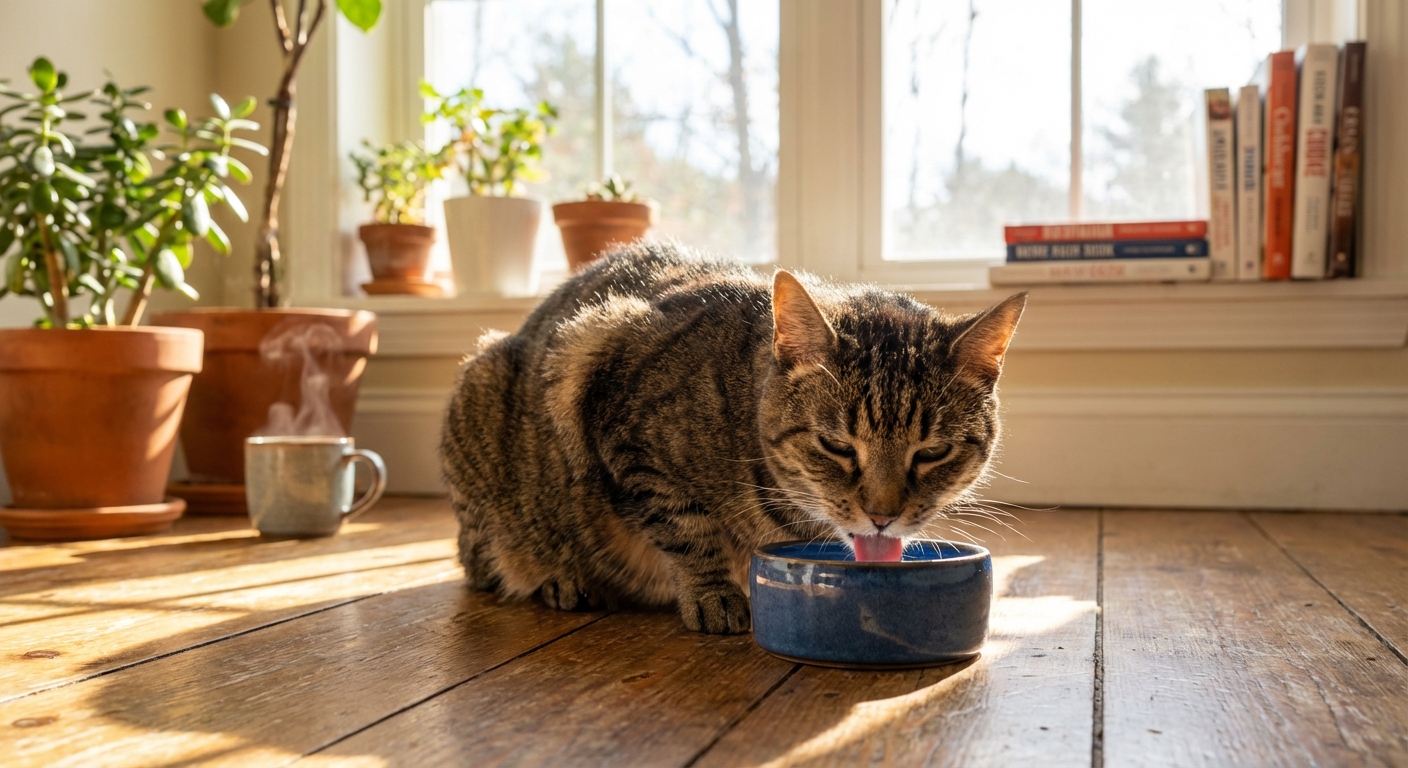
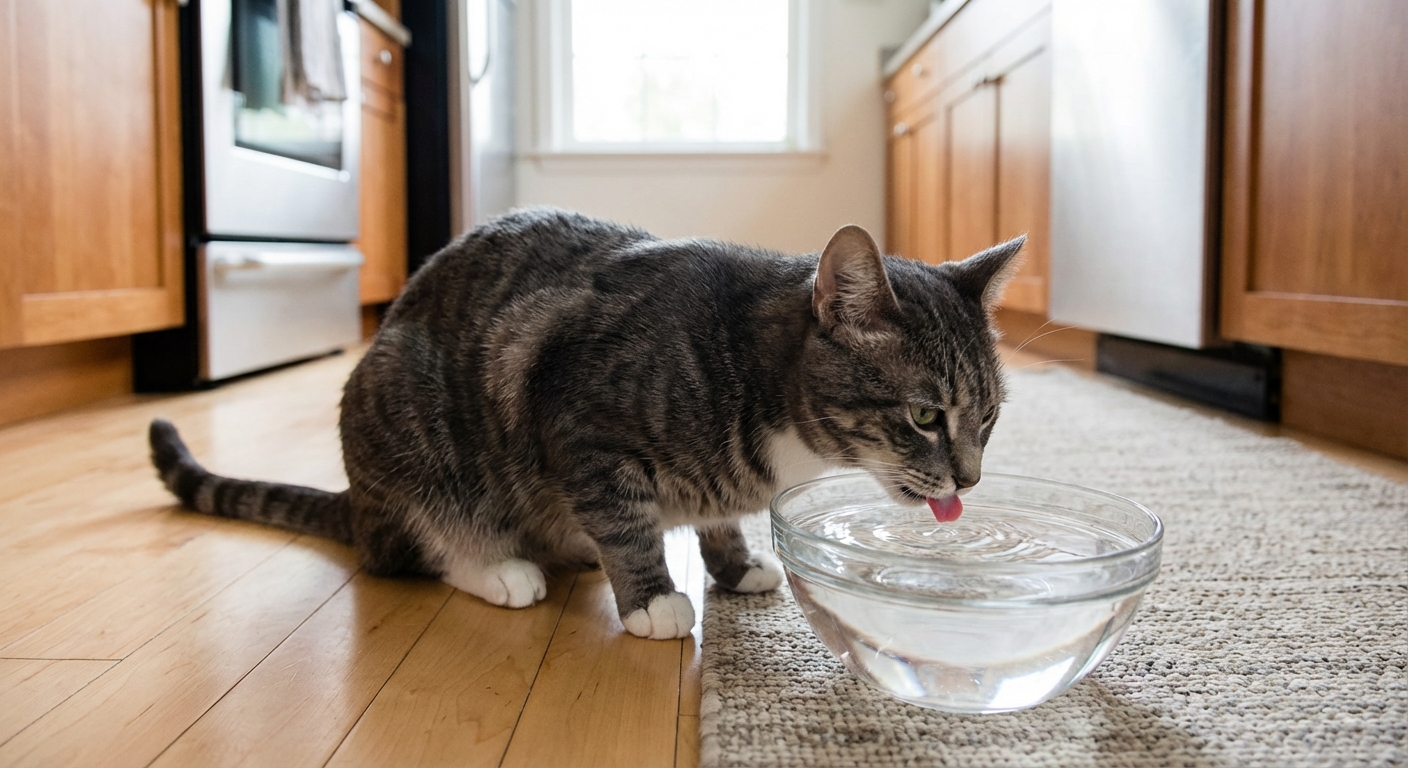
If you have caught yourself thinking, “My cat is practically living at the water bowl,” you are not being paranoid. Increased thirst can be a simple, temporary change, but it can also be an early clue that something bigger is going on, especially kidney disease, diabetes, or hyperthyroidism.
As a veterinary assistant, I always tell pet parents the same thing: when water intake changes noticeably, it is worth paying attention. Cats are masters at hiding illness, so subtle shifts like drinking more (and often peeing more) matter.
What “too much” can look like
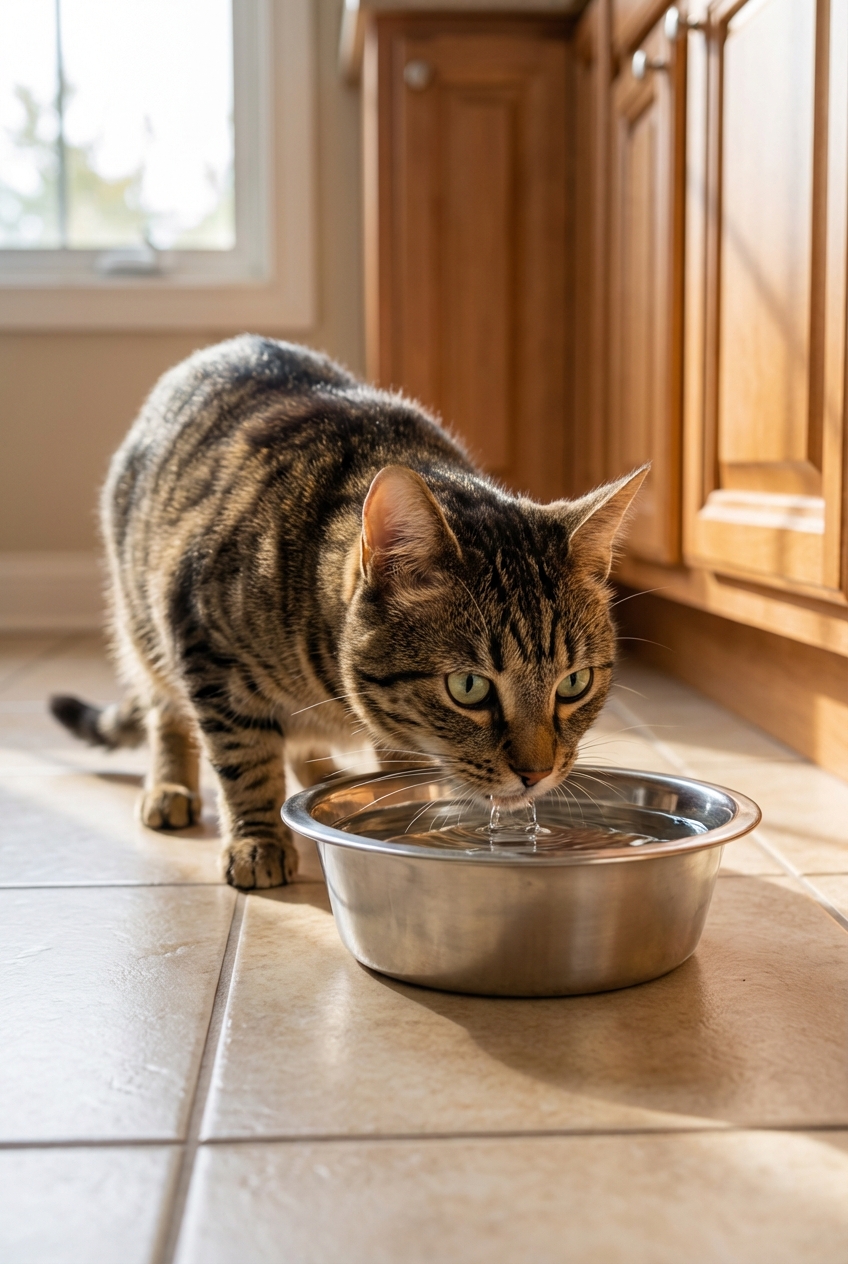
Some cats have always been good drinkers, especially if they eat mostly dry food. Red flags usually show up as a change from your cat’s normal routine.
- Emptying the water bowl faster than usual
- Hanging around sinks, tubs, or dripping faucets
- Drinking for longer periods at a time
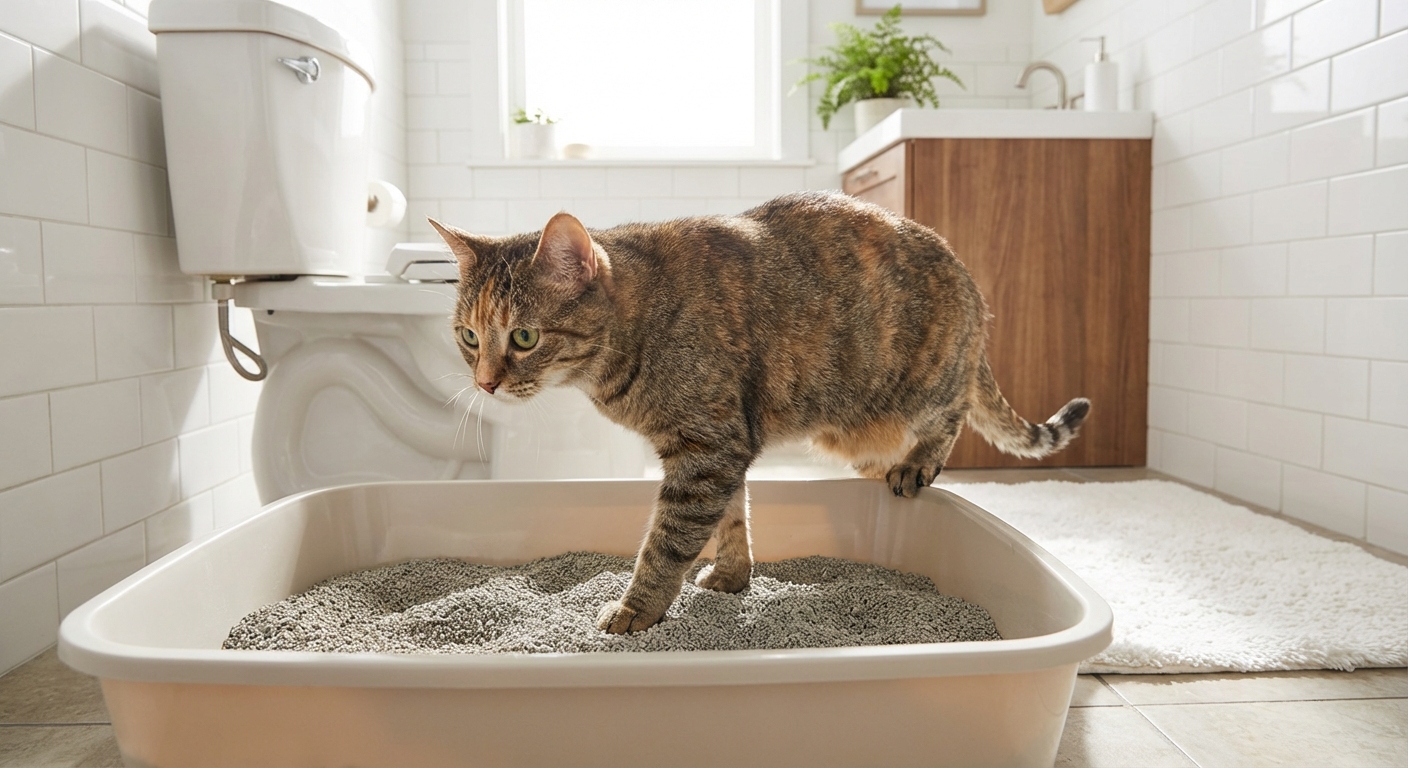
- More frequent urination or larger urine clumps in the litter box
- Accidents outside the litter box (from urgency, discomfort, or aversion to the box)
If you want a rough benchmark, many cats average around 40 to 60 ml per kg per day of water intake from all sources (drinking water plus food moisture). Some healthy cats fall outside that range. That is why the most useful clue is still a clear change from baseline, like consistently needing refills or seeing markedly larger clumps.
If you have multiple cats, it can be hard to tell who is drinking what. In that case, watch the litter box closely. Bigger clumps and more trips to the box are often the first clues.
Common reasons cats drink more
There are several possibilities, ranging from harmless to urgent. Here are some of the more common ones vets consider when a cat has increased thirst (also called polydipsia).
Diet and environment
- Dry food: Cats on kibble often drink more because their diet contains less moisture than canned food.
- Heat or low humidity: Warm weather or indoor heating can increase water needs.
- More activity: Younger, more active cats may drink more after play.
Medical causes to take seriously
- Chronic kidney disease (CKD): Very common in older cats.
- Diabetes mellitus: Can happen in cats of any age, more common in overweight or older cats.
- Hyperthyroidism: Common in middle-aged to senior cats. Often causes weight loss with a big appetite and can look a lot like diabetes at home.
- Urinary tract problems: Bladder inflammation (cystitis) and some infections can cause frequent, urgent trips to the litter box, sometimes with small amounts of urine. That is not the same as producing more urine overall, but it is still a big reason to call your vet, especially if you see straining or vocalizing.
- Vomiting or diarrhea: Fluid loss can lead to dehydration and increased drinking.
- Medications: Steroids and some other drugs can increase thirst and urination.
- Other conditions: Infections, inflammation, and rarer hormone disorders can also be on the list, depending on your cat’s age and exam findings.
Kidney issues: signs to watch
Kidneys help filter waste, balance fluids, and regulate important minerals. When they are not working well, cats often drink more to compensate and may pee more because the kidneys cannot concentrate urine as effectively.
Signs that can point toward kidney disease include:
- Increased thirst and increased urination
- Weight loss, muscle loss, or a “bonier” feel along the spine
- Decreased appetite or picky eating that is new
- Nausea signs like lip smacking, drooling, or vomiting
- Bad breath that smells unusually ammonia-like
- Dull coat, less grooming, or hiding more
Important: Chronic kidney disease is not “curable,” but it is very manageable when caught early. Many cats do well for years with diet changes, hydration support, and the right monitoring plan.
Diabetes: signs to watch
Diabetes mellitus in cats typically involves high blood sugar. When glucose spills into the urine, it pulls extra water along with it. That is why diabetes often causes the classic combination of more drinking and more peeing.
Common diabetes signs include:
- Increased thirst and increased urination
- Increased appetite (especially early on)
- Weight loss despite eating well
- Low energy or sleeping more
- Walking flat-footed on the back legs (a more advanced sign called neuropathy)
Diabetes can be very treatable. Many cats do well on a plan that may include insulin, a high-protein low-carbohydrate diet, weight management, and regular rechecks.
Hyperthyroidism: signs to watch
Hyperthyroidism means the thyroid is overactive, which speeds up the body’s metabolism. It is one of the most common diagnoses we see in senior cats, and it can absolutely show up as “my cat is suddenly drinking a lot.”
Common hyperthyroidism signs include:
- Weight loss with a surprisingly strong appetite
- Increased thirst and sometimes increased urination
- Restlessness, yowling, or acting “wired”
- Vomiting or diarrhea in some cats
- Faster heart rate or a heart murmur (found on exam)
Hyperthyroidism is very treatable. Options can include daily medication, a prescription diet, radioactive iodine therapy, or surgery. Your vet will help you choose what fits your cat and your household.
How vets find the cause
Increased drinking is a symptom, not a diagnosis. The goal is to identify the “why” quickly and safely. Your veterinarian will usually start with:
- History and exam: Appetite, weight changes, litter box habits, medications, and overall behavior.
- Urinalysis: Checks urine concentration (specific gravity), glucose, protein, infection signs, and more.
- Bloodwork: Evaluates kidney values, blood sugar, electrolytes, and often thyroid levels in older cats.
- Blood pressure: Especially important for cats with kidney disease and hyperthyroidism.
- Additional testing if needed: Imaging like X-rays or ultrasound, urine culture, or specific kidney markers.
If you can, bring a fresh urine sample if your clinic recommends it. You can also bring notes on water intake, appetite, vomiting, weight trends, and litter box changes. A stool sample is usually only helpful if there are GI signs or unexplained weight loss, since parasites and other gut issues can sometimes complicate the picture.
What you can do now
1) Do a quick baseline check
- Has your cat switched foods recently (especially to dry)?
- Is it hotter or drier in your home than usual?
- Are the litter clumps bigger or more frequent?
- Any vomiting, diarrhea, weight loss, or appetite changes?
- Any accidents outside the box?
2) Track water and weight
If you have one cat, you can measure how much water you put in the bowl in the morning and how much is left at night. If you have multiple cats, focus more on litter box output and behavior at the water source.
If you can, do weekly weigh-ins (even holding your cat on a human scale). Weight loss plus thirst is a combination your vet will want to know about.
3) Support hydration safely
- Offer multiple clean water bowls in quiet areas.
- Try a pet water fountain if your cat loves moving water.
- Add canned food or a little warm water to meals (if your vet says it is okay).
4) Avoid the common mistake
Do not restrict water. If your cat is drinking more because of a medical problem, limiting water can make them feel worse and can be dangerous.
When to call the vet
Call your veterinarian if the change is marked, lasts more than a couple of days, or comes with bigger litter clumps, weight loss, vomiting, diarrhea, or behavior changes. If your cat just switched to dry food or the weather is unusually warm, you can monitor closely, but do not ignore a pattern that persists.
Seek urgent care if your cat has any of the following:
- Not eating for 24 hours (or a kitten not eating for much less)
- Repeated vomiting, severe lethargy, or collapse
- Straining to urinate, crying in the litter box, frequent trips with little output, or producing little to no urine
- Sudden weakness in the back legs
- Very rapid breathing or open-mouth breathing
The encouraging truth
It is scary to think about kidney disease, diabetes, or hyperthyroidism, but noticing increased thirst is exactly the kind of early sign that helps cats get the care they need. With a good diagnosis and a realistic plan, many cats live happy, comfortable lives.
If you are unsure, trust your instincts and call your vet. You know your cat’s normal better than anyone.