Make meals more tempting and nutritious with simple dog food toppers: bone broth, cooked eggs, sardines, pumpkin, and steamed veggies—plus portions, storag...
Article
•
Designer Mixes
Why Dogs Wag Their Tails

Shari Shidate
Designer Mixes contributor
If you have ever watched your dog’s tail start to thump the moment you pick up a leash, you know it feels like a simple message: happy! But tail wagging is more like a whole communication system. As a veterinary assistant here in Frisco, Texas, I like to remind families that a wag can signal joy, stress, pain, uncertainty, or even a polite warning. The healthiest approach is to read the whole dog, not just the tail.

What tail wagging means
Tail wagging is a form of body language powered by your dog’s nervous system and muscles. It is often tied to emotional arousal, which can be positive or negative. So instead of thinking “wag equals happy,” think “wag equals activated and communicating.”
Dogs use tails to signal intentions and to exchange information with other dogs. In some studies, wag direction and speed can correlate with emotional state, but in day-to-day life the most useful tool is still the full context: posture, face, ears, and the situation.
Key takeaway: A wag does not automatically mean a dog is safe to pet.
How to read the tail
1) Tail height (where is the tail held?)
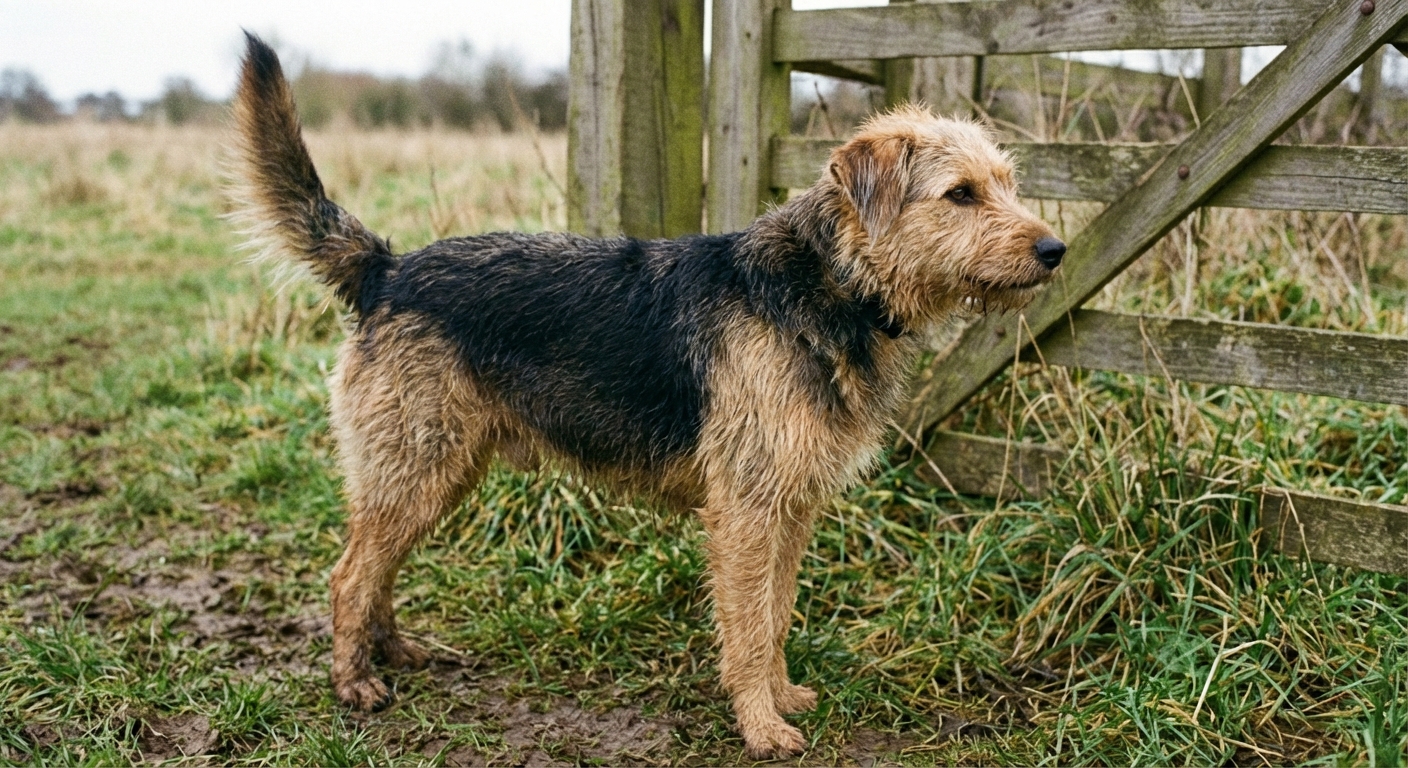
- High and stiff: often alertness, tension, or a dog trying to look bigger. This is not automatically aggression, but it is a “proceed carefully” signal.
- Level with the back: neutral interest, socially engaged.
- Low tail: uncertainty, fear, or discomfort. A relaxed low tail can be normal for some breeds, so compare to your dog’s baseline.
- Tucked tightly: strong fear or stress. This is a dog asking for space.
2) Wag speed (how fast?)
- Loose, medium-speed wag: friendly, comfortable engagement.
- Fast, tight wag: high arousal. This can show excitement, but it can also show stress. Look at the rest of the body.
- Slow wag: often cautious evaluation or intense focus, depending on the context.
3) Wag shape (loose vs. rigid)
- Whole-body wag where hips wiggle too: commonly friendly and joyful.
- Just the tip wagging with a tense body: often uncertainty.
- Rigid wag with a frozen posture: elevated tension. Pause the interaction and create distance.
Whole body clues
When I triage behavior questions in a clinic setting, I look for clusters of signals. Here are common combinations:
- Happy and safe: soft eyes, relaxed mouth, ears in a neutral position, loose body, tail wagging in wide sweeps.
- Overstimulated: dilated pupils, rapid panting when not hot, jumping, mouthing, fast tight wag. This dog may need a calm break, not more excitement.
- Worried: lip licking, yawning, whale eye (seeing the whites of the eyes), lowered body, tail low or tucked, slow wag or no wag.
- Warning signs: body stiffens, weight shifts forward, staring, closed mouth, tail high and rigid with short wags. Respect this and increase space.
Tip: if you ever feel unsure, stop reaching toward the dog and give them room. A “consent check” is simple: pause interaction and see if the dog chooses to re-engage.
Wagging that is not joy
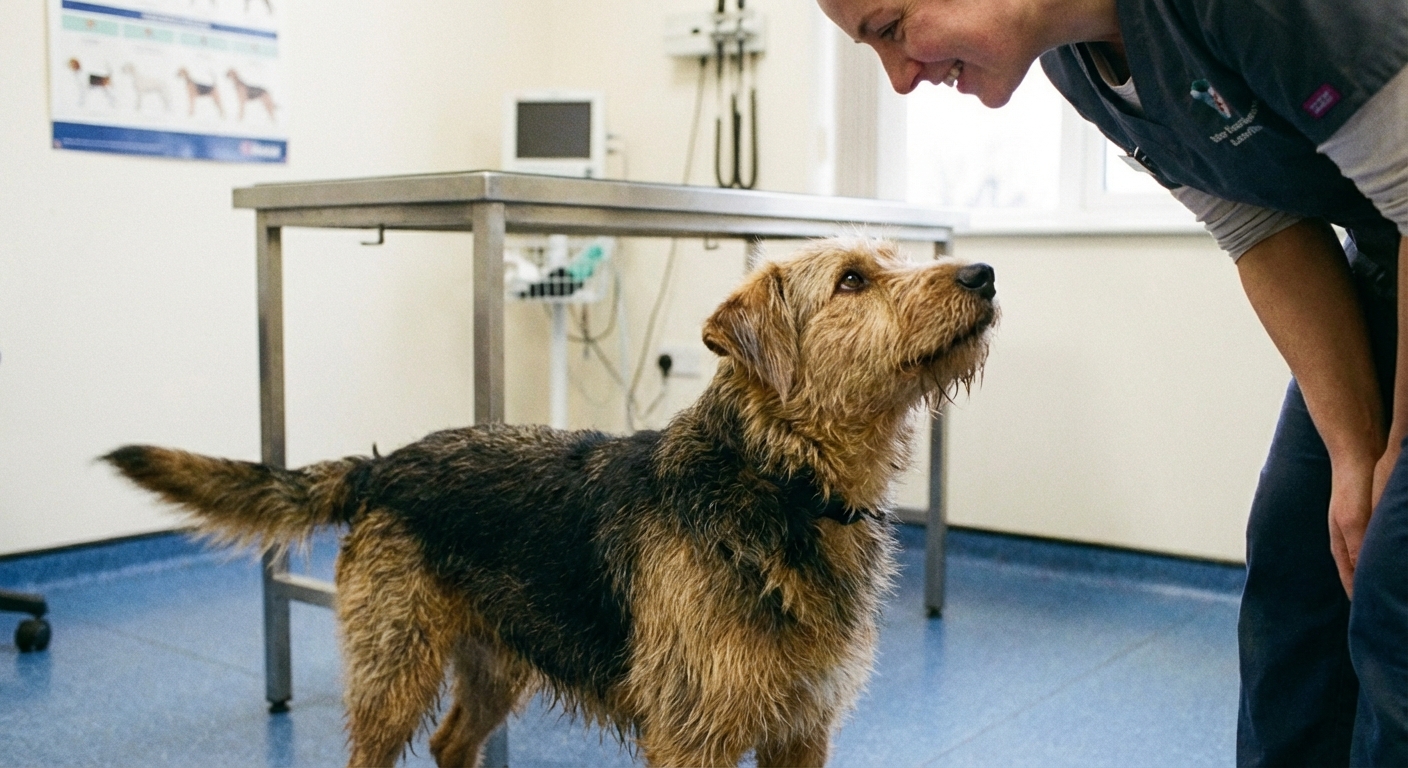
Some dogs wag in situations that surprise people, like at the vet, during a tense greeting, or when they are scolded. Common reasons include:
- Appeasement: a dog may wag low and fast to say, “I’m not a threat.”
- Conflict: they want to approach but also feel worried.
- Anticipation: tail wagging can spike before meals, walks, or play because the dog is revved up.
- Stress: some dogs show stress with wagging plus panting, pacing, or pinned-back ears.
- Guarding or tension: a stiff body with a high tail and short, tight wags can show a dog is on edge. This is not an invitation to reach in.
Health clues
Tail movement is powered by muscles and nerves, and it is influenced by the spine, hips, and overall comfort (including skin and coat health). When something hurts, you may sometimes see changes in tail use before you see limping or obvious lameness.
Red flags to watch for
- Sudden limp tail (hanging down, minimal movement), especially after swimming or intense play. This can be consistent with “limber tail” or acute tail muscle strain.
- Pain when sitting, reluctance to climb stairs, or yelping when the tail base is touched.
- Constant licking under the tail, scooting, or foul odor, which can suggest anal gland issues, skin infection, or parasites.
- Hair loss, redness, or crusting near the tail base, sometimes linked to flea allergy dermatitis.
- Changes in bathroom habits (straining, constipation, diarrhea) plus tail discomfort, which can make tail movement look different.
- Neurologic signs like weakness, wobbliness, or loss of tail tone, which should be evaluated promptly.
If you notice a major change in how your dog carries or moves their tail for more than 24 to 48 hours, it is worth a veterinary visit. Go sooner for severe pain, known trauma, swelling, bleeding, or any neurologic signs. A sudden loss of tail function or trouble walking should be treated as same-day care.
Breed and tail type
Not all tails “speak” the same way. A curled tail (like many spitz-type dogs), a docked tail, a naturally bobbed tail, or a fluffy plume can make signals harder to read. Some dogs also have tails that sit higher or lower as their normal.
Docking deserves a special mention because it can reduce how clearly a dog can signal to other dogs and to people. When you have less tail to read, pay extra attention to the ears, face, posture, and how the dog moves through space.
That is why your dog’s baseline is so important. Take a mental snapshot of how they look when they are truly relaxed at home. That reference point helps you spot stress or pain sooner.
Support good communication
Calm greetings
A common time for bites is during rushed hellos, especially when a dog feels cornered or overwhelmed. Teach family and guests to approach sideways, avoid looming, and let the dog come to them. If the tail is high and stiff, pause. If the tail is low and tucked, give time and space.
Kid safety note: Help children avoid hugging, leaning over, or putting their face close to a dog, even a familiar one. Have them offer a hand to sniff (if the dog chooses), then pet the chest or shoulder instead of reaching over the head.
Prevent tail injuries
- Ease into new activities like swimming, hiking, or long fetch sessions.
- Avoid repetitive high-impact play for long stretches, especially in heat.
- Keep your dog at a healthy weight to reduce strain on the back and hips.
Support skin and coat comfort
Healthy skin reduces itching around the tail base. Consistent parasite prevention, regular bathing when needed, and a balanced diet rich in quality protein and essential fatty acids can make a noticeable difference.
If you are exploring homemade or fresh foods, go slow and keep it balanced. A shiny coat is wonderful, but the real goal is overall wellness: healthy digestion, healthy weight, and steady energy.
Quick checklist
If you only remember one thing, remember this: the tail is one clue, not the whole story.
- Context: what just happened?
- Tail position: high, level, low, tucked?
- Wag quality: loose and wide or tight and stiff?
- Face: soft eyes and open mouth or hard stare and closed mouth?
- Body: wiggly and curved or stiff and forward-leaning?
When in doubt, choose space, slow things down, and let the dog decide whether to engage. That single habit prevents so many problems.
When to call your vet
Please reach out to your veterinarian promptly if you notice severe pain, a limp tail after exercise that does not improve, bleeding, swelling, a strong odor, sudden behavior changes, or any neurologic signs like weakness or loss of coordination. Tail changes can be the first visible sign of something bigger, and your dog deserves comfort fast.
With a little practice, you will get very good at reading your dog’s “tail language.” And that means a safer home, fewer misunderstandings, and a happier, healthier best friend.