Worried about a vomiting dog? Learn when vomiting is an emergency, how to offer small sips safely, and the best bland foods (chicken/rice, turkey, pumpkin, e...
Article
•
Designer Mixes
Why Dogs Vomit: Care Tips

Shari Shidate
Designer Mixes contributor
Seeing your dog vomit can be scary, messy, and confusing. As a veterinary assistant, I can tell you this is one of the most common concerns I hear from pet parents. The tricky part is that vomiting can be as simple as “ate too fast” or as serious as an intestinal blockage.
This guide will help you sort out what is most likely going on, what you can do at home, and when it is time to contact your veterinarian.
Quick note: This article offers general guidance and is not a substitute for a veterinary exam and diagnosis.
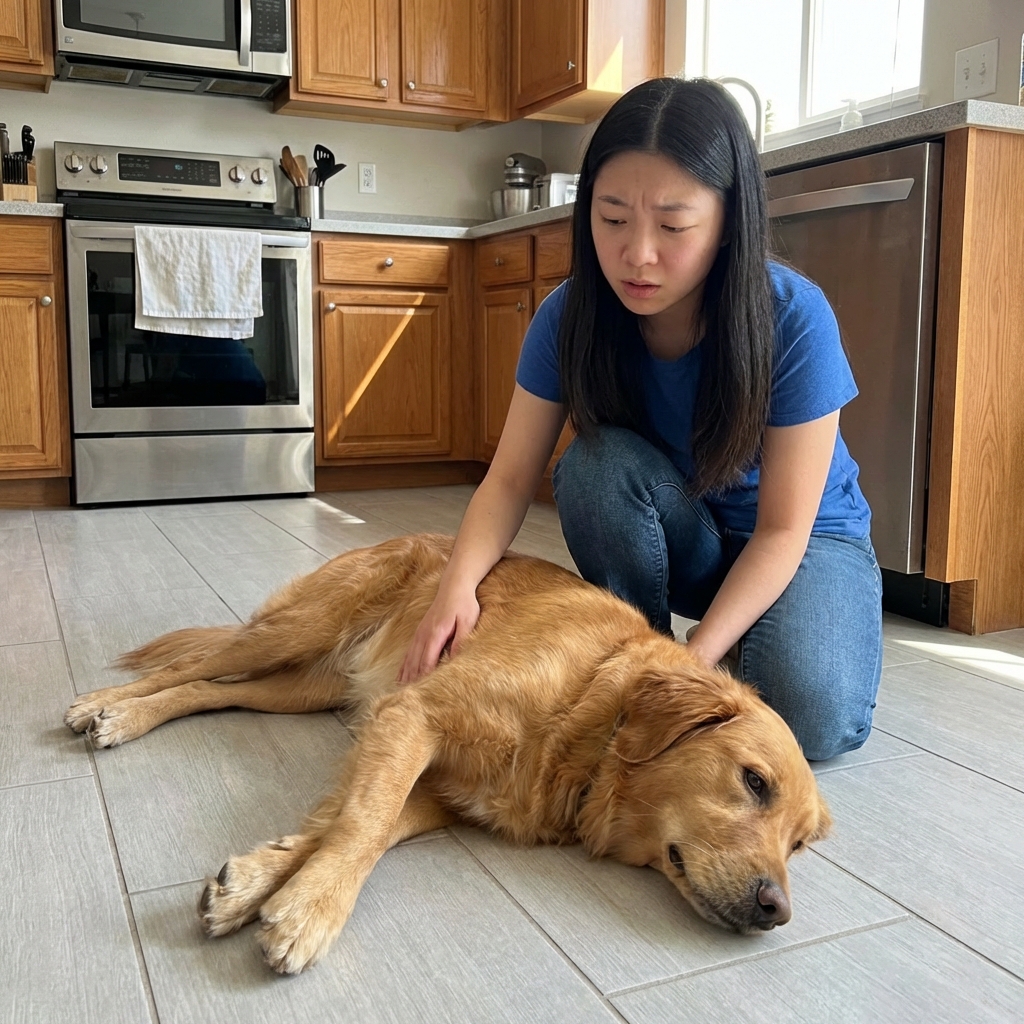
Vomiting vs. regurgitation
These look similar, but they can point to different problems.
- Vomiting usually involves nausea, drooling, heaving, and active abdominal effort. Food may be partially digested and mixed with liquid or foam.
- Regurgitation is more passive. Food often comes up quickly after eating, looks undigested, and there is usually little to no retching.
If you are unsure, grab a short video for your vet. It can be incredibly helpful for diagnosis.
Common reasons dogs vomit
Dogs explore the world with their mouths, so stomach upset is common. Here are the most frequent causes I see.
Dietary indiscretion
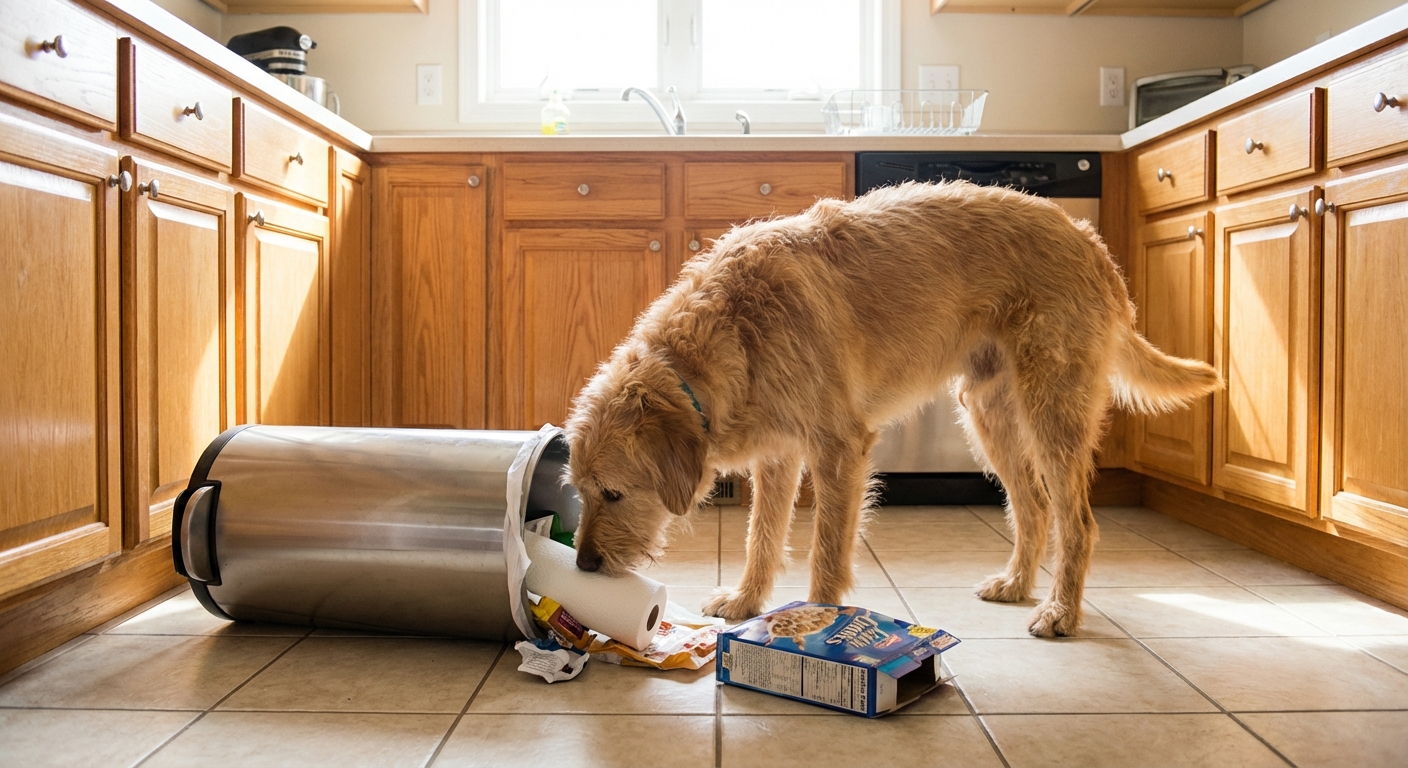
Trash, table scraps, greasy foods, bones, socks, toys, and random yard finds can all trigger vomiting. Even a sudden switch in dog food or treats can irritate the GI tract.
Eating too fast
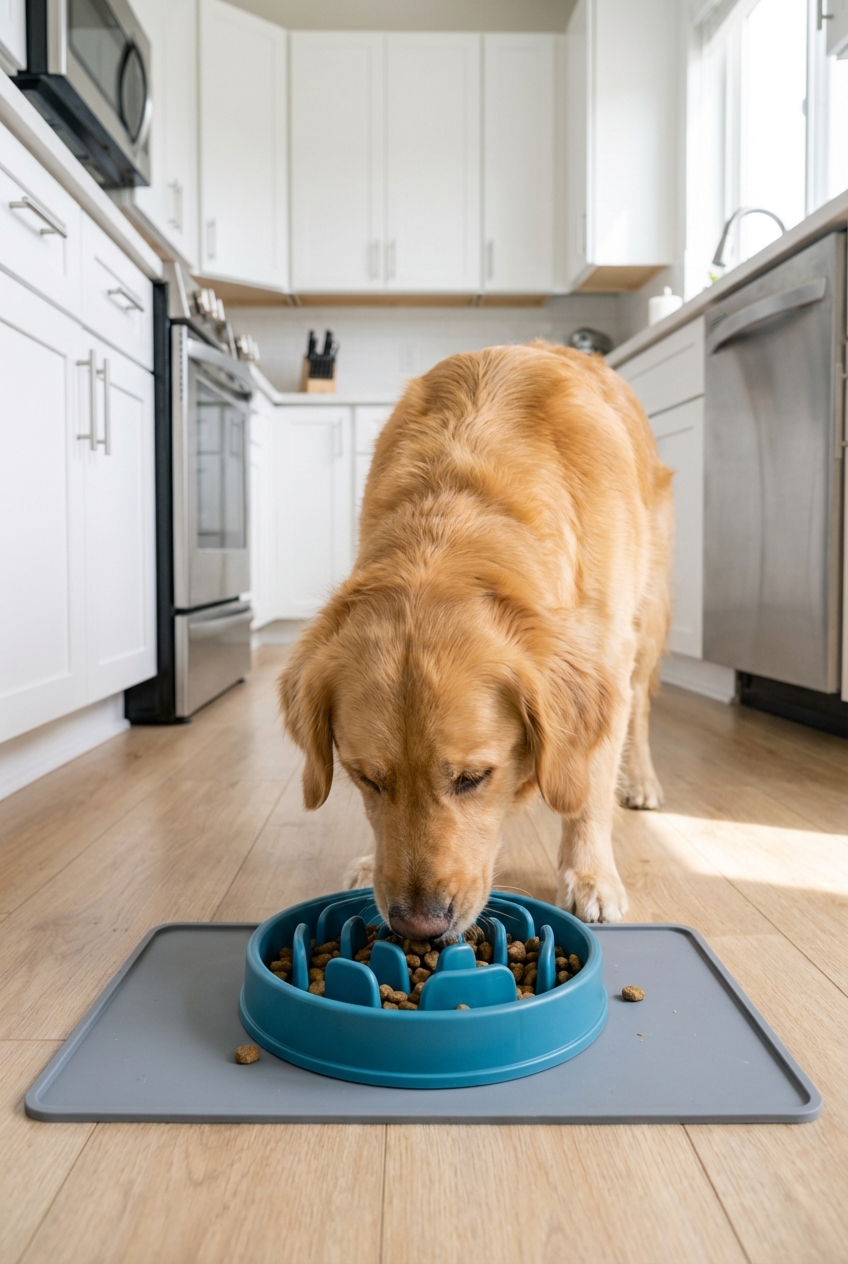
Gulping air with food can lead to vomiting or regurgitation soon after meals. Slow-feeder bowls and smaller, more frequent meals can help.
Motion sickness or stress
Car rides, fireworks, boarding, new environments, and separation anxiety can all cause nausea and vomiting.
Parasites
Roundworms, hookworms, whipworms, and giardia can upset the stomach and intestines, especially in puppies or recently adopted dogs.
Food intolerance or sensitivity
Some dogs vomit intermittently due to an ingredient that does not agree with them. This is often an intolerance rather than a true allergy. In dogs, true food allergies commonly include skin or ear signs like itching and recurrent ear infections.
Gastritis
Inflammation of the stomach lining can be triggered by food, medications (especially NSAIDs), toxins, infections, or underlying disease.
Pancreatitis
This is often linked to fatty foods. Symptoms can include vomiting, diarrhea, abdominal pain, and refusing to eat. Pancreatitis can range from mild to life-threatening.
Foreign body or blockage
With a blockage, vomiting often becomes frequent and worsening. Dogs may also stop eating, act painful, or strain to poop. This is an emergency.
Systemic illness
Kidney disease, liver disease, diabetes, Addison’s disease, and other conditions can cause vomiting. If vomiting is recurring, we think beyond “just the stomach.”
What the vomit can tell you
Gross but useful: the appearance and timing can offer clues. It is not a diagnosis on its own, but it helps your vet narrow things down.
- Foamy white vomit: often stomach acid or an empty stomach. If it keeps happening, it can also be seen with reflux, gastritis, pancreatitis, or other illness and should be checked out.
- Yellow bile: commonly seen when the stomach is empty, such as early morning vomiting. If it is frequent or your dog seems unwell, it can also be linked to reflux, gastritis, pancreatitis, or even obstruction.
- Undigested food right after eating: can be regurgitation, fast eating, or esophagus issues.
- Blood: bright red streaks can occur with irritation, but coffee-ground material suggests digested blood and needs urgent care.
- Worms: sometimes visible, especially roundworms. Save a sample and contact your vet.
When it is urgent
Contact your veterinarian or an emergency clinic right away if you notice any of the following:
- Repeated vomiting, especially more than 2 to 3 times within a few hours, or vomiting that is worsening
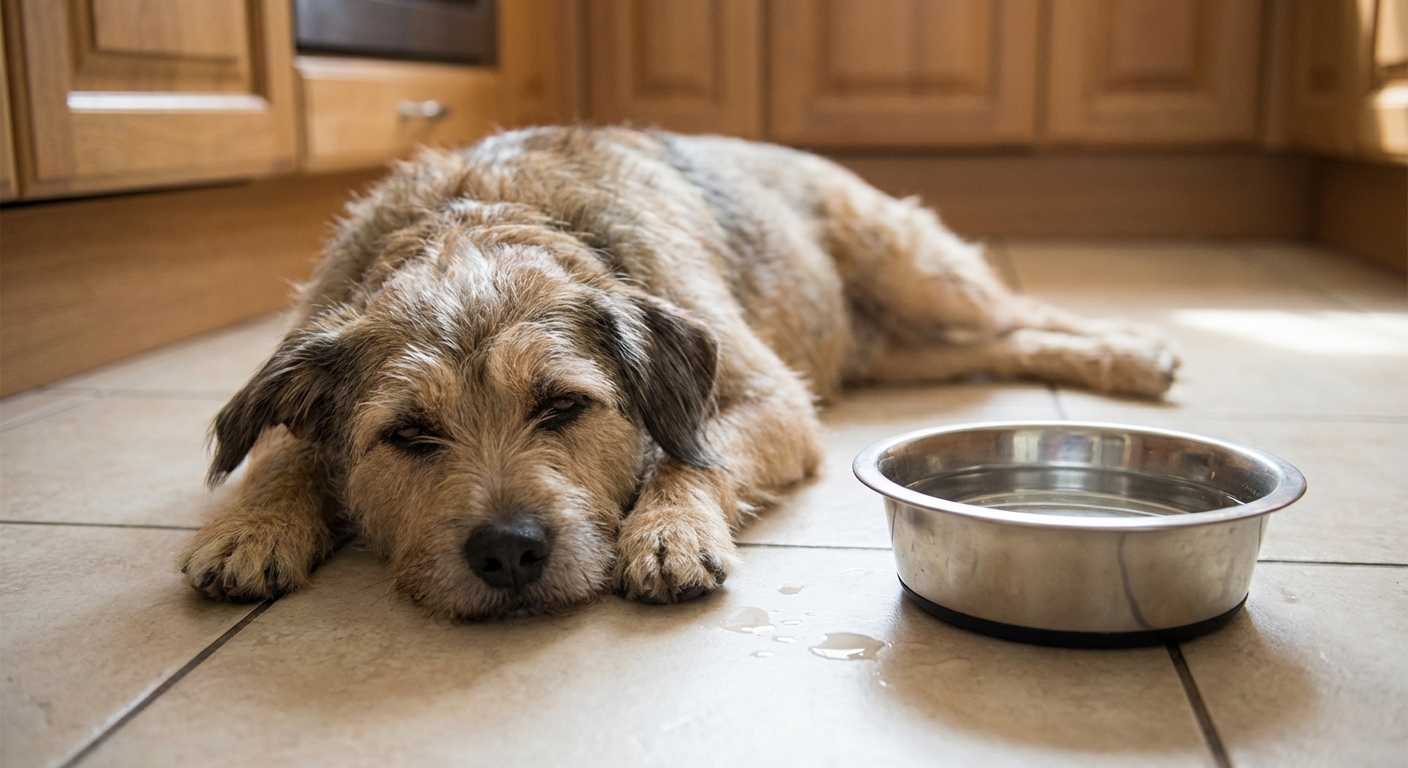
- Cannot keep water down, or vomits even after small sips
- Blood in vomit or black, tarry stool
- Swollen belly, unproductive retching, excessive drooling, or restlessness (concern for bloat). Do not wait.
- Suspected foreign body (toy, sock, corn cob, bones, etc.)
- Lethargy, collapse, pale gums, fever, or signs of pain
- Puppies, seniors, or dogs with chronic conditions (kidney disease, diabetes, Addison’s)
- Vomiting after possible toxin exposure (grapes/raisins, xylitol, medications, rodent bait, certain plants)
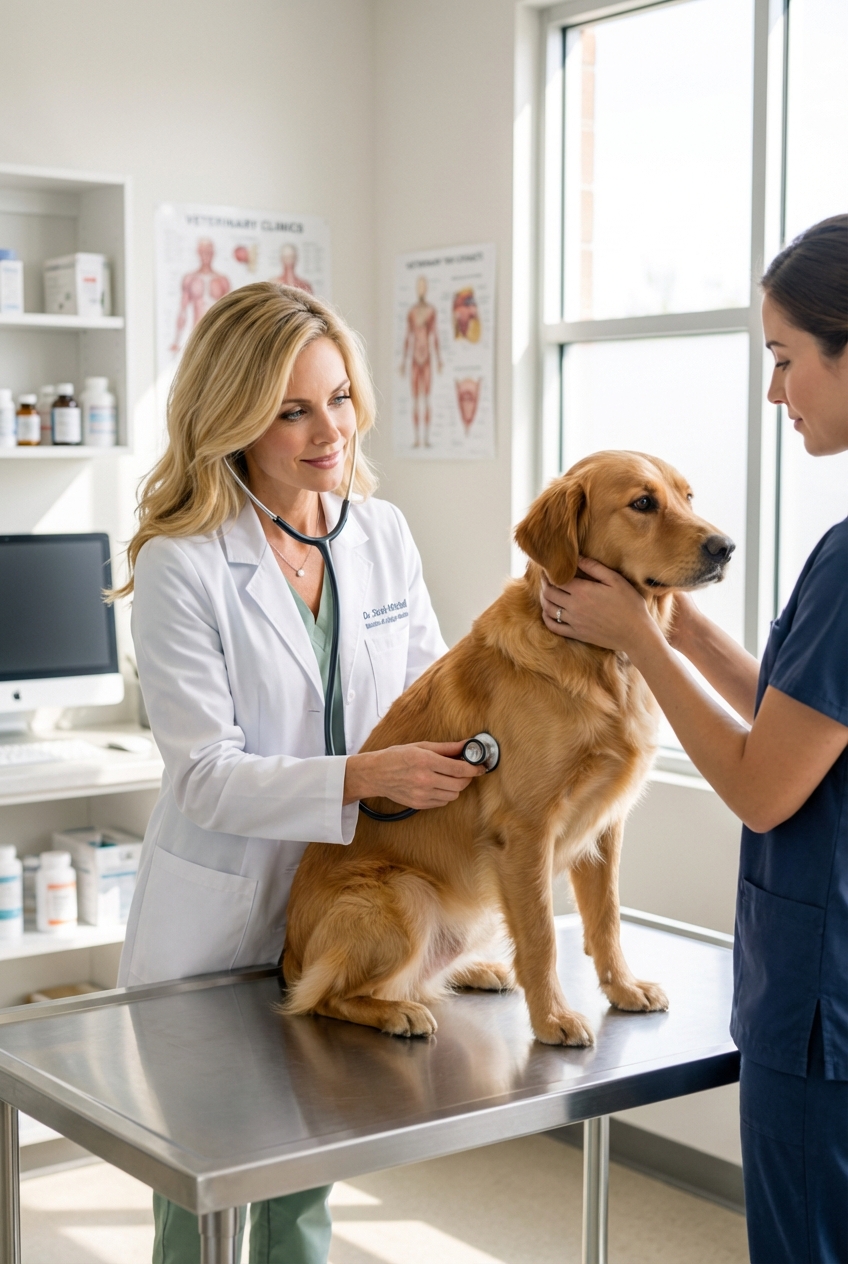
If you are on the fence, it is worth a quick call to a veterinary professional. That’s what veterinary teams are here for.
At-home care for mild vomiting
If your dog vomited once, is otherwise bright and alert, and you do not suspect toxin exposure or a swallowed object, gentle home care is sometimes reasonable.
Please check with your vet first if your dog is very young, very small (especially toy breeds), elderly, diabetic, or has other medical conditions. In these dogs, fasting can raise the risk of low blood sugar or dehydration.
Step 1: Rest the stomach briefly
For healthy adult dogs, many vets recommend temporarily withholding food for a short period (often 6 to 12 hours) to let the stomach settle. Always provide access to water unless your veterinarian advises otherwise.
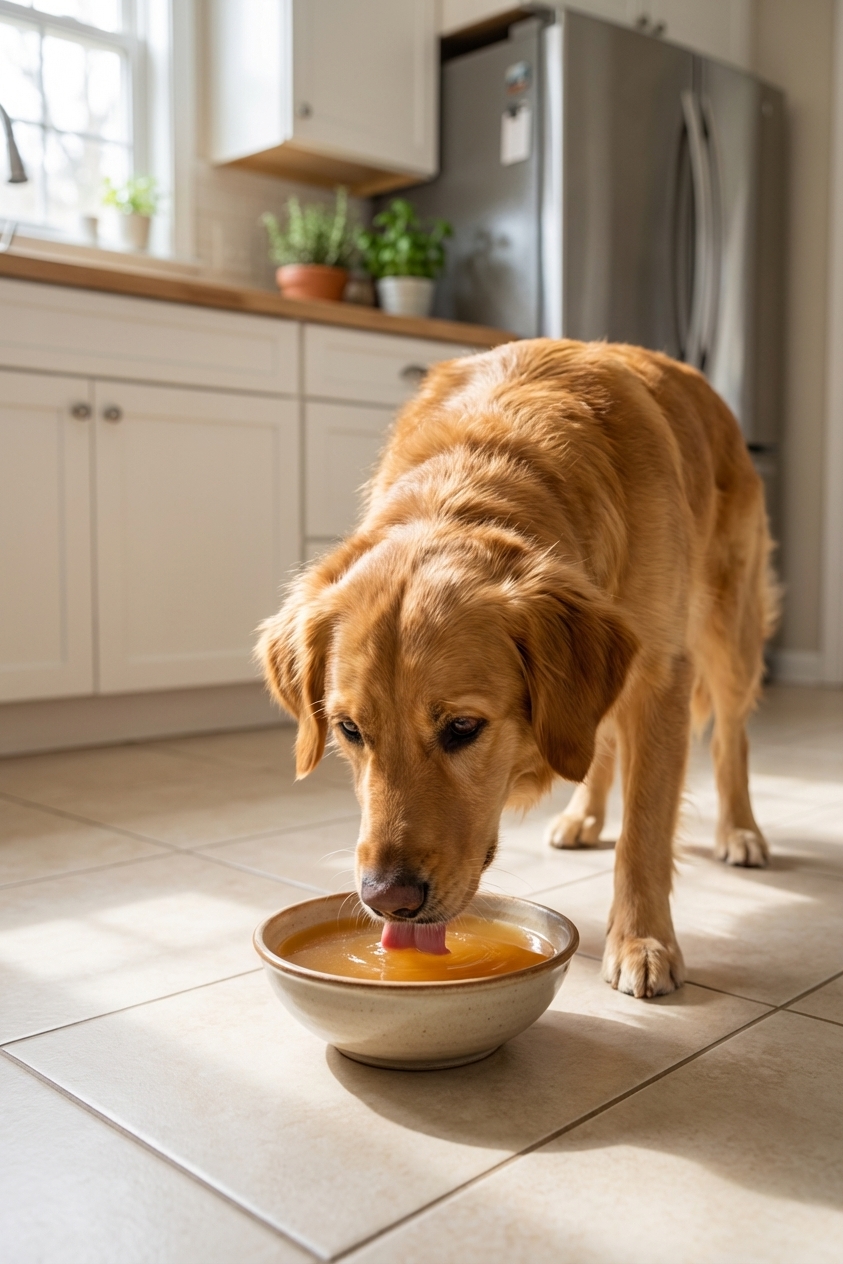
Step 2: Offer water carefully
- Offer small amounts frequently rather than a big bowl all at once.
- If your dog gulps, try ice cubes or measured sips every 10 to 15 minutes.
Step 3: Restart bland food slowly
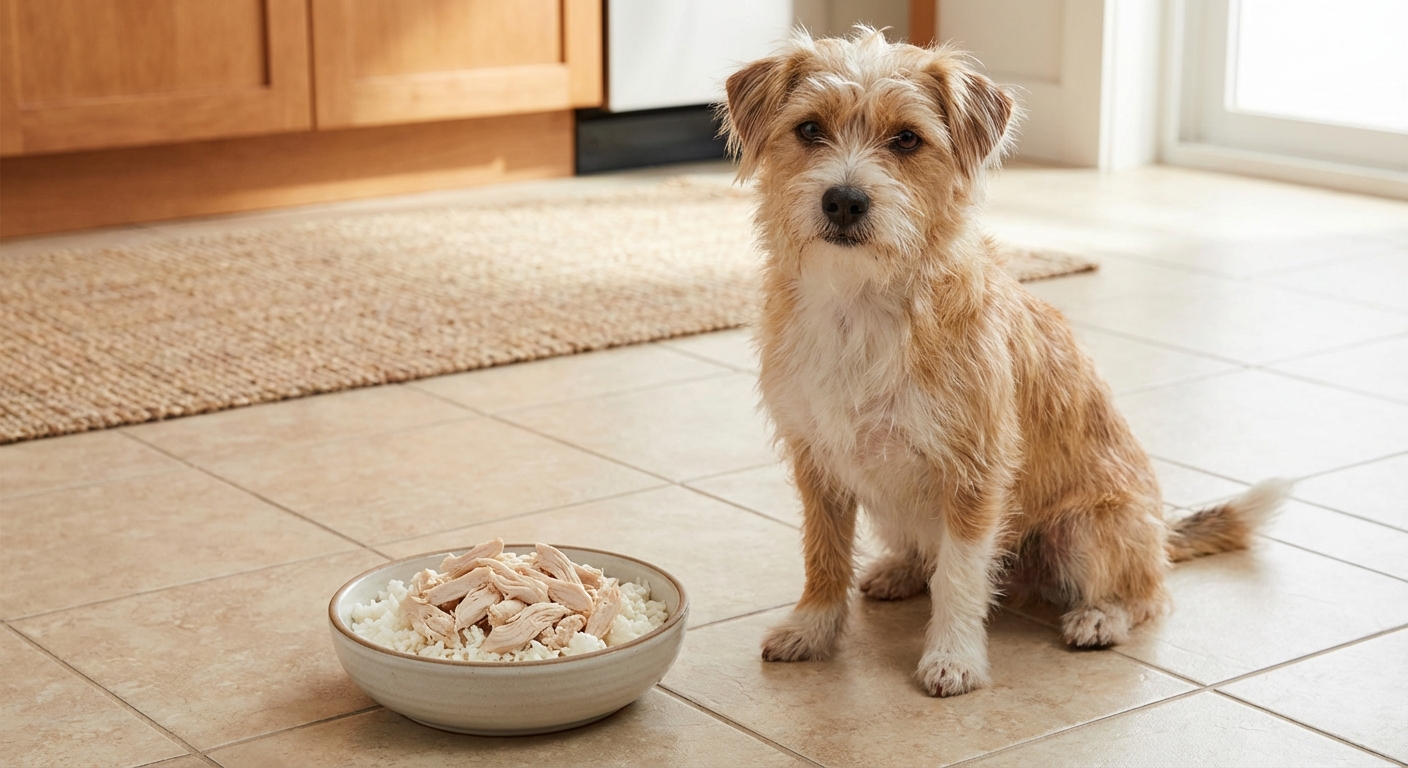
Once vomiting has stopped and your dog can keep water down, start with small meals of bland, easily digestible food. Common vet-approved options include:
- Boiled, skinless chicken breast with white rice
- Lean ground turkey (drained) with white rice
- Plain pumpkin (not pie filling) in small amounts for some dogs
Feed small portions every 4 to 6 hours, then gradually transition back to the normal diet over 3 to 5 days. A sudden switch back can trigger another round of vomiting.
Step 4: Skip rich treats and chews
Hold off on bully sticks, pig ears, fatty treats, table scraps, and new foods until your dog is fully normal.
Step 5: Do not give human OTC meds
Do not give over-the-counter human medications (like Pepto-Bismol, Imodium, aspirin, ibuprofen, or acetaminophen) unless your veterinarian specifically tells you to. Some can be dangerous for dogs or can hide signs your vet needs to see.
Step 6: Watch hydration and energy
Dehydration can sneak up quickly. Contact your vet if you notice:
- Tacky or dry gums
- Sunken eyes
- Weakness or unusual sleepiness
- Skin tenting (gently lift the skin over the shoulders; if it does not snap back quickly, dehydration may be present)
When to schedule an exam
Even if your dog seems mostly okay, it is smart to schedule a veterinary visit if:
- Vomiting continues for more than 24 hours in an adult dog
- Vomiting continues for more than 12 hours in a puppy, small dog, or senior
- Vomiting stops but keeps coming back over several days
Prevention tips
- Use a slow feeder if your dog inhales meals.
- Keep trash and compost secured with lidded bins.
- Dog-proof laundry, kids’ toys, and chewable items.
- Transition foods gradually over 7 to 10 days.
- Keep up with fecal testing and parasite prevention, especially for puppies and dogs who visit parks.
- Avoid fatty leftovers and surprise “holiday bites.” Pancreatitis is common after rich meals.
- Ask your vet about recurring early-morning bile vomiting. Some dogs benefit from a small bedtime snack or a diet adjustment.
What to tell your vet
If vomiting continues, your vet will make faster progress if you can share:
- How many times your dog vomited and when it started
- What the vomit looked like (food, foam, bile, blood)
- Any diarrhea, appetite changes, or behavior changes
- Diet details, new treats, chews, bones, or table scraps
- Possible access to trash, toxins, plants, or foreign objects
- Current medications and preventatives
Tip: Bring a photo and, if safe and practical, a small sample in a sealed bag.
Bottom line
One isolated vomiting episode in an otherwise happy dog is often mild and short-lived. But frequent vomiting, blood, pain, a swollen abdomen, inability to keep water down, or any concern for toxins or blockage should be treated as urgent.
You know your dog best. If something feels off, trust that instinct and reach out to your veterinary team.