Help a mildly constipated dog with safe homemade options: boost moisture first, add plain pumpkin or sweet potato, use gentle fiber, avoid risky fixes, and k...
Article
•
Designer Mixes
Why Dogs Roll in the Grass

Shari Shidate
Designer Mixes contributor
If your dog has ever flopped onto the lawn and started wriggling like the grass is the best thing that ever happened, you are not alone. As a veterinary assistant here in Frisco, Texas, I see this question all the time: Why do dogs roll in the grass, and should you stop them?
The short answer is that grass rolling is usually normal dog behavior. The more helpful answer is that your dog may be doing it for several different reasons, and a few of them do deserve a closer look. I cannot diagnose your dog here, but I can help you sort what is normal versus what is worth a call to your clinic.
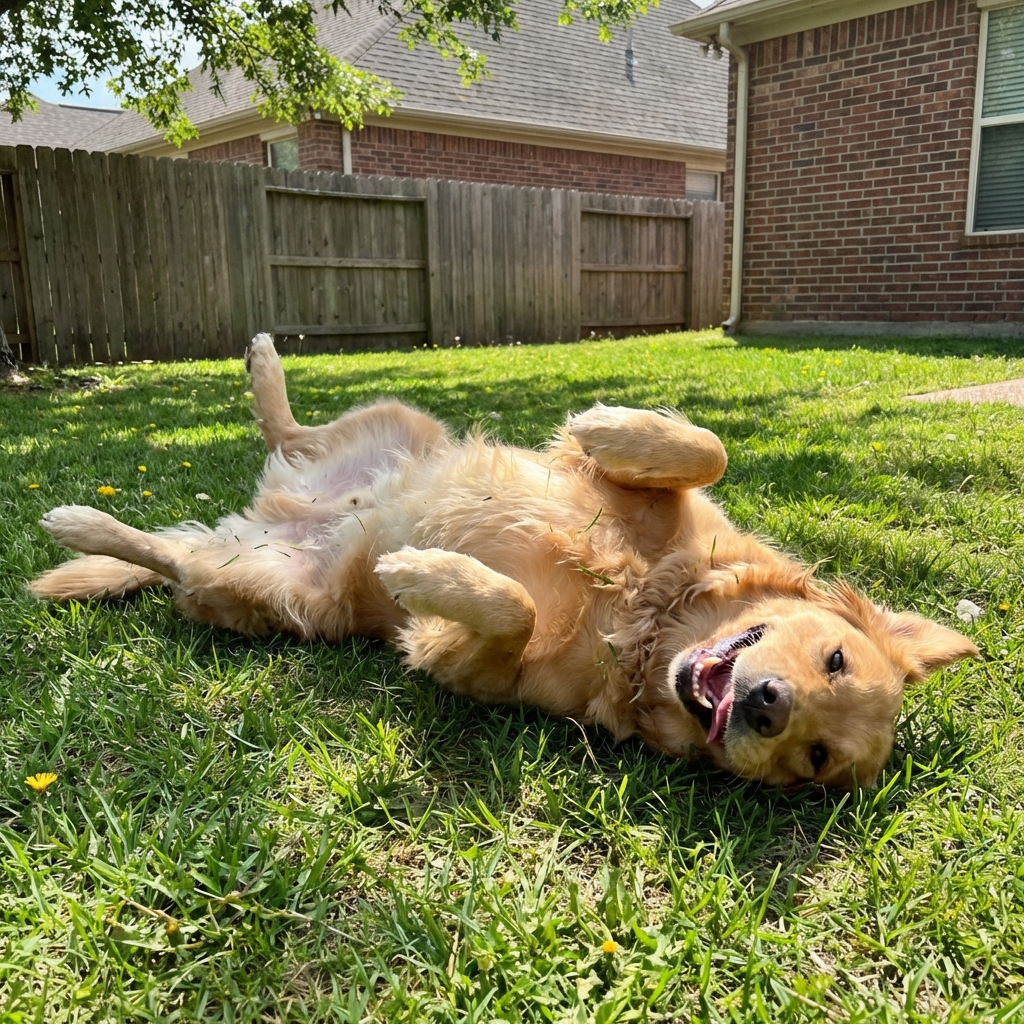
The most common reasons dogs roll in the grass
Dogs explore the world with their noses and their bodies, not just their eyes. Rolling is often a mix of scent, comfort, communication, and simple joy.
1) Scent transfer and “wearing” a smell
One widely accepted explanation is scent behavior. Dogs use their nose to gather information, and rolling lets their fur and skin pick up and carry a smell from the environment. Think of it like a dog version of trying on a new perfume, except the perfume might be clover, damp earth, or something you would rather not identify.
In clinic, I often hear, “They only do it in that one patch.” That is usually your clue that the spot smells extra interesting to your dog.
2) Marking and communication
Rolling can also leave your dog’s own scent behind. Dogs have scent glands that help with this kind of “output,” and it may be a way to communicate to other dogs that pass by later. Dogs commonly use scent to share who they are and where they have been, and they may even communicate things like stress or excitement through scent cues.
3) Itching, shedding, or skin comfort
Sometimes it is simply physical relief. Rolling can scratch an itch, loosen dead hair, or relieve mild skin irritation. Dogs with allergies may do this more during high pollen times of year, although timing can vary by region and the individual dog.
4) Play and excitement
Grass rolling can be a burst of happiness. Many dogs roll when they are excited, freshly bathed (yes, that irony is real), or after a good run. It can be a release of energy and a self-rewarding behavior.
5) After eating something tasty
Some dogs roll after chewing grass or nibbling on something flavorful. This one is more anecdotal, but it is often interpreted as a contentment or “that hit the spot” kind of moment. It can also overlap with scent transfer if they are trying to carry that smell on their coat.
Is rolling in grass ever a problem?
Most of the time, it is harmless. The red flags are less about the rolling itself and more about what the rolling could mean, or what your dog is rolling on.
Watch for skin or allergy signs
- Frequent rolling plus paw licking, face rubbing, or ear redness
- New dandruff, redness, bumps, or scabs
- Strong odor, greasy coat, or recurrent hot spots
If you see these, your dog may be uncomfortable from allergies, fleas, mites, or a skin infection. A quick veterinary check can prevent a small irritation from turning into a painful flare-up.
Consider what is in the lawn
Many lawns are treated with herbicides, pesticides, and fertilizers that can irritate skin or be harmful if licked off later. When possible, follow label instructions and re-entry times for treated areas. If your dog rolls in public parks, there is also a risk of rolling on wildlife feces, dead bugs, or other contaminants.
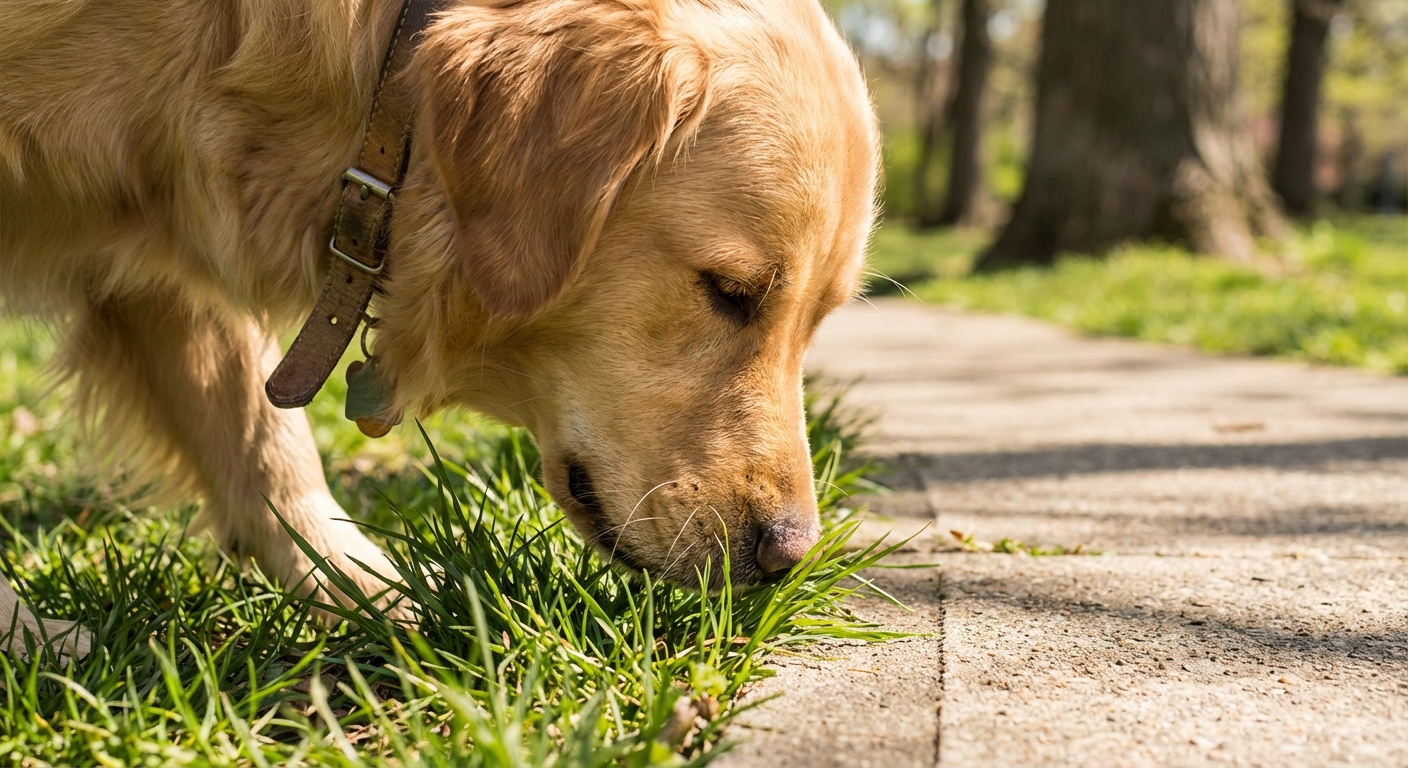
Rolling in something stinky on purpose
Yes, some dogs seem to actively seek out unpleasant smells. From a canine perspective, those smells can be exciting and information-rich. From a human perspective, it means bath time.
How to respond in the moment
You do not need to panic when your dog drops and rolls, but having a plan helps.
If the grass is safe and your dog looks comfortable
- Let them roll for a few seconds, then call them up with a cheerful cue like “Let’s go!”
- Reward with a treat or praise when they stand up and re-engage with you
- Use it as a quick enrichment break on walks
If you suspect chemicals or something gross
- Interrupt calmly and move them away
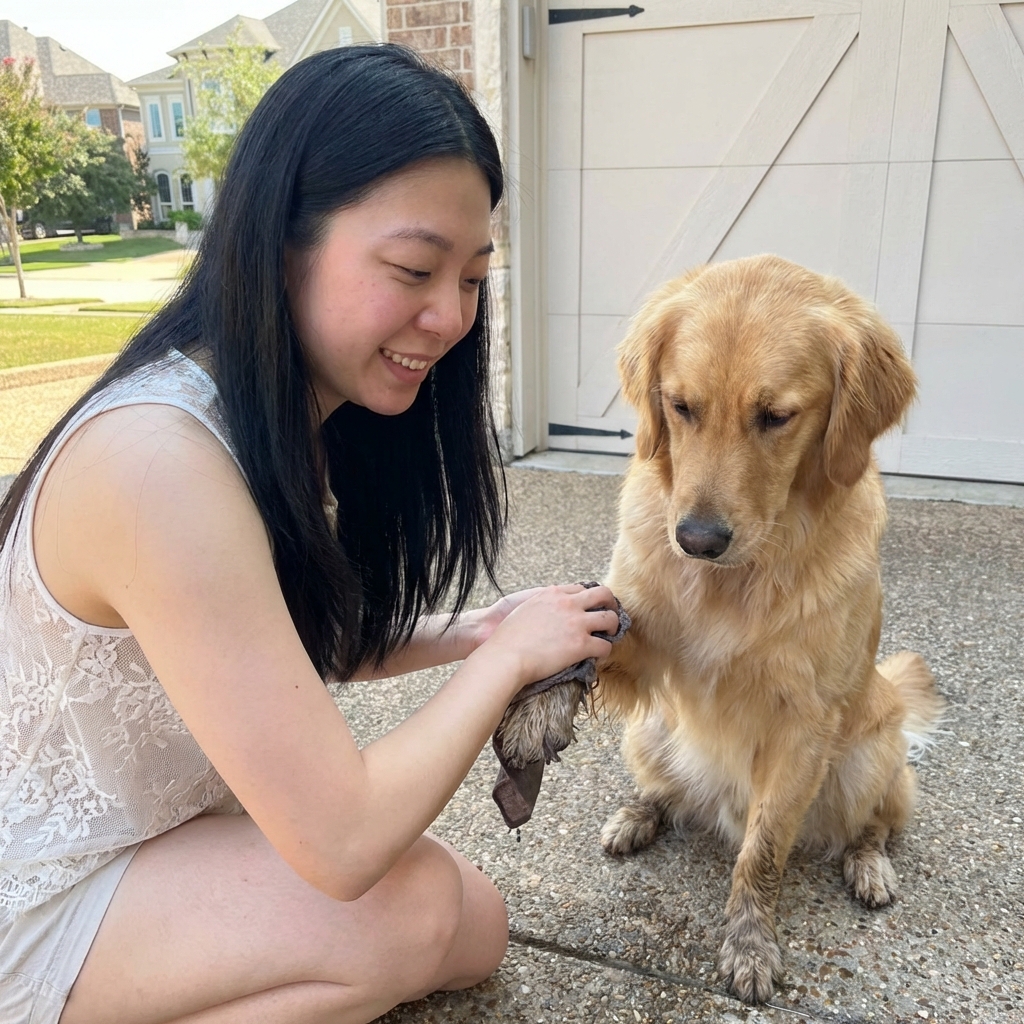
- Wipe the coat and paws with a damp cloth or pet-safe wipes
- Prevent licking until you can rinse them off at home
- If exposure is likely, rinse with lukewarm water and follow product guidance when available
Practical training tip
Teach a reliable “off” or “leave it” cue at home first, then practice in low-distraction outdoor areas. The goal is not to punish rolling. The goal is to give your dog an alternate behavior when you need it.
Quick post-roll check
Especially here in Texas, a 20-second scan can save you a lot of trouble later.
- Run your hands over the coat for burrs, stickers, and grass awns (foxtails)
- Check ears, toes, armpits, and groin for ticks
- Look for redness, hives, or new bumps
- Do a quick sniff test for feces or dead wildlife so you can clean it off before it dries
Daily clues your dog may be giving you
If you notice a pattern, your dog may be communicating something useful.
- Rolls right after a bath: Often scent reset. Some dogs dislike the fragrance of shampoos and want to smell like themselves again.
- Rolls every walk in the same spot: That location likely has a powerful scent story from other animals.
- Rolls plus lots of scratching: Consider allergies, fleas, or dry skin.
- Sudden new rolling with discomfort: Think skin irritation, ear issues, or something caught in the coat.
Rolling can be normal fun, but frequent rolling paired with itching or redness is your dog’s way of asking for help.
When to call your vet
Reach out for veterinary guidance if you notice any of the following:
- Rolling that becomes obsessive or happens with whining or agitation
- Hives, facial swelling, or sudden widespread redness
- Hot spots, hair loss, open sores, or oozing skin
- Persistent ear scratching, head shaking, or bad ear odor
- Possible exposure to lawn chemicals, especially followed by vomiting, drooling, or lethargy
- Rolling plus head tilt, loss of balance, or unusual eye movements
If your dog rolled in a treated area and then licked their paws, call your clinic for next-step advice. Bring the product name if you know it. If any neurological signs show up, treat it as urgent.
Gentle prevention without taking away the fun
You can reduce the messy parts of grass rolling while still letting your dog enjoy normal dog behavior.
- Choose safer rolling zones: Use your own untreated yard or known chemical-free areas.
- Rinse after adventures: A quick paw and belly rinse can help remove pollen and irritants.
- Support skin health: Ask your vet about diet, omega-3s, and allergy support if itching is common.
- Stay on parasite prevention: Fleas, mites, and ticks can make rolling and scratching much worse.