Busy schedule? Cook real dog food in your Instant Pot with a simple turkey, rice, and veggie batch. Get meal-prep, storage, feeding tips, and how to keep hom...
Article
•
Designer Mixes
Why Dogs Roll in Poop

Shari Shidate
Designer Mixes contributor
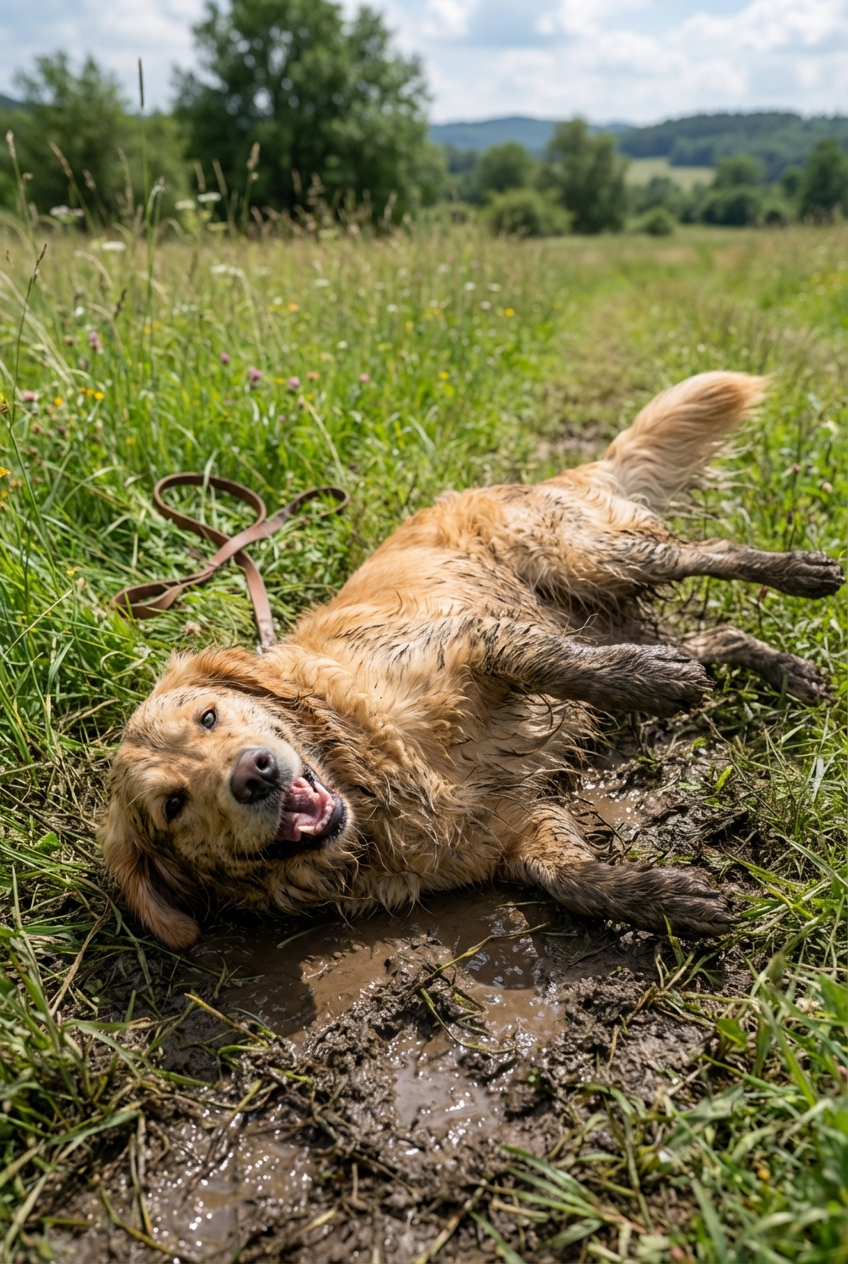
It is one of those moments that can turn a peaceful walk into an emergency bath. Your dog finds a “perfect” spot, drops a shoulder, flops down, and starts wriggling like they just won the lottery. As a veterinary assistant in Frisco, Texas, I can tell you this is incredibly common. It is also usually normal dog behavior, even if it feels deeply offensive to us humans.
Let’s break down why dogs do it, what it can mean, when it is risky, and what you can do to prevent it without turning every walk into a tug-of-war.
The short answer: dogs live by scent
Humans are visual. Dogs are scent-driven. Rolling in poop, dead animals, or other strong odors is often about getting information, carrying a scent, or scratching an itch. It is rarely about “being bad.”
For many dogs, rolling is self-rewarding. The smell is interesting, and the act of rolling feels good.
Top reasons dogs roll in poop
1) Instinct (theories from wild canids)
There are a few common hypotheses for why dogs roll in strong smells. Some researchers suggest canids may have rolled in strong scents to help mask their own odor while hunting, or to carry a scent back to their group. These ideas make sense, but they are not definitively proven for every dog you see rolling in the grass today. What we do know is that domestic dogs still carry plenty of ancient instincts.
2) Scent “sharing” (a likely explanation)
Some dogs roll in something stinky and then run straight to you, the couch, or their favorite person. That is not an accident, but it may not be deliberate “reporting” either. A more grounded way to think about it is this: dogs often bring scents with them, and those scents can become part of their social and home environment. In dog terms, it can be like showing up wearing a very loud cologne.
3) It feels good on the skin
Rolling can scratch an itch, help loosen shedding fur, or provide relief if the dog has minor skin irritation. If your dog seems extra roll-happy and also has flaky skin, hair loss, red patches, or frequent scratching, it is worth checking for allergies, fleas, mites, or a skin infection.
4) Big reactions can reinforce it
If rolling leads to yelling, frantic chasing, or a dramatic bath scene, some dogs learn it reliably creates an exciting response. That does not mean your dog is plotting. It just means the behavior can be reinforced over time.
5) Stress relief or sensory stimulation
Dogs sometimes roll after a stressful event, like a vet visit, a loud noise, or meeting an unfamiliar dog. Rolling can be a self-soothing reset. High-energy dogs may also roll simply because the smell and texture are stimulating.
6) Rolling right after a bath or grooming
This one surprises a lot of people. Some dogs roll after bathing because they are excited, because the coat feels different, or because they want to re-scent themselves with familiar smells. If your dog does this, it does not mean the bath “failed.” It is just very dog logic.
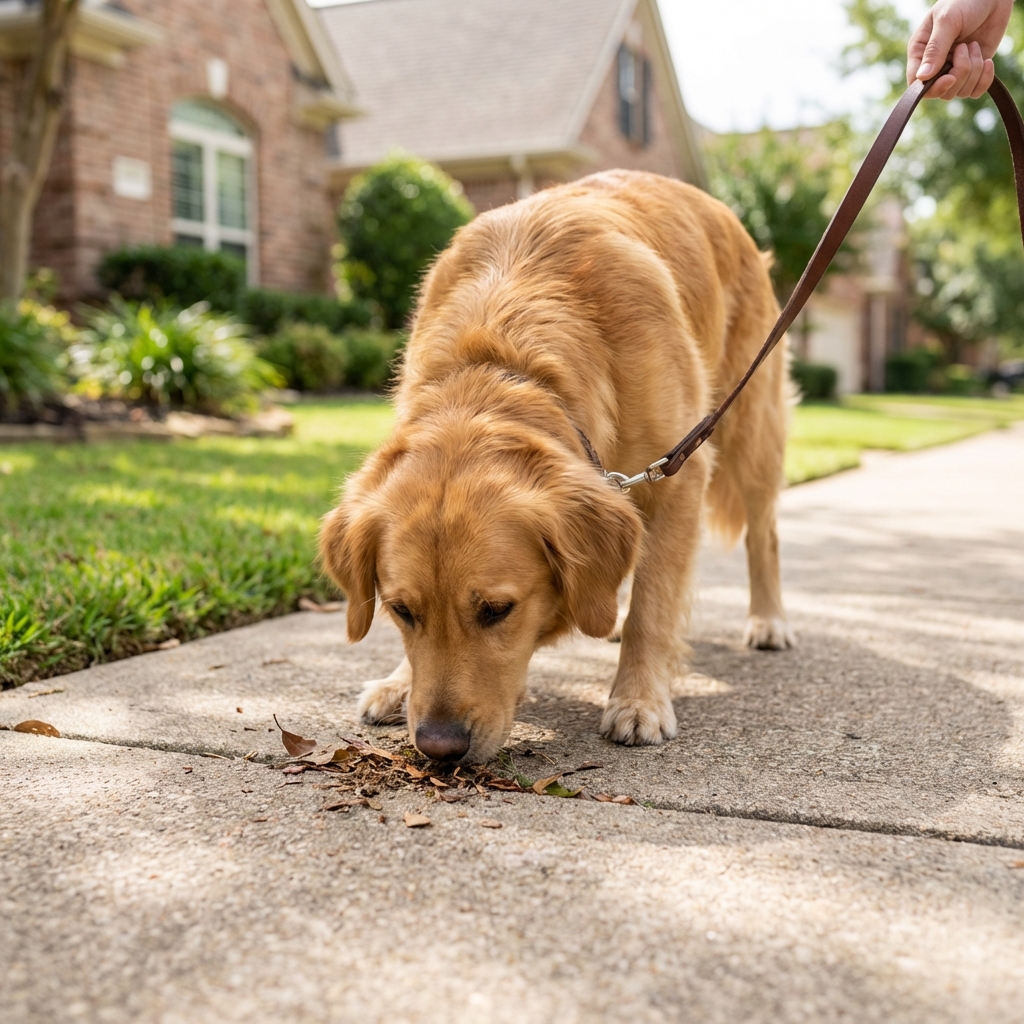
Is it dangerous if my dog rolls in poop?
Sometimes it is just gross. Other times, it can be a genuine health risk, depending on what the poop is and where you live.
In general, rolling is less risky than licking or eating it. The biggest problems happen when dogs groom their coat afterward, when feces gets into the mouth or eyes, or when contaminated material is tracked onto floors, bedding, and people.
Risks to know
- Parasites: Dogs can pick up intestinal parasites from contaminated environments, especially if they lick their coat afterward.
- Bacteria: Feces can contain bacteria such as Salmonella and E. coli. Dogs may not always get sick, but humans in the home can be exposed through handling and contaminated surfaces.
- Giardia: Common in many areas and spread through fecal contamination, especially around shared grassy areas and standing water.
- Leptospirosis: More often associated with wildlife and standing water or contaminated soil. It is typically linked to urine exposure rather than feces, but the same outdoor environments where dogs find “interesting smells” can be part of the risk picture. Ask your vet if the leptospirosis vaccine is recommended in your region.
- Chemicals and toxins: If a dog rolls where pesticides, rodenticides, fertilizers, or other chemicals were used, that can be a bigger issue than the smell itself.
Extra caution: Wildlife feces (coyote, raccoon, fox) can carry parasites and pathogens. If you suspect wildlife poop, treat it as higher risk and bathe promptly.
Note: This article is general education and not a substitute for veterinary advice. If you are worried about a specific exposure, your veterinarian is the best next call.
When rolling can signal a health problem
Most of the time, rolling is behavior. But here are signs I would not ignore:
- Sudden increase in rolling plus itching, ear shaking, or skin redness
- Rolling combined with scooting or licking the rear end (could be anal gland discomfort or parasites)
- Obsessive rolling that is hard to interrupt, especially with anxiety signals
- Vomiting, diarrhea, lethargy, or refusing food after rolling or ingesting feces
If any of these show up, a quick call to your veterinarian is a smart move.
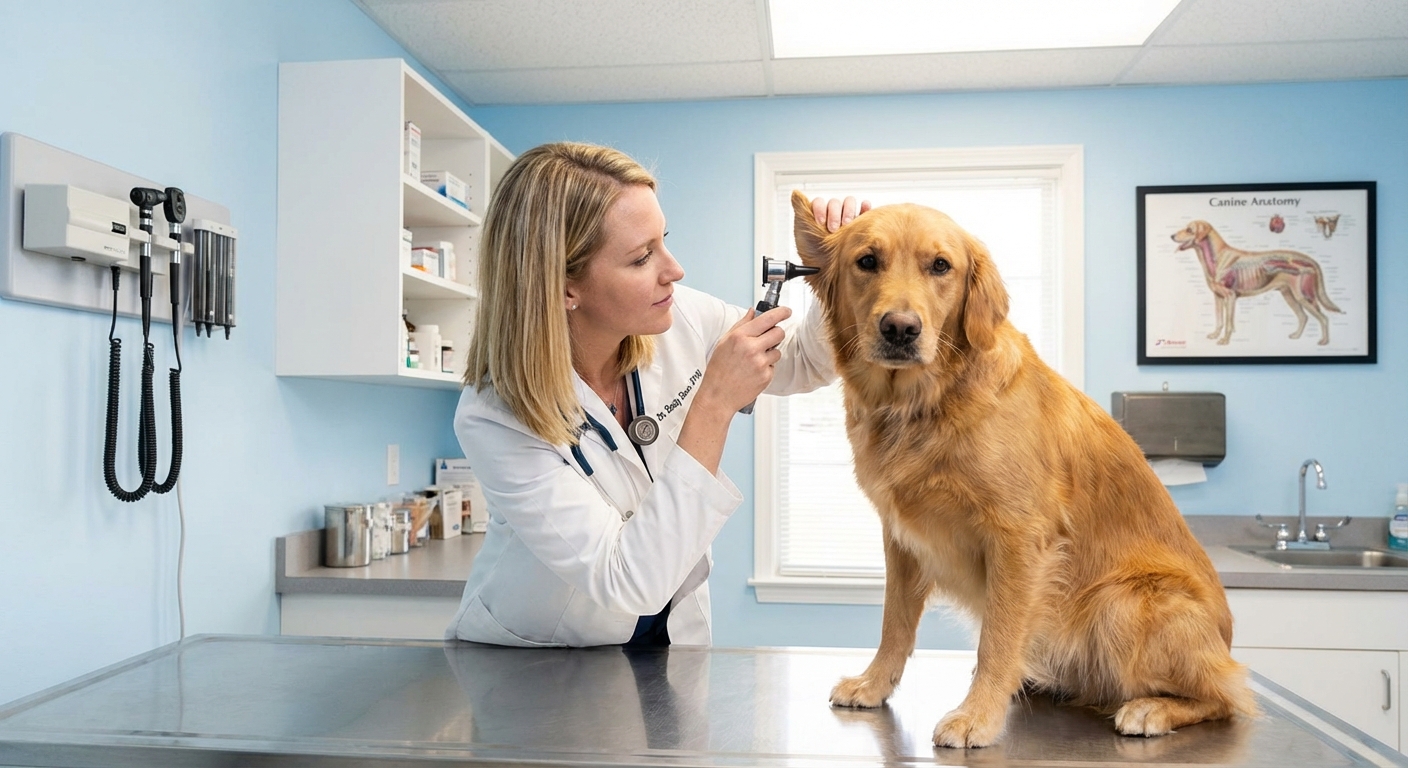
How to stop your dog from rolling in poop
You will have the best success if you combine management, training, and enrichment. Here is a practical plan that works for many families.
1) Use management on walks
- Keep a little distance in high-risk areas: parks, trail edges, and tall grass where you cannot see what is there.
- Shorten the leash temporarily when your dog locks onto a smell and starts dropping a shoulder like they are about to roll.
- Try a front-clip harness for better steering without harsh pulling.
2) Teach “Leave it” and “Let’s go”
These two cues are lifesavers. Practice first with low-value distractions at home, then level up outside.
- Leave it: “Do not investigate that.” Reward heavily when they disengage.
- Let’s go: “Move with me now.” Make it upbeat and rewarding.
Quick training starter: begin with a treat in a closed fist. When your dog stops nosing or licking and looks away, mark it (yes or a click) and reward with a different treat from the other hand. Then progress to an open hand, then to the floor, then to outdoor distractions.
If your dog is already mid-roll, calmly guide them away. Big reactions can add excitement to the behavior.
3) Reinforce sniffing, not rolling
Sniffing is normal and healthy. You can allow sniffing while preventing contact:
- Give a brief “sniff window,” then cue “let’s go” and reward.
- Bring high-value treats on walks so you can trade for attention.
4) Meet your dog’s enrichment needs
Dogs who get regular scent outlets may be less motivated to seek out the world’s grossest smells. Try:
- Scatter feeding in the yard
- Snuffle mats
- Hide-and-seek treats around the house
- Long-line decompression walks in safe, open areas
What to do if it already happened
First, take a breath. You are not the first, and you will not be the last.
Quick steps
- Prevent licking: If your dog is determined to groom, keep them moving until you can clean them.
- Keep them off soft surfaces: Skip the couch and beds until they are cleaned and dry.
- Use lukewarm water and dog shampoo: Focus on the rolled areas, often neck, shoulders, and back.
- Spot clean for minor messes: Pet wipes or a damp cloth with a tiny amount of dog-safe shampoo can help until bath time.
- Check ears and collar: Odor loves to cling to collars, harnesses, and ear flaps.
- Wash gear: Launder the collar or wipe harness straps. Otherwise the smell re-transfers.
- Wash your hands: Always wash hands after handling a dirty coat, and be extra cautious around kids or anyone immunocompromised.
For lingering odor in the house
- Wash blankets and slipcovers on hot if the fabric allows.
- Use an enzymatic cleaner on rugs or upholstery if anything was rubbed on or tracked in.
- Vacuum once things are dry, especially if dried debris got into the coat and shed off indoors.
A note on tomato juice
Tomato juice is famous for skunk odor, but it is not a reliable fix for poop smell. A regular dog shampoo bath, followed by thorough drying, usually works best.
When to call a vet urgently
If you suspect your dog rolled in or ingested something dangerous (rodenticide, pesticides, unknown chemicals), or you notice neurologic signs like wobbliness, tremors, or collapse, contact your veterinarian or an emergency clinic right away.
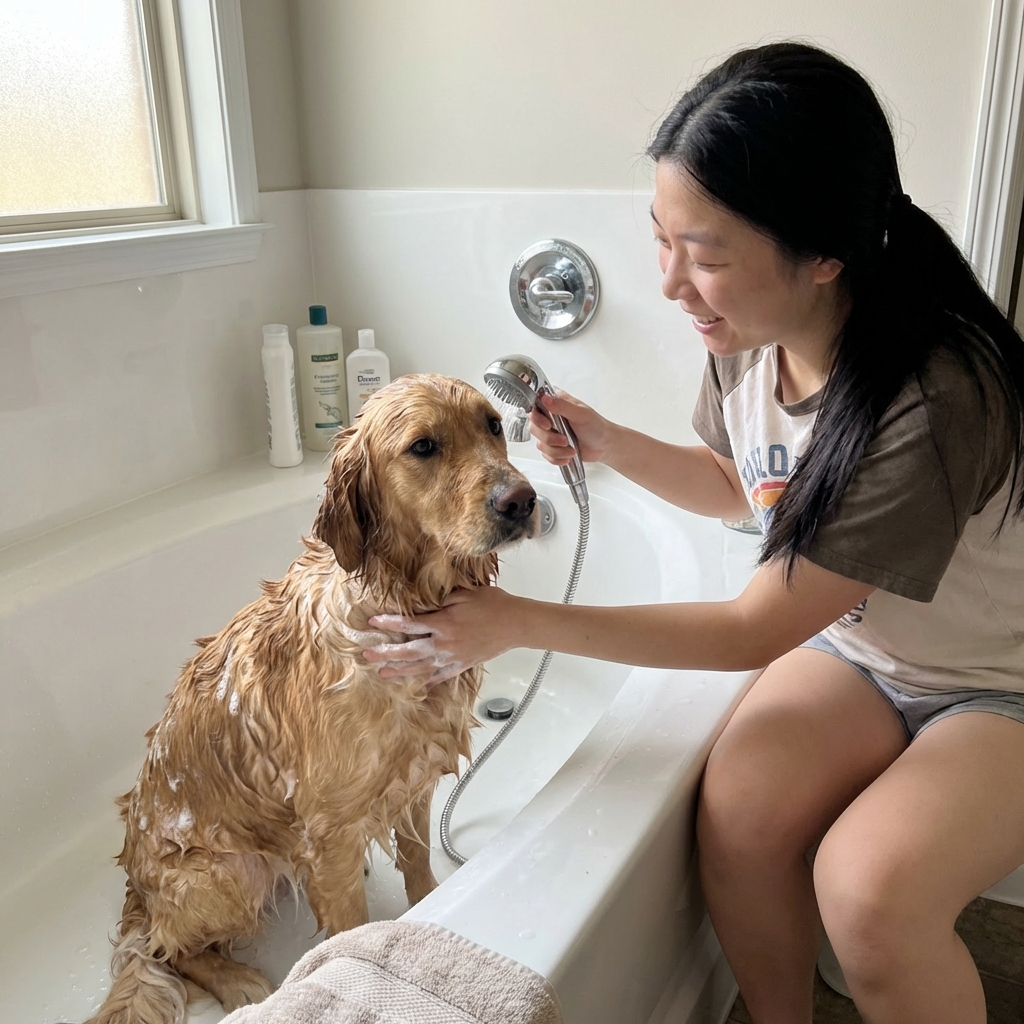
Can diet affect poop rolling?
Sometimes. Not because your dog is “missing nutrients,” but because diet can affect:
- Skin health: itchiness can increase rolling behavior.
- Stool quality: softer stool can cling more if they roll near it.
- Gut health and cravings: some dogs also engage in coprophagia (eating feces), which is a separate issue but can overlap in households with multiple pets.
If your dog has chronic itch, recurrent ear infections, or frequent GI upset, talk with your vet about diet, parasites, and allergy evaluation. A healthier coat and calmer gut can reduce the urge to roll and rub.
Bottom line
Dogs roll in poop because it is instinctive, scent-driven, and often self-rewarding. It is gross, but it is usually normal. Your best tools are a good “leave it,” smart leash management, and making sniffing and enrichment part of your dog’s routine.
If rolling suddenly increases or comes with itching, scooting, or digestive issues, it is worth checking in with your veterinarian to rule out skin or parasite problems. You deserve a dog that smells like a dog, not a mystery from the grass.