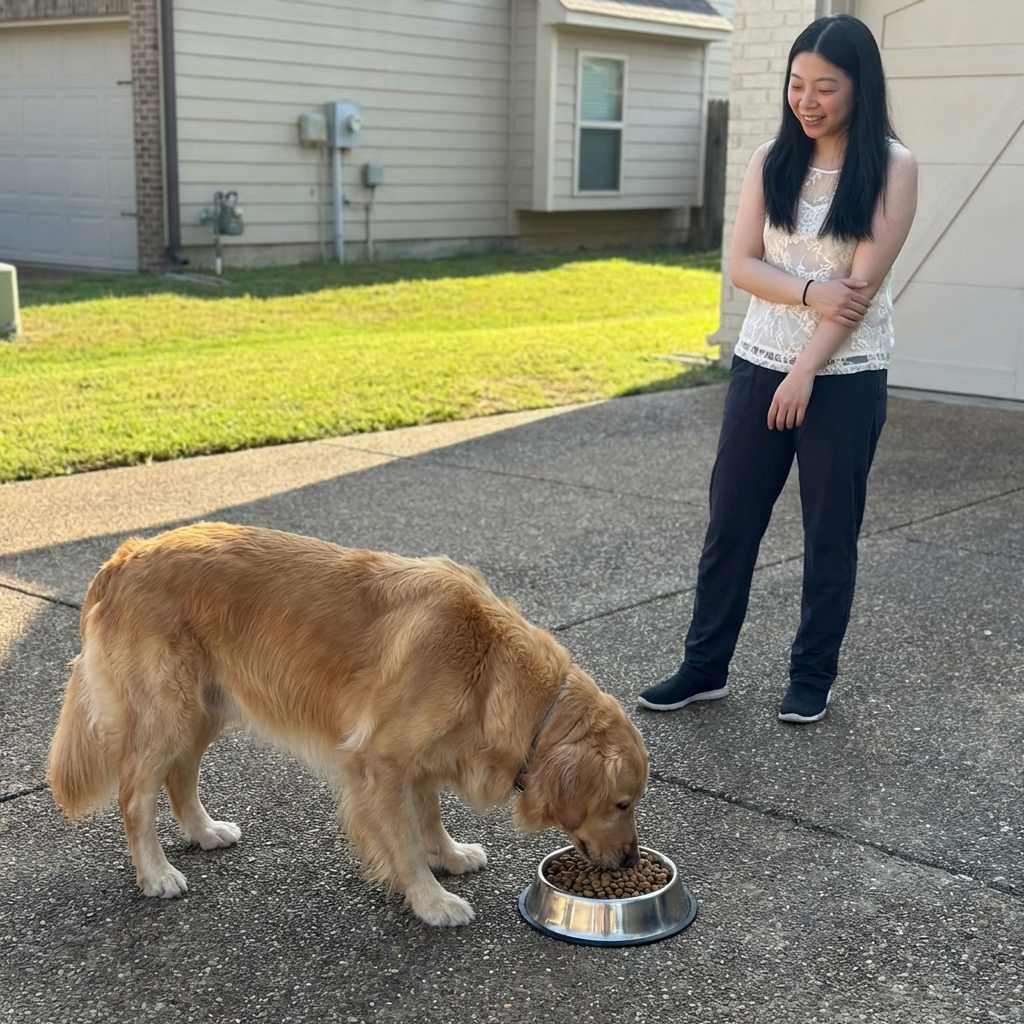
Resource guarding can escalate fast. Learn safe management plus step-by-step desensitization and counterconditioning, treat-and-retreat, trade games, and bow...
Article
•
Designer Mixes
Why Dogs Resource Guard

Shari Shidate
Designer Mixes contributor
Resource guarding can feel scary, especially when it seems to show up out of nowhere. One day your sweet pup is happily chewing a bone, and the next you notice a hard stare, a stiff body, or a growl when someone comes near. As a veterinary assistant in Frisco, Texas, I want you to know two things: resource guarding is common, and it is also very workable with the right plan.
This handbook will walk you through why dogs resource guard, what the warning signs look like, what to do in the moment, and how to create a step-by-step behavior plan that is safe and evidence-based.
Quick scope note: I am sharing general education and safety guidance, not diagnosing your dog or replacing your veterinarian or a behavior professional. If there has been a bite, kids are involved, or the guarding is intense, please use strict management and contact a qualified pro before doing training around high-value items.
What is resource guarding?
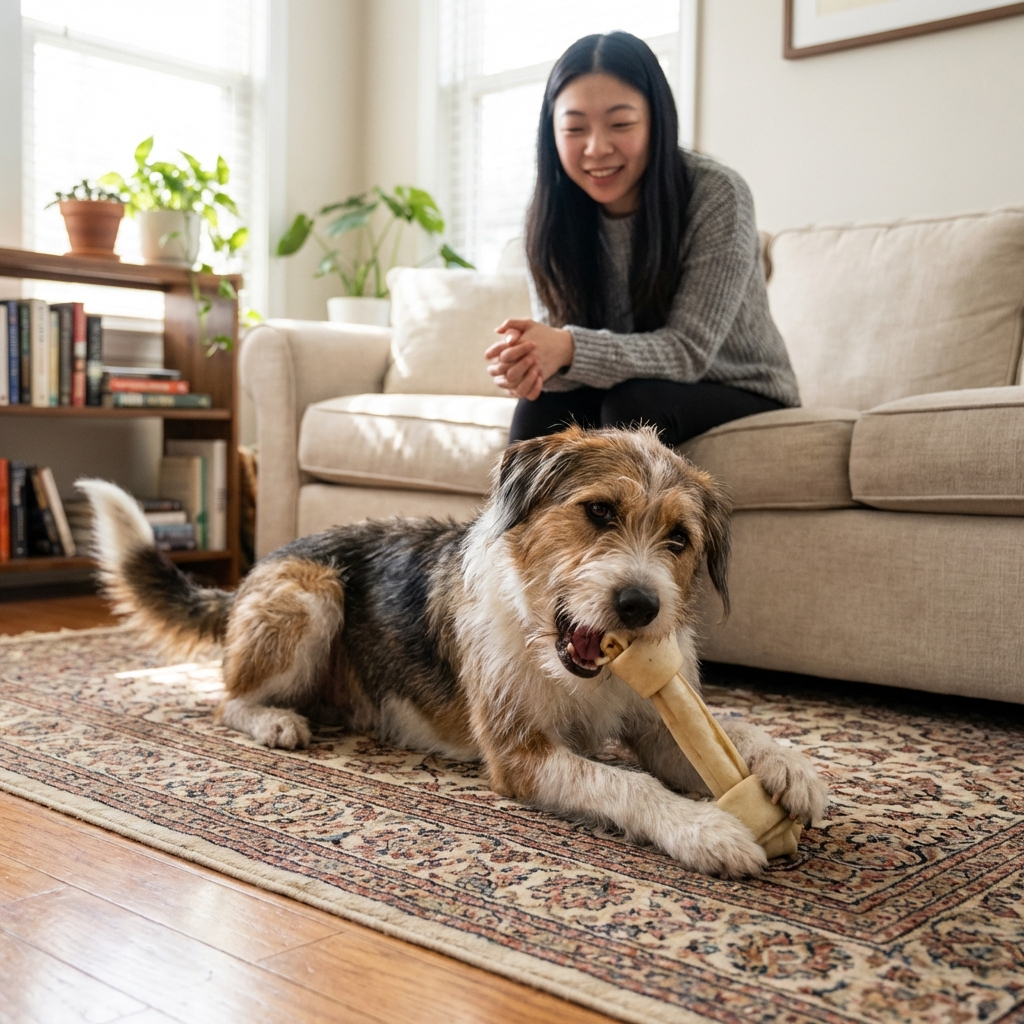
Resource guarding is a normal canine behavior where a dog uses body language or aggression to keep control of something they value. That “something” can be:
- Food bowls, treats, chew bones
- Toys, stolen items like socks, tissues, or kids’ toys
- Sleeping spots, crates, couches, car seats
- People (often called guarding a person)
In dog language, the goal is simple: increase distance and keep the resource. The behavior is not “spite” or “dominance.” It is usually a mix of instinct, learning history, and emotion, most commonly fear of losing something important.
Why do dogs resource guard?
1) Survival instinct
In nature, animals that protect valuable resources eat more reliably. Many dogs still carry that wiring. A growl can be a functional strategy in dog terms because it often makes the scary thing back away.
2) Genetics and temperament
Some dogs are more prone to guarding based on their temperament and breeding. You can see it in any breed or mix, but it often shows up more strongly in dogs who are naturally sensitive, cautious, or quick to startle.
3) Past experiences and learning
If a dog has had food insecurity, competition with other animals, or people who frequently grabbed items from them, they may learn that humans approaching predicts loss. From the dog’s perspective, guarding “works,” so it can increase over time.
4) Stress, pain, and medical issues
Medical discomfort can lower a dog’s tolerance. Dental pain, arthritis, GI upset, skin infections, or ear pain can make a dog more likely to react when approached.
Vet assistant note: If guarding escalates suddenly or seems out of character, schedule a veterinary exam to rule out pain or illness. Treating discomfort can make training much easier.
5) Developmental stages and household changes
Guarding often emerges during adolescence, or after changes like moving, a new baby, a new pet, visitors staying over, or shifts in routine. Stress does not create guarding out of thin air, but it can turn mild guarding into a bigger issue.
Early warning signs
Dogs often communicate before they bite. The earlier you recognize the signals, the safer everyone stays. Keep in mind that some signals are subtle, easy to miss, or may have been punished in the past.
- Freezing over the item
- Hard stare or “whale eye” (white of the eye showing)
- Stiff body, closed mouth, reduced blinking
- Head lowering over the resource
- Eating faster as someone approaches
- Growling or low rumble
- Lip lift, snarling, snapping
A growl is important information. When people punish the growl, the dog may stop warning and it can increase the chance they go straight to a snap next time. We want to keep communication open while we change the underlying emotion.
Common situations
Food bowl guarding
Often fear-based. The dog worries the bowl will be removed or that someone will crowd them while they eat.
Chew and treat guarding
Chews are high value and long-lasting, so they trigger more guarding than kibble for many dogs.
“Drop it” turns into a standoff
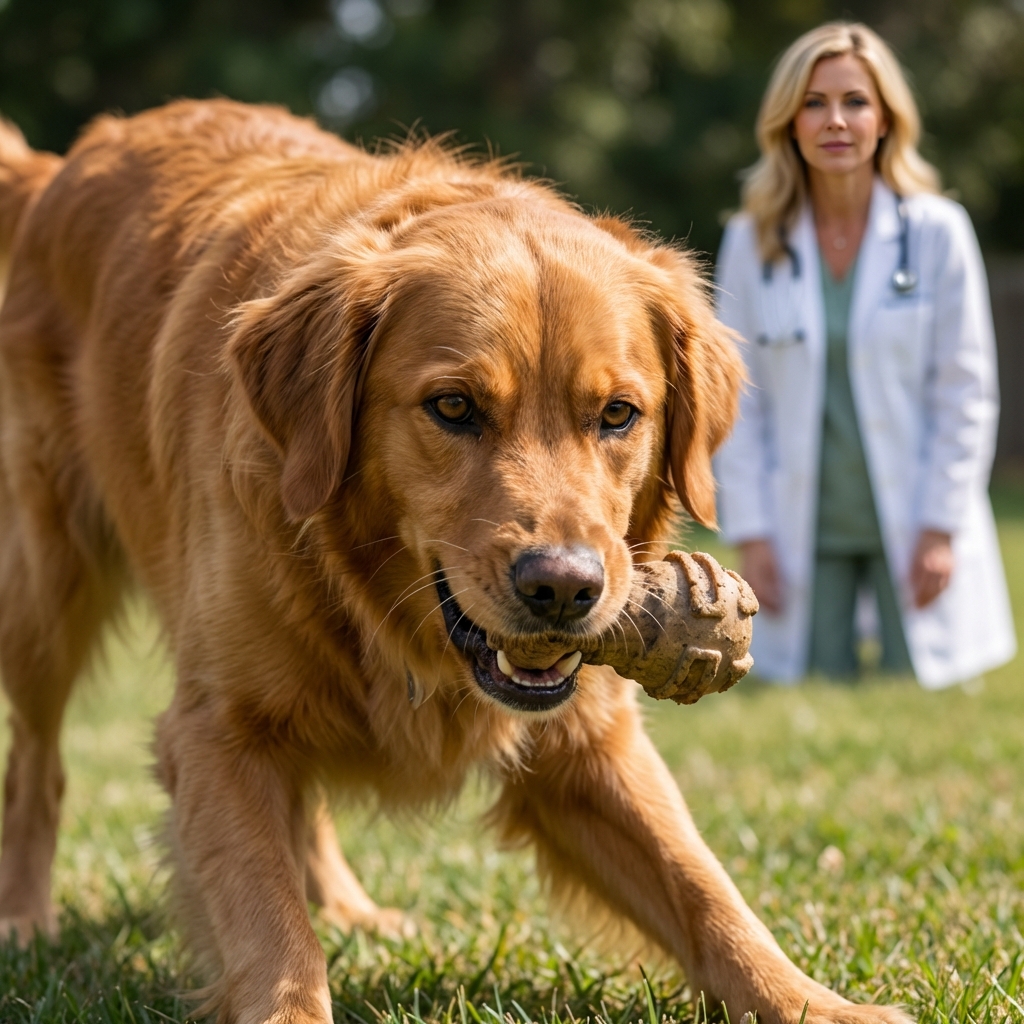
Stealing objects can become a game if chasing happens. Guarding can then develop because the dog expects conflict over the item.
Guarding resting spots
This can look like a dog growling when someone reaches for them on the couch or tries to move them off a bed.
Guarding a person
Some dogs block, bark, or snap when others approach their favorite human. This is common in anxious dogs and can escalate quickly in multi-dog homes.
What to do right now
If your dog is guarding in the moment, your job is to de-escalate.
- Stop approaching. Turn your body sideways and create distance.
- Do not grab collars, pry mouths open, or try to “show them who is boss.”
- Do not punish growling or snapping. It increases risk.
- Avoid common triggers: do not lean over your dog, reach over the item, corner them, or hover. These movements can feel threatening.
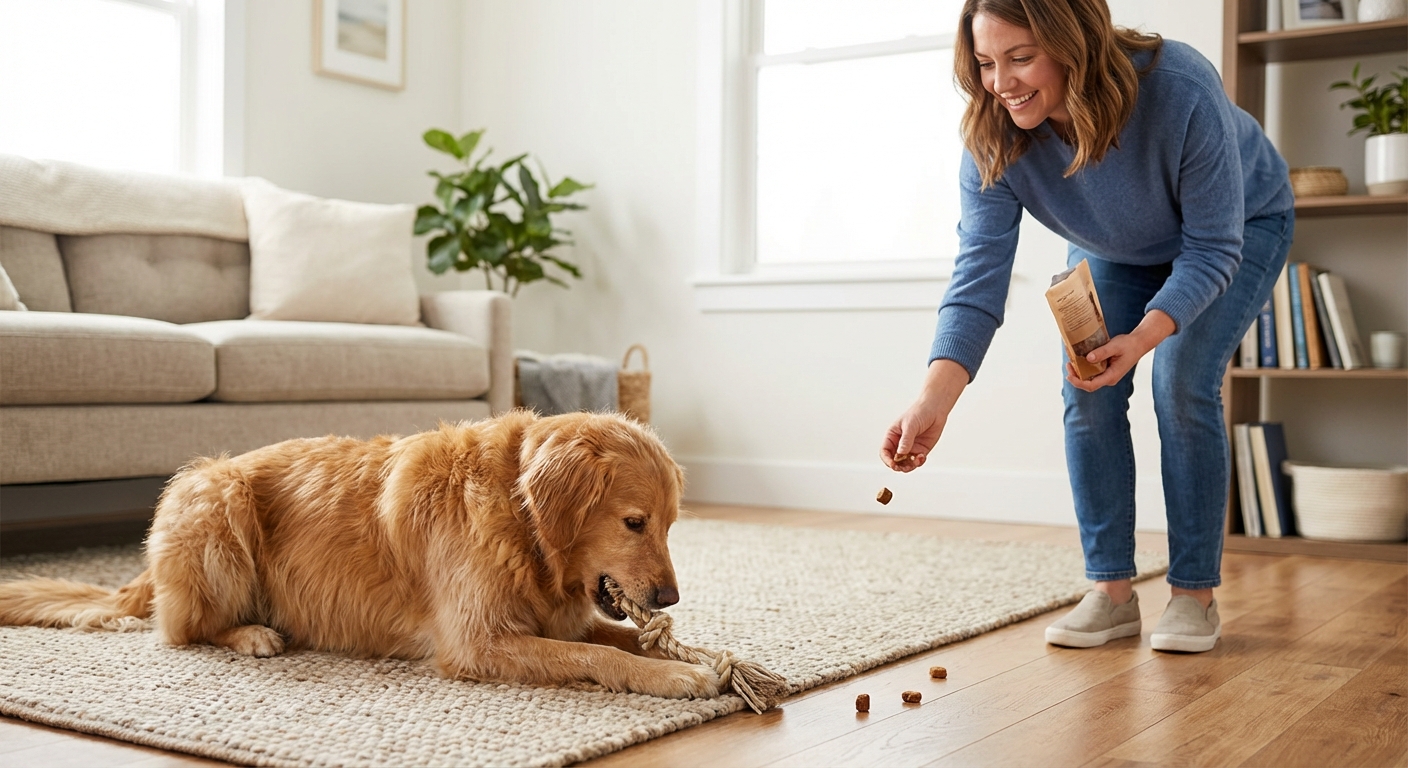
- Use a trade. Toss a few high-value treats away from the resource to move your dog, then calmly pick up the item once they have stepped away.
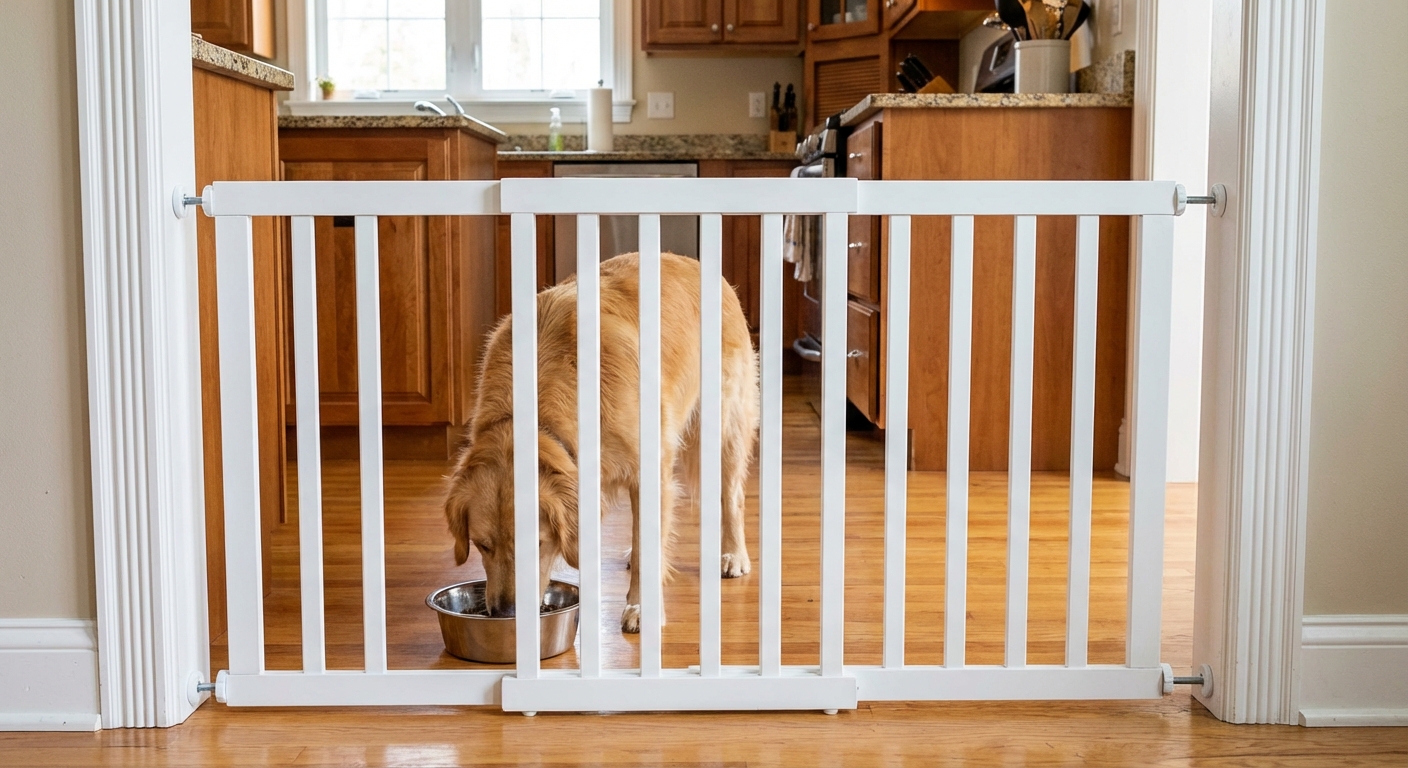
- Separate safely if needed using gates, closed doors, or a leash attached before the resource appears (not during the crisis).
If a child is involved, add management immediately. Children move unpredictably and are at higher bite risk. This is not about blame. It is about safety.
Dangerous item note: If your dog has something truly risky (medication, sharp object, toxic food), do not chase or try to grab it. Try treat tosses to lure them away, call them to another room, and block access with a gate if you can. If your dog will not disengage or you feel unsafe, contact a professional right away.
Management prevents bites
Training changes behavior over time. Management prevents rehearsal today. In my experience, families do best when they treat management like a seatbelt.
Simple management steps
- Feed pets separately behind a door or baby gate.
- Pick up bowls after meals if the bowl itself is a trigger.
- Use chews only in a crate or gated area, then remove the chew when the dog is out of sight (or trade for treats).
- Limit access to “stealables” like socks, kids’ toys, and trash.
- Teach kids a clear rule: Do not approach a dog who is eating or chewing.
Step-by-step training plan
A widely recommended, evidence-based approach for resource guarding is desensitization and counterconditioning. In plain language: we help your dog learn that people approaching predicts good things, not loss.
Important: Work below your dog’s reaction threshold. “Below threshold” usually looks like a loose body, normal breathing, the ability to pause eating, and the ability to take treats. If your dog is freezing, hard-staring, growling, or guarding harder, you are too close or the item is too valuable for that training step.
Step 1: Choose rewards
Use something better than the guarded item. Think tiny pieces of chicken, cheese, freeze-dried liver, or a favorite wet food.
Step 2: Start at a safe distance
Approach to a distance at which your dog stays loose and comfortable, then toss the treat and walk away. Repeat until your dog looks happy when you approach.
Step 3: Close distance slowly
Over multiple short sessions, take one small step closer, toss treat, step away. Do not rush. Consistency beats intensity.
Step 4: Add predictable routine
Once distance is comfortable, add predictable patterns: walk by, toss treats, walk away. The goal is for your dog to think, “Oh good, you came near my bowl. That means bonus snacks.”
Step 5: Teach trading
Teach a positive trade game:
- Offer a high-value treat near the dog’s nose.
- When they release the item, say a calm cue like “trade” or “drop”.
- Give the treat, then either return the item or offer an equal replacement when appropriate.
Returning the item sometimes is powerful because it teaches your dog that letting go does not always mean permanent loss.
Step 6: Setups that keep training safe
- Start with low-value items (a toy) before high-value chews or special bones.
- Use barriers like gates or an exercise pen when needed so you can practice safely without crowding your dog.
- Keep sessions short (1 to 5 minutes) and end on a calm win.
- Do not test progress by suddenly reaching in or taking the item. Build skills, do not gamble.
Step 7: Preventative skills
- “Leave it” (build impulse control)
- Mat training (go settle on a bed while humans eat)
- Crate or pen comfort (safe chewing zone)
- Muzzle training as a safety tool when needed, using positive reinforcement
What not to do
- Alpha rolls, pinning, intimidation, or “prove you own the food” exercises
- Taking bowls away to “teach a lesson”
- Hand-in-bowl stirring or bothering the dog while eating as a routine
- Yelling, leash pops, shock collars, or punishment-based methods
These approaches often increase anxiety around resources and can suppress warning signs, which is how bites can seem to happen “without warning.”
When to hire a pro
Resource guarding can be handled at home in mild cases, but please get professional help if:
- Your dog has snapped or bitten
- Guarding involves children, seniors, or frequent visitors
- Your dog guards multiple items or locations
- You see intense freezing, hard staring, or rapid escalation
Look for a credentialed professional who uses humane, evidence-based methods, such as a board-certified veterinary behaviorist (DACVB) or a trainer with certifications like KPA, IAABC, or CCPDT. Your veterinarian can also discuss whether medication support for anxiety may help in more severe cases.
Multi-dog homes
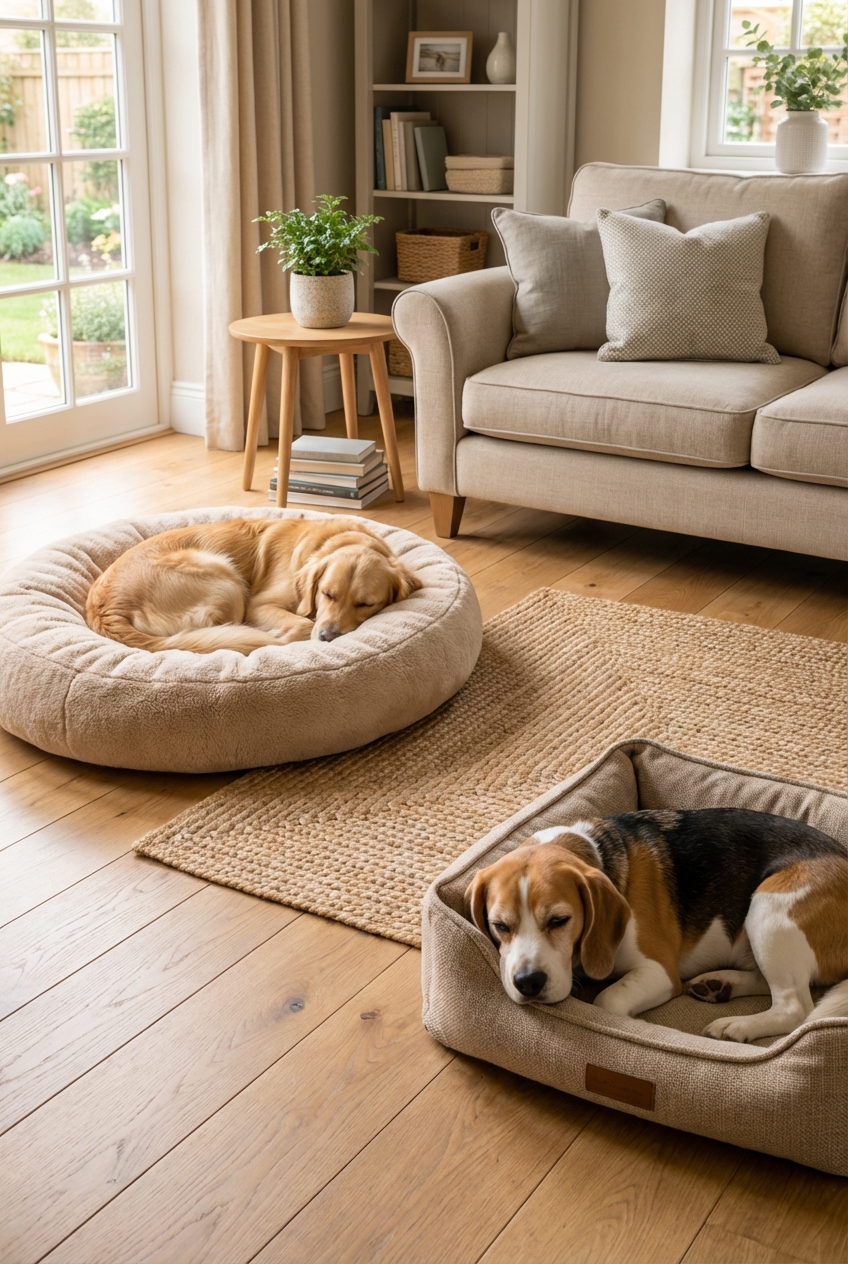
If one dog guards, it is smart to prevent competition and set clear routines so everyone feels safe.
- Feed separately and pick up leftovers.
- Provide multiple resting spots in different areas.
- Avoid giving high-value chews when dogs are together until the behavior is improving.
- Watch for subtle crowding near food, toys, doorways, or people.
Is guarding always dangerous?
It can be. But it is not a life sentence, and it does not mean your dog is “bad.” Many dogs improve dramatically when their humans stop accidentally triggering conflict and start building trust with structured training.
If you take one idea from this handbook, let it be this: we change guarding by changing emotions. When your dog truly believes they are safe and that good things happen when you approach, the guarding response fades.
Warm encouragement from me to you: go slow, stay consistent, and prioritize safety. Little wins add up fast when your dog feels understood.
Quick checklist
- Schedule a vet visit if guarding is new or worsening.
- Use management to prevent rehearsals and protect kids.
- Do trades, not takeaways.
- Reward your dog for calm behavior when you approach.
- Get qualified help for bites, snapping, or intense guarding.
References
- American Veterinary Society of Animal Behavior (AVSAB): Position statements and resources on humane training and behavior modification.
- ASPCA: Resource guarding guidance (management and training basics).