A practical guide to feeding dogs plain pumpkin puree: what to buy, how much by weight, how to use it for diarrhea or constipation, storage tips, and vet war...
Article
•
Designer Mixes
Why Dogs Need Anal Glands Emptied

Shari Shidate
Designer Mixes contributor
As a veterinary assistant here in Frisco, Texas, I hear this question all the time: “Do dogs really need their anal glands emptied?” The honest answer, and what our veterinarians recommend, is: some dogs do, some dogs never will. The “why” usually comes down to anatomy, stool quality, and inflammation.
This article is general education, not a substitute for a hands-on veterinary exam. Anal gland issues can be uncomfortable, messy, and sometimes painful. The good news is that once you understand what the glands do and what warning signs look like, you can prevent a lot of problems and know when it is time to call your veterinarian or groomer.
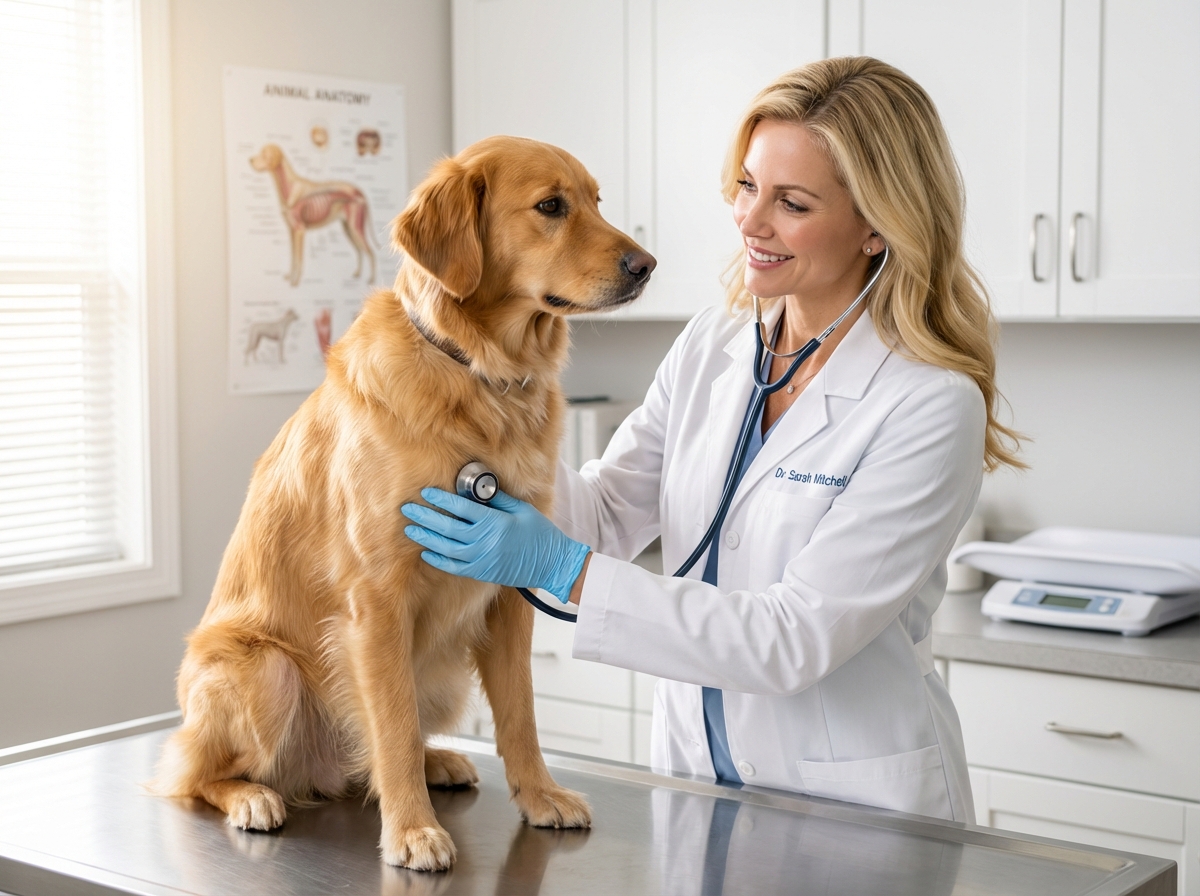
What are anal glands?
Dogs have two small sacs called anal sacs (often called anal glands) located just inside the rectum at roughly the 4 o’clock and 8 o’clock positions. These sacs produce a strong-smelling fluid.
In a healthy dog, the fluid usually drains naturally when your dog has a bowel movement. The pressure of firm stool passing by the sacs helps release a tiny amount of fluid. This is a normal part of canine scent communication.
Why problems happen
Problems happen when the sacs do not empty well. That can lead to:
- Impaction (thick material builds up and cannot drain)
- Inflammation (irritation and swelling)
- Infection (bacteria overgrowth in trapped material)
- Abscess (painful swelling that may rupture and drain)
Do all dogs need them emptied?
No. Many dogs drain their anal sacs naturally their entire lives and never need help. Others have recurring buildup and benefit from periodic expression, usually done by a veterinary team member or an experienced groomer, depending on your dog’s history.
Key point: Anal gland expression is not a routine must-do for every dog. It is a targeted solution for dogs who are not emptying normally or who have symptoms.
Signs your dog may need help
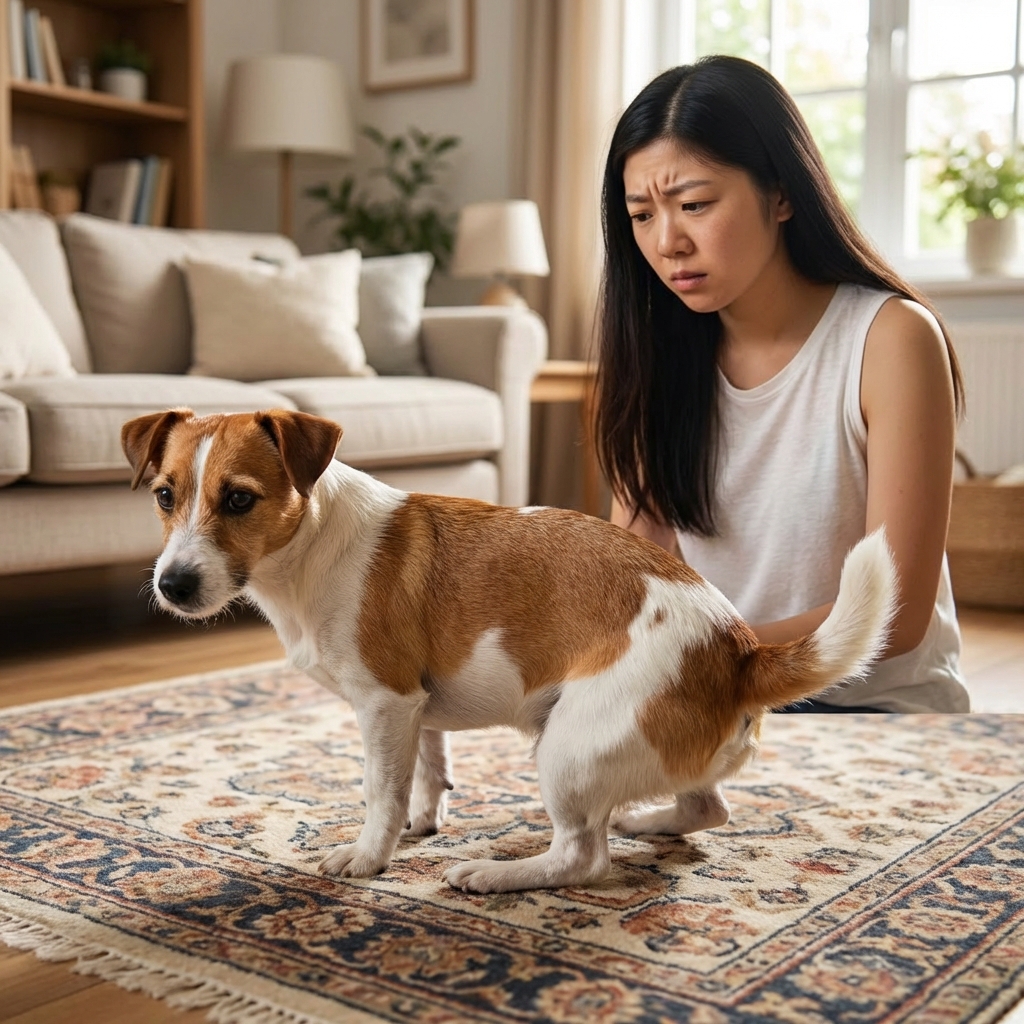
Dogs are pretty good at telling us something feels off, even if the signs are subtle at first. Watch for:
- Scooting (dragging the rear across carpet or grass)
- Licking or chewing at the rear end
- Sudden fishy or strong musky odor
- “Sitting funny” or seeming uncomfortable when sitting
- Swelling, redness, or a tender lump near the anus
- Straining to poop or yelping during bowel movements
- Spots of brownish fluid where your dog was sitting
Call your veterinarian promptly if you see swelling, bleeding, a wound, pus, fever, lethargy, or if your dog seems painful. Those can suggest infection or abscess, and that is not a DIY situation.
Why some dogs get issues
Veterinarians see a few patterns that increase the risk of anal sac problems:
1) Soft stool or chronic diarrhea
Soft stool does not apply enough pressure to empty the sacs well. This is one of the most common triggers. Dogs with sensitive stomachs, frequent diet changes, parasites, or inflammatory bowel disease can fall into this category.
2) Allergies
Allergies can cause inflammation of the skin and tissues around the anus, including the anal sac ducts. When the ducts are inflamed, drainage becomes harder. Many dogs with recurring anal gland trouble also have itchy paws, ear infections, or seasonal itch.
3) Weight and body condition
Overweight dogs may have reduced muscle tone and altered pressure around the sacs, which can contribute to poor emptying.
4) Anatomy and breed tendencies
Smaller dogs are overrepresented in anal gland visits, although any dog can have trouble. Some dogs may simply have narrow ducts or glands that produce thicker secretions.
5) Low activity
Regular activity helps overall gut motility and healthy bowel movements. It is not the only factor, but it can matter for some dogs.
6) Other look-alikes
Scooting and rear-end licking are not always anal glands. Parasites, perianal dermatitis, and even orthopedic or back pain can sometimes look similar. If it is new or recurring, an exam is worth it.
Safety: home vs clinic
Here is the practical, safety-first guidance. Anal sacs are delicate, and when they are inflamed or infected, expressing them incorrectly can worsen pain, irritate the duct, or push infected material deeper.
When pros should handle it
- Any first-time anal gland concern
- History of infection, abscess, blood, or severe discomfort
- A visible lump, swelling, or open sore
- Your dog is snappy, anxious, or painful
- The sacs need internal expression (often more complete, but requires training)
Groomer vs vet
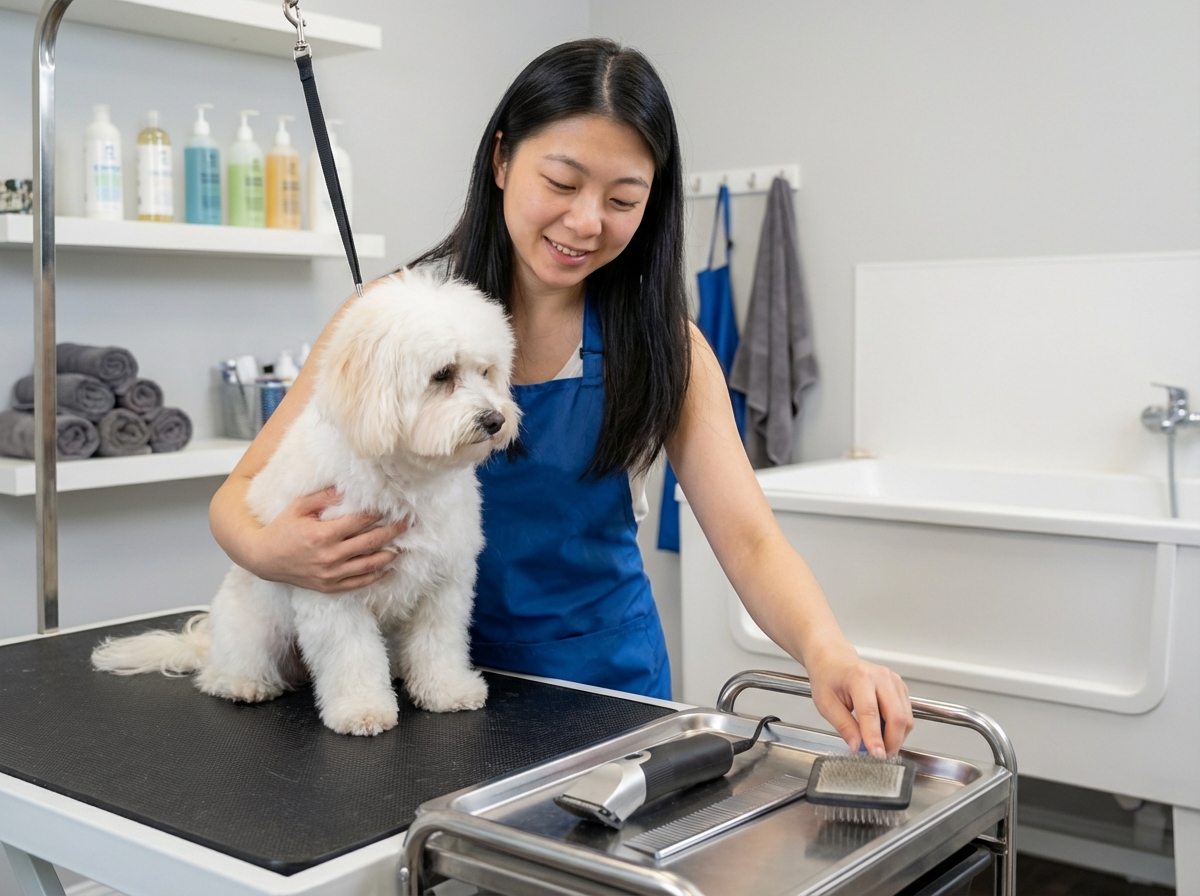
Many groomers offer external expression. For some dogs, that is enough. Dogs with frequent issues, pain, thick secretions, or infection risk are usually best handled in a veterinary clinic. Also, rules and training standards can vary by location, so it is fair to ask what your groomer is permitted and comfortable doing.
What to expect at the vet
Your veterinary team may:
- Confirm the issue is truly anal sacs (not worms, a skin infection, a mass, or pain from another cause)
- Express the sacs and note the consistency and color of the fluid
- Recommend fecal testing, allergy support, diet changes, or medication if there is inflammation
- Discuss next steps if infection is suspected, which may include flushing, pain relief, and sometimes antibiotics or culture
Important: If your dog has an anal sac abscess, treatment often includes veterinary drainage and medication. Waiting too long can make your dog much more uncomfortable.
How often is “often”?
There is no one perfect schedule. Many dogs never need expression. Dogs with recurring buildup might need help every few weeks to every few months, depending on the cause and how well prevention steps are working.
In general, veterinarians prefer a symptom-based approach rather than frequent routine expression for all dogs. In some dogs, overdoing it can irritate the glands and create more inflammation.
If your dog truly needs regular expression, your veterinarian can help you find the safest rhythm and explore why your dog is not emptying naturally.
By age
Puppies
True anal gland problems are less common in puppies, but they can happen. Scooting in puppies is often due to intestinal parasites or soft stool. A stool test is a smart first step.
Adult dogs
This is when chronic patterns show up: allergies, diet-related stool softness, and recurrent impactions. Adult dogs often benefit most from prevention strategies like consistent nutrition, healthy weight, and managing itch and inflammation early.
Senior dogs
Seniors may have reduced muscle tone, slower movement, arthritis that affects posture, or other health conditions that change stool quality. If a senior suddenly develops anal sac issues, it is worth a veterinary exam to rule out infection, masses, or other underlying causes.
Prevention at home
You do not need to guess or overhaul everything overnight. Start with a few high-impact steps and track what changes your dog’s stool quality and comfort.
Support firm stools
- Keep diet consistent and avoid frequent treat or food changes that trigger soft stool.
- Ask your veterinarian whether your dog would benefit from dietary fiber. Some dogs do well with veterinarian-recommended fiber sources, while others need a prescription GI diet.
- Discuss ongoing diarrhea with your vet. Chronic loose stool is not normal and often has a treatable cause.
Maintain a healthy weight
If your dog is overweight, even small weight loss can improve comfort and reduce inflammation in many body systems. Your veterinary team can help you set a safe target weight and calorie plan.
Address allergies early
If your dog has itchy skin, recurring ear infections, paw licking, or seasonal flare-ups, ask your veterinarian about allergy management. In many dogs, better allergy control also means fewer anal sac episodes.
Keep up with parasite prevention
Tapeworm segments can cause itch and scooting. Parasites can also cause soft stool that sets anal sac problems in motion.
Exercise and routine
Daily movement helps digestion and bowel regularity. It also supports healthy weight, which matters more than many people realize.
What not to do
- Do not attempt expression if your dog is painful, swollen, bleeding, or has a wound.
- Do not force it. Squeezing too hard can bruise tissues and worsen inflammation.
- Avoid internet “hacks” or applying products to broken skin near the anus unless your veterinarian directs you.
When it is urgent
Please do not wait if you notice any of the following:
- A painful, hot, or rapidly growing swelling near the anus
- Blood, pus, or an open draining wound
- Your dog is not eating, lethargic, vomiting, or acting off
- Straining to poop or inability to pass stool
These signs can indicate infection or abscess and deserve same-day veterinary attention.
Anal gland problems are common, but they should not be ignored. Early care is usually simpler, less painful, and more affordable than treating an abscess.
FAQs
Is scooting always anal glands?
No. Scooting can also be caused by parasites, itchy skin, allergies, perianal skin irritation, or even pain in the hips or back. That is why a first-time visit and a fecal test can be so helpful.
Can groomers empty anal glands?
Many groomers offer external expression. For some dogs, that is sufficient. Dogs with frequent issues, pain, thick secretions, or infection risk are usually best handled in a veterinary clinic. Rules can vary, so ask what your groomer is permitted to do.
What does anal sac fluid look like?
It varies. It may be thin and yellow-brown, or thicker and paste-like. Abnormal fluid can look bloody, chunky, or pus-like. If you see anything unusual, let your veterinarian know.
Can diet change really help?
Yes, especially if your dog’s main trigger is soft stool. The goal is not a trendy diet. The goal is consistent, digestible nutrition that produces firm stools. Your veterinarian can guide you toward the right option for your dog’s age and health history.
What if it keeps happening?
If your dog is having frequent impactions or infections, your veterinarian may recommend a deeper look at the underlying cause, like an allergy workup, a diet trial, or other GI support. In severe, chronic cases that do not respond to management, surgery to remove the anal sacs can be discussed, but it is not the first step for most dogs.
Bottom line
Dogs “need” anal glands emptied when their bodies are not draining the sacs naturally, or when the sacs become inflamed or infected. Many dogs will never need help. Others need occasional support and a prevention plan focused on stool quality, healthy weight, and allergy control.
If your dog is scooting, licking, or suddenly smells fishy, you are not being dramatic by calling your veterinarian. You are being proactive, and that is one of the kindest things you can do for your dog’s comfort.