Turn chicken and rice into a more balanced homemade dog meal with veggies, calcium carbonate, and omega-3s. Includes gram weights, portion guidance, swaps, a...
Article
•
Designer Mixes
Why Dogs Lose Weight: Quick Reasons Guide

Shari Shidate
Designer Mixes contributor
If your dog is dropping pounds fast, it can be scary. As a veterinary assistant, I always tell families the same thing: unplanned weight loss is a symptom, not a diagnosis. Sometimes it is something simple you can fix at home, and sometimes it is your dog’s early warning sign that something deeper is going on.
This guide cannot diagnose your dog, but it can help you understand the most common, evidence-based reasons dogs lose weight and what to do next, in plain language.
First: Is it true weight loss?
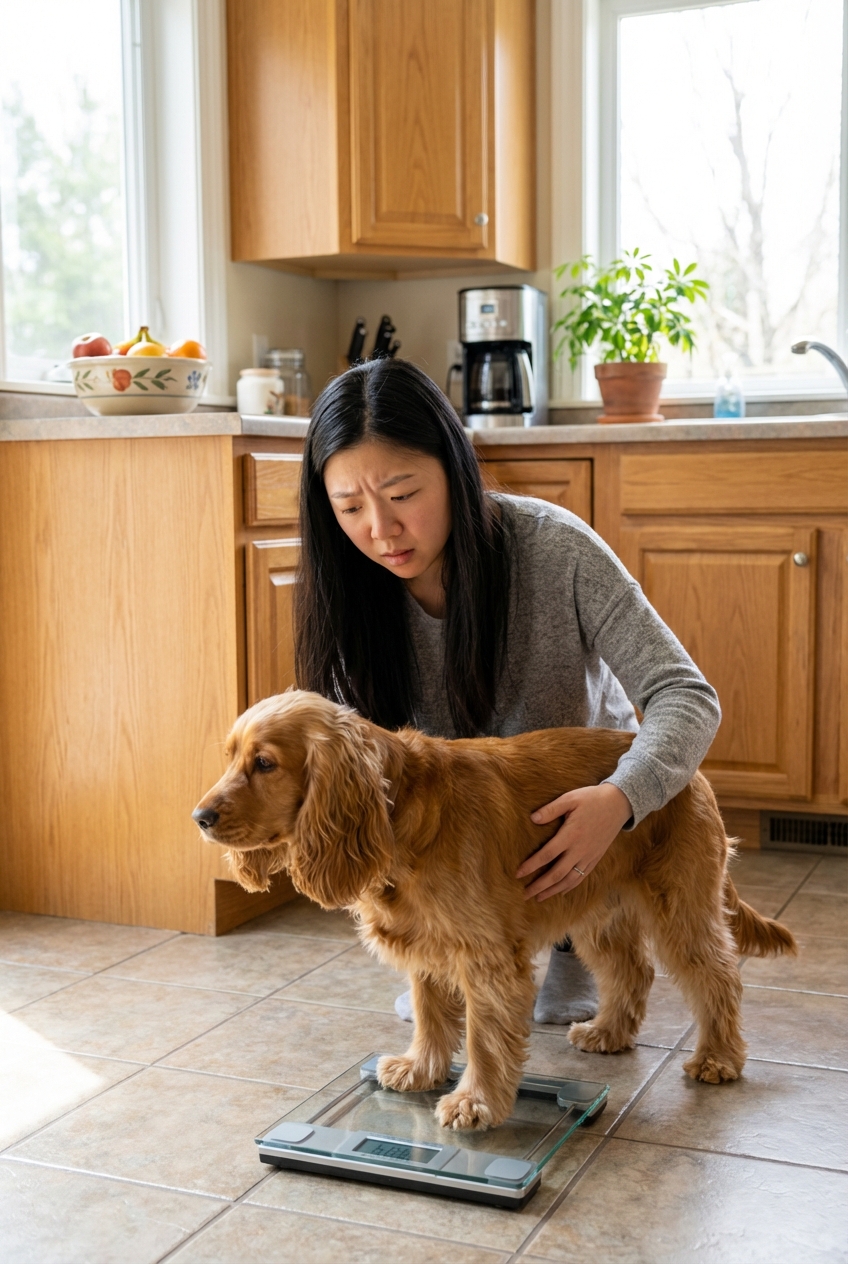
Before you spiral, do a quick reality check. Weight changes can be missed when you see your dog every day, and coat changes can make dogs look thinner than they are.
- Confirm the number: weigh your dog weekly on the same scale, at the same time of day.
- Do a body check: you should feel ribs with a light touch, but they should not be sharply visible (most dogs).
- Look at muscle: dogs can lose muscle along the back legs and spine even when the scale is only slightly down. This matters because muscle loss can point to pain, aging, endocrine disease, kidney disease, and other chronic issues.
A useful rule of thumb is this: if your dog has lost about 5 to 10 percent of body weight over a month without you trying, call your veterinarian. If the change is happening over days, or your dog is a puppy, senior, or has a chronic condition, it is worth calling sooner.
Quick triage: when to go now
Weight loss alone is usually not an ER visit, but weight loss with the signs below can be urgent.
- Not eating and acting unwell, or not eating for a full day. For small dogs, puppies, and dogs with diabetes or other medical conditions, think same day or within 12 to 24 hours.
- Repeated vomiting, vomiting blood, or black tarry stool
- Severe lethargy, collapse, pale gums, or trouble breathing
- Bloated belly with retching or pacing (possible bloat)
- Drinking and peeing dramatically more than normal
- Rapid weight loss plus yellow gums or eyes

Common reasons dogs lose weight
1) Not eating enough calories
This sounds obvious, but it is one of the most common causes. The tricky part is that the reason behind the reduced intake can vary.
- Diet change or picky eating: switching foods too quickly, a formula change, or food that goes stale.
- Competition in multi-dog homes: one dog eats the other’s portion, or a timid dog stops eating under pressure.
- Measuring errors: scoop sizes and eyeballing often underfeed (or sometimes overfeed).
- High activity: new daycare, more walks, agility training, or a new puppy friend.
What to do: measure meals with an actual measuring cup or kitchen scale, and feed separately if needed. If appetite is lower than normal for more than a day or two, or your dog seems uncomfortable or “off,” schedule an exam.
2) Dental disease or mouth pain
Dogs can have painful mouths and still try to eat. You might notice slower eating, dropping kibble, chewing on one side, or choosing soft foods only. Dental disease is also associated with whole-body inflammation, and it can affect quality of life more than many people realize.
Clues: bad breath, red gums, visible tartar, pawing at the mouth, blood on toys.
What to do: ask your vet about an oral exam and dental cleaning, and do not start pain medication at home unless your vet directs it. Many human pain relievers are dangerous to dogs.
3) Intestinal parasites
Worms can steal nutrients, irritate the gut, and cause poor absorption. Even indoor dogs can get parasites from yards, parks, wildlife, or fleas.
Clues: soft stool, diarrhea, mucus in stool, a pot-bellied look (especially puppies), scooting, or vomiting worms (sometimes).
What to do: bring a fresh stool sample to your veterinarian for testing. Deworming should be targeted to the parasite when possible.
4) Chronic digestive issues and malabsorption
Some dogs eat well but still lose weight because their bodies are not absorbing nutrients. Chronic enteropathies (IBD-type conditions), food sensitivities, and protein-losing enteropathy are examples.
Clues: chronic diarrhea, frequent stool, greasy stool, weight loss with normal appetite, gurgling belly, gas.
What to do: your vet may recommend fecal testing, bloodwork, an elimination diet trial, probiotics, imaging, or additional GI tests depending on severity and duration.
5) Exocrine pancreatic insufficiency (EPI)
EPI happens when the pancreas does not make enough digestive enzymes. Dogs can seem ravenous but become thin, with large-volume stool.
Clues: big soft stools, pale or greasy stool, weight loss despite eating, increased appetite.
What to do: ask your vet about a blood test for EPI. Treatment often includes enzyme powder and diet adjustments, and many dogs do very well once diagnosed.
6) Diabetes mellitus
With diabetes, the body cannot use glucose properly. Dogs may lose weight even though they are eating, because cells cannot access energy efficiently.
Clues: increased thirst and urination, increased appetite, weight loss, lethargy, cataracts developing quickly.
What to do: schedule a vet visit promptly for blood and urine testing. Diabetes is treatable, but it needs medical management.
7) Kidney disease
Kidney disease can reduce appetite and cause nausea. Over time, it can lead to muscle loss and weight loss.
Clues: drinking more, peeing more, picky appetite, vomiting, breath that may smell like ammonia, dull coat.
What to do: bloodwork and urinalysis are key. Early management can significantly improve quality of life.
8) Liver disease
The liver is central to metabolism, digestion, and detoxification. When it is struggling, dogs may lose appetite and weight.
Clues: poor appetite, vomiting, diarrhea, yellow gums or eyes, swollen belly, unusual bruising.
What to do: call your veterinarian. Liver issues can range from mild to serious, and lab testing guides next steps.
9) Hormonal disorders
Hormones can shift metabolism and appetite. In dogs, hypothyroidism is much more common than hyperthyroidism, and it typically causes weight gain, not weight loss. Hyperthyroidism is uncommon in dogs and can be associated with thyroid tumors. Other endocrine problems can also cause weight loss.
Clues: weight loss with increased appetite, restlessness, fast heart rate, increased thirst (sometimes).
What to do: talk with your vet about screening bloodwork based on your dog’s age and symptoms.
10) Addison’s disease (hypoadrenocorticism)
Addison’s can be easy to miss because signs may come and go. Some dogs have intermittent GI upset and slow, steady weight loss until they suddenly crash.
Clues: waxing and waning vomiting or diarrhea, low energy, weakness, poor appetite, shaking, dehydration.
What to do: ask your veterinarian if Addison’s fits your dog’s pattern. Diagnosis involves bloodwork and specific hormone testing.
11) Cancer
Cancer can cause weight loss through decreased appetite, pain, inflammation, altered metabolism, or GI involvement. Not every thin dog has cancer, but unexplained weight loss is one reason we take veterinary evaluation seriously.
Clues: new lumps, decreased stamina, cough, pale gums, decreased appetite, vomiting or diarrhea, weight loss that continues even after diet changes.
What to do: a thorough exam, bloodwork, imaging, and sometimes a needle aspirate or biopsy are the most direct way to get answers.
12) Pain, stress, and behavior changes
Dogs can lose weight when they are anxious, depressed, or in chronic pain. A new baby, a move, schedule changes, or the loss of a companion animal can affect appetite. Arthritis pain can also reduce interest in eating.
Clues: pacing, panting at rest, hiding, sleep changes, licking joints, reluctance to jump, changes in routine.
What to do: let your vet know about life changes and behavior signs. Support may include pain control, enrichment, appetite support, and anxiety strategies.
13) Heart disease, lung disease, and chronic infections
Some chronic illnesses lead to weight loss because dogs feel too tired to eat well, or they burn more energy just breathing and moving around. Depending on where you live, tick-borne illness or fungal infections can also contribute.
Clues: cough, exercise intolerance, faster breathing at rest, fever, enlarged lymph nodes, on-and-off appetite.
What to do: schedule an exam. Your vet may recommend chest X-rays, blood tests, and infectious disease screening based on your region and risk factors.
14) Medications and diet-related issues
Some medications can reduce appetite or cause nausea. Also, diet foods, low-calorie treats, or unbalanced homemade diets can accidentally underdeliver calories and key nutrients.
What to do: never stop prescribed medication without guidance, but do report side effects. If you are feeding homemade, ask your vet about balancing the diet or consult a veterinary nutritionist.
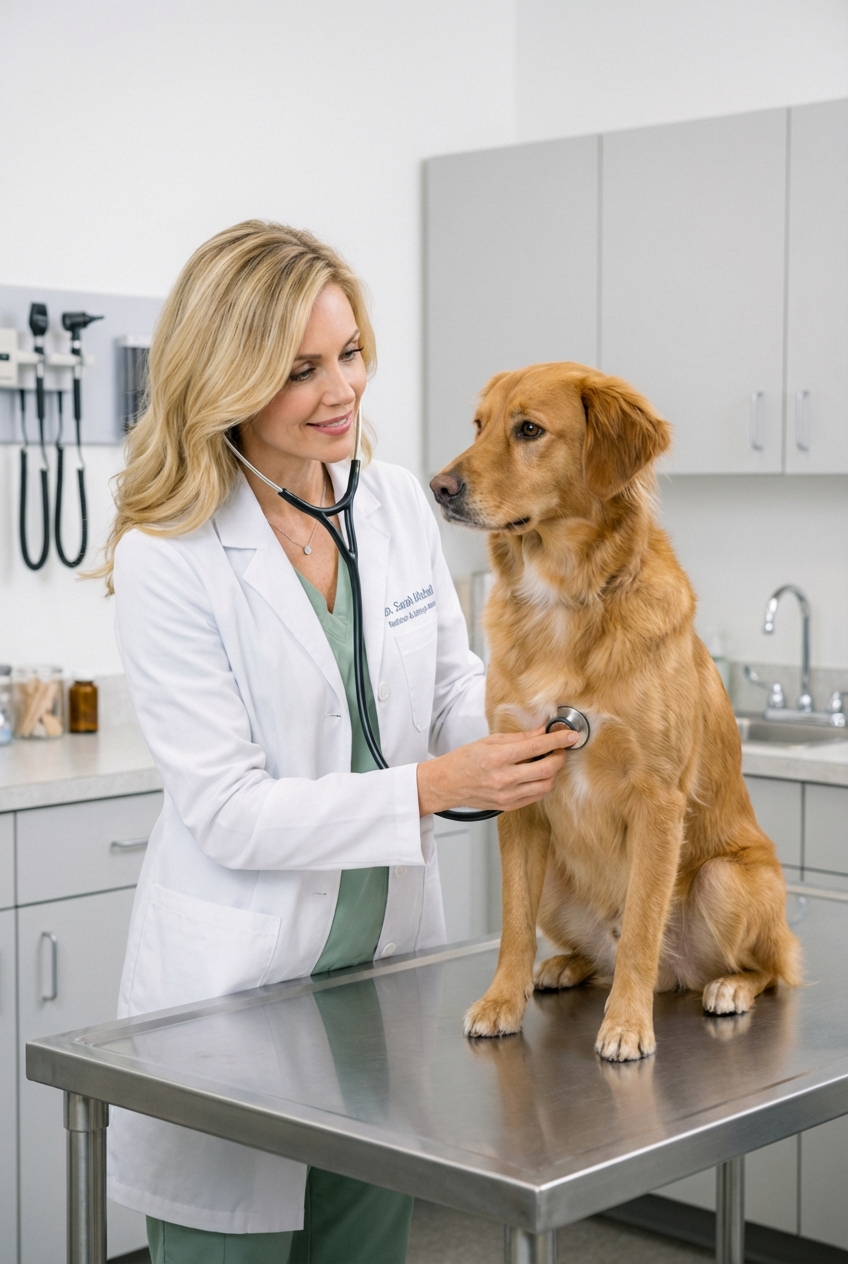
At-home checklist for your vet
You can help your veterinarian get to the answer faster by tracking a few details for 3 to 7 days.
- Weight trend: dates and weights
- Appetite: eager, normal, picky, refusing
- Water intake: normal or increased
- Urination: normal or increased, accidents
- Stool: frequency, consistency, color, mucus or blood
- Vomiting: how often and what it looks like
- Diet details: brand, formula, amount, treats, chews, table food
- Preventatives: flea, tick, heartworm, deworming schedule
- Energy level: normal, reduced, restless
If possible, take clear photos of stool or vomit and bring a fresh stool sample in a sealed container.
What your veterinarian may recommend
Testing is chosen based on age, exam findings, and symptoms, but common starting points include:
- Physical exam and body condition scoring plus muscle condition scoring
- Fecal test for parasites and GI pathogens
- Bloodwork including CBC and chemistry panel
- Urinalysis to assess kidney function and diabetes clues
- Thyroid testing when indicated
- Imaging such as X-rays or ultrasound for internal causes
- Diet trials for suspected food-responsive GI issues
The goal is not to run every test on day one. The goal is to match the right tests to your dog’s story so you get answers without wasting time or money.
Safe ways to support weight gain
If your dog seems stable and your veterinarian is not concerned about an emergency, these are generally safe, practical steps that often help. If your dog has diabetes, kidney disease, heart disease, a history of pancreatitis, or is on a prescription diet, make changes with your vet’s guidance.
- Feed measured meals and avoid free-feeding if you have multiple pets.
- Increase calories slowly by about 10 to 15 percent and recheck weight in 7 to 10 days.
- Choose calorie-dense, high-quality foods and avoid sudden switches. Transition gradually over 7 to 10 days.
- Use food toppers wisely: warm water or low-sodium broth for aroma, or a small amount of plain cooked chicken if approved by your vet.
- Protect the gut: sudden high-fat add-ons can trigger diarrhea or pancreatitis in sensitive dogs.
If you want to add homemade foods, keep unbalanced extras (toppers, treats, table food) to 10 percent or less of total daily calories so you do not dilute the vitamins and minerals in a complete and balanced diet. If you want to go above 10 percent, ask your veterinarian for a balanced recipe or a referral to a veterinary nutritionist.
Bottom line
Fast weight loss is your dog’s way of saying, “Something changed.” Sometimes it is as simple as calories, dental pain, or parasites. Sometimes it is metabolic or internal disease that needs treatment. The most loving thing you can do is track the change, act early, and partner with your veterinarian to find the root cause.
If you want, I can help you think through your dog’s symptoms and what questions to ask at your appointment. Write down your dog’s age, breed mix, current diet, and the timeline of the weight loss.