Border Collies thrive on more than long runs. Learn ideal daily exercise ranges, enrichment ideas, sniff walks, recovery, and sample routines to prevent rest...
Article
•
Designer Mixes
Why Dogs Get the Zoomies

Shari Shidate
Designer Mixes contributor
If you have ever watched your dog suddenly sprint in circles, bounce off the couch, and look like they are powered by pure joy, you have witnessed the zoomies. These episodes are often referred to as FRAPs, short for Frenetic Random Activity Periods (sometimes written as “Period” in the singular). It looks chaotic, but in most healthy dogs it is a normal, temporary burst of energy.
As a veterinary assistant, I like to reassure families that zoomies are usually not “bad behavior.” They are often your dog’s way of releasing built-up excitement, stress, or extra energy. The key is learning what is normal for your dog and how to keep everyone safe during the sprint session.
What are FRAPs?
FRAPs are short episodes of high-intensity movement that can include:
- Sudden sprinting, often in circles or figure eights
- Play bows, spinning, hopping, and darting away
- “Air biting” or grabbing a toy and racing off
- Wide eyes and a playful, excited body posture
Most zoomie episodes last seconds to a few minutes, then your dog settles down as quickly as it started. That start-stop pattern is one reason zoomies are considered a normal behavior in many dogs, especially puppies and adolescents.
Why zoomies happen
1) Energy release
Dogs are built for short bursts of activity. When excitement, anticipation, or stress builds up, a brief sprint can be a quick way to let that energy out. You might notice zoomies after your dog has been resting for a while or after a high-arousal moment.
2) Arousal and routine
Zoomies often happen at predictable times because dogs learn patterns. If every evening you grab the leash, your dog may rev up in anticipation. That excitement is not wrong, it just needs a safe outlet.
3) Play and practice
From a behavior standpoint, zoomies can also be play. Running, turning sharply, and accelerating are athletic skills. Puppies and young dogs especially use play bursts to practice coordination.
Common triggers
Zoomies can happen anytime, but these triggers are especially common:
- After a bath: Many dogs zoom after bathing. This may be excitement, stress release, or an instinct to “reset” after an unfamiliar experience.
- After potty time: Some dogs get a post-poop sprint, especially if they have been holding it or are feeling relief.
- When you get home: Big happy emotions plus pent-up energy.
- Before a walk or meal: Anticipation and routine cues.
- After being crated or indoors for a while: Physical energy needs an outlet.
- During adolescence: Young dogs often have stronger and more frequent FRAPs.
Are zoomies healthy?
For most dogs, yes. Zoomies can be a sign of good physical ability and normal emotional expression. That said, “healthy zoomies” usually have these traits:
- The episode is brief and stops on its own
- Your dog looks playful, not panicked
- Breathing returns to normal quickly
- No limping or signs of pain afterward
If your dog is older, has arthritis, has heart or respiratory disease, or is recovering from surgery, zoomies can be risky. In those cases, ask your veterinarian what level of activity is safe.
When it is a red flag
Zoomies are normal, but you should talk to your veterinarian if you notice any of the following:
- Sudden behavior change: A dog who never zooms starts doing it intensely, or a dog who always zooms becomes frantic and hard to interrupt.
- Signs of pain: Yelping, limping, licking a joint, stiffness, or reluctance to jump after.
- Collapse or weakness: Any fainting, wobbliness, or collapse is urgent.
- “Zoomies” plus itching: Some dogs run and roll due to skin discomfort. Allergies, fleas, or ear infections can contribute.
- Looks like panic: Tail tucked, ears pinned back, fearful eyes, trying to escape, or crashing into walls repeatedly.
Also, if what you are seeing includes fixed staring, loss of awareness, involuntary movements, or your dog seems “not themselves,” it may not be zoomies. If you are unsure, take a short video and share it with your veterinarian. A clip can be extremely helpful for sorting out zoomies versus pain, fear, compulsive behaviors (like repetitive spinning), or seizure activity.
Handle zoomies safely
Zoomies are easiest to manage when you plan for them. Here are practical, vet-friendly safety tips:
Create a safe zoom zone
- Choose a fenced yard or a clear open room with traction.
- Move coffee tables, kids’ toys, and anything sharp or breakable.
- Avoid slippery floors. If needed, block off tile and give access to rugs or carpet.
Do not chase
Chasing can make it more exciting and sometimes turns it into a keep-away game. Instead, stay calm and redirect to something easy and familiar.
- Use a trained cue like “touch,” “sit,” or “find it.”
- Toss a few treats away from hazards to pull your dog into a safer area.
- If you are indoors, quietly guide them to a cleared room or behind a baby gate until the burst passes.
Offer a healthy outlet
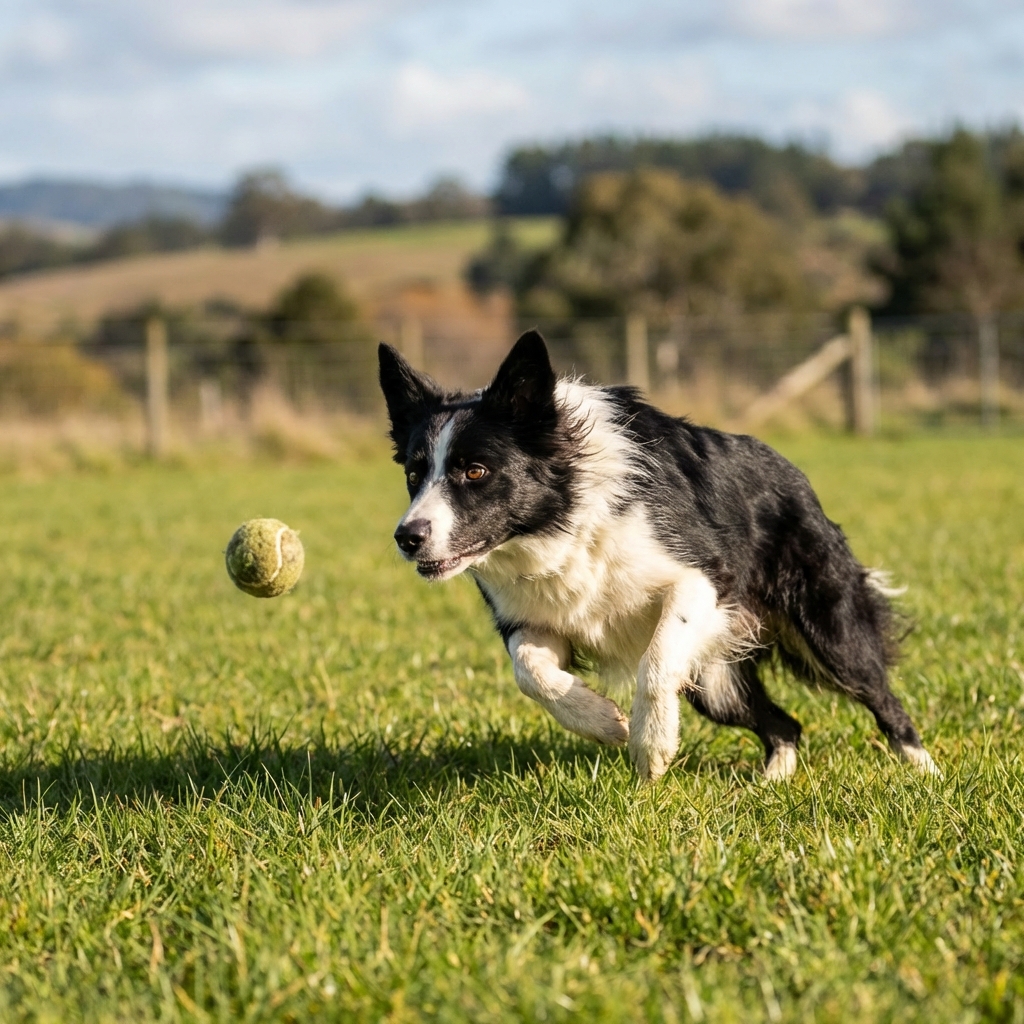
- Toss a toy into an open area
- Do a quick, simple training loop: sit, touch, down, treat
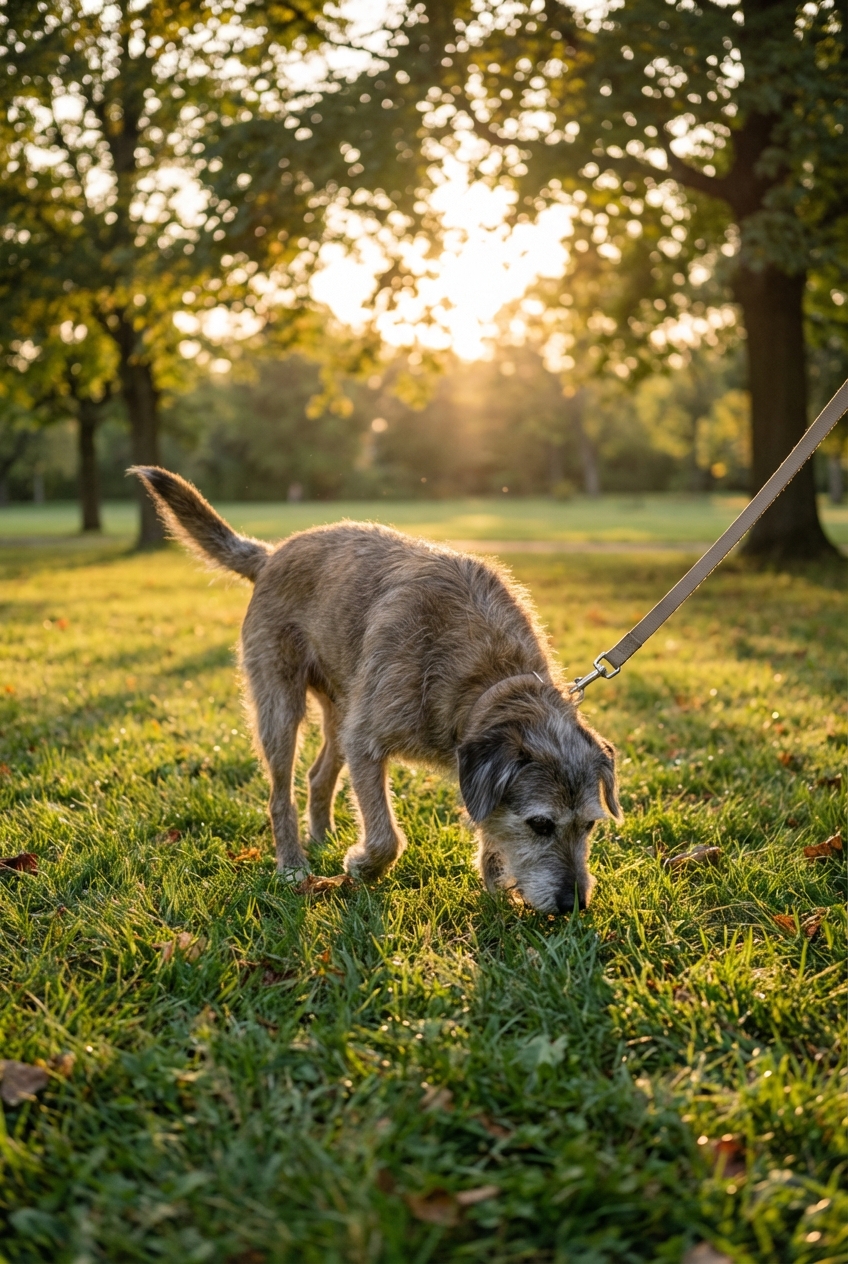
- Try a sniff break outside. Sniffing can help many dogs settle.
Prevent injury
- Avoid letting dogs zoom around stairs
- Keep them off furniture during the sprint
- Separate dogs if play escalates into body-slamming or nipping
No yard? No problem
If you live in an apartment or do not have a fenced space, you can still set your dog up for safe zoomies and fewer surprise sprints:
- Pick the right indoor space: A cleared hallway or living room with rugs is safer than a slippery kitchen.
- Leash options outdoors: Use a long line in a quiet open area (like a field) if it is safe and allowed. Avoid crowded spots where sudden sprinting could cause tangles or collisions.
- Indoor enrichment: Food puzzles, scatter-feeding, and short training sessions can take the edge off when outdoor running is limited.
Can you reduce zoomies?
You do not need to eliminate zoomies in a healthy dog, but you can reduce the intensity and frequency by meeting basic needs:
- Daily exercise: Match the exercise to your dog’s age, health, and breed mix.
- Mental enrichment: Puzzle feeders, sniff walks, and simple training games can tire the brain.
- Consistent routines: Predictability lowers stress for many dogs.
- Balanced feeding habits: Steady routines around meals and treats can help some dogs feel more even. If your dog seems unusually “wired,” is getting lots of rich treats, or is acting out of character, check in with your veterinarian to rule out diet-related stomach upset, pain, anxiety, or medical issues.
If your dog’s zoomies look stress-driven, it is also worth checking for triggers like loud noises, understimulation, or changes in the home.
Designer mixes
Many designer mixes combine traits from two active, intelligent breeds. That can be wonderful, but it can also mean:
- More energy to burn
- Fast learning, including learning routines that trigger excitement
- A bigger need for structured outlets like training, fetch, and sniffing
If you have a Goldendoodle, Labradoodle, Bernedoodle, Aussiedoodle, or similar mix, zoomies can be part of the package, especially when they are young. Individual needs still vary a lot, so watch the dog in front of you and build a plan that fits their body and brain.
The bottom line
Zoomies are usually a normal burst of energy often called FRAPs. In many dogs, they are a healthy release and a sign of joy, excitement, or pent-up energy. Your job is not to punish it, but to keep it safe, notice patterns, and check in with your veterinarian if anything looks painful, unusual, or frantic.
If you want a simple starting point, aim for one good physical outlet and one good mental outlet every day. A dog who gets to move and use their brain tends to have happier, safer zoomies.