
Hot spots can spread in hours. Learn safe first aid steps—stop licking, clip fur, disinfect with chlorhexidine, dry the area—plus when to see the vet and...
Article
•
Designer Mixes
Why Dogs Get Hotspots

Shari Shidate
Designer Mixes contributor
Hotspots can feel like they show up overnight. One minute your dog is fine, and the next you notice intense licking, a damp patch of fur, and angry red skin. As a veterinary assistant in Frisco, Texas, I see this all the time, especially in our warm months when allergies and humidity are working overtime.
The good news is that hotspots are usually treatable. The better news is that many are preventable once you understand the “why” behind them.
Quick note: This article is for education and does not replace an exam and diagnosis from your veterinarian.
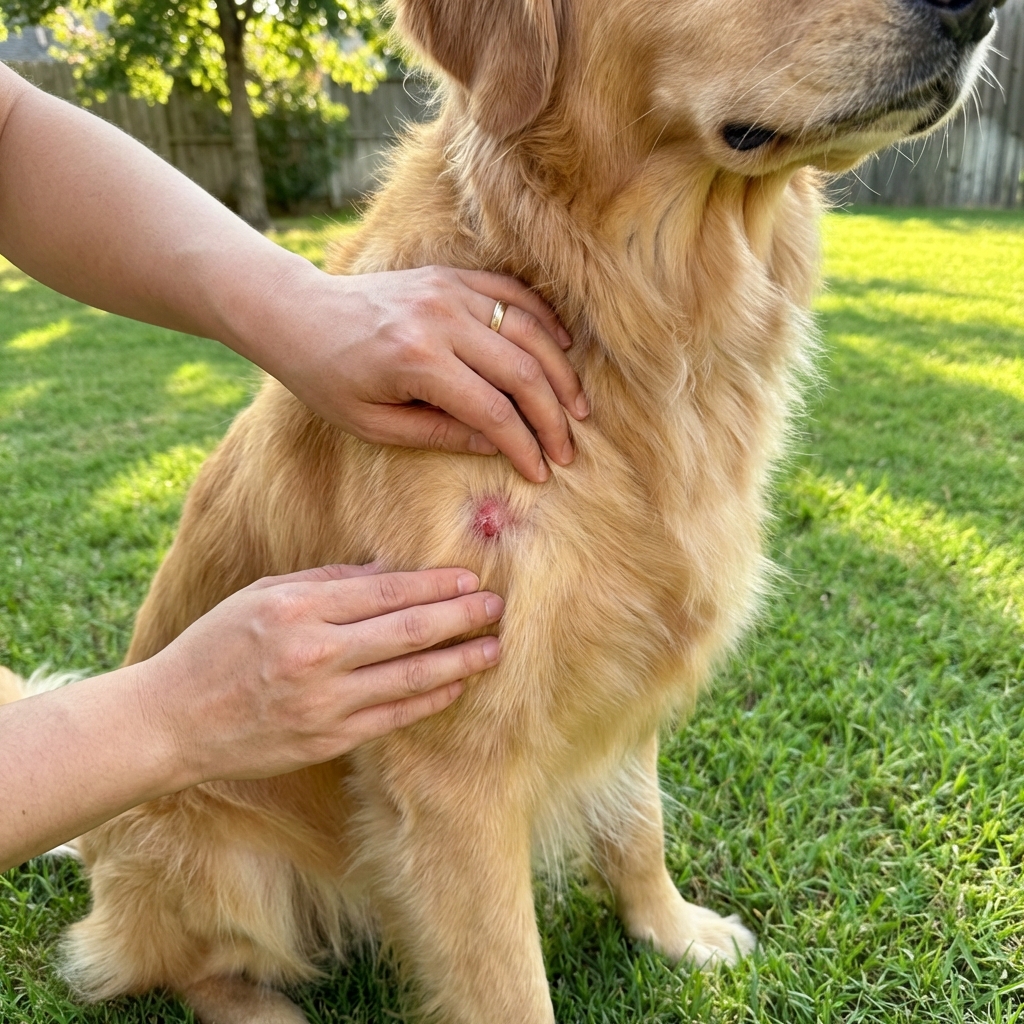
What is a hotspot?
A hotspot is the common name for acute moist dermatitis (also called pyotraumatic dermatitis). It is a localized area of skin that becomes inflamed from licking, chewing, or scratching, and often develops a secondary bacterial infection. Hotspots become wet, painful, and itchy. They often look like:
- A red, raw patch of skin
- Wet or oozing fur that feels sticky or matted
- Hair loss around the area
- A strong odor in more advanced cases
- A dog that cannot stop licking, chewing, or scratching
They spread because licking and scratching break the skin, bacteria can overgrow in a warm, moist environment, and inflammation ramps up the itch. It becomes a fast-moving cycle.
The main reasons dogs get hotspots
Hotspots almost always have a trigger. Here are the most common causes and why they matter.
Allergies (environmental or food)
Allergies are a top driver. When the skin is inflamed and itchy, dogs self-traumatize by licking and chewing. Common allergy triggers include pollens, grasses, molds, dust mites, and sometimes food proteins.
Clues it might be allergies: recurring hotspots, seasonal itch, ear infections, licking paws, rubbing face, or itchy belly.
Fleas and other parasites
Flea allergy dermatitis can cause major skin reactions from just a few bites. Even indoor dogs can get fleas, and many pets react intensely.
Clues: itching at the base of the tail, small scabs, flea dirt, or sudden intense scratching.
Moisture trapped in the coat
Water plus warmth encourages bacterial overgrowth. Swimming, baths, rain, and even morning dew can create trapped moisture, especially in thick-coated dogs.
Clues: hotspots after swimming or grooming, especially on hips, neck, under ears, or between skin folds.
Matting and poor airflow to the skin
Mats pull on the skin, trap moisture, and hide irritation. The skin underneath becomes inflamed and can break down quickly.
Clues: hotspots in areas that mat easily like behind ears, under collars, armpits, and around the tail base.
Ear infections and “referred” licking
Dogs with ear infections may scratch, rub, or shake their head. The skin behind and below the ear gets traumatized, and a hotspot can form. Similarly, pain or irritation elsewhere can lead to overgrooming in one spot.
Clues: head shaking, ear odor, redness in ears, or a hotspot near the ear flap or neck.
Skin wounds and irritation
Small scrapes, insect bites, or abrasion from harnesses, collars, or burrs can start the itch and lick cycle.
Clues: a hotspot exactly where a collar sits, under a harness strap, or after a hike.
Stress and boredom licking
Some dogs lick as a self-soothing behavior. If the skin gets damp and irritated, infection can set in.
Clues: licking primarily when alone, after routine changes, or when under-stimulated.
Which dogs are most at risk?
Any dog can get a hotspot, but these factors raise the risk:
- Thick coats or double coats that trap moisture
- Dogs with underlying allergies
- Dogs who swim frequently or get bathed often
- Dogs with skin folds
- Dogs prone to matting like Doodles and other long-coated mixes
Hotspots by age
Age can change the most likely triggers, how fast a hotspot progresses, and how well the skin heals.
Puppies
Puppies may get hotspots from parasites, play-related scrapes, new grooming experiences, or early allergy signs. Their immune system is still developing, and they can go from mild irritation to a full hotspot quickly.
Puppy tip: keep flea prevention consistent and start gentle, positive grooming habits early.
Adult dogs
In adults, hotspots often reflect allergies, lifestyle moisture (swimming, bathing), or chronic ear or skin issues. This is also the age when food sensitivities can become more obvious.
Adult tip: focus on long-term management, not just treating the spot. Ask “what keeps triggering this?”
Senior dogs
Older dogs can have thinner skin, slower healing, arthritis that makes self-grooming uneven, endocrine conditions (like hypothyroidism or Cushing’s disease), or immune changes that increase infection risk.
Senior tip: recurring hotspots in a senior dog deserve a veterinary workup to look for underlying causes.
Hotspots by body area
- Cheeks and neck: often linked to ear infections, collar irritation, or allergies
- Hips and rear: common after swimming or from flea allergy
- Armpits and groin: moisture, friction, allergies
- Between toes: allergies, yeast, foreign material, excessive licking
What else could it be?
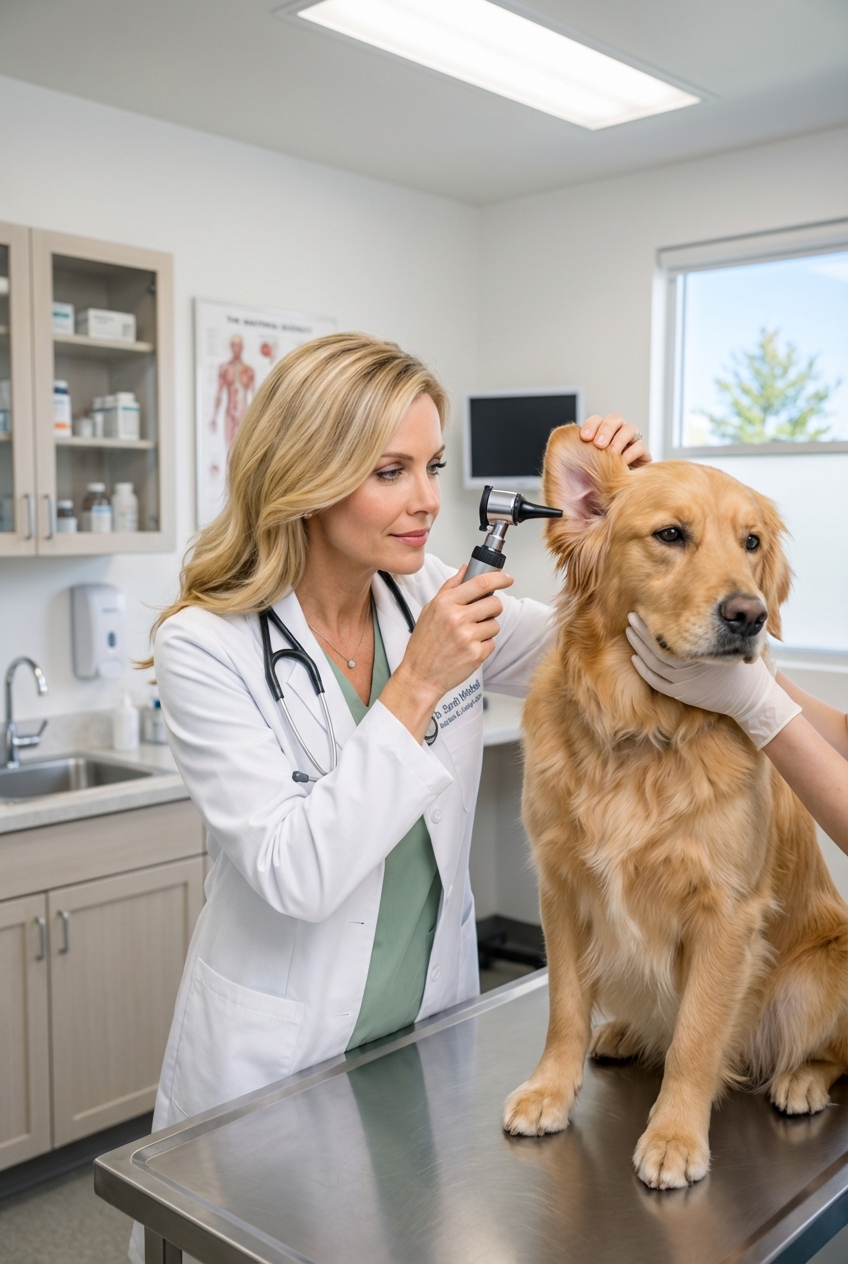
Not every red, irritated patch is a hotspot. Look-alikes can include ringworm, mites, yeast dermatitis, allergic flares, deep skin infections (pyoderma), and even anal gland issues (especially when the rear end is the main focus). If you are not sure what you are seeing, or it keeps coming back, it is worth getting it checked.
When a hotspot is an emergency
Many hotspots can be handled with prompt care, but some need same-day veterinary attention. Seek help urgently if:
- The area is rapidly expanding over hours
- There is heavy oozing, bleeding, or a foul smell
- Your dog seems very painful, lethargic, or feverish
- The hotspot is near the eye or covers a large area
- Your dog will not stop chewing even with supervision
- Your dog has multiple hotspots at once
Hotspots can become deeper and more extensive than they look on the surface, sometimes leading to cellulitis or widespread skin infection. Waiting too long often means a bigger shave area, more discomfort, and sometimes oral antibiotics plus anti-itch meds.
What you can do at home right away
If you notice a small hotspot starting and your dog is otherwise acting normal, these steps can help while you arrange veterinary care:
- Prevent licking and chewing. Use an e-collar (cone) or an inflatable collar. This is often the most important step.
- Trim the fur around the area if you can do so safely. Airflow helps. Avoid scissors near the skin. Dogs can jerk suddenly and skin cuts happen fast. If the area is large or your dog is painful, leave clipping to a professional.
- Gently clean and dry. Use a vet-recommended antiseptic cleanser like chlorhexidine (as directed). Pat dry thoroughly.
- Avoid common irritants. Do not use hydrogen peroxide or rubbing alcohol. They can damage already angry skin and delay healing.
- Do not use human creams or essential oils unless your vet approves. Some ingredients are toxic if licked, and greasy products can trap moisture.
Important: If your dog is in pain, the skin looks very raw, or the spot is spreading, call your veterinarian. Hotspots are one of those issues where fast treatment saves a lot of misery.
Veterinary treatment: what to expect
In the clinic, the goal is to stop the itch-infection cycle and treat the cause. Your vet may recommend:
- Clipping and cleaning the area so medication can reach the skin (sometimes sedation is needed if the spot is very painful or your dog is stressed)
- Topical therapy such as antiseptic and antimicrobial sprays, creams, or ointments
- Anti-itch medication to stop self-trauma (this is often key)
- Oral antibiotics if the infection is significant
- Pain control if your dog is uncomfortable
- Testing for underlying triggers like fleas, yeast, mites, allergies, or ear infections
Ask your vet how long to treat and when to recheck. Many hotspots look better quickly but still need time to fully resolve.
Timeline (typical): with appropriate treatment, many dogs improve noticeably within 24 to 48 hours. Full healing often takes 1 to 2 weeks, depending on size, location, and underlying cause.
How to prevent hotspots long-term
1) Keep skin dry after water
- Dry thoroughly after baths and swimming, especially under ears, collar area, armpits, and groin
- Consider a quick rinse after lake or pool time to remove irritants, then dry well
2) Stay consistent with flea prevention
Year-round flea prevention is often recommended in many warm climates (including much of Texas), but the best plan depends on your dog and your area. Ask your veterinarian what makes sense for your household.
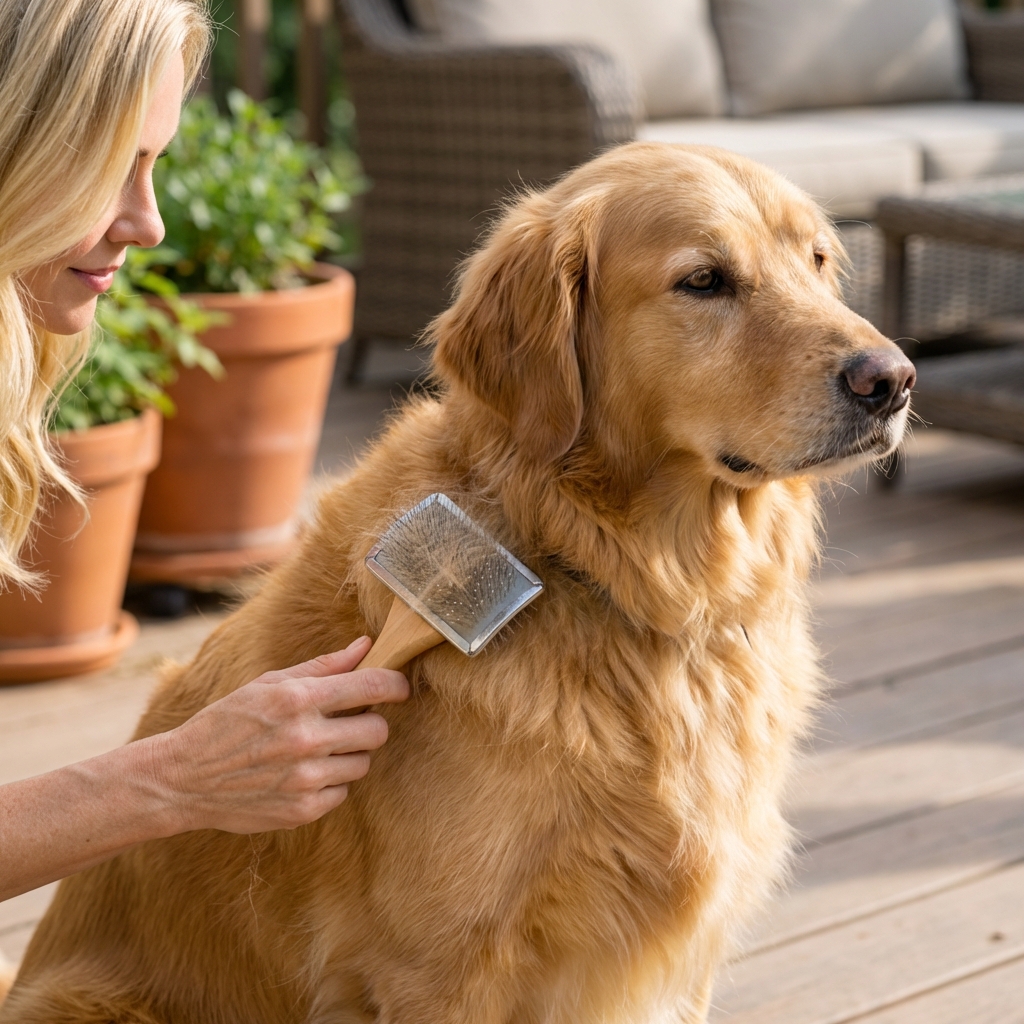
3) Brush for airflow and mat prevention
Regular brushing removes dead coat, prevents mats, and helps you spot irritation early.
4) Address allergies proactively
If your dog gets seasonal itch, talk with your vet about a plan before peak allergy season. Options can include medicated shampoos, allergy meds, omega-3s, diet trials, and environmental management.
5) Support the skin barrier with nutrition
Healthy skin starts on the inside. Many dogs benefit from:
- Balanced, high-quality diet with appropriate protein and essential fatty acids
- Omega-3 fatty acids (fish oil) when recommended by your veterinarian
- Weight management, since skin folds and inflammation can worsen with obesity
If you want to explore homemade food, go slow and make sure meals are balanced. The goal is to support skin barrier function and overall health, not sudden dietary changes that upset the gut.
Hotspot myths
“It will go away on its own.”
Sometimes it improves, but hotspots are notorious for spreading quickly. Early treatment usually means faster healing and less shaving.
“If I keep it covered, it will heal faster.”
Hotspots typically need airflow and dryness. Covering can trap moisture and worsen infection, unless your vet specifically instructs otherwise.
“I can use my own ointment.”
Many human products are unsafe if ingested and can also lock in moisture. Stick with vet-approved care.
Quick checklist
- Sudden intense licking or chewing in one area
- Wet, matted fur with red skin underneath
- Hair loss around a sore
- Warmth, swelling, or a noticeable odor
If you are nodding yes, take action early. The bottom line is simple: stop the licking, dry the skin, treat infection, and find the trigger.
If your dog keeps getting hotspots, it is not bad luck. It is usually a sign that something underneath needs a better plan, like allergies, fleas, moisture in the coat, or chronic ear trouble.