A vet assistant’s step-by-step plan to stop litter box snacking: block access, scoop more often, train “leave it” and “drop it,” add enrichment, an...
Article
•
Designer Mixes
Why Dogs Eat Poop (Coprophagia)

Shari Shidate
Designer Mixes contributor
Few dog behaviors feel as upsetting or confusing as coprophagia, the medical term for eating poop. If this is happening in your home, you are not alone, and you are not a “bad dog parent.” In my work as a veterinary assistant, I hear this complaint often. The good news is that poop eating is usually manageable once we understand why it’s happening and put a consistent plan in place.
Below, I’ll walk you through the most common causes, when it can be normal, when it could signal a medical issue, and practical steps you can start today.
What poop eating can mean
Coprophagia can be behavioral, medical, or a mix of both. Some dogs do it occasionally. Others seem driven to seek it out. The pattern matters, including whose poop they eat, where it happens, and whether anything changed recently.
When it can be normal
- Nursing moms may eat puppy stool to keep the nesting area clean.
- Puppies may explore with their mouths and grow out of it with good management.
Common patterns
- Puppies exploring their world with their mouths, then growing out of it.
- Dogs eating cat poop from the litter box, which is very common.
- Dogs eating their own poop in the yard right after they go.
- Dogs eating other dogs’ poop at parks or daycare.
- Dogs eating wildlife poop (rabbit, deer, goose) on walks or in backyards.
Top behavioral causes
1) Opportunity and habit
If poop is accessible, some dogs will sample it, and repetition can turn it into a habit. This is especially true in shared yards, dog runs, and busy households where cleanup is delayed.
2) Learned behavior from mom or environment
Nursing mothers sometimes clean the area by eating puppy stool. Puppies may copy this behavior. Dogs from crowded environments (some shelters, hoarding situations, or poorly managed breeding operations) can also develop coprophagia early.
3) Stress, boredom, and under-stimulation
Dogs who are anxious, left alone too long, or under-exercised may self-soothe with repetitive behaviors, including eating stool. It can become a quick, reinforcing activity.
4) Attention seeking (even negative attention)
Some dogs learn that grabbing poop makes humans react instantly. If a dog is chased, scolded, or engaged in a dramatic “drop it” scene, the behavior can be unintentionally rewarded with attention.
5) Fear of punishment for accidents
If a dog has been punished for pooping in the house, they may attempt to “hide the evidence” by eating it. This is one reason positive, reward-based housetraining is so important.
Medical and diet causes
Sometimes poop eating is a clue that something is off internally. If your dog suddenly starts eating stool, becomes obsessed with it, or has other symptoms (weight loss, diarrhea, vomiting, increased thirst, increased hunger), it is time to talk with your veterinarian.
Possible medical drivers
- Parasites (intestinal worms, Giardia) that affect digestion and appetite.
- Malabsorption conditions where nutrients are not being absorbed well.
- Pancreatic disease such as exocrine pancreatic insufficiency (EPI), which can cause ravenous appetite and large, pale stools.
- Diabetes, Cushing’s disease, or other hormone disorders that increase hunger.
- Medication effects, especially drugs that raise appetite.
Diet factors
Dogs can be more tempted by stool when:
- The diet is not meeting the dog’s needs or is not very digestible for that dog.
- Meals are inconsistent, portions are too small, or the dog is truly hungry.
- Stool from another pet is especially palatable (cat stool is a common example) because it can smell like partially digested food.
Evidence-wise, there is no single nutrient deficiency that reliably explains coprophagia in most pets. But overall digestive health and diet quality do matter, especially if stools are soft, frequent, or unusually large.
If you are not sure whether you should treat this as behavioral or medical, here is a simple guide: start management and training right away, and if you are not seeing meaningful improvement within 2 to 4 weeks, or if any symptoms pop up, loop your veterinarian in for a workup.
Why dogs eat cat poop
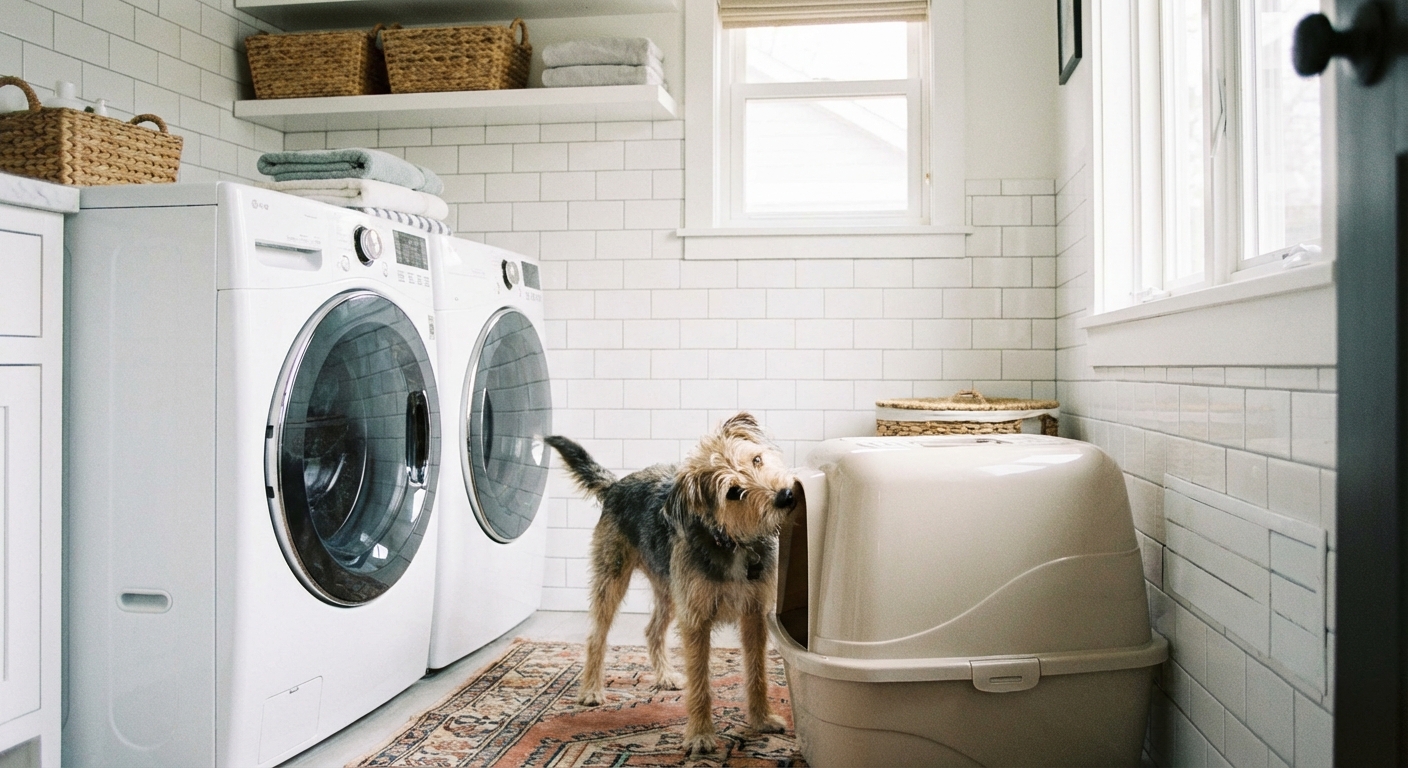
Cat poop is a “snack” for many dogs because it can smell like food. This is one of the most common versions of coprophagia I hear about, and it is also one of the easiest to manage with environmental changes.
Quick fixes that work
- Use a covered litter box if your cat tolerates it.
- Place the litter box behind a baby gate with a small cat door opening or use a gate with a cat pass-through.
- Move the litter box to a room the dog cannot access.
- Leash and supervise during high-risk times until the habit fades.
Step-by-step plan
In most households, success comes from combining management (remove access) plus training (teach an alternative) plus health support (address any medical or digestive issues).
Step 1: Tighten cleanup now
- Pick up stool right away whenever possible. For many dogs, this is the most effective first-line step.
- Go out with your dog on a leash for bathroom breaks if needed.
- Use a basket muzzle for dogs who eat stool on walks and cannot be safely interrupted. A properly fitted basket muzzle allows panting and drinking.
Step 2: Teach “leave it” and “come”
Training works best when it is calm, consistent, and rewarding.
- Leave it: start with treats in your hand, then graduate to food on the floor, then practice outside. A good rule of thumb is to get 5 out of 5 successes in an easy setting before you make it harder.
- Come: reward heavily for quick returns, especially outdoors, so your dog chooses you over the “snack.”
Step 3: Reward potty time
For dogs who eat their own stool right after pooping, try this routine:
- Go out on leash.
- When they finish, say “yes” and deliver a high-value treat immediately.
- Turn and walk away from the stool with purpose.
- Pick it up promptly.
Step 4: Increase enrichment
Many dogs do better when their day has more healthy outlets.
- Daily sniff walks.
- Food puzzles and scatter feeding in grass.
- Short training sessions that build confidence.
- Appropriate chew items approved by your veterinarian.
Step 5: Ask your vet about deterrents
You may hear about supplements that claim to make stool taste bad. Some families find them helpful, but results vary. They work best as support while you implement cleanup and training. If your dog is eating another pet’s stool, some products work only if the pet producing the stool is also on the supplement. Follow label directions and check with your veterinarian first, especially if your dog has allergies or GI sensitivities.
What not to do
- Do not punish your dog for the behavior. It can increase anxiety and make “hide the evidence” behavior more likely.
- Do not chase your dog if they grab stool. Chasing can turn it into a game.
- Do not use irritants like hot sauce, cayenne, or harsh sprays on stool. They can cause mouth and GI irritation and do not address the root cause.
- Do not rely on deterrents alone. Without management and training, most dogs will keep practicing the habit.
When to see the vet
Please schedule a veterinary visit if any of these are true:
- The behavior is new or suddenly worse.
- Your dog has diarrhea, vomiting, gassiness, or frequent soft stool.
- You notice weight loss, a pot-bellied look, or a dramatic increase in appetite or thirst.
- Your dog is eating poop and also licking or eating non-food items.
- You have a puppy or newly adopted dog that has never had a proper fecal test.
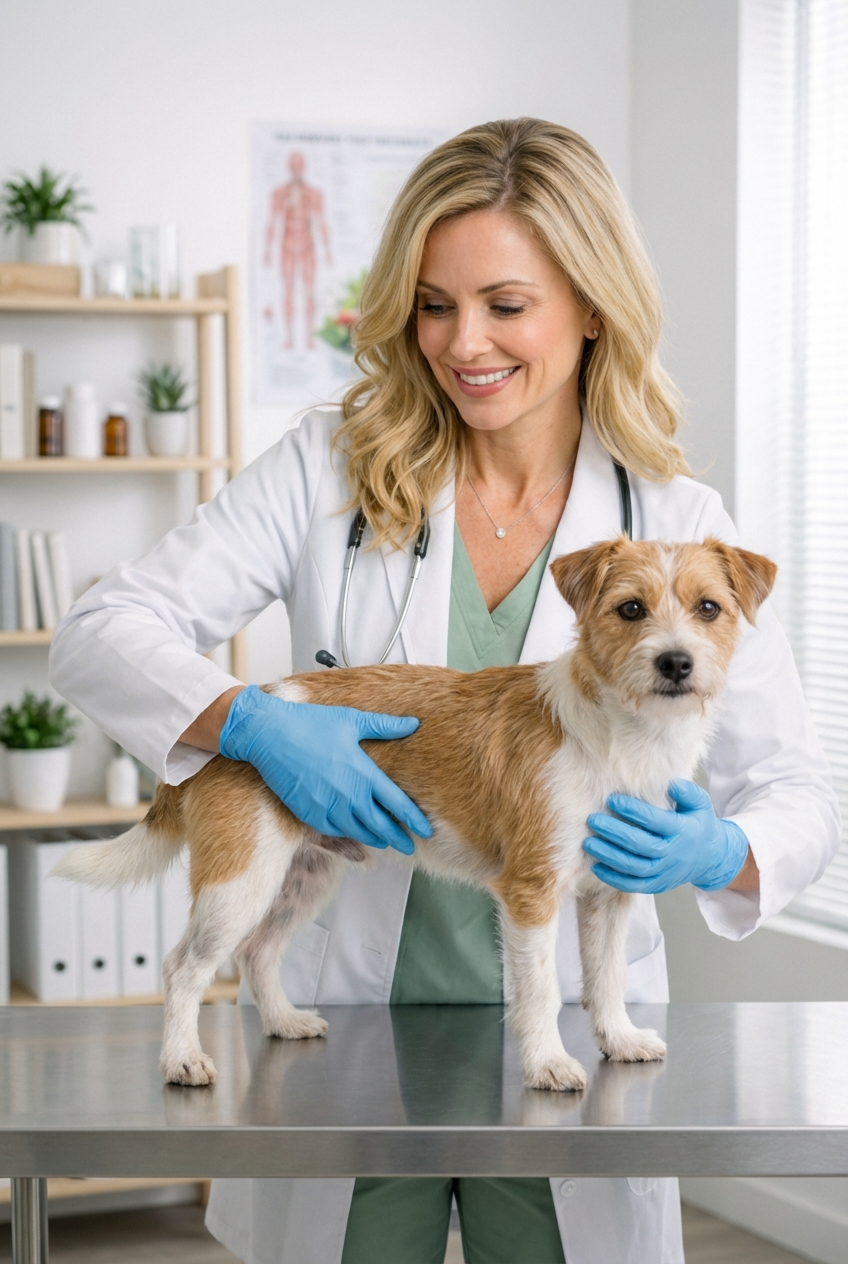
Ask your veterinarian about a fecal test (sometimes repeated or sent out) and whether bloodwork is appropriate based on age and symptoms. If parasites, malabsorption, or hormone issues are in play, treating the root cause can make the behavior much easier to resolve.
Health and safety
Poop eating is more than “gross.” It can expose your dog to:
- Parasites and reinfection cycles, including Giardia in some environments.
- Bacteria that may worsen GI upset.
- Foreign material hidden in stool (grass, rocks, litter, or debris).
Human health risk is usually indirect and depends on the source of the feces. The biggest practical concern in most homes is what happens after, like face licking or contamination on hands, toys, and surfaces. If your dog eats stool, avoid face kisses right after, wash hands after handling your dog or cleaning the yard, and keep kids’ outdoor toys picked up and rinsed as needed.
If your dog eats stool regularly, be extra consistent with parasite prevention, hygiene, and routine veterinary care.
A kind reminder
This behavior can feel embarrassing, but it is usually not a sign that your dog is “bad” or that you have failed. Coprophagia is often a combination of opportunity, instinct, and reinforcement. With prompt cleanup, smart training, and a quick check for medical issues, most dogs improve significantly.
If you want the fastest progress, focus on what you can control today: pick it up quickly, prevent access, and reward the behavior you want to see.