Coprophagia is common but fixable. Learn why dogs eat poop, when to call the vet, health risks, and a practical plan: quick cleanup, leash control, “leave ...
Article
•
Designer Mixes
Why Dogs Eat Poop

Shari Shidate
Designer Mixes contributor
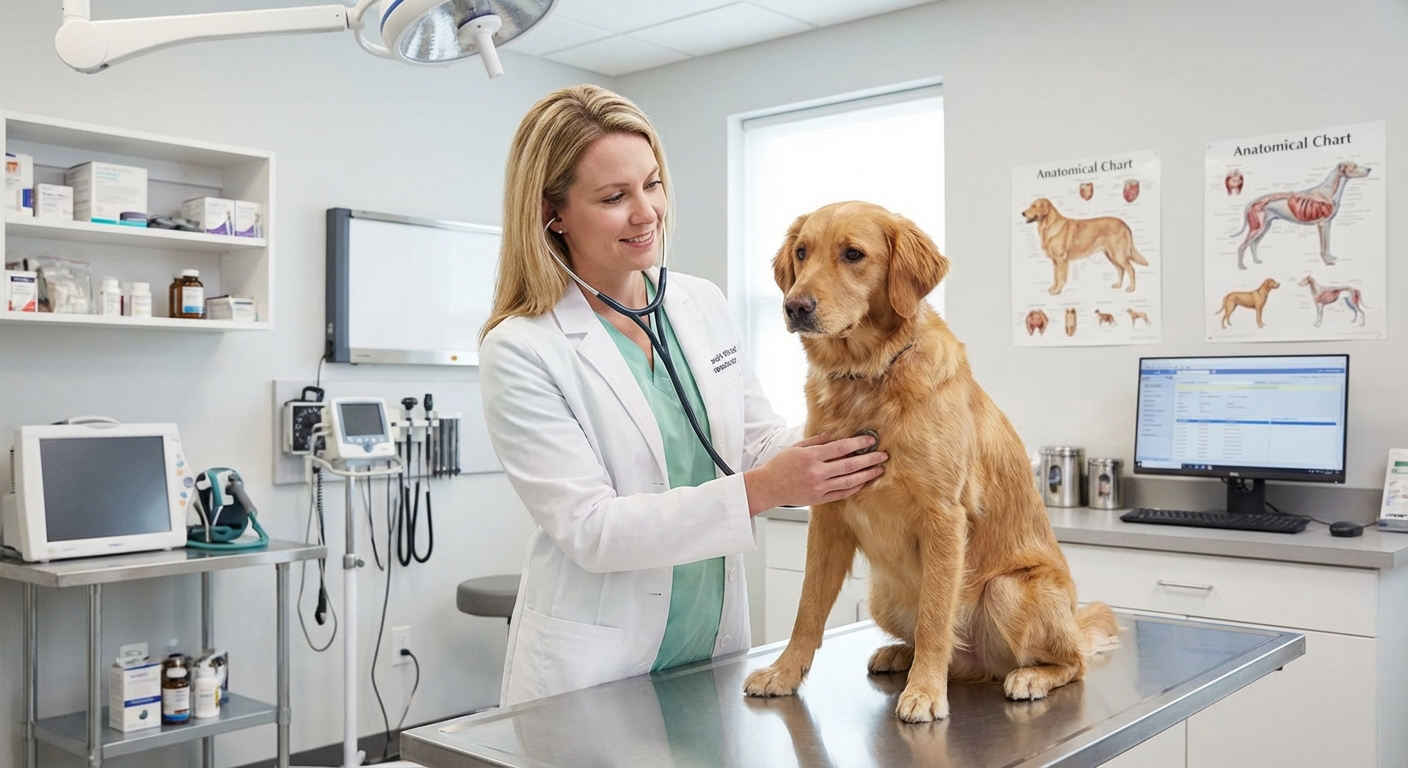
If you have ever caught your dog sampling poop, you are not alone. As a veterinary assistant in Frisco, Texas, I can tell you this is one of the most common and upsetting questions pet parents ask. The behavior is called coprophagia (eating feces), and while it is rarely an emergency, there are times it deserves faster attention, like when the stool source is unknown, from wildlife, or could contain medications or toxins.
The good news is that most cases can be improved with a mix of smart management, basic health checks, and a few targeted training and diet changes.
This article is general education and is not a substitute for veterinary care.
Is poop-eating normal?
It can be. Coprophagia is fairly common in:
- Puppies, who explore the world with their mouths and often grow out of it (with supervision and good habits).
- Dogs in multi-dog homes, especially if they compete for attention or resources.
- Dogs who have learned the habit because it is reinforcing (yes, some dogs simply like the taste or texture).
Even when it is “common,” it is still worth addressing because it can expose your dog to parasites, bacteria, and reinfection cycles.
Risk depends on the source
Not all poop is the same. The risk and urgency can change based on what your dog ate.
- Their own stool: often more of a habit and hygiene issue, but it can still spread parasites if your dog has them.
- Other dogs’ stool: higher risk for parasites and Giardia exposure, especially from unknown dogs at parks or on walks.
- Cat stool: very tempting for many dogs. It can be higher in fat and protein depending on the cat’s diet, which can make it more appealing.
- Wildlife stool: can carry parasites and bacteria. Call your vet if your dog seems sick after eating it.
- Human stool: treat this as higher risk and contact your veterinarian for guidance, especially if your dog develops vomiting or diarrhea.
Why do dogs eat poop?
1) It smells like food to them
Dog noses are powerful, and stool can contain undigested fat, protein, or other compounds that are appealing, especially if:
- Your dog is eating a diet that is not highly digestible or well tolerated for them.
- Another pet’s stool is involved, like cat poop, which can be especially tempting depending on what the cat eats.
2) Hunger or restricted feeding
Dogs that feel hungry may scavenge. This can happen if meals are spaced too far apart, portions are too small, or a dog is burning extra calories from activity, growth, pregnancy, or nursing.
3) GI upset or malabsorption
Conditions that interfere with digestion can leave extra nutrients in the stool. Coprophagia can show up alongside:
- Chronic diarrhea or soft stools
- Weight loss despite a good appetite
- Excess gas or frequent bowel movements
Examples include intestinal parasites, inflammatory bowel disease, food intolerance, or (less commonly) pancreatic issues like exocrine pancreatic insufficiency.
4) Stress, boredom, or anxiety
Some dogs cope with stress through repetitive behaviors, and poop-eating can become one of them. Triggers include:
- Long stretches alone with little enrichment
- Changes in routine, moving, new baby, new pet
- Noise sensitivity or separation anxiety
5) Learned behavior from punishment
If a dog is punished for having accidents, they may try to “hide the evidence” by eating it. Even raised voices or intense reactions can accidentally teach this.
6) Mothering behavior
Nursing mother dogs naturally clean their puppies, including eating stool. Some moms continue the habit after the puppies are older.
7) Medical causes that increase appetite
Anything that makes a dog feel ravenous can increase scavenging behaviors, including poop-eating. Examples include diabetes, Cushing’s disease, intestinal parasites, and certain medications (especially steroids). A vet visit matters if your dog’s appetite suddenly changes.
Is it dangerous?
Sometimes it is just gross. Other times, it is risky. Many pet parents also worry about germs that can affect humans, especially kids or anyone with a weakened immune system. Basic hygiene goes a long way (handwashing, cleaning bowls, and keeping faces away from “poop breath”).
Potential problems include:
- Parasites (roundworms, hookworms, whipworms), depending on the source
- Giardia exposure or reinfection
- Bacterial upset leading to vomiting or diarrhea
- Medication exposure if your dog eats stool from a pet taking certain drugs (this is uncommon, but it matters more with medications like chemotherapy drugs or other high-risk treatments, so ask your vet)
If your dog eats poop and then develops vomiting, diarrhea, lethargy, or stops eating, call your veterinarian.
Start with health checks
If poop-eating is new, frequent, or intense, start with a medical check. Ask your vet about:
- Fecal testing for parasites and Giardia
- Review of diet, treats, and table scraps
- Body weight, body condition score, and feeding amounts
- Possible bloodwork if appetite has increased or weight is changing
- Whether your dog’s routine parasite prevention is appropriate for your area and lifestyle
As a general rule, behavior changes are worth investigating. You do not have to panic, but you also do not have to guess.
What actually works
1) Immediate management
The most reliable way to stop it quickly is to prevent access while you work on the underlying cause.
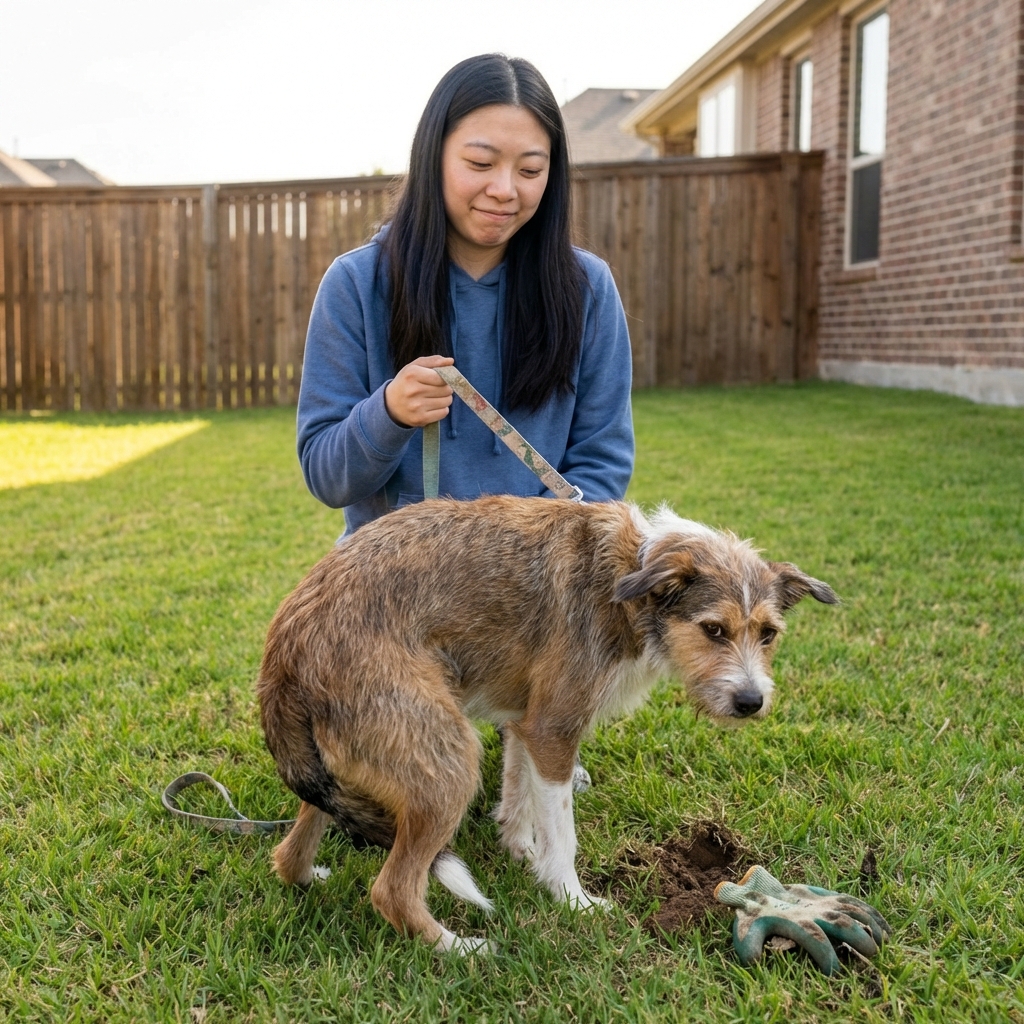
- Pick up poop right away in the yard. If you have multiple dogs, this matters even more.
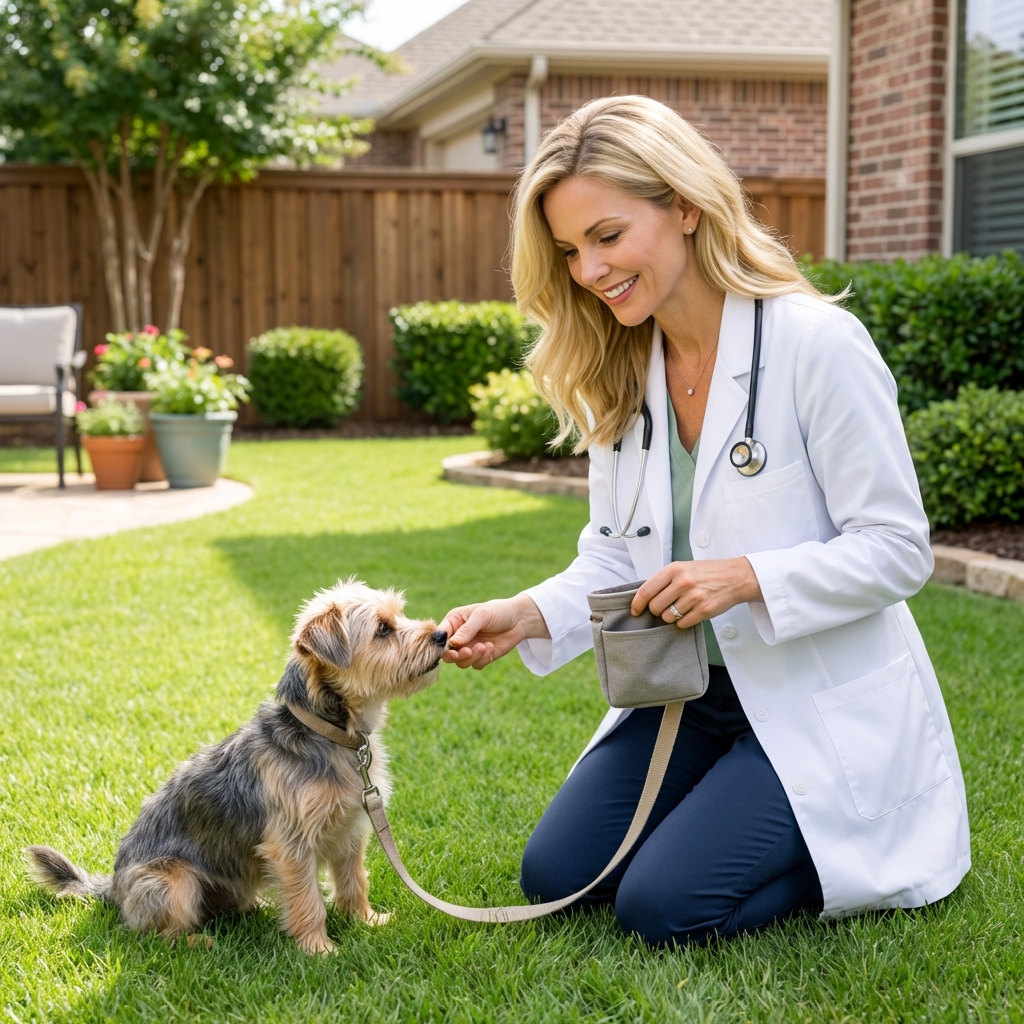
- Leash walks for potty breaks so you can guide your dog away immediately after they finish.
- Use a basket muzzle temporarily for chronic cases on walks if your vet and trainer agree. It should allow panting and drinking. Introduce it slowly with treats, never as punishment, and supervise.
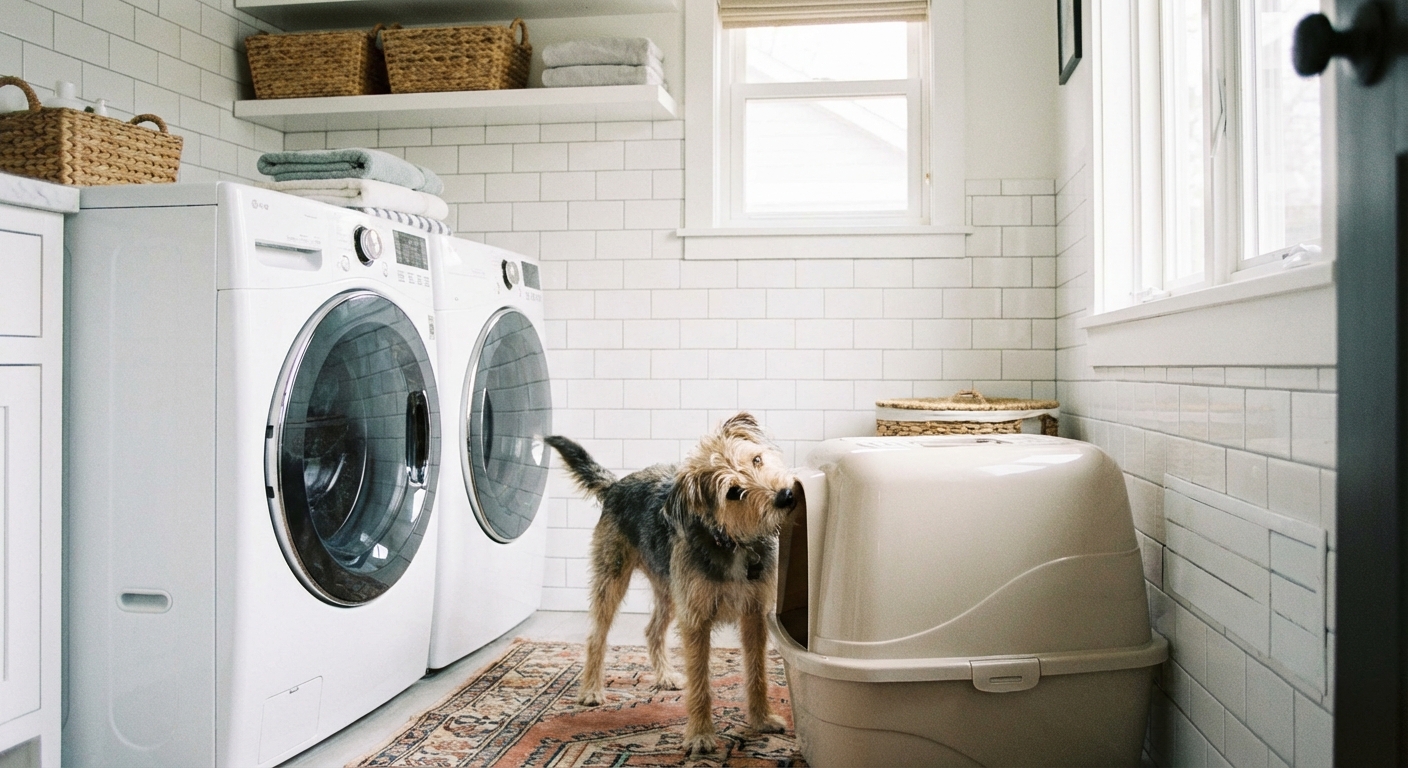
- Block the litter box with a baby gate or use a top-entry box to reduce cat-poop snacking.
2) Teach “Leave it”
Training is not about scolding. It is about giving your dog a clear, rewarding alternative.
- Start indoors with treats in your hand and reward for backing off.
- Progress to low-value items on the floor, then higher-value items.
- Practice outside on leash, rewarding heavily for turning away from stool.
Consistency matters more than intensity. Calm, predictable handling wins.
3) Add enrichment
A tired brain makes better choices. Try:
- Food puzzles and snuffle mats
- Scatter-feeding part of a meal in the yard
- Short training sessions (2 to 5 minutes) a few times a day
- More sniff walks, not just fast exercise
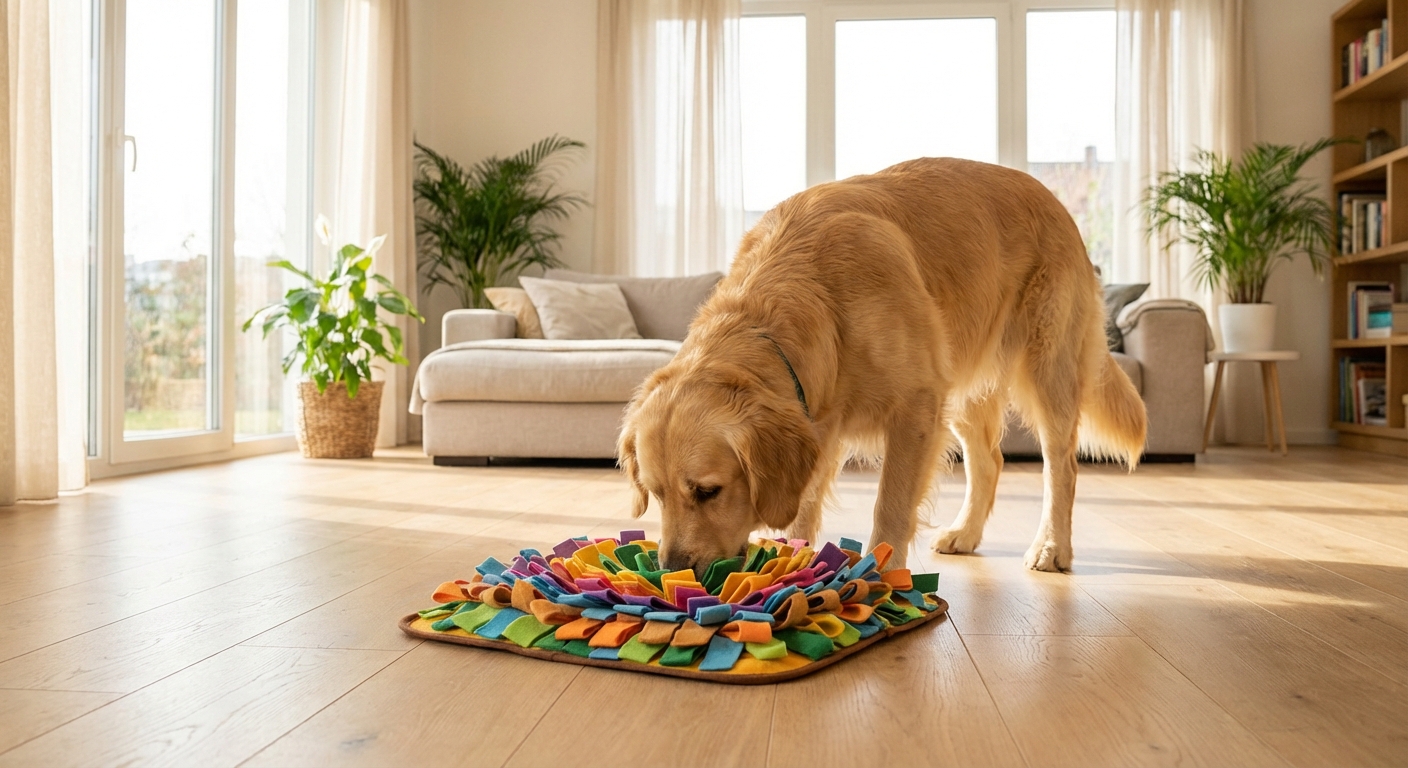
4) Support digestion
When digestion is smoother, stool can be less appealing and your dog often feels better overall. Evidence-based steps to discuss with your vet include:
- Choose a highly digestible diet that agrees with your dog’s gut. Some dogs do better on a veterinary therapeutic GI diet, especially during a reset.
- Slow diet changes over 7 to 10 days to reduce GI upset.
- Consider probiotics if your vet recommends them, especially after diarrhea or antibiotics.
- Review treats. Too many rich treats can lead to incomplete digestion and soft stool.
If you are interested in adding fresh, whole foods, go slowly and keep it simple. Many dogs do beautifully with modest fresh-food additions, but balance matters, especially long-term.
5) Deterrent products
Some products aim to make stool taste or smell worse. They help some dogs, but evidence is mixed, and they are rarely enough on their own. If you try one:
- Use it as part of a plan that includes management and training.
- Give it enough time, often several weeks, and follow label instructions.
- Discuss safety first if your dog has health conditions or takes medications.
6) Clean accidents well
If your dog is eating poop indoors after accidents, scent can keep the habit going. Use an enzymatic cleaner designed for pet waste so the odor is truly removed.
What not to do
- Do not punish. It can increase anxiety and teach your dog to hide stool or eat it faster.
- Do not chase. Many dogs think it is a game and will gulp stool to “win.”
- Do not rely on home remedies without guidance. Some folk tips are unsafe or simply ineffective.
Call the vet fast
Coprophagia is usually a slow-burn behavior issue, but contact your veterinarian promptly if you notice:
- Sudden onset of poop-eating in an adult dog
- Vomiting, diarrhea, blood in stool, or lethargy
- Weight loss, excessive hunger, or increased drinking and urination
- Known exposure to stool from a sick animal
- Stool from an unknown dog, wildlife, or a pet on high-risk medications (like chemotherapy)
You are not failing if your dog eats poop. It is a solvable problem, and the solution usually starts with simple prevention while you figure out the “why.”
Quick action plan
- Today: pick up stool immediately and supervise potty time on leash.
- This week: schedule a fecal test and start practicing “Leave it.”
- This month: improve enrichment, review diet digestibility with your vet, and reassess progress.
With consistency, most dogs improve significantly. And for the stubborn cases, your veterinarian and a qualified positive-reinforcement trainer can make a huge difference together.