
Vomiting or diarrhea can be scary. Learn common causes, vet red flags, and safe at-home steps like hydration and bland meals—plus what not to do and when t...
Article
•
Designer Mixes
Why Dogs Eat Grass

Shari Shidate
Designer Mixes contributor
It is one of those classic dog-owner moments. You are on a walk, your pup suddenly veers toward a patch of grass like it is the main course, and you are left thinking, “Why is my dog eating grass, and should I stop them?”
As a veterinary assistant here in Frisco, Texas, I can tell you this is incredibly common. Most grass-eating is harmless, but sometimes it is your dog’s way of communicating a need, or a problem, that you can actually address.
Quick note: This article is general education, not a diagnosis. If your dog’s grass-eating is new, intense, or paired with symptoms, your veterinarian is the best next call.
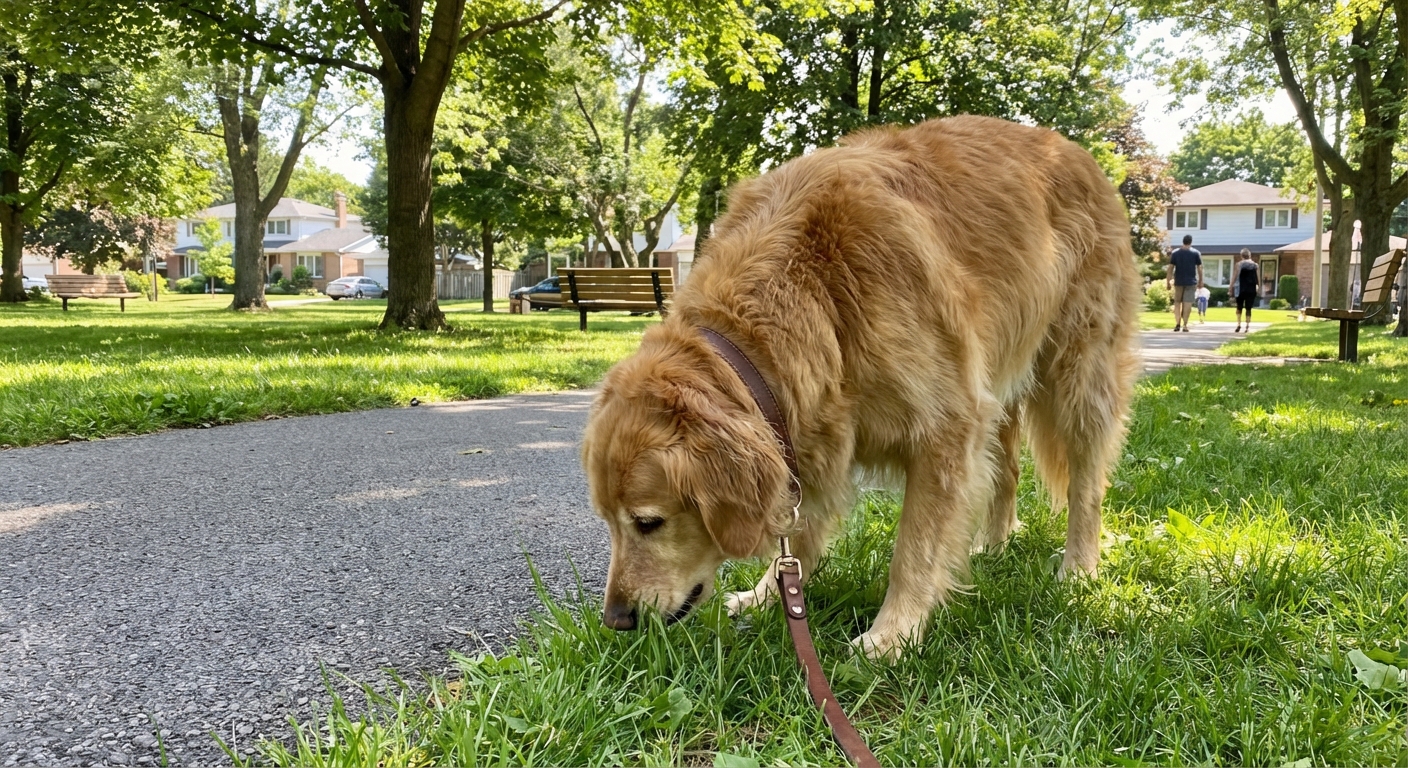
Quick comfort: Many dogs eat grass occasionally and never get sick. The goal is not panic. The goal is to notice patterns and keep grazing as safe as possible.
Is grass-eating normal?
Yes, for many dogs it is. Researchers and veterinarians have observed that grass-eating happens in healthy dogs, often without vomiting afterward. That matters because it suggests grass is not always a sign of an upset stomach.
That said, “normal” does not always mean “ignore it.” When grass-eating becomes frequent, frantic, or paired with other symptoms, it is worth investigating.
Common reasons dogs eat grass
1) They like the taste, texture, or routine
Some dogs simply enjoy the sensory experience. Grass can be cool, wet, and interesting. It can also become a learned habit during walks, especially for dogs who graze when they are excited, overstimulated, or waiting for the next “fun thing” to happen.
2) Boredom or stress relief
Grass can function like a self-soothing behavior. Dogs who do not get enough enrichment may look for something to do, and grazing is an easy outlet.
- Boredom grazers: often nibble casually in the yard.
- Stress grazers: may grab and chew quickly, especially in new places or loud environments.
3) Hunger, diet timing, or mild nausea
Some dogs head for grass when their stomach is empty, when meals are spaced too far apart, or when they are dealing with mild nausea. You might see this first thing in the morning, late at night, or right before vomiting bile.
Even if grass does not “cause” vomiting, the behavior can still show up alongside tummy discomfort.
4) They may be seeking fiber
Fiber supports gut motility and stool quality. If a dog’s diet is low in appropriate fiber, some dogs may graze more. This is not a reliable diagnostic clue, but it is a practical pattern to notice. If you also see inconsistent stools, straining, or frequent anal gland issues, it is worth discussing diet and fiber with your veterinarian.
5) GI irritation or parasites
More persistent grass-eating can show up with:
- acid reflux or gastritis
- diet intolerance
- inflammatory bowel disease
- intestinal parasites (especially if preventives are inconsistent)
If grass-eating is paired with diarrhea, vomiting, weight loss, or a suddenly ravenous appetite, it is time to check in with your clinic.
6) Pica (eating non-food items)
If your dog is also eating dirt, rocks, mulch, socks, or toys, grass may be part of a broader pattern called pica. Pica can be behavioral, but it can also be linked to underlying medical issues. It is important because it raises the risk of intestinal obstruction.
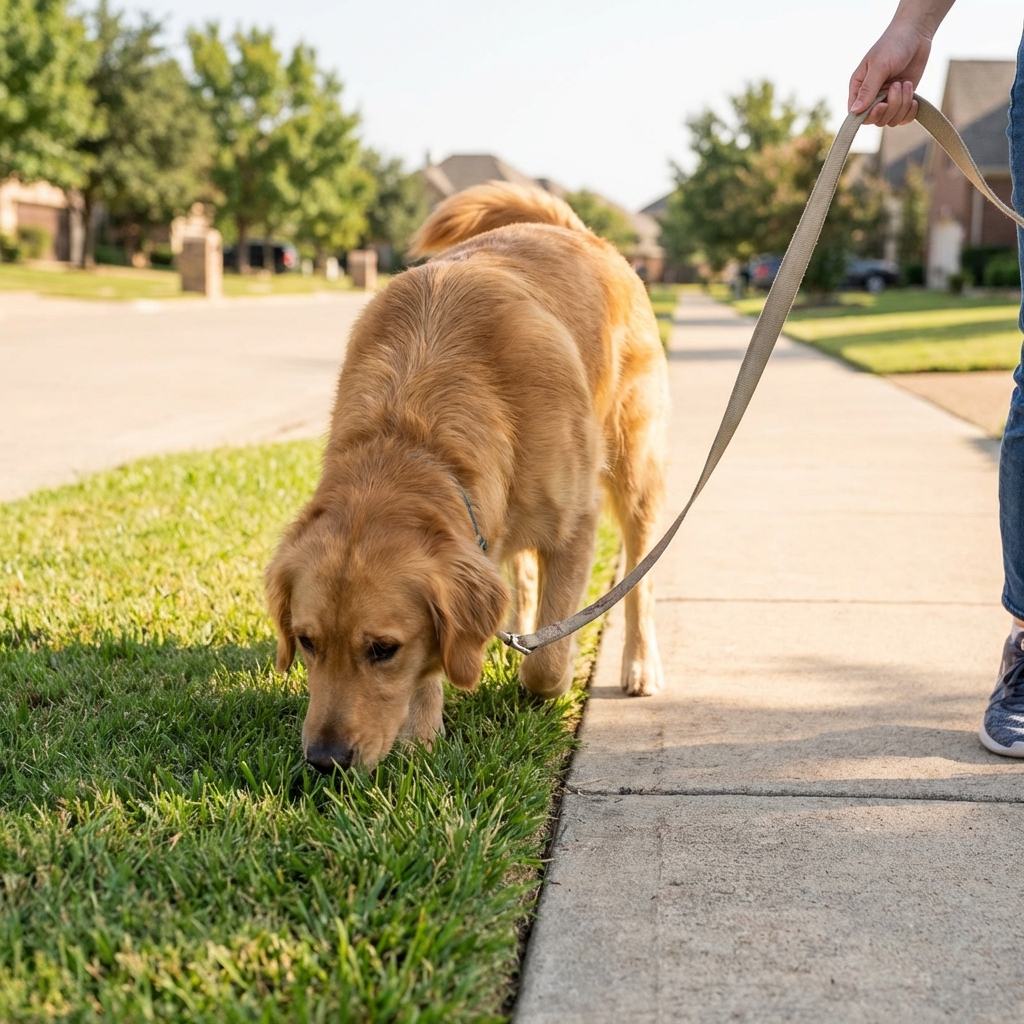
7) They learned it from another dog
Dogs are social learners. If one dog in the household grazes, another may copy. This is especially common in puppies and adolescent dogs.
Why some dogs vomit after grass
It is easy to assume dogs eat grass to make themselves throw up. Some owners report that it seems to line up with nausea, but research suggests many dogs graze without looking sick beforehand and most do not vomit afterward.
Sometimes vomiting is simply what happens when a dog eats a lot of rough plant material quickly.
- Vomiting once, acting normal: monitor and keep grass access safer.
- Vomiting repeatedly or acting “off”: call your veterinarian. Examples include not eating, hiding, restlessness, or seeming painful.
When it is a red flag
Please contact your veterinarian promptly if grass-eating comes with any of the following:
- vomiting more than once in 24 hours
- diarrhea lasting longer than 24 to 48 hours
- blood in vomit or stool
- lethargy, weakness, or refusing food
- abdominal bloating, pain, or repeated unproductive retching (an emergency)
- weight loss, increased thirst, or major appetite changes
- signs of obstruction: pacing, drooling, gulping, hunched posture, unable to get comfortable
Also call if your dog is grazing obsessively or suddenly changes their behavior, because that shift often tells us more than the grass itself.
The biggest danger is what is on it
In my experience, the biggest risk is what is on or in the grass. Dogs can ingest:
- lawn chemicals: fertilizers, weed killers, pesticides
- slug and snail bait: highly toxic
- moldy leaves or compost: can contain tremorgenic toxins that may cause tremors and serious poisoning
- foxtails: barbed seed heads that can embed in the mouth, nose, ears, and skin
- intestinal parasite eggs: from contaminated soil or feces
There is also a simple plant-safety issue: not everything green is “grass.” Some ornamental plants can irritate the mouth and stomach, and some can be toxic. If you are near ponds or water edges, be cautious about blue-green algae exposure, especially in warm months.
If you let your dog graze, choose safer areas and avoid unknown lawns, golf-course-style turf, or any place that may be treated.
What you can do at home
Adjust the routine
- Offer a small snack before morning walks if your dog tends to graze on an empty stomach.
- Use a cue like “leave it” and reward with a treat when they disengage from grass.
- Add enrichment: sniff walks, puzzle feeders, short training sessions, and fetch can reduce grazing that comes from boredom.
Support digestion with your vet
If stools are inconsistent or your dog seems gassy or nauseated, talk with your veterinarian about diet quality, fiber options, and whether a probiotic is appropriate. Do not add supplements blindly, especially if your dog has pancreatitis history, food allergies, or is on medications.
Keep grazing safer
- Follow lawn-product labels first for re-entry timing. If you cannot confirm what was used, assume it may be treated and do not let your dog graze there.
- Use the leash strategically in suspect areas so your dog cannot dive into random landscaping.
- Consider extra tools for compulsive gulpers: If your dog eats grass frantically and cannot disengage, ask your vet or a qualified trainer about options such as a well-fitted basket muzzle for walks. (These should be introduced slowly and positively.)
- Keep yard waste, compost, and mulch secured.
- Learn what foxtails look like in your area and avoid them.
- Stay current on parasite prevention and fecal testing.
FAQ
Should I stop my dog from eating grass?
If it is occasional, your dog is healthy, and the grass is from a safe area, it is usually not an emergency. But I do recommend discouraging it in public areas where you cannot verify chemical use, and always discouraging it if your dog tends to gulp grass quickly.
Is eating grass a sign my dog is missing nutrients?
Not always. Some dogs with complete, balanced diets still graze. If grass-eating is frequent, paired with stool changes, or your dog eats other non-food items, it is worth a nutrition and health check.
Why does my dog only eat grass on walks?
Walks are stimulating. New smells, other animals, and excitement can trigger grazing as a displacement behavior. Training, structured sniffing time, and bringing high-value treats can help redirect it.
The bottom line
Most of the time, grass-eating is a “dog being a dog” behavior. Your job is to keep it safe, watch the pattern, and pay attention to the whole picture: appetite, stool, energy, and frequency of vomiting.
If you ever feel unsure, take a short video of the behavior and jot down when it happens (time of day, before or after meals, any vomiting). That small bit of information can be surprisingly helpful for your veterinary team.