
A vet assistant’s practical guide to helping a dog with an upset stomach at home: hydration, short food rest, bland meals, pumpkin and probiotics, plus red...
Article
•
Designer Mixes
Why Dogs Eat Grass

Shari Shidate
Designer Mixes contributor
As a veterinary assistant here in Frisco, Texas, I get this question constantly: “Why does my dog eat grass?” The reassuring truth is that most grass-eating is normal and not an emergency. But there are a few situations where it can signal tummy upset, diet-related factors (like fiber or meal timing), stress, or occasionally something more serious.
This guide will help you understand the most common reasons dogs graze, how to tell what is normal versus concerning, and what you can do today to keep your dog safer on every walk.
Note: This is general education and not a substitute for veterinary advice. If you are worried about your dog, call your veterinarian.
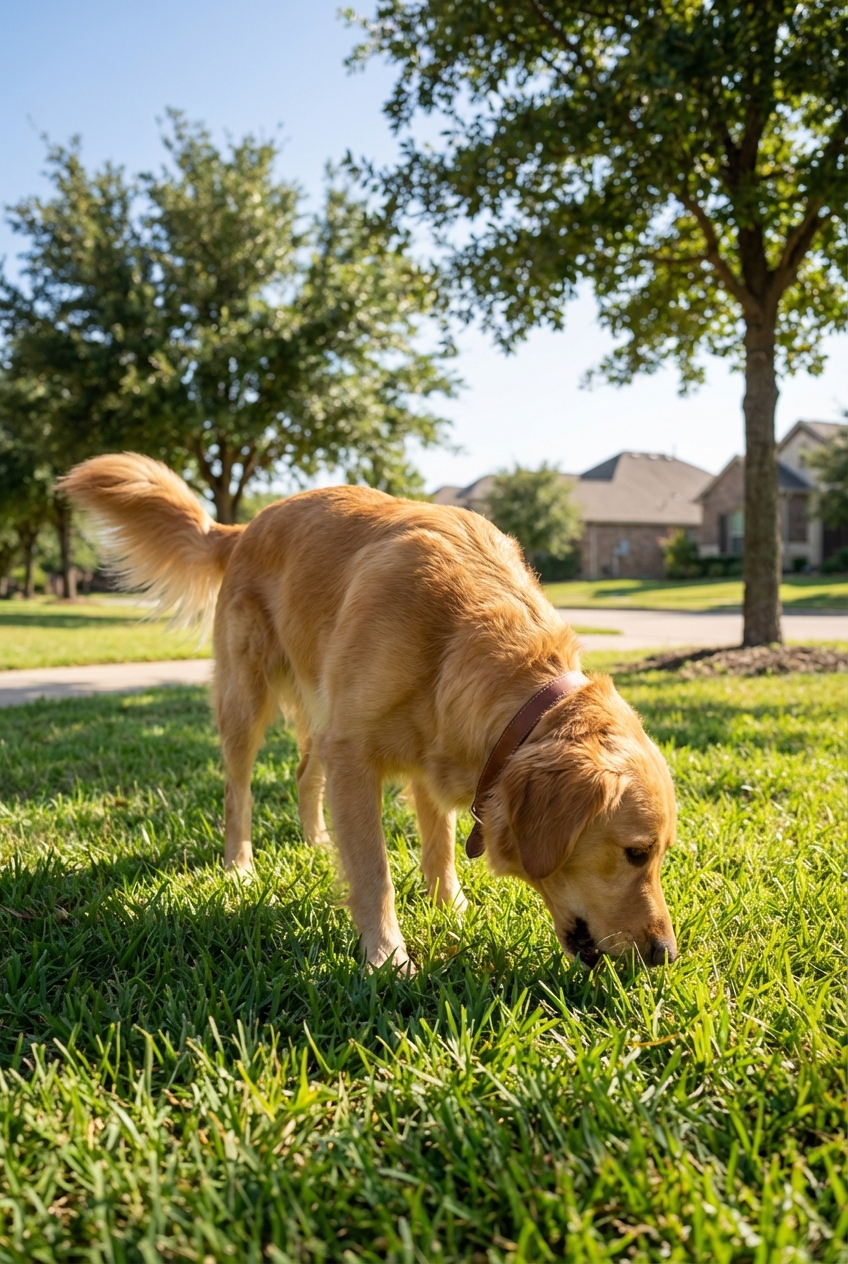
Is grass-eating normal for dogs?
Yes. Research suggests grass-eating is common in dogs, and that most dogs who do it are not sick beforehand. Many dogs do not vomit afterward, and when vomiting happens, it is often occasional.
Think of it like this: dogs explore the world with their noses and mouths. For some pups, grass is simply part of that exploration, especially when it is fresh, cool, and smells interesting.
Common reasons dogs eat grass
1) Mild nausea or reflux (sometimes)
Some dogs nibble grass when they have mild nausea, reflux, or an upset stomach. In some dogs, grass may act as an irritant and is sometimes followed by vomiting. The exact “why” is not always clear, but the pattern is common enough that we take it seriously when it comes with other symptoms.
Watch for signs like: lip smacking, gulping, drooling, burping, decreased appetite, or eating grass first thing in the morning on an empty stomach.
2) Boredom or habit
Dogs are smart. If grass-eating has ever led to attention, a fun chase, or a quick trip back inside, some dogs repeat it. Others do it when they need more enrichment.
Common patterns: it happens during slow walks, in the same spots, or when your dog is under-exercised.
3) Stress or anxiety
Repetitive behaviors, including grazing, can show up when dogs feel overwhelmed. New environments, loud noises, separation anxiety, or changes in routine can all play a role.
Other hints: pacing, panting at rest, clinginess, whining, or other compulsive behaviors.
4) They like the taste and texture
Some dogs truly enjoy it, especially tender spring grass. Dogs may also mouth other plants, which is one reason “yard salads” can be risky if you are not sure what is growing there.
Quick safety note: if it is not plain grass, assume it could be irritating or toxic (ornamental plants, mushrooms, and some landscaping plants can be dangerous). When in doubt, steer your dog away and snap a photo for your vet.
5) Diet-related factors (fiber, timing, sensitivity)
Most complete and balanced diets meet a dog’s nutritional needs, so true nutrient deficiencies are not a common reason for grass-eating. That said, some dogs graze more when their diet does not sit well with them, is too rich, is low in fiber for their individual gut, or when meals are spaced far apart.
Grass is not a reliable supplement, but the behavior can be a clue to review feeding routine and stool quality. If your dog’s poop is frequently soft, with mucus, very large, or inconsistent, it is worth a diet conversation with your vet.
When grass-eating is a red flag
Call your veterinarian promptly or seek urgent care if grass-eating comes with any of the following:
- Repeated or ongoing vomiting (especially more than 2 episodes in 24 hours, or vomiting that continues into the next day)
- Blood in vomit or stool, or black tarry stool
- Swollen or painful abdomen, restlessness, or inability to get comfortable
- Retching with little or no vomit (especially in deep-chested breeds, this can be an emergency)
- Diarrhea that is severe, watery, or persistent
- Lethargy, fever, refusal to eat, or signs of dehydration (dry gums, weakness, sunken eyes)
- Possible toxin exposure (pesticides, herbicides, slug bait, fertilizers, blue-green algae)
- Foreign body risk: eating grass frantically, swallowing long blades, or chewing sticks, mulch, or rocks
If your dog is a puppy, senior, pregnant, immunocompromised, or has chronic GI disease, it is smart to call sooner rather than later.
Grass risks people miss
Lawn chemicals
Many lawns are treated with herbicides, pesticides, and fertilizers. Even products marketed as “pet-friendly” can cause irritation or stomach upset depending on the product, the amount, and your dog’s sensitivity. If you do not know what was applied, assume it is not safe to eat.
Parasites and bacteria (from contamination)
Grass that has been soiled by other animals can expose dogs to parasites (like roundworms or giardia) and bacteria. It is not that grass naturally “has” giardia, it is the contamination risk. Dogs that graze in high-traffic areas like apartment complexes and dog parks have higher exposure odds.
Foxtails and plant awns
In Texas and many other regions, foxtails can be a big concern, depending on your neighborhood and the time of year. These barbed seed heads can lodge in gums, tonsils, nose, ears, or even migrate under the skin. Grass-eating increases the chance of inhaling or chewing one.
Seek care quickly if you notice sudden sneezing fits, pawing at the face, drooling, gagging, head shaking, or one-sided nasal discharge.
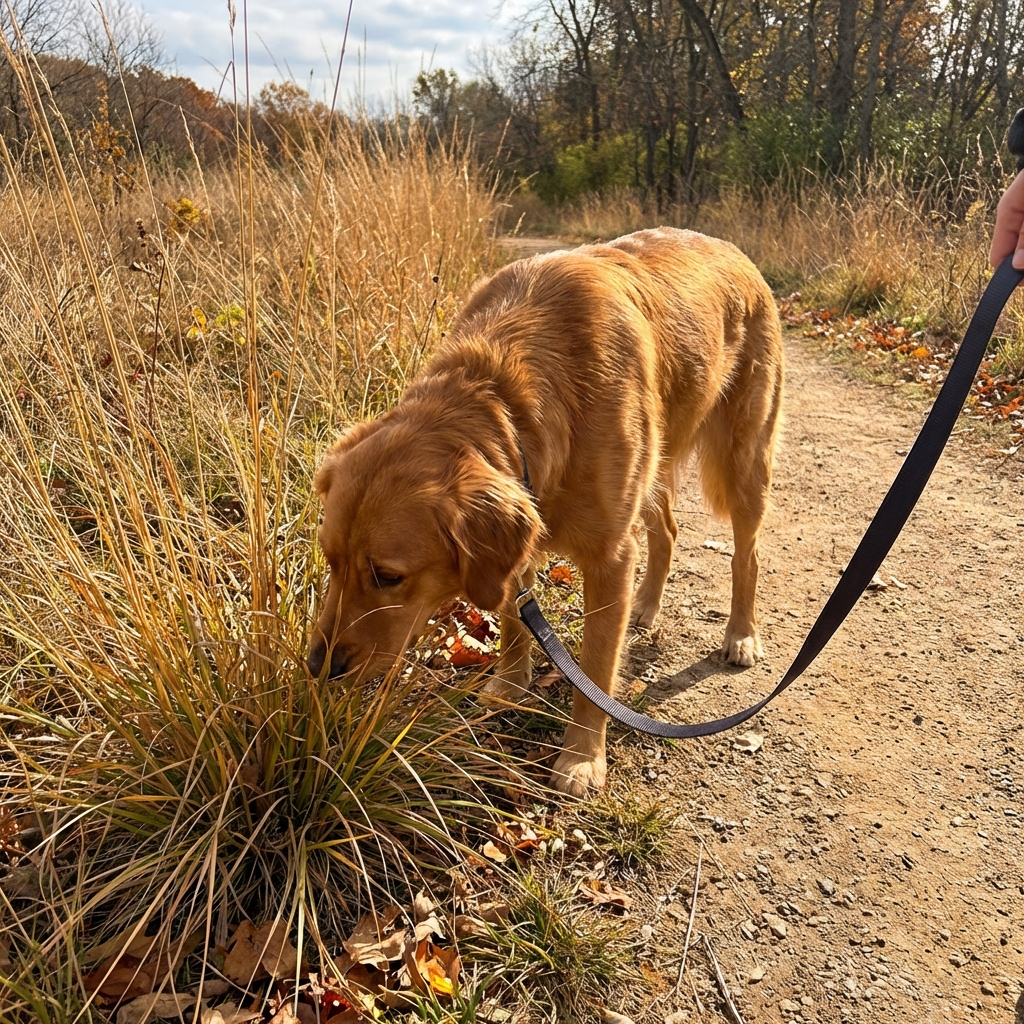
What to do if your dog eats grass
Step 1: Stay calm and track it
Make a quick note in your phone for one week: time of day, before or after meals, whether vomiting occurs, stool quality, and any diet changes. Patterns help your vet tremendously.
Step 2: Block access in risky areas
- Keep your dog on leash near treated lawns or unknown landscaping
- Avoid roadside grass strips and dog-park edges where many dogs potty
- Learn what foxtails look like in your area and steer clear during peak season
Step 3: If vomiting happens, do the basics
If your dog vomits after eating grass, prevent more grazing and offer water. Monitor closely for repeat vomiting and signs of dehydration.
- If your dog is otherwise bright and stable, a brief break from food may be reasonable, but do not fast puppies, toy breeds, or dogs with medical conditions without veterinary guidance.
- If vomiting repeats, your dog cannot keep water down, or your dog seems painful or lethargic, call your vet the same day.
Step 4: Support the stomach safely
If your dog seems mildly nauseated but is otherwise bright, eating, drinking, and acting normal, you can consider small, practical tweaks:
- Feed smaller, more frequent meals to reduce empty-stomach acid build-up
- Review treats: very fatty or rich chews can trigger reflux
- Ask your vet if a diet with appropriate fiber is a better fit
Important: do not give human antacids, Pepto, or other OTC meds unless your veterinarian specifically advises it for your dog’s size and medical history. Some products are unsafe for dogs or can mask symptoms that need medical care.
Step 5: Add enrichment if it looks behavioral
If it looks like boredom or stress, boredom-proof your routine:
- Sniff walks where your dog can investigate safely, not graze
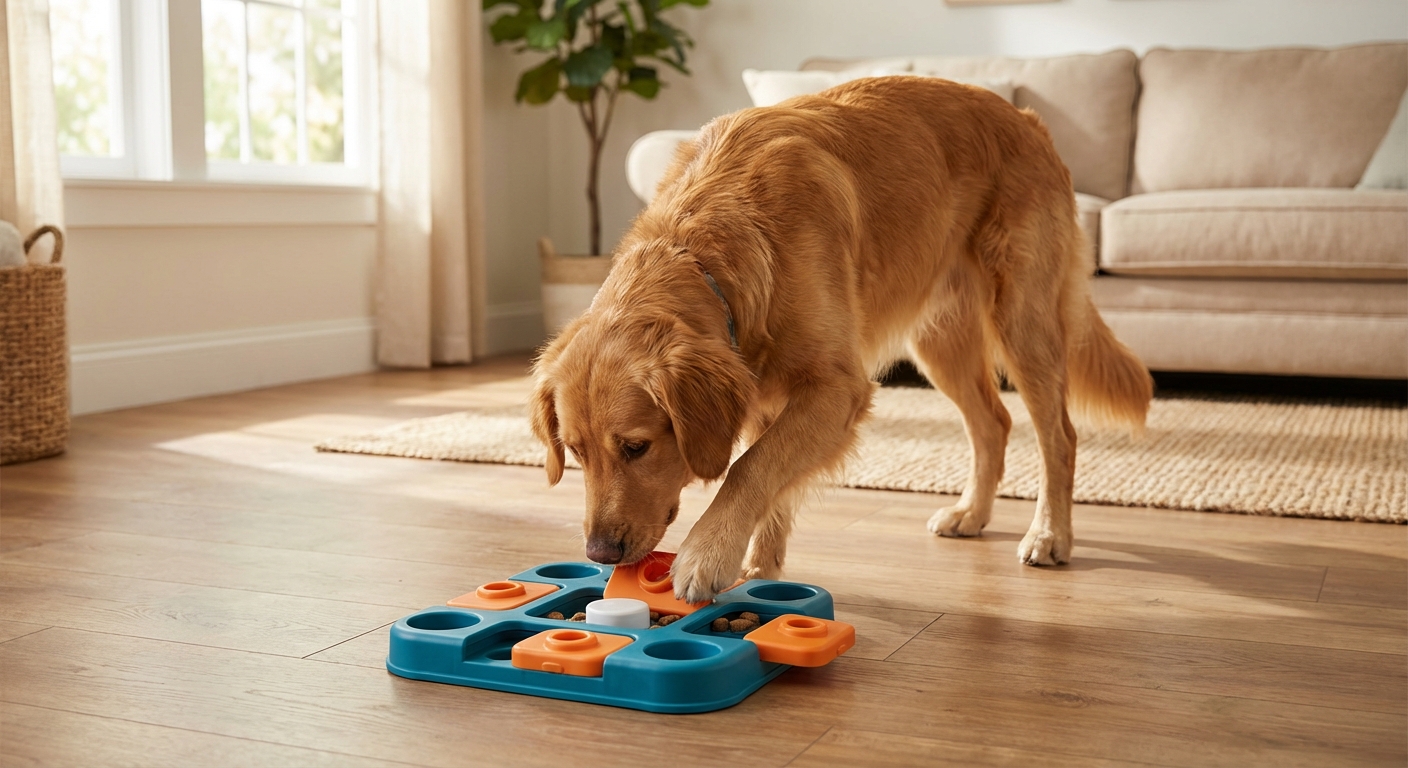
- Food puzzles or scatter feeding at home
- Short training sessions (sit, down, touch) to build focus
- More structured play if your dog is high-energy
How to stop grass-eating kindly
I am a big believer in practical, low-stress training. You do not need a power struggle to reduce grazing.
- Teach “Leave it” using treats at home first, then practice outside.
- Reward checking in with you while walking, especially near grass.
- Redirect quickly to sniffing a safe spot, a toy, or a short training cue.
- Consider a basket muzzle for dogs who compulsively eat plants on walks. A properly fitted basket muzzle allows panting and drinking while preventing grazing.
What your vet may check
If grass-eating is frequent or paired with vomiting or diarrhea, your veterinarian may recommend:
- Fecal testing to check for parasites and giardia
- Diet trial to evaluate food intolerance or sensitivity
- Bloodwork to screen for organ function issues that can cause nausea
- Imaging (X-rays or ultrasound) if a foreign body is possible
- GI-support medications if reflux, gastritis, or inflammatory disease is suspected
Bring a short timeline of symptoms and, if possible, a photo of the vomit or stool changes. It sounds gross, but it can be genuinely helpful.
Quick FAQ
Is it okay if my dog eats grass and never vomits?
Often, yes. If your dog is otherwise acting normal, eating and drinking, and the grazing is occasional, it is usually more of a management issue (avoid chemicals, avoid contaminated areas) than a medical emergency.
Should I add fiber?
Sometimes fiber helps, but the “right” amount depends on your dog and the cause (reflux, stool quality, food sensitivity). Talk with your vet before adding supplements, especially if your dog has diarrhea, pancreatitis history, or other GI disease.
Is wheatgrass safe?
Plain wheatgrass is generally considered low-risk in small amounts, but it can still trigger vomiting, and anything grown with fertilizers or pesticides is a concern. Also, if your dog tends to gulp grass, any long, stringy plant can increase choking or gagging risk.
Bottom line
Most dogs eat grass occasionally because it is normal, interesting, or soothing. Your job is to reduce risk (chemicals, contamination, foxtails, and unknown plants) and pay attention to patterns. If grass-eating is new, intense, or paired with vomiting, diarrhea, lethargy, pain, or appetite changes, let your veterinarian guide you. Early answers are always easier than waiting for a bigger problem.
If you are ever unsure, trust your instincts. You know your dog best, and a quick call to your veterinary team can bring peace of mind.