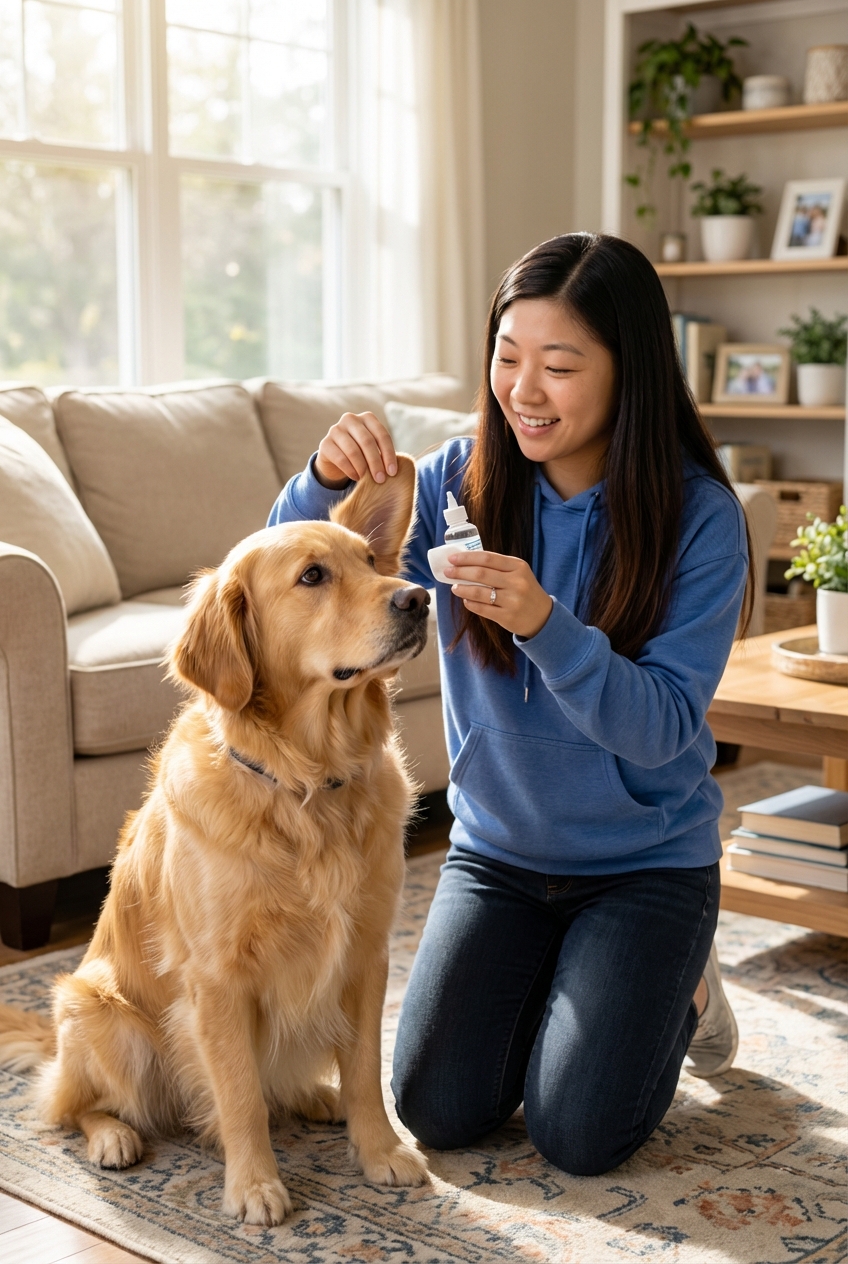
Spot dog ear infection symptoms early—scratching, head shaking, odor, discharge, pain, head tilt, or balance issues. Learn safe checks, causes, treatment, ...
Article
•
Designer Mixes
Why Does My Dog Shake His Head? Ear Mites vs. Infection

Shari Shidate
Designer Mixes contributor
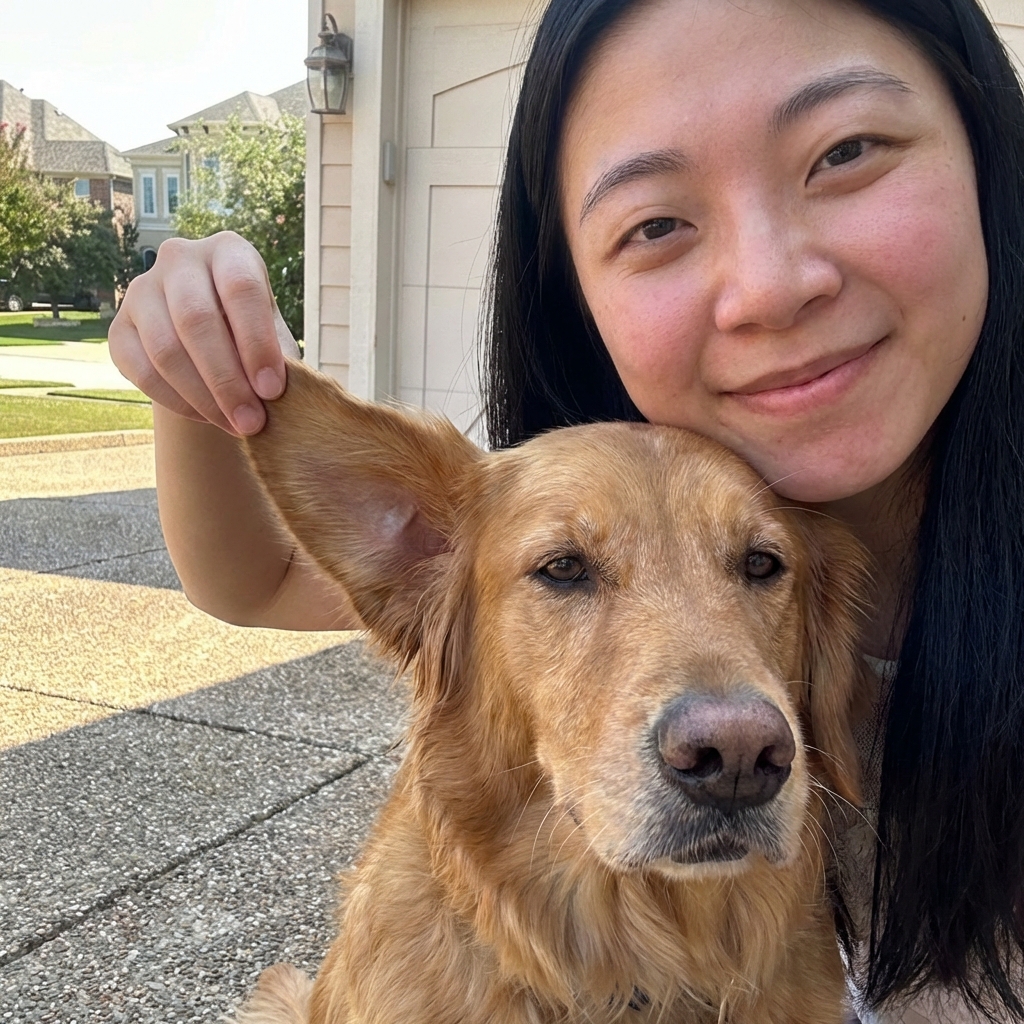
When a dog starts shaking their head, it can look a little dramatic, and it is easy to assume it is “just an itch.” But persistent head shaking is often a sign that something is going on inside the ear canal. In my work as a veterinary assistant in Frisco, Texas, I see two common culprits over and over: ear mites and ear infections . They can look similar at home, but the treatment is very different, and delaying care can lead to pain, damaged skin, and repeated flare-ups.
This guide will help you spot the differences, know when it is urgent, and understand what your vet is looking for. It is educational and not a substitute for an exam and diagnosis.
Head shaking: common reasons
Dogs shake their heads to try to dislodge something irritating in the ear canal. That irritation can come from:
- Parasites (most commonly ear mites)
- Infection (yeast, bacteria, or both)
- Allergies (environmental or food-related, often leading to recurrent infections)
- Foreign material (grass awns, debris after swimming, trapped moisture)
- Less common causes like ear canal masses or polyps
If the shaking is frequent, paired with scratching, or your dog seems uncomfortable when you touch the ear, it is time to look closer.
Complications: ear hematomas
Vigorous shaking and scratching can rupture small blood vessels in the ear flap and cause a swollen, puffy ear (an ear hematoma). It is not the original cause of head shaking, but it is a common consequence when irritation is severe or goes on too long.
Ear mites: signs to look for
Ear mites are tiny parasites (most commonly Otodectes cynotis) that live in the ear canal and can also be found on the surrounding skin. They tend to be more common in puppies, dogs with close contact with other pets, and households with cats. They are contagious between pets.
Common ear mite clues
- Intense itching with lots of scratching
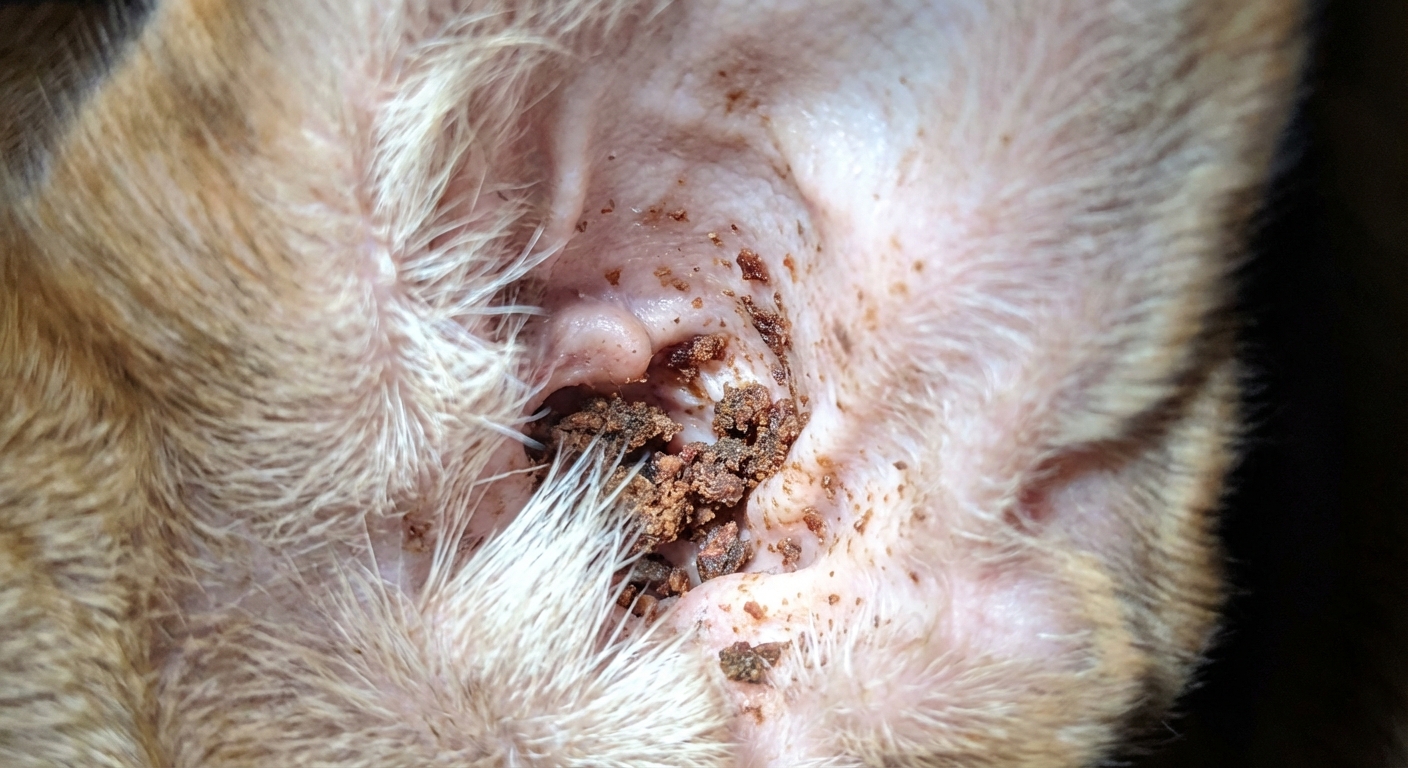
- Dark, crumbly debris that can look like coffee grounds
- A dry, gritty look inside the ear rather than thick creamy discharge
- Shaking and ear rubbing, sometimes sudden onset
- Other pets itching too (especially cats)
Some dogs develop a secondary infection from the inflammation mites cause, so the ear can become red and sore as the problem progresses. Also, if your adult dog is on consistent monthly parasite prevention, ear mites may be less likely than an infection or allergy related issue, depending on the product and your region.
Ear infections: yeast vs bacteria
When most people say “ear infection,” they are usually talking about otitis externa, an infection of the outer ear canal. In dogs, infections are commonly caused by yeast , bacteria, or a mix of both. The infection itself is often a symptom of an underlying issue like allergies, anatomy (floppy ears, hairy ear canals), moisture, or immune factors.
Common infection clues
- Odor (often a “yeasty” smell, but bacterial infections can smell especially foul)
- Redness and swelling in the ear canal
- Moist discharge that may be brown, yellow, or creamy
- Pain when the ear is touched or when chewing
- Head tilt or balance issues in more serious cases (possible middle or inner ear involvement)
Yeast infections often come with a musty odor and brown waxy buildup. Bacterial infections may create yellowish discharge, stronger odor, and more tenderness. That said, color and smell alone cannot tell you which organism is involved. These can overlap, which is why testing matters.
Mites vs infection: quick check
- Contagious? Ear mites: usually yes. Infections: not typically (the infection itself is not usually contagious).
- Debris type: Ear mites often cause dry, dark, coffee-ground debris. Infections often cause moist wax and discharge.
- Odor: Ear mites may have mild odor. Infections often have noticeable odor.
- Itching level: Ear mites can be intensely itchy. Infections can itch too, but pain is often more prominent.
- Other pets affected: Ear mites commonly spread to other pets in the home. Infections usually do not.
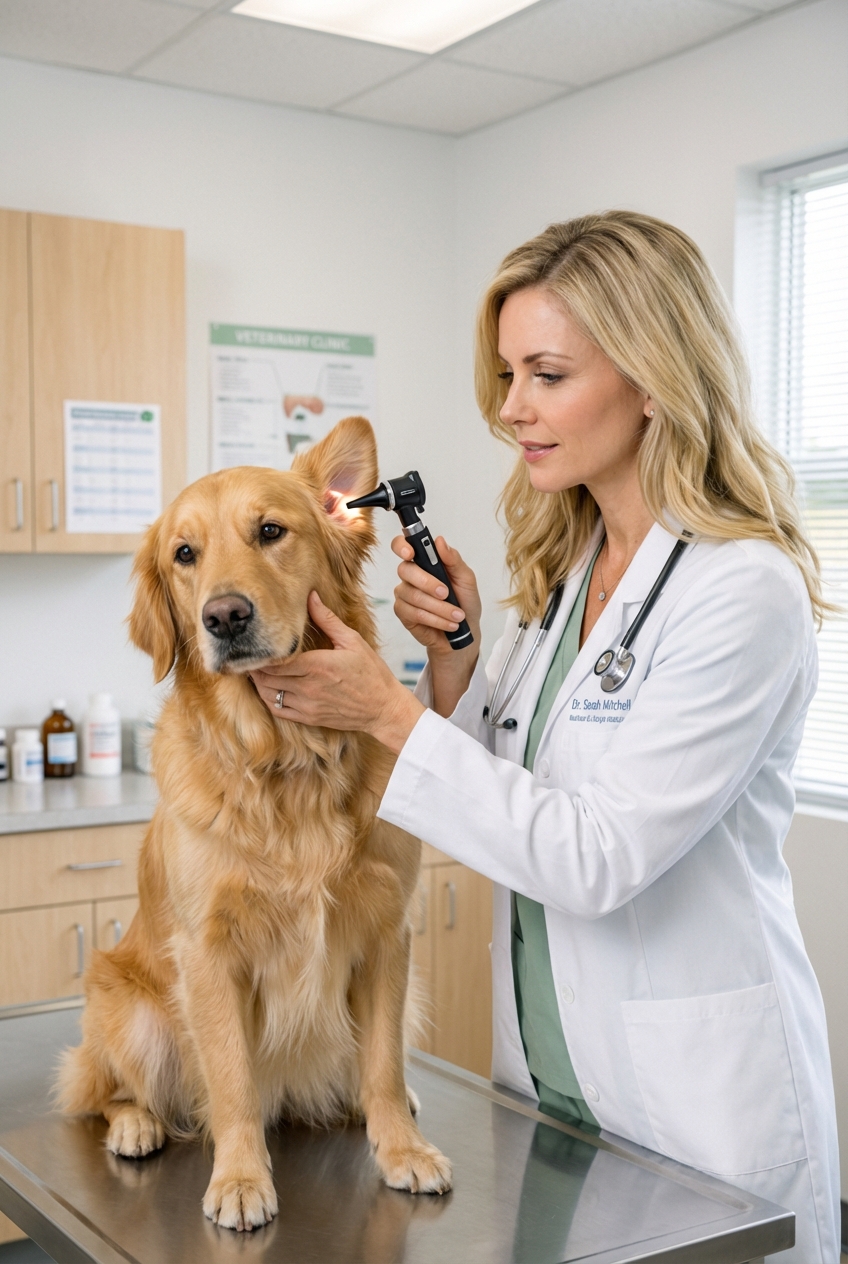
Because the symptoms can overlap, especially if a dog has mites plus a secondary infection, a confident diagnosis usually requires a vet exam.
What your vet will do
In clinic, the goal is to treat the current problem and prevent it from coming right back.
Typical steps
- History and exam: including questions about swimming, grooming, allergies, and previous ear problems.
- Otoscope exam: to look for inflammation, debris, foreign bodies, and to assess the eardrum when possible.
- Ear cytology : a quick microscope check of ear swab material to look for yeast, bacteria, and inflammation.
- Mite check: mites can sometimes be seen on swab or otoscope exam.
- Culture (if needed): for recurrent or severe infections to match antibiotics to the bacteria present.
This matters because treating “blindly” with the wrong medication can prolong discomfort and may contribute to ongoing inflammation or antibiotic resistance. It also risks missing an underlying trigger like allergies or a foreign body.
When it is urgent
Please contact your veterinarian promptly if you notice any of the following:
- Head tilt , stumbling, or loss of balance
- Severe pain, crying, or snapping when the ear is touched
- Bloated or puffy ear flap (possible ear hematoma)
- Heavy discharge with strong odor
- Symptoms that persist beyond a day or two, or worsen at any time
- Repeated ear infections (more than a couple per year)
Ear issues can escalate fast, and once the ear canal is very swollen, it can be harder and more painful to treat.
What you can do at home
While you are arranging veterinary care, here are a few practical, low-risk steps that can help.
Do
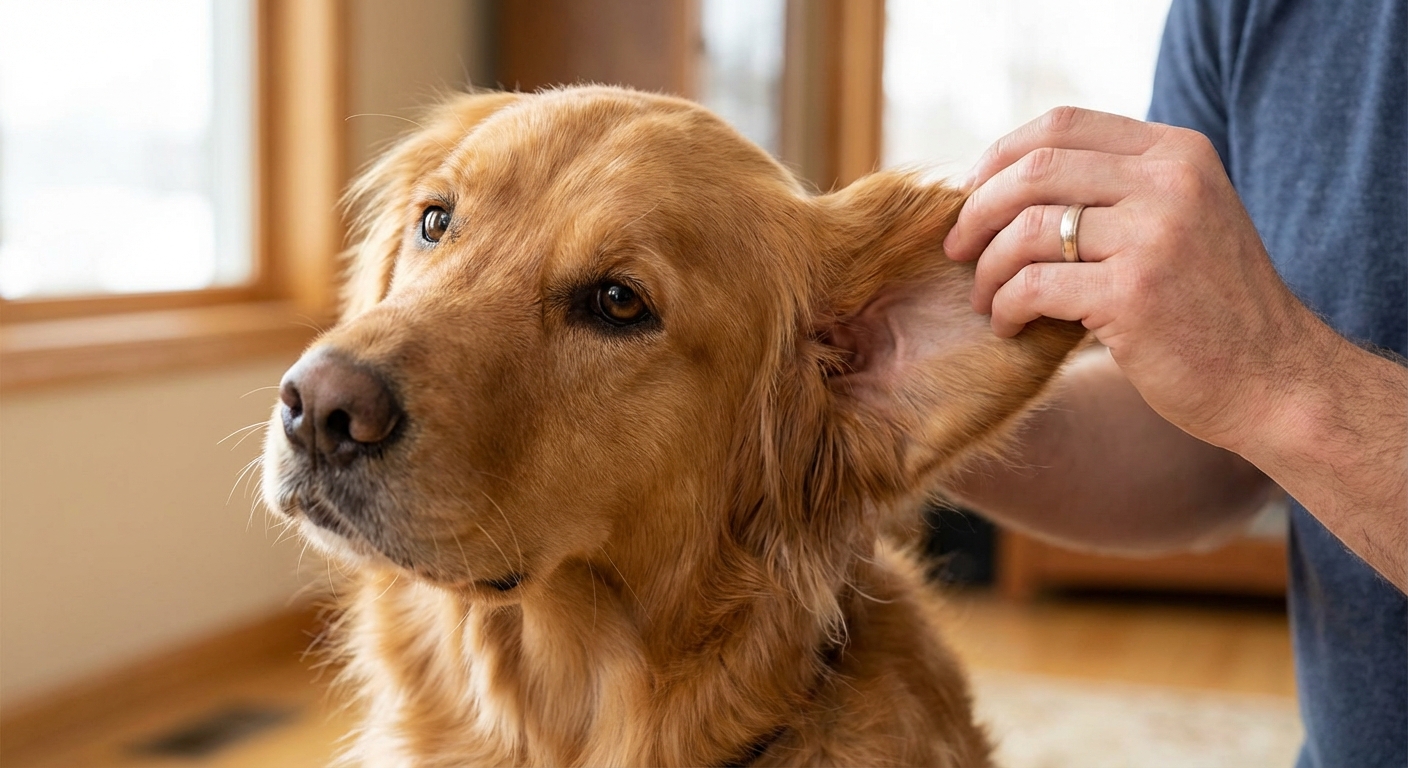
- Look, do not poke: gently lift the ear flap and note odor, redness, and debris.
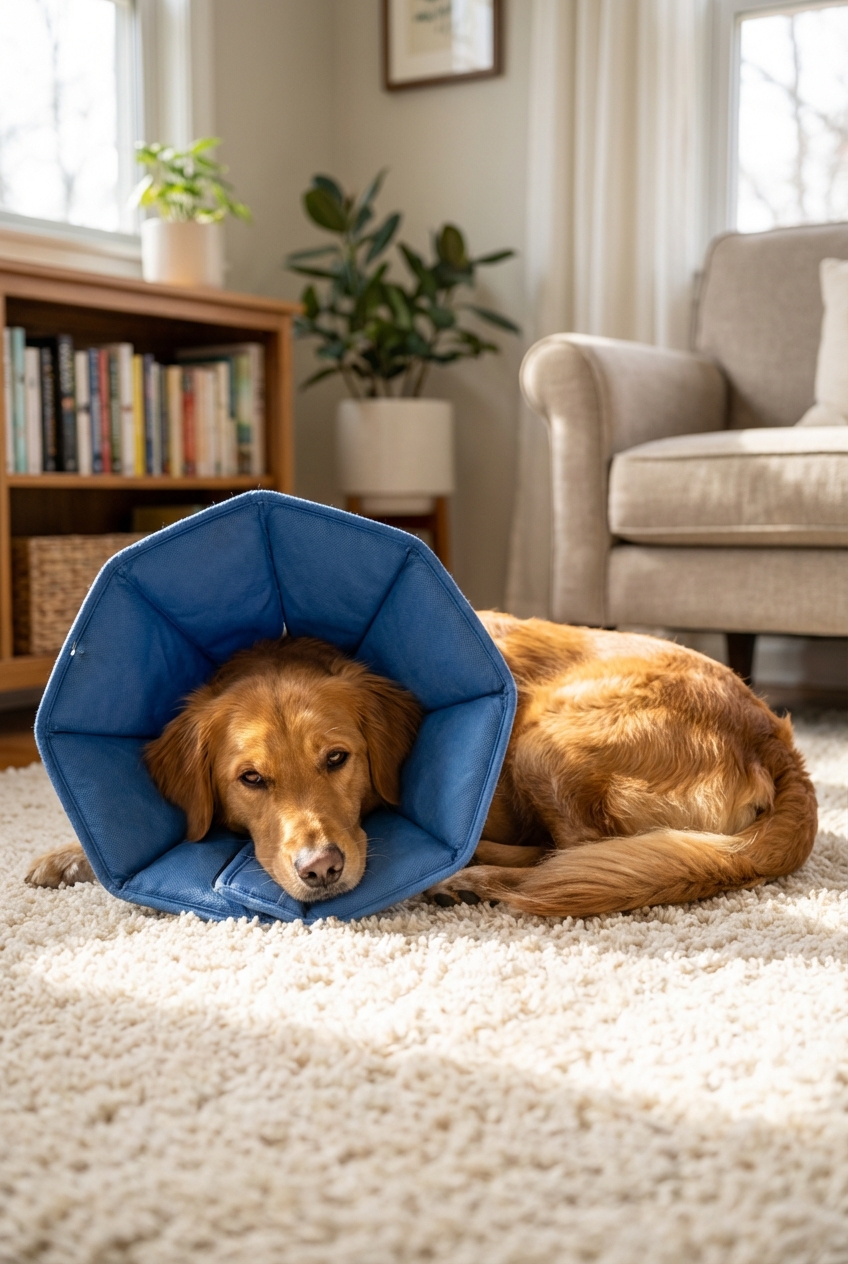
- Prevent scratching: use an e-collar if your dog is injuring the skin.
- Keep ears dry: especially after bathing or swimming.
- Check other pets: if one pet is itchy, monitor the rest of the household.
Do not
- Do not use hydrogen peroxide or alcohol in the ear canal. These can sting and worsen irritation.
- Do not use leftover ear medication from another pet or old prescriptions. If the eardrum is compromised, some ingredients can be ototoxic (harmful to the inner ear) and may worsen hearing or balance problems.
- Do not insert cotton swabs into the canal. This can push debris deeper and irritate the lining.
If your vet has previously recommended a specific ear cleaner for your dog, you can ask if it is appropriate to use before the appointment. In some painful cases, your clinic may prefer you wait so they can see the ear canal clearly.
Treatment basics
Ear mites
Treatment typically involves a prescription parasiticide (often a topical product) and cleaning the ears as directed. Because mites are contagious, vets often recommend treating all pets in the home, especially cats, even if they are not showing symptoms.
Ear infections
Treatment depends on cytology results and may include:
- Medicated ear drops (antifungal, antibiotic, anti-inflammatory, or a combination)
- Ear cleaning protocol (timing matters, and your vet will tell you how to pair cleaning with drops)
- Oral medication for severe swelling, deep infection, or significant pain
- Allergy management if infections keep recurring
Consistency is everything. Many ear medications require a full course even if your dog seems better after a few days.
Preventing repeats
Some dogs are simply more prone to ear troubles, especially dogs with floppy ears, narrow canals, allergies, or frequent swimming. Prevention is about reducing moisture and inflammation before infection takes hold.
- Dry ears after water play: use a soft towel on the ear flap and ask your vet about a drying ear rinse if your dog swims often.
- Use ear cleaners strategically: over-cleaning can irritate, but the right schedule can prevent wax buildup.
- Address allergies : recurring ear infections are commonly linked to environmental or food allergies.
- Keep grooming gentle: plucking hair from ear canals is not automatically helpful and can cause irritation in some dogs. Ask your vet what is best for your dog’s anatomy and history.
- Routine checks: a quick weekly sniff and peek can catch issues early.
Bottom line
Head shaking is your dog’s way of saying, “Something in my ear feels wrong.” Ear mites and ear infections can both cause itching and debris, but they are not the same problem and they are not treated the same way. If your dog is shaking their head repeatedly, has odor, discharge, redness, or seems painful, a veterinary exam and simple ear swab can save a lot of discomfort and help prevent a chronic cycle.
If you are unsure, it is always safer to have the ear checked first. Ears can look “minor” on the outside while being very inflamed deeper in the canal.