Understand why yeast overgrows in your dog’s ears—especially allergies, trapped moisture, and anatomy. Learn the signs, how vets diagnose it, treatment o...
Article
•
Designer Mixes
Why Does My Dog Scratch His Ears?

Shari Shidate
Designer Mixes contributor
If your dog is scratching at their ears, shaking their head, or rubbing their face on the carpet, you are not alone. As a veterinary assistant here in Frisco, Texas, I see ear itching every week, and it often has an identifiable cause you can address with the right plan. The key is to figure out why it is happening before it turns into a painful infection or a recurring cycle.
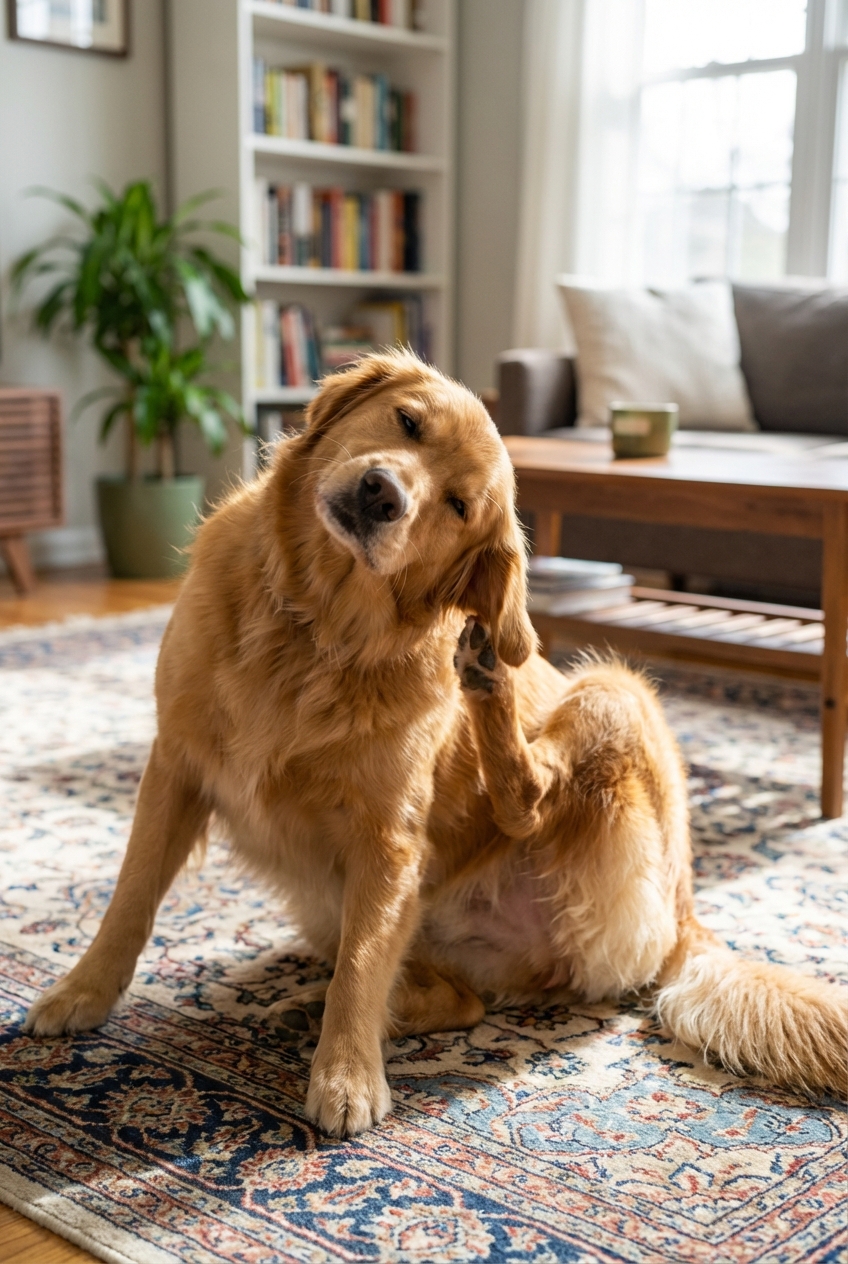
In this article, we will walk through the most common reasons dogs scratch their ears, what you can safely do at home, and when it is time to see your veterinarian.
What ear scratching can mean
Occasional ear scratching can be normal. But frequent scratching, head shaking, or a sudden change in behavior often points to irritation inside the ear canal or on the skin around the ear flap.
Common signs that ear discomfort is more than “just an itch” include:
- Head shaking or holding one ear lower than the other
- Redness, swelling, or warmth of the ear flap
- Waxy buildup or discharge (yellow, brown, black, or bloody)
- A yeasty, sweet, or sour odor
- Whimpering when you touch the ear
- Rubbing the ears on furniture, carpet, or the ground
- Crusts, scabs, or hair loss around the ears
The most common causes
1) Allergies (environmental or food)
Allergies are one of the top reasons dogs get itchy ears. When the immune system overreacts to something like pollen, dust mites, grasses, or certain proteins in food, inflammation can show up in the ears first. That inflammation changes the ear environment and can invite yeast and bacteria to overgrow.
Clues it may be allergies:
- Itching in other places too (paws, belly, armpits)
- Seasonal flare-ups (spring and fall are common)
- Repeated ear infections or “gunk” that keeps coming back
- History of skin redness or licking
Quick note: flea allergy can also drive significant skin and ear itch in some dogs, even if you do not see many fleas.
2) Yeast overgrowth
Yeast loves warm, moist environments, which makes floppy ears and humid climates a perfect match. Yeast infections commonly cause a strong odor and dark, greasy debris. Many yeast problems are secondary to allergies, swimming, or excessive moisture after baths.
Clues it may be yeast: a distinct smell, brown or black wax, and persistent itching.
3) Bacterial ear infection
Bacteria can overgrow when the ear canal is inflamed or when the normal ear defenses are disrupted. Some bacterial infections produce yellow discharge, more pain than itching, and significant redness. Deep infections can be very uncomfortable and may require prescription medication.
4) Ear mites (more common in puppies and multi-pet homes)
Ear mites are tiny parasites that can cause intense itching. They are more common in puppies, dogs who interact closely with cats, and shelters or rescue environments. Ear mites can look like dark, crumbly debris, but you cannot confirm mites without a veterinary exam.
5) Moisture from swimming or bathing
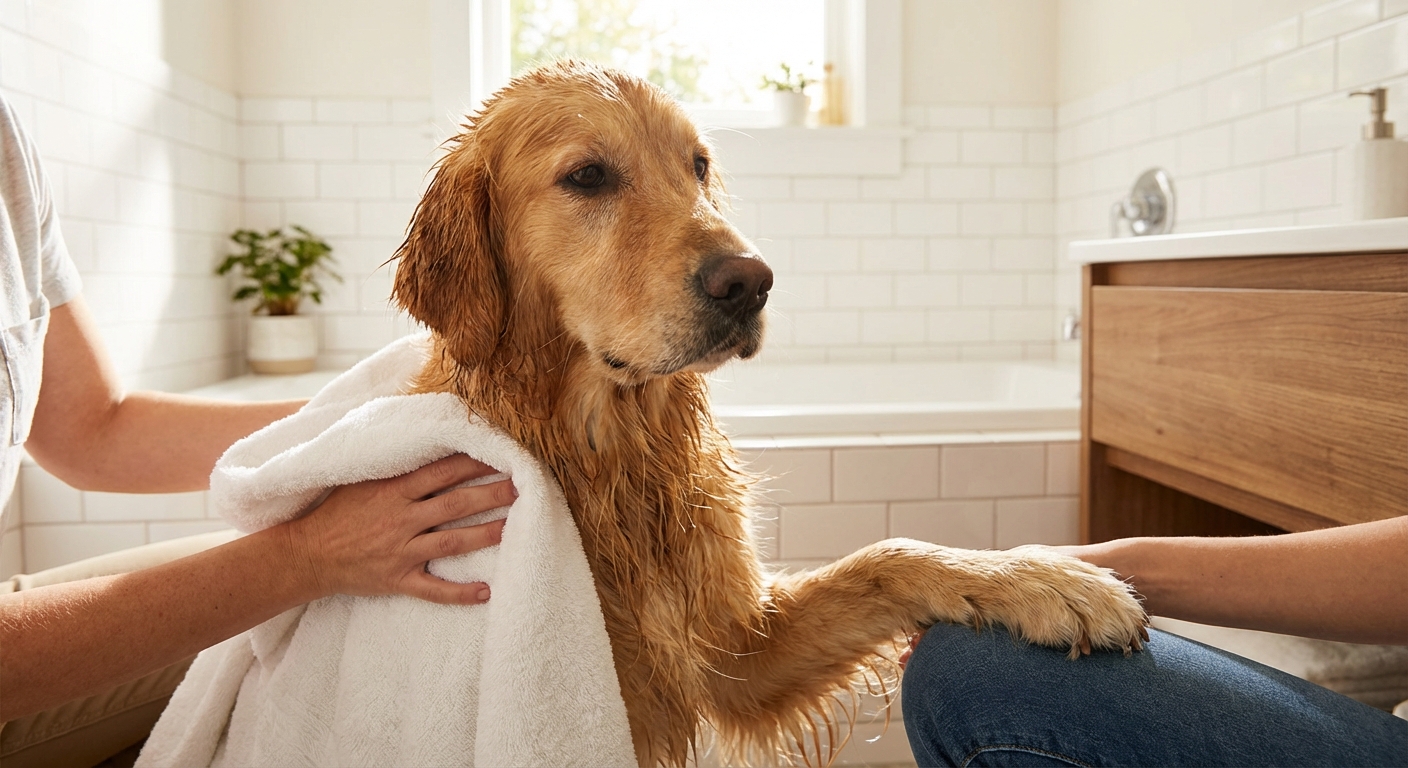
Water trapped in the ear canal softens the skin and changes the ear environment, making infections more likely. Dogs who swim frequently or get regular baths may need a drying routine approved by your vet.
6) Foreign material (grass awns, seeds, dirt)
Sudden, one-sided ear scratching and head shaking can happen when something is stuck in the ear canal. Grass awns are especially concerning because they can migrate and cause serious damage. This is not a “wait and see” situation.
7) Wax buildup or ear canal shape
Some dogs naturally produce more wax, and breeds with narrow canals or heavy ear hair can trap debris. Wax alone is not always a problem, but it can become one if it blocks airflow and traps moisture.
8) Ear hematoma (from vigorous shaking)
If your dog has been shaking their head hard, you may notice a suddenly swollen ear flap that looks puffy or balloon-like. This can happen when small blood vessels rupture inside the ear flap. A hematoma needs veterinary care to prevent scarring and long-term ear deformity.
What you can do at home
You can support your dog at home, but it helps to keep your goal simple: reduce irritation and prevent worsening until you know the cause.
Do
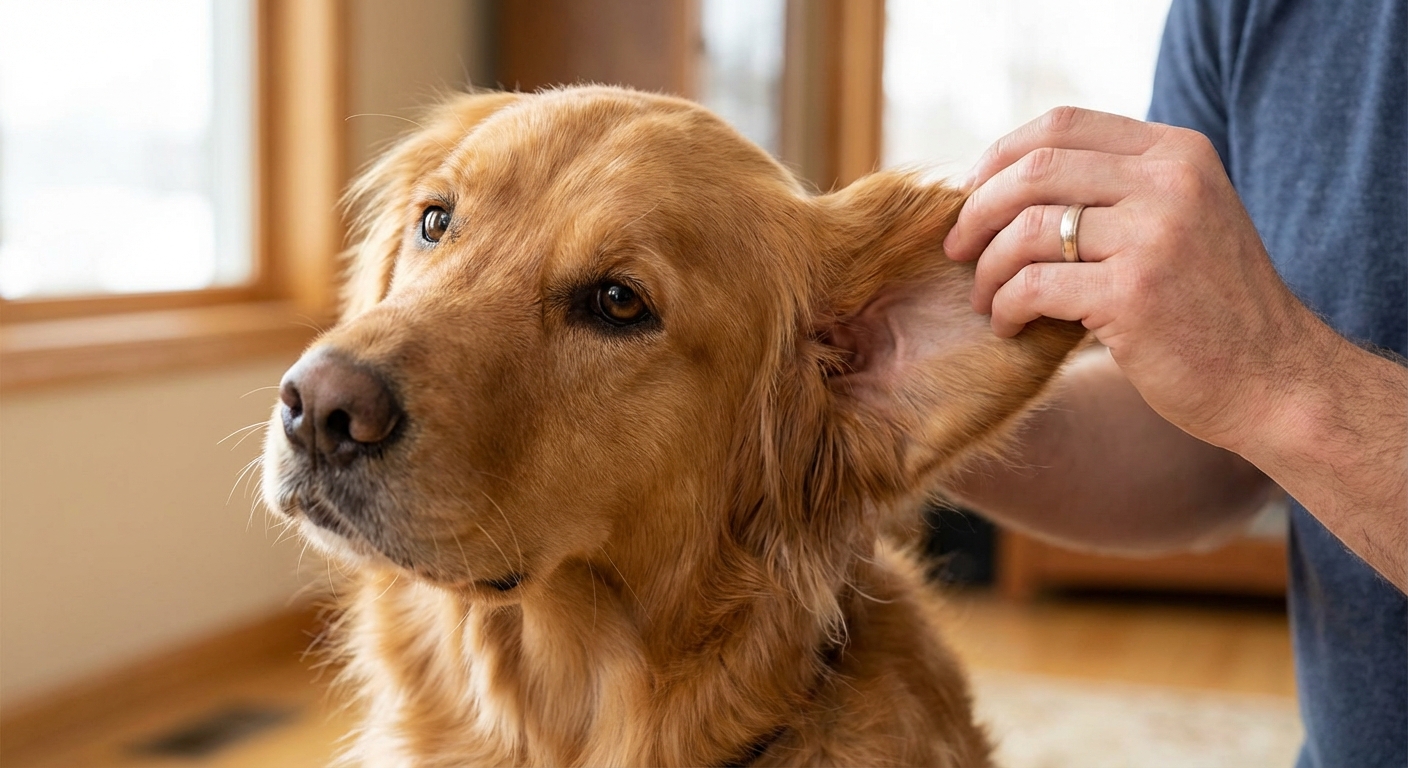
- Look and sniff. Gently lift the ear flap and check for redness, discharge, swelling, odor, or obvious debris.
- Stop moisture. If your dog swims, pause until the ears are comfortable and evaluated.
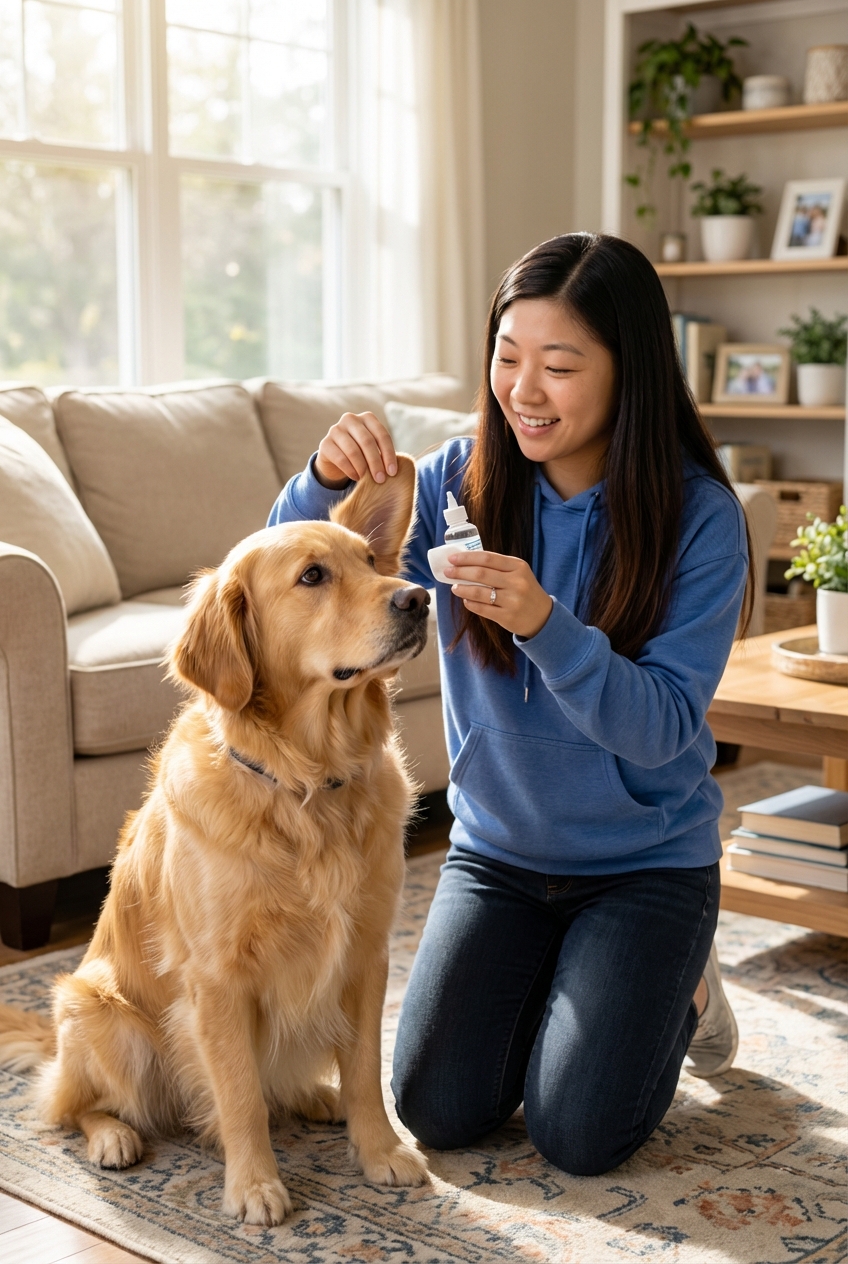
- Use only a vet-approved ear cleaner. Choose a cleaner made for dogs and follow label directions. If you are unsure, call your clinic and ask what they recommend for your dog.
- Use an e-collar if needed. If scratching is intense, preventing self-trauma can help avoid sores and hematomas.
Do not
- Do not put hydrogen peroxide, alcohol, vinegar mixes, essential oils, or random home remedies in the ear. These can burn inflamed tissue and worsen the problem.
- Do not use cotton swabs inside the canal. They can push debris deeper and potentially damage the ear.
- Do not use leftover ear meds from another pet or a previous infection. The wrong medication can make some infections worse, especially if the eardrum is damaged.
One more safety note: do not attempt to clean the ears at home if your dog has severe pain, heavy swelling, blood or pus-like discharge, neurologic signs (head tilt, stumbling, loss of balance), or you suspect something is stuck in the ear. Go straight to your veterinarian.
If your dog has mild itchiness and a slightly dirty ear but no pain, swelling, or significant odor, a gentle clean with an appropriate canine ear cleaner may help. If symptoms return quickly, that is your sign to dig deeper with your vet.
When it is time to see the vet
Ear problems can escalate fast. Please schedule a veterinary visit promptly if you notice any of the following:
- Strong odor, pus-like discharge, or blood
- Marked redness or swelling
- Crying, snapping, or pulling away when you touch the ear
- Head tilt, loss of balance, stumbling, or walking “drunk”
- Sudden swelling of the ear flap (possible hematoma)
- Symptoms lasting more than 24 to 48 hours
- Recurrent ear issues (for example, multiple episodes per year, or recurring despite treatment)
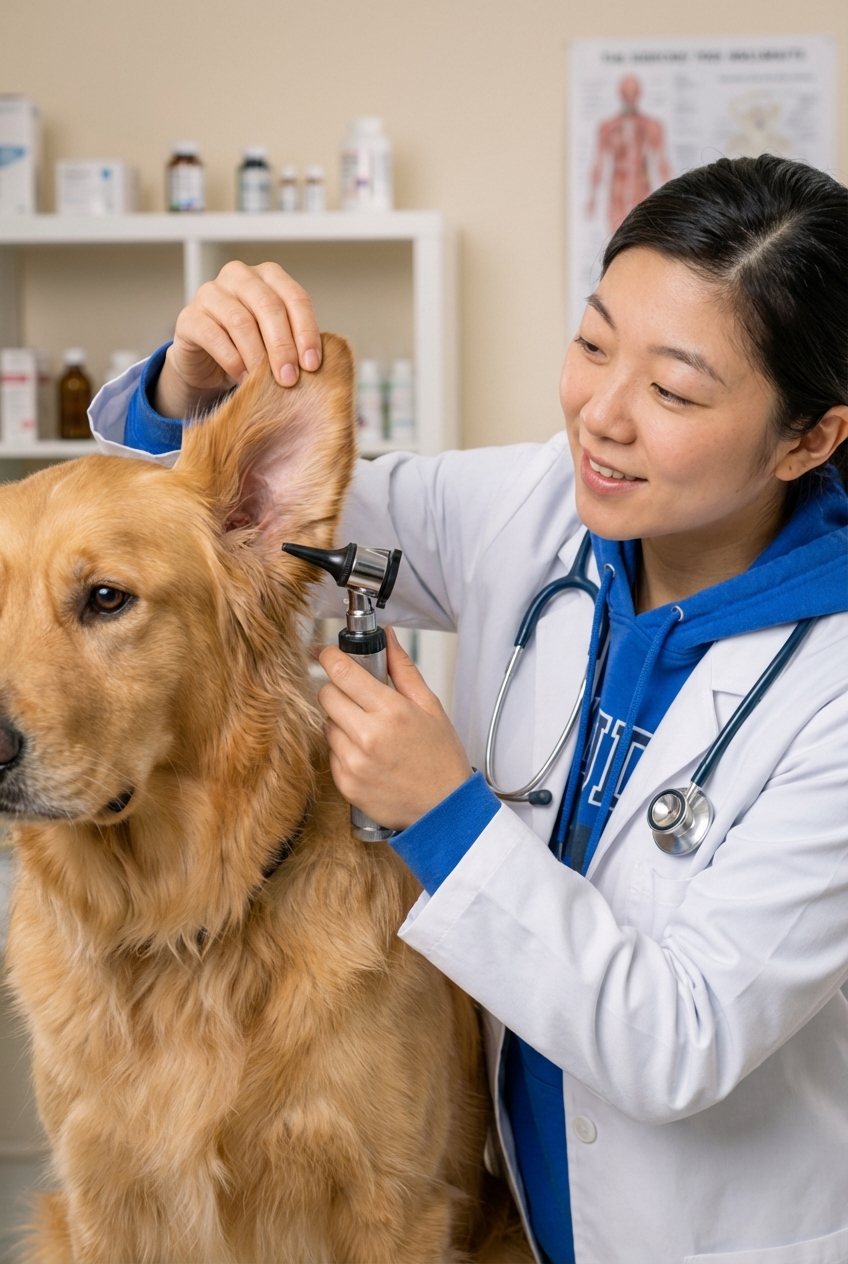
In clinic, your veterinarian will usually do an ear exam with an otoscope and may take a sample to look under the microscope. This step matters because yeast, bacteria, mites, and mixed infections can look similar at home, but they need different treatments.
How ear issues are treated
Treatment depends on the root cause, and many dogs need a combination approach.
- Yeast: Antifungal ear medication and a cleaner that changes the ear environment to discourage yeast growth.
- Bacteria: Antibiotic ear medication, sometimes with anti-inflammatory meds for comfort.
- Mites: Prescription parasite treatment for all pets in the household, plus ear cleaning as directed.
- Allergies: A plan that may include diet trial, flea control, allergy medications, medicated shampoos, and long-term ear maintenance.
- Foreign body: Removal, often with sedation if the ear is painful or the object is deep.
For chronic or severe cases, your vet may recommend culture testing, allergy workups, or imaging to look for deeper disease. In some dogs, underlying medical conditions (like hypothyroidism) can contribute to chronic skin and ear problems, so your vet may suggest additional testing if infections keep returning.
Prevention that helps
Keep ears dry
After baths or swimming, gently towel-dry the ear flap. Ask your veterinarian whether your dog should use a drying ear rinse, especially if infections are frequent.
Clean only as needed
Over-cleaning can irritate the ear canal. Your vet can help you choose a schedule based on your dog’s ear type, lifestyle, and infection history.
Support healthy skin
Ear health is closely tied to skin health. Dogs with ongoing itchiness often do best with a broader plan that supports the skin barrier, reduces allergens, and addresses nutrition. For some dogs, improving overall diet quality and adding targeted omega-3 fatty acids (as directed by your vet) can be a helpful piece of the puzzle.

Stay on parasite prevention
Even if ear mites are not common in adult dogs, they are still possible. Consistent flea and parasite control reduces overall itch triggers and supports skin comfort.
Quick ear-itch checklist
If you are trying to decide what to do next, this simple checklist can help:
- One ear, sudden onset, intense head shaking: suspect foreign material and call your vet.
- Both ears, recurring itch, paw licking too: allergies are high on the list.
- Strong odor and dark wax: yeast is possible, needs confirmation and correct meds.
- Yellow discharge, pain, swollen canal: bacterial infection is likely and should be treated promptly.
- Puppy or new rescue, very itchy with dark debris: ear mites are possible, treat all pets as directed.
The bottom line
Your dog’s ear scratching is a message, not misbehavior. Most of the time it is allergies, yeast, bacteria, mites, moisture, or something stuck where it does not belong. The best outcomes come from treating the cause, not just the symptoms.
If you are seeing frequent ear problems, I encourage you to partner with your veterinarian and create a simple maintenance plan. When ears feel good, dogs sleep better, play more, and honestly seem like themselves again.
References
- Merck Veterinary Manual: Otitis Externa in Dogs and Cats (accessed 2026)
- American College of Veterinary Dermatology (ACVD): Otitis and allergic skin disease resources (accessed 2026)
- Companion Animal Parasite Council (CAPC): Ear mites and parasite prevention guidance (accessed 2026)