Wondering why your dog licks you nonstop? Learn common causes, when licking can signal stress or illness, hygiene safety tips, and gentle training and enrich...
Article
•
Designer Mixes
Why Does My Dog Lick Me? Behavior Explained

Shari Shidate
Designer Mixes contributor
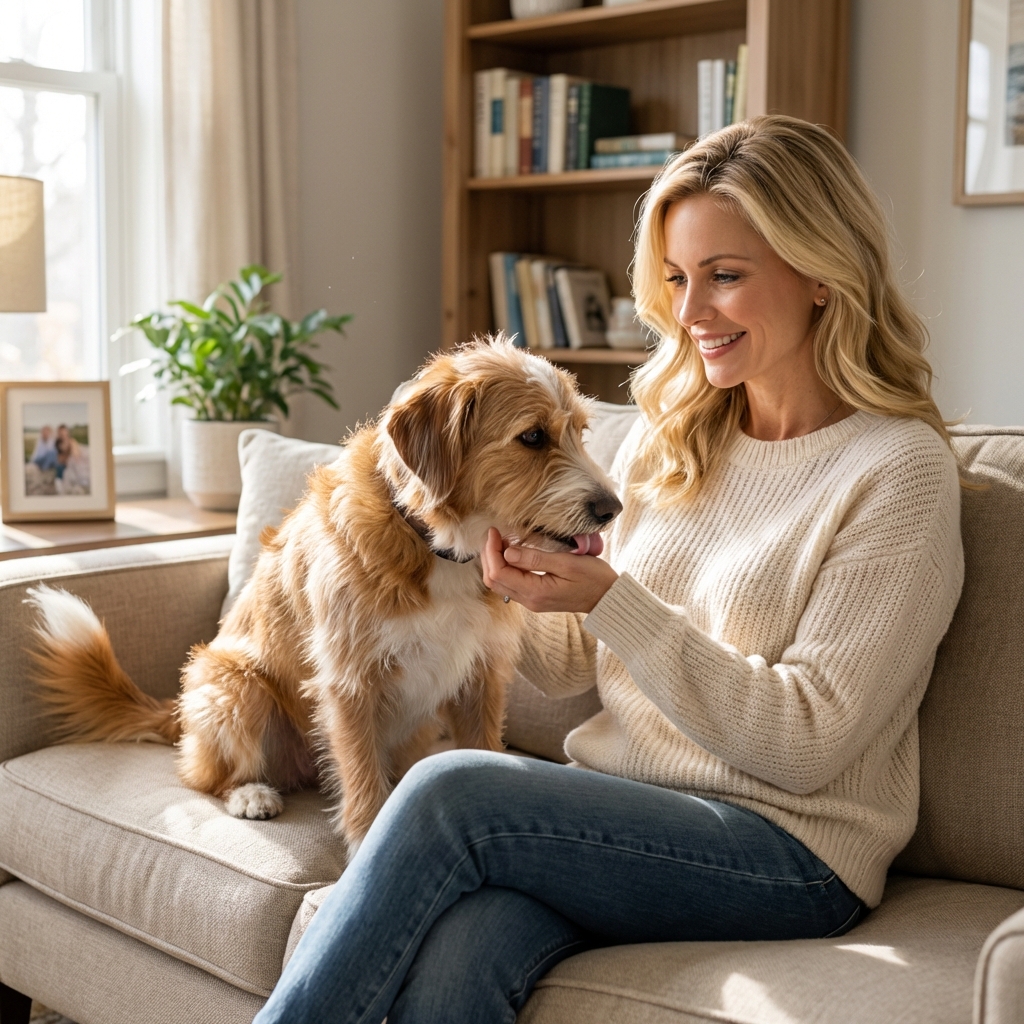
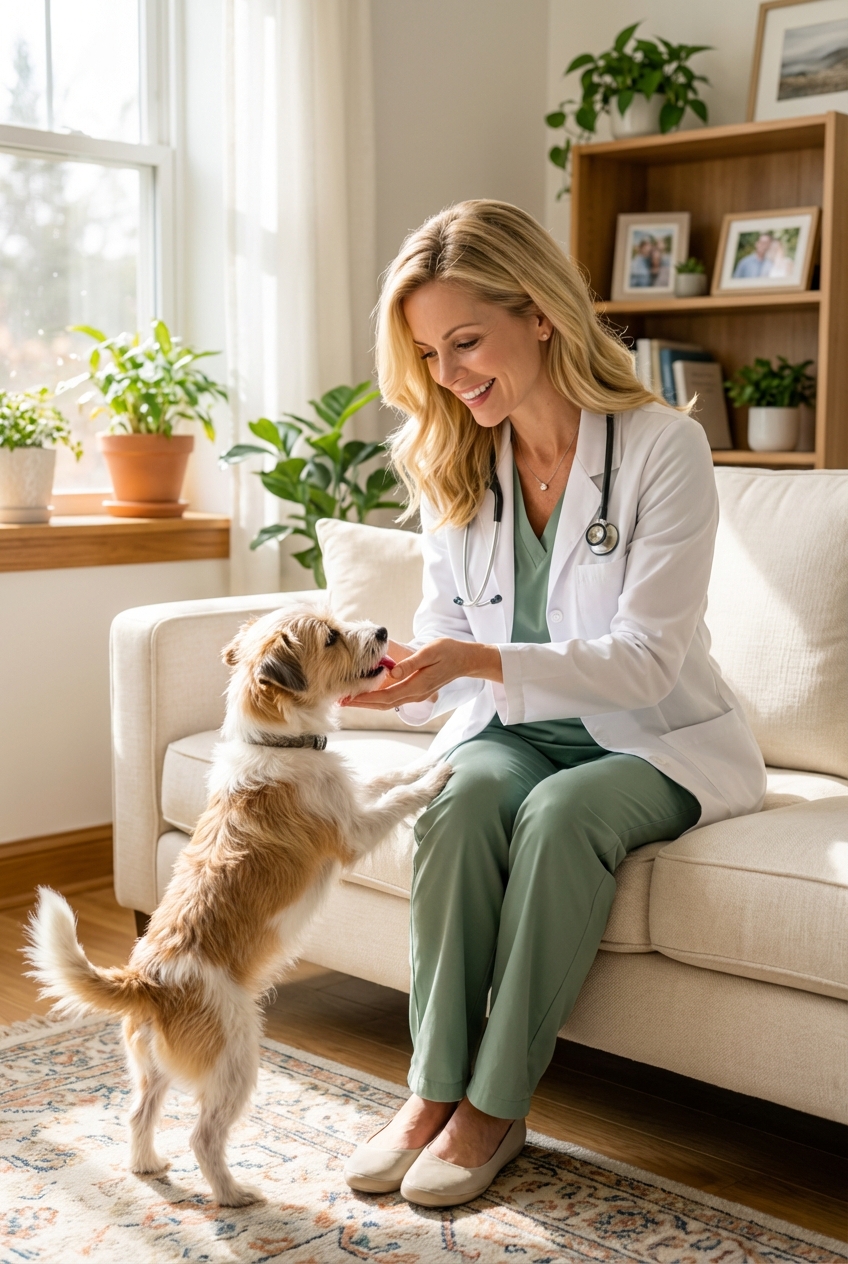
Dog kisses can feel sweet, silly, and sometimes a little gross. If you have ever wondered, why does my dog lick me? you are not alone. Licking is a normal canine behavior, but it can mean different things depending on your dog’s body language, the situation, and how intense the licking is.
And yes, sometimes it really is just love. Other times, it is a clue your dog needs something.
Here’s what licking usually means, how to tell when it is affectionate versus stress-related, and what to do if licking becomes excessive.
What licking means to dogs
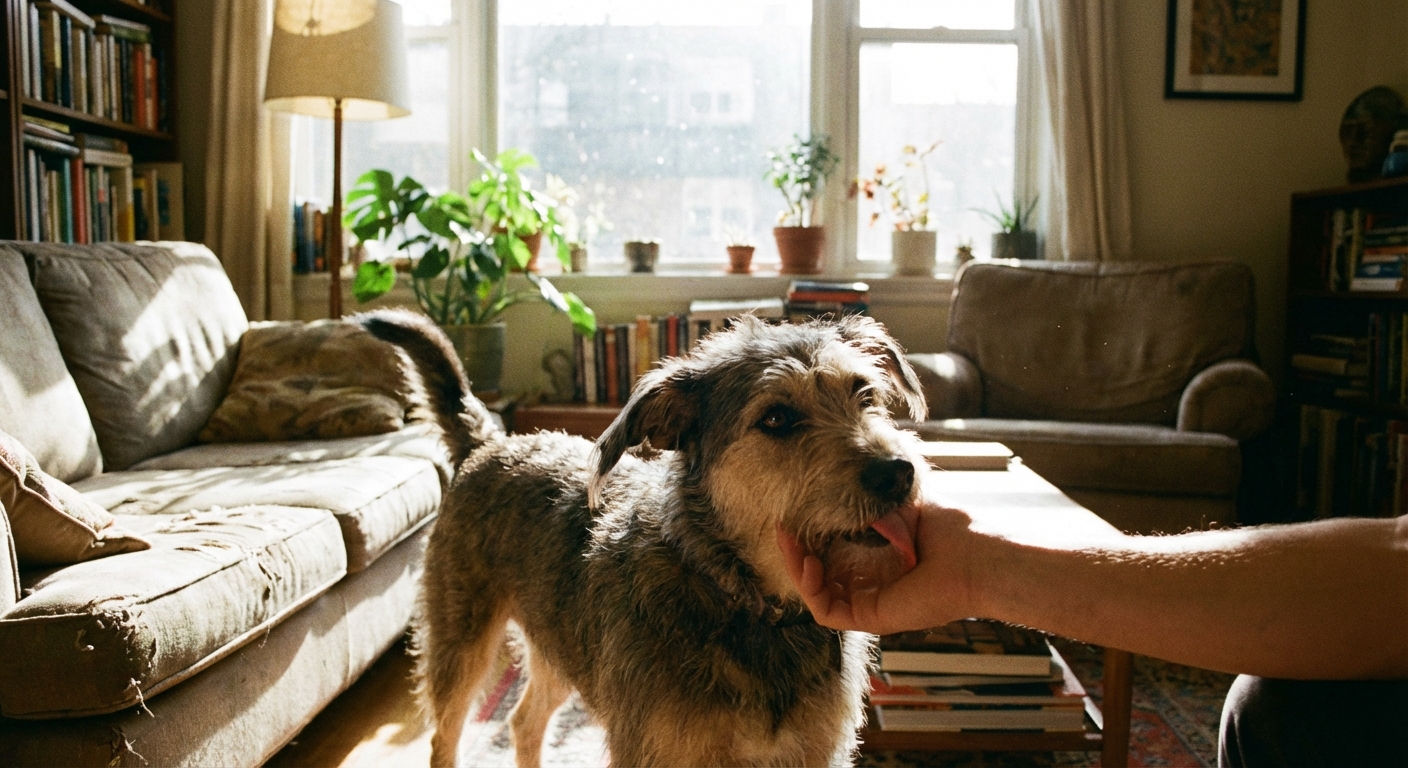
Dogs explore the world with their noses and mouths. Licking is one way they gather information, communicate, and self-soothe. It is also a behavior puppies practice early, and they may lick their mother’s mouth and face as part of social bonding and food-related interactions.
So in many cases, licking is not a problem. It is one part of dog communication.
Quick note: This article is general guidance and does not replace veterinary advice. If you are worried about sudden behavior changes, pain, or illness, check in with your veterinarian.
Top reasons your dog licks you
1) Affection and bonding
Many dogs lick to show affection, especially if licking has been rewarded with attention, laughter, petting, or cuddles. Over time, your dog learns: lick equals connection.
- Common signs: relaxed body, soft eyes, wiggly posture, gentle licking that stops easily.
2) Seeking attention
Dogs are excellent pattern-recognizers. If your dog licks and you respond immediately, even with “Stop!” they may interpret that as a successful way to get you engaged.
- Common signs: licking increases when you are on the phone, working, or not looking at them.
3) You taste salty or smell interesting
Skin can taste salty from sweat, lotion, sunscreen, or food residue. Dogs also have a strong sense of smell, so a new soap or a meal you just prepared can make you more “lickable.”
Health note: Some products can be irritating or unsafe if consumed in quantity. If your dog is intensely licking where you applied a topical medication or a strong essential oil product, it is worth preventing access and checking product safety.
4) Stress relief and self-soothing
Licking can be a calming behavior for dogs, similar to how some people bite nails or fidget. If your dog feels anxious, licking you might help them settle.
- Common signs: lip licking, yawning, panting when not hot, whale eye, tucked tail, pacing, clinginess.
5) Appeasement
Some dogs lick faces or hands as a social signal that means, “I am friendly, I mean no harm.” This can happen when you lean over them, hug them, or when they feel uncertain.
- Common signs: low posture, ears back, head turned slightly away, quick “kiss” then pause, other calming signals like yawning.
6) Learned behavior
If licking is allowed sometimes and discouraged other times, it can become more persistent. In behavior science, intermittent reinforcement can make a behavior harder to extinguish.
- Common signs: your dog tries licking in bursts, especially when you have recently laughed, talked, or petted them after a lick.
7) Medical causes or general discomfort
Occasionally, a dog that suddenly becomes very “licky” may be dealing with discomfort, nausea, pain, dental disease, or a compulsive behavior pattern. While licking people is not a diagnosis, a sharp change in behavior deserves a closer look. (Skin allergies more often cause dogs to lick themselves, but overall discomfort can still make some dogs more clingy and mouthy with people.)
- Consider a vet check if: licking starts abruptly, becomes frantic, or comes with drooling, bad breath, appetite changes, vomiting , diarrhea, or restlessness.
Is it safe to let your dog lick you?
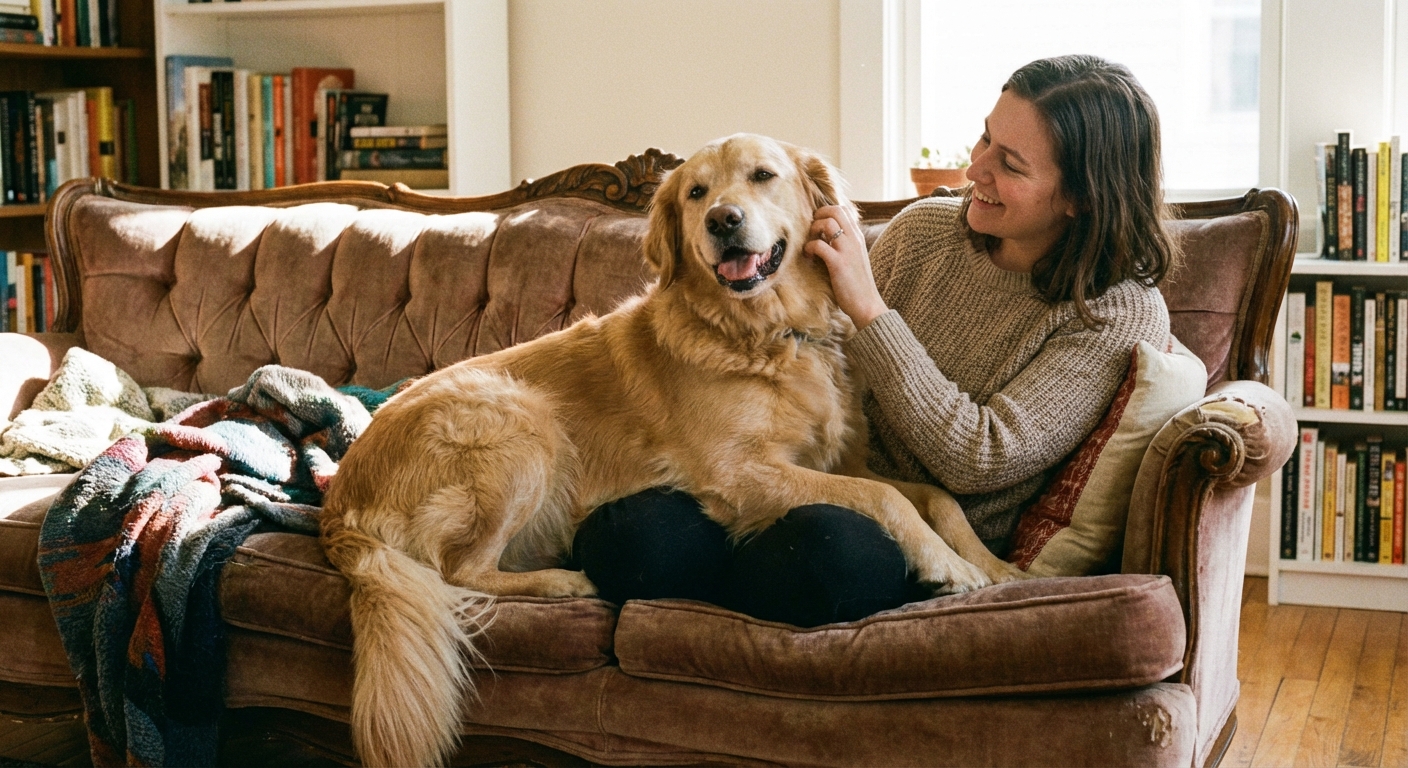
For most healthy adults, an occasional lick on intact skin is low risk. That said, dog mouths carry bacteria, and in rare cases serious infections can occur, especially for people with higher health risks.
It is wise to be extra cautious if:
- You have an open cut, fresh wound, or healing surgical site.
- You are immunocompromised or undergoing treatments that lower immunity.
- The licking is on your face, especially near the mouth, nose, or eyes.
- There are children in the home who may be more likely to get face licks.
Also, avoid letting dogs lick inside your mouth.
Practical middle ground: let your dog lick hands occasionally, then wash your hands before eating or touching your face.
When licking signals stress
Affectionate licking is usually gentle and easy to redirect. Stress-related licking tends to look more urgent or repetitive.
Clues it may be stress licking
- Licking is rapid, repetitive, and hard to interrupt.
- Your dog seems unable to settle even after attention.
- It increases during storms, visitors, schedule changes, or after loud noises.
- It happens with other stress signals like trembling, panting, or hiding.
If this sounds familiar, consider both behavior support and a veterinary check to rule out discomfort. If anxiety is driving the behavior, a trainer or veterinary behaviorist can help you build a plan that actually sticks.
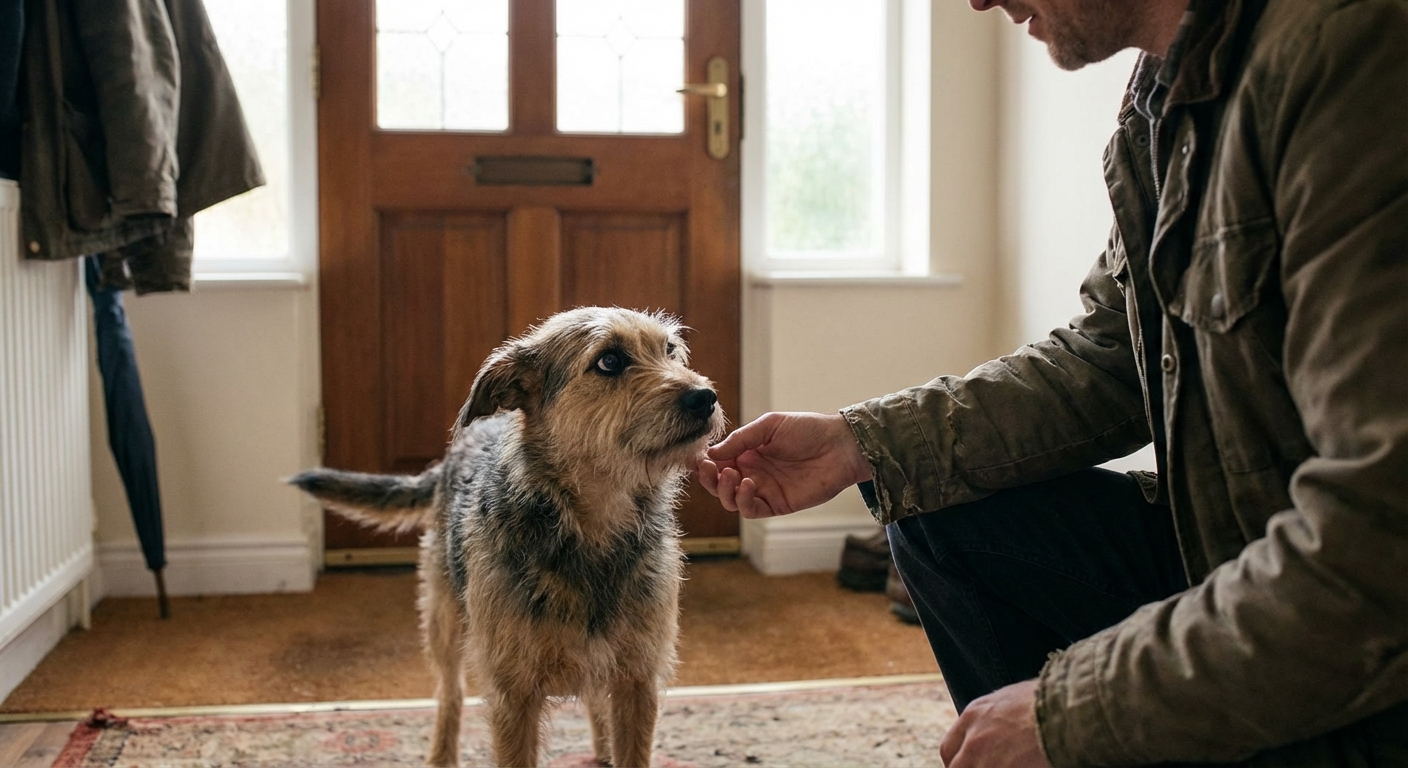
How to reduce licking
I always encourage pet parents to think in two steps: gently prevent the licking in the moment, and teach an alternative behavior your dog can succeed with.
Step 1: Remove the reward
- Stay calm. Big reactions can be rewarding.
- Pull hands away, stand up, or turn your body slightly away.
- Pause attention for a few seconds.
Step 2: Replace with a clear cue
- Teach “sit,” “touch” (nose to hand), or “place” (go to bed or mat).
- Reward with praise, petting, or a small treat when they do the alternative instead of licking.
Step 3: Meet the underlying need
- More enrichment: food puzzles, sniff walks, short training sessions.
- More movement: appropriate exercise for age and breed mix.
- More downtime: a quiet space, consistent routine, quality sleep.
Helpful tools
- A lick mat with dog-safe spread can redirect licking to an appropriate outlet.
- Chews approved for your dog’s size and chewing style can reduce mouthy attention-seeking.
What not to do
- Avoid punishment. Yelling or physical corrections can increase anxiety and make licking worse, or shift behavior into something less predictable.
- Do not force face contact or hugs if your dog is giving appeasement signals.
- Try not to pet, laugh, or talk to your dog mid-lick if you are trying to reduce the behavior.
Simple management for chronic lickers
- Use baby gates or an x-pen during busy moments (meals, calls, guests) so licking cannot rehearse.
- Keep greetings structured. Ask for “sit” or “place” first, then reward calm.
- Give your dog an approved licking outlet (lick mat) before they start climbing all over you.
Quick FAQ
Why does my dog lick my face?
Often it is social bonding, attention-seeking, or taste. If your dog seems tense or fixated, it may also be appeasement or anxiety. If you prefer to avoid face licking, redirect to a trained behavior and reward that instead.
Why does my dog lick me when I pet them?
Some dogs lick as a reciprocal social behavior, some do it from excitement, and some do it to self-soothe if petting is a little intense. Watch for stress cues like stiffening, lip licking, or turning the head away.
Why does my dog lick me at night?
Nighttime licking is commonly attention-seeking, comfort-seeking, or a learned habit. If it disrupts sleep, consider a bedtime routine with a final potty break, a calming chew, and a consistent “place” cue.
When to call the vet
Reach out for professional guidance if you notice:
- Sudden, intense licking that is new for your dog
- Licking paired with vomiting , diarrhea, drooling, or reduced appetite
- Compulsive behaviors that interfere with rest
- Signs of pain , itching, or dental discomfort
Your vet can help rule out medical causes and may suggest behavior support if anxiety is contributing.
The takeaway
Most of the time, licking is your dog’s way of communicating, bonding, or trying to get your attention. By watching the full body language and responding consistently, you can keep the sweet moments and gently reduce the licking that feels excessive.
If you are unsure what is driving it, your veterinarian, a certified trainer, or a veterinary behaviorist can help you narrow down the cause and create a simple plan to address it.