Vet-assistant tips to ease dog allergy itch safely at home: rinses, oatmeal baths, omega-3s, cool compresses, and lick prevention—plus remedies to avoid an...
Article
•
Designer Mixes
Why Does My Dog Lick His Paws Constantly?

Shari Shidate
Designer Mixes contributor
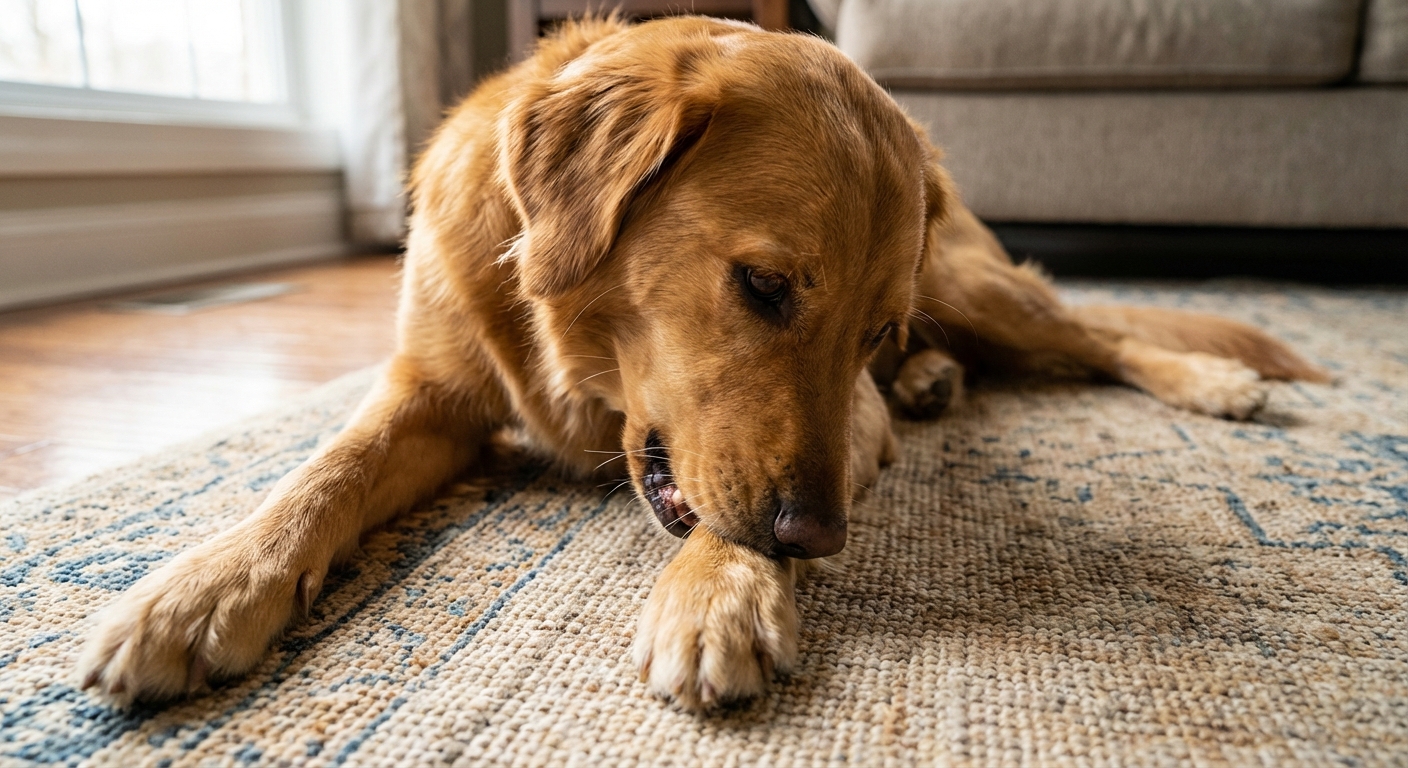
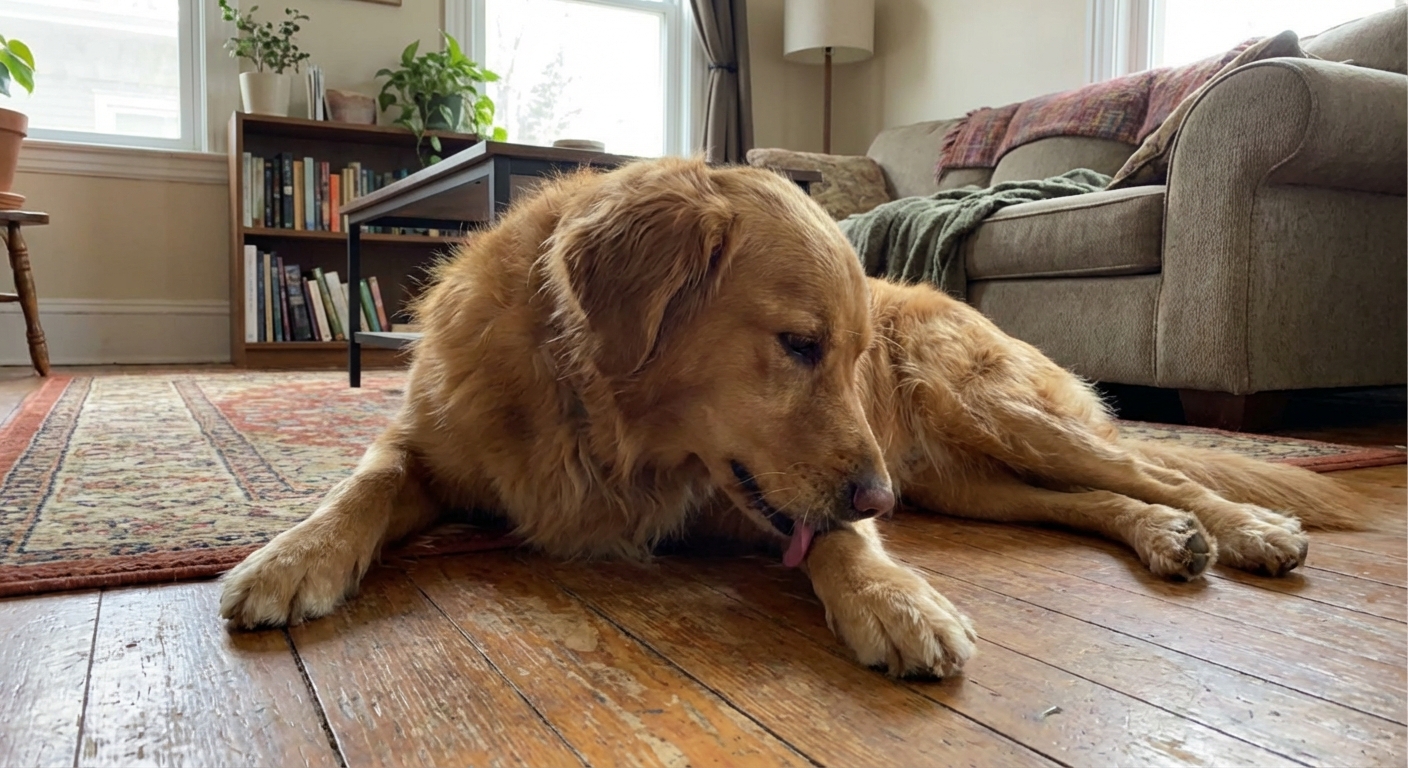
If your dog is licking, chewing, or nibbling their paws constantly, you are not imagining it. Paw licking is a very common sign that something is irritating your dog’s skin, and allergies are one of the most common causes. The tricky part is that several problems can look the same at home, from itchy allergies to a sneaky yeast infection between the toes.
As a veterinary assistant in Frisco, Texas, I always tell pet parents this: paw licking is a symptom, not a diagnosis. The good news is that when you identify the cause, you can usually bring real relief.
Is paw licking ever normal?
A little licking can be normal grooming. But it becomes a concern when it is frequent, intense, or starts causing damage.
Signs it is more than grooming
- Licking wakes your dog up, or your dog stops playing or eating to lick
- Red or brown saliva staining on paws
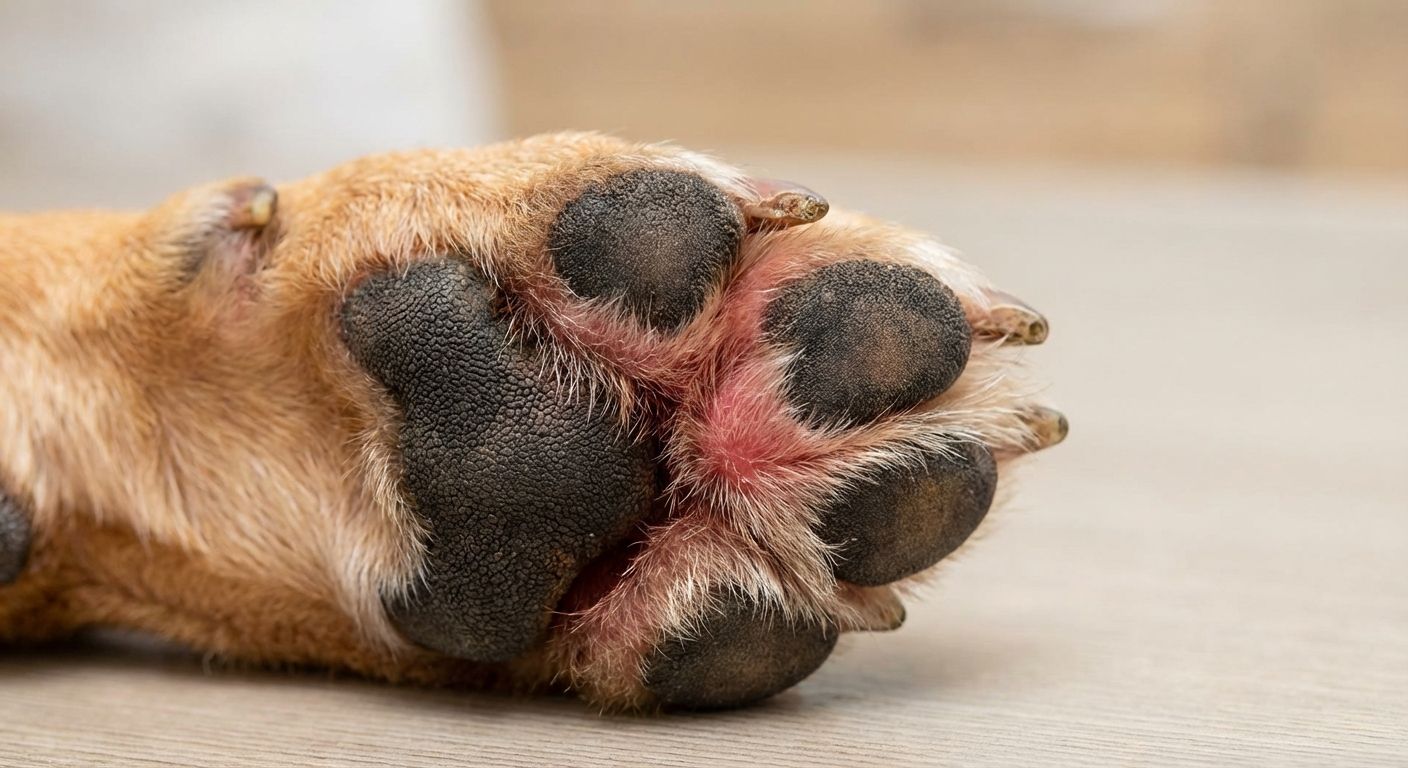
- Swollen toes, red skin, or a “raw” look
- A musty or “corn chip” odor from the feet (a clue, not proof)
- Hair loss on paws or wrists, scabs, or bleeding
- Limping or sensitivity when you touch the paws
The big three causes
Paw licking often falls into one of these buckets. More than one can be happening at the same time, which is why it can spiral quickly.
1) Allergies (very common)
Allergies are a leading cause of paw licking. When a dog is itchy from allergies, paws are an easy target.
- Environmental allergies (pollen, grass, mold, dust mites): often seasonal at first, then can become year-round.
- Food allergies: usually not seasonal. Many dogs also have recurring ear infections along with itchy skin. Some dogs may also have digestive upset.
- Flea allergy dermatitis: even one bite can trigger intense itching in sensitive dogs.
2) Secondary infection (yeast or bacteria)
Once the skin barrier is inflamed from allergies, yeast and bacteria can overgrow. This is why paw licking often escalates.
- Yeast can cause a musty smell, greasy skin, redness between toes, and persistent licking.
- Bacterial infection can cause pimples, pustules, swelling, crusting, and tenderness.
3) Pain or irritation
Some dogs lick because something hurts or feels stuck.
- A thorn, foxtail, splinter, or small cut
- A broken nail or nail bed infection
- Arthritis in toes or wrists
- Contact irritation from lawn chemicals, ice melt, or hot pavement
Other causes to know
If the paws look fairly normal but the licking will not quit, or if your dog has itching in other areas too, there are a few other possibilities your vet may consider.
- Parasites beyond fleas: mites (like sarcoptic mange) can cause intense itch and may require skin scrapings or other tests.
- Behavioral or compulsive licking: stress, boredom, or anxiety can contribute, and some dogs develop a lick granuloma.
- Interdigital cysts or furunculosis: painful, swollen bumps between toes that often need targeted treatment.
- Less common causes: hormonal disease, immune-mediated skin disease, or unusual infections. These are not the first place we look, but they matter in chronic cases.
Allergy clues
You cannot confirm allergies at home without a veterinary exam, but patterns can offer helpful clues. Think of this as a starting point for what to watch and what to tell your vet.
Environmental allergies
- Paw licking worse after being outside
- Itchy face, belly, armpits, and ears
- Flare-ups in spring and fall, or during high grass and weed seasons
- Symptoms improve when indoors with consistent bathing and wiping
Food allergies
- Itching that is year-round
- Recurring ear infections
- Skin issues plus GI signs in some dogs (soft stool, gas, vomiting), though not always
- No clear connection to pollen season
Flea allergy
- Chewing at feet plus itching at the base of the tail and lower back
- Small scabs, hair thinning, or “pepper” specks (flea dirt)
- It only takes one flea bite to trigger a major flare
What you can do at home
If your dog is comfortable and the paws are not bleeding or severely swollen, these steps can help while you schedule a vet visit.
1) Check the paws
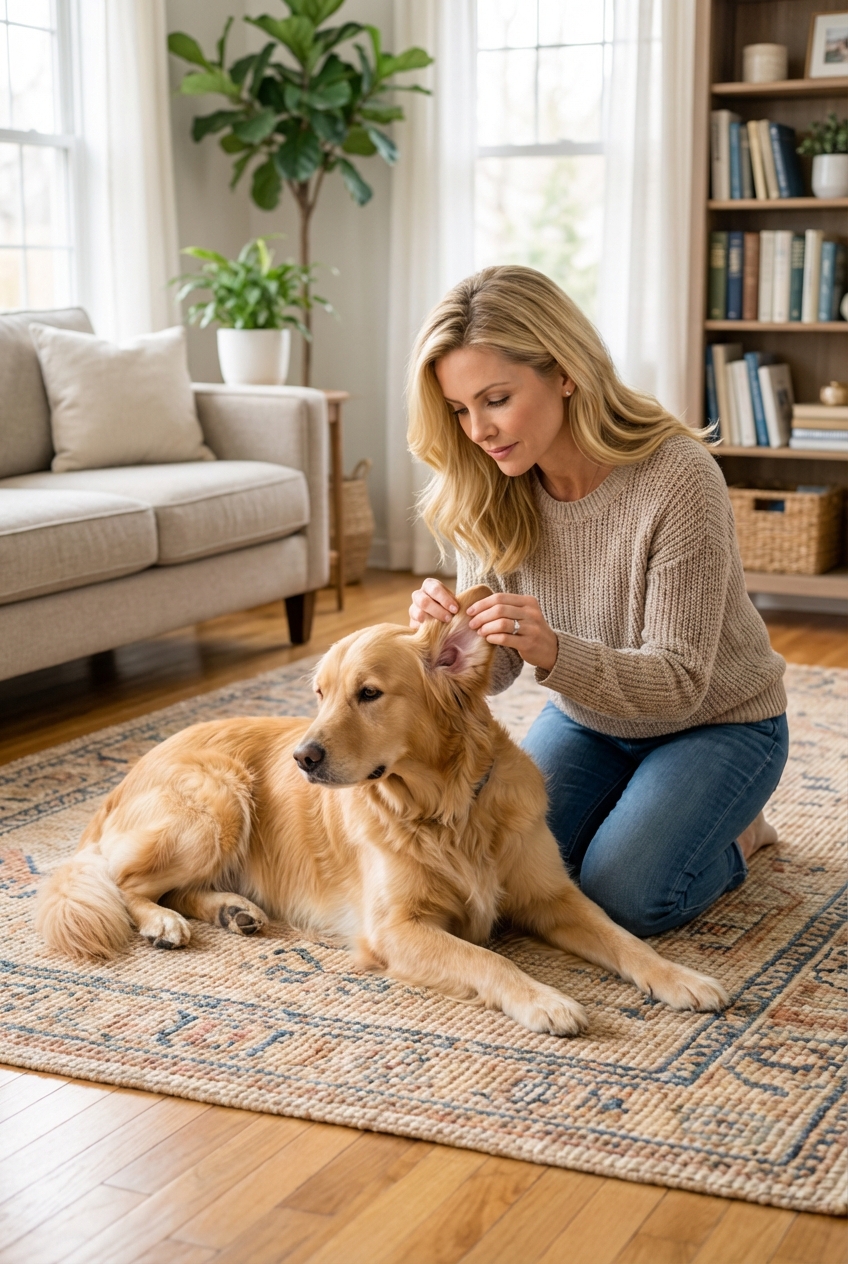
- Look between toes and pads for redness, debris, ticks, burrs, or small punctures.
- Smell the paws. A strong musty odor can suggest yeast involvement, especially with redness between toes.
- Check nails for cracks, bleeding, or a broken nail tip.
2) Rinse and dry after outdoor time
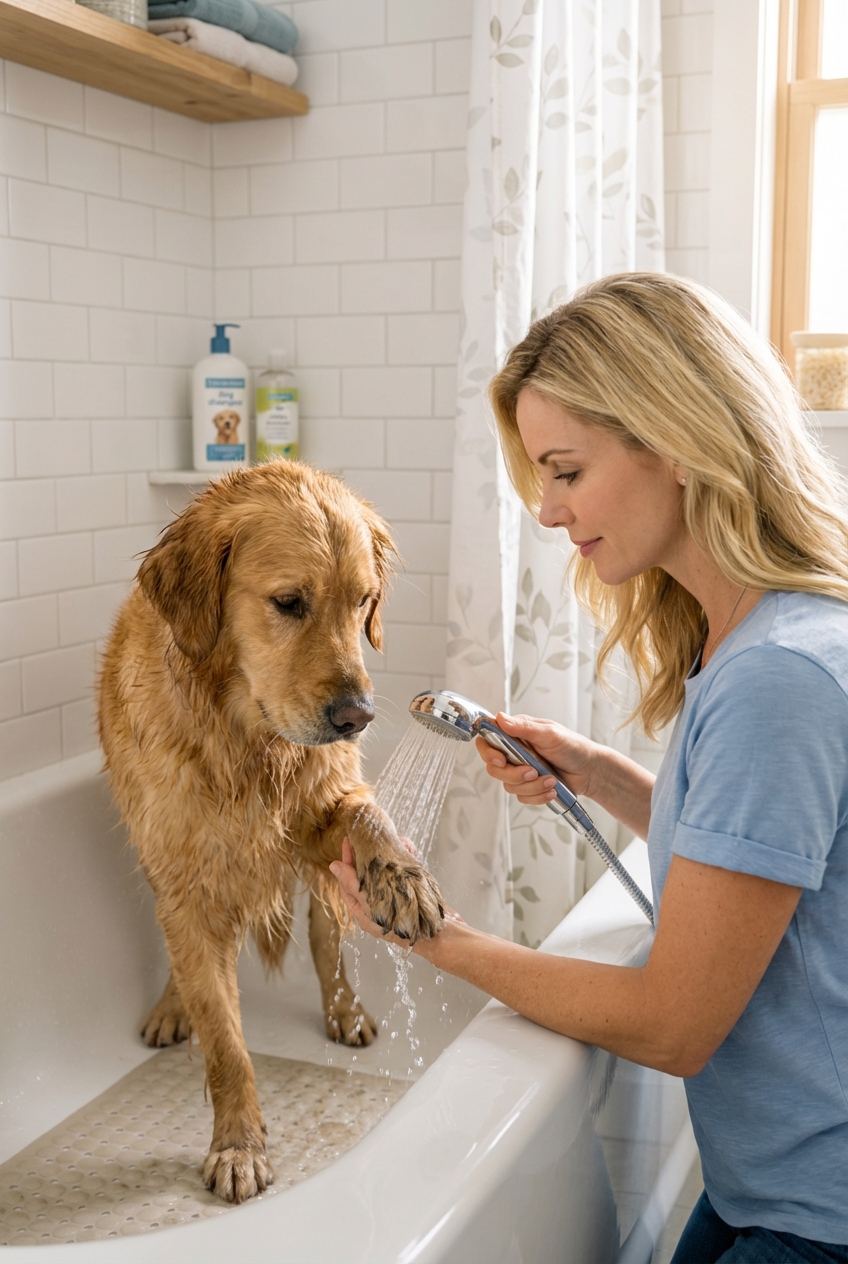
A quick paw rinse can remove pollen and irritants. Dry thoroughly, especially between the toes. Moisture trapped there can contribute to yeast overgrowth.
3) Stop the lick cycle
If your dog cannot stop, use an e-collar (cone), a soft recovery collar, or dog booties for short periods. Constant licking can turn mild irritation into an infection fast.
4) Keep flea prevention consistent
If your dog is not on a reliable flea preventative, talk with your veterinarian. Flea allergy is easy to miss because you may never see the fleas.
5) Use bathing thoughtfully
For allergy-prone dogs, regular bathing can reduce allergens on the coat and skin. Your veterinarian may recommend specific medicated shampoos or wipes if yeast or bacteria are suspected.
What not to use
- Hydrogen peroxide or rubbing alcohol (they can damage irritated skin)
- Essential oils (many are unsafe for pets)
- Human antibiotic ointments or steroid creams unless your vet tells you to use them
- Over-the-counter antifungal creams unless your vet recommends them (the wrong product can delay proper treatment)
Diet and paw licking
Food allergies are real, but they are often not the most common cause of itchy paws. Many dogs with paw licking have environmental allergies, sometimes with secondary yeast or bacterial infections.
That said, nutrition still matters because skin health starts from the inside. A diet that supports a healthy skin barrier can make flare-ups less intense and help the body recover.
Nutrition topics for your vet
- Elimination diet trial: the gold standard for diagnosing food allergies. This is usually a prescription hydrolyzed diet or a carefully selected novel protein diet for 8 to 12 weeks. It only works if it is strict, meaning no flavored meds, treats, chews, or table scraps.
- Omega-3 fatty acids (EPA and DHA): often recommended to support skin and reduce inflammation.
- Consistency: during diet trials, even one “off plan” treat can make the results hard to interpret.
If you want to explore homemade or fresh foods, do it thoughtfully. Homemade can be wonderful, but it should be balanced and consistent, especially for dogs with chronic skin issues. Your veterinary team or a board-certified veterinary nutritionist can help you build a plan that supports skin without accidentally creating nutrient gaps.
When to see the vet
Paw licking is one of those issues where early care saves time, money, and discomfort. If licking has been going on for more than a few days, or if you see redness between the toes, it is time to schedule an exam.
Make an appointment soon
- Redness, swelling, or hair loss on paws
- Repeated ear infections or head shaking
- Odor or greasy residue between toes
- Brown staining that is getting worse
- Your dog seems restless, itchy, or cannot settle
Go urgently
- Bleeding, open wounds, or pus
- Rapid swelling of the paw or toes
- Limping, crying, or yelping when the paw is touched
- A suspected foxtail, thorn, or puncture wound
- Fever, lethargy, or loss of appetite
What your vet may do
Your veterinarian will usually start with a skin and paw exam, then choose tests based on what they see. Some tests look simple but are incredibly helpful.
Common tests
- Skin cytology: checks for yeast and bacteria.
- Skin scraping: helps look for mites.
- Culture: may be recommended for stubborn or recurrent infections.
- Allergy planning: environmental allergy testing (blood or skin testing) is often used to guide immunotherapy, not as a single “yes or no” diagnosis at home.
Common treatment pieces
- Topical therapy: medicated wipes, sprays, or shampoos
- Antibiotics or antifungals: when infection is confirmed or strongly suspected
- Anti-itch medications: to stop the itch-lick cycle so the skin can heal
- Allergy management: may include antihistamines for some dogs, immunotherapy, or targeted allergy medications
- Diet trial: if food allergy is a possibility
The goal is to treat what is there today (infection, inflammation, pain) and then build a plan to prevent the next flare. Chronic allergy cases often do best with long-term management, not random spot treatment.
Preventing flare-ups
Once your dog’s paws calm down, prevention is where you win long-term.
- Paw hygiene: rinse after outdoor time and dry well.
- Trim paw hair: trimming hair between paw pads helps reduce trapped moisture and debris.
- Year-round parasite prevention: fleas and mites can keep itch going.
- Stay consistent: allergy dogs often do best with routines.
- Track patterns: note season, weather, diet changes, new treats, and lawn exposures.
If your dog is licking their paws constantly, think “itch, infection, or pain.” Getting the right diagnosis is the fastest path to real relief.
If you want, tell me your dog’s breed, age, and whether the licking is seasonal or year-round, and I can help you sort through the most likely causes to discuss with your veterinarian.