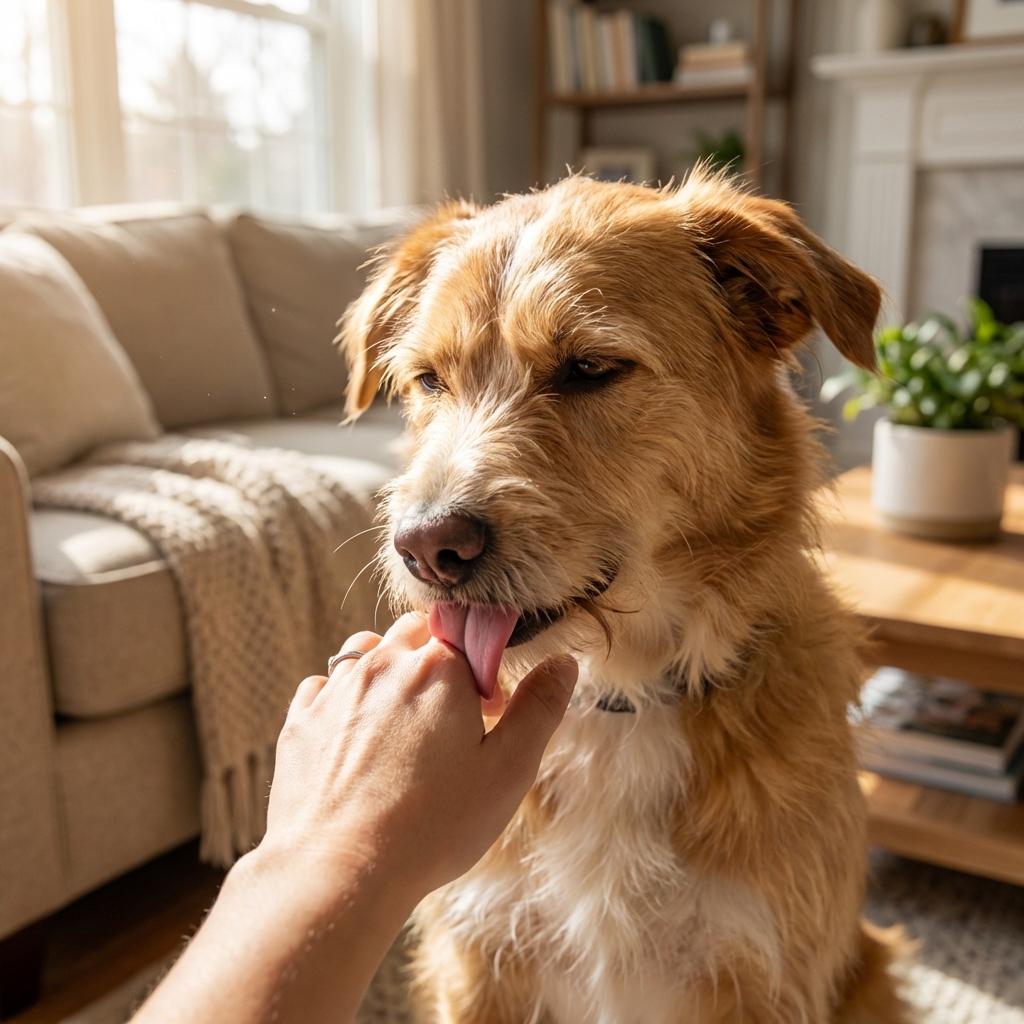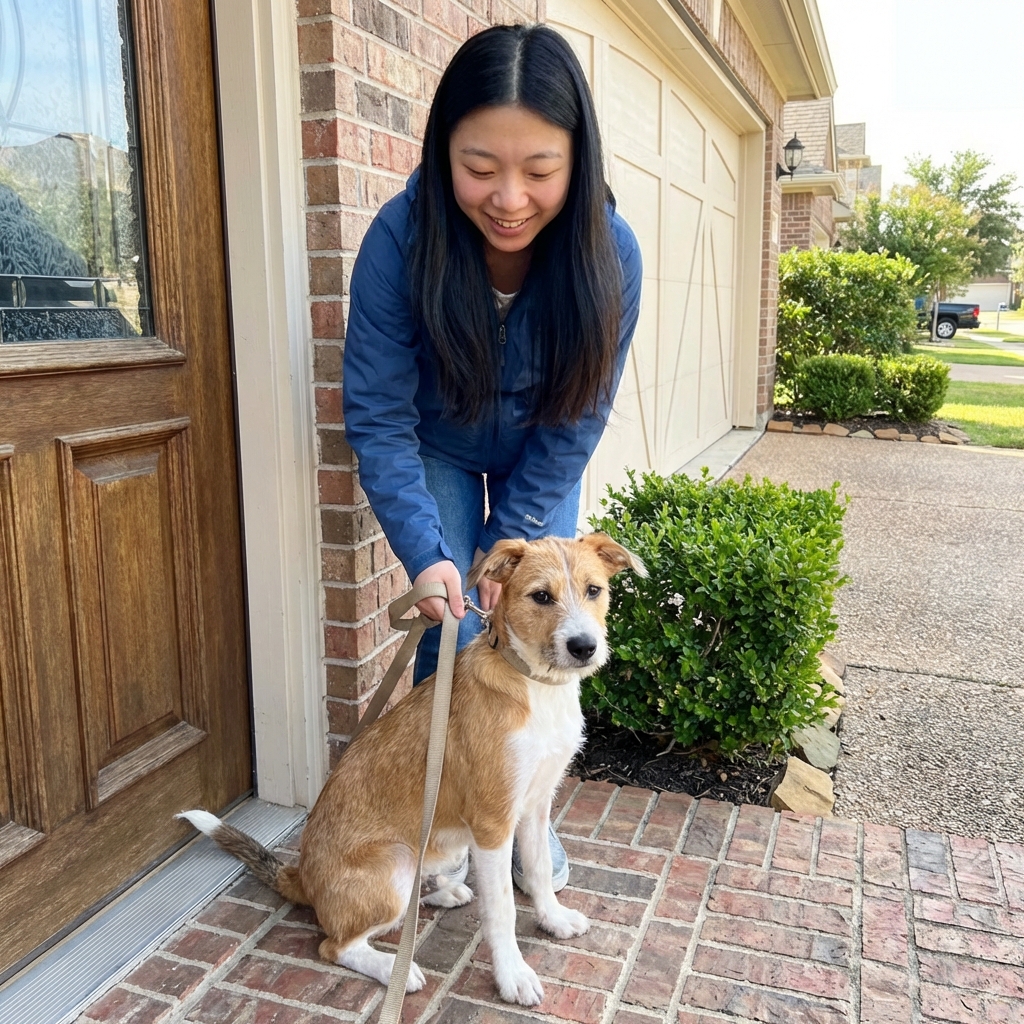
If your dog pees a little when excited, you’re not alone. Learn how to tell excitement vs submissive peeing, use calm greeting routines, mat training, and ...
Article
•
Designer Mixes
Why Does My Dog Lick Everything?

Shari Shidate
Designer Mixes contributor
As a veterinary assistant here in Frisco, Texas, I hear this question all the time: “Why does my dog lick everything?” The couch, the carpet, the floor, your legs, even the air. A little licking can be totally normal. But when licking becomes frequent, intense, or hard to interrupt, it can be your dog’s way of saying something is off.
This guide walks you through common vet-informed reasons dogs lick, what’s normal, what’s not, and what you can do today to help.
First, what’s normal licking?
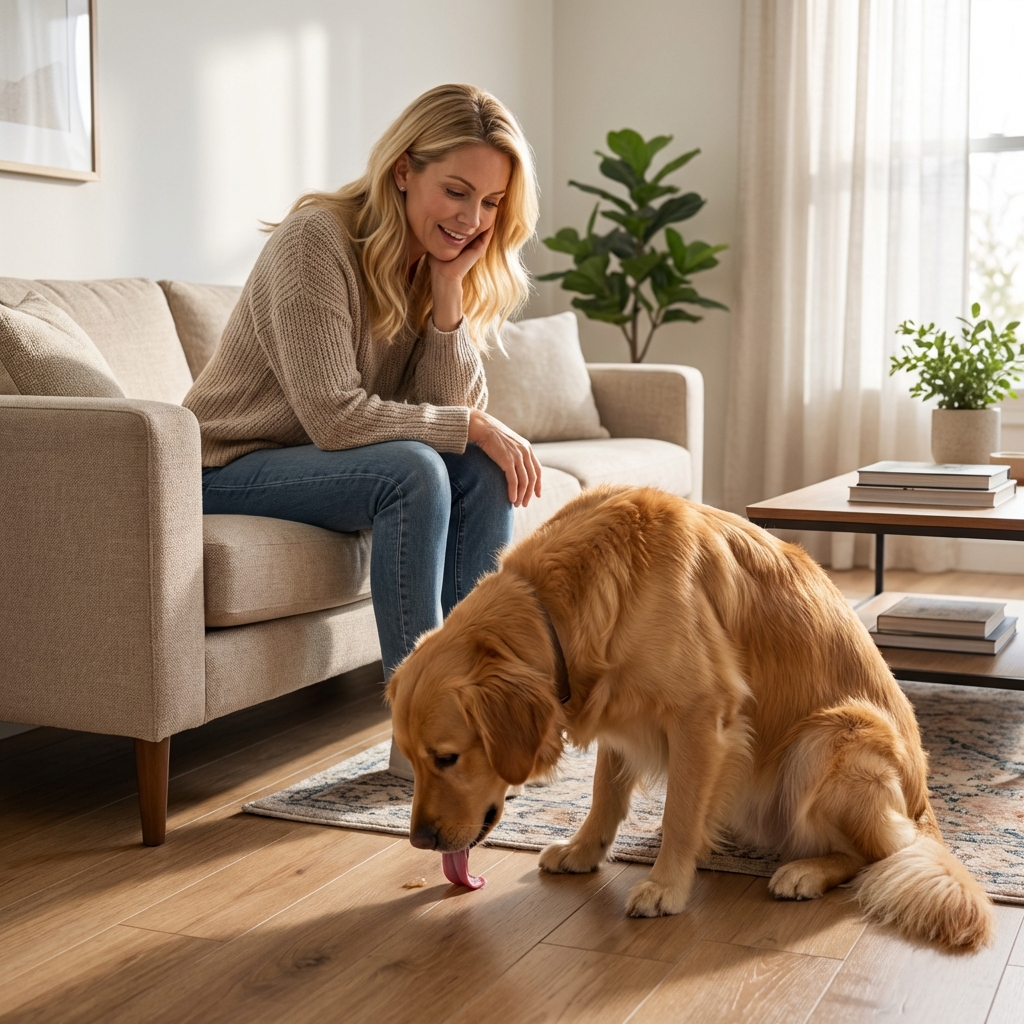
Licking is a natural canine behavior. Dogs use it to explore their world, settle themselves, and communicate. Many dogs will lick:
- After eating (to clean their lips)
- When grooming themselves
- To show affection (a few licks, not nonstop)
- When they smell something interesting on the floor or your skin
Normal licking tends to be brief, easy to redirect, and does not interfere with sleep, play, or eating.
Common reasons dogs lick everything
1) Smell plus taste
Dogs have an incredible sense of smell, and licking helps them gather even more information. A tiny spill you cannot see can be a full story to your dog. Floors, carpets, and sidewalks hold traces of food, sweat, cleaners, other pets, and outdoor scents.
2) Hunger, boredom, or habit
Some dogs lick because it is rewarding. Maybe they once found crumbs between couch cushions, or licking gets attention, even negative attention like “Stop that!” If your dog licks most when the household is quiet, when you’re on a call, or right before meals, habit and boredom may be part of the picture.
One simple example I see a lot: a dog starts licking the kitchen floor more after owners switch treats or begin eating dinner on the couch. Suddenly there are more interesting smells and more chances for a payoff.
- Clue: licking increases during downtime
- Clue: your dog can stop when given a toy or activity
3) Stress and anxiety
Licking can be self-soothing for many dogs, which is why it can become a coping strategy. Changes in routine, a new pet, loud construction, travel, separation anxiety, or even tension in the home can show up as increased licking.
Some dogs develop repetitive licking patterns that look compulsive. These dogs often seem “locked in” and may lick the same spot for long periods.
4) Nausea, reflux, or GI upset
This is one of the most common medical reasons I see in our clinic behind sudden, persistent licking. Dogs that feel nauseated may lick floors, carpets, or objects and may swallow repeatedly.
Possible GI contributors include:
- Acid reflux
- Gastritis (stomach irritation)
- Dietary indiscretion (getting into trash, fatty foods, table scraps)
- Food sensitivity or intolerance
- Inflammatory bowel disease (in some dogs)
- Parasites
Clues to watch for: lip smacking, drooling, grass eating, gulping, decreased appetite, vomiting, diarrhea, or waking up at night to lick.
5) Dental pain or mouth issues
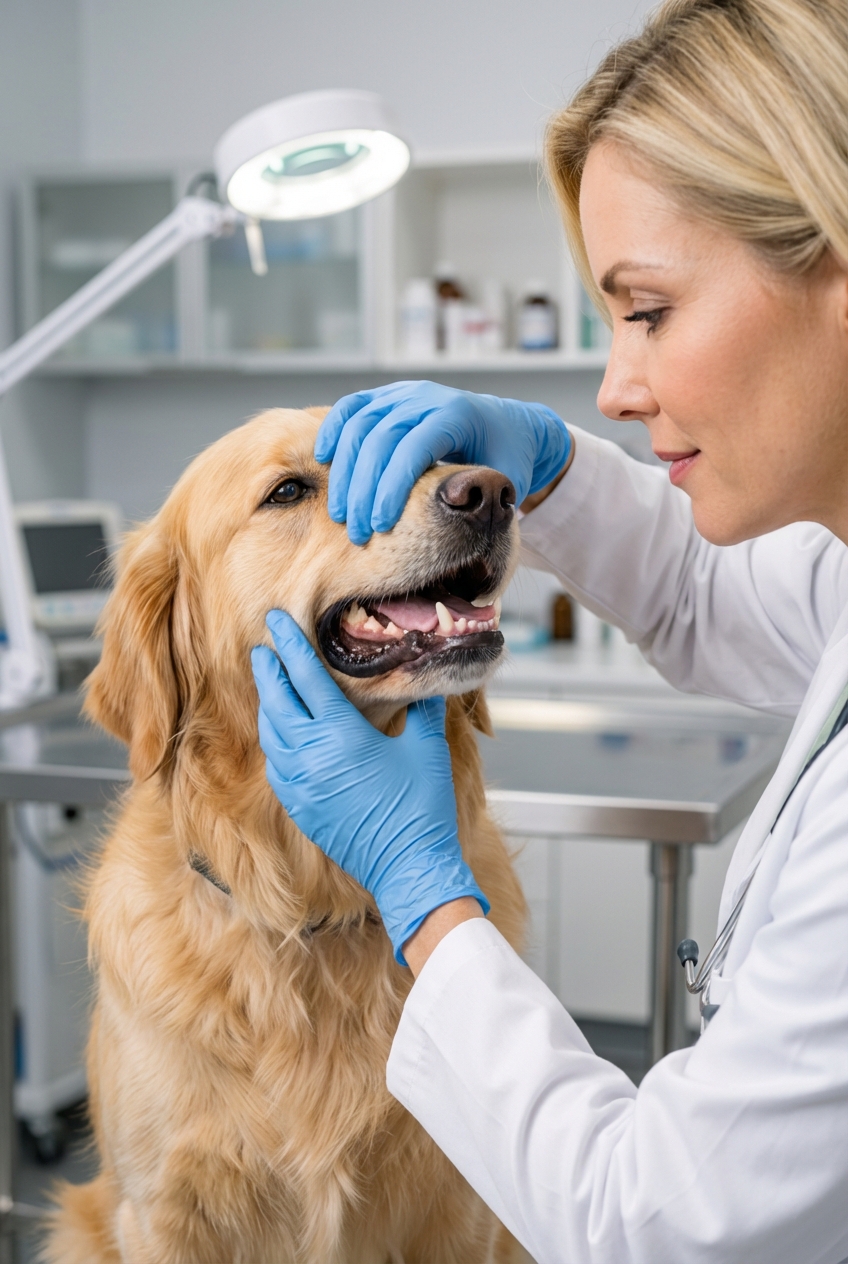
Mouth pain can make dogs lick more, paw at their face, or lick unusual surfaces. Dental disease is extremely common, especially in small breeds and many designer mixes.
Common oral causes include:
- Tartar and gum inflammation
- Broken or infected teeth
- Oral ulcers
- Foreign material stuck between teeth
- Mouth tumors (less common, but important to rule out)
6) Allergies and itch
If your dog is licking their paws, legs, belly, or rear end, allergies are a top suspect. Dogs often lick instead of scratch. Allergies can be environmental (pollens, dust mites, molds) or food-related.
Clues: paw licking, red toes, ear infections, itchy face, licking after walks, seasonal flares, or a “corn chip” smell between toes that can be associated with yeast or bacterial overgrowth. A vet exam is the best way to confirm what’s going on.
7) Pain or discomfort
Dogs sometimes lick surfaces when they are uncomfortable, especially if they are restless. Arthritis, neck or back pain, abdominal pain, and even urinary discomfort can show up as repetitive behaviors.
Clues: stiffness, reluctance to jump, panting at rest, changes in posture, or increased licking along with decreased activity.
8) Brain changes in older dogs
Senior dogs can develop cognitive dysfunction (similar to dementia) and may pace, stare, vocalize, or lick repetitively. Certain neurologic conditions can also cause odd behaviors.
Clue: new licking paired with confusion, changed sleep patterns, accidents in the house, or disorientation.
Is licking everything dangerous?
It can be. The biggest concerns are:
- Toxin exposure: floor cleaners, pesticides on lawns, xylitol (sweetener), antifreeze, medications dropped on the floor
- GI obstruction: licking can lead to swallowing fabric strings, hair, stuffing, or small objects
- Skin infections: constant licking of paws or skin can cause hot spots and secondary bacterial or yeast infections
If your dog starts licking floors after you mop or after being on treated grass, treat it as urgent. If you suspect chemical exposure, call your veterinarian right away or contact a pet poison hotline (fees may apply): ASPCA Animal Poison Control (888-426-4435) or Pet Poison Helpline (855-764-7661).
When to call your vet
Contact your veterinarian promptly if you notice any of the following:
- Sudden onset of intense licking that is unusual for your dog
- Vomiting, diarrhea, drooling, or repeated swallowing
- Loss of appetite, weight loss, or belly pain
- Blood in stool or vomit
- Paw licking with redness, swelling, odor, or limping
- Bad breath, dropping food, chewing on one side, or facial swelling
- Licking paired with lethargy, pacing, or trouble sleeping
- You suspect toxin exposure or your dog may have eaten something harmful
If you are ever unsure, it is completely appropriate to call your vet and describe the behavior. A quick conversation can save you a long, stressful night.
What your vet may do
If you come in for excessive licking, here is what many clinics (including ours) typically focus on first:
- History and patterns: when it started, what surfaces, any diet or routine changes
- Full physical exam: including checking for pain, nausea, skin irritation, and ear issues
- Oral exam: to look for dental disease, broken teeth, or foreign material
- Skin and paw checks: sometimes with cytology to look for yeast or bacteria
- Fecal testing: if parasites are a concern
- Diet trial or diet review: especially if allergies or GI sensitivity is suspected
- Bloodwork or imaging: if symptoms suggest a deeper GI issue, toxin exposure, or systemic illness
Even a short video of the behavior at home can help your veterinarian see what you are seeing.
What you can do at home
Step 1: Quick safety sweep
- Pick up dropped pills, gum, candy, nicotine products, or sugar substitutes
- Keep mop buckets and cleaning sprays out of reach
- Block access to litter boxes, compost, and trash
- Check for houseplants that may be irritating or toxic
Step 2: Track patterns for 3 to 5 days
Bring your vet better clues by noting:
- Time of day licking happens
- What surfaces are targeted (carpet, tile, couch, grass)
- Any diet changes, new treats, or table food
- Stool quality, vomiting, appetite, and energy
- Recent stressors (travel, guests, schedule changes)
This simple journal can help narrow down whether nausea, allergies, or boredom patterns are likely.
Step 3: Give a better licking outlet
If your dog seems calm but “busy-mouth,” offer a safe alternative:
- Stuffed food toy or slow feeder
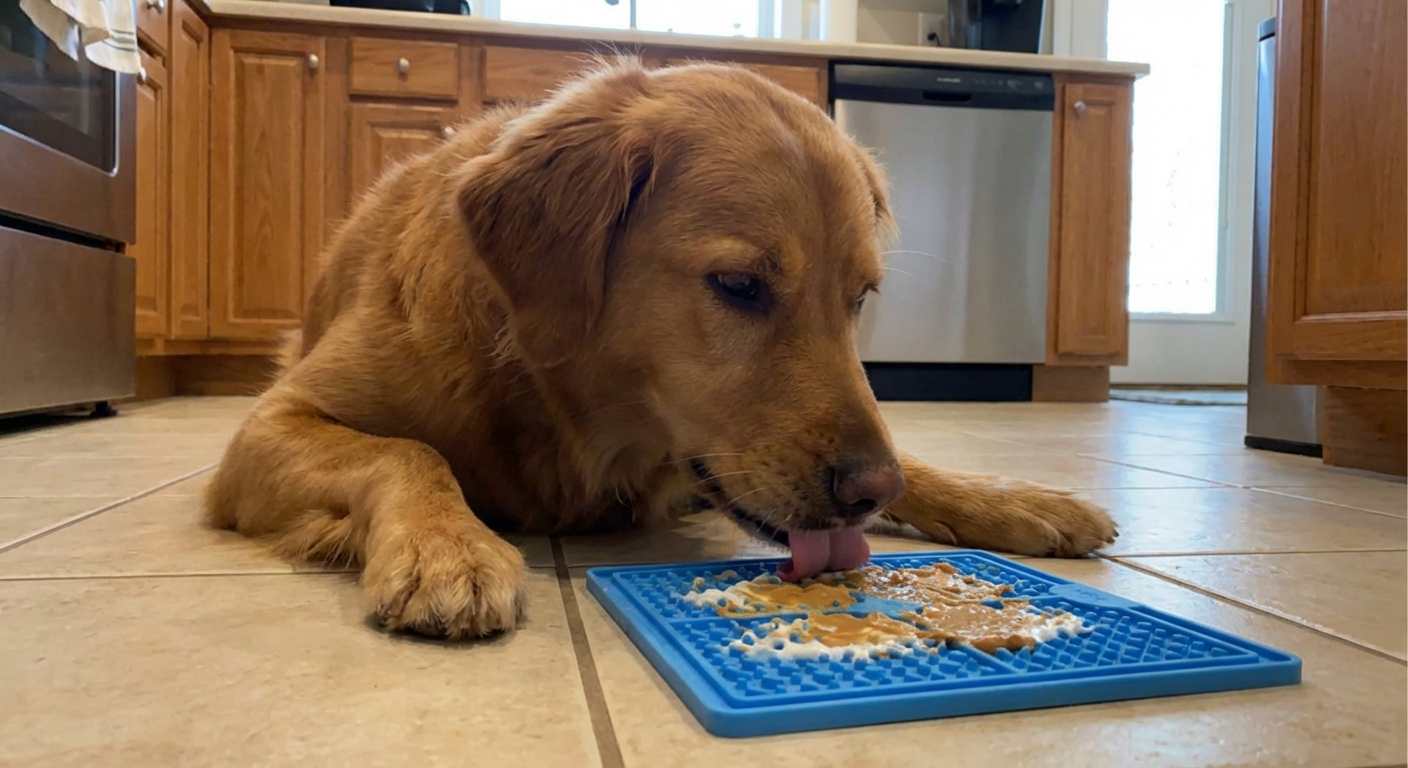
- Lick mat with a thin smear of plain yogurt or canned pumpkin (no xylitol, no added sugar)
- Frozen Kong-style toy using dog-safe ingredients
Quick safety note: keep portions small, and skip rich add-ins for dogs prone to pancreatitis or sensitive stomachs. Some dogs are lactose intolerant, so yogurt is not a fit for everyone.
These options meet the licking need without teaching your dog that floors and furniture are fair game.
Step 4: Support the gut gently
If your dog has mild signs of tummy upset but is otherwise bright and acting normal, talk with your vet about whether a short-term bland diet or a probiotic is appropriate. Do not give human antacids or anti-nausea medications unless your veterinarian instructs you to.
Step 5: Address itch early
If licking is focused on paws or skin, schedule a vet visit before it becomes a full-blown infection. Early care may include confirming parasite prevention is current, building an allergy plan, and treating yeast or bacterial overgrowth if present.
FAQ
Why does my dog lick the floor at night?
Nighttime licking is often linked with nausea, reflux, or anxiety. If it is new, frequent, or paired with gulping or drooling, a vet check is smart.
Why does my dog lick my legs and arms?
Sometimes it is affection or salt from sweat. If it becomes constant, consider stress, attention-seeking, or GI issues.
Why does my dog lick carpet or blankets?
Carpet and fabric can hold interesting smells (crumbs, cleaners, skin oils), but repetitive licking can also be a sign of nausea or anxiety. If the behavior is sudden, hard to interrupt, or paired with drooling or vomiting, call your vet.
Can licking mean my dog needs minerals?
True mineral deficiencies are less common than owners think, especially on a complete, balanced diet. Licking is more often related to behavior, nausea, or itch. If you feed homemade food, ask your veterinarian about balancing calcium, essential fatty acids, and key micronutrients.
The bottom line
Occasional licking is normal. Persistent licking is a clue. It may be as simple as boredom or as important as GI upset, dental pain, allergies, or toxin exposure. The best approach is to notice patterns, remove risks, and partner with your veterinarian when the behavior is intense, sudden, or paired with other symptoms.
If you would like a simple “licking checklist” tailored to your dog’s age, breed mix, diet, and routine, bring your notes to your next appointment and ask our team for help putting it together. You can also call ahead and let us know you want to discuss excessive licking so we can schedule the right type of visit.