Vet-assistant tips for mild dog tummy troubles: when it’s an emergency, how to hydrate, the best bland foods (chicken, rice, pumpkin), what to avoid, and h...
Article
•
Designer Mixes
Why Does My Dog Have Diarrhea?

Shari Shidate
Designer Mixes contributor
Diarrhea is a very common reason dogs end up at the veterinarian. The good news is that many cases are mild and short-lived. The not-so-good news is that diarrhea can also be an early warning sign of dehydration, infection, parasites, or something more serious.
As a veterinary assistant, I like to think of diarrhea as a symptom, not a diagnosis. This quick guide will help you sort out likely causes, what you can do at home, and when it is time to call your veterinarian.
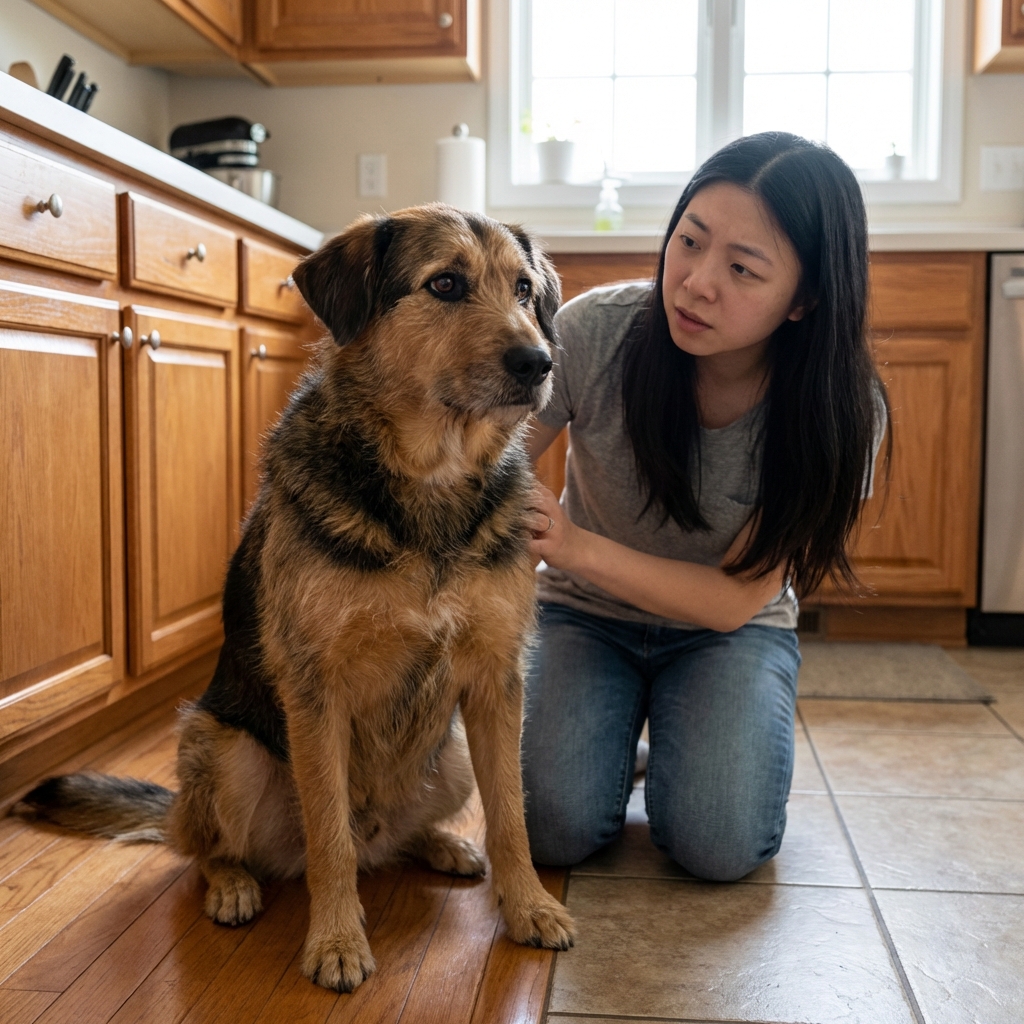
Fast triage: should you worry now?
Start with these two questions:
- Is my dog acting normal? Normal energy, normal appetite, and normal drinking are reassuring.
- Is there blood, black stool, or repeated vomiting? Those signs raise the urgency.
Call your veterinarian today (or urgent care) if you see:
- Blood in stool (bright red) or black, tarry stool (possible digested blood)
- Vomiting more than once, or vomiting plus diarrhea
- Severe lethargy, collapse, painful belly, fever, or obvious distress
- Dehydration signs: tacky gums, sunken eyes, weakness, or your dog cannot keep water down (or if you are not sure your dog is hydrated)
- Puppies, seniors, or dogs with chronic disease (kidney disease, diabetes, Addison’s disease, immune issues)
- Unvaccinated or under-vaccinated puppies, or possible exposure to parvovirus (diarrhea with vomiting, lethargy, or blood is especially concerning)
- Diarrhea lasting more than 24 to 48 hours even if your dog seems okay
- Possible toxin exposure (xylitol, grapes or raisins, rodent bait, human meds)
- Possible foreign body risk (toy pieces, socks, bones, corn cobs)
If your dog is bright and alert, hydrated, and eating, you often have a little time to do supportive care. When in doubt, call. A quick phone triage can save you a long night.
Common causes of diarrhea
Diarrhea usually happens when the intestines are irritated or inflamed and cannot absorb water properly. Here are the top causes I see most often:
Diet changes and “snacks”
- New food introduced too fast
- High-fat table scraps
- Garbage, compost, or something found on a walk
- Too many treats or rich chews
Stress and routine changes
- Boarding, travel, visitors, storms, new pets
- Even positive excitement can trigger stress colitis, especially in sensitive dogs
Parasites
- Giardia (often soft, foul-smelling stool, sometimes mucus)
- Roundworms, hookworms, whipworms
- Coccidia in puppies
Many parasites are not visible to the naked eye, which is why a fecal test matters even if you do not “see worms.”
Infections
- Viral or bacterial gastrointestinal infections
- Exposure risk increases in dog parks, daycare, shelters, and boarding facilities
Food sensitivity or allergy
- Chronic or recurring diarrhea can be tied to certain proteins or ingredients
- Sometimes you also see itchy skin, ear infections, or frequent licking
Chronic conditions
- Inflammatory bowel disease (IBD)
- Pancreatitis (often severe, may include vomiting and belly pain)
- Endocrine diseases like Addison’s disease
- Liver or kidney disease
What the stool can tell you
Pay attention to the details. It helps your veterinarian narrow the cause faster.
Watery diarrhea
- Often small-intestinal upset, infection, diet change, or parasites
- Higher risk of dehydration, especially in small dogs and puppies
Soft stool with mucus, frequent urgent trips
- Often large-intestinal irritation (colitis)
- Common clues include straining, increased frequency, and small amounts per trip
- Often triggered by stress or sudden diet changes
Bright red blood
- Can happen with colitis or straining
- Still worth a call, especially if it keeps happening or your dog feels unwell
Black, tarry stool
- More concerning, can suggest bleeding higher in the GI tract
- Seek veterinary care promptly
Helpful tip: Take a quick photo of the stool and write down frequency. It feels a little awkward, but it is genuinely useful in the exam room.
At-home care for mild diarrhea (adult dogs)
If your dog is acting normal, not vomiting, and you are not seeing red-flag signs, supportive care can help many cases settle within 12 to 24 hours.
1) Hydration first
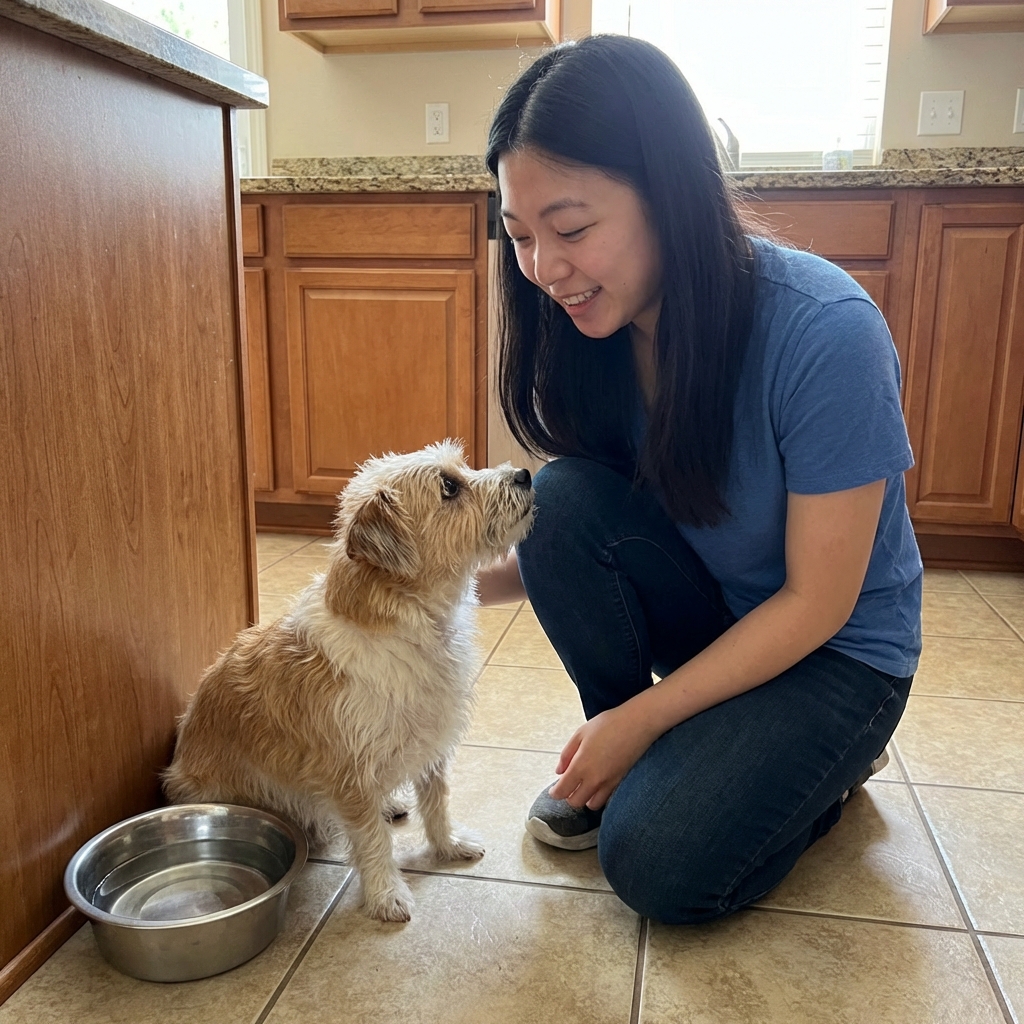
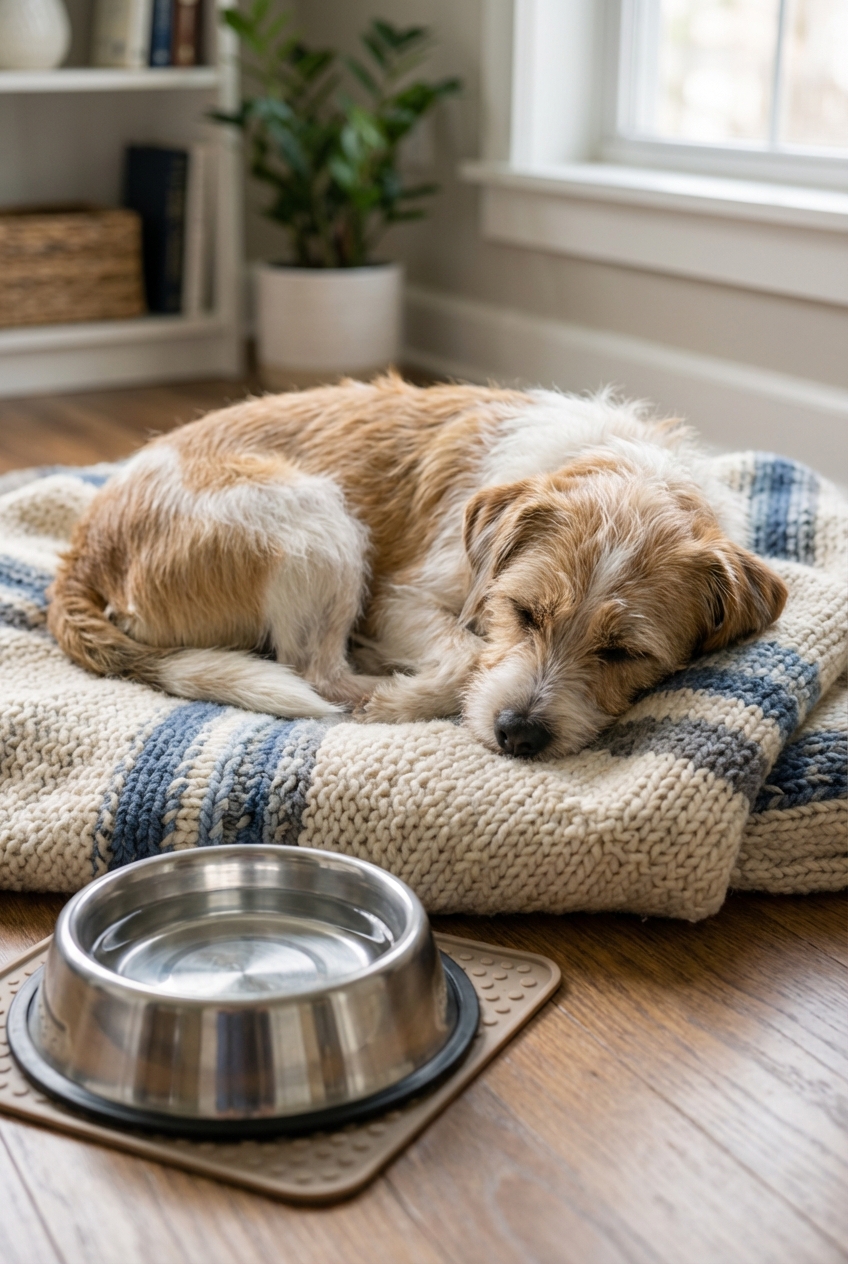
- Make fresh water available at all times.
- If your dog is willing, offer small, frequent sips.
- Do not force large amounts at once, especially if the stomach seems unsettled.
2) Food break (only if your veterinarian agrees)
Some veterinarians recommend a brief 8 to 12 hour break from food for healthy adult dogs to rest the gut. This is not appropriate for puppies, tiny breeds prone to low blood sugar, seniors with frailty, or dogs with medical conditions. If you are unsure, skip fasting and call your veterinarian.
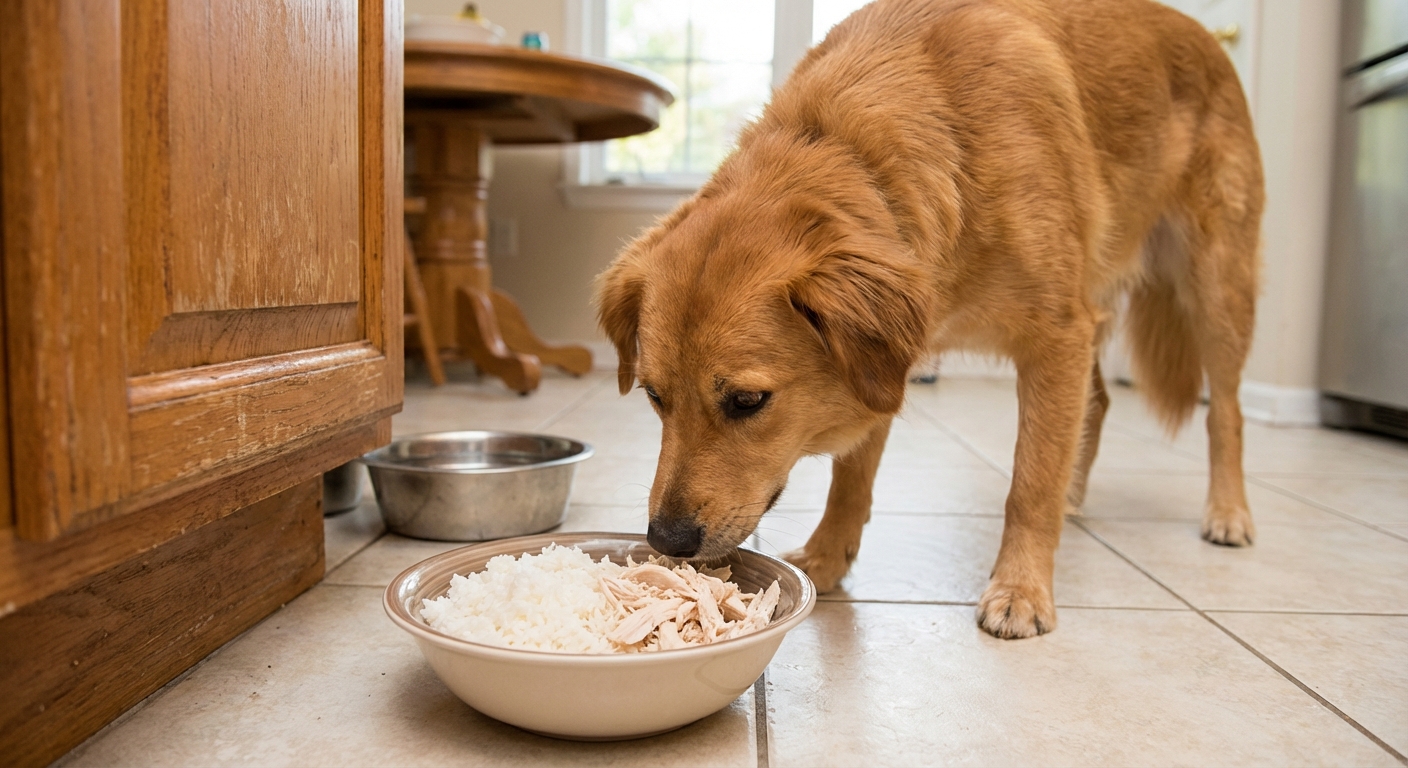
3) Bland diet for a short window
Try small meals 3 to 4 times daily:
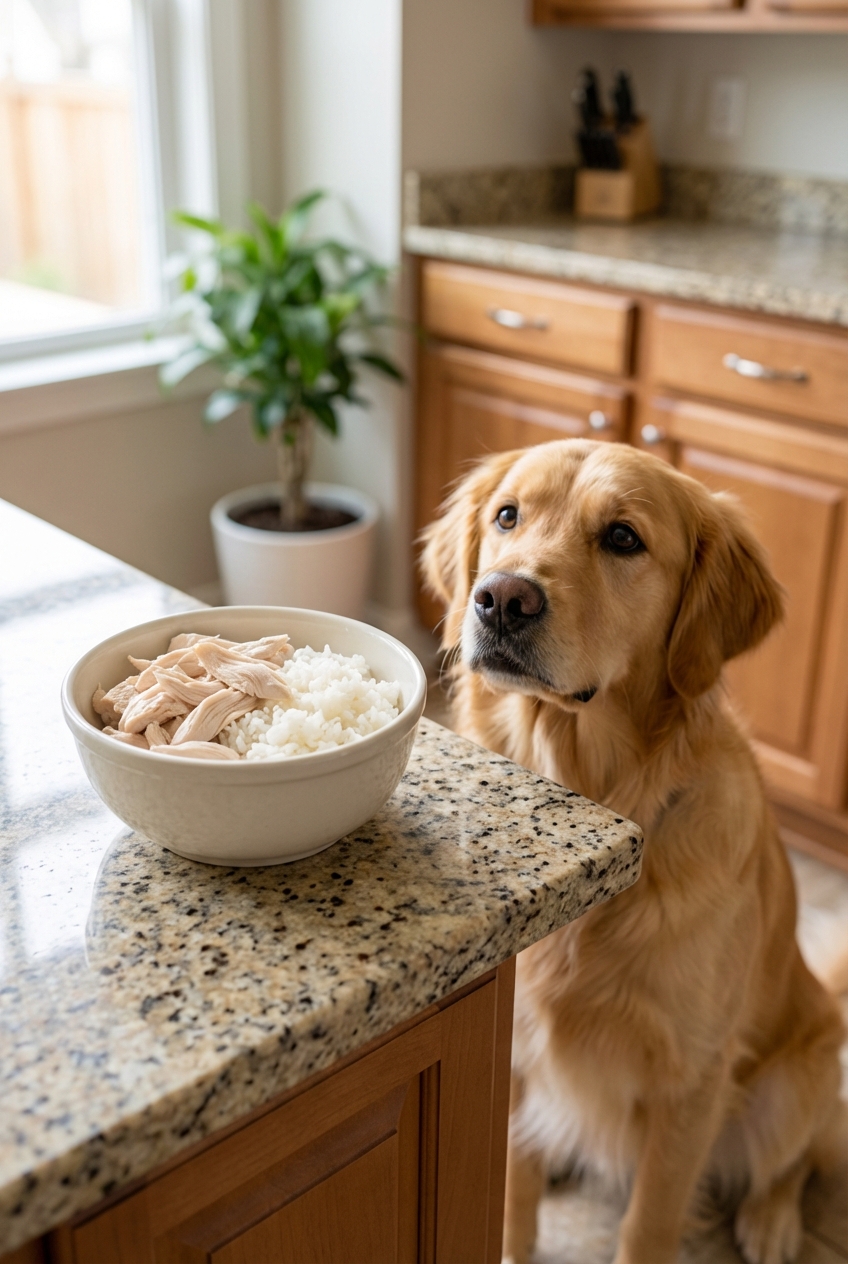
- Boiled skinless chicken breast or lean turkey
- White rice (or plain boiled potato)
Continue the bland diet until stool is back to normal, then keep it going for about another 24 hours. After that, gradually transition back to regular food over 2 to 3 days. Sudden switches can trigger another bout.
4) Probiotics may help
Veterinary probiotics may help shorten the duration of diarrhea in some dogs, depending on the cause and the product. Choose a pet-specific probiotic with veterinary-tested strains (your clinic can recommend one) and follow label directions. If your dog is immunocompromised, ask your veterinarian first.
What to avoid at home
- Do not give human anti-diarrheal medications unless your veterinarian specifically instructs you. For example, loperamide (Imodium) can be risky in some herding breeds with the MDR1 gene mutation and may be inappropriate with infectious diarrhea.
- Avoid fatty foods, dairy, rich treats, and new chews.
- Avoid heavy exercise until stool is back to normal and hydration is solid.
When to bring a stool sample
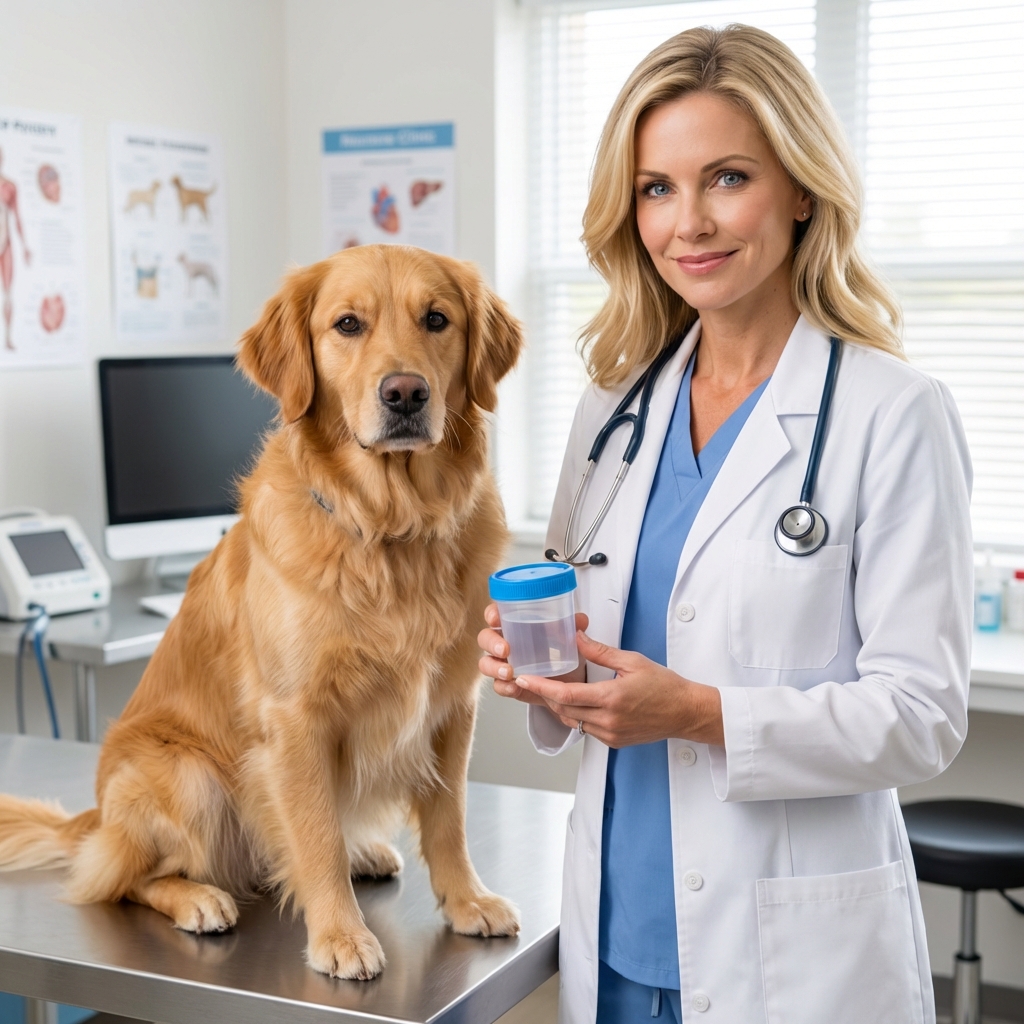
If diarrhea lasts more than a day or two, recurs, or your dog has a history of GI issues, a fecal test is one of the best next steps. Also, if diarrhea becomes chronic (more than 2 to 3 weeks) or keeps coming back, it warrants a veterinary workup even if it seems mild.
- Collect a fresh sample in a clean bag or container. About a teaspoon to a tablespoon is usually plenty.
- If you cannot drop it off right away, refrigerate it.
- Bring it to the clinic within 24 hours if possible.
- Tell the clinic how long symptoms have been happening and whether any other pets are affected.
Prevention basics
You cannot prevent every stomach upset, but these habits reduce the most common triggers.
- Transition foods slowly over 7 to 10 days.
- Keep trash secured and block access to compost.
- Use parasite prevention consistently and do routine fecal checks as recommended by your veterinarian.
- Choose treats wisely and keep them to about 10 percent of daily calories.
- Go easy on high-fat people food, especially if your dog has a history of pancreatitis.
- Support gut health with a consistent, high-quality diet and veterinarian-approved probiotics when stress is expected (travel, boarding).
Quick checklist for your veterinarian
If you end up calling or visiting, these details help your veterinary team move faster:
- When diarrhea started
- How many times per day
- Any vomiting, appetite changes, or lethargy
- Any blood, mucus, black stool, or straining
- Diet and recent changes, treats, new chews
- Possible trash or toxin exposure
- Travel, boarding, dog park visits
- Current medications and supplements
If your gut says “this is not my normal dog,” trust that instinct. Diarrhea is common, but your dog’s behavior and hydration status are what guide urgency.