A practical, vet-guided checklist for dog dry skin: what flakes and itch can mean, red flags to watch for, safe home care steps, and when to book a vet visit.
Article
•
Designer Mixes
Why Does My Dog Have Dandruff?

Shari Shidate
Designer Mixes contributor
If you have ever brushed your dog and watched little white flakes “snow” onto the floor, you are not alone. Dandruff in dogs is fairly common, and most of the time it is manageable once you understand the cause. As a veterinary assistant here in Frisco, Texas, I see this a lot, especially when seasons change, homes get drier, or a dog’s grooming routine is not quite the right fit.
The tricky part is that dandruff is not one single problem. It is a symptom. Sometimes it is simply dry skin. Other times it is allergies, parasites, infection, or an underlying health issue that needs veterinary support. Let’s walk through the most common reasons and what you can do today to help your pup feel comfortable again.
What dog dandruff is
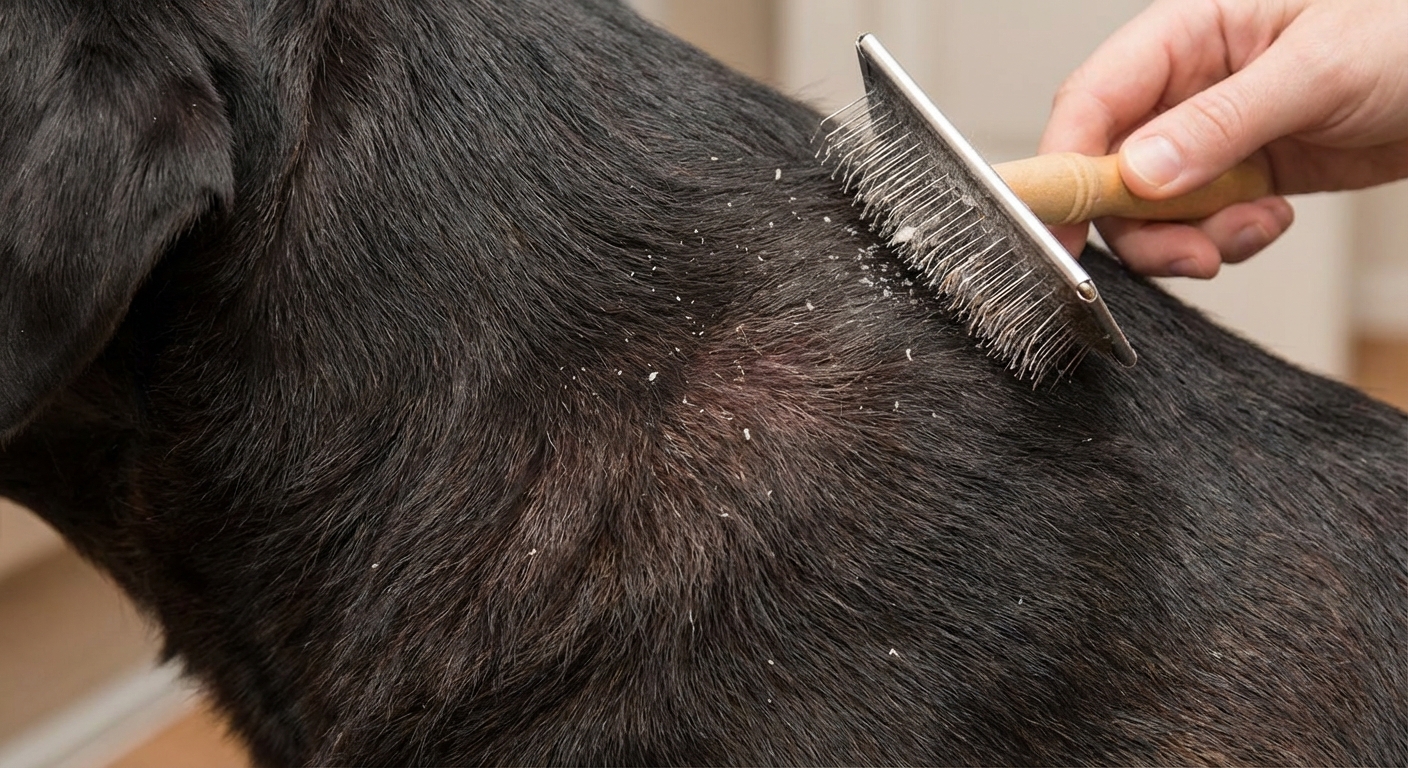
Dandruff is a buildup of dead skin cells (flakes) that become visible on your dog’s coat. You might also notice:
- Itchiness or rubbing on furniture
- Redness or a dull, brittle coat
- Greasy coat and/or odor
- Small bumps, scabs, or hair thinning in patches
Dry, flaky skin is the most common, but greasy dandruff can happen too. Greasy flakes can be associated with yeast overgrowth, seborrhea, or hormonal issues, so they deserve closer attention.
Common reasons dogs get dandruff
1) Dry air and low humidity
This is a big one in winter, and it can also happen year-round if your home’s AC runs constantly. Low humidity dries out skin, just like it does for people.
2) Bathing too often or using the wrong shampoo
Many human shampoos and some heavily scented pet shampoos strip the skin’s natural oils. Overbathing can also leave skin tight and flaky. And if your dog smells “doggy,” more baths are not always the answer. Odor can be normal, but it can also be a clue that skin, ears, or even other issues are brewing, so it is worth paying attention to what else you are seeing.
3) Allergies (environmental or food-related)
Allergies can inflame the skin barrier, which leads to flakes, itching, and recurring ear issues. Environmental allergies are very common in Texas, including grasses, molds, and dust mites.
4) Parasites (fleas, mites, or Cheyletiella “walking dandruff”)
Some mites cause intense flaking that can look like dandruff moving across the coat. Fleas can also trigger flaky, irritated skin, especially near the tail base.
Quick heads up: Cheyletiella can be contagious to other pets and may cause itchy bumps in people. If you suspect “walking dandruff,” contact your veterinarian promptly and limit close contact until your dog is evaluated.
5) Skin infections (bacterial or yeast)
When the skin barrier is compromised, bacteria or yeast can overgrow. You may see greasy flakes, redness, odor, or darkened skin. Many dogs with true infection need prescription therapy, not just a new shampoo.
6) Nutrition issues
Skin and coat are incredibly sensitive to diet quality. Dogs often need adequate protein, essential fatty acids (especially omega-3s), and key vitamins and minerals. A diet that is low in bioavailable nutrients can show up as dry, flaky skin.
7) Poor grooming, matting, or reduced self-grooming
Flakes can build up when dead hair and skin are not being removed regularly. Heavy coats, matting close to the skin, and even obesity (which can limit twisting and self-grooming) can contribute.
8) Underlying medical conditions
Hypothyroidism, Cushing’s disease, and other systemic problems can cause coat changes and dandruff. If your dog has low energy, weight changes, increased thirst, or recurring skin problems, a vet visit is important.
At-home checklist
These clues help you decide whether you can start with basic care or need veterinary support sooner.
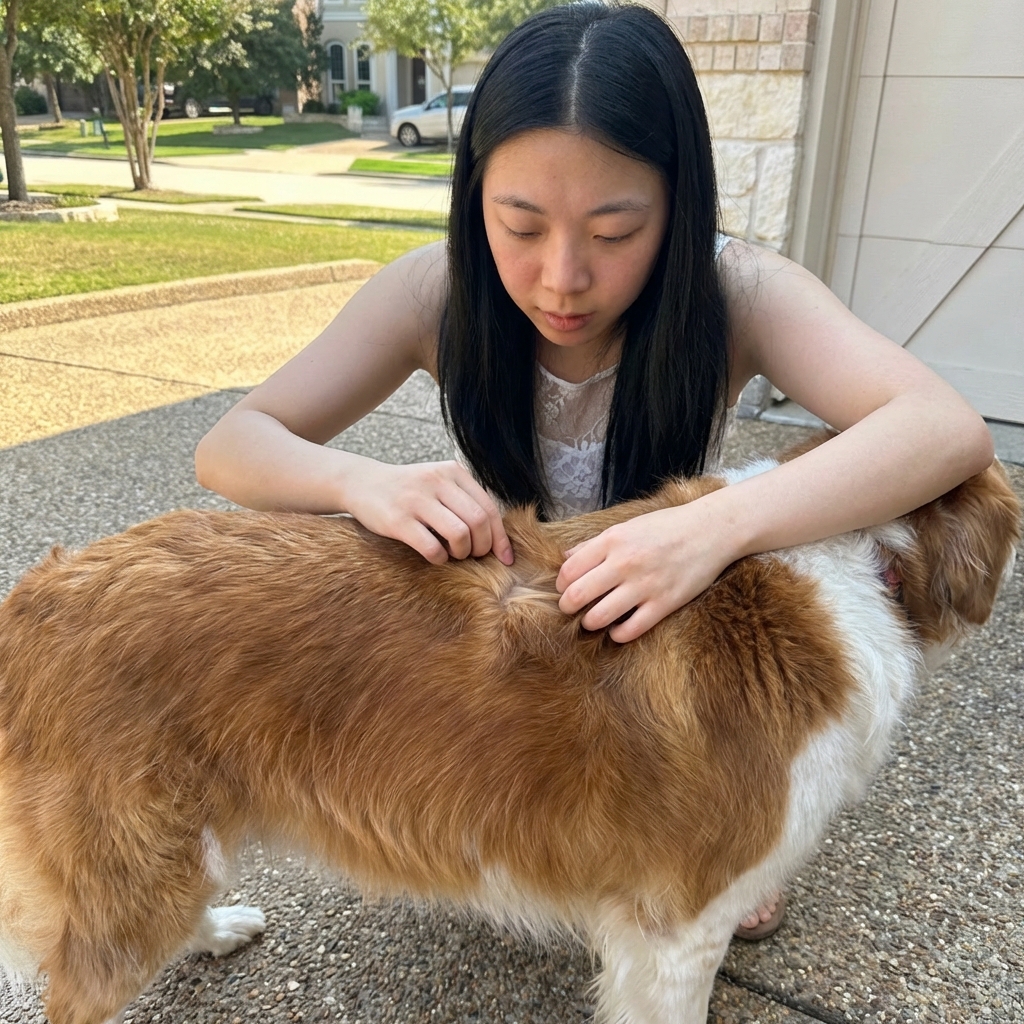
- Location: Is flaking mostly along the back, near the tail, or all over?
- Itch level: Mild, moderate, or constant scratching?
- Greasy vs. dry: Dry flakes often respond to moisture and grooming. Greasy flakes can go along with infection or seborrhea and may need medication.
- Any pests: Flea dirt (black specks), fleas, or tiny moving flakes?
- Other symptoms: Ear infections, paw licking, redness, hair loss, odor, appetite or energy changes.
Care tips that help
Brush more, bathe smarter
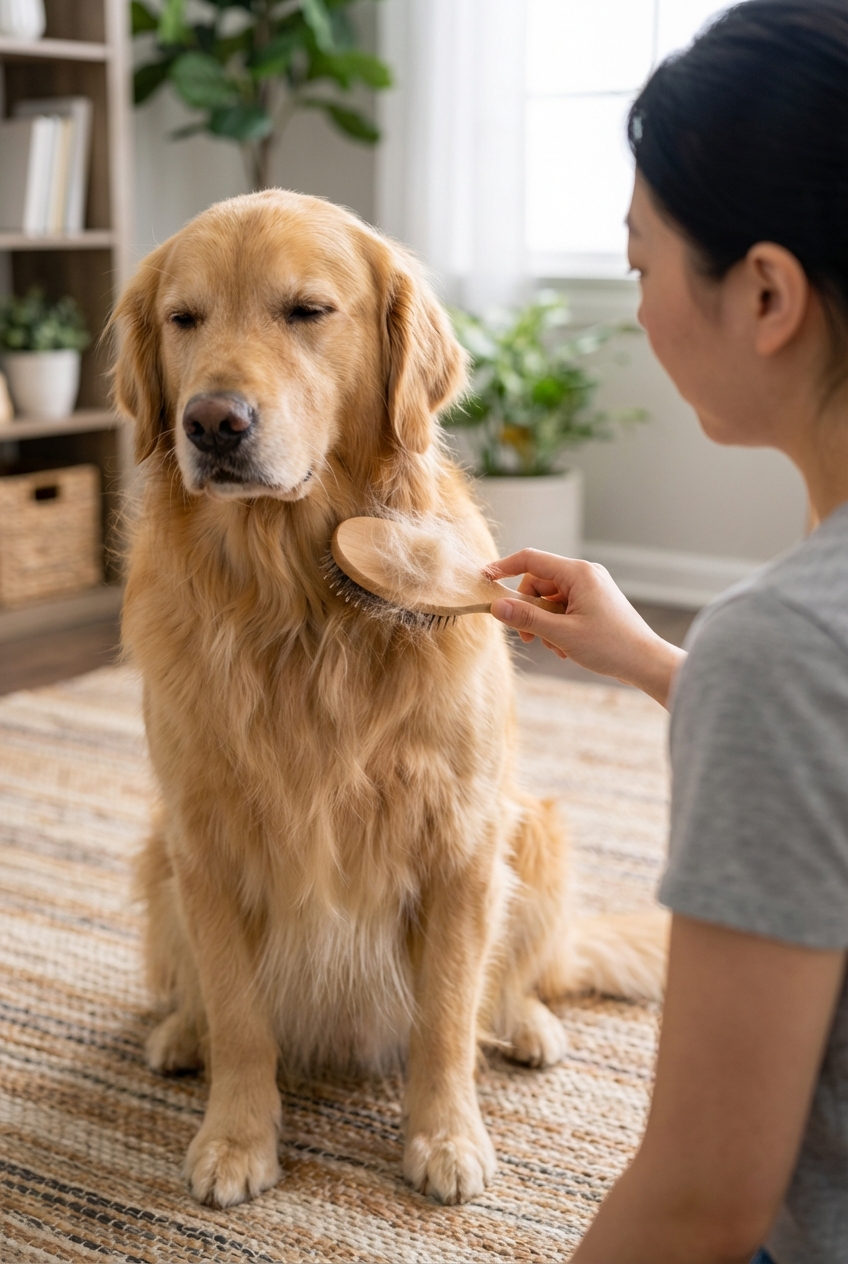
Gentle brushing removes flakes, spreads natural oils, and improves circulation.
- For short coats: a rubber curry brush works well.
- For medium and long coats: a slicker brush plus a comb helps reach the skin.
- For heavy shedders: an undercoat rake can help, but be gentle so you do not irritate the skin.
When you do bathe, choose a dog-specific moisturizing shampoo. Oatmeal can be soothing for dry, irritated skin, but if yeast is suspected, ask your vet about a medicated antifungal or antibacterial shampoo instead of soothing formulas. If your dog has recurring dandruff, your vet can help match the shampoo type to what they see on the skin.
Support the skin barrier with hydration
Consider a humidifier in the room where your dog sleeps. Also make sure fresh water is always available. If your dog eats only dry kibble, talk to your vet about adding moisture safely through balanced wet food or vet-approved toppers.
Nutrition support: omega-3s matter
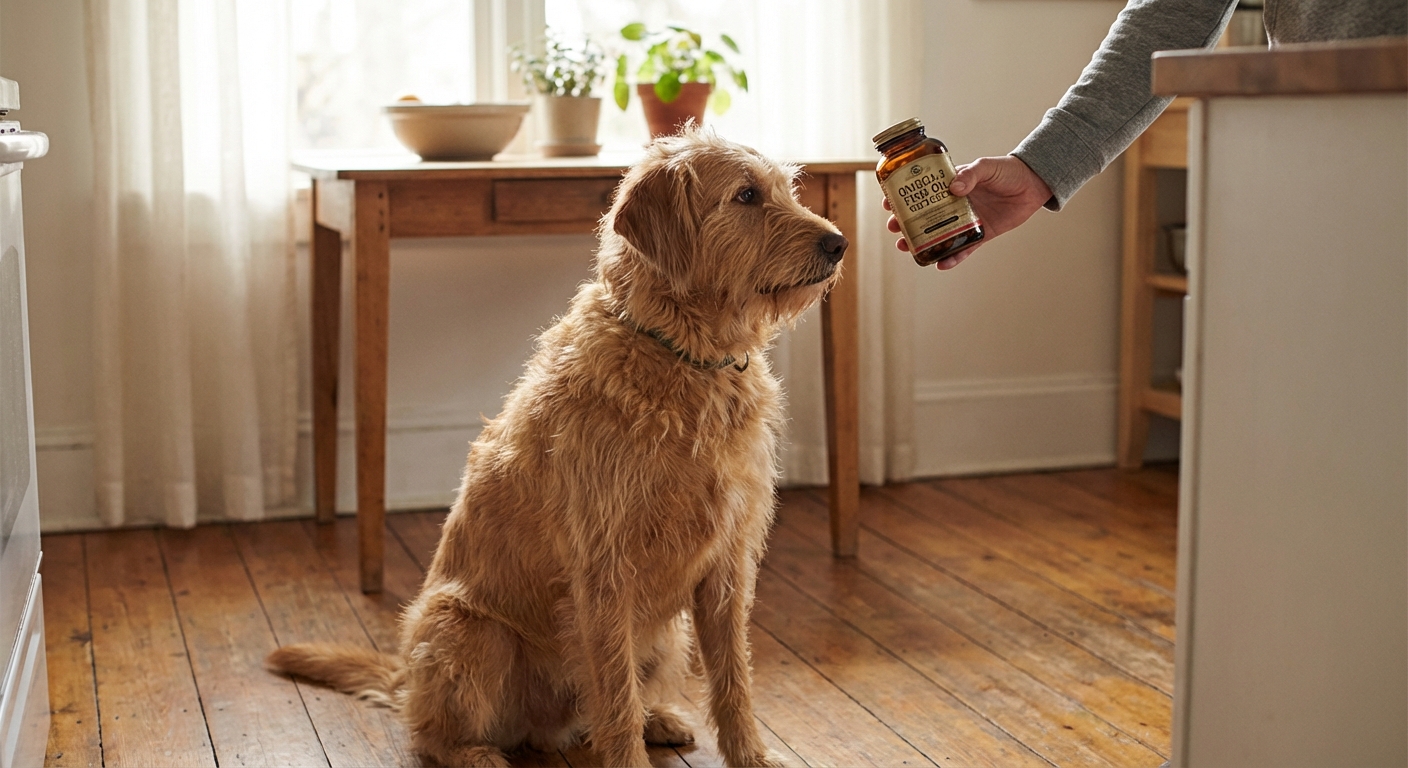
Omega-3 fatty acids (EPA and DHA) have good evidence for supporting skin health and reducing inflammation. Fish oil is commonly used, but dosing and quality matter. Ask your veterinarian for a dose based on your dog’s weight and any medical conditions.
Safety note: Avoid flavored “human gummy” supplements or products that contain xylitol, and do not assume more is better. Too much fish oil can cause GI upset and may affect clotting, which is another reason vet dosing is important.
If you are moving toward whole foods, go slowly. Skin improvements often take several weeks because hair growth cycles take time.
Do not skip parasite prevention
Even indoor dogs can pick up fleas or mites. Stay consistent with vet-recommended preventatives. If you suspect mites or “walking dandruff,” you need a vet exam because many over-the-counter options do not target the right parasite or the right life stage.
Training tips to reduce scratching
Here is the bridge I share with a lot of families: while you address the skin cause, reducing the scratch and lick cycle helps protect the skin barrier so it can actually heal.
Teach a “leave it” for licking or biting
- Reward your dog for choosing a chew toy instead of licking paws.
- Use short sessions, 1 to 3 minutes, a few times a day.
- Keep rewards high value so your dog has a reason to switch activities.
Offer soothing enrichment
Enrichment can reduce stress, and stress can worsen skin flare-ups for some dogs.
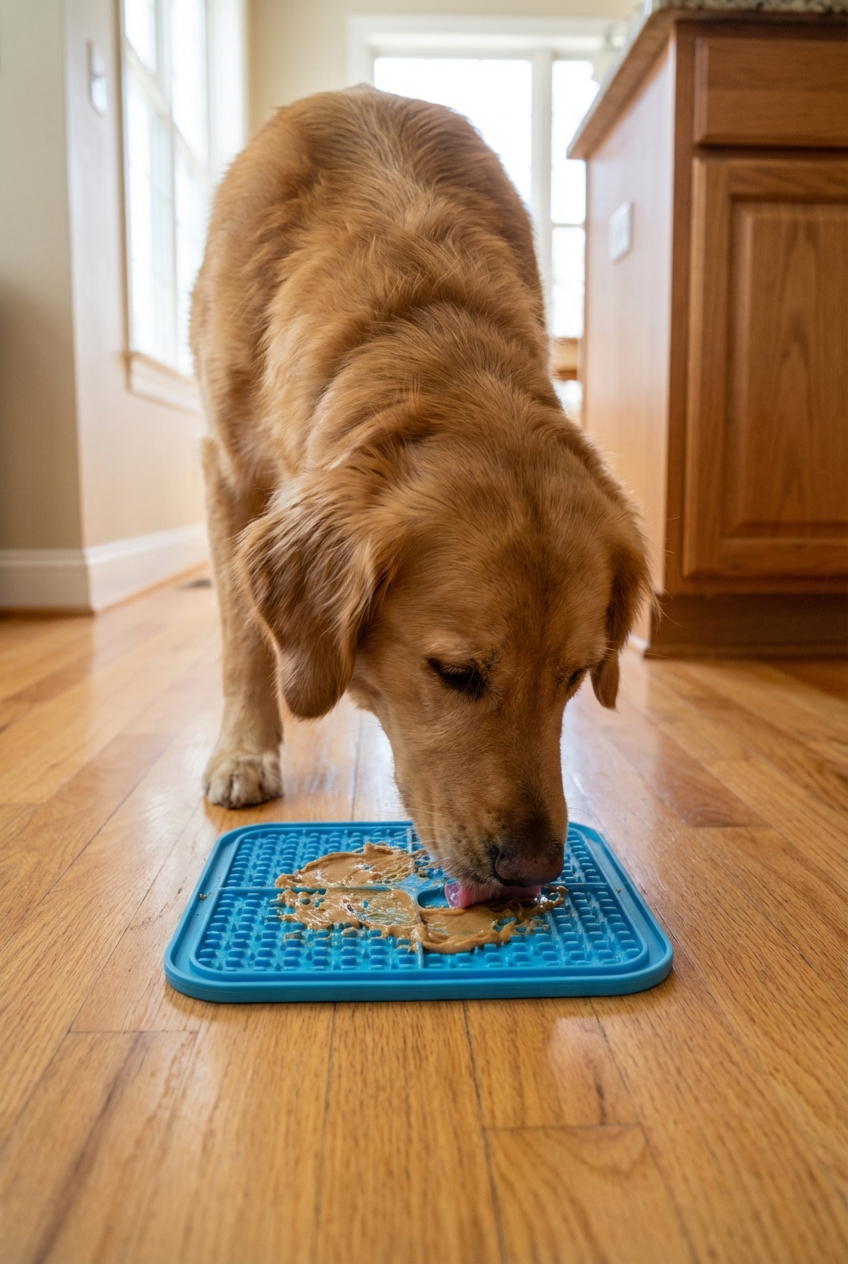
- Frozen lick mats with vet-approved ingredients
- Snuffle mats to encourage calm sniffing
- Gentle walks during low pollen times if allergies are suspected
Prevent skin trauma
If your dog is scratching hard enough to break skin, use an e-collar or soft recovery collar temporarily and call your vet. Secondary infections can start once the skin is damaged, and the longer the cycle goes on, the harder it can be to calm down.
What not to do
- Do not use human dandruff shampoo unless your veterinarian specifically tells you to. Ingredients and pH are not the same for dogs.
- Skip essential oils on the skin or in shampoos unless your vet approves. Some are irritating, and some can be toxic to pets.
- Do not bathe daily to “wash the flakes off.” Overbathing often makes the skin barrier worse.
- Do not start a random elimination diet without a plan. Food trials work best when they are structured and strict, and your vet can guide you.
When to call the vet
Please reach out to your veterinarian promptly if you notice any of the following:
- Dandruff with strong odor, greasy coat, or yellow crusting
- Hair loss, open sores, or bleeding from scratching
- Intense itching or head shaking and ear redness
- Flakes that seem to move (possible mites)
- Symptoms lasting more than 2 to 3 weeks despite gentle care
- Weight change, low energy, increased thirst, or appetite changes
Your vet may recommend skin scrapings, cytology (looking for yeast or bacteria), parasite testing, allergy management, or bloodwork to rule out endocrine causes. Treatment may include medicated shampoos, itch control medications, antibiotics, antifungals, or prescription parasite therapy. The goal is to treat the root issue, not just the flakes.
Simple weekly routine
If your dog is otherwise healthy and you are dealing with mild dandruff, this routine can help many families:
- 2 to 4 times per week: gentle brushing for 5 to 10 minutes
- Weekly: check ears, paws, and the skin near the tail for fleas or irritation
- Every 3 to 6 weeks: bathe as needed with a vet-approved dog shampoo
- Daily: fresh water, consistent parasite prevention, and balanced nutrition
Most dandruff improves when you combine smart grooming, skin-friendly nutrition, and a quick vet check when symptoms are persistent or intense. You do not have to guess your way through it.