Vomiting or diarrhea can be scary. Learn common causes, vet red flags, and safe at-home steps like hydration and bland meals—plus what not to do and when t...
Article
•
Designer Mixes
Why Does My Dog Always Lick Me?

Shari Shidate
Designer Mixes contributor
As a veterinary assistant here in Frisco, Texas, I hear this question a lot: “Why does my dog always lick me?” Some licking is totally normal and even sweet. But constant licking can also be your dog’s way of asking for something, coping with stress, or showing that a habit has accidentally been rewarded.
Let’s walk through the most common reasons dogs lick, when to worry, and how to gently train a better alternative without hurting your bond.
What licking means to dogs
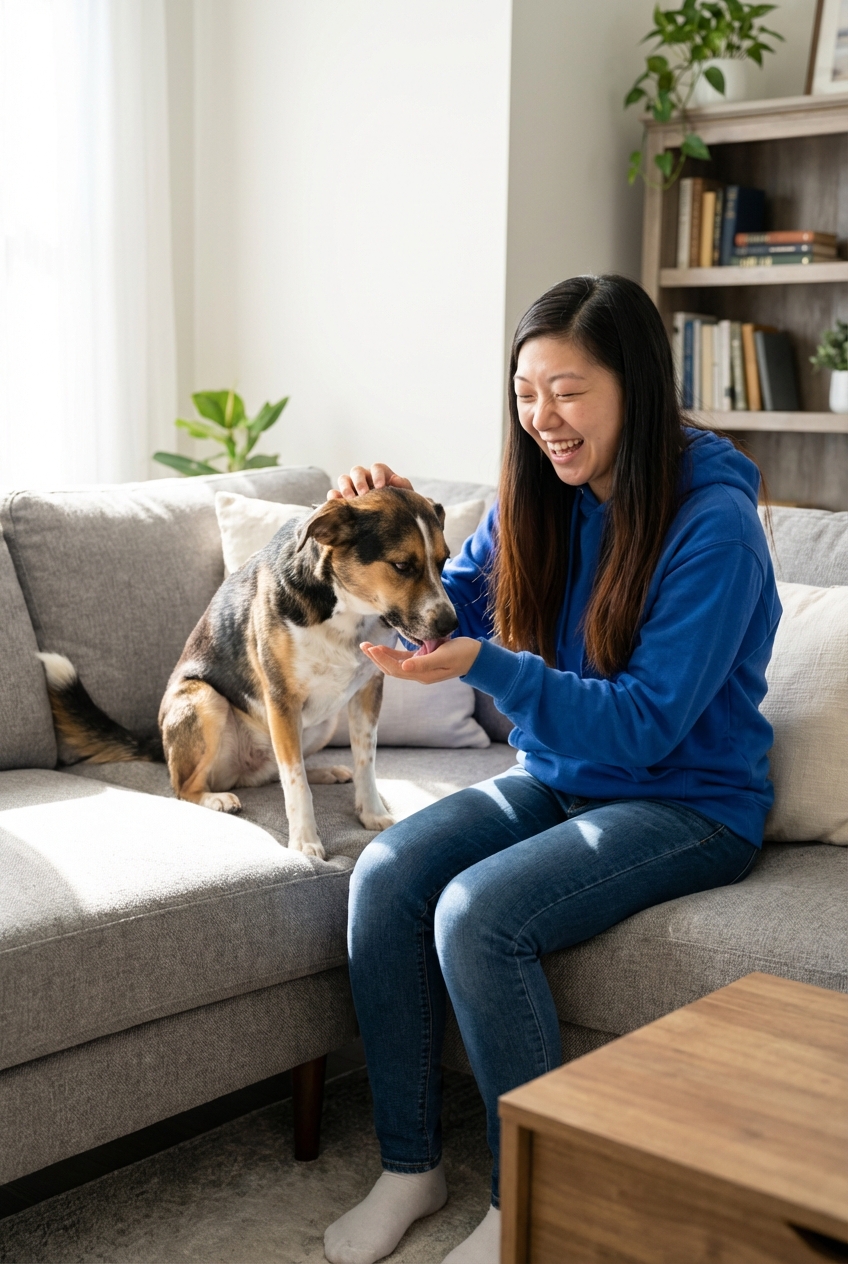
Licking is a natural dog behavior. Puppies lick their mom and littermates, and adult dogs lick to explore, communicate, groom, and self-soothe. For many dogs, licking humans is simply part of social bonding.
That said, frequency matters. A few quick licks can be affectionate. Long, repetitive licking that is hard to interrupt can signal stress, nausea, itchy skin, pain, or a learned attention-seeking routine.
One quick distinction I find helpful in the exam room: licking people is often social, habit-based, or stress-related, while licking paws or floors more often points to itchiness, GI upset, or discomfort. There is overlap, so patterns matter.
Top reasons your dog licks you
1) Affection and bonding
Many dogs lick people they love. It’s similar to social grooming. You will often see relaxed body language: soft eyes, loose posture, wagging tail, and a calm demeanor.
2) You taste good (salt, lotion, food)
Human skin can be salty, and dogs are powerful scavengers. If you just worked out, used scented lotion, or handled food, your dog may be doing what dogs do best: investigating by licking and gentle mouthing.
3) They are asking for attention
This one is very common. If licking makes you talk, laugh, pet, or even push your dog away, your dog may interpret that as interaction. Over time, licking becomes a reliable “button” to press for attention.
4) Stress relief and self-soothing
Licking can be soothing for some dogs, similar to how chewing can help them settle. Many owners notice more licking during changes in routine, visitors, loud noises, or when a dog is having trouble relaxing.
5) Anxiety and compulsive behavior
If licking is intense, repetitive, and seems hard for your dog to stop, it can become a compulsive pattern. This is especially concerning if your dog also licks surfaces, paws, or the air, or appears restless and unable to settle.
6) Nausea or stomach upset
In the clinic, we often hear that dogs lick hands, floors, furniture, or their lips when they feel nauseated. It is not a sure thing, but it can be a sign. If your dog suddenly increases licking and also shows drooling, gulping, decreased appetite, or grass-eating, consider a stomach issue.
7) Pain or discomfort
Dogs sometimes lick as a coping behavior when they hurt. Arthritis, dental pain, or other chronic discomfort can contribute to clingy or repetitive behaviors. It is not always obvious, especially in stoic dogs.
8) Skin irritation or allergies (and you are the target)
If your dog is itchy and already in a licking mindset, they may lick you more too. Allergies can cause paw licking, ear infections, and generalized itchiness. If your dog’s licking comes with scratching, red skin, or ear odor, allergies may be in the picture. Here in North Texas, seasonal allergies can be a big trigger for some dogs.
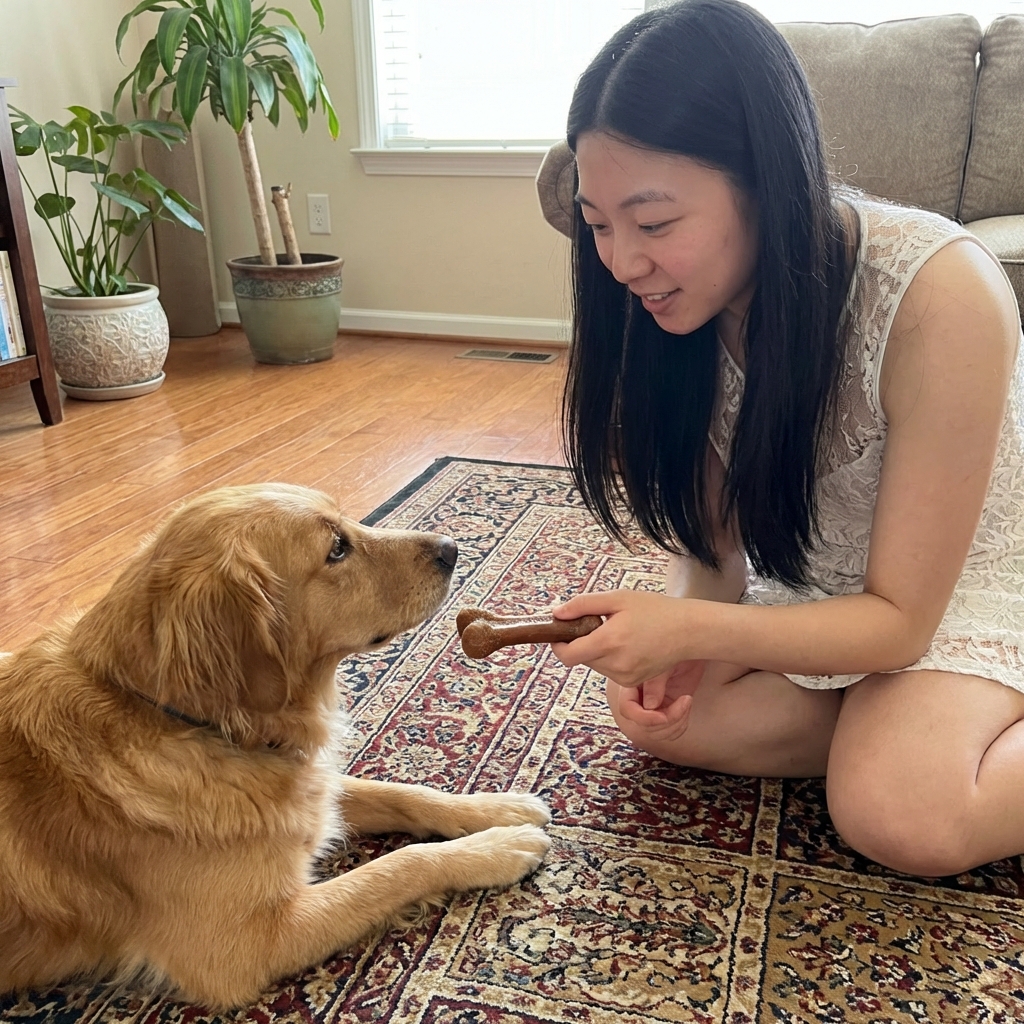
Is it safe to let my dog lick me?
In most households, occasional licking on intact skin is low risk, but it is not risk-free. Dog mouths carry bacteria, and the bigger concern is licking open cuts, sores, or areas near your mouth and nose.
There are also rare but serious infections that can occur from dog saliva, especially in people with weakened immune systems. One example veterinarians sometimes mention is Capnocytophaga. It is uncommon, but it is a good reminder to use extra caution if you are higher risk.
- Avoid licking if you are immunocompromised, undergoing chemotherapy, on immune-suppressing medications, or have fragile skin.
- Skip face licking, especially around the mouth, eyes, and any piercing sites.
- Use extra boundaries with kids. Toddlers’ faces, hands, and scraped knees are easy targets, so aim for “kisses on clothes” and wash hands after play.
- Wash your hands after heavy licking, especially before eating or handling food.
When licking is a red flag
Call your veterinarian or schedule a checkup if you notice any of the following:
- Sudden increase in licking that is new for your dog
- Licking paired with vomiting, diarrhea, drooling, gulping, or appetite changes
- Licking that seems frantic, hard to interrupt, or happens for long periods
- Paw licking with redness, swelling, odor, or hair loss
- New bad breath, dropping food, or chewing on one side (possible dental pain)
- Behavior changes like hiding, irritability, or restlessness
Care tip: when a behavior changes quickly, we want to rule out medical causes first because pain, nausea, and skin irritation can all show up as “behavior” at home. Training works best when your dog feels well.
Care and training tips that work
Step 1: Find the pattern
Ask yourself:
- Does licking happen at the same time every day (after dinner, when you sit on the couch, when you get home)?
- Does it happen more when your dog is tired, excited, or anxious?
- Does licking stop if you offer a chew, toy, or enrichment activity?
This quick detective work helps you choose the right solution.
Step 2: Do not reward the licking
If your dog licks and you pet, talk, or make eye contact, your dog may think, “It worked.” Instead:
- Keep your face neutral.
- Quietly remove your hand or stand up.
- Redirect to an appropriate behavior right away (see next step).
If you need a simple rule: licking makes attention go away, calm behavior makes attention come back.
What not to do: avoid yelling, physical corrections, or “alpha” approaches. Also skip bitter sprays on your skin. They can irritate skin, and they do not teach your dog what to do instead.
Step 3: Teach a replacement behavior
Dogs do better when we teach what to do, not only what not to do. Great options:
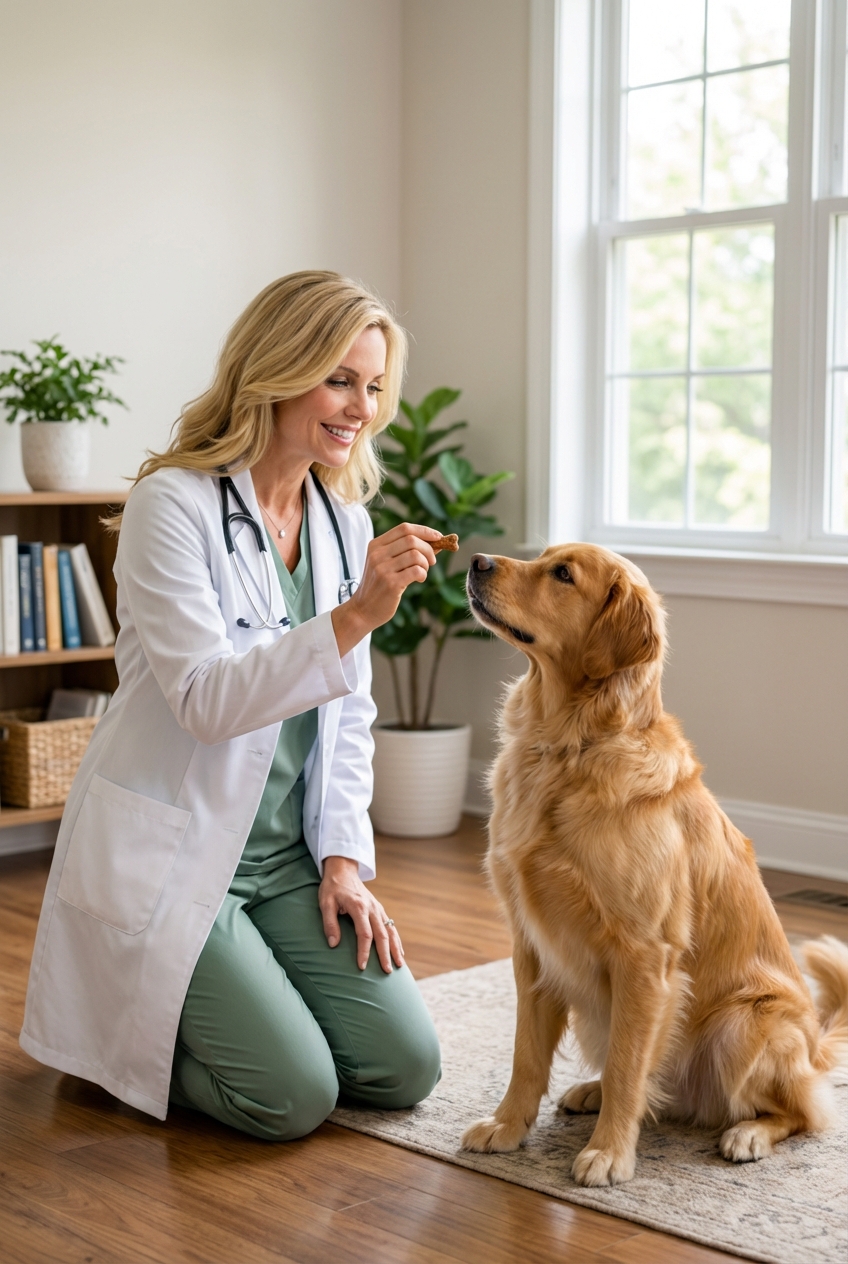
- “Sit” for greetings: reward a sit with petting or a treat.
- “Touch” (nose to hand): gives your dog a job that is polite and easy.
- “Place” on a mat: especially helpful for dogs who lick on the couch because they cannot settle.
Keep sessions short and upbeat. Reward generously at first, then gradually reduce treats as the habit strengthens.
Step 4: Meet the same need with enrichment
If licking helps your dog self-soothe, offer soothing alternatives:
- Food puzzle toys
- Lick mats with dog-safe fillings (plain yogurt, pumpkin, or canned food, depending on your dog’s diet)
- Long-lasting chews appropriate for your dog’s size and chewing style
- Sniff walks or “find it” games in the house
When dogs get their needs met, nuisance behaviors often fade.
Step 5: Manage high-lick moments
Management is not “giving up.” It is smart prevention while you train.
- If your dog licks your legs when you cook, use a baby gate and give a stuffed food toy.
- If your dog licks when guests arrive, leash up, cue a sit, and reward calm behavior.
- If your dog licks at night, provide a bedtime chew and a consistent routine.
Step 6: Support anxiety kindly
If anxiety is behind the licking, consider:
- More predictable daily routines
- Gentle behavior modification with a certified trainer
- Veterinary guidance for supplements or medications when appropriate
If your dog seems “stuck” in the behavior, a fear-free, reward-based professional can be a game-changer.
Quick FAQs
Why does my dog lick me and then bite?
Often it is overexcitement or play escalation, not aggression. Some dogs lick during arousal, then mouth when they cannot regulate. Redirect to a toy, practice calm sits, and end interaction if the teeth come out.
Why does my dog lick my feet?
Feet are salty, smelly, and fascinating. If it becomes constant, treat it like attention-seeking licking: remove access, redirect, and reward calm behavior.
Is licking a sign my dog respects me?
Not exactly. Licking is more about communication, affection, exploration, and habit. A respectful relationship comes from consistent routines, kind boundaries, and reward-based training.
Bottom line
Licking can be love, curiosity, stress relief, or a learned way to get attention. If your dog’s licking is mild and your dog is otherwise healthy, you can usually improve it with calm boundaries and a trained alternative behavior.
If licking is sudden, intense, or paired with other symptoms, it is worth a veterinary check. You know your dog best, and you are never “overreacting” by asking questions. That is good pet parenting.