
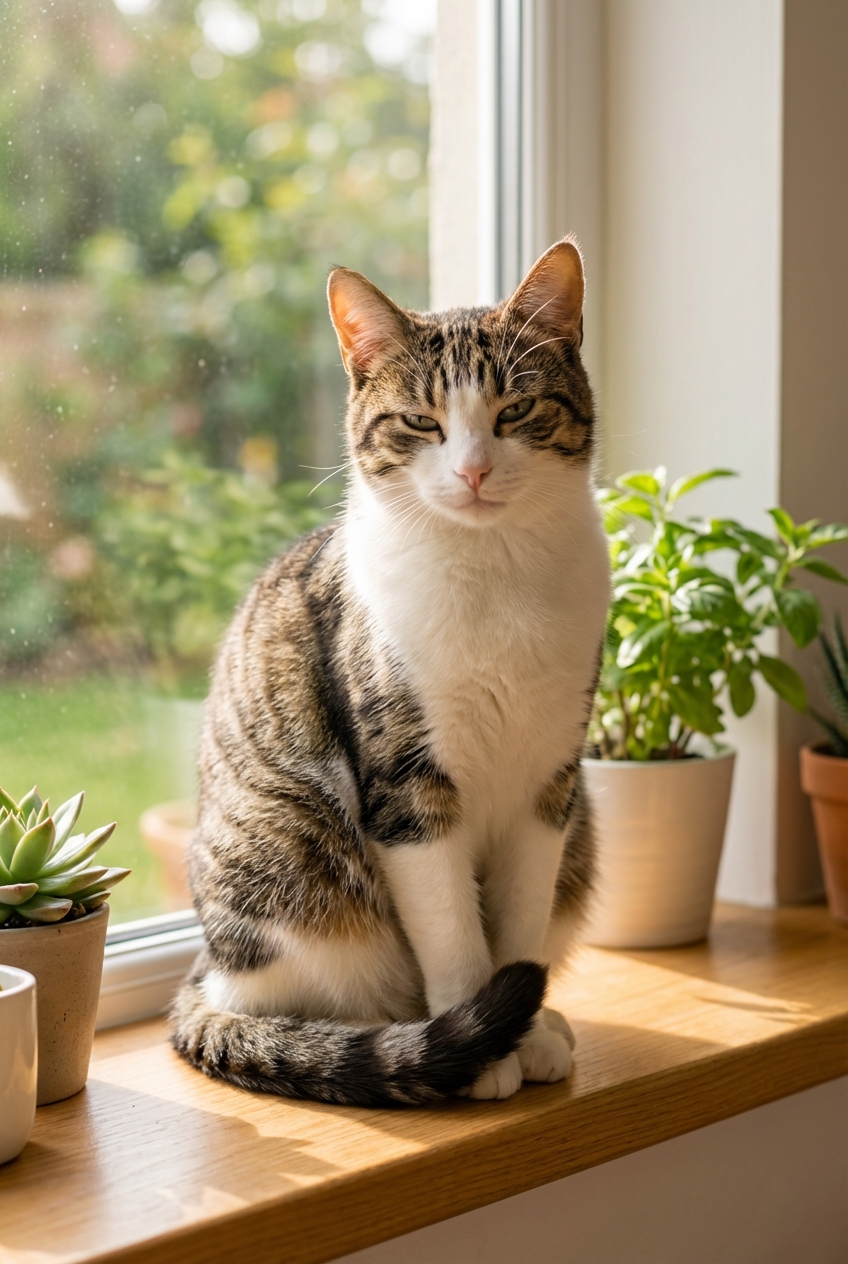
Decode cat tail signals like tail up, tucked, puffed, swishing, twitching, and quivering. Learn what they mean, how to respond safely, and when to call the vet.
Article
•
Designer Mixes
Why Does My Cat Twitch His Tail?

Shari Shidate
Designer Mixes contributor
If you have ever watched your cat’s tail flick, whip, or twitch like it has a mind of its own, you are not imagining things. A cat’s tail is a powerful communication tool, and those small movements can often mean anything from “I’m focused” to “Please stop petting me.” The key is reading the tail with the rest of your cat’s body language and the situation you are in.
Below are the essential, need-to-know tips I share most often as a veterinary assistant, so you can respond in a way that keeps everyone calm and safe. One quick note: individual cats vary. Some are natural “tail talkers,” while others are subtler, so context always wins.
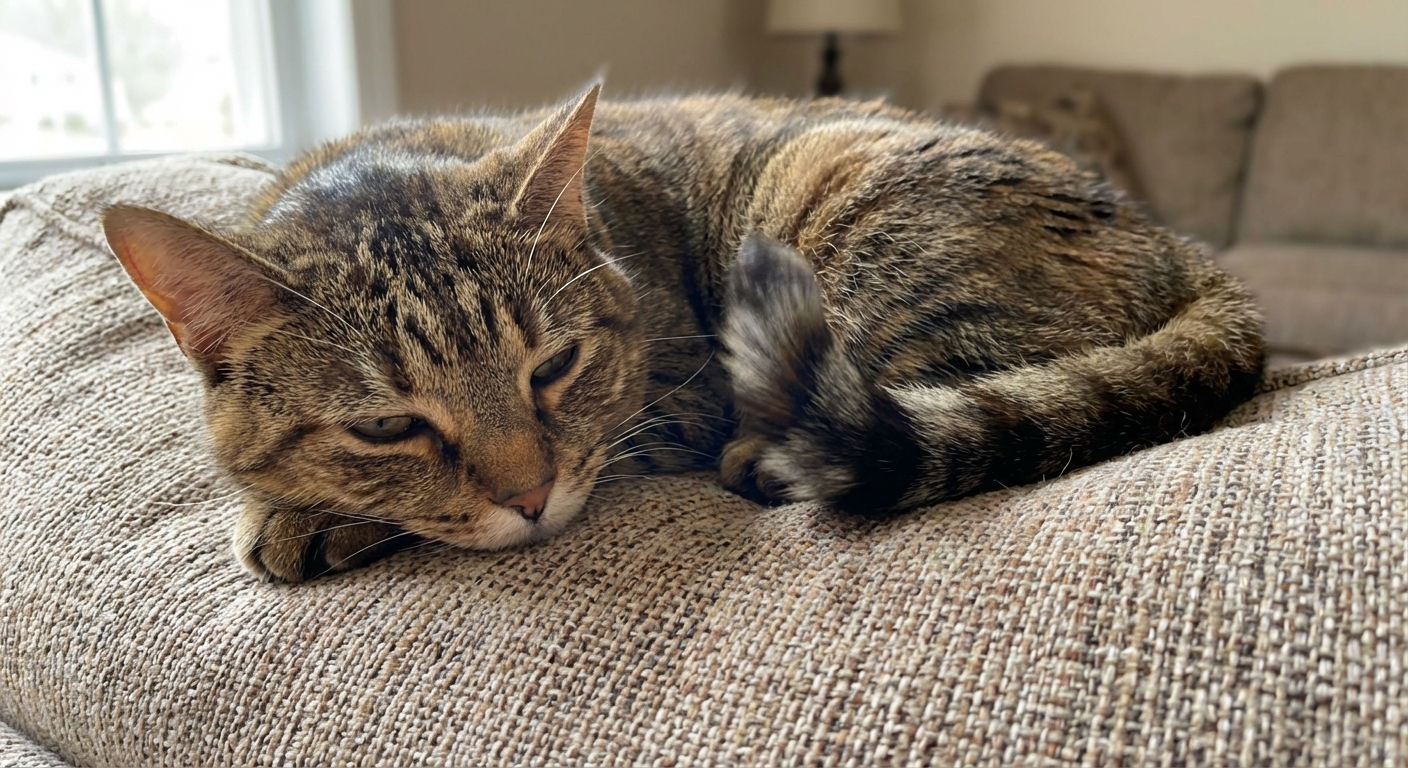
Tail twitching: what it usually means
Tail motion is not one single message. It is more like a dial that turns up and down depending on mood, arousal, and environment. Here are the most common tail-twitch “translations” (with the reminder that play and stress can look similar in the moment).
1) The tail-tip twitch: focused or curious
A gentle twitch at the very end of the tail often shows concentration. You might see it when your cat is watching a bird outside, tracking a toy, or listening closely to a sound.
- What you can do: Let your cat observe. If play is appropriate, use a wand toy to channel that focus into a healthy hunting game.
2) Slow swishing: conflicted or unsure
A tail that sways side to side in slow, steady arcs can mean your cat is conflicted. They may be enjoying attention but also getting overstimulated, or they may be unsure about a new person, pet, or sound. Some cats also swish slowly during high-arousal play, so look at the rest of the body cues before you decide what it means.
- What you can do: Pause petting for a moment, speak softly, and give your cat space to reset. Offer a treat at a comfortable distance to build positive associations.
3) Fast thumping or whipping: overstimulated or “I’m done”
When the tail starts moving quickly or smacking the floor, many cats are signaling irritation or overstimulation. This is especially common during petting sessions that go on a little too long. Fast tail movement can also show up in intense play, so check whether your cat looks loose and bouncy (play) or tight and tense (too much).
- What you can do: Stop touching, avoid leaning in, and let your cat walk away. This is one of the best ways to prevent a scratch or bite. Do not punish the signal. It is your cat communicating a boundary.
4) Puffed tail: fear or high arousal
A puffed-up tail is a classic “I’m scared” or “I’m ready to defend myself” signal, often paired with an arched back. Tail twitching with piloerection (puffed fur) can happen during fear, sudden noises, or tense introductions.
- What you can do: Reduce stimulation, block access to triggers if possible, and give your cat a safe escape route like a quiet room or a covered bed.
5) Tail vibrating upright: excitement or friendly greeting
Some cats approach with a tail straight up and a little “quiver.” This can be a happy hello, or excitement around food time. In some situations, it can also occur around scent marking.
- What you can do: Reward calm greetings, and keep routines predictable if excitement easily tips into chaos.
Read the whole cat
Tail movement is most accurate when you check a few other quick clues:
- Ears: Forward usually means interested; sideways or flattened often means stress or irritation.
- Eyes: Soft blinks suggest comfort; wide pupils can mean fear, excitement, or pain.
- Skin rippling on the back: Can show overstimulation or discomfort.
- Vocalizing: Growling, yowling, or hissing plus tail whipping usually means “give me space now.”
- Body posture: Crouched and tense suggests fear; loose and wiggly suggests play.
Two quick examples:
- Tail whipping + ears back + tense body: Stop the interaction and give space.
- Tail up + soft eyes + relaxed posture: Usually friendly, comfortable, and open to gentle attention.
Also remember that people often mix up tail posture and tail twitching. A tail held high, low, tucked, or straight out can add helpful context to the twitch itself.
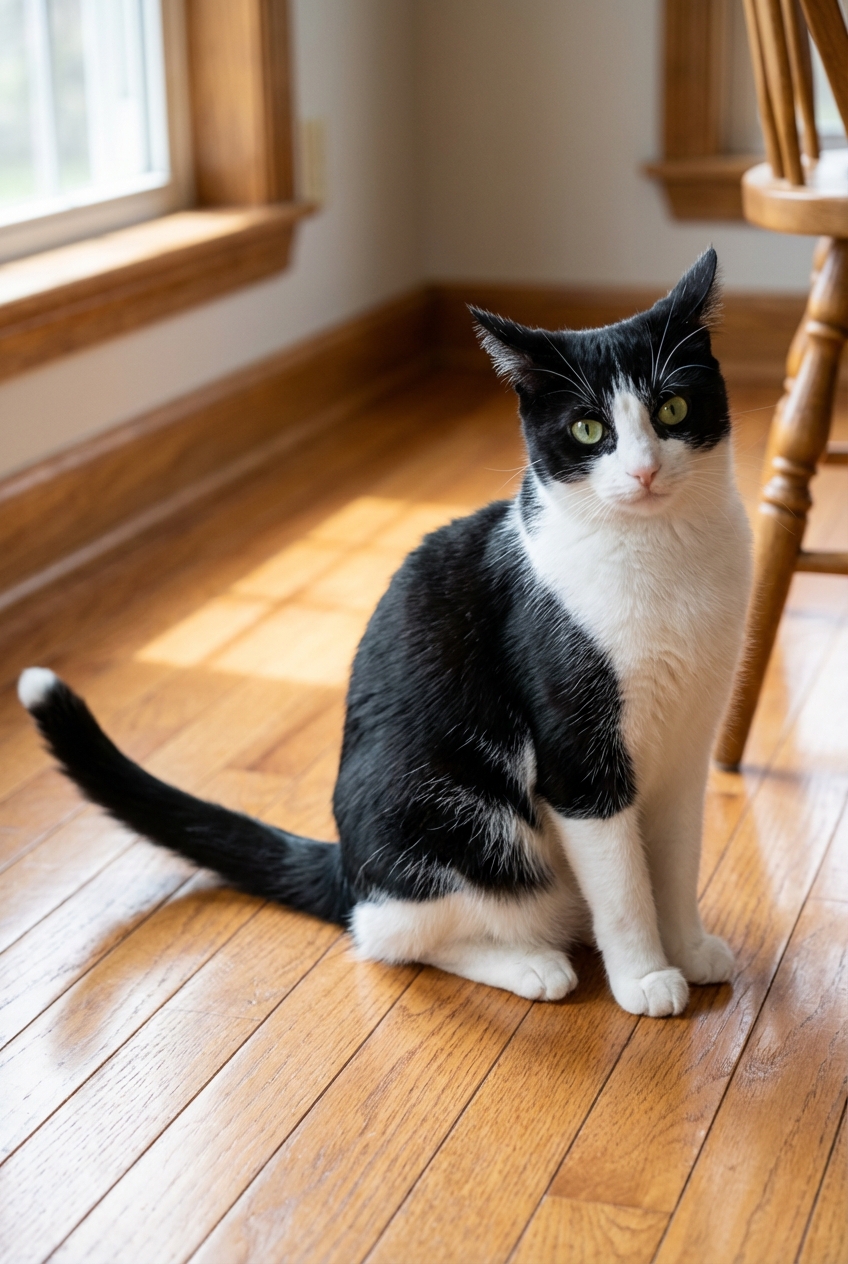
Common reasons tail twitches
Hunting instinct during play
Tail twitching is very normal during “hunt mode.” Cats often twitch the tail tip right before they pounce. Kittens and young cats tend to show more of this high-energy tail talk during play.
- Tip: Schedule two short play sessions daily, especially for indoor cats. End with a small meal or treat to mimic the hunt-eat cycle.
Overstimulation from petting
Many cats enjoy petting in short bursts. When the nervous system gets overloaded, the tail often speeds up first.
- Tip: Use the “3-second rule.” Pet for three seconds, pause, and see if your cat leans in for more. If not, stop. If you see fast swishing or thumping, jump to the checklist below and give your cat a break.
Frustration or redirected energy
If your cat sees another animal outside or hears something unsettling, they may not be able to reach the trigger. Tail thrashing can be part of that pent-up energy.
- Tip: Create distance from windows during high-traffic times, and provide enrichment like puzzle feeders, climbing spaces, and hiding spots.
Stress at home
Tail swishing can be a stress signal during changes like moving, new schedules, a new baby, a new pet, construction noise, or even a new litter box setup.
- Tip: Keep core routines stable: feeding times, litter box cleanliness, and quiet rest areas. Consider feline pheromone diffusers in multi-cat homes.
When twitching can be medical
Not all tail movement is “just mood.” If tail twitching is new, frequent, persistent, or paired with other symptoms, it is worth taking seriously. This matters even more in senior cats, who are more likely to have arthritis or back pain.
Watch for red flags
- Sudden change in tail behavior that is persistent or worsening over 24 to 48 hours
- Crying out, hiding, or aggression when touched
- Tail held down, tucked, limp, or not moving normally
- Limping, trouble jumping, or a hunched posture
- Excessive grooming at the base of the tail or lower back
- Skin twitching plus biting at the back or tail
- Any wounds, swelling, or obvious tail injury
- Changes in appetite, litter box habits, or energy
Possible causes your vet may consider
Only a veterinarian can diagnose the cause, but tail twitching alongside discomfort can be associated with issues such as:
- Fleas or skin irritation: In cats with flea allergy dermatitis or sensitive skin, even a single bite can trigger a big reaction.
- Allergies: Environmental or food-related itch can show up as tail-base licking or skin twitching.
- Arthritis or back pain: Especially in older cats, pain can make touch feel like “too much.”
- Tail or spine injury: Falls, getting caught in a door, or rough play can cause painful tail changes.
- Feline hyperesthesia syndrome: A condition linked with skin rippling, sudden bursts of grooming, and sensitivity along the back. This requires veterinary guidance.
- Anal gland discomfort: Uncommon in cats, but possible, especially if scooting or excessive licking is present.
Safety note: If you suspect pain, avoid squeezing or lifting your cat by the tail area. Transport in a secure carrier and schedule an exam.
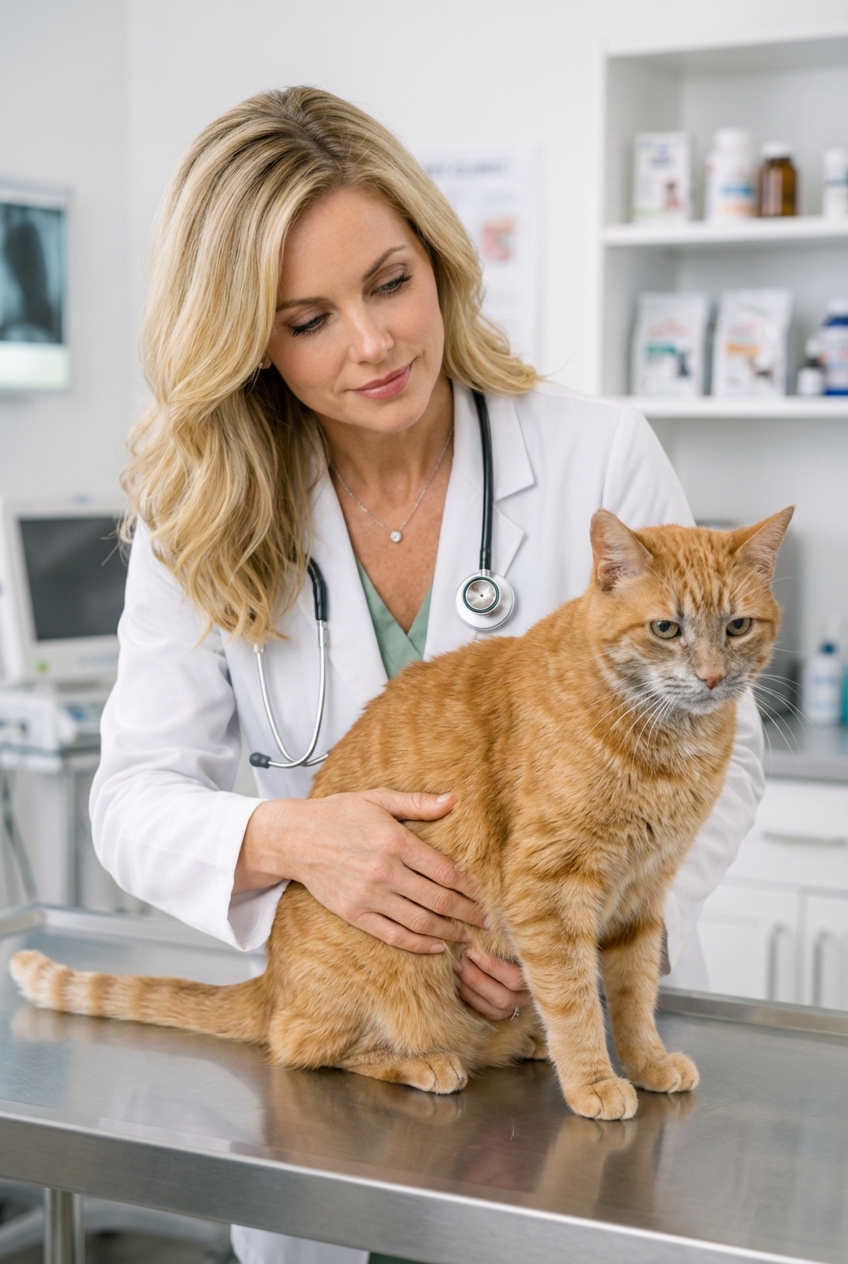
At-home checklist
If your cat’s tail starts twitching and you are not sure why, use this simple approach:
- Pause what you are doing. Stop petting or playing for a beat.
- Scan the body language. Check ears, eyes, posture, and tension.
- Reduce stimulation. Lower noise, step back, and give an exit route.
- Offer a positive alternative. Toss a treat away from you or use a toy at a distance.
- Look for patterns. Does it happen during brushing, when guests arrive, near windows, or around another pet?
- Check the skin and tail gently if your cat allows it. Look for fleas, scabs, swelling, or tenderness. If your cat objects, stop and call your vet.
Prevent stress and overstimulation
Pet smarter
- Stick to preferred areas: many cats like cheeks, chin, and the base of the ears more than full-body petting.
- Keep sessions short and end on a calm note.
- Let your cat initiate contact whenever possible.
Build daily enrichment
- Use interactive play (wand toys) to burn energy in a safe way.
- Add vertical space like a cat tree or shelves.
- Rotate toys weekly to keep novelty high.
Support a calm environment
- Keep litter boxes clean and easy to access.
- Create quiet hiding spaces in busy homes.
- In multi-cat households, ensure enough resources: multiple bowls, multiple resting spots, and ideally more than one litter box.
When to call the vet
Reach out to your veterinarian promptly if tail twitching is paired with signs of pain, a new behavior change, skin problems, or any injury. If your cat cannot urinate, has sudden hind-end weakness, has a limp tail after trauma, or seems acutely distressed, treat it as urgent.
Trust your instincts. If your cat’s tail behavior looks “off” for them, especially with hiding or sensitivity to touch, a quick check with your vet can catch issues early.